
Last updated: Apr 19, 2026
This area sits in the northern Illinois hail and thunderstorm belt, where spring storm cells can flip a project scope in a heartbeat-from routine replacement to insurance loss work. A quick shift from a simple shingle swap to a full roof replacement can happen if hail severity, wind gusts, or flashing damage push the underlayment and ventilation instincts past basic repair. In this neighborhood, the weather pattern matters every contractor's calendar, because a single strong storm can redraw the project plan and demand urgent action from you and your roofer. Expect adjusters to scrutinize every inch of exposed roof line after a big event, not just the obvious bruising you can see from the ground.
After a major storm, the camera becomes your first line of defense and your most persuasive tool with an insurance company. Photograph shingle bruising, lifted tabs, curling edges, and any flashing or vent damage from multiple angles and in good daylight. Include close-ups of granule loss on shingles, dented metal, and any collateral hits on siding or gutters that could be tied to the same event. Wide-angle shots show the roof's condition relative to the ridgeline and deck; a timeline of photos helps establish when damage occurred. Keep a dated photo log in a folder you can share with your adjuster and your contractor. If you have attic access, snap interior signs of roof leaks-stains, signs of moisture, and any attic vent damage. The more precise your documentation, the faster the claim can move from inspection to resolution.
After the big storm dates in the Chicago suburbs, adjuster timelines can lengthen and contractor availability can tighten. Romeoville homeowners can find themselves waiting longer for an inspection window, then for material and crew scheduling. Plan for a dual-track approach: initiate the claim promptly, but prepare for a longer-than-average inspection backlog and possible re-inspection rounds if debris or hidden damage is found later. If you suspect water intrusion or hidden underlayment damage, don't delay identifying the problem. Early documentation of suspected damage helps avoid a paused project and the risk of misalignment between your insurer's scope and your actual needs.
When the adjuster arrives, expect a careful walk-through of the roof's elevations, ridge line, valleys, and penetrations. Have your photo log organized and accessible, along with quick notes on storm date(s) and any known pre-existing issues that might complicate the claim. The inspector will be looking for signs of wind-lift, hail bruising, and flashing failures around chimneys, skylights, and vent pipes. If there's evident hail damage across multiple roof planes, be prepared for a larger claim scope that includes underlayment replacement and vented soffits. If a contractor notes areas that require more than a simple shingle swap, make sure those findings are reflected in the claim paperwork so the adjuster's estimate matches the actual repair work.
In a tight market, you'll want a contractor who can align with the insurer's schedule while preserving quality. Look for crews with demonstrated experience handling storm damage claims, including accurate decking and underlayment assessment, and a clear process for coordinating with insurance approvals. Communication is critical: you should receive timely updates on inspection dates, expected scope changes, and any required documents the insurer requests. If a site visit or second opinion is needed, coordinate promptly to minimize downtime between inspection, approval, and the start of work. In Romeoville, the rhythm after a major storm hinges on both weather windows and insurer responsiveness, so proactive scheduling and meticulous documentation are your best defenses against delays.
Find local contractors experienced in assessing and restoring roofs after hail, wind, and severe weather events.
QCA Roofing
580 W Taylor Rd, Romeoville, Illinois
4.9 from 271 reviews
John's Roofing Contractors
(815) 293-8014 romeovilleroofingcontractors.com
403 Belmont Dr, Romeoville, Illinois
4.9 from 50 reviews
QCA Roofing
580 W Taylor Rd, Romeoville, Illinois
4.9 from 271 reviews
Weather Damage? Trust QCA Roofing – Your Residential & Commercial Experts! At QCA Roofing, we deliver more than just a roof over your head. Specializing in both residential and commercial roofing, we bring superior craftsmanship, care, and reliability to every project. As insurance claim specialists, we’re experts at restoring homes and businesses affected by hail, wind, and storm damage, ensuring you get maximum coverage from your insurer. What makes us unique? Our dedication to quality, quick response times, and a commitment to making sure your property is fully protected, no matter the weather. Ready to elevate your property’s curb appeal and ensure lasting protection? Contact us today for a free inspection
Romeoville Roofing Contractors
(331) 803-4496 romeovilleroofingcontractor.com
1175 W Crossroads Pkwy, Romeoville, Illinois
5.0 from 37 reviews
At Romeoville Roofing Contractors, we know the importance of having a roof over your head that is in good condition and able to protect you and your family from the elements. Keeping your roof maintained can save you in repair or replacement costs down the line. Every roof needs to be replaced or repaired at some point, but later is far better than sooner! Each expert roofing contractor Romeoville based is on hand and ready to help with any shingle roofing problems; expert roof repair, gutter repair, and gutter installation Romeoville services. We are well known for the quality and affordable prices of our services and also for our professional roofers' skills and expertise. Call us today for more information.
John's Roofing Contractors
(815) 293-8014 romeovilleroofingcontractors.com
403 Belmont Dr, Romeoville, Illinois
4.9 from 50 reviews
Our company provides a range of roofing services for residential and commercial properties. We install, repair and replace roofs for our clients. Our team of experienced professionals specializes in shingle installation and flat roofs, and we offer roof hail damage repair services to restore the condition of your roof. We use the highest quality materials and offer energy-efficient solutions to improve the durability, longevity and aesthetic appeal of your roof. Contact us for all your roofing needs.
Plainfield Promar Roofing
(815) 327-3080 plainfieldpromarroofing.com
Romeoville, Illinois
5.0 from 10 reviews
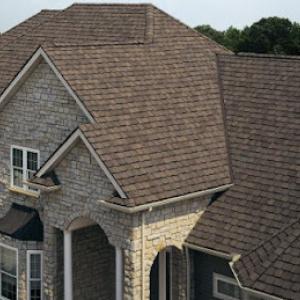
Plainfield Promar Roofing is a Plainfield, IL award-winning company dedicated to taking care of your roofing needs. Our team of experienced technicians provide you with a free quote of what you need, diligently walk you through each step, and deliver a final product that you can trust. Our high-quality work is always backed by a warranty and our relationships with insurance companies have let us help thousands of people get the most out of their policies. When you need a job done right, Plainfield Promar Roofing is ready to help. We offer commercial and residential roof replacement, repair, and maintenance. For more information on Plainfield Promar Roofing services, please give us a call for an immediate response for all roofing services.

CPR Property Solutions
(779) 277-7767 www.cprpropertysolutions.com
554 Anderson Dr unit G, Romeoville, Illinois
5.0 from 8 reviews
Exterior/Interior Contractors •Roofing •Siding •Windows •Gutters •Epoxy Flooring •Resinous Coating •Concrete polishing
MidAmerica Roofing
(630) 759-7500 www.midamericaroofing.com
1304 Enterprise Dr, Romeoville, Illinois
3.9 from 7 reviews
MidAmerica Roofing, Inc. is a family owned and operated low slope roofing contractor. We have been providing quality roofing solutions to our commercial, industrial and institutional clients across the country for 40 years.
DNS Exterior
(815) 293-6311 dnsexterior.com
Serving
4.9 from 127 reviews
DNS Exteriors is the leading roofing company in Lockport, IL, and the surrounding area. We proudly offer roof repair, window replacement, and door installations in Lockport, IL. Contact us for all your siding contractor needs. DNS Exteriors is a full-service contractor dedicated to providing top-notch services and products to our valued customers. We ensure that every installation is carried out by our factory-trained and certified installers. We are renowned for our expertise in exterior products, including windows, siding, roofing, soffit/fascia, and gutters. Our team is fully equipped to handle projects for both residential and commercial clients. Contact DNS Exteriors to schedule our home exterior services in Lockport today!
ROOFX Roofing Company & Gutters
(815) 293-8015 lockportroofingcompany.com
Serving
5.0 from 39 reviews
As a renowned roofing company Lockport located, we cater to all your roofing requirements. Whether it's a minor fix or a complete roof overhaul, our team of skilled roofing contractors Lockport team is ready for the task. We provide an array of roofing solutions, from roof maintenance to shingle fitting, and our dedication to offering top-notch, cost-effective services is unwavering. Reach out to us now for a consultation and experience the benefits of partnering with a dependable roofing firm for your enterprise.
Asset 6 Roofing
(708) 620-9352 www.asset6roof.com
Serving
5.0 from 6 reviews
At Asset 6 Roofing, we are more than just a roofing company. We are your trusted partner in providing comprehensive exterior home services in Illinois and beyond. Having been in the business for 25 years, our commitment to quality and customer satisfaction has never wavered.
PS Commercial Roofing
(331) 212-8553 flatroofingbolingbrook.com
Serving
5.0 from 36 reviews
If you search for a roofing expert, ALL ROOFs is the contractor that you should contact. We’ve been doing our job for years and have many projects behind us. Throughout this time, we managed to gain a lot of experience and we’re able to serve you with the highest quality roofing in Bolingbrook that you need. In our offer, you’ll find various types of materials: metal, wood shake, vinyl, and others. Our experts can provide you not only with the installation but also with reliable repair and roof replacement in Bolingbrook. There isn’t any job that we couldn’t cope with. We firstly prepare a free quote that will help you to plan the budget. We are ready to work for you and your house.

All in 1 roofs
(630) 388-9060 www.allin1roofs.com
Serving
5.0 from 99 reviews
Since 2010, All in 1 Roofs has been a trusted name in Lemont and surrounding suburbs, delivering exceptional residential and commercial roofing solutions. Their expertise spans new roof installations, meticulous repairs, and seamless gutter and siding services. With a commitment to quality, they offer a diverse range of siding options to enhance your home's aesthetic and durable seamless gutters designed to protect your property for years to come.

Statewide Restoration
(312) 237-8236 www.statewiderestorationil.com
Serving
5.0 from 33 reviews
Statewide Restoration provides reliable roofing, siding, gutter, and storm damage restoration services throughout Chicagoland. We specialize in hail and wind damage repairs, full roof replacements, exterior upgrades, and insurance claim support. Our team delivers honest service, clean jobsites, and high-quality craftsmanship using trusted materials and OSHA-compliant practices. Whether you need a free inspection, emergency storm response, or expert guidance with an insurance claim, we offer fast, professional solutions built to protect your home for years to come.
Romeoville roofs age under repeated Chicago-area winter freeze-thaw cycling that can widen small defects around penetrations, flashing edges, and shingle seals. In this climate, moisture that seeps into microscopic gaps freezes, then expands, pushing against surrounding materials. Over multiple seasons, those tiny opens compound into active leaks or accelerated granule loss on asphalt shingles. The typical suburban Will County roof reflects this stress, with edges and vents showing early signs first. Recognize that freeze-thaw cycles don't just test the roof in January; they set the stage for summer heat and humidity to push materials beyond their comfort zone.
Cold winters followed by hot, humid summers create strong annual expansion and contraction, which is especially hard on asphalt systems common across suburban Will County neighborhoods. Shingle seals can fail where they meet vents, stacks, and metal flashings, while underlayment may shift enough to loosen fasteners or create small gaps. In addition, attic ventilation that isn't balanced amplifies this effect: excess moisture in summer trapped by insufficient airflow accelerates deck deterioration and can lead to faster oxidative aging of shingles. Look for hairline cracks, lifted tabs, curled edges, or blunted granules near roof penetrations as early warning signs.
Replacement scheduling is usually most reliable from late spring through early fall, when drier and more moderate conditions reduce moisture-management and installation risks. If a full re-roof is planned, align work with a dry stretch to minimize wind-driven moisture and to allow proper ventilation installation. In Romeoville's climate, your project should target days with moderate humidity and daytime temperatures that avoid extreme heat, which stresses installed underlayment and adhesive shingle seals. During the planning phase, ensure a careful inspection of all penetrations, flashing joints, and valley areas, because those locations are often the first to reveal freeze-thaw wear.
Conduct a seasonal walk-around after the heaviest snowmelt and again after any severe hail event. Pay attention to signs around chimneys, plumbing stacks, vent pipes, and edge details. Inside the attic, look for damp spots, dark staining near roof lines, or rust on metal components that indicate moisture intrusion. Keep gutters clear so meltwater can shed properly, reducing the chance of water backing up and seeping under shingles. If any issues are spotted, document with photos and monitor for changes after a thaw to determine whether a localized repair or a full re-roof is warranted.
Asphalt shingles dominate the area's stock of suburban single-family homes, and you'll notice a dense network of local contractors who specialize in re-roofs rather than niche, custom systems. This practicality translates into choices that perform well under Chicago-area freeze-thaw cycles, frequent hail events, and steady wind pressure. When you're evaluating options, asphalt remains the most straightforward route for durability, straightforward maintenance, and predictable compatibility with existing roof geometry on typical Romeoville homes. Expect strong performance from sealed joints, proper underlayment, and adequate attic ventilation to keep shingle life steady through seasonal swings.
Metal roofing exists in the market, but it's more specialized here, so installer experience matters more than with asphalt. If metal is on your radar, prioritize crews with a proven track record on similar configurations. Snow shedding, thermal movement, and precise accessory flashing differ enough from standard shingle work that details make the difference between a long-lasting install and ongoing upkeep. In areas with winter snow loads and freeze-thaw stress, a metal system can offer excellent durability, but the installation needs to be meticulous to address expansion joints, ridge venting compatibility, and correct sealant choices. Metal also ages differently, so component matching-trim, gutters, and flashing-should come from installers who treat the roof as a cohesive system.
Clay tile, concrete tile, synthetic/composite shingles, and slate are present in the market, yet locally you'll encounter a smaller pool of crews with genuine tile- or slate-handling experience. Tile and slate bring distinctive weight, underlayment needs, and nuanced flashing details that differ from asphalt. They can offer excellent longevity in suitable climates, but the initial cost, weight considerations, and the precision required for proper installation are higher. If choosing these materials, seek contractors with documented tile or slate work on comparable houses-especially ones with similar structural support and roof geometry. Expect longer lead times for materials and more rigorous scheduling around seasonal weather windows.
In practice, the best choice aligns with your roof's current structure, attic ventilation, and the typical stressors from the local climate. Asphalt remains the most flexible, cost-effective, and installer-friendly option for most Romeoville homes, while metal appeals if snow movement and long-term energy performance are priorities and a skilled local crew is on your side. For any specialty material, verify the contractor's proven experience on similar projects, ask to see completed installations, and review how underlayment, ventilation, and flashing are integrated with the selected system. This ensures the roof can endure freeze-thaw cycles, hail, and high winds through many winters to come.
The most popular roofing material in the US. Find pros who install, repair, and replace asphalt shingles.
Romeoville Roofing Contractors
(331) 803-4496 romeovilleroofingcontractor.com
1175 W Crossroads Pkwy, Romeoville, Illinois
5.0 from 37 reviews
Plainfield Promar Roofing
(815) 327-3080 plainfieldpromarroofing.com
Romeoville, Illinois
5.0 from 10 reviews
Typical local pricing runs about $300-$550 per square for asphalt shingles. This is the baseline you'll see in most suburban neighborhoods with standard roof pitches and vented soffits. In a Romeoville storm cycle, that price can drift higher if hail and wind claims are surge-driven and crews are pulled into insurance work across the southwest Chicago suburbs. If you're just replacing a worn roof on a modest ranch or two-story with a conventional attic, asphalt shingles remain the most straightforward path, with cost staying close to the lower end of the range when no extra ventilation or underlayment changes are needed.
Metal systems sit in the mid-to-upper range, typically $700-$1100 per square. In this market, the price reflects not only the material but the faster installation and the need to address heavier underlayment and potential ventilation considerations tied to wind performance. After a big hail event or wind storm, metal can be in higher demand as insurers seek durable replacements, and crews may see premium-day rates. For homes with existing flat or low-slope sections, expect additional prep costs to ensure correct drainage, especially where gutters and facia interface with the new metal.
Clay tile generally runs $900-$1800 per square, while concrete tile is $800-$1500 per square. In Romeoville, these weights require structural checks and more intensive fascia and rafter work. The fall and winter freeze-thaw cycles complicate tile installations, so expect higher labor costs when the weather window tightens. After hail or wind events, pricing can rise further as crews balance insurance-driven projects with local demand, and specialty tile layouts can push total costs above the typical ranges if the roof has complex geometry or multiple level transitions.
Synthetic or composite shingles fall around $400-$750 per square. They often provide a middle-ground option in both performance and price, with added resilience to freeze-thaw cycles compared to some lighter traditional shingles. In storm-impacted periods, expect pricing pressure similar to asphalt, particularly when substituting for damaged underlayment or installing enhanced ventilation to meet local inspection expectations.
Slate equivalents typically run $1000-$1800 per square. Slate demands careful attachment, heavier substructures, and precise detailing around chimneys and vents. In times of regional hail and wind surges, slate projects can climb as crews allocate more time for delicate handling and for meeting inspection standards on full-re-roofs. Ventilation and underlayment upgrades are common to ensure long-term performance under Romeoville's freeze-thaw climate.
Get a clear picture of your project costs upfront - no commitment required.
Plainfield Promar Roofing
(815) 327-3080 plainfieldpromarroofing.com
Romeoville, Illinois
5.0 from 10 reviews
A full re-roof is not treated as simple maintenance in this area. The village building department typically oversees the permit process, and a formal permit is expected for a full replacement. That means you'll need to submit plans, have the project reviewed, and obtain approval before any material is pulled onto the roof. Expect checks not just of shingles or metal, but of how the underlayment is installed and how the attic ventilation is addressed. Skipping or rushing the permit step can lead to delays, rework, or trouble with final inspections.
Inspections are a normal part of the process here, not a rare hurdle. You should anticipate multiple visits while the work is underway. Inspectors focus on the underlayment's quality and coverage, the effectiveness of ventilation, and whether the installation aligns with the approved plan. It's not enough to pass once; inspectors will verify ongoing compliance as the project progresses. Communicate clearly with your contractor about scheduling so the exterior and interior checks line up with what's being installed and completed on site.
A final inspection is standard to close out the permit. This review confirms that the roof system, including fasteners, flashing, and edge details, meets local codes and the permit specifications. Even if the crew completes the roof promptly, you should expect the final walk-through to confirm that everything is sealed, vented, and installed as approved. If any discrepancies show up, a corrective step may be required before the permit can be closed out. Failing to pass the final inspection can stall the project and complicate insurance or warranty processes.
Because inspections are part of the normal process, scheduling and closeout can be affected if storm season creates a backlog of permit applications and reroof projects. When a high-volume period hits, permit review times can extend, and prioritization may shift. Build in lead time for permit approvals and potential weather-related delays. If a storm damages multiple homes, anticipate longer wait times for inspections and plan contingency dates for both the project and the final review.
Coordinate the permit submission early, maintain open channels with the building department, and ensure the contractor's documentation explicitly references underlayment and ventilation requirements. Keep a dedicated calendar for inspections and be ready to adjust work sequences to align with inspector availability. Being proactive helps prevent interruptions that ripple into insurance adjustments and project closeout.
Northern Illinois sees plenty of hail and windy days, and Romeoville homeowners often find that the claim landscape is more active than in quieter seasons. That means insurers may expect thorough, dated proof of damage short after a storm, and a pattern of claims can draw extra scrutiny. You should prepare to deliver detailed roof-condition photos and date-stamped records that show the progression from event to evaluation. Have shots of damaged shingles, dents on metal flashings, and any off-alignment or lifted edges. Exterior elevations and visible signs from ground level help, but interior spaces matter too: wet ceilings, staining, and any right away leaks should be documented promptly.
After a major storm, response times from adjusters and field inspectors can stretch. In that window, your roof's condition may change, and delays can affect claim positioning. It's prudent to keep a fresh record of interior leaks and exterior conditions, and to note any soft metals or compromised flashing as soon as you spot them. Immediate measures-temporary tarping, boards over compromised entry points, and ongoing moisture control-provide protection and show responsible management of the home during the claim process. Clear, timely communication with your insurer can prevent gaps in coverage due to delayed reporting.
When a storm hits, assemble a simple, dated log of key observations: missing granules on asphalt shingles, lifted edges, and any hail impact marks on metal components. Capture a sequence of photos from multiple angles, including at least one shot that situates the roof in relation to nearby streets or landmarks. If interior leaks appear, document the date and location, and preserve any moisture-damaged materials for the adjuster's review. By maintaining organized records, you reduce the risk of claim complications during the peak storm period.
In Romeoville, contractor signals show meaningful local demand for both skylight work and flat or low-slope roofing, indicating these details are common enough to deserve separate attention during inspections. Freeze-thaw cycling and summer humidity make curb flashings, transitions, and drainage details more failure-prone on low-slope sections than on simple steep-slope fields. On mixed-roof homes and additions in the southwest suburban housing stock, leak tracing often centers on skylight flashing, low-slope tie-ins, and penetrations rather than on the main shingle field alone.
When evaluating a skylight, start with the flashing at the curb. Look for loose or missing sealant, cracked caulk, and any signs of water staining around the curb underside. The flashing should sit tight against a clean, dry surface with a continuous bead of sealant at all joints. In high-humidity summers, silicone or polyurethane sealants tend to perform better than basic acrylics, but they still require refreshment during re-roof cycles. If a curb is tiled or metal, ensure the flashing foot is continuous and that step-flashing transitions are properly integrated with the skylight frame. Any signs of condensation between panes or unusual warmth around the skylight edge can indicate a thermal gap that invites moisture movement.
Low-slope sections require careful attention to drainage and flashing details because they shed water more slowly. Curb risers should be checked for tight, corrosion-resistant mounting and for proper slope away from the skylight or penetration. Transitions from low-slope to steeper sections must carry an integrated drip edge and a continuous waterproof membrane or compatible flashing system that overlaps the higher field. Curb flashing should be sealed at the vertical seams, and penetrations through the low-slope deck-such as vent pipes or antenna mounts-need dedicated boots or flange systems with robust sealant.
During inspection, trace leaks to their source by pressure testing or controlled water application around skylights and low-slope transitions. If staining is found on interior ceilings, follow the path to the closest penetration or edge detail rather than assuming the main shingle field is at fault. In mixed-roof homes, prioritize skylight and tie-in areas first, as those are the most common failure points in this climate and housing stock.
Find contractors experienced in skylight installation, flashing, and leak repairs to bring natural light into your home.
QCA Roofing
580 W Taylor Rd, Romeoville, Illinois
4.9 from 271 reviews
The local market is heavily oriented toward re-roofing, so when evaluating contractors, look hard at how they handle tear-off logistics, cleanup, and fast scheduling after a storm. A bid that focuses only on new shingles without detailing debris containment or tarping around your yard and driveway can leave you blindsided by after-storm mess or extended disruption. In dense suburban neighborhoods, crews that can coordinate quiet, orderly work with minimal street clutter tend to earn better reviews from neighbors who are juggling work and kids at home.
Quick response and rapid cleanup rise above most other factors in practice here. After a leak or hail event, you want a contractor who will answer the call promptly and show up with a plan for stopping the water and protecting interior spaces right away. Look for contractors who document a daily clean-up routine, including how they manage waste from tear-off, how they protect landscaping and finished surfaces, and how they seal off work areas to keep dust from drifting into interiors. A contractor that can demonstrate a disciplined site-cleanup plan often translates into fewer callbacks and a smoother finish.
Because long-established and family-owned firms are well represented locally, homeowners can use tenure and warranty support as practical filters when many bids look similar on basic shingle replacements. Check how long the company has been operating locally, whether they assign a dedicated project manager, and what their warranty covers beyond the manufacturer's coverage. In this market, you will benefit from choosing a shop with a track record of standing by crews through repair or warranty work years after the job is done, rather than chasing a lower initial price that lacks post-install support.
Ask for a written schedule that includes tear-off start and end dates, daily cleanup goals, and a plan for protecting your landscaping and overnight items. Request a single point of contact for the project and a clearly outlined communication cadence during peak storm seasons. When bids arrive with similar shingle selections, let tenure, warranty depth, and the contractor's storm-response plan guide your final choice.