Last updated: Apr 19, 2026
Homer Glen sits in the Chicago metro storm pattern where spring hail and fast-moving thunderstorms are a primary trigger for roof inspections and replacement decisions. That means a storm-damaged roof isn't just an aesthetic issue-it's a matter of attic moisture, indoor risk, and long-term resilience. In this climate, the window between the first hail-adjacent dent and a winter leak can close fast, so recognizing problems early is not optional, it's essential. When a storm passes, think of your roof as your first line of defense against water intrusion and interior damage during rapid weather swings.
After a hail event or severe thunderstorm, you should treat shingles with visible impact or lifted tabs as active issues, not cosmetic flaws. Freeze-thaw cycles in Chicago-area winters are unforgiving: tiny cracks become pathways for water, ice, and moisture intrusion by the following winter. If you notice granule loss, dented metal, lifted edges, or granular staining on gutters, you're looking at problems that can escalate quickly once temperatures dip. Do not wait for a dripping ceiling to decide to inspect-every compromised area is a potential leak site with a short lead time before storms return.
Local contractor signals heavily favor storm damage, emergency repair, and insurance claim work, showing that homeowners here commonly need rapid post-storm roof response. When a hailstorm hits, you should have a plan to secure the most fragile zones first: valleys, chimneys, roof-to-wall interfaces, and any roof penetrations. Quick temporary patches can prevent water from seeping into attic spaces or ceilings while you sort out more permanent repairs. If a contractor identifies compromised decking or multiple damaged shingles, expedited action is warranted to minimize downstream damage and to keep you from chasing leaks through the winter.
Storms in this area are a common trigger for insurance reviews, so your documentation matters. Preserve weather reports and timestamped photos showing the storm's impact on your roof. Capture wide shots of the roof as well as close-ups of damaged shingles, granules in gutters, and any fascia or flashing issues. When you file, include a concise log of observed damage and dates of related weather events. A clear, organized record accelerates claim processing and reduces back-and-forth with adjusters, which is crucial in a climate where rapid response is expected.
Replacement timing around Chicago-area weather swings requires balancing immediate safety with long-term reliability. If multiple lines of damage are evident-widespread granule loss, lifted tabs, or compromised decking-early replacement may be the most prudent choice to avoid repeated patchwork. In this market, waiting for a perfect dry season can expose you to repeated storm cycles; timely assessment after a major hail event often reveals the true scope of need. Stay proactive, stay documented, and stay prepared to act fast when the next storm rolls through.

Statewide Restoration
(312) 237-8236 www.statewiderestorationil.com
15252 W 143rd St, Homer Glen, Illinois
5.0 from 33 reviews
Statewide Restoration provides reliable roofing, siding, gutter, and storm damage restoration services throughout Chicagoland. We specialize in hail and wind damage repairs, full roof replacements, exterior upgrades, and insurance claim support. Our team delivers honest service, clean jobsites, and high-quality craftsmanship using trusted materials and OSHA-compliant practices. Whether you need a free inspection, emergency storm response, or expert guidance with an insurance claim, we offer fast, professional solutions built to protect your home for years to come.
Pawel Roofing Company
(331) 529-6392 optlmaroofingcompany.com
12638 W 159th St, Homer Glen, Illinois
5.0 from 30 reviews
Pawel Roofing Company Homer Glen based, renowned for its exceptional craftsmanship and unwavering commitment to quality, has been a leading force in the roofing industry. With years of experience and a portfolio of diverse projects, We specializes in both residential and commercial roofing solutions. Our team of professionals ensures each project is completed with precision, using only the highest quality materials. We understand the importance of a sturdy, reliable roof and are dedicated to providing long-lasting, aesthetically pleasing solutions. Customer satisfaction is our top priority. We invite you to experience our expertise and unparalleled service. For any roofing needs or inquiries, don't hesitate to contact us.
Time Tested Exteriors
Homer Glen, Illinois
5.0 from 26 reviews
Time Tested Exteriors is a residential exterior company that prides its self with customer service and quality installations. Hire one contractor to handle all your exterior needs. Roofing, siding, soffits, fascia, gutters, and windows, Time Tested Exteriors is your one stop shop. Visit our webpage and check out our most recent projects.
Pro-Line Contractors
(708) 479-1237 prolinecontractors.com
12624 W 159th St, Homer Glen, Illinois
4.6 from 35 reviews
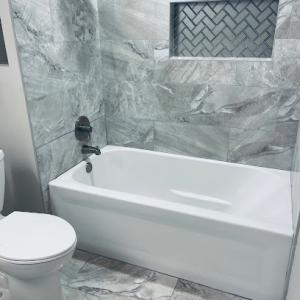
Pro-Line Contractors, located in Homer Glen, IL, is the leading provider of roofing and siding services for Homer Glen, Lockport, Tinley Park, Orland Park, and surrounding areas. As a locally owned and operated company, we offer a comprehensive array of home improvement solutions, including kitchen and bathroom renovations, roofing, siding, gutters, decks, and canopies. At Pro-Line Contractors, your satisfaction is our top priority, and we are dedicated to achieving excellence in every project. Reach out to us today for more details!
DNS Exterior
(815) 293-6311 dnsexterior.com
Serving
4.9 from 127 reviews
DNS Exteriors is the leading roofing company in Lockport, IL, and the surrounding area. We proudly offer roof repair, window replacement, and door installations in Lockport, IL. Contact us for all your siding contractor needs. DNS Exteriors is a full-service contractor dedicated to providing top-notch services and products to our valued customers. We ensure that every installation is carried out by our factory-trained and certified installers. We are renowned for our expertise in exterior products, including windows, siding, roofing, soffit/fascia, and gutters. Our team is fully equipped to handle projects for both residential and commercial clients. Contact DNS Exteriors to schedule our home exterior services in Lockport today!
ROOFX Roofing Company & Gutters
(815) 293-8015 lockportroofingcompany.com
Serving
5.0 from 39 reviews
As a renowned roofing company Lockport located, we cater to all your roofing requirements. Whether it's a minor fix or a complete roof overhaul, our team of skilled roofing contractors Lockport team is ready for the task. We provide an array of roofing solutions, from roof maintenance to shingle fitting, and our dedication to offering top-notch, cost-effective services is unwavering. Reach out to us now for a consultation and experience the benefits of partnering with a dependable roofing firm for your enterprise.
Ultimate Roofing
(630) 312-9999 ultimateroofing.net
Serving
4.9 from 40 reviews
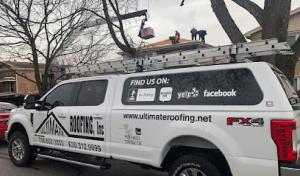
As a small local roofing company located in Lemont IL,our goal is to provide our clients with great services that stand out in Chicagoland competitive roofing industry while always maintaining a high standard of ethics. We know that our customers are the most important part of this business, so we have made a commitment to customer service and quality craftsmanship. We personally guarantee that you will receive reliable, honest, and friendly service. Our roofing services are unique to each customer in order to meet their specific needs. With 18 years of experience in the industry, you can count on Ultimate Roofing to provide quality service and peerless customer experience.
QCA Roofing
Serving
4.9 from 271 reviews
Weather Damage? Trust QCA Roofing – Your Residential & Commercial Experts! At QCA Roofing, we deliver more than just a roof over your head. Specializing in both residential and commercial roofing, we bring superior craftsmanship, care, and reliability to every project. As insurance claim specialists, we’re experts at restoring homes and businesses affected by hail, wind, and storm damage, ensuring you get maximum coverage from your insurer. What makes us unique? Our dedication to quality, quick response times, and a commitment to making sure your property is fully protected, no matter the weather. Ready to elevate your property’s curb appeal and ensure lasting protection? Contact us today for a free inspection
Asset 6 Roofing
(708) 620-9352 www.asset6roof.com
Serving
5.0 from 6 reviews
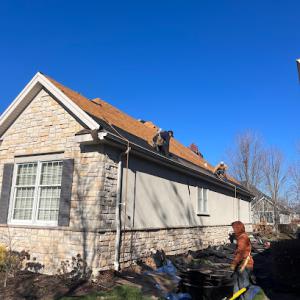
At Asset 6 Roofing, we are more than just a roofing company. We are your trusted partner in providing comprehensive exterior home services in Illinois and beyond. Having been in the business for 25 years, our commitment to quality and customer satisfaction has never wavered.

All in 1 roofs
(630) 388-9060 www.allin1roofs.com
Serving
5.0 from 99 reviews
Since 2010, All in 1 Roofs has been a trusted name in Lemont and surrounding suburbs, delivering exceptional residential and commercial roofing solutions. Their expertise spans new roof installations, meticulous repairs, and seamless gutter and siding services. With a commitment to quality, they offer a diverse range of siding options to enhance your home's aesthetic and durable seamless gutters designed to protect your property for years to come.
John's Roofing Contractors
(815) 293-8014 romeovilleroofingcontractors.com
Serving
4.9 from 50 reviews
Our company provides a range of roofing services for residential and commercial properties. We install, repair and replace roofs for our clients. Our team of experienced professionals specializes in shingle installation and flat roofs, and we offer roof hail damage repair services to restore the condition of your roof. We use the highest quality materials and offer energy-efficient solutions to improve the durability, longevity and aesthetic appeal of your roof. Contact us for all your roofing needs.
Raino Gutter Installation
(331) 757-1080 guttersinstallationlemont.com
Serving
5.0 from 24 reviews
Raino Gutter Installation is the go-to company in Lemont for expert gutter replacements, repairs, and new installations. If you’re experiencing issues or simply want peace of mind, give us a call — we’ll perform a detailed inspection of your current gutter system. To ensure your gutters are working properly, it's essential that downspouts are intact and free of debris, flashings are secure, and all components are in place. At Raino Gutter Installation, your home’s protection is our top priority. We’re committed to helping you prevent moisture damage that can weaken your home’s structure over time.
In this part of the southwest Chicago metro, asphalt shingles remain the practical backbone of most roof replacements. They're familiar to local crews, straightforward to install, and handle the typical suburban home size with predictable long-term performance. That said, there are enough homes with metal, tile, synthetic/composite, and slate to merit a side-by-side look so you can pick a solution that lines up with weather swings and replacement timing.
Asphalt shingles are the default for many homeowners because they strike a steady balance between performance, ease of repair, and cost of replacement. In spring hail seasons, asphalt shingles can shed granules, which matters for gutters and the first row of shingles exposed to impact. When choosing this option, consider architectural or laminated shingles for higher surface strength and better resistance to wind uplift. The key in this climate is ensuring a robust underlayment and solid flashing details to maintain a tight seal after freeze-thaw cycles.
Metal adds resilience against hail and offers excellent longevity, but it behaves differently under our extremes. Metal expands and contracts with hot summers and cold winters, so selecting fasteners and proper panel profiles matters for long-term performance. If opting for metal, look for a system designed for residential use with a concealed fastener style and high-quality sealants at seams. Aesthetically, metal can pair well with modern or craftsman styles, and it often weighs more favorably than tile options when structural load is a concern.
Clay and concrete tile provide strong resistance to impact and a distinctive look, but they demand a sturdy roof structure and precise flashing to handle freeze-thaw exposure. Clay is lighter on some structures but can be more brittle in cold snaps, while concrete is heavier and typically more forgiving with impact. Both require careful attic ventilation and a roofing system designed to manage thermal expansion. If a home already has the correct structural support and the budget allows, tile can deliver a long lifespan with a classic presence.
Synthetic or composite shingles imitate the look of slate or wood but add improved uniformity and often lighter weight. They can offer better impact resistance than standard asphalt and easier installation with similar maintenance patterns. For homes where copy-first aesthetics are important and a mid-range weight is desirable, synthetic shingles present a strong option that avoids some maintenance headaches tied to natural materials.
Slate brings premium longevity and a refined appearance, but it asks for careful detailing in flashing and structural support due to its weight. If a home is already designed to bear substantial loads and the budget accommodates higher upfront costs, slate can deliver multi-generational performance with a distinct, timeless look. In areas with freeze-thaw cycles, ensure professional installation emphasizes water shedding at valleys and roof-to-wall transitions.
Because Homer Glen is a suburban village with many detached single-family homes, material choice often comes down to balancing storm resilience, weight, appearance, and replacement timing rather than dense-lot urban constraints. When you plan a replacement, assess your roof's structural capacity, expected hail exposure, and the visual weight you want your home to carry. A well-chosen system will stay tight through spring storms and winter freezes, while offering a practical path to upkeep without unnecessary maintenance surprises.
Winter snow and ice in Homer Glen can delay tear-offs, reduce safe working windows, and complicate material handling on replacement day. If a replacement is on the calendar, set a tentative date for late winter thaw days or early spring so crews can work when driveways are clear and temperatures are above freezing for extended periods. Before any tear-off, clear access paths, remove vehicles, and designate a dry, level staging area for shingles and bundles. In cold snaps, have materials stored under a tarpaulin and heated briefly with a portable heater if the crew needs to reshingle a cold, brittle surface. Consider scheduling shorter workdays during frigid spells to keep crew safety intact and protect open roof edges from wind-driven snowfall. If snow is forecast, have a plan for rapid mobilization in the first clear window, so storm debris doesn't pile up and create extra risk during removal or reinstallation.
Spring brings frequent storms and hail across the Chicago area, so schedules can shift quickly from planned replacements to emergency repairs. In Homer Glen, break the season into predictable blocks-target a primary window in early spring, then reserve emergency-capable days for hail aftermath or wind events. When hail is likely or has just occurred, prioritize inspection and temporary coverings over a full tear-off to limit interior exposure while weather stabilizes. Have roofing materials staged in a sheltered area and ready-to-go, so crews can pivot fast if a sudden hail event damages multiple homes on a block. Communication with neighbors matters here: storms often create a spillover of urgent repairs, so a coordinated schedule with nearby homeowners can reduce lane closures, repetitive access, and nuisance noise. If hail damage is suspected, document quickly with photos from multiple angles, noting granule loss, dented metal components, and compromised flashing, so the claim process moves smoothly once the weather cooperates for a full replacement.
Fall is attractive for replacement work in Homer Glen, but wind and leaf buildup can affect ventilation checks and cleanup on tree-lined residential lots. Start with a pre-fall inspection to map venting needs, attic moisture pathways, and potential leaf clog risks in gutters and valleys. Schedule early fall windows before leaf fall accelerates and after strong winds have reduced debris load. On site, create a dedicated cleanup zone to catch leaves and small branches without letting them blow into freshly installed shingles or vents. If a windy spell is predicted, secure temporary edge protection and ensure debris nets are in place to prevent fines from windborne shingle fragments. Finish days should emphasize thorough cleanup, ensuring all attic ventilation pathways are clear and that gutters are free of debris for optimal air exchange and ice dam prevention in late-season temperature swings.
Get a clear picture of your project costs upfront - no commitment required.
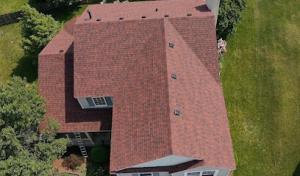
In this area, material pricing follows a recognizable pattern that reflects the local housing stock and Midwest climate. Asphalt shingles, the workhorse of most Homer Glen roofs, typically run about $350 to $550 per square. Metal roofing leans higher, generally $700 to $1200 per square, reflecting durability against hail and wind. For those with architectural tastes or specific performance needs, clay tile ranges from $1000 to $2000 per square, while concrete tile sits around $800 to $1400 per square. Synthetic or composite shingles offer a middle ground at roughly $500 to $900 per square, with slate bringing premium pricing of $1600 to $2800 per square. These ranges capture variations by product line, underlayment choices, and local labor rates, and they provide a practical baseline for budgeting major roof replacements in the throw of Chicago-area weather.
Costs in Homer Glen can rise after major Chicago-area hail events when regional demand surges for labor, tarping, and replacement crews. That surge can tighten scheduling windows and push subcontractor margins higher, especially during peak storm months when many homeowners are rushing to secure coverage and functional roofs. In practice, a homeowner may notice not only higher material costs if a specific product is in lighter supply, but also faster escalation in permit processing, disposal, and disposal-related fees tied to increased job traffic. Being prepared for a storm-driven spike means recognizing that crews may need to allocate two to three days of on-site work for inspection, alignment, and cleanup after a hail event, and that emergency arrangements can influence overall project economics.
The Chicago area swings between harsh winters, budding springs, and frequent hail finales, so timing a replacement to avoid peak demand can lower total outlay and shorten wait times. Given the weather pattern, the planning window is often the most impactful factor after choosing material. If possible, align replacement work between heavy storm seasons to secure steadier schedules and more predictable labor rosters. In practical terms, a homeowner should map the project to mid-season lull periods when crews are available and material supply chains are steadier, reducing the risk of delays or price volatility as weather swings shift from warm to thaw and back again.
Don't let upfront costs delay a critical repair - these contractors offer payment plans to fit your budget.
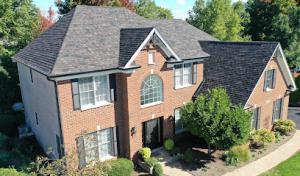
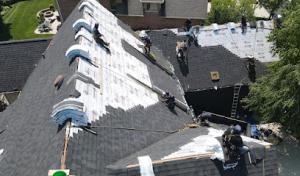
For full roof replacements in this area, a building permit is typically required through the village building department. Unlike projects where a contractor certifies completion on their own, the village takes the lead on intake and coordinates inspections. Knowing this ahead of time helps avoid delays that can push a project past a favorable weather window. Your contractor should start the permit process early and provide the village with detailed project plans so that the application doesn't stall on technicalities.
In Homer Glen, inspections are not a postscript to the job; they're woven into the process during and after installation. The village schedules inspections as the work progresses and again as a final check before completion is recorded. That means scheduling a start date with the permit office and aligning key milestones with weather forecasts is essential. If a storm comes through mid-project, a pause in work is normal and can affect the permit timeline, so build in flexibility and keep communication open with both the contractor and the village.
Inspectors focus on critical details that affect durability and long-term performance. Underlayment quality and coverage are checked to ensure a waterproof barrier that stands up to Chicago-area freeze-thaw cycles. Ventilation is evaluated to prevent heat and moisture buildup that can shorten roof life and lead to corrugated failures in summer heat. Overall installation compliance covers nail patterns, shingle alignment, and flashing integrity to minimize leaks around chimneys, vents, and valleys. If any deficiency is found, the project may be halted until corrections are made, so plan for potential rework in the schedule and be prepared with responsive follow-up from the crew.
Before work begins, confirm that the contractor submits all required documents to the village and that the project scope matches the permit language. Keep a centralized folder with permit numbers, inspector contact info, and milestone dates so nothing slips through the cracks. During construction, maintain accessible sight lines and clear areas around eaves, gutters, and ventilation openings to facilitate quick inspections. After the final walkthrough, ensure that any noted deficiencies are resolved promptly and that the inspector signs off before the permit is closed. This careful sequence helps prevent rework and aligns a roof replacement with village expectations and local weather realities.
Hail and storm activity are a regular backdrop for homeowners with large lots and mature roofs around this southwest Chicago metro edge. When a big storm moves through, the neighborhood tends to see a surge of claims, and adjusters come with a pace that often hinges on regional weather patterns and the timing of the next wave. Hail strikes can be deceptive-soft hits may leave hidden damage that only shows up after a thaw, and wind-driven shingle lift can complicate a straightforward patch job. Knowing this helps you plan without panic when a storm window closes.
Insurers commonly expect photo documentation of damage, taken from multiple angles and at different times of day to show staining, granule loss, or lifted edges. If your roof uses tile, slate, or a specialty system, an adjuster may request an engineering review to validate if the structure is still sound or if mitigation work is needed before replacement. For older roofs or non-standard materials, the review process can extend timelines and invite more scrutiny, so be prepared with a clear, dated record of all issues you observe.
Regional insurance market conditions can affect approval pace, scope disputes, and replacement timelines after widespread storm events. In practice, that means patience and persistent communication become part of the process. Having detailed notes on the storm's impact, a consistent set of photos, and a ready list of questions helps avoid back-and-forth delays. If a mismatch arises between observed damage and requested scope, you may need a concise, independent evaluation to support your claim.
Connect with contractors who help homeowners navigate the claims process from damage assessment to final approval.

Statewide Restoration
(312) 237-8236 www.statewiderestorationil.com
15252 W 143rd St, Homer Glen, Illinois
5.0 from 33 reviews
Pro-Line Contractors
(708) 479-1237 prolinecontractors.com
12624 W 159th St, Homer Glen, Illinois
4.6 from 35 reviews
In Homer Glen's climate, repeated freeze-thaw exposure makes flashing details, penetrations, and shingle seal integrity more important than in milder regions. Cold snaps followed by warm days push sealant joints and step-flashings past their limits, especially where valleys meet dormers, chimneys, or skylights. Leaks often begin as a slow seep around flashing and then spread under shingles during a thaw. A practical approach is to inspect metal flashings for lifted seams after storms and to peer at booted vent penetrations for hairline cracks. If sealant joints look dry or cracked, reseal with a compatible, self-adhering flashing product and re-secure loose pieces before the next freeze.
Hail and wind in the southwest Chicago suburbs commonly show up first as bruised shingles, granule loss, creased tabs, and leaks around roof transitions and skylights. Bruising weakens the fiberglass core, increasing blister and crack risk during freeze-thaw cycles. Granule loss accelerates aging, exposing asphalt layers to UV and moisture. Creased tabs can lift or crack, creating entry points for water. Pay attention to transitions where shingles meet vents, chimneys, and coping stones, since these areas concentrate impact and wind forces. When inspection after a heavy storm reveals missing granules or creased tabs, plan a careful assessment of the overall roof slope and edge protection to determine next steps.
Ventilation problems matter locally because hot, humid summers and cold winters can both shorten roof life when attic airflow is poor. Poor intake or exhaust reduces attic pressure balance, speeding moisture buildup and board delamination. In older homes, soffit vents can clog with insulation, while turbine or ridge vents may be misaligned or crushed by debris. A practical check is to confirm that soffit intake is open, attic baffles are in place, and there is a clear path for exhaust air to exit. Improved ventilation supports longer shingle life and reduces ice dam risk during the transition seasons.
Find contractors experienced in skylight installation, flashing, and leak repairs to bring natural light into your home.
Pro-Line Contractors
(708) 479-1237 prolinecontractors.com
12624 W 159th St, Homer Glen, Illinois
4.6 from 35 reviews