Last updated: Apr 19, 2026
Plainfield sits in the Chicagoland hail belt where spring hail and heavy rain are a primary trigger for roof inspections and replacement demand spikes. When those first hail storms roll through, don't wait for missing shingles to show up in a light rain. The impact can travel from a few bruised shingles to hidden damage that jeopardizes underlayment and decking. In practical terms, after a damaging spring hail event you should schedule a thorough inspection within days, not weeks. Look for irregular granule loss, dented flashing, and bent vents, because those tiny indicators often precede bigger leaks once rain returns. If an inspector flags more than cosmetic wear, plan for a careful roof assessment of the entire surface-not just the visibly damaged area. Hail damage can be lurking in attic condensation patterns and ceiling stains far from the storm's most dramatic impact points. Acting promptly keeps marginal damage from blooming into costly, preventable failures.
Cold winters followed by freeze-thaw cycling in the Plainfield area can turn small shingle, flashing, and sealant defects into active leaks by late winter or early spring. Freeze-thaw testing takes a toll on vulnerable seams and penetration points, which means that a roof that looked fine in late fall can reveal dangerous weaknesses once nights stay below freezing and daytime warming drives repeated thaw cycles. If you've had a season with repeated freeze-thaw cycles, don't gamble on "dry weather" luck. Pay particular attention to sealants around vent pipes, attic penetrations, and the transition between roof sections. Leaks can form behind walls or under attic insulation, so signs in living spaces-stains, musty odors, or damp insulation-are red flags that require immediate action. Time matters, because once a leak begins, it accelerates through any existing damage, especially where ventilation or insulation is compromised.
Winter snow and ice can delay repairs in Plainfield, so many homeowners end up scheduling full replacement work during the late-spring through early-fall dry window. Snowy months push roofing crews behind a clipped schedule, and frozen gutters complicate inspections and material handling. When the thaw finally arrives, the opportunity to complete a reliable, long-lasting repair or replacement hinges on dry, stable conditions. If a hail or freeze-thaw event leaves your roof in questionable shape, map out a plan that anticipates a continuation into late spring or early summer, but prepare for the necessary steps to begin as soon as a dry spell appears. Delaying a decision after a significant weather event can turn a repair into a full replacement later, especially for homes with older decking or compromised underlayment.
Act quickly after a damaging event by documenting with photos and notes, then call in a trusted local roofer for a storm-damage assessment within 48-72 hours if possible. Prioritize safety: avoid stepping on unstable sections, keep gutters clear to manage water flow, and protect interior spaces with temporary tarps or coverings if leaks are evident. If a professional identifies widespread damage, prepare for a high-probability replacement scenario rather than piecemeal repairs, particularly if damage spans multiple pitches or roof lines. In this market, timing can determine whether you regain full protection before the next storm or weather another season with compromised performance.
After a hail event in the Chicagoland area, insurance activity in Plainfield tends to tighten quickly. Policies can become more selective, and underwriting may lean toward closer scrutiny of roof age, visible wear, and the likelihood of pre-existing issues. For homeowners, this means that damage seen in the wake of a storm may be weighed against what existed beforehand, making accurate, timely documentation essential. A neighborly reminder: the patchwork of nearby homes often shares similar shingle age and roof types, so insurers may compare your claim against a local baseline of typical, pre-storm condition rather than a single house next door.
In the days after a hail event, take comprehensive photos that cover the entire roof surface, gutters, fascia, and downspouts. Close-ups of dented metal, chipped shingles, and granule loss should be clear and well-lit. Alongside visuals, keep a running log of dates, weather conditions, and any incidental damage inside the home that could be linked to roof issues, such as leaks or attic condensation. The claim review in this market often expects photo documentation, contractor estimates, and a narrative that distinguishes storm damage from wear or aging. If a contractor is called, ask for a written estimate that aligns with the photos and notes you've gathered.
Insurers commonly rely on independent estimates to gauge the scope of damage. In Plainfield, where roof types range from asphalt shingles to metal and concrete or clay tiles, a contractor's assessment should clearly map which areas were damaged by hail versus areas showing long-term wear. Be prepared for questions about previous repairs or upgrades. A detailed assessment that references the storm's timing and the roof's age can help prevent disputes during the claim review. Having a credible, local roofer who understands the common wear patterns in this neighborhood can smooth the process.
Recent claims history in this market can influence payouts and future coverage terms. If nearby homes recently filed hail-related claims, insurers may review your case with heightened scrutiny. This makes early, thorough documentation even more valuable. The key is to establish a clear narrative: what is storm-related damage, what is pre-existing condition, and how the two interact. A careful timeline helps avoid later questions about what should have been visible or reported sooner.
A practical approach is to initiate contact with the insurer promptly after the event and share the gathered documentation in a structured package. Include high-quality photos, a professional estimate, and notes that separate storm damage from long-standing wear. If a dispute arises over the cause of damage, be ready to provide complementary evidence, such as weather reports from the event window or third-party inspection notes. In this region, a calm, fact-based presentation often reduces delays and helps preserve coverage terms that reflect the storm's impact rather than pre-event conditions.
Finally, expect the possibility of adjustments to future premiums or terms once a claim is settled, as is common in markets with volatile post-hail activity. Keeping a proactive record of all communications, estimates, and repairs strengthens a homeowner's position should questions arise later. In Plainfield, where storms can be sudden and the impact on roofs can be uneven across neighborhoods, a careful approach to documentation and a cautious, methodical claim submission reduce the risk of surprises down the line.
Connect with contractors who help homeowners navigate the claims process from damage assessment to final approval.
Titan Construction Enterprise - Roofing & Siding Contractor
(630) 272-8204 www.mytitanconstruction.com
23831 W Andrew Rd, Plainfield, Illinois
4.8 from 295 reviews
Huuso Exteriors
(630) 200-1537 huusoexteriors.com
10204 Bode St UNIT A, Plainfield, Illinois
4.7 from 36 reviews
Ttlc
(815) 368-4955 www.ttlcinc.com
23736 W 119th St, Plainfield, Illinois
4.9 from 974 reviews
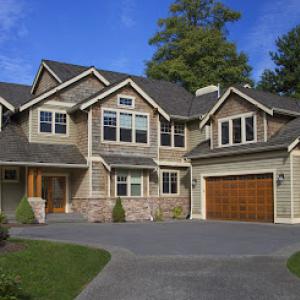
TTLC Roofing Siding and Gutters is a full-service, licensed, bonded, & insured General Contractor company based in Plainfield, IL servicing the Chicagoland area. TTLC has been in home services for over 18 years which include roofing, siding, remodeling, windows, landscaping or other residential home services, we offer you a new look for your current home. Our experts at TTLC can also help with insurance siding & roofing claims. We specialize in storm damage restoration, wind & hail damage restoration, gutter installation, and handling the intimidating and complicated insurance claims process. Our full in-house team can contest unfavorable decisions, and our team knows how to operate within code compliance protocols.
Titan Construction Enterprise - Roofing & Siding Contractor
(630) 272-8204 www.mytitanconstruction.com
23831 W Andrew Rd, Plainfield, Illinois
4.8 from 295 reviews
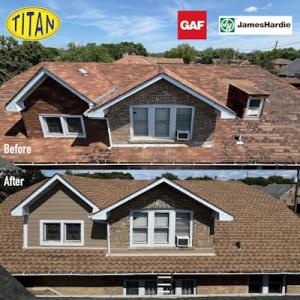
At Titan Construction Enterprise, we take pride in being more than just a roofing contractor. As a GAF Certified Master-Elite Construction Professional, we specialize in roofing, siding, and window replacement, delivering solutions that protect your home. As a trusted siding contractor, we use only top-quality materials to ensure durability and style. Our window replacement services are designed to improve energy efficiency, while our expert roofing solutions are backed by a transferable lifetime labor warranty. That means peace of mind for you. Whether you need a new roof, updated siding, or modern windows, you can count on us to get it done right. Discover why homeowners put their trust in Titan Construction Enterprise – call us today!

All Ways Roofing Company Plainfield
(815) 526-7035 roofingcompanyplainfield.com
230025 Arbor Creek Dr, Plainfield, Illinois
5.0 from 37 reviews
We are the ideal option for you if you're searching for a roofing company Plainfield that will work for you. In Plainfield, we provide services including roof replacements and roof repairs for both residential and commercial roofing. Our roofing contractors are well-versed in the most recent information to address your roofing issues. As one of the top roofing businesses in the Plainfield region, We have been offering services for many years. We will locate any leaks for you so that you won't have to be concerned about mold growth in your house or place of business. When we're done, our roofers will make sure your roof is functioning optimally. When it comes to your roofing requirements, look no further than us!
Roberto Roofing Company
(331) 529-6368 roofingcompanyplainfieldil.com
13532 Illinois Rte 59, Plainfield, Illinois
5.0 from 30 reviews
Our company, is a leader in the roofing industry, specializes in providing top-notch roofing solutions Our team of certified professionals is dedicated to delivering exceptional craftsmanship, using only the highest quality materials. We understand the importance of a sturdy, well-maintained roof in protecting your property and enhancing its aesthetic appeal. We offer a range of services, including roof installation, repair, maintenance, and emergency roofing services, all tailored to meet your specific needs. Trust us to ensure the durability and safety of your roof. Contact us today for a free consultation and discover how we can optimize your roofing experience.
Huuso Exteriors
(630) 200-1537 huusoexteriors.com
10204 Bode St UNIT A, Plainfield, Illinois
4.7 from 36 reviews
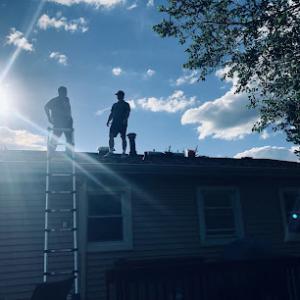
Huuso Exteriors is a residential & commercial roofing contractor serving Plainfield and the South Suburbs/Chicagoland (Naperville, Aurora, Oswego, Bolingbrook, Romeoville, Joliet, Downers Grove). We do roof repair, roof replacement, roof leak help, and storm/wind/hail inspections, plus TPO & metal roofing. Also siding, gutters, insulation, and screen repair. Service with Honor. Licensed, bonded & insured. Financing available. 10-yr workmanship warranty. Many systems include 25–50 yr manufacturer warranties (by brand/tier). We answer 24/7. Book a free 7-point, no-pressure inspection. Our goal is satisfied customers and quality workmanship.
Northwestern Exteriors
(630) 360-4550 nw-exteriors.com
24227 W Commercial St, Plainfield, Illinois
4.8 from 23 reviews
Northwestern Exteriors is a trusted exterior remodeling company serving homeowners across Illinois. We specialize in roofing, siding, gutters, windows, storm damage restoration, and complete exterior upgrades. Our team provides fast inspections, high-quality workmanship, and long-lasting home protection. We offer honest pricing, insurance claim support, and professional customer service. Whether you need repairs, replacements, or full exterior improvements, we deliver reliable solutions that keep your home safe, durable, and beautiful. Contact us today for reliable exterior services and a free estimate!
Industry Elite Services
(630) 536-8232 industryeliteservices.com
10204 Bode St UNIT A, Plainfield, Illinois
4.6 from 24 reviews
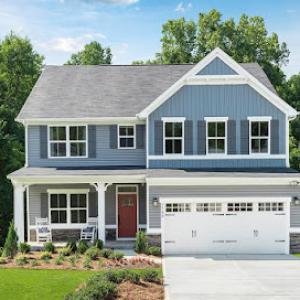
After more than 15 years in the roofing industry, we set out to create a different kind of roofing company; one that cares about the customer. With customer service and satisfaction as our main goals, we are an actively licensed, bonded and insured Illinois roofing company, that provides roofing services while maintaining the highest levels of quality and craftsmanship. Don’t just take our word for it! Check out our reviews!
Anix Builders Group
(773) 808-0315 anixbuildergroup.com
26425 Silverleaf Dr, Plainfield, Illinois
5.0 from 9 reviews
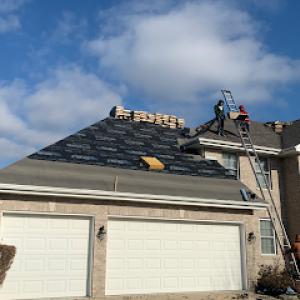
Reasonable Price for Best Service!!!
TrueRoof
(312) 885-8558 www.trueroof.direct
Serving
5.0 from 156 reviews
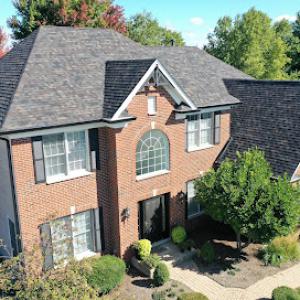
TrueRoof is a customer-focused roofing company that specializes in roof replacement and repair services for residential and commercial properties. Our new and free instant roof quote service, you can get an online roof estimate in seconds. Every roofing project needs our customized roofing solutions to suit any design preference and budget, including financing options. In addition to our roofing services, we offer a range of complementary products and services, including gutter, skylight, siding installation, and roof inspections. Get your instant quote today.
J&P Parci Roofing
(630) 857-6688 jpparciroofing.com
Serving
5.0 from 38 reviews
J&P PARCI Roofing Naperville: Your Trusted Roofers Near You At J&P PARCI Roofing, we’re your trusted roofing company Naperville based, with over 20 years of expertise. As premier roofers, we specialize in residential roofing, offering exceptional roof repair, installation, and replacement services. We deliver durable solutions and unmatched craftsmanship. Your roof is in reliable hands with us.
A&D Exteriors & Remodeling
(630) 485-8606 www.ad-exteriors.com
Serving
5.0 from 37 reviews
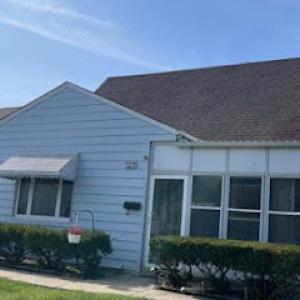
A&D Exteriors and Remodeling is your trusted partner for high-quality home improvement services. Specializing in Siding Services, Roofing Services, Remodeling Services, Doors Services, and Windows Services, we are committed to enhancing the beauty, functionality, and value of your home. Co-owned and operated by Gordo and Diana, who bring over 10 years of experience, our business delivers exceptional craftsmanship with a personal touch.
Storm Guard of Naperville
(630) 354-0836 www.stormguardrc.com
Serving
4.8 from 191 reviews
Established in 2015, Storm Guard of Naperville is a trusted roofing contractor specializing in quality roofing, siding, and gutter services. With nearly a decade of experience in retail and working with insurances, we are dedicated to helping homeowners protect and restore their properties after severe weather. Our team prioritizes exceptional craftsmanship and dependable service, ensuring each project meets the highest standards. At Storm Guard of Naperville, your peace of mind and satisfaction are at the heart of what we do.
In Plainfield, the baseline for most homes is asphalt shingles, reflecting the area's dominant residential stock. When you compare options, asphalt shingles sit at the center of the market, with metal, clay or concrete tile, wood shakes, and synthetic shingles offering clear upgrade paths. The typical cost range for asphalt shingles runs roughly from $350 to $600 per square (a square equals 100 square feet). For metal roofing, you'll commonly see a range of about $550 to $1,000 per square. Tile options-whether clay or concrete-sit higher, often $900 to $1,600 per square for clay and $700 to $1,300 for concrete. Wood shakes or shingles generally run from $800 to $1,500 per square, and synthetic or composite shingles occupy a middle ground around $450 to $750 per square.
Weather-driven timing and demand shape what you pay and how quickly work can start. Storms that bring hail and strong winds across the southwest Chicago suburbs create sudden surges in re-roof demand in Plainfield. After a hail event, scheduling pressure can push earliest-start dates weeks or even months out, and pricing can tighten as crews juggle multiple urgent projects. If your roof inspection reveals hail-related damage, expect busy markets for a period of time, with materials and crews potentially tightening before the storm-repair wave eases. Planning ahead after a hail event helps you lock in more predictable timelines and avoid premium rush charges.
When evaluating bids, the substitution of higher-end materials tends to carry not only a higher initial price but also different installation considerations. Tile roofs demand heavier structures and specialized underlayment, which can influence not only the per-square cost but also the overall job complexity. Metal roofs bring durability and wind resistance but can require precision in flashing and vent detailing to prevent leaks over time. Wood shakes offer an aesthetic many Plainfield homes favor, yet they require more maintenance and a careful approach to fire-safety and conditioning, especially in areas with stringent local guidance. Synthetic shingles provide a versatile option that can approximate the look of higher-end materials while sometimes improving impact resistance and installation speed. Each option has its trade-offs in weight, underlayment needs, and long-term maintenance, which should factor into the decision as much as the upfront price.
In terms of budgeting, expect the lowest cost path to be asphalt shingles, with clear step-ups for each upgrade category. If you're balancing a relative time-to-completion concern with long-term performance, metal often delivers the best overall value in regions with freeze-thaw cycles and hail exposure, provided the structure and flashing are properly prepared. Tile and wood, while offering distinct aesthetics and performance profiles, typically require additional structural assessment and ongoing upkeep. By aligning material choice with both your home's existing stock and the local climate realities, you can choose a re-roof that delivers reliable protection for years to come.
A full re-roof in Plainfield commonly requires a permit issued by the Village of Plainfield Building Department. Before any shingles come off or new underlayment goes on, you should confirm that a permit is on file for the project and that the contractor has pulled it in advance. The permit process is there to ensure that the installation aligns with local code, zoning, and drainage requirements, which helps prevent issues during insurance claims or future inspections. Starting the project without a permit can lead to fines, required revisions, or even a stop-work order, so treat the permit as the first critical step rather than an afterthought.
The roofing project typically involves plan submission and verification that the proposed installation meets local standards before work proceeds. Expect documentation that covers roof size, type of roofing material, underlayment choices, venting strategy, flashing details, and attic ventilation. A Plainfield inspector may request details on ice and water shield placement, valley configurations, and eave protection, especially given Chicagoland freeze-thaw cycles. If the plan shows a change from existing roof penetrations or venting layouts, provide clear drawings or manufacturer specifications to illustrate how these changes will perform under Plainfield's climate stresses. The goal is to demonstrate that the replacement will withstand seasonal storms, hail, and rapid temperature shifts.
Inspections are conducted during and after completion, with attention to underlayment, venting, and flashing details. During construction, an inspector may review nailing patterns, shingle overhangs at eaves, and the alignment of drip edge and underlayment. They will look for proper attic ventilation to prevent moisture buildup, which can worsen freeze-thaw damage and impact shingle longevity. After the roof is installed, a final inspection ensures that all penetrations (vents, stacks, skyluses) are properly flashed and sealed, that the attic is vented per code, and that the overall installation adheres to Plainfield's local requirements. Expect guidance on any minor adjustments needed to secure permit clearance, drainage away from foundations, and compatibility with neighboring properties. If issues arise, they will specify corrective steps before final sign-off, so coordinate closely with your contractor to address items promptly.
In Plainfield's climate, asphalt shingles are widely used because they fit the area's dominant housing stock and replacement economics, but they are vulnerable to hail bruising and thermal aging. For a homeowner facing repeat freeze-thaw cycles, standard asphalt shingles offer familiar performance, but local hail events can leave shallow dents that aren't always visible from the curb. When choosing asphalt, look for heavier granules and a more robust mineral surface, which tend to resist impact better and hold color longer through hot summers and cold winters. Pay attention to the warranty details on wind resistance and hail coverage, since the local profile often tests shingles with hail and rapid temperature shifts. In any installed roof, proper attic ventilation and a solid underlayment help mitigate ice dam risk and heat buildup, both of which accelerate aging in this climate.
Metal roofing is a meaningful local upgrade option because it handles snow shedding and summer heat differently than standard shingles, though installation quality around flashing remains critical. If a metal option is on the table, focus on a panel profile and coating that reduces glare and expands and contracts predictably with temperature swings. The seal between metal and vertical walls or vent penetrations matters more here than in milder climates, so insist on a meticulous flashing detail and a competent sealant plan. Metal can excel during repeated freeze-thaw events by maintaining a standing seam or interlocking system that minimizes water intrusion, but even so, ensure the roof deck is solid and the fastener pattern is appropriate for the underlying structure.
Tile, cedar shake, and synthetic products appear in the Plainfield market but require careful evaluation of weight, maintenance expectations, and weather performance in a cold-winter Chicagoland setting. Clay and concrete tiles can add longevity and a distinct look, yet they demand a reinforced structure to carry the load and may complicate venting and roof-line transitions. Cedar shakes can resist impact when treated, but they are susceptible to moisture-related rot and higher maintenance in freeze-thaw cycles if grading and installation aren't precise. Synthetic products offer a middle ground with easier maintenance and lighter weight, but check color stability, expansion behavior, and compatibility with existing flashing and ridge vents to ensure solid performance through multiple seasons of freeze-thaw stress.
Explore specialists in steel, aluminum, and standing seam metal roofs built to last 50 years or more.
Roberto Roofing Company
(331) 529-6368 roofingcompanyplainfieldil.com
13532 Illinois Rte 59, Plainfield, Illinois
5.0 from 30 reviews
Huuso Exteriors
(630) 200-1537 huusoexteriors.com
10204 Bode St UNIT A, Plainfield, Illinois
4.7 from 36 reviews
In this area, hot, humid summers stress attic air movement and moisture control more than you might expect. Poor venting accelerates shingle aging and can magnify hidden moisture problems behind the deck. If the attic feels stuffy or there are rising humidity signs on sunny days, the pathway for moisture to escape is likely not doing its job. Plainfield inspections specifically emphasize venting as a critical quality-control point on local re-roof jobs, so you want to be sure your soffit, ridge, and attic venting balance works in concert with the roof deck. A well-vented attic reduces heat buildup that can accelerate asphalt shingle deterioration and helps keep condensation from dripping into the framing or insulation. The outcome is not just comfort-it's long-term integrity of the roof assembly.
The most consequential leak points aren't always obvious from the backyard. Common failure sites are around roof penetrations such as vent pipes, skylights, and chimneys, as well as where roof planes meet walls or transitions between shingles and other materials. Freeze-thaw conditions in the Plainfield area can expose weak flashing details around roof penetrations and transitions after winter. When ice dams form or wind-driven moisture finds a slight gap, those flashing laps and sealants can crack or lift. If flashing looks dry or brittle, or if the sealant has pulled away, a targeted re-flash or reseal is not cosmetic-it's protective work that buys time against water intrusion.
After a harsh winter, inspect for soft or stained decking near penetrations and along eaves. Early spring is a practical window to verify that valleys shed water properly and that drip edge along the gutter line is secure. Even under a routine re-roof, staying vigilant about these points helps catch slow leaks before they become widespread interior damage. Remember, the goal is to keep water from finding those quiet entry routes where it can compromise rafters, insulation, or interior finishes.
Find contractors experienced in skylight installation, flashing, and leak repairs to bring natural light into your home.
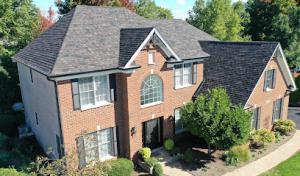
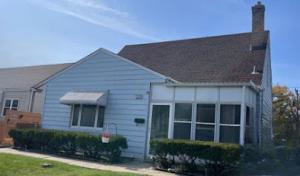
Although the local market is dominated by pitched roofs, flat and low-slope sections show up in additions, attached garages, and some smaller commercial properties. These areas require careful attention to drainage, flashing, and membrane transitions where the new section meets the existing roof. Plan for gradual drainage away from walls and ensure edge detailing adapts to the typical Plainfield storm pattern, where heavy spring rain can overwhelm marginal slopes.
Heavy spring rain and winter ponding risk make drainage and membrane detailing more consequential on low-slope sections than on steep roofs. Inspect downstream gutters and downspouts for capacity, and confirm that roof penetrations are paired with properly sealed, integrated flashings that tie into the main roof system. In addition, verify that any scuppers or edge drains are kept clear and that the interior drainage plane remains continuous through transitions.
Low-slope tie-ins on mixed-roof homes can become leak points where different materials and drainage patterns meet. Pay close attention to how shingles or metal roofing terminate into a flat section, and how the edge details align with parapets, parapet coping, and counterflashing. Where a low-slope meets a steeper main roof, ensure there is a deliberate step-down, with properly sized counters and a continuous waterproofing layer to prevent cold-weather movement from creating gaps.
When planning repairs or a small-scale update, map the entire low-slope footprint and note all transitions to steeper sections. Prioritize areas with prior ponding, visible blisters, or damaged sealant joints. Schedule mid-season checks after a heavy rain event to catch leaks before they extend into the interior, and keep an eye on warrantied flashing components that handle multiple weather cycles.
Find specialists in TPO, EPDM, and built-up flat roofing systems for residential and commercial properties.
Roberto Roofing Company
(331) 529-6368 roofingcompanyplainfieldil.com
13532 Illinois Rte 59, Plainfield, Illinois
5.0 from 30 reviews
Huuso Exteriors
(630) 200-1537 huusoexteriors.com
10204 Bode St UNIT A, Plainfield, Illinois
4.7 from 36 reviews