Last updated: Apr 19, 2026
Lemont sits in a Chicago-area weather pattern where hail, strong wind events, winter snow load, and repeated freeze-thaw cycles are the main roof-aging forces homeowners deal with. That combination isn't cosmetic-it's cumulative, sneaking in hairline cracks, lifting shingles, and accelerated wear on flashing and ridge lines. In this climate, a steep-slope roof can look fine after a storm but still suffer hidden damage that shows up later as leaks or ice dams. The key is understanding that every hail hit, every gust, and every thaw cycle compounds stress on the same vulnerable spots: the eaves, rake edges, vent openings, flashing joints, and the transitions between the roof and walls. If a storm hits hard, treat the roof as a system, not a single surface, because a small flaw today can become a big problem tomorrow.
The local insurance environment commonly requires photo documentation of hail and wind damage plus prior-condition records, making post-storm documentation especially important after spring and summer events. When you inspect, you want close-ups of shingles, granule loss, and any bruising or cracking, plus wide shots that show whole roof sections and any visible sagging or misalignment. Capture interior indicators too: stained ceilings, attic condensation, or moisture around vents and flashing. Keep a dated mini-log of what you see and where, and preserve tarping or temporary protections if a leak is suspected. If you had a prior roof, compare current photos to baseline images to clearly show new damage. In Lemont's freeze-thaw cycle, tests that prove existing conditions may be as valuable as the damage itself, and organized records can make a fast, fair assessment possible after a storm.
Winter conditions in this part of northeastern Illinois can create ice-dam risk and leak pathways at eaves and flashing details, while spring storms can turn small shingle damage into interior water intrusion if tarping is delayed. Ice dams form when valley and eave heat melt snow that refreezes at the overhang, backing water up under shingles and flashing. Pay special attention to attic insulation and ventilation, which influence dam formation. Frozen gutters and downspouts can back up meltwater, increasing leak pressure at flashing around chimneys, vents, and skylights. In many Lemont homes, the flashing sits on old mortar joints or at transitions to brick-areas that are particularly vulnerable to wind-driven rain and ice pressure. If you notice shingles curling, lifted tabs, or dark staining along eave lines after a thaw, treat it as a warning sign rather than a cosmetic issue.
Spring storms can turn small shingle damage into interior water intrusion if tarping is delayed. Even a minor hail bruise or a loosened edge seal can act as a funnel for rain and melting snow. The window between a storm and a visible leak can be brief, so act quickly. Have a plan for temporary protection if a frequent spring thunderstorm is forecast: heavy-duty tarps, secure rafter-level supports, and clear access to the affected area. While you prepare for a professional assessment, avoid walking on a visibly compromised roof; further foot traffic can worsen damage. Early-stage mitigation-covering exposed openings, directing water away from the envelope, and keeping visitors away from the vulnerable zone-can prevent interior damage and buy time for a professional evaluation.
Document any storm impact with timestamped photos from multiple angles, focusing on edges, flashing, and vent penetrations. Note any attic signs of moisture or unusual warmth. If you detect or suspect leaks, protect valuables with plastic sheathing and set up temporary shields to reduce water entry while awaiting a professional inspection. Schedule prompt, professional roof evaluations after large hail or strong winds, especially if winter damage is suspected, to determine whether attic ventilation, insulation corrections, or flashing repairs are needed. Prioritize secure tarping and accelerated assessment in the weeks following spring storms to minimize interior damage and preserve roof integrity for the next season.
Asphalt shingles remain the baseline choice for many Lemont houses, especially those with steep slopes that face the harsh Chicago-area freeze-thaw cycle and hail exposure. Local pricing ranges run about $350 to $650 per square for asphalt shingles. In practice, the lower end covers standard three-tab or basic architectural shingles with modest tear-off; the higher end accounts for upgraded architectural profiles, additional underlayment, and minor roof deck preparation after hail or wind damage. When the weather tightens after a hail event, crews may run a bit longer, nudging total project time and cost due to scheduling and material availability. For budgeting, plan for both shingle cost and the labor window that can stretch during busy spring and summer months.
Metal can be a smart fit on some Lemont homes with steeper pitches or modern styling goals. The local price rhythm runs from roughly $600 to $1,100 per square. Lower ranges reflect stand-alone metal panels or lighter gauge options with straightforward installations; higher ranges cover thicker profiles, better coatings, and added underlayment or insulation for cold months. Metal tends to perform well against hail and freeze-thaw cycles, but delivery and installation timing can be influenced by storm-driven demand in the Chicago metro area. If you're weighing metal after a major hail event, expect possible short-term spikes in lead times and crew availability, which can affect overall project timing and cost.
Clay tile brings distinctive curb appeal and long life, but it also comes with a higher upfront price. Prices typically run from about $900 to $1,800 per square. The upper end accounts for more complex roof geometry, higher weight considerations, and crate-delivery logistics that can be sensitive after severe weather. In village-area settings with older or structurally unique homes, tile installs may require careful coordination with stonemasons or carpenters to address roof deck condition and eave detailing. Freeze-thaw exposure in our climate can influence joint and fastener choices, so expect discussions with the contractor about tile set and sealant materials that perform best across multiple winter cycles.
Concrete tile sits between clay and other premium options in terms of cost, with typical ranges from $800 to $1,600 per square. The weight of concrete tile demands solid deck structure and possibly additional framing, which translates to higher labor content. After hail storms, some crews allocate time for careful inspection of existing deck substrate before replacement, influencing scheduling and total cost. In many Lemont homes, the decision to pursue concrete tile hinges on long-term durability and energy performance, particularly where summer heat amplification is a concern.
Wood shingles or shakes run about $700 to $1,200 per square. In our climate, wood offers aesthetic appeal but requires more maintenance to resist moisture, freeze-thaw cycles, and hail impacts. Expect more frequent inspections of facial boards and flashings after severe weather, with potential adjustments to underlayment and ventilation to manage seasonal moisture swings. Scheduling emphasis is often on preserving wood performance through drying times and seasonal wood treatment, which can influence both cost and timing.
Synthetic or composite shingles sit in a mid-range price band, roughly $500 to $900 per square. This option blends hail resistance and lighter weight with easier installation and potentially faster lead times after a storm. In Lemont, composites can perform well through freeze-thaw cycles while minimizing maintenance demands; however, material selection and color fade considerations during summer heat should be discussed with the contractor to align with long-term appearance and performance.
Overall, prepare for pricing that reflects not only the material choice and tear-off scope but also how weather-driven scheduling in Chicago-area seasons can shift crew availability and installation timing. After a hail or wind event, labor surges can tighten schedules, while winter access, spring showers, and summer heat can all nudge the total project window and price.

All in 1 roofs
(630) 388-9060 www.allin1roofs.com
379 River St unit 2, Lemont, Illinois
5.0 from 99 reviews
Since 2010, All in 1 Roofs has been a trusted name in Lemont and surrounding suburbs, delivering exceptional residential and commercial roofing solutions. Their expertise spans new roof installations, meticulous repairs, and seamless gutter and siding services. With a commitment to quality, they offer a diverse range of siding options to enhance your home's aesthetic and durable seamless gutters designed to protect your property for years to come.
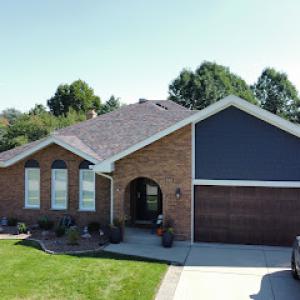
Signature Roofing & Construction
(708) 253-2148 www.signature-roofs.com
11301 Archer Ave, Lemont, Illinois
5.0 from 35 reviews
Signature Roofing & Construction, Inc. is a full service roofing company providing residential roofing services across Chicagoland area. Our services include new roofs installation, roof repairs and roof replacements, storm recovery assistance and energy efficiency improvments. 100% customer service guarantee.
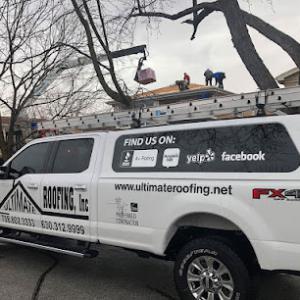
Ultimate Roofing
(630) 312-9999 ultimateroofing.net
13606 Birch Ct, Lemont, Illinois
4.9 from 40 reviews
As a small local roofing company located in Lemont IL,our goal is to provide our clients with great services that stand out in Chicagoland competitive roofing industry while always maintaining a high standard of ethics. We know that our customers are the most important part of this business, so we have made a commitment to customer service and quality craftsmanship. We personally guarantee that you will receive reliable, honest, and friendly service. Our roofing services are unique to each customer in order to meet their specific needs. With 18 years of experience in the industry, you can count on Ultimate Roofing to provide quality service and peerless customer experience.
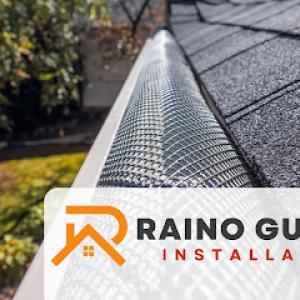
Raino Gutter Installation
(331) 757-1080 guttersinstallationlemont.com
13010 Dunmoor Dr, Lemont, Illinois
5.0 from 24 reviews
Raino Gutter Installation is the go-to company in Lemont for expert gutter replacements, repairs, and new installations. If you’re experiencing issues or simply want peace of mind, give us a call — we’ll perform a detailed inspection of your current gutter system. To ensure your gutters are working properly, it's essential that downspouts are intact and free of debris, flashings are secure, and all components are in place. At Raino Gutter Installation, your home’s protection is our top priority. We’re committed to helping you prevent moisture damage that can weaken your home’s structure over time.
Tectum Roofing Contractor
(331) 803-4495 lemontroofingcontractor.com
13077 Dunmoor Dr, Lemont, Illinois
5.0 from 20 reviews
You can count on Tectum Roofing Contractor to provide effective solutions to meet all of your roofing needs. Whether you are in need of roof replacement or roof repair Lemont services, our roofing contractors are highly trained in all shingle roofing Lemont services. They are highly experienced and skilled, shingle roofing contractors Lemont based. In addition to roof repair and replacement, we also offer gutter repair and gutter installation Lemont services. It is well known that your roof needs regular maintenance in order to have a long life. Our shingle roofing contractors are available to inspect your roof and perform any repairs needed. Catching repairs early will save you from serious and expensive problems later on!

Shield Roofing & General Contracting
Lemont, Illinois
4.6 from 10 reviews
We're at trusted Chicago roofing contractor with an outstanding reputation for quality workmanship and only use quality products. We offer solid,safe and sound roofs to residential, commercial and industrial customers.

Statewide Restoration
(312) 237-8236 www.statewiderestorationil.com
Serving
5.0 from 33 reviews
Statewide Restoration provides reliable roofing, siding, gutter, and storm damage restoration services throughout Chicagoland. We specialize in hail and wind damage repairs, full roof replacements, exterior upgrades, and insurance claim support. Our team delivers honest service, clean jobsites, and high-quality craftsmanship using trusted materials and OSHA-compliant practices. Whether you need a free inspection, emergency storm response, or expert guidance with an insurance claim, we offer fast, professional solutions built to protect your home for years to come.
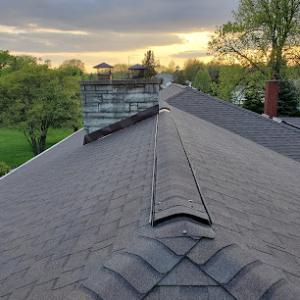
Connelly Roofing
(630) 941-8598 www.connellyroofinginc.com
Serving
5.0 from 26 reviews
Proudly serving the Chicagoland area for over 30 years, Connelly Roofing is a family-owned and operated residential roofing company that's dedicated to protecting your home with expert craftsmanship and superior service.

Roof Ready Roofing Companies
(224) 856-2147 roofingdownersgrove.com
Serving
5.0 from 36 reviews
Roof Ready Roofing Companies can provide the best of services to our customers. We only use the best quality of roofing materials to ensure that it will last you for years. Our company also provide hail damage restoration and storm damage restoration services. Our professional roofing contractors are always equipped with the latest tools and knowledge to provide a result that can exceed our customer's expectations. We can also handle any of your roof repairs and replacements. Our company ensures that your roof will look as beautiful and sturdy as possible. We also provide expert advice and incredible workmanship in each project that we do. Let us help you in achieving the sturdy and beautiful roof that you have always want

3JM Exteriors
Serving
4.9 from 245 reviews
At 3JM Exteriors, we bring your vision to life with expert roofing, siding, and window solutions that add beauty, value, and lasting protection. From start to finish, we ensure a seamless, guided experience.
Artex Roofing
(630) 841-4813 artexroofing.com
Serving
4.8 from 101 reviews
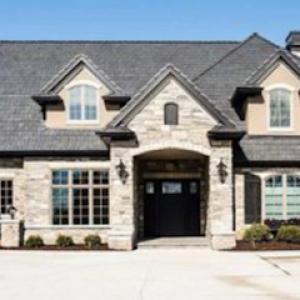
Artex Roofing is the best roof installation company in surrounding Chicago-land area. We specialize in new shingle and tear off roof installation, gutter installation and both commercial and industrial roofing service.

Home Resto
Serving
5.0 from 40 reviews
Home-Resto is the leading roofing contractor in Chicago, IL, and the surrounding area. We proudly offer roof replacement, gutter, and siding installation in Chicago, IL! Contact us for all your roof repair needs. Home-Resto is committed to providing top-quality roofing, siding, and gutter services with unmatched care and precision. Our team of certified and highly skilled craftsmen uses materials and techniques to ensure every project delivers durability, protection, and long-lasting results. We take pride in delivering exceptional workmanship tailored to your home's unique needs. Customer satisfaction is at the core of everything we do. Contact Home-Resto today to schedule a professional roofing consultation for your Chicago home!
A full roof replacement in Lemont requires a building permit rather than being treated as informal maintenance. The local process is designed to ensure that a steep-slope roof can withstand the region's freeze-thaw cycles, hail exposure, and wind loads. Before any shingle tear-off or new underlayment goes in, you or your contractor must file with the Village of Lemont Building & Code Enforcement and obtain the appropriate permit. This step protects the home investment and helps prevent callbacks after the job is finished.
Once a permit is requested, plan review will focus on safety, material compatibility, and drainage details. A clear scope of work should include the roof type, underlayment, ventilation strategy, flashing around chimneys and vents, and any repairs to decking. The village may require drawings or product data, especially if a non-standard material is chosen. Your contractor should submit these documents promptly to avoid delays. In Lemont, the process is defined to ensure that the replacement integrates with existing venting, attic insulation, and roof geometry.
Inspections are conducted during and after installation, with emphasis on framing, ventilation, and flashing. The inspector will check that the attic has adequate intake and exhaust ventilation to prevent moisture buildup and ice damming during freeze-thaw cycles. They'll verify that the deck is sound, underlayment is properly installed, and fasteners meet the chosen roofing system specifications. Flashing around valleys, vents, chimneys, and edges must be integrated with the chosen material. If issues arise, corrections must be completed under a re-inspection, so plan for potential adjustments in the timeline.
Final approval is required before the roofing work is considered complete. The inspector needs to see a clean installation that matches the permitted scope, with all penetrations sealed and in good order. Warranties and manufacturer requirements should align with Village expectations, so ensure materials and installation methods comply. After approval, keep the permit closure documentation for your records, in case any future work or re-roofing investigations arise. A smooth final sign-off signals that the project stands up to the local standards and the region's demanding climate.
The dominant local material mix includes asphalt shingles, metal roofing, clay tile, concrete tile, wood shingles or shakes, and synthetic or composite shingles rather than a single-material market. That diversity means you can tailor a roof to the specific parts of your home and the way Lemont's climate interacts with them. When choosing, consider how your roof partners with the house geometry, attic ventilation, and the way surrounding trees cast shade or expose the surface to sun in the late afternoon heat. A mixed-material approach is common here, so compatibility with existing flashings, interlayers, and fasteners matters as much as the material itself.
Chicago-area freeze-thaw cycling and hot summers drive how material movement, seal integrity, and long-term weathering behave. In practice, that means looking for shingles or panels that resist micro-cracking and nail-head rust, maintain a solid seal around vents and chimneys, and accommodate expansion and contraction without losing total performance. For steep slopes, the weight and fastener patterns of heavier materials must be coordinated with roof deck structure to avoid bounce or gaps after a freeze-thaw cycle. Think about how a chosen material handles rapid morning dew, afternoon heat soak, and the subtle shifting of the roof surface year to year.
Occasional hail storms in this region affect replacement decisions by pushing homeowners toward materials and profiles that balance impact resistance, repairability, and insurer acceptance. Metal roofing and concrete or clay tiles often perform well under hail when properly installed, but their impact on attic ventilation and the ease of field repairs varies. Synthetic or composite shingles can offer improved impact resilience with lighter weight and easier patchwork after hail strikes, though long-term wear characteristics should be reviewed. When hail risk is a priority, consider profiles with thicker exposure and appropriate underlayment systems to absorb impact while preserving a watertight seal.
Choosing a finish is about matching the roof's seasonal demands to your home's metabolism. Darker colors may improve heat absorption in some areas, while lighter tones can reduce summer temperatures on the roof surface and help preserve seal integrity after severe weather. For steep slopes, ensure the edge detailing and drip-edge components are designed to shed water quickly and avoid water penetration in freeze-thaw moments. Finally, alignment with existing roof elements-such as chimney, skylight fittings, and vent stacks-minimizes the number of custom flashings needed, reducing potential leak points over decades of Lemont weather.
If a storm leaves your steep-slope roof pocked with hail dents or shingle blows, documentation is your first line of defense. In the Chicago-area insurance market, hail and wind claims often hinge on clear date-stamped photos, close-up damage images, and records showing the roof's condition before the storm. Take pictures from multiple angles, capture any granule loss, lifted edges, and flash or gutter damage, and keep dated notes or a simple calendar of when you noticed issues. The goal is to tell a precise story of what happened and when it happened, so adjusters can understand the timeline between the event and the roof's deterioration.
Some carriers in this region limit coverage based on roof age or installed material, so Lemont homeowners need to understand policy terms before choosing between repair and full replacement. It's common to encounter caps or depreciation considerations that can shift decisions from "fix" to "swap out" parts of the roof. If a claim runs toward significant damage, the insurer will weigh not only the current condition but how the roof's original materials and age might impact what's covered. The reality is that a thorough, fact-based claim packet-photos, inspection notes, and a clear before-storm baseline-helps ensure the coverage decision aligns with the actual need.
Because Lemont requires permits and final approval for full replacement, homeowners should keep permit and inspection records as part of the claim file when storm damage leads to a full reroof. Having those records ready can smooth insurer reviews and reduce back-and-forth. If the damage is widespread enough to justify replacement, you'll want the documentation to demonstrate that a full roof replacement is the most prudent path and to align the claim with the permit trail. In this local context, the sequence from damage to approval often hinges on a clear, well-supported narrative across photos, pre-storm condition, and the eventual permit/inspection record.
Connect with contractors who help homeowners navigate the claims process from damage assessment to final approval.
Signature Roofing & Construction
(708) 253-2148 www.signature-roofs.com
11301 Archer Ave, Lemont, Illinois
5.0 from 35 reviews
Ultimate Roofing
(630) 312-9999 ultimateroofing.net
13606 Birch Ct, Lemont, Illinois
4.9 from 40 reviews

In this area, attic ventilation acts as the first line against both winter ice dams and summer heat buildup. Poor ventilation concentrates moisture and heat, which accelerates plywood and fascia degradation and can push ice dam formation higher up the roof. You should verify that soffit, ridge, and gable vents are clean, unobstructed, and appropriately sized for the attic space. A balanced flow ensures cold attic air keeps roof sheathing nearer outdoor temperatures, reducing condensation and helping shingles last longer.
Seal gaps around attic access doors, chimney chases, and any penetrations to minimize warm-air leakage into the attic. In a cold climate with freeze-thaw cycles, even small leaks become repeated freeze-thaw stress points on roof decking and ventilation pathways. Proper insulation and air sealing keep interior temps steadier, which in turn reduces the risk of ice forming at the eaves and along interior wall intersections where moisture can wick into framing.
Flashings at roof penetrations, valley intersections, and wall lines are common weak points when workmanship is rushed. In northeastern Illinois, where freeze-thaw cycles are regular, flashing should be continuous, well-seamed, and properly tied into the underlying roof deck. Pay particular attention to joints around chimneys, vent stacks, and skylight flanges. A small misalignment or thin seal can become a conduit for water intrusion after a thaw.
Winter ice dams are not just about snow; they reflect how heat escapes through the attic and melts uniformly toward the gutters. In summer, peak attic temperatures can accelerated shingle aging and lift, especially near dormers or wall intersections. Regular checks before and after winter and after heavy storm events help catch shifts in ventilation or flashing before they worsen.
Village inspections in Lemont specifically verify ventilation and flashing, making these details more than a workmanship issue during replacement projects. Ensure the contractor documents attic vent sizing, continuous flashing runs, and any transitions at valleys or wall intersections. Proper integration of ventilation and flashing earns durable performance through many seasons.
Find contractors experienced in skylight installation, flashing, and leak repairs to bring natural light into your home.
Ultimate Roofing
(630) 312-9999 ultimateroofing.net
13606 Birch Ct, Lemont, Illinois
4.9 from 40 reviews
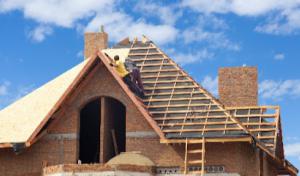
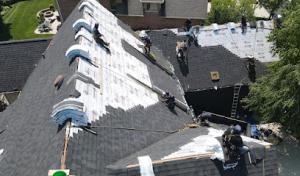
In this market, flat or low-slope sections show up frequently in additions, porches, garages, and mixed residential-commercial properties. A practical approach starts with mapping every low-slope plane and noting where it ties into the main steep roof. Spring rain exposure in the Chicago area makes careful tear-off sequencing and a solid dry-in critical, so plan for a staged tear-off and protected interior during the worst-weather window. Pay attention to drainage paths and how water will shed toward existing eaves when the addition is completed.
For Lemont additions, choose a low-slope roofing system that plays well with nearby steep roofing. Common choices include modified bitumen, EPDM, and TPO, with attention to hail exposure and temperature swings. The underlayment should be continuous and compatible with the steep-slope shingles on the main roof, so transitions stay watertight across seasonal shifts. Ensure fastener schedules and insulation levels are matched to the surrounding roof assembly to avoid cold-bridge issues that invite condensation.
Where the low-slope section meets the shingled main roof, transition flashing must be carefully integrated. This means properly sealed counterflashing, step flashing where appropriate, and a continuous drip edge that spans both planes. Lemont projects often hinge on these junctions for long-term performance, especially under freeze-thaw cycles. Temporary dry-in during construction should be robust enough to handle spring rain without letting moisture into the structure.
Coordinate installation so the low-slope section is fully covered and tested before the final shingle work on the main roof begins. Roof penetrations-vents, skylights, and HVAC lines-must be sealed with compatible flashing both at the low-slope surface and where they pass into the steeper roof. Verify that all edges and terminations drain toward approved scuppers or gutters, preventing pooling that invites ice formation during winter months.
After completion, schedule targeted inspections after heavy storms and freeze-thaw cycles. Look for surface blisters, mysterious damp spots, or dark streaking near the transition area. Immediate attention to flashing joints, seams, and edge metal can prevent larger leaks and protect the addition's longevity through Lemont's seasonal swings.
Find specialists in TPO, EPDM, and built-up flat roofing systems for residential and commercial properties.