Last updated: Apr 19, 2026
Spring thunderstorms bring the Chicago metro's familiar mix of hail and high winds to your roof. In Darien, insurers scrutinize claims more closely after a harsh winter and a busy spring season, so a hail-damaged roof often triggers a rapid claim review and a temporary tarping decision. If your neighbor's roof was replaced last year after a storm, you'll notice inspectors drawn to shingles with bruising, granule loss, or lifted edges. The message is blunt: don't delay reporting suspected damage after a severe storm. Early documentation speeds the process and helps you secure timely protection.
Right after a hail event, your first move is safety and cover. If shingles are visibly damaged, or you hear wind-driven leaks, call your roofer for a temporary tarp and an on-site inspection. In Darien, adjusters commonly request dated evidence, so strike while the memory is fresh. Photograph from multiple angles: close-ups of bruised or punctured shingles, flashing around chimneys and vents, and any signs of attic moisture. Keep a simple storm log, noting date, time, wind direction, hail size if you can estimate it, and any accompanying weather warnings. This isn't about fear; it's about arming yourself with facts when the insurer steps in.
Winter snow and freeze-thaw cycles can hide or worsen hidden damage, so the groundwork you lay in spring matters. You need dated photos and inspection records BEFORE the next claim cycle. This means taking a fresh set of high-resolution images, with a dated timestamp, showing roof planes, skylights, valleys, and vent collars. Have a trusted roofing pro perform a thorough inspection and deliver a written report that highlights impact points, granule loss, and any interior signs of moisture. When winter arrives, that documentation becomes your anchor-proof that pre-existing damage warranted timely attention rather than a rushed mid-winter replacement.
In this market, insurers are alert to two things: obvious damage and pre-existing wear that looks suspiciously connected to a recent storm. Look for impact marks on shingles, hail bruising in a diagonal or clustered pattern, and granule accumulation in gutters and downspouts. Don't assume a perfect re-roof will be approved simply because the building looks intact from the street. Insurers will request close-ups of damaged areas, interior signs of leakage, and a professional assessment linking the damage to the specific storm event. When you have solid, dated evidence, the claim path becomes clearer and less contentious.
Before you file, align with a local roofer who understands this market's expectations and the insurer's typical documentation. Have your contractor perform a comprehensive assessment and prepare a clearly itemized scope that addresses all damaged components-shingles, underlayment, flashing, and potential vent or skylight concerns. When the insurer arrives, present your storm log, dated photos, and the contractor's report in a single package. If a temporary tarp is in place, confirm its planned duration and the conditions that would prompt a full replacement. A timely, well-documented claim reduces the risk of post-repair disputes and supports a smoother path to permanent restoration.
The goal is to act decisively but thoughtfully. Schedule a spring roof inspection after major hail events, keep your records organized, and share them promptly if a claim is triggered. If your roof sustains hidden wintry damage discovered later, you want to be able to show a clear chronology of events and damages tied to specific dates. In this climate, the combination of hail, wind, and insurance review cycles means timing is as critical as the repair itself. Stay proactive, stay organized, and stay ready to move quickly when the next storm arrives.
SkyShield Roofing & Gutters
(331) 249-3094 darienroofingcompany.com
7520 S Cass Ave, Darien, Illinois
5.0 from 41 reviews
SkyShield Roofing & Gutters is your reliable choice for a variety of roofing services. We specialize in high-quality installations, replacements, and repairs for residential properties. Our experienced contractors are dedicated to delivering exceptional workmanship and customer service, including shingle installation, roof hail damage repair, and flat roofing solutions. We use top-quality materials and the latest techniques to ensure your roof is durable, functional, and aesthetically pleasing. Contact us today for more information or to request a free estimate.
Orange Elephant Roofing & Solar
(773) 382-1953 orangeelephantroofing.com
Darien, Illinois
4.3 from 191 reviews
At Orange Elephant, we put roofs over people and people over profits. We understand that quality productions are only possible with quality products and quality people. Orange Elephant's goal is to provide the homeowner a seamless experience with their greatest investment. At Orange Elephant we have a duty to create jobs and a workplace culture with these core values. Employee empowerment, Reputation, Excellence, Growth, and Humility.
Mighty Dog Roofing of Southwest Chicago
(630) 895-9075 www.mightydogroofing.com
Serving
5.0 from 28 reviews
When it comes to your home’s exterior, Mighty Dog Roofing delivers top-of-the-line services matched with the neighborly customer care our clients have come to love. Our team of skilled experts will conduct a free, detailed inspection of your home, treating it as our own. Whether your home needs a simple repair or a full roof replacement, expect to receive the transparent guidance you deserve. Whatever the case, our team will work to meet your safety and budget needs. We take pride in operating with quality materials, hiring skilled roofers, and providing our customers with a high-quality experience. See for yourself; our reviews say it all. Schedule your free, home inspection today!
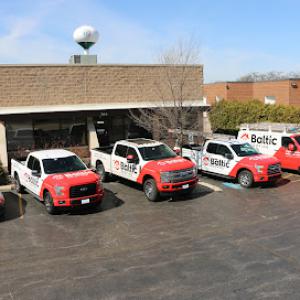
Baltic Roofing
(630) 552-6193 balticroofing.com
Serving
4.9 from 216 reviews
Baltic Roofing helps homeowners in Chicago’s southwest suburbs make sense of their roof and take care of it the right way. We focus on residential roof replacement, targeted repairs, storm damage support, and complete gutter systems designed to work together. Our process starts with an educational consultation where we inspect your home, explain what we see, what matters, and what options you have. From there, we handle the work with care, attention to detail, and respect for your time, property, and pocketbook. The goal is simple: do the job right, so you don’t have to think about it again.

Home Resto
Serving
5.0 from 40 reviews
Home-Resto is the leading roofing contractor in Chicago, IL, and the surrounding area. We proudly offer roof replacement, gutter, and siding installation in Chicago, IL! Contact us for all your roof repair needs. Home-Resto is committed to providing top-quality roofing, siding, and gutter services with unmatched care and precision. Our team of certified and highly skilled craftsmen uses materials and techniques to ensure every project delivers durability, protection, and long-lasting results. We take pride in delivering exceptional workmanship tailored to your home's unique needs. Customer satisfaction is at the core of everything we do. Contact Home-Resto today to schedule a professional roofing consultation for your Chicago home!
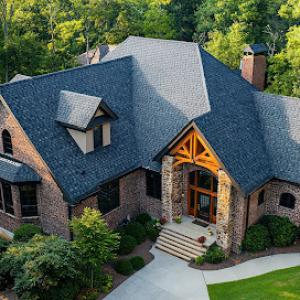
Lifetime Roofing & Restoration
(708) 314-5790 www.lifetimerestorationinc.com
Serving
5.0 from 115 reviews
Lifetime Restoration is a trusted roofing contractor in Willowbrook, IL, delivering expert roof repairs, replacements, and installations since 2010. Owned and operated by Derek, our team proudly serves homeowners and businesses across Willowbrook and the greater Chicagoland area with durable, high-quality roofing solutions. We specialize in asphalt shingles, flat roofs, storm damage repair, and complete roof replacements, backed by strong warranties and outstanding service. Known for honesty, reliability, and craftsmanship, Lifetime Restoration helps protect your property with roofing built to last. Call today for a free roof inspection in Willowbrook and surrounding communities.
Roof Ready Roofing Companies
(224) 856-2147 roofingdownersgrove.com
Serving
5.0 from 36 reviews
Roof Ready Roofing Companies can provide the best of services to our customers. We only use the best quality of roofing materials to ensure that it will last you for years. Our company also provide hail damage restoration and storm damage restoration services. Our professional roofing contractors are always equipped with the latest tools and knowledge to provide a result that can exceed our customer's expectations. We can also handle any of your roof repairs and replacements. Our company ensures that your roof will look as beautiful and sturdy as possible. We also provide expert advice and incredible workmanship in each project that we do. Let us help you in achieving the sturdy and beautiful roof that you have always want

Jeremiah Roofing
(331) 233-1377 westmontroofingcontractors.com
Serving
5.0 from 41 reviews
Looking for a reliable and professional roofing company? Look no further than our company! We offer everything from repairs to new roofs for residential and commercial properties. We have the expertise, equipment and know-how to get your roof installation, repair or replacement done right. Our commitment to quality, safety and customer satisfaction is unsurpassed in the industry. We take great pride in our workmanship and attention to detail. Give us a call today to schedule a free estimate and let us take care of your roofing needs!
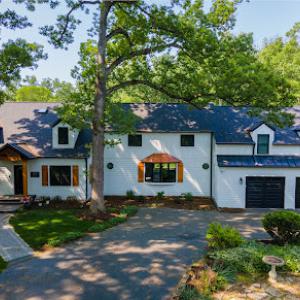
3JM Exteriors
Serving
4.9 from 245 reviews
At 3JM Exteriors, we bring your vision to life with expert roofing, siding, and window solutions that add beauty, value, and lasting protection. From start to finish, we ensure a seamless, guided experience.
Pointview Roofing & Public Adjusting
(708) 202-9755 pointviewroofing.com
Serving
5.0 from 35 reviews
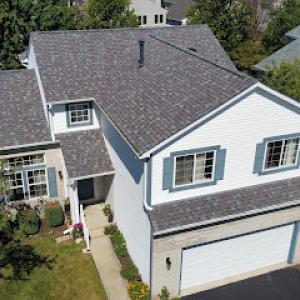
Pointview Roofing & Public Adjusting handles both residential and commercial roofing projects in Downers Grove, Illinois, and the surrounding area. We specialize in storm restoration and can assist property owners with the public adjusting process to ensure our customers and clients receive fair compensation from their insurance company.
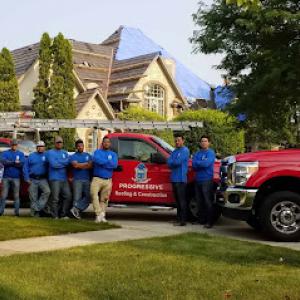
Silver Phoenix
(708) 833-0400 silverphoenixinc.com
Serving
4.8 from 42 reviews
Silver Phoenix, Inc. provides quality home improvement services available at affordable prices. We perform general contractor work and are well known as the best priced roofer in the area. Call us for a free quote near Oak Brook, Lombard, Elmhurst, Hillside, Cicero, Berwyn, Chicago, Hinsdale, Westmont, Westchester, Addison, Itasca, Franklin Park and the surrounding areas. We are a top rated roofer known for quality roofing work, excellent service and stand behind all of our commercial and residential work with a 100% guarantee so you can sleep well at night. We also provide, siding, windows and gutter cleaning services. We offer a full line of residential including DaVinci Roofing Products.
ASI Construction
(630) 908-8518 constructionbyasi.com
Serving
4.9 from 453 reviews
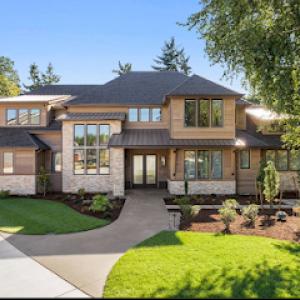
ASI Construction in Burr Ridge keeps Chicagoland homes and businesses protected with expert residential and commercial roofing and exteriors. Services include roof replacement and new installation, prompt roof repair and leak fixes, storm, wind, and hail damage inspections, insurance-claim assistance, and preventative maintenance, plus siding installation and repair and seamless gutters and downspouts. We work with asphalt shingles, metal, and commercial flat systems (TPO/EPDM). Local team, 24/7 response, free inspections, honest pricing, and licensed and insured (IL 104.017822 / 105.008909). Proudly serving Burr Ridge, Naperville, Hinsdale, Orland Park, Tinley Park, and nearby. Call or book your free inspection today.
Darien's roofing scene leans on a diverse mix of materials: asphalt shingles, clay tile, concrete tile, synthetic or composite shingles, slate, and aluminum. That variety matters because each option behaves differently under our harsh combination of frequent hail, wind events, and freeze-thaw cycles. Asphalt shingles remain common for steep-slope roofs, prized for quick replacement cycles and easier repairs. Clay and concrete tiles bring a heavier, long-life profile but demand careful compatibility with older homes that may not have the structural capacity for high-load systems. Synthetic or composite shingles offer a compromise, often improving impact resistance while staying lighter than natural tile. Slate delivers durability and a classic look but requires precise detailing and often a firmer budget. Aluminum roofing provides a lighter, low-maintenance option with strong hail resistance, particularly appealing when ice and repeated freeze-thaw stress stress the roof surface.
Heavier systems such as clay tile, concrete tile, and slate require attention to structural loading and replacement logistics in older suburban homes common across DuPage County communities. If the underlying deck, trusses, or rafters were not designed for heavy tiles, retrofitting may be necessary to prevent long-term frame sag or fastener failures. In practice, the decision to move to a heavier material should involve a structural assessment, especially if the roof bears multiple layers or is over an attic with limited headroom. For homes with existing lower roof slope or skylight configurations, installation details become even more critical to avoid water intrusion and ensure proper drainage. When considering a swap from a lighter material to tile or slate, plan for potential reinforcement work and coordinate with the replacement window and venting plans to maintain ventilation and insulation continuity.
Aluminum and synthetic/composite options appeal in this region because they can reduce maintenance concerns tied to freeze-thaw exposure and repeated hail seasons. Aluminum is notably forgiving in wind-prone stretches, resisting uplift when installed with proper fastening patterns and underlayment. Synthetic shingles typically offer good impact resistance and a lighter footprint, which can ease installation challenges on older structures while still matching curb appeal. When hail damage is a possibility, a material choice with predictable repairability helps minimize long-term disruption. A practical approach is to pair a durable surface with careful edge detailing around penetrations, skylights, and chimneys to reduce the risk of leaks after a storm.
In a suburban housing mix, the goal is a roof that compliments the home's look while aligning with replacement timing driven by weather events and insurance considerations. If a roof has sustained hail impacts or wind damage, prioritize a timely assessment by a local roofer experienced with the area's climate and typical construction. For homes with older assemblies, a phased replacement strategy may be appropriate when selecting lighter, easier-to-install materials that still meet aesthetic goals. In all scenarios, plan around the typical maintenance schedule: inspect after winter freezes and spring wind months, check for loose shingles or damaged fasteners, and address issues before they propagate into structural concerns or interior leaks.
Winter ice damming at eaves is a recurring risk in this area because Chicago-area snow followed by freeze-thaw cycles stresses roof edges and flashing. When snow sits on the roof, meltwater can refreeze at the lower edge, lifting shingles and forcing water behind the edges where it can travel into soffits and walls. The result is brittle flashing that can fail under repeated cycles, leaving vulnerable joints exposed to interior moisture. A cautious homeowner keeps an eye on the eaves during storms and in the weeks following heavy snowfall, recognizing that damaged edges or misaligned flashing often shows up first as a cold, damp attic or stained ceiling below.
Fall leaf buildup is a local drainage issue that can back water into gutters and roof edges before winter freezes arrive. When gutters clog, water backs up and sits on the roof surface, forcing it toward vulnerable seams, valleys, and transitions. Debris in the gutter also accelerates ice formation at the eave line, increasing the chance of ice damming. Clean, inspect, and restore gutters and downspouts in late autumn so meltwater can flow freely. Pay attention to areas where branches overhang the roof, as shaded, debris-heavy sections tend to ice up first and linger longer into winter.
Inspection attention in this region should focus on eaves, valleys, flashing transitions, and attic ventilation because those details often determine whether winter moisture becomes an interior leak. Eaves reveal beading or lifting shingles when ice is forming; valleys show whether water is properly diverted without pooling; flashing transitions at chimneys, vents, and roof-to-wall intersections can crack or pull away under freeze-thaw stress; attic ventilation controls condensation that can mimic or compound ice-related damage. A practical approach is to map a routine fall inspection, then address any uplifted nails, sealant gaps, or missing shingle granules promptly. In tight winters, even small gaps at these points can become channels for moisture to reach the interior, turning a minor fault into a costly repair if ignored.
Even though this market leans steep-slope, local demand for flat or low-slope roof work shows up on additions, covered porches, garages, and some multifamily or small commercial sections. When planning a replacement or repair, expect more transitions between slope grades than in a single-roof home. Pay attention to underlayment continuity and edge detailing where a low-slope surface meets a steeper main roof, since those junctions carry most of the risk for leaks after hail or wind events.
Skylight service is common enough in Darien's contractor market to merit separate planning. Diagnosis of leaks often points to flashing and surrounding shingle integration rather than the skylight unit alone. If new skylights are part of the project, specify curb flashing that matches the roof's texture and color, and ensure step flashing along the curb blends with nearby shingles. Replace any weatherproofing around the skylight periphery and verify the closeout at the wall interface. For existing skylights, inspect the surrounding roof plane for hidden shingles that may have buckled or lifted during a storm, and consider re-sealing the curb with a compatible sealant to resist Chicago-area temperature swings.
Snow load, ponding on low-slope transitions, and wind-driven rain during Chicago-area storms make roof-to-wall and curb details especially critical on mixed-roof homes. When you have a low-slope section joining a steeper roof, ensure the drip edge is continuous and the gutter lines are tied in with counter-flashing that extends up under the shingle line. Check curb details around any stair-step or dormer connections for proper roofing membrane overlap. In storm-season planning, target robust flashing at penetrations and edges, because wind-driven rain often finds weak points at transitions rather than on the flat surface alone.
For a project that includes both steep and low-slope components, start with a thorough inspection of transition zones: low-slope-to-steep terminations, edge metal, and any skylight curbs. Prioritize resealing and flashing at these zones before addressing larger surface areas. If a low-slope porch or garage roof shows evidence of ponding or hail impact, treat it with the same attention to flashing continuity as the main roof, since water can track along the shared wall line and back up into the soffit area.
Find specialists in TPO, EPDM, and built-up flat roofing systems for residential and commercial properties.
SkyShield Roofing & Gutters
(331) 249-3094 darienroofingcompany.com
7520 S Cass Ave, Darien, Illinois
5.0 from 41 reviews
Lifetime Roofing & Restoration
(708) 314-5790 www.lifetimerestorationinc.com
Serving
5.0 from 115 reviews
When planning a replacement, you'll see local material ranges expressed as dollars per square. Asphalt shingles sit in a practical 350 to 650 USD per square band, which aligns with the suburb's standard homes and longer life cycles from midwinter freeze-thaw. If a project leans toward heavier tile systems, expect clay tile from 900 to 1600 and concrete tile from 700 to 1200 per square, with slate pushing 1200 to 2300 and aluminum roofing running 700 to 1100. Synthetic or composite shingles stay more modest, commonly 350 to 550 per square. These ranges reflect typical Darien roof types: steep slopes, occasional low-slope sections, and a mix of larger and smaller assemblies that influence installation effort and waste.
Chicago-metro storm surges can tighten labor availability and push scheduling pressure after hail and wind events, affecting replacement pricing and lead times. After a major hail event, crews can be booked weeks out, driving up mobilization costs and the price of materials that spike when supply lines strain. In practice, you may see a weather-induced premium for fast-tracking projects, especially when the roof has a significant square footage or unusual angles. Heavier tile or slate projects routinely take longer to coordinate, which also factors into labor costs and overall project duration.
Costs in Darien can rise with heavier tile or slate systems, steep suburban rooflines, detached garage or addition tie-ins, and permit-driven inspection requirements for full replacements. A steeper pitch demands more safety gear and longer installation cycles, nudging both price and timeline upward. Detached garages or additions that tie into the main roof add complexity and can shift estimates higher than a straightforward house-only replacement. If your roof includes multiple penetrations for skylights or venting, expect additional fasteners, flashings, and potential deviations in material waste, all of which touch the bottom line.
Start with a material plan that matches the house's architectural style and the region's typical durability needs. If you're leaning toward longevity, slate or concrete tile carry higher upfront costs but may offset maintenance over time; aluminum or synthetic options offer lighter weight and easier handling with moderate price points. After a hail or wind event, request a phased timeline from contractors to lock in crew availability and mitigate last-minute price surges. Compare square-foot pricing across materials, and factor in longer installation windows for steeper roofs or complex penetrations to avoid surprises when the crew arrives.
Get a clear picture of your project costs upfront - no commitment required.
SkyShield Roofing & Gutters
(331) 249-3094 darienroofingcompany.com
7520 S Cass Ave, Darien, Illinois
5.0 from 41 reviews

Full roof replacements require a permit through the City's Building Department, not informal approvals from a neighbor or a quick DIY nod. This process ensures the project meets local wind, hail, and freeze-thaw considerations that are common in this area. The permitting pathway helps confirm your chosen roofing system, ventilation, and flashing details align with Darien's standards for longevity and safety.
Before roofing begins, the contractor should be registered with the City and prepared to submit a written scope of work. That scope should spell out the shingle type, the number of layers, and any related work such as underlayment or ventilation upgrades. The Building Department will want clear, project-specific details to verify that the plan matches the house's needs and the local climate realities. If your roof includes low-slope sections, skylights, or heavier tile systems, make sure those elements are explicitly addressed in the scope of work to avoid delays.
Roofing inspections occur both during installation and after. Inspectors will review the shingle type chosen for compatibility with your roof geometry, the nailing pattern and fasteners, proper ventilation to mitigate heat and moisture buildup, and the flashing around vents, chimneys, and transitions. The inspection cadence is practical: a mid-project check helps catch issues early, while a final review confirms work is complete and up to code before the permit closes.
Once installation is finished and the inspector signs off, a final permit closure is required to formally close the project in the city records. Ensure your contractor provides any needed documentation, including a completed inspection report and confirmation that all components meet local standards for wind resistance, hail durability, and energy efficiency when applicable. This closing step protects you should future work or updates be needed down the road.
Darien homeowners operate in a higher-claim Chicago metro market where insurers scrutinize hail and wind roof claims closely. The standing expectation is that evidence is clear, organized, and tied to the actual roof conditions observed at the property. This is not a place for loose scrap notes or vague timelines. The more precise and dated your documentation, the smoother the claims process will be when a spring storm or a hard freeze interacts with a roof's aging.
The most useful local documentation includes date-stamped photos after spring storms, notes on interior leaks after freeze-thaw events, and copies of contractor findings tied to specific roof slopes or elevations. Photos should show visible hail impact patterns, wind-driven damage to ridge lines, and any sagging or lifted shingles. Interior notes should reference ceiling stains, attic condensation, or vapor leaks that emerge after thaw cycles. Contractor findings ought to connect measured roof areas to slope, elevation, and exposure features such as skylights or dormers that are common on the suburban mix found around here.
Because final permit closeout and inspection records exist for full replacements in this market, homeowners should retain them alongside claim paperwork to support future underwriting and resale questions. Organize a binder with sections for storm dates, photo logs, interior leak notes, and contractor reports, all cross-referenced to roof planes and elevations. If a claim is opened, present the file with a concise summary that points to the most damaging areas and the best-supported repair or replacement outcomes. Do not rely on memory; the narrative should mirror the stamped photographic record and the contractor's measured findings.
Stay proactive if an insurer requests additional documentation or a re-inspection after a hail or wind event. The sooner the clarified, schedule-aligned evidence is supplied, the less room there is for dispute about what happened and when. Keep this playbook readily accessible in a trusted location, as it can support underwriting and resale questions long after the claim is settled.
Connect with contractors who help homeowners navigate the claims process from damage assessment to final approval.
Orange Elephant Roofing & Solar
(773) 382-1953 orangeelephantroofing.com
Darien, Illinois
4.3 from 191 reviews
Mighty Dog Roofing of Southwest Chicago
(630) 895-9075 www.mightydogroofing.com
Serving
5.0 from 28 reviews