
Last updated: Apr 19, 2026
Spring storm season in this area hits hard, with hail and gusty winds that can punch through shingles, lift edges, and shove granules into gutters. The sudden damage can strain the schedule of a trusted local contractor, because after a big wind or hail event, re-roof work moves to the front of the line as insurers start reviewing dozens of claims at once. You're not imagining the rush-this market often shifts from assessment to replacement in a matter of days when the weather finally cooperates enough to let crews work. When you're facing a damaged roof, timing matters for both safety and long-term performance.
In Indiana, insurers commonly adjust claims for wind and hail events, so your documentation matters more than ever. Start with a clear, dated photo log the moment you notice damage: close-ups of hail impact, lifted shingles, crushed vents, dented flashing, and any interior signs of water intrusion in the attic or ceiling. Then step back with wide shots that show the roof's overall condition and the surrounding terrain (trees, power lines, and neighboring homes) to help establish exposure and severity. Keep a running record of every professional you contact, every appointment, and every agreement on scope-this is what adjusters will rely on when you're evaluating options after a storm.
Adjusters may require an on-site inspection coordinated with the contractor. In practice, that means you'll need a window of dry weather and a reliable access path to the roof, which can be tricky when spring storms cluster or when the wind keeps shifting debris. If weather delays access or tarping, keep the contractor in the loop and request a tentative re-check window with your insurer. Having the contractor present isn't just about confirming damage; it's about translating what you see into a concrete, billable scope that the adjuster can approve. Delays can cascade into missed tarping times or weather-related setbacks, so plan for contingencies.
A well-scoped project helps prevent back-and-forth fights over what constitutes damage, what materials are needed, and what work is necessary to restore the roof's integrity. Your scope should itemize each damaged area, broken penetrations, flashing issues, chimney and valley concerns, and any subroof deterioration. Photographs should corroborate the scope with timestamped notes. When the adjuster reviews this, you reduce the risk of "extra" or disputed items later. For Warsaw homes after a hail event, the difference between a cosmetic fix and a full replacement is often visible in the underlayment and decking-document those conditions clearly.
Cold Indiana winters and the freeze-thaw cycle can complicate a quick turnaround. If a roof is compromised, prolonged exposure to moisture accelerates deck rot and interior damage, so timely decisions are essential. Work with your contractor to establish a realistic schedule that accounts for weather, material lead times, and the insurer's approval timeline. If hail damage is widespread in your neighborhood, expect the inspection and approval phase to be a bit longer; resilience during this window depends on steady communication between you, the contractor, and the insurer.
While awaiting inspection and approval, ensure tarps or temporary measures cover vulnerable roof areas to limit water intrusion. Secure loose debris in gutters and around the property to prevent additional damage during future wind events. If a storm is forecast, you'll want a plan that preserves as much of the existing roofing as possible while the claim is under review, so you aren't forced into a rushed decision under deteriorating weather. Your goal is to maintain safety, minimize further damage, and keep the claim moving toward a durable, code-appropriate replacement.
Find local contractors experienced in assessing and restoring roofs after hail, wind, and severe weather events.
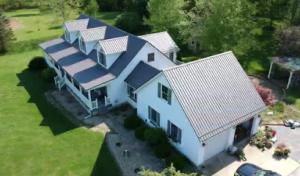
Integrity Roofing
(574) 551-6761 integrityroofworks.com
2694 E 225 S, Warsaw, Indiana
5.0 from 109 reviews
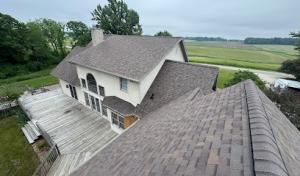
Steve’s Roofing
(574) 268-8435 stevesroofingindiana.com
2407 N Rainbow Dr, Warsaw, Indiana
4.9 from 126 reviews
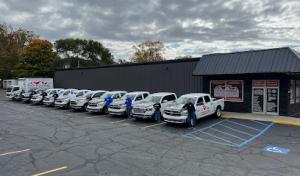
Professional Roofing Solutions & Construction
(574) 551-7663 professionalroofingsolutions.com
3505 Lake City Hwy, Warsaw, Indiana
4.8 from 169 reviews
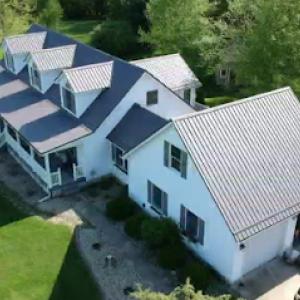
Integrity Roofing
(574) 551-6761 integrityroofworks.com
2694 E 225 S, Warsaw, Indiana
5.0 from 109 reviews
At Integrity Roofing in Warsaw, IN, we are your trusted partners in safeguarding your home with top-tier roofing solutions. With a dedication to excellence and decades of experience, we are the roofing experts you can rely on. Our seasoned team excels in roofing services, from meticulous installations to reliable repairs, ensuring that your home remains secure and well-protected from the elements. We understand that a robust and well-maintained roof is crucial for your peace of mind, which is why we offer comprehensive maintenance services to prolong the life of your roofing system. Our commitment to quality extends to our 24/7 emergency services, providing you with the assurance that we're here when you need us most.
Lake City Construction-Roofing & Siding Experts
1377 N 175 E, Warsaw, Indiana
5.0 from 82 reviews
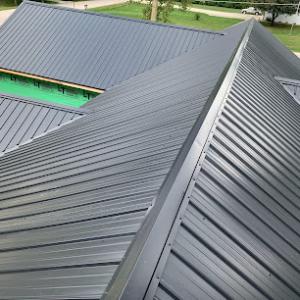
Lake City Construction is a family owned and operated business that specializes in metal and shingle roofing. Whether new construction or reroofing we do it all. We also take extreme pride of our high quality vinly siding installation which is very hard to come by. Whether you have a job that’s simple or complex if you want a company that pays attention to detail and does quality trim Installation we are the ones for you! We are very proud of our work and will complete your job in a timely manner. When the job is completed, our goal is to leave your property as clean or cleaner than you found it. So if your looking for a company to simply replace your roof or do your dream exterior remodel, Look no further than Lake City Construction!!
Steve’s Roofing
(574) 268-8435 stevesroofingindiana.com
2407 N Rainbow Dr, Warsaw, Indiana
4.9 from 126 reviews
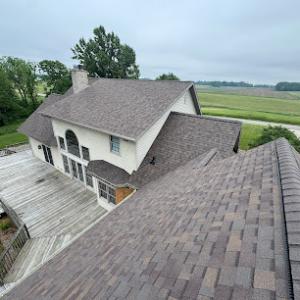
Steve’s Roofing provides top-quality roofing services across Warsaw, Columbia City, Fort Wayne, Syracuse, and Culver, Indiana. With decades of experience, we specialize in roof repairs, replacements, and new roof installations for both residential and commercial properties. As a trusted Owens Corning Preferred Contractor, we use premium materials to ensure durability and protection. Our expert team also handles storm damage repairs and insurance claims, delivering reliable, high-quality workmanship. When you need a roofing contractor near you, trust Steve’s Roofing for excellence and integrity. Contact us today for a free estimate!
Professional Roofing Solutions & Construction
(574) 551-7663 professionalroofingsolutions.com
3505 Lake City Hwy, Warsaw, Indiana
4.8 from 169 reviews
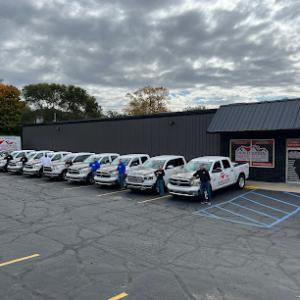
Our team at Professional Roofing Solutions & Construction aims to provide superior residential roofing services for homeowners in Northern Indiana. We are one of the top residential roofing companies in the Northern Indiana area and work with homeowners every day to provide quality solutions to their roofing and construction problems. If you need residential roofing repairs or complete roof replacement our roofing specialist will be happy to help get your roof fixed correctly with a great warranty. Professional Roofing Solutions also prides itself with being the top roofing insurance claim specialist. If your home has been damaged in a storm Professional Roofing Solutions can help you get your insurance claim approved.
P.r.s.
1002 E Winona Ave, Warsaw, Indiana
5.0 from 4 reviews
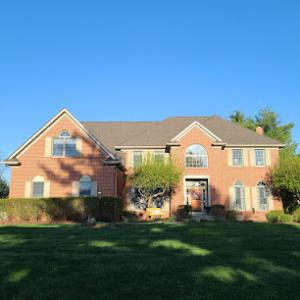
Based on collective work and shared knowledge, P.R.S. is Northern Indiana's top rated roofing installer and contractor. With our home base in Warsaw, IN, we are centrally located in Northern Indiana. When it comes to roofing knowledge and experience installing, there is no one better within a 200 mile radius. Whether it's metal roofing solutions, or shingle products you are looking for, we can do it all.
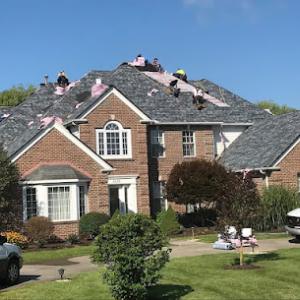
Old Fort Roofing
(260) 486-9001 oldfortroofing.com
3568 US-30, Warsaw, Indiana
5.0 from 2 reviews
When trying to find the right roofing contractor for the job, it's crucial that you find a company that has a demonstrable track record of excellence in the industry. For professional roofing in Warsaw, Indiana, the trusted contractor is Old Fort Roofing. We've been in business for more than 50 years, and offer expertise in roofing services. At Old Fort Roofing, our team fully understands the importance of having top-quality roofing for your home or business. For both residential and commercial roofing, we offer tear-offs, roof repairs, re-roofing, and new roofing.
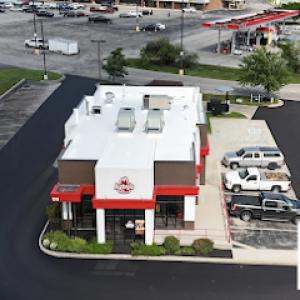
Tri-County Commercial Roofing
(260) 248-7020 tricountycommercialroofing.com
Serving
4.9 from 29 reviews
Tri-County Commercial Roofing is a trusted commercial roofing contractor in Fort Wayne, South Bend, and surrounding Indiana communities. With over 20 years of hands-on experience, our skilled roofing team specializes in flat roofs, metal roofing, roof coatings, roof replacement, and commercial roof repair. We use only top-quality roofing materials and advanced installation methods to deliver durable, energy-efficient, and long-lasting roofing systems. Whether your business needs a new commercial roof installation, emergency roof repairs, or preventative maintenance, we provide dependable service backed by craftsmanship you can trust. At Tri-County Commercial Roofing, customer satisfaction is our top priority.
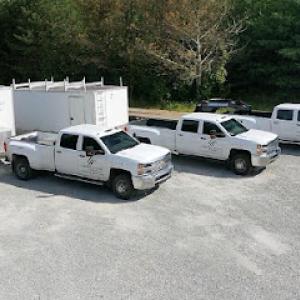
Premier Roofing & Construction
(574) 354-1533 premierroofingindiana.com
Serving
4.9 from 24 reviews
Specializing in commercial and residential roofing in northern Indiana, Premier Roofing & Construction has been serving Warsaw, South Bend, and Goshen since 2011. We also manufacture steel roofing and siding for contractors and homeowners
Mullet's Seamless Guttering & Construction
(574) 453-3838 www.mulletsguttering.com
Serving
5.0 from 5 reviews
Mullet's Seamless Guttering & Construction is Leesburg, IN and Northern Indiana's leader in home improvements and gutter construction. We will eliminate gutter cleaning for good. As a member of the Better Business Bureau, we'll get the job done right
Millwood Roofing & Construction
(574) 269-3099 www.millwoodconstruction.com
Serving
4.0 from 14 reviews
We are a professional roofing and construction company founded in 1981! We offer services for both residential and commericial in roofing, guttering, additions. siding, garages, concrete, windows doors and all kinds of remodeling from kitchen, to bathroom, to exterior, to entire house or building remodel. Whatever your needs are, we can do it! We also build homes! Please see the New Homes under Services for more details.
Neil's Roofing
(260) 463-1367 neilsroofing.com
Serving
5.0 from 6 reviews
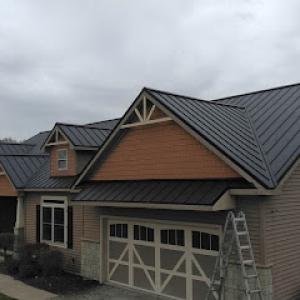
Neil’s Roofing is a trusted, family-owned roofing company serving Middlebury, Indiana and surrounding areas since 2013. Founded by Neil Miller and proudly operated by the Miller family, we specialize in metal roofing, G-Rib roofing, and full-service general roofing contracting for both residential and commercial properties. We also design and build durable pole buildings tailored to your needs—perfect for storage, workshops, or agricultural use. Known for our honest service, expert craftsmanship, and friendly team, we offer free estimates and work hard to make every project smooth and stress-free. Whether you're replacing a roof or starting a new build, Neil’s Roofing is here to help—one roof, one building, one satisfied customer a
Smith Roofing
(260) 577-8183 www.smithroofingremodeling.com
Serving
4.9 from 336 reviews
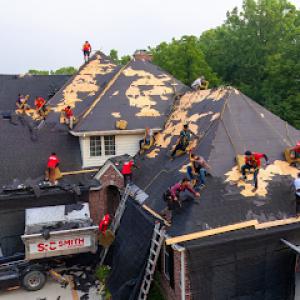
Smith Roofing delivers professional roofing, repairs, replacements, and exterior improvements for homeowners and businesses. Our team handles everything from storm damage restoration and leak repairs to full roof installations, gutters, siding, and other exterior upgrades—always with quality materials, clear communication, and dependable service. Serving clients in Columbia City, Huntington, Warsaw, and beyond, we help protect and enhance your property with long-lasting, skilled craftsmanship you can trust. Request a quote today!
Late spring through early fall is the most stable weather block for roof work in this area. You get longer dry spells, cooler mornings, and fewer days where rain interrupts progress. That stability matters because Warsaw's lake-rich setting feeds local humidity, and even small moisture changes can show up as delays when shingles are trying to seal or underlayment is absorbing dampness. For a typical re-roof, that means fewer weather-related hold-ups and a more predictable pace from punch list to finished ridge line. The goal is to complete the project with enough dry, sunny days to allow each layer to cure or set properly, especially on days when dew doesn't linger after sunup.
When temperatures drop, roof access becomes a real puzzle. Ice dams form along eaves and gutters, and crews must work carefully to avoid lifting shingles or trapping moisture under underlayment. In Warsaw, winter freezes are not just a temperature dip; they're a pattern that can extend the project timeline as safety protocols tighten and equipment has to be moved with extra caution. Snow and wind can dim the daylight hours available for work, and frozen surfaces create slip hazards. If a project can be scheduled outside the heart of winter, it minimizes the risk of weather-driven delays and reduces the chance of moisture getting trapped behind new layers.
Hot summer conditions do push material behavior in this climate. Shingles, underlayment, and sealants expand with heat, which can affect alignment and the readiness of fasteners. Work crews may need to stage loading, unloading, and staging areas to limit walking on a hot deck, preserving both the roof system and crew health. In the Warsaw market, even during the preferred season, extreme mid-day heat can slow progress, so plan for cooler early-morning starts and set aside the hottest hours for non-critical tasks. A well-timed schedule reduces unnecessary pauses and helps timing align with when crews are most productive.
Coordinate with a contractor who understands the local wind and hail patterns, because storm events often drive rapid re-roofing needs. Start by aligning on a weather buffer-aim for a window of several consecutive dry days with moderate humidity, not merely a forecast of "clear." If an insurance-driven project is in play, map out a sequence that buffers key stages (underlayment, replacement, and vent adjustments) to avoid stacking tasks on the same windy day. Consider the shop-vuller of materials; in warm spells, plan deliveries for cooler morning hours to prevent heat-induced handling issues. Ensure attic ventilation is evaluated ahead of the project so the heated roof deck won't trap residual moisture. Finally, build in a contingency for late-spring rainstorms that can compress the schedule; the best plan uses flexible crew rotation and clear milestone markers to keep the job moving without sacrificing quality.
In this lake-rich Indiana town, asphalt shingles and metal roofing are the most locally prevalent choices, aligning with the strongest contractor specialization signals in the market. If a nearby roof needs timely attention after a hail or wind event, you are more likely to find installers with practiced know-how on asphalt and metal, including rapid re-roofing workflows and expedited inspections. Asphalt shingles provide solid, familiar performance for typical homes in older neighborhoods and newer builds alike, while metal roofs attract attention for their durability, lighter weight, and faster install times. Because the market leans toward these two options, you'll often encounter broad local experience in both roofing systems, with crews ready to handle the seasonal surge after storms.
Freeze-thaw cycling in northern Indiana is a key durability issue for flashing details and for heavier systems like tile or slate that demand proper installation and structural planning. In Warsaw, where winters are cold and the temperature swings are pronounced, careful attention to flashing around chimneys, vent pipes, and skylights matters more than ever. Metal roofs, when installed with integrated flashing and snow guards, can perform well in freeze-thaw cycles, but installation quality remains critical. Asphalt shingles, with robust underlayment and properly sealed edges, can also hold up through repeated cycles if the roof deck is sound and the valley and drip edge work is meticulous. Tile and slate stand out for longevity in theory, yet they are substantially heavier and require structural assessment and precise installation; in practice, tile appears far less common among listed specialists, and typically involves a more consultative process to verify frame strength and load paths before swapping in these heavier materials.
Warsaw's active contractor signals show meaningful local support for metal roofing, while tile roofing appears far less common among listed specialists. This pattern matters when planning a replacement around a harsh winter transition. A metal roof with a well-designed dry-in, integrated gutters, and sound attic ventilation can offer dependable performance through moisture from lake exposure and the stress of rapid freeze-thaw shifts. Asphalt shingles remain a comfortable, cost-conscious option that installers can execute quickly without sacrificing long-term reliability, provided the roof deck is prepped and the flashing is executed with care to prevent wind-driven leaks. If weather events are frequent during the shoulder seasons, a metal roof can sometimes reduce downtime between weather windows because of its lighter weight and streamlined installation, though the actual choice should reflect home structure, local wind exposure, and the contractor's direct experience with your roof type.
When evaluating options, prioritize the coupling of material choice with install quality, particularly for flashing and edge details. For homes with existing wooden decking and solid attic insulation, asphalt shingles can deliver dependable performance with disciplined, storm-ready edge sealing. If the structure supports it and a contractor demonstrates strong flashing strategy plus snow-management features, metal roofs can offer long-term resilience against wind and moisture. For those considering heavier systems like tile or slate, expect to invest in structural verification and meticulous workmanship, and be prepared for less local market momentum in tile, which translates into longer lead times and more specialized planning. In all cases, align your selection with the home's roof profile, chimney and skylight placements, and typical seasonal weather to ensure the system stands up to Warsaw's unique climate.
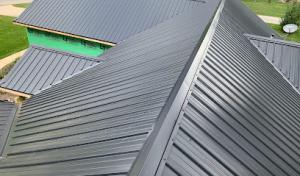
Explore specialists in steel, aluminum, and standing seam metal roofs built to last 50 years or more.
Integrity Roofing
(574) 551-6761 integrityroofworks.com
2694 E 225 S, Warsaw, Indiana
5.0 from 109 reviews
Lake City Construction-Roofing & Siding Experts
1377 N 175 E, Warsaw, Indiana
5.0 from 82 reviews
Steve’s Roofing
(574) 268-8435 stevesroofingindiana.com
2407 N Rainbow Dr, Warsaw, Indiana
4.9 from 126 reviews
Kosciusko County's lake country brings more than scenic views; it can leave homes facing persistent dampness. In this area, nearby water bodies can contribute to higher humidity inside attic spaces and slower upper-roof drying after rain or snowmelt. When moisture lingers on a roof, dew and overnight fog can saturate shingles, decking, and underlayment, stressing seals and flashing over time. The result is a roof that seems to drink up every shower and stay damp longer, which makes attic ventilation more than a comfort feature-it's a functional protection. Poor drying in these conditions accelerates tar, asphalt, or sealant aging and can invite small leaks around penetrations if venting and intake/exhaust balance is off.
Cold Indiana winters push moisture into the roof system during the day and freeze at night. Repeated freeze-thaw cycles can cause microcracks in shingles, loosening of granules, and movement in fasteners and vents. Over several seasons, that cycle compounds wear on the roof deck, seams, and edge details. In this climate, even well-installed roofs benefit from attention to vented soffits and ridge vents, because effective air exchange helps prevent condensation that can freeze on underside surfaces. The aging process is often quiet at first, showing up as small leaks after a heavy rain or after a month of pronounced cold snaps rather than a dramatic failure during a single storm.
Moisture-related problems in this area are often tied to how well the roof system sheds water before temperatures drop again. The goal is to reduce lingering moisture in the roof assembly well before frost returns. That means clean gutters and downspouts, solid flashing around chimneys and vents, and a roofing deck that dries-out reasonably between storms. Prioritize proper attic ventilation so warm, moist air can escape, preventing dampness that compromises insulation and sheathing. In practice, a well-ventilated roof with clean drainage is your best hedge against lake-country dampness coexisting with harsh winter cycles.
In Warsaw, a full roof replacement typically requires a permit through the local building department. Start the process before any shingle removal begins. A permit helps ensure the new roof meets local wind, snow, and ventilation standards, which matter in lake-effect climate and freeze-thaw cycles. The permit office can guide you on whether the project needs a plan review, and how long the review may take during peak season or after a hail event when the permit queue is busier. Begin by asking the contractor for the permit package and confirm that the permit will be issued in the property owner's name and tied to the correct address.
Permit applications generally require documentation of project scope and roofing materials before work proceeds. Gather a clear scope that specifies replacement surface area, underlayment type, ventilation strategy, flashing details, and anchor points for roof access. Include manufacturer-approved installation guidelines for the chosen roofing material, plus any modifications for vents, skylights, or chimneys. In Warsaw, it helps to have weather windows in mind; the more detail about temporary protection and site safety you provide, the smoother the review. Ensure the contractor's license status and a current business address are up to date, since the building department will verify licensing records as part of the approval.
Post-installation inspection is required, and timing can hinge on weather conditions and the contractor's licensing records. Expect a sequence: pre-installation inspection to verify framing and ventilation readiness, and a post-installation inspection after the roof is complete but before demolition debris is cleared. If a storm-related delay occurs, coordinate with the inspector and contractor to lock in a new inspection window without losing the permit's validity. In practice, book the inspection early enough to align with a forecast of stable, dry days, so wind and hail remnants don't complicate your schedule or the inspector's evaluation.
The post-installation inspection focuses on ventilation, flashing, and nailing patterns. Verify attic soffit vents are unobstructed and that attic ridge ventilation aligns with the roof's design. Flashing around skylights, chimneys, and vent pipes should be continuous and sealed without gaps. Nail patterns must meet the manufacturer's minimums and local code, with proper spacing and fastening to resist lift from wind and freeze-thaw cycles. If any defect is found, schedule corrections promptly and request a re-inspection to prevent project delays from lingering into winter.
Base price ranges in this area run from about $320 to $520 per square for asphalt shingles and $700 to $1000 per square for metal roofing, with premium materials like slate reaching much higher. Those figures reflect typical installs on common Warsaw homes with standard vents, basic decking, and straightforward geometry. If your roof uses synthetic or composite shingles, you'll often land between the asphalt and metal bands, typically around $450 to $800 per square depending on brand and profile. Clay or concrete tiles push higher still, commonly in the $750 to $1500 per square range, and slate climbs well beyond that on most jobs.
Pricing here can rise after a spring storm or hail event, when demand surges and scheduling tightens across the local re-roofing market. After a strong wind or hail spell, you may see shorter-notice estimates and quicker crews, but with a premium attached to material supply and emergency response. If you're faced with replacing after a storm, expect not just higher material costs but potentially longer wait times for crews to fit you in between urgent repairs for neighbors. Planning ahead after the thaw can help you lock in prices and a realistic start date.
Costs here are influenced by the roof's condition beyond the surface layer. If the roof needs upgraded flashing or enhanced ventilation to address ice dams and improve long-term performance, the project will run higher. Asphalt remains the most cost-stable option for a standard Warsaw home, while metal, tile, or slate can push costs upward quickly, especially on roofs with complex angles, multiple penetrations, or limited access. Accurate measurements, seasonality, and the chosen warranty level all play a role in the final figure you'll receive from a local contractor.
Get a clear picture of your project costs upfront - no commitment required.
Integrity Roofing
(574) 551-6761 integrityroofworks.com
2694 E 225 S, Warsaw, Indiana
5.0 from 109 reviews
Steve’s Roofing
(574) 268-8435 stevesroofingindiana.com
2407 N Rainbow Dr, Warsaw, Indiana
4.9 from 126 reviews
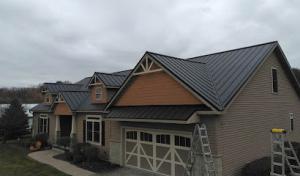
In this market, the sequence after a wind or hail event matters. Indiana carriers often scrutinize wind and hail claims closely, so you want clear, dated indicators of what happened and when. Start with exterior inspections after a storm, then bring in a professional evaluation if there's visible damage. Keep a log of dates for every interaction, including weather alerts, contractor visits, and adjuster appointments. Early documentation helps avoid later disputes about whether damage existed before the event or progressed during the claim period.
Pre- and post-replacement photos are especially valuable because carriers commonly scrutinize wind and hail claims. Take wide shots of the whole roof and close-ups of damaged areas, flashing, and gutters. Photograph interior ceilings and attic signs of moisture if present. Store images with dates and a short description, and back them up in a cloud folder accessible to your insurer and contractor. Retain any hail size indicators, nearby trees or landmarks, and the state of nearby structures for comparison.
A detailed contractor scope and invoice package is especially useful in this market when adjusters compare storm damage to replacement work performed. Have the contractor prepare a line-item scope that aligns with the anticipated replacement plan, including materials, underlayment, flashing, and any deck or structural work. During the adjuster visit, the contractor should be available to address scope questions on site, point to specific damaged components, and confirm material substitutions if required. Clear, on-site collaboration reduces back-and-forth and helps maintain a steady claim progress timeline.
Connect with contractors who help homeowners navigate the claims process from damage assessment to final approval.
Integrity Roofing
(574) 551-6761 integrityroofworks.com
2694 E 225 S, Warsaw, Indiana
5.0 from 109 reviews
Steve’s Roofing
(574) 268-8435 stevesroofingindiana.com
2407 N Rainbow Dr, Warsaw, Indiana
4.9 from 126 reviews
Professional Roofing Solutions & Construction
(574) 551-7663 professionalroofingsolutions.com
3505 Lake City Hwy, Warsaw, Indiana
4.8 from 169 reviews
In this climate, where lake-effect moisture meets cold, the most stubborn leaks often hide where flashing meets the roof deck and around vent stacks. If the flashing is not integrated with the surrounding materials and properly sealed against ice dam runoff, moisture can migrate inward with little sign until water stains appear. In Warsaw's freeze-thaw cycles, that slow seepage can fracture under repeated cycles, leading to costly interior damage. A thorough inspection should focus on step flashing along valleys, under shingles at rake edges, and the transition between the roof and adjoining surfaces. Ventilation that fails to move air effectively invites condensation under the deck and accelerates rot in roof sheathing. Expect to see warped underlayment or missing ridge vent continuity if ventilation was neglected.
Chimney penetrations consistently surface in contractor signals as problem areas. The masonry dish between chimney and roof line is vulnerable to temperature swings, mortar movement, and stacked moisture. Flashing around the base can corrode or lift, while the chase box can allow water to wick downward. In repair scenarios, careful detailing is required to prevent water from funneling along the counterflash and into the interior. A common trap is assuming the brickwork alone stops leaks; water will find the smallest gap and follow any metal-to-masonry seam downward. When replacing the roof, insist on a continuous, corrosion-resistant sealant and a robust cricket or saddle if the chimney sits high or at an oblique angle.
Skylights attract specialized attention in this market, with a local concentration of focused roof work around these openings. The roof-to-skylight interface is a study in persistent vulnerability: the curb, flashing, and layer stacking must work as a single system. In Warsaw's dawn-to-dusk temperature shifts, sealants can tighten and crack, and flashing can loosen if not secured with compatible fasteners and proper compression. Check that the flashing follows the skylight perimeter without gaps, that the curb is solidly sealed, and that the surrounding shingles overhang the edge to shed water away rather than toward the opening. Regular scrutiny after storms helps prevent minor edge leaks from becoming widespread interior damage.
Find contractors experienced in skylight installation, flashing, and leak repairs to bring natural light into your home.
Professional Roofing Solutions & Construction
(574) 551-7663 professionalroofingsolutions.com
3505 Lake City Hwy, Warsaw, Indiana
4.8 from 169 reviews
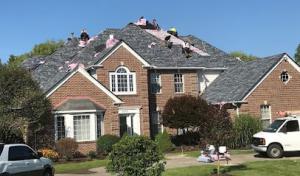
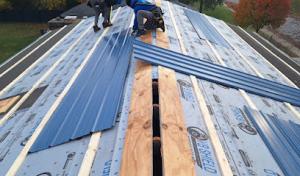
In Warsaw, homeowners often hire long-established re-roofing contractors, making workmanship history and cleanup practices especially relevant locally. A durable roof in this climate depends as much on how a crew leaves the site as on what they install. Look for a track record of finishing projects cleanly, with tarps, job-site containment, and thorough debris removal. If the crew has a reputation for leaving nails or felt paper scattered around, that's a red flag you should address before signing any contract.
Because post-install inspections review nailing patterns and flashing, workmanship quality has direct consequences beyond appearance. In particular, proper nailing through the correct sheathing, with the right shingle overlap and wind-clip details, matters for freeze-thaw resilience. Ask to see recent inspection notes or a workmanship-focused checklist from the installer. If the contract includes a factory-backed warranty, confirm that it requires a field inspection and that the inspector checks nailing patterns, flashing integrity, and ridge vent connections as part of the process.
Only a smaller share of active local contractors signal warranty offerings, so verify what is actually backed before signing. A solid warranty should state the duration, what's covered (shingle performance, flashing, underlayment, and workmanship), and what voids coverage (improper installation, weather events beyond normal expectations, or improper interlocking). Confirm whether the warranty transfers to a new owner if you sell your home, and whether there are required maintenance steps or annual inspections to keep the warranty valid. Also check for any exclusions tied to specific materials, roof pitch limits, or hail-damage exceptions that could complicate a claim after a severe thaw cycle.
When reviewing, request a written summary of all covered items and a clear timeline for any required service visits after installation. Have the contract specify what qualifies as "adequate workmanship" in the local climate, including flashing at eaves, vents, and skylights, plus nail-seal details on colder days. Ensure the warranty language aligns with observed practice: prompt cleanup, documented inspections, and a defined process for addressing any post-install issues that arise after the roof experiences wind, hail, or freeze-thaw cycles.