
Last updated: Apr 19, 2026
Spring hail and strong winds are a primary trigger for roof replacements and can create sudden scheduling backlogs across the local market. When a storm hits, you might see instant activity at the street, with crews advertising rapid tarp duties, temporary repairs, and full replacements rolled out in tight windows. That urgency can feel reassuring, but it also creates pressure to move fast before a claim is fully approved. The weather pattern in this area makes a cautious plan essential: assess damage, document clearly, and set expectations for the sequence from tarps to full replacement. If you notice granules in gutters, dented shingles, or visible roof framing after a storm, treat it as a warning: the clock starts now, and delays can complicate coverage.
The local insurance environment is claim-heavy after spring storms, and carriers commonly require photo documentation, condition records, and adjuster inspections before approving roof work. Start collecting evidence the moment conditions stabilize: dated photos of all roof planes, close-ups of bruised or missing shingles, and a simple storyboard showing how the roof performed during the last freeze-thaw cycle. Keep a weather diary for a week or two after a hail event, noting wind speeds, hail size, and the timing of any leaks or attic condensation. When an adjuster is scheduled, ensure the roof is accessible and safe, with clear attic hatch access and a path that does not risk further interior damage. If a contractor offers a quick-start tarping plan, insist on a documented scope and a written schedule that aligns with the claim process, so temporary fixes do not become permanent gaps in coverage.
Because Seymour contractors frequently market quick response and re-roofing, homeowners here are often choosing between immediate tarping or temporary repairs and waiting for full claim approval. That choice matters: a tarp or patch can protect interior spaces, but it does not replace shingles, underlayment, and flashing that may be closely scrutinized by adjusters. A prudent approach is to secure a temporary repair plan that is explicitly coordinated with the claim timeline. Document every step: who performed the tarping, what materials were used, the start and end times, and any observed damage that remains or develops after a storm. Communicate with the insurer and the contractor using a single, shared schedule to prevent miscommunication. If an insurer delays, maintain ongoing documentation of weather conditions and structural signs of distress; delays in approval can lead to compounding water intrusion risks during the wet shoulder seasons. In practice, coordinate a two-track path: stabilize with licensed temporary work and pursue the official claim path for a full replacement, with a contingency for winter freeze-thaw cycles that can stress a newly installed roof if installation windows are pushed too late.
Find local contractors experienced in assessing and restoring roofs after hail, wind, and severe weather events.
Platinum Plus Roofing & Restoration
(800) 674-5411 www.platinumroofing.co
Serving
4.8 from 20 reviews
Rick Graham Construction
(812) 580-0110 rickgrahamconstruction.com
Seymour, Indiana
4.9 from 18 reviews
Welcome to Rick Graham Construction, proudly serving Jackson County, IN since 1977. We're a family-owned and operated company with over 40 years of experience, specializing in residential and commercial roofing in Seymour, Brownstown, Austin, Scottsburg, Columbus, Madison, and surrounding areas. Our team of fully licensed and trained roofing experts is dedicated to providing top-quality workmanship, whether you need a new roof installation, repairs, or routine maintenance. Protect your home or business with a reliable, long-lasting roof—call Rick Graham Construction TODAY for a FREE roofing estimate!
Rob & Theresa Schwartz Contracting
(812) 569-2231 www.schwartzcontracting.com
860 North Dr, Seymour, Indiana
4.7 from 29 reviews
When it comes to choosing a trusted, experienced name in home improvement and general contracting services, look no further than Rob & Theresa Schwartz Contracting. With over 40 years of experience, our team of contractors and construction professionals are proud to serve customers in Seymour, IN and surrounding communities. We are dedicated to providing our clients with affordable home remodeling, roofing, general contracting and more. Since our beginning, we have been committed to customer satisfaction, quality craftsmanship, and services that are unmatched in the Seymour area.
Ross Roofing & Construction
Seymour, Indiana
5.0 from 1 review
Ross Roofing & Construction is a premier roofing contractor that has been serving Salem, IN, and the surrounding communities since 1992. Specializing in roofing services, our expert team also offers top-quality remodeling, deck construction, gutter installation, and siding solutions. With a commitment to excellence and customer satisfaction, we deliver superior craftsmanship and dependable service on every project. Trust Ross Roofing & Construction for all your roofing and construction needs.

HRC Roofing & Sheet Metal
(812) 372-8409 www.hrcroofing.com
Serving
4.4 from 7 reviews
HRC Roofing & Sheet Metal Inc. was formed in 1997 in Columbus, IN. with the personnel of the parent company that began in 1947. That’s over 70 years of experience in the roofing industry. Located in the architecturally dynamic city of Columbus, IN., HRC Roofing has experienced many unique and interesting roofing situations in regards to steep slope roofing and low slope roofing. This experience and knowledge give HRC Roofing the ability and confidence to tackle the most difficult roofing situations. HRC Roofing & Sheet Metal Inc. believes that a roof installation should be completed according to the highest standards of the Architect, Owner, and Manufacturing specifications.
Platinum Plus Roofing & Restoration
(800) 674-5411 www.platinumroofing.co
Serving
4.8 from 20 reviews
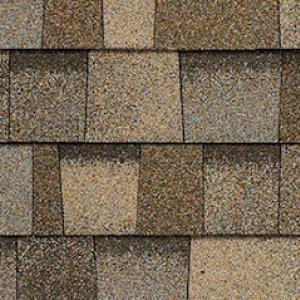
Platinum Roofing & Restoration is proud to provide quality roof installations and repairs in the entire Kentuckiana area. You can trust that your roof is in good hands when our highly trained staff takes on your project. Whether your roof simply needs to be repaired, or you need an entirely new roof, we will install every shingle to exacting standards to ensure that you receive the full benefit and longevity that was intended. From the moment you call Platinum Roofing & Restoration, you will find our staff to be courteous and respectful, and we will go the extra mile to make you a very satisfied customer.
RAM Roofing & Remodeling
(502) 548-1875 www.ramroofer.com
Serving
4.9 from 29 reviews
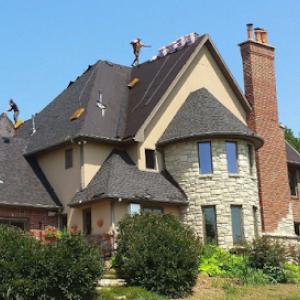
RAM Roofing and Remodeling, LLC in Louisville, KY provides professional roofing services. Call 502-548-1875 to initiate a contract with us or to find out more about our available services. * Roofing Contractor * Gutter Installation * Siding Installation * Roof Repair * Roof Installation * Drywall Repair * Asphalt Shingle Roofing * Roof Replacement
Rock Creek Roofing & Construction
Serving
4.4 from 27 reviews
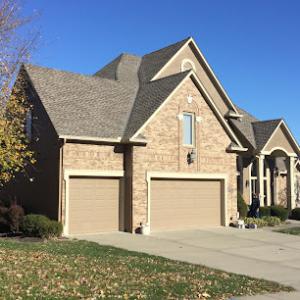
We are your best choice for roofing Lee's Summit and the surrounding areas all the way up to Kansas City! Whether you are needing repair or an entire replacement we tackle it large or small! At Rock Creek we don't just do roofing but also provide remodeling and construction services. We never want you to have to look for another contractor again so give us a call today!

Artisan Roofing
(812) 350-6245 artisanroofingllc.com
Serving
5.0 from 12 reviews
We’re here when you need us no pushy sales, just honest help. Whether you're dealing with storm damage, thinking about a full roof replacement, or just have questions, we're ready to chat. At Artisan Roofing, every project starts with a real conversation not a sales pitch. Get in touch today and speak directly with a local expert who cares. Our Services Include: • Residential Roof Replacement • Roof Repairs (Shingles, Flashing, Leaks) • Storm & Hail Damage Roof Restoration • Insurance Claim Assistance • Roof Inspections & Maintenance Proudly Serving: Columbus, Edinburgh, Franklin, Shelbyville, Seymour, North Vernon, Greensburg, Hope, Taylorsville, Nashville, Nineveh, Whiteland, Greenwood, Bargersville, Bloomington
LouCity Roofing
(502) 287-2409 www.loucityroofing.com
Serving
5.0 from 7 reviews
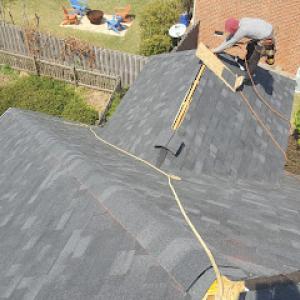
Family owned and operated roofing contractors who specialize in insurance restoration processes. Let us protect you with a new roof. Call us today for a FREE inspection with no obligation!
DC Roofing & Exteriors
(317) 739-6546 www.dcroofingexterior.com
Serving
4.8 from 53 reviews
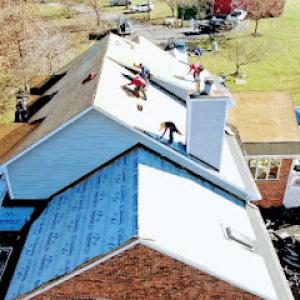
DC Roofing and Exteriors is your trusted roofing contractor in Columbus, IN. We provide expert installation, repair, and maintenance for all your roofing needs. From asphalt shingles to metal roofing, we handle it all. We also offer exterior services like siding, gutter, window and door, deck, brick, stone, installation for a complete home makeover. Contact us today for a free inspection and experience to top-notch knowledge and craftmanship. We also specialize in ensuring that insurance companies do not take advantage of our customers in the time of need. We have a 100% success rate in ensuring a claim is approved properly. Our motto is the "The Difference Is In The Details". That means more to us than just a catchy phrase.
Koontz Roofing & Exterior Construction
(812) 876-2722 www.koontzconstruction.com
Serving
5.0 from 12 reviews
We are a local roofing, gutters, siding and window replacement contractor dedicated to providing the best products and customers service in Southern Indiana.
Buck Homes
(812) 565-9414 buckhomesllc.com
Serving
4.9 from 38 reviews
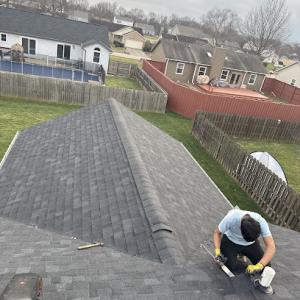
Based in Columbus, Indiana, Buck Homes is a family-owned business dedicated to protecting our neighbors' homes. Since our founding in 2018, we have successfully replaced over 180+ roofs throughout Bartholomew, Jennings, Jackson, Shelby, Marion, and Johnson counties. We take pride in our craftsmanship and have a proven record of satisfied clients (see our five-star reviews on Google!). Matt, co-owner and manager, brings a personal touch to each project to ensure the highest level of service. Whether you live in Bartholomew County or in the surrounding areas, we are committed to providing quality roofing solutions. For a beautiful roof from a local team you can trust, contact Buck Homes for your free estimate.
Spring hail and wind claims are common in this market, and the wet shoulder seasons along with winter freeze-thaw cycles put a premium on accurate damage documentation and timely re-roof scheduling after storms. Asphalt shingles form the backbone of most homes, but granule loss and edge wear start to show up sooner after a rough winter if the roof isn't well-sealed at transitions and penetrations. Freeze-thaw cycling also stresses valleys, deck joints, and around vent flashings, so an inspection that focuses on those areas after a storm can save you future headaches. When you plan a replacement, expect the timing to hinge on clear weather windows that allow quick installation and proper venting checks, since the steep seasons don't always cooperate.
Asphalt remains the dominant practical choice here because it balances cost, repairability, and weather performance for a mixed climate. In our market, the real edge comes from diligent maintenance of edge lines and transitions to gutters and dormers. After a hail event, look for lifted tabs, loosened edge granules, and any compression damage at the drip edge or rake. The freeze-thaw cycle will magnify marginal sealant and flashing weaknesses, so a careful inspection should verify that step-and-flash details around vent pipes, skylights, and chimney protrusions are still watertight. If you're choosing this route, plan for a roof that emphasizes solid shingle adhesion and robust sealing at all perimeters, with a quick follow-up check after the first heavy spring rains.
Metal roofs perform well across a humid summer, wet springs, and occasional hail, provided the installation pays close attention to fasteners and flashing. In this market, repeated seasonal expansion and contraction, plus ample rainfall, can reveal weak details quickly if the fastener pattern isn't held to spec and edge flashings aren't fully integrated with the underlayment. Expect to verify that sealants around fasteners are appropriate for freeze-thaw conditions and that ribbed panels align cleanly at hips and ridges. A metal roof can excel here if the contractor includes an integrated snow/ice management approach, and if the exposed fasteners are placed where drainage avoids pooling around joints.
Tile and wood products show up as niche options, but they require extra care in this market. Weight is a practical constraint, particularly on older structures, and moisture management becomes a bigger deal with storm-driven moisture. Clay and concrete tiles must be supported by a robust deck structure to survive heavy winds, and wood shingles or shakes demand careful attention to edge exposure and proper sealing of all splits or cracks to deter moisture intrusion during wet springs. In storms, tiles can crack or loosen where winds channel along roof planes, so a higher level of inspection for wind uplift vulnerability is essential if those materials are considered.
After a hail or wind event, rapid, organized action matters. Begin with clear, door-to-door inspections that focus on impact sites, edge damage, and vulnerable transitions. Photograph every flaw from multiple angles, and keep a dated log of observations and contractor notes. Insurance documentation should include timestamped photos, a damage map on the roof, and a written assessment detailing likely affected areas and the sequencing of temporary protections if needed. Schedule a re-roof promptly once a contractor can confirm immediate water control steps and an installation window that minimizes exposure to late-season storms and winter melt cycles. Prioritize crews with a track record of clean edge work, solid flashing details, and careful sequencing around gutters and skylights to preserve the roof's long-term performance.
The most popular roofing material in the US. Find pros who install, repair, and replace asphalt shingles.
Rob & Theresa Schwartz Contracting
(812) 569-2231 www.schwartzcontracting.com
860 North Dr, Seymour, Indiana
4.7 from 29 reviews

Typical Seymour pricing runs about 350 to 550 USD per square for asphalt shingles, 700 to 1100 for metal, 1200 to 2400 for clay tile, 1000 to 2100 for concrete tile, 650 to 1100 for wood shingles or shakes, and 500 to 900 for synthetic or composite shingles. Those ranges reflect local conditions, including frequent spring hail and wind claims that can push crews and material orders tighter than you'd expect in quieter months. When you compare bids, first check the asphalt option; it's the most common entry point for repairs after winter and spring storms, but the actual job cost can shift quickly if the roof needs additional underlayment, drip edge, or sealing work.
Costs in Seymour can rise after spring hail and wind events because replacement demand spikes locally and homeowners compete for available crews during the same repair window. If a hail event hits the area, you'll likely see higher bids within days as lead crews scope the damage across multiple houses. In practice, that means your timing matters: delaying a decision for a few weeks can sometimes cool pricing, but waiting too long risks weather-related setbacks or a squeeze on crews when your contractor's calendar fills. Be prepared to document hail damage promptly with photos and notes so insurance claims align with the contractor's assessment.
Wet springs, summer heat, and the need to coordinate permit inspections after tear-off and at completion can affect labor scheduling and total project cost. In practice, a tight window between a hail event and the next round of storms can compress the timeline, pushing crews to complete a re-roof more quickly or accept higher rush fees. Plan for a staged inspection cadence: initial damage assessment, tear-off, installation, and final inspection or confirmation of re-coverage. Having a clear, written scope helps avert scope creep when crews are juggling multiple Seymour jobs after a spring storm.
Get a clear picture of your project costs upfront - no commitment required.
Rick Graham Construction
(812) 580-0110 rickgrahamconstruction.com
Seymour, Indiana
4.9 from 18 reviews
Seymour requires a permit for full re-roofs, and the Building Department keeps the process straightforward for homeowners facing spring storm repairs. The permit signals that the project will comply with local wind, fire, and structural standards that are tailored to this region's mix of spring hail and freeze-thaw cycles. Before any tearing off old shingles or installing new roofing begins, you should confirm that a valid permit is in hand. This helps ensure inspections and code compliance won't hold things up after a storm. If a contractor handles the permit, verify that their application reflects the scope accurately-including tear-off, disposal, and exact roofing system to be installed.
The local permit process generally involves submitting a project description and contractor details before work begins. A concise project description should cover roof size, the type of roofing material, and any underlayment or ventilation work planned. Include the contractor's license number, contact information, and a written statement that the crew will follow applicable wind-resistance and moisture-management standards. If questions arise in the submittal, the Building Department typically responds quickly, given the urgency often tied to spring storm damage. Keep a copy of the submitted package and any correspondence, because it may be needed at the job site or if a field inspector stops by.
Seymour inspections are typically scheduled after tear-off and again after completion so the city can verify installation quality and code compliance. The first post-tear-off inspection focuses on deck integrity, roof deck sheathing, and eave ventilation, ensuring there are no hidden chords of rot or moisture traps. The second inspection confirms proper installation of underlayment, starter courses, fasteners, flashing, and sealant details around vents and chimneys. If any deviations are found during inspections, address them promptly to avoid delays in final approval and occupancy. Be prepared to show notes or manufacturer installation guides, especially for specialty products like synthetic shingles or metal systems, as these details matter for passable inspections.
Coordinate the permit and the repair timeline with your insurer, since storm-related re-roofs often involve documentation tied to claims. Keep contractor communication clear about the permit number on every submitted form, and ensure they schedule inspections promptly after the tear-off and after the finish work. If weather windows compress, request expedited inspection slots and confirm who will meet the inspector on site. Finally, document every step: photos of the tear-off phase, the deck condition, and the installed flashing details. This record helps when the claim adjuster reviews the project and when future maintenance decisions are needed.
Seymour's cold winters bring repeated freeze-thaw cycles that can quietly undermine roof integrity. When moisture finds its way into tiny deck gaps or beneath shingles, freezing temperatures cause it to expand and contract, loosening fasteners and nudging shingles out of alignment. Over time, this creep accelerates where moisture has already entered the system, creating hidden vulnerabilities that can turn into leaks after a heavy thaw or a sudden cold snap. The result is not dramatic drama, but steady, creeping deterioration that undermines both structure and energy efficiency.
Warm, humid summers in this area intensify the heat trapped in attic spaces. When attic ventilation is insufficient, trapped heat and moisture can accelerate deck deterioration and dry-rot the backside of shingles. Poor ventilation can also bake asphalt and composite layers, shortening their life and increasing the odds of loose granules washing away with heavy rains. In practical terms, that means attic access doors and soffit vents should be checked for blockages, and insulation should extend cleanly to the edge of the attic floor to minimize condensation on cooler nights and days.
Fall leaf drop in this region can cloak drainage and flashing problems long enough to cause problems before the first hard freeze. Leaves can clog gutters and scuppers, creating standing water that seeps into seam gaps and flashing knees. Lingering moisture from late-season storms feeds mold growth on sheathing and underlayment, which weakens the roof's ability to shed water. A thorough, season-ending inspection should prioritize clearing debris, inspecting step-flash details around chimneys and vents, and confirming that flashing seals remain watertight after leaf litter has decomposed.
Schedule a fall check as temperatures dip and leaves fall, focusing on drainage paths, sealants, and flashing integrity. After wet seasons, inspect for sustained damp spots on the deck and under shingles, paying attention to any soft spots or spongy textures. In humid summers, test attic ventilation by checking for steady airflow near attic hatches and soffit outlets, ensuring insulation doesn't block vents. When moisture shows up in the attic, address it promptly to slow the pace of deck degradation and keep the roof system performing through freeze-thaw cycles.
After a spring storm, tear-off and dry-in work are often delayed by heavy rainfall and soggy ground. The grass and soil stay soft longer, and crews need sturdy access to the roof without tearing up the yard. If hail or strong winds hit, document damage quickly for insurance, then plan for a careful tear-off once surfaces are dry and stable. Rush jobs can lead to missed inspections and overlooked ventilation needs, which later impact performance.
Summer windows are workable, but heat and sudden downpours can interrupt progress. A humid, hot attic drives up indoor temps, so ventilation and staging matter more than usual. Plan for short build days and airing strategies to protect underlayment and materials. In this season, crews should coordinate fastening patterns with local climate cycles and ensure flashing details stay watertight through afternoon storms.
Fall can be a practical replacement period, but leaves, damp debris, and early frost shuffle the schedule. Cleaning and debris removal must be thorough to avoid moisture traps under shingles, and pre-winter checks should include attic ventilation and drip-edge alignment. If a spring delay pushes work into fall, set expectations for a longer dry-in window and a tighter cleanup plan before any first freeze risk.
Track storm history and damage reports, confirm insurance documentation readiness, and align re-roof timing with weather forecasts. Prioritize weather windows that allow a full tear-off, proper ventilation, and a complete dry-in sequence to minimize movement between crews and weather.
Seymour sits in a weather-driven claim environment where hail and high winds commonly shape roofing decisions more than age alone. That means post-storm paperwork often weighs as much as the physical damage in the eyes of adjusters. When a hail event sweeps through, the goal is to prove a chain of events: what the roof looked like before, what changed after, and how sustained impact aligns with the observed wear. Being prepared to document both condition history and current damage helps avoid surprises when the claim lands on the desk.
Homeowners in Seymour should keep pre-storm and post-storm photos because insurers in this market often ask for condition history, not just current damage images. Organize shots by date, and label the angles that show shingles, flashing, vents, and valleys. Record exterior roof access areas, attic signs of moisture, and any interior staining that coincides with local weather patterns. A simple calendar note noting wind speeds or hail size from the event can anchor the narrative. If a contractor notes necessary repairs beyond cosmetic damage, save those findings as part of the file.
After major hail events affecting Seymour, coverage terms can vary by carrier, making it important to confirm depreciation, matching, and claim handling before signing a replacement contract. Some companies apply depreciation to roofing materials, others push for exact material matching, and several provide options that affect how quickly a replacement can proceed. Read the fine print on your policy's hail rider and ask, up front, how replacements are valued and how a matching assurance is enforced. This diligence prevents miscommunications that can slow the rebuild.
Create a dedicated storm folder on your phone or cloud storage for every hail season, with dated photos and notes from any roof inspections. After a storm, contact your insurer promptly to establish expectations and a clear timeline for adjuster visits. If a contractor spots a potential coverage trigger during the initial inspection, document their assessment but avoid signing any new contract before clarity on depreciation, matching, and claim routing. This approach helps keep the focus on getting the roof back to a solid, weather-ready state.
In Seymour, the contractor market signals quick response after a storm, but the real question is who will actually handle the tear-off, the installation, and the inspection scheduling during surge periods. Verify upfront which crew will be onsite for the full job, not just the foreman visiting with paperwork. Confirm a concrete plan for how many days the tear-off will take, who coordinates the dumpster, and who calls in the inspection appointments. A crew that can commit to a clear schedule avoids delays when spring hail hits the forecast.
Cleanup is a visible local selling point, so ask exactly how debris, nails, and landscaping protection will be managed on residential jobs. Confirm a plan for ground-fall protection around flower beds, shrubs, and edging, plus a defined method for picking up nails after the roof goes on. A responsible crew should walk the yard with you after completion to double-check neglected nails and residual debris. If landscaping damage occurs, know who bears responsibility and how it will be repaired.
Affordability is common in the local market, but balance price against permit handling, inspection coordination, and documentation quality for insurance purposes. Ask for a written plan that includes a timeline, photos at key stages (pre-tear-off, mid-work, final), and a concise summary for your insurer. A crew that emphasizes solid documentation makes the post-storm claim process smoother and reduces the chance of coverage disputes later.
In Seymour, the roofing rhythm is shaped by Midwestern storms rather than coastal or wildfire hazards. Spring hail and wind claims drive attention, followed by wet shoulder seasons and winter freeze-thaw wear that stress shingles, underlayment, and flashing. This means storm aftermath timing matters: storm damage can appear days or weeks after a event, and weather windows often dictate when repairs can be safely completed. You should expect a pattern where the most active period for replacement requests aligns with the spring storm season, not a planned remodel schedule.
The local market supports asphalt, metal, tile, wood, and synthetic systems, reflecting a mix of historic and newer homes. Replacement urgency in Seymour tends to spike after hail or high-wind events, with homeowners prioritizing rapid assessments and documented damage to support insurance claims. While a broad range of materials is available, the decision often hinges on how well the chosen system resists local freeze-thaw cycles and wet seasons. In practice, you may see quick moves toward weatherproofing and code-compatible upgrades following a severe spring storm, even when a project would typically be staged later in the year.
Because city permit and inspection steps are a routine part of full re-roofs, project planning here follows a clear, evidence-driven process. Prepare timely, organized documentation that captures storm impact on the roof, including photos before and after major events, hail marks, and wind-related damage to flashing and gutters. Insurers frequently request that a licensed professional confirm damage and outline repair scope. The scheduling window often hinges on timely estimates, material lead times, and the ability to coordinate inspections with the local authorities, so having a documented plan helps keep the project moving after a storm.