
Last updated: Apr 19, 2026
Breaux Bridge homeowners deal with frequent thunderstorms, tropical activity, and hurricane-season wind exposure that can turn minor shingle or flashing damage into interior leaks quickly. A small crack in a seam or a loose shingle can unravel fast when a strong afternoon squall hits, leaving ceilings stained and attic insulation soaked. In these conditions, delaying a roof issue isn't a neutral choice - it's a risk you'll feel in the first good rain after a storm. When you notice any wind-blown debris, lifted edges, or granule loss, treat it as urgent and plan a response that prioritizes securing the roof before next round of roof-damaging weather.
Frequent spring rains in the Breaux Bridge area can interrupt tear-offs and dry-in schedules, so replacement calendars are more weather-sensitive than in drier Louisiana markets. Dry-in windows disappear fast when storms roll through, and wet work is unsafe and prone to trapping moisture under patchwork. That means a project planned for spring can slip weeks if a front stalls over Acadiana. If a rain delay occurs, the crew should have a clear contingency plan: tarp coverage to protect exposed sheathing, temporary sealing of vulnerable flashing, and a fast-track recheck once a dry spell opens up. Have a candid discussion with the contractor about how weather forecasts will influence sequencing, and keep a flexible backup date ready for anticipated breaks in rainfall.
Local climate guidance favors fall or spring installations because hot, humid summers and temperature swings can affect adhesive performance and accelerate weather exposure during open-roof work. Adhesives and underlayment seams need stable temperatures to cure properly, or they can fail earlier than expected when heat and humidity surge. Scheduling window work in fall or spring reduces the risk of warping or delayed curing, and it lowers the chance of a sudden tropical disturbance interrupting progress mid-application. If a fall installation is chosen, a rapid pre-storm inspection should confirm that all protective measures are in place before the first cool fronts. If spring is chosen, aim for an early window that avoids late-season storms, and plan for a quick post-storm follow-up to catch any early damage.
When damage is detected, document with clear photos and notes on date, time, and the exact location. Immediate temporary protection-such as covering exposed areas with heavy-duty tarps and securing loose flashing-can prevent interior leaks during the waiting period for a full replacement. Communicate urgency to the contractor: a damaged roof is a ticking clock toward interior water intrusion, mold risk, and structural wear. Schedule a site visit promptly, prioritize the most compromised sections, and set explicit milestones for weather-ready readiness. In a storm-prone area, the fastest path to lasting protection is a plan that anticipates weather delays rather than reacting after the next shower starts.
Louisiana's high wind, hail, and hurricane claim environment means homeowners should expect stricter insurer documentation requirements, including roof photos, prior roof history, and detailed damage records. After a severe storm, a robust photo timeline matters: date-stamped images from multiple angles, close-ups of fasteners, shingles, and flashing, and a ledger of any prior roof work or replacements. In practice, this means you need a clear record not only of fresh damage but of what your roof looked like before the event. That history can influence whether an insurer buys into a full replacement versus a repair, and it often steers the trajectory of your claim through the process. When you photograph, do it soon after the rain ends and before any temporary tarps or quick fixes mask the true condition. Keep digital copies organized by date and description so you can present a concise narrative to the adjuster.
Carrier tightening and reduced market availability in higher-risk Louisiana areas can affect underwriting, renewals, and how aggressively insurers scrutinize roof age and condition. The local market responds to catastrophe exposure with narrower choices and more stringent underwriting criteria, so homeowners may face heightened scrutiny of what is under the shingles. Expect more detailed questions about roof age, previous replacements, vent and gutter conditions, and signs of deferred maintenance. Because the region sits in a hurricane-prone belt, insurers may be more cautious about roofs nearing the end of their expected life or showing consistent wear patterns across sections of the roof. This reality emphasizes the value of maintaining thorough maintenance records and documenting proactive repairs, since a well-documented history can help in negotiations and in presenting a credible damage claim.
Adjuster delays are a realistic issue after regional storm events, so Breaux Bridge homeowners need date-stamped photos and prompt damage documentation before temporary repairs alter the evidence. If a storm hits and you have to tarp or temporarily repair, understand that those quick fixes can complicate an adjuster's assessment if not clearly documented as temporary and non-structural. Prepare a simple, dated log of every action taken: when a tarp went up, when a contractor inspected the roof, what weather limited access, and what materials were used. Have your insurer's preferred method for submitting documentation ready-whether via an app, email, or portal-and adhere to it meticulously. In the weeks that follow a storm, you will be balancing the urge to move quickly with the need to preserve an accurate, exhibit-ready claim file. A careful, organized approach reduces the risk that a claim will be delayed or disputed over the roof's condition and age, especially when the evidence could be weighed against competing claims in a saturated market. Keep in mind that the combination of harsh weather, flood potential, and high wind can amplify both the damage and the scrutiny, making disciplined documentation your best ally.
Connect with contractors who help homeowners navigate the claims process from damage assessment to final approval.
Elite Roofing & Construction
(337) 303-0738 www.eliteroofingla.com
609 Parkway Dr, Breaux Bridge, Louisiana
4.9 from 76 reviews

Elite Roofing & Construction
(337) 303-0738 www.eliteroofingla.com
609 Parkway Dr, Breaux Bridge, Louisiana
4.9 from 76 reviews
Elite Roofing & Construction provides residential roofing, commercial roofing, and leak detection/installation to the Lafayette, LA area.
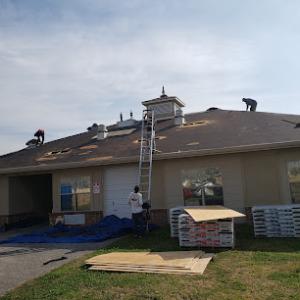
Wells & Sons Roofing
(337) 296-8745 www.wellsandsonsroofing.com
2423 Main Hwy, Breaux Bridge, Louisiana
5.0 from 12 reviews
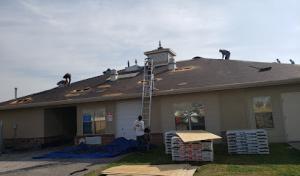
Wells & Sons Roofing Company services Lafayette, Breaux Bridge, Youngsville, Broussard, and all surrounding areas of Acadiana. We are your flat and metal roofing specialists! We also provide residential services. We have an excellent reputation for customer service. Wells & Sons roofing can help you fix your existing roof issues or completely replace your roof, regardless of project size. We provide free estimates and have quick turnaround times. Wells & Sons roofing has held an A+ rating with the Better Business Bureau for over 13 years. We are third generation roofers, with over 50 years of experience within the family. Wells & Sons Roofing is a fully licensed and insured company. Call us to schedule your FREE ESTIMATE

Big Jim's construction
(337) 212-2040 bigjimsroofing.com
1017 Melrose Dr, Breaux Bridge, Louisiana
5.0 from 5 reviews
Big Jims Construction has been serving South Louisiana for 50+ years Jim Wells started the business in 1971 it’s a family owned and operated business we are licensed and insured an A+ rating with the Better Business Bureau we are third-generation contractors we do all types of roofing including asphalt shingle from 30 year to 50 year shingles. metal roofs from 24 to 29 gauge R panel. rubberized flat roofs to TPO roofs. Coating all types of roofs with GACO Products. soffit and facia repair. vinyl siding. We install 6-inch seamless gutters residential & 12 inch commercial gutters emergency tarping emergency repairs./ commercial roofing. no job too big or small for Big Jim’s Construction we take pride in our work South Louisiana proud :)

Hargrove Roofing
(337) 476-3070 www.hargroveroofing.com
Serving
5.0 from 178 reviews
The certified roofers at Hargrove Roofing have years of experience providing high-quality roofing services in Louisiana and Texas. As a BBB-accredited company, their team is proud to be your trusted partner for reliable roofing solutions. From roof inspections to roof installation to roof repair, their skilled contractors are fully trained and equipped to keep the roof over your home or business. When you choose Hargrove Roofing, you’re choosing peace of mind with 24-hour emergency services, flexible financing options, and their satisfaction guarantee! With a reputation for exceptional craftsmanship and top-notch products from industry-leading brands like GAF® and Owens Corning®, you can rest assured that your roof is built to last.
Burford Roofing & Construction
(337) 412-7540 burfordroofing.com
Serving
5.0 from 36 reviews
Burford Roofing and Construction is a roofing contractor in Lafayette, LA that services Acadiana, South Lafayette, Youngsville, Broussard and nearby areas. Our roofing company offers residential roofing, commercial roofing, asphalt shingle & metal roofing, storm damage repairs etc. What make us standout is our five year labor warranty plus our affordable financing options. Call us now for free estimate!
Shingle Solutions LLC (Roofing & Construction)
(337) 513-0777 www.shinglesolutions.com
Serving
5.0 from 23 reviews
Shingle Solutions: Louisiana's premier roofing & storm damage restoration experts. We're your trusted, one-stop shop for comprehensive interior & exterior repairs, specializing in seamless insurance claims. Our expert team handles everything from urgent roof repair, storm damage, and mold remediation to new roof installation (shingle, metal, slate, TPO, Mod-Bit) and full exterior enhancements like siding, gutters, and more. We partner with builders for efficient new construction roofing projects statewide. Fully licensed & insured, providing free inspections and lasting solutions for residential & commercial properties across Louisiana. Experience unparalleled quality & service for your home or business.
Roof Kings Of Lafayette
(337) 347-2074 www.roofkingsoflafayette.com
Serving
4.9 from 117 reviews
Roof Kings provides comprehensive roofing services in Broussard, LA and the surrounding areas. Whether you want to install a shingle roof or repair your metal roof, we have you covered. We also provide metal roofs and roof repairs for mobile homes. We do soffit, fascia and gutters as well.
Best Choice Roofing
(337) 545-2831 bestchoiceroofing.com
Serving
5.0 from 301 reviews
Best Choice Roofing is your trusted roofing expert and the Best Choice when it comes to choosing a Lafayette & Southern Louisiana roofing company with a commitment to impeccable customer service and expert roof replacement, roof repairs, and custom roofing services. In business since 2009, Best Choice Roofing’s industry-leading contributions to the roofing industry include a customer-first mentality, a dedication to top-quality products and a leadership team focused on the growth of its people. Because of this framework, we have created a loyal base of customers all over the United States.

Premier South Roofing & Sheet Metal
(337) 296-7083 premiersouthla.com
Serving
4.7 from 55 reviews
Premier South Roofing & Sheet Metal is Lafayette's trusted roofing expert, offering exceptional quality and service. We provide top-rated residential and commercial roofing services, including repairs, replacements, and metal roofing solutions. Our expertise extends to gutter cleaning and awning installations. But what truly sets us apart is our dedicated in-house installation crews, hand-nailing specialists for superior roof shingle installation, flexible financing options available, and dedicated project coordinators to support field estimators. From meticulous craftsmanship to comprehensive support, Premier South is committed to protecting and enhancing your property. Contact us to experience the Premier South difference.
CTL Roofing
Serving
4.8 from 81 reviews
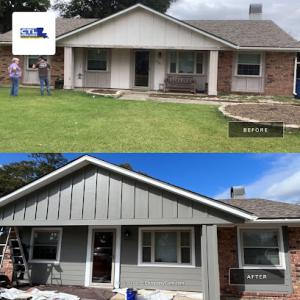
Welcome to CTL Pro Construction, your one-stop-shop for roofing in Broussard, LA! With over 15 years of combined experience, we’re your trusted allies when it comes to handling your roofing needs. We’re known for having a dedicated team of project managers who focus on quality control and maintenance of our work. We keep a strong relationship with our distributors, in fact, we’re Atlas Roofing distributors, allowing us to provide our customers with both, top-quality products and services. Our goal is to make homeowners feel at ease with insurance claims and adjusters.
Colorwheel Roofing Company of Lafayette
(337) 547-3783 choosecolorwheel.com
Serving
4.9 from 61 reviews
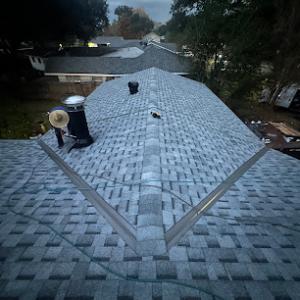
Discover Colorwheel Roofing Company, Lafayette's premier destination for top-tier roofing and construction services. This locally owned and operated company, established in 2023, offers comprehensive solutions for both residential and commercial properties. From expert roof replacements and repairs to skilled general construction and kitchen and bath remodeling, Colorwheel handles every project with an unmatched level of quality and expertise. With a focus on service, they specialize in a wide range of materials, including shingles, metal, tile, and flat roofing products, ensuring every property receives durable and beautiful results.
JHebert Roofing
(337) 469-5428 jhebertroofing.com
Serving
4.9 from 91 reviews
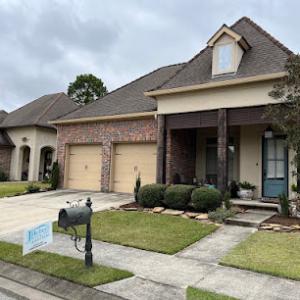
Afraid that your roof won't hold up against strong storms? Instead of losing sleep at night over your roof's condition, get in touch with J Hebert Roofing, LLC ASAP. Our roofing company will go above and beyond to restore your roof. You'll breathe easy knowing that your roof is in excellent hands.
Asphalt shingles and metal roofing are the dominant practical choices for most homes in this area. The heat, humidity, and repeated thunderstorm exposure in this parish place a premium on moisture management, fastening quality, and wind resistance, sometimes more than on the flashy looks of a roof. The most dependable combination in this climate is a well-sealed, properly fastened system that can shed rain quickly and resist uplift from gusty storms. In practice, that means focusing on correct underlayment, solid nailing patterns, and durable edge details, especially around eaves and rakes where wind-driven rain tends to pool.
Heavier materials such as clay tile, concrete tile, and slate can add real curb appeal, but they bring extra weight and structural demands. In Breaux Bridge, many homes are better served by lighter systems, because re-roofing tends to occur more often than a full tear-down and rebuild. If you are considering tile or slate, you should confirm that the existing roof structure can handle the load, and anticipate more complex 설치 and potential reinforcement. For most properties, aluminum or steel roofing paired with a quality underlayment gives you robust wind resistance without the extra lifting and bracing that heavier options require.
Humidity and frequent downpours mean that moisture management should be at the top of the decision list. Look for roofing that offers a tight shingle-to-shingle seal or metal panels with integrated fastener systems that resist moisture intrusion. Pay close attention to flashing around chimneys, vents, and transitions, where a small lapse can lead to big issues after a tropical rainfall. For asphalt shingles, choose options with good algae resistance and an ample warranty that backs extended wet seasons. For metal roofs, prioritize corrosion-resistant coatings and secure panel interlocks to maintain a continuous barrier against driving rain.
Sturdy wind resistance matters more than color or texture in this market. The best approach is to specify a fastening pattern that reduces panel or shingle lift during tropical storms, coupled with high-quality sealants and back-vented soffits where appropriate. Local installers who understand the typical storm tracks and the way rain can funnel around corners tend to deliver the most durable outcomes. When you verify bids, ask about the attic ventilation plan and the roof deck condition, since proper ventilation and a solid deck are key for long service life in hot, humid summers.
Finally, start with your roof's current structure and anticipated weather exposure. If a lighter system fits the home's frame and your local contractor recommends it, that route often provides the most reliable balance between performance and practicality. In this market, the simplest, well-sealed option, installed with attention to drainage and fastening, tends to weather Acadiana heat and storms more reliably.
Breaux Bridge pricing can rise after tropical weather because storm-driven demand strains scheduling and labor availability across the broader Acadiana and south Louisiana market. When a hurricane season hits, crews that typically handle your area get pulled to larger storms, and that ripple shows up in waited timelines and higher quotes. The bottom line is that local replacement costs span from about 350 to 650 USD per square for asphalt shingles, 650 to 1100 for metal, 900 to 1700 for clay tile, 800 to 1500 for concrete tile, 500 to 900 for synthetic/composite, and 1500 to 3000 for slate.
Asphalt shingles stay the most common in mid-range homes, but in this parish you'll see a fair share of heavier tile and metal options as roofs get upgraded for wind strength and longevity. Clay tile and concrete tile push higher per square, and the weight often drives structural considerations that add cost, especially where older roof framing isn't prepared for tile or slate. Synthetic/composite shingles offer a middle road between cost and performance, while slate remains the premium choice with substantial installed price, but long life.
Costs here are also affected by weather delays from spring rain and summer storms, plus the added handling and structural considerations tied to heavier tile and slate systems. If a storm rolls through, expect scheduling bottlenecks that compress the labor pool and push contractor timelines, which can nudge final totals upward even if material prices stay steady.
When you're budgeting, start with your preferred material and then build a buffer for potential weather-induced delays. If you're replacing due to damage, document wind or hail impact for insurance discussions, and be prepared for a shorter window between assessment and replacement if a storm season kicks in. Ask about labor lead times and whether crews use local suppliers to avoid last-minute shortages. Prioritize early-mseason bookings for preferred materials to lock in pricing before tropical weather spikes demand.
Get a clear picture of your project costs upfront - no commitment required.
Wells & Sons Roofing
(337) 296-8745 www.wellsandsonsroofing.com
2423 Main Hwy, Breaux Bridge, Louisiana
5.0 from 12 reviews
Roofing Contractors Lafayette LA
(337) 270-6496 roofingcontractorslafayettela.com
Serving
5.0 from 11 reviews
In this parish, a full roof replacement requires a building permit. That means before any shingle or tile is torn off or a single nail is driven, you start with the permit through the parish building department. The process is designed to keep the drainage and wind resistance unique to Acadiana's storms in mind, and it tends to move more smoothly when the contractor understands the local cadence and inspection expectations. The permit isn't just a stamp of approval; it sets the schedule for plan review, inspections, and any follow-up steps needed to keep your project compliant with parish and state requirements.
After you file, the parish building department conducts a plan review. This review checks the proposed roof type, the roof-to-wall connections, flashing details, attic ventilation, and any structural considerations that could affect how the roof handles hurricane winds and heavy rains. Your contractor should submit a detailed scope, including square footage, roof pitch, and material selections that align with local building codes and historical housing standards found around the parish. Expect questions or requests for clarification if the plan doesn't clearly show how water will drain away from the eaves and hips during a fast-moving storm.
A final on-site inspection occurs after the roofing work is completed. This inspection confirms that the installed roof matches the approved plan and that all components meet the parish's safety and wind-load requirements. In the interim, you may encounter interim inspections if the project progresses in stages or if certain flashing, vents, or skylights require verification before covering. Coordinating with your contractor about the inspector's expected arrival times helps keep the project on track and reduces the chance of delays caused by weather interruptions common to this area.
Inspection timing can be affected by department workload, especially during peak storm and permit seasons. Local staff may need additional time to process submittals or to coordinate multiple sites in the same neighborhood after a heavy rain event. If the completed work diverges from the approved plan, a re-inspection fee may apply. To minimize this risk, ensure the final installation episode mirrors the approved drawings precisely, including nailing pattern, underlayment choice, and roof venting. A tidy, well-documented submission helps prevent back-and-forth that slows the project during the narrow windows between tropical systems.
In this market, re-roofing is a dominant service, and many homeowners are dealing with aging systems rather than first-time installs. After a hurricane or a heavy storm, small defects-loose shingles, lifted edges, or exposed underlayment-can snowball quickly with repeated rain and humidity. The result is a roof that looks fine at a glance but weaknesses begin to show as the season wears on. You'll want to spot issues early and demand workmanship that treats the roof as a system, not a patchwork of fixes. Rushed interior work to stop leaks can leave gaps that invite moisture into framing and attic spaces, so prioritize thorough waterproofing over a fast-sealed fix.
The climate here favors slow, steady progress over big, last-minute pushes. Breaux Bridge homeowners know a steady rain can derail a schedule, turn soft underlayment into a mold risk, and complicate inspections. When storms threaten, schedule crews to seal vulnerable areas first, then proceed with decking, underlayment, and shingle installation in dry spells. A leak-stoppage plan should be ready before any tear-off, including tarps and temporary barriers that keep immediate water intrusion from turning into interior damage. Expect gaps between storm events to be your real work windows-use them to correct substrate issues and re-secure flashing where wind may have peeled it loose.
Cleanup is not a cosmetic afterthought; it's a safety and protection issue in this parish's mindset. Cleanups go beyond a swept driveway-consider how fast debris can become a hazard for families and pets, and how lingering fragments can damage landscapes or clog gutters during the next rain. Post-job stabilization also means confirming there are no active leaks and that all penetrations, vent sleeves, and flashings are firmly seated. Homeowners in this area tend to notice quick responses, so the crew should communicate a realistic cleanup and leak-stabilization timeline from day one.
Even though steep-slope residential roofing dominates, Breaux Bridge still has an active niche for flat or low-slope roof work that needs different drainage and membrane detailing than standard shingle jobs. In practical terms, the flat sections on porches or additions often sit at awkward angles to the main roof and catch more standing water after heavy rains. When planning work, think in terms of continuous drainage paths, proper slope, and a dependable edge detail that keeps gutters from back-damming water onto the membrane. A focus on clean transitions between roof planes is essential to prevent tiny disappointments from turning into big leaks during the next tropical downpour.
Repeated heavy rain events make penetrations and transitions especially vulnerable on low-slope sections, porches, additions, and mixed-roof homes. In these cases, every pipe, vent, and flashing corner deserves extra attention. The fastest way to avoid surprises is to dry-fit the membrane around penetrations and verify that fasteners do not create cold seams where water can collect. Pay special attention to slope at overhangs and edge metal, since dripping from the edge often marks the first sign of an underlying membrane issue after a heavy storm. Sealants should be compatible with the chosen membrane and able to handle the humidity without peeling.
Skylights are a smaller but real specialty in this market, and leak diagnosis around them matters more during prolonged wet periods common in south Louisiana. Start with a thorough but patient exterior inspection: look for membrane wear around curb flashings, ice-and-water shield coverage at the base, and any settled gaps where the curb meets the roof plane. Inside, track any seams or flashing transitions that could channel water toward the interior. In long rainy spells, small drips from skylight crowns are common indicators of worn gaskets or improper sill flashing. Plan for reinforced flashing at the skylight curb and ensure the sealant choice remains compatible with the surrounding membrane and substrate. Regular cleaning of debris around skylight z-bars and flanges helps, too, since blocked drainage accents existing vulnerabilities rather than creating new ones.
Find specialists in TPO, EPDM, and built-up flat roofing systems for residential and commercial properties.
Elite Roofing & Construction
(337) 303-0738 www.eliteroofingla.com
609 Parkway Dr, Breaux Bridge, Louisiana
4.9 from 76 reviews
Wells & Sons Roofing
(337) 296-8745 www.wellsandsonsroofing.com
2423 Main Hwy, Breaux Bridge, Louisiana
5.0 from 12 reviews
Big Jim's construction
(337) 212-2040 bigjimsroofing.com
1017 Melrose Dr, Breaux Bridge, Louisiana
5.0 from 5 reviews