
Last updated: Apr 19, 2026
Coastal humidity and frequent storm systems push Pasadena's roofs to the edge after every gust and downpour. Wind-driven rain can penetrate through shingle laps, lapsing flashing, or compromised sealant, turning a small drip into a ceiling sag before most homeowners even notice the attic higher than normal humidity. In this market, a fast response matters because lingering moisture accelerates wood rot, mold growth, and interior damage in homes with typical suburban rooflines and vulnerable eaves. If a leak is suspected, treat it as active immediately: locate the highest, driest entry point you can safely access, protect belongings below, and plan for an urgent inspection from a trained roofer who can pinpoint whether damage is at the shingle surface, underlayment, or flashing around chimneys, skylights, and valleys.
During storm surges or spring nor'easters, installation schedules can be disrupted, and short-term tarping becomes essential. If a roof is actively leaking, safety becomes the first priority: avoid climbing onto a wet, slippery surface, and keep children and pets away from exposed troughs and loose shingles. Deploy a durable tarp over the impacted area, anchoring edges securely with boards and exterior nails or staples, ensuring the tarp extends several feet beyond the leak to shed water away from the interior. Do not attempt to seal with duct tape or flimsy plastic-heavy-duty tarps and proper fasteners are the difference between a temporary reprieve and rapid interior damage. Document damage with photos for the contractor, because in Pasadena weather, storm-driven leaks can evolve quickly, especially where tidal creeks and wind shifts interact with aging roofs.
Contractors in this market signal a strong emphasis on emergency repair and fast response after storms. When a roofer answers, expect a triage process: a rapid assessment over the phone, a remote guidance for immediate steps, and a targeted on-site visit as weather allows. If a crew can reach you within hours, they will focus on securing the leak path first-temporary patching on flashing seams, resealing around penetrations, and stabilizing any sagging shingles-before conducting a more thorough inspection. In Pasadena, that means planning for a two-stage fix: stop the active leak now, then schedule a detailed evaluation for a longer-lasting repair or replacement once the storm subsides and daylight returns.
A homeowner should inspect for missing granules on asphalt shingles, lifted edges, or moisture trails on ceilings and walls that arise after a storm system. In this climate, moisture can travel along interior wall cavities and around chimneys or skylights where flashing may have weakened from wind-driven rain. If a roof line shows repeated rapid staining, damp attic insulation, or musty odors from the attic space, do not delay a professional assessment. A Pasadena roofer will prioritize identify-and-seal strategies that address wind-driven leakage paths common to suburban layouts near tidal creeks and the Magothy-Patapsco corridor.
Emergency response is the entry point, not the endpoint. After stabilizing the leak, the next steps involve a careful post-storm inspection to map wind-driven damage, flashing integrity, soffit and gutter conditions, and underlayment continuity. In this market, the best plan blends urgent temporary protection with a clear path to a durable repair plan tailored to humid Chesapeake Bay weather. A coordinated approach minimizes recurring leaks, reduces interior damage, and aligns with the rapid-response expectations that local homeowners rely on when coastal storms arrive.
Asphalt shingles are the dominant roofing material in Pasadena, but the local market also shows meaningful demand for metal, wood shake, tile, and synthetic options rather than a single-material landscape. That mix matters because each option interacts differently with the Chesapeake Bay humidity, storm-driven wear, and neighborhood-plus-street-driven debris. In practical terms, you'll notice metal responding well to frequent wind-driven events and floating debris near tidal creeks, while wood shakes bring a classic look but demand tighter maintenance in humid summers. Tile sits on a subset of homes where the roof structure can handle heavier loads, and synthetic shingles often attract homeowners seeking a balance between traditional aesthetics and modern moisture resistance. Your choice should align with the home's framing, attic ventilation, and the way the local climate compounds wear at penetrations and valleys.
Maryland's hot humid summers and cold wet winters create a climate where ventilation, underlayment choice, and flashing details matter as much as the surface material itself. In summers, elevated attic temperatures accelerate aging of underlayment and shove more moisture into the roof assembly, so adequate soffit and ridge ventilation is essential. Winter cycles bring freeze-thaw stress, especially in shaded eaves and lower-pitched sections, which can widen small gaps and stress flashing around chimneys, skylights, and vents. A well-vented roof reduces rapid moisture fluctuations that shorten life, regardless of surface color or style. Pay careful attention to the drip edge and eave detailing, because moisture coming off the roof reflects back toward the fascia and can corrode fasteners in a hurry when ventilation is lacking.
In storm-prone neighborhoods near tidal creeks, flashing detail is not cosmetic-it's a primary performance feature. Examine step and continuous flashing at valleys, transitions, and penetrations for corrosion resistance and proper backer support. In a humid climate, fasteners need to be matched to the substrate and protected from galvanic reactions with nearby metal through proper separation and sealant choice. Look for integrated flashing with the chosen material where possible: metal roofs require seam sealing that handles thermal movement, while asphalt and synthetic choices rely on upgraded sealants and mechanical fasteners placed in line with the roof's tile or shingle pattern. Hallmarks of careful detailing include a continuous seal around vent stacks, chimney skirts, and skylights, plus a watertight transition at dormers where gutters and roofing meet.
Ventilation strategies should be tailored to the roof's surface. Asphalt shingles benefit from a robust attic vent strategy-baffles at the eaves, proper ridge venting, and a breathable underlayment system that tolerates repeated wetting. Metal roofs often pair with a vapor-permeable underlayment that accommodates thermal expansion, while tile roofs demand underlayment that resists tearing during installation and provides a watertight deck beneath heavy tile. Synthetic or composite shingles can offer a forgiving substrate, but still rely on a well-seated underlayment and precise nailing patterns to resist wind uplift. In all cases, ensure the attic has a clear path for air to escape and ingress points are kept dry behind any insulation.
Weekly after-storm checks in the first year are wise, especially after the biggest Nor'easter-like events that sweep the Patapsco corridor. Clear debris from gutters and off the roof with care to avoid disturbing minor granule loss early on. Inspect flashing seals and sealants after heavy rainfall; look for soft spots or cupping along eaves that signal moisture intrusion. For homeowners considering a non-adhesive plan, sit down with a local contractor familiar with this climate to review how your chosen material performs under both hot humidity and winter wetness, including how venting and flashing tie into long-term durability. A thoughtful combination of ventilation, underlayment, and precise flashing is what turns a good roof into a roof that holds up season after season.
A full re-roof project in Pasadena typically requires a permit through Anne Arundel County's Department of Inspections and Permits rather than a city-run building department. Start by confirming your project scope with the county early, since a re-roof touches structural details and humidity-driven wear patterns common to this area. The county process tends to be more formal about plan submittals, so gather a complete package before submitting.
County review commonly expects a thorough, viewer-friendly documentation of scope, ventilation, underlayment, and flashing details. In practice, that means you should present a clear roof plan, a decking integrity assessment, and a ventilation strategy that aligns with local moisture and attic temperature conditions. Underlayment choices should account for Year-round humidity and potential wind-driven rain, while flashing around chimneys, vents, skylights, and along transitions must be precisely described. Documentation should also show how soil and drainage will interact with the roof system, given the proximity to tidal creeks and the Magothy-Patapsco corridor.
Inspections occur at multiple stages and again after completion, so scheduling and passing final inspection can affect project timing and closeout. Plan for a preliminary framing/roof deck inspection if any structural work is involved, followed by a mid-project inspection after underlayment and initial shingle installation, and a final inspection once the roof is complete. Delays in any of these steps can push back permit finalization and occupancy-related timelines. Keep a consistent line of communication with the county inspector assigned to your project; responsive document handling can prevent rework and expedite approvals.
Prepare a clear set of drawings and notes that highlight ventilation placement, attic space layout, and how the new roof integrates with existing drainage and ventilation systems. Include product data for underlayment, flashing, and the chosen roof covering, plus installation details that demonstrate compliance with local moisture management expectations. For homes near tidal creeks, emphasize corrosion-resistant flashing and steel or aluminum components where applicable. Ensure that contractor affidavits, material certifications, and any drainage or gutter modifications are easy to locate within the submittal package.
Because storms and humidity can accelerate wear, emphasize flashing continuity and ventilation improvements in the permit package. A well-documented plan helps inspectors see that the project will hold up under Chesapeake Bay weather and the area's unique wind-driven rain patterns. If a prior upgrade exists, note its condition and how the current reroot will address any past deficiencies to support a smoother inspection process.
In this market, you'll notice pricing bands that line up with the primary materials used on the typical suburban roofs around tidal creeks and Magothy-Patapsco corridors. For asphalt shingles, expect roughly 350 to 700 USD per square installed. Metal roofing sits higher, commonly 600 to 1100 per square. If clay tile is in the mix, budgets run from 900 to 1500 per square, with concrete tile following at 800 to 1400 per square. Wood shingles or shakes are typically 500 to 900 per square, and synthetic or composite shingles land around 450 to 900 per square. These ranges reflect how storm-driven demand, local labor timing, and material availability can compress or extend project timelines in the county's re-roofing-heavy neighborhoods.
Pasadena's market tends to swing after significant wind or rain events. When storms hit, emergency work and replacements stack up quickly, and contractors balance urgent, shorter-notice jobs with planned rebuilds. That can push lead times from a few days into weeks, and it can nudge material-upcharge windows tight for certain profiles (think clay or metal in particular). If you're shopping after a regional event, expect more demand-driven pricing pressure and a tighter window for scheduling, even if the base material price hasn't changed dramatically.
When you're planning a re-roof after a storm, start with a clear damage assessment and a realistic timeline for material delivery and crew availability. If asphalt shingles are the likely choice, align expectations with nearby supply channels-these crews move fast in surge periods, but availability may lag for specific colors or styles. For higher-end options like clay or concrete tile, build in extra time for handling weight, crane access, and potential structural checks that often accompany heavier systems. For metal or synthetic shingles, factor in longer lead times if the color or profile is in high demand during peak replacement season. In all cases, document your preferred ventilation and flashing details early in the quoting process to reduce back-and-forth as crews schedule.
Paramount Roofing & Construction
(844) 779-7715 paramountroofingconstruction.com
Pasadena, Maryland
5.0 from 68 reviews
Paramount Roofing & Construction is a trusted, family-owned business serving Anne Arundel, Howard, and Prince George’s County, Maryland, with over 20 years of experience. We specialize in all types of roofing, including shingles, metal, flat, and TPO, ensuring durable and high-quality results. Our services extend beyond roofing to include custom decks, home additions, remodeling, and exterior renovations. We are committed to providing exceptional craftsmanship, competitive pricing, and superior customer service. At Paramount, your satisfaction is our top priority.

Anne Arundel Exteriors
(410) 215-0443 annearundelexteriors.com
924 8th St, Pasadena, Maryland
5.0 from 53 reviews
We offer an end-to-end client experience that includes seamless communication, budgeting, staffing, on-site organization, and solid, quality workmanship every time. We provide roof replacement, roofing replacement, roofing anne arundel county, residential roof repair, roofing repair, gutter cleaning, storm damage, insurance work,chimney repair, new decks, deck installer, siding repair, siding replacement, masonry, concrete repair, concrete driveway, concrete walkways, concrete foundation, stamped concrete and all other exterior services. MHIC Licensed and Insured. Licensed Roofing contractor, Owens Corning Roof contractor, Decking, Deck contractor

Kohn Contracting Corporation
(443) 833-4031 kohncontracting.com
216 Quiet Ridge Ct, Pasadena, Maryland
5.0 from 22 reviews
Licensed in MD & D.C. | GAF-Certified | Field-Tested Pros At Kohn Contracting, we specialize in roof replacements, renovations, and proactive property care across Maryland and Washington, D.C. We're a new company — but we're field guys at heart with over 20 years of hands-on experience working for some of the region’s top firms. Now we’re doing it our way: smarter, leaner, and with service that actually shows up. Our commercial division, Property Rx™, supports property managers and building owners with preventative maintenance, leak response, and long-term capital planning. Whether it’s a full roof replacement or routine service, we help extend roof life, reduce emergency costs, and protect your bottom line.
Booth Brothers Construction
(410) 647-0614 www.boothbrothersconstruction.com
46 Wishing Rock Rd Ste. B, Pasadena, Maryland
4.7 from 68 reviews
Booth Brothers Construction (BBC) is a Licensed, Bonded and Insured Family Business with over 30 years experience in Roofing and Construction! We provide quality Roofing Repairs, Installation, Siding Installation even Decks, & more! (Residential & Commercial Customers throughout Anne Arundel & all surrounding areas!)
Four Seasons Roofing
(410) 844-7919 www.fourseasonsroofingmd.com
178 11th St, Pasadena, Maryland
4.9 from 27 reviews
Since 2001, Four Seasons Roofing has been helping homeowners in Pasadena, MD keep their homes protected and looking their best. We do more than roofing — our team also installs seamless gutters, replacement windows, and siding to give your home a complete exterior upgrade. With years of experience as a general contractor, we focus on quality work, dependable service, and making sure your home stays strong and beautiful through every season.
Alef Construction & Remodeling, LLC - Roofing, Siding, & Gutters
(443) 325-6961 alef-construction.com
2613 Mountain Rd, Pasadena, Maryland
5.0 from 9 reviews
Alef Construction & Remodeling, LLC is high performing roofing contractor in Pasadena, MD. Our team specializes in residential and commercial roof replacement, siding, gutters, and repairs. We are proud to be a local company in the DMV area and strive for the best customer experience.
Trinity Exteriors
(443) 282-1789 trinityextmd.com
Serving
4.9 from 64 reviews
Trinity Exteriors provides roofing, siding, window, and gutter services, along with inspections in Severna Park, MD.

Maryland Roofing Company
(410) 716-4414 marylandroofingco.com
Serving
5.0 from 34 reviews
For trustworthy and professional roofers in Severna Park, rely on our team at Maryland Roofing Company. The roof of your home or business fulfills an important function and it's important to have confidence in the roofing company that you choose for the job. Maryland Roofing Company has been in the roofing business for over 40 years, providing customer-focused roofing service to each and every customer. Our roofers are true experts in metal and shingle roofing products. Roofing technology has advanced noticeably in recent years and our team is happy to walk you through the different materials, colors, and options you have at your disposal. Contact us today for all your professional roofing services in Severna Park and surrounding areas!
Landmark Roofing
(443) 274-4957 roofingbylandmark.com
Serving
4.9 from 611 reviews
Since 1969, Landmark Roofing has served Maryland, the D.C. area, and the Mid‑Atlantic with top-tier residential and commercial roofing solutions. We specialize in roof installation, roof repair, full roof replacement, preventative maintenance, inspections, gutter systems, siding, and skylights. As a GAF Master Elite contractor (President’s Club, 3‑Star), we deliver premium warranties and certified workmanship. Our licensed and trained crews adhere to strict safety protocols, focusing on integrity, timely communication, and clean project execution. Contact Landmark Roofing for a free estimate & consultation; your project gets craftsmanship and trust built in.
Roofing Pups, Roofing & Siding
(443) 261-0692 roofingpups.com
Serving
4.7 from 366 reviews
Roofing Pups Roofing & Siding has been making customers' homes look beautiful in the DMV communities for more than 30 years combined. Roofing Pups Roofing & Siding provides the highest quality, affordable exterior remodeling and replacement contracting services. Our staff is professional, well-trained, and ready to serve you. Call today and receive a free, no-hassle in-home consultation by one of our service consultants. We would love to help with your next home improvement project! We are your roof's best friend!
Albo
Serving
5.0 from 13 reviews
Locally owned and family operated roofing company focused on quality service and honest pricing
Bob Tuttle Roofing
(443) 418-4067 www.bobtuttleroofingandgutters.com
Serving
5.0 from 11 reviews
Bob Tuttle Roofing provides services for roofing repair, roofing installation, and gutter installation in the Glen Burnie, MD area.
Maryland insurers monitor wind, hail, and storm exposure, so Pasadena homeowners should expect roof age and condition to affect underwriting and renewal conversations. In households near tidal creeks and the Magothy-Patapsco corridor, storms leave a stubborn stamp on shingles and flashing, even when the damage looks small from ground level. The message here is practical: your roof's health history matters as much as the latest storm surge, and carriers will weigh that history when evaluating risk for the upcoming season.
After a storm, adjusters may ask for photos, contractor estimates, and reports documenting prior damage. Prompt post-storm documentation is especially important in this market. Take clear daytime photos of all roof faces, gutters, and any interior leaks, and keep dated notes about when you noticed issues. If there was prior damage, gather past inspection reports or repair receipts so the file shows a pattern rather than a one-off event. Have a trusted local contractor prepare a detailed inspection report that highlights shingle wear, flashing gaps, and any sealant failures common to humid Bay weather. In this market, timely, organized evidence can smooth the path from initial assessment to settlement and help avoid misunderstandings about what's required for repair or replacement.
Older roofs may trigger premium changes or upgrade expectations, which can influence whether basic replacement or more durable assemblies are chosen during a claim-related project. If the roof has endured several seasons of moisture exposure and intermittent storm damage, expect insurers to scrutinize the current materials and installation quality. You may encounter recommendations for higher-grade underlayment, upgraded fasteners, or more storm-resistant shingles. In neighborhoods with frequent wind-driven blows and hail, a claim that includes upgraded components can lead to longer-term protection and fewer call-backs, but it also shifts the conversation toward longer-term resilience rather than a quick fix. Plan ahead by documenting the roof's age, past repairs, and any signs of chronic wear so you can engage in constructive renewal discussions rather than reactive, last-minute decisions.
Connect with contractors who help homeowners navigate the claims process from damage assessment to final approval.
Paramount Roofing & Construction
(844) 779-7715 paramountroofingconstruction.com
Pasadena, Maryland
5.0 from 68 reviews

Kohn Contracting Corporation
(443) 833-4031 kohncontracting.com
216 Quiet Ridge Ct, Pasadena, Maryland
5.0 from 22 reviews
Four Seasons Roofing
(410) 844-7919 www.fourseasonsroofingmd.com
178 11th St, Pasadena, Maryland
4.9 from 27 reviews
Local permit review repeatedly flags ventilation, underlayment, and flashing details as recurring compliance and performance issues in Anne Arundel County reroof projects. The hot, humid summers amplify moisture buildup in the attic, and careless underlayment choices can trap that moisture against rafters and insulation. In this climate, a roof isn't just about shingles; it's about how the layers work together to shed humidity and keep decks dry behind the scenes. When underlayment is weak or ventilation is neglected, you may see gradual mildew, musty odors, or hidden rot that only shows up after a heavy rain.
Hot, humid summers expose weak attic ventilation quickly, turning attics into heat coffers that bake roofing materials from the inside. In winter, cold wet spells and freeze-thaw cycles stress the roof assembly, especially at transitions where metal, vinyl, or wood components meet asphalt or other coverings. When air moves poorly or insulation gaps exist, condensation can form on underside of the roof deck and then migrate toward vulnerable seams. The result is accelerated deterioration of decking, shingles, and fasteners, with a higher risk of hidden leaks after a storm.
In a storm-prone market, many leak complaints point to valleys, wall intersections, chimneys, skylights, and other detail areas more than field shingles. Valleys can fail if metal flashing isn't integrated with a sound underlayment, or if sealants have aged past their prime. Chimneys and dormers create complex transitions where water can wick into the roof system. Skylights bring flashing challenges that can fail during heavy rain or rapid temperature swings. If flashing details aren't correctly integrated with surrounding materials, moisture finds a way in, even when shingles look intact.
When inspecting, look for sagging or missing underlayment around transitions, shallow or split valleys, and staining near roof penetrations. Check that flashing around chimneys and skylights is continuous and sealed, with external fasteners properly backed and corrosion-free. Inspect attic vents for obstructions, and ensure soffit intakes aren't blocked by insulation or debris. If moisture has seeped into the decking, you may detect soft spots or dark, spongy areas behind the ceiling drywall. Regular checks after storms can catch issues before they become major repairs.
Find contractors experienced in skylight installation, flashing, and leak repairs to bring natural light into your home.
Four Seasons Roofing
(410) 844-7919 www.fourseasonsroofingmd.com
178 11th St, Pasadena, Maryland
4.9 from 27 reviews
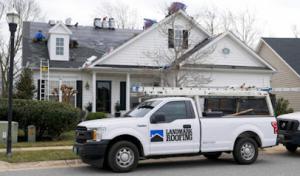
Flat-roof work is a meaningful slice of the local contractor scene, even though most homes in this area are perched on pitched shingles. You may encounter a mix of residential and commercial crews, and that mix shows up in repair approaches, material choices, and sequencing. Expect a broader set of options, from small porch additions to larger low-slope sections over garages or porticos, and be prepared for different job rhythms and warranty language than you'd see on a standard house roof.
Cold wet winters and repeated storm rainfall make drainage performance a priority on any low-slope section. Start with a simple drain check: confirm that gutters and scuppers are clear and that downspouts discharge away from walls and foundations. Inspect the roof deck edge for proper slope and unobstructed water flow toward the drainage outlets. Seams and flashing become the first line of defense against leaks; look for lifted or cracked sealant, compromised counter-flashing, or poorly soldered or sealed overlaps. If you find standing water or water staining near seam lines after a rainfall, treat it as a sign to escalate to a more thorough inspection from a flat-roof specialist.
Because the market includes commercial-oriented crews, you may see different repair playbooks than for shingles. Expect more emphasis on deck preparation, replacing flashing assemblies, and sometimes partial deck resurfacing rather than a quick sealant patch. A practical approach is to prioritize the source of the leak-water intrusion at transitions (wall/roof, curb mounts, skylight bases) gets staged repairs first, with attention to material compatibility and proper adhesion in humid air. Keep a detailed record of what was removed and replaced, since sips and membranes have distinct installation sequences.
When you suspect a problem, document with photos at multiple angles and note rainfall dates and observed drips. Schedule an on-site assessment with a flat-roof specialist who can evaluate slope, membrane type, flashing condition, and penetration seals. If a partial repair seems possible, insist on upgrading surrounding seals and ensuring that any patchwork respects the surrounding roof's drainage pattern. A well-executed flat-roof fix in this climate should restore drainage reliability and minimize future storm-driven leaks in the tides-and-creek zone.
Find specialists in TPO, EPDM, and built-up flat roofing systems for residential and commercial properties.
Paramount Roofing & Construction
(844) 779-7715 paramountroofingconstruction.com
Pasadena, Maryland
5.0 from 68 reviews
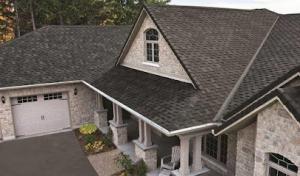
Booth Brothers Construction
(410) 647-0614 www.boothbrothersconstruction.com
46 Wishing Rock Rd Ste. B, Pasadena, Maryland
4.7 from 68 reviews