
Last updated: Apr 19, 2026
The shoreline location brings lake-enhanced storm activity that goes beyond inland weather patterns. Winds whipping off the lake slam onto roof edges with more force, snapping loose shingle tabs, lifting flashing, and driving spray into vulnerable joints. In this climate, a roof that looks fine after a mild week can be suddenly tested by a coastal squall. This isn't a guessing game-visible damage can escalate quickly when a nor'easter or summer thunderstorm rolls through. Regular, targeted inspections after storm events help identify wind-stripped granules, torn edge shingles, and compromised seals near chimneys, vents, and sidewalls before a small problem becomes a costly leak.
Cold winters with snow and repeated freeze-thaw cycles make ice dam formation and edge leakage a primary local roof concern. As temperatures swing above and below freezing, meltwater refreezes at the eaves, building a dam that traps water behind it. That water can back up under shingles and shed water into soffits, overhangs, and interior ceilings. Ice dams don't just cause attic damage; they force water into the eaves and fascia, accelerating rot and corroding gutters. Pay particular attention to the roof edge, valleys, and vent flashing after each thaw cycle, and don't wait for a visible drip to take action. A fast response-clearing debris from gutters, ensuring proper insulation in the attic, and keeping downspouts clear-reduces the chance of a damaging ice dam forming during frequent freeze-thaw spells.
Spring and early summer bring locally relevant hail and wind events that stress the roof's surface and edge details. Hail can bruise shingles, crack protective granules, and loosen fasteners, while gusty winds can peel back tabs and lift flashing around chimneys and skylights. In these months, a routine post-storm inspection is essential. Look for raised shingle edges, lost granules in gutters, and unusual wear along the ridge line. If a storm rattles the area, arrange for a quick assessment to confirm there's no hidden leakage behind dormers or vents, where hail damage often masks itself behind the rain barrier.
Fall leaf debris can worsen drainage problems before winter freeze-ups. Wet leaves clog gutters and downspouts, creating standing water that can back up under shingle edges and into fascia boards. Combined with the next freeze, that water can crystalize behind flashing, accelerating edge leakage and rot. Before temperatures drop, clear debris from the roof surface and collect gutters for a free-flowing channel. Ensure the downspouts direct water away from the foundation, so meltwater doesn't pool against wall lines or vent openings where it can enter attic or wall cavities.
Treat every storm season as a stress test for the roof. After strong winds, heavy snow, or hail, perform a careful exterior check from the ground with binoculars or a long-handled mirror to spot lifting shingles, damaged flashing, or missing granules. If any concern is found, arrange a professional inspection promptly to determine whether minor repairs will stop a creeping leak or if more extensive work is needed. In this climate, proactive maintenance isn't optional-it's a practical shield against escalating lake-driven damage.
The dominant local material mix includes asphalt shingles, metal roofing, clay tile, concrete tile, synthetic/composite shingles, and slate. In this climate, the choice of roofing must account for winter freeze-thaw stress and warm, humid summers that push moisture performance and ventilation to the forefront. Lake Michigan's influence means storms can bring strong winds, blowing rain, and blowing snow that stress edges and fasteners. Consider how each option handles wind uplift, moisture movement, and heat exposure over time. Your decision should start with how well a roof sheds water, resists ice dam buildup, and tolerates repetitive freeze-thaw cycles without cracking or delaminating.
Clay tile, concrete tile, and slate offer long life and strong wind resistance, but they demand careful structural review. In Benton Harbor, many older homes carry framing and roof decking that were not designed for heavy loads. If the attic or upper level shows signs of sag or uneven ceilings, or if existing rafters feel undersized, a structural engineer should verify load capacity before committing to heavy tile or slate. For homes with traditional trim and rooflines, clay or concrete tiles can work, but installation must involve a reinforced deck, solid underlayment, and properly spaced battens to manage freeze-thaw movement and wind pressure. Synthetic/composite shingles provide a compromise-lower weight than natural tile or slate while still delivering good wind resistance and durability under freeze-thaw stress. In all cases, ensure that fasteners and flashing are corrosion-resistant and rated for coastal exposure.
Ice dams are a priority in this climate, where meltwater refreezes at eaves during cold snaps. A proper roof assembly minimizes heat escape into the attic, supports continuous insulation, and uses a vented soffit-and-ridge strategy to keep roof decks closer to outdoor temperatures. Metal roofs excel at shedding snow and resisting ice dams when installed with solid sealing and continuous metal edging, but they can be noisy in heavy rain and require careful flashing around chimneys and vents. Asphalt shingles perform well with good underlayment and heat-activated self-sealing tabs, yet they rely on effective attic ventilation to prevent interior moisture buildup during humid summers. Tiles-clay or concrete-offer excellent durability in wind, but they demand precise installation and an appropriate slope to ensure reliable drainage and minimal ice dam exposure at the eaves.
A Benton Harbor roof should be inspected annually for lifted shingles, loose flashing, and dried-out underlayment, especially after winter storms. Seams around vents, chimneys, and skylights are common failure points in ice-prone climates; ensure they are sealed with materials compatible with the chosen roofing type. For clay or concrete tiles, check for cracked units after heavy hail or wind events and maintain a replacement plan that matches the selected tile profile for color and load. Synthetic/composite shingles generally tolerate temperature swings well and maintain color performance longer, but verify that the product warranty explicitly covers freeze-thaw exposure and coastal salt intrusion. Slate offers exceptional longevity and aesthetic appeal, yet it requires professional installation, uniform support, and attention to edge protection to prevent crack propagation during freeze-thaw cycles.
When evaluating options, prioritize roofs that blend low maintenance with reliable drainage and robust flashing details. Favor systems with proven performance in storm-prone lake climates and coastal exposure. Confirm that underlayment, ventilation, and drainage plans align with the chosen material to minimize ice dam risk and moisture infiltration. For any heavier option, insist on a structural check and a mounting system designed for Lakeshore conditions. A well-chosen roof, installed with attention to wind uplift, moisture control, and eave protection, can stand up to the seasonally harsh mix of lake winds, snow, and humidity.
In this lakeside area, replacement pricing is tightly tied to the per-square ranges you'll see across the local market: asphalt shingles 350 to 750, metal 700 to 1300, clay tile 800 to 1700, concrete tile 700 to 1400, synthetic/composite 450 to 900, and slate 1100 to 2800. Those numbers are the practical starting point when you're budgeting after a storm or when the house has suffered long-term freeze-thaw wear. Ice dam risk, wind-blown debris, and lake-driven moisture can push the final figure toward the upper end, especially if the job requires extra attention to edge detailing, ventilation, or underlayment upgrades.
Permit timing of roughly 1 to 2 weeks and required inspections can affect scheduling and labor availability for full replacements in the city. Work crews often see a spike after lake-driven storm events, so you may encounter higher demand and constrained availability during late winter through early spring. Planning with a two-step window-preparation and installation-helps avoid weather-driven delays and keeps crews moving when lake winds are steady but temperatures are not ideal for fast-set materials.
If the home is a standard asphalt shingle build, expect the lower-to-mid end of the range unless the structure has unusual venting needs or existing decking concerns. For metal roofs, which resist wind and moisture well but can incur higher fastener and seam costs, budgeting toward the upper half of 700 to 1300 per square is prudent when an upgraded underlayment and enhanced edge detailing are required to handle lake humidity. Clay or concrete tiles rise quickly in price when the roof pitch is steep or when the project must replace damaged substrate and add underlayment with enhanced drainage. Synthetic/composite shingles provide a middle ground, sometimes preferred for their weight and wind performance, while slate remains the premium option, commonly justified by its longevity in the face of freeze-thaw cycles and coastal moisture.
In practice, the decision often comes down to existing roof structure and long-term goals. If the roof currently shows widespread ice dam formation or recurring wind-driven damage, prioritizing a more robust underlayment and improved attic ventilation-even at a higher initial cost-can reduce maintenance calls in subsequent winters. For these reasons, homeowners typically see a tighter correlation between anticipated storm seasons and the upper end of the price ranges.
CW Roofing
1425 Townline Rd, Benton Harbor, Michigan
5.0 from 31 reviews
Roofing Contractor specializing in full roof replacements with asphalt shingles in Benton Harbor, Saint Joseph, Stevensville, and all of southwest Michigan/Northern Indiana.
Bing's Construction
(269) 470-8482 www.bingsconstructionllc.com
437 Eloise Dr, Benton Harbor, Michigan
4.7 from 73 reviews
Locally owned and operated construction company that has been serving Southwest Michigan for over 25 years. We provide total roof replacements and repairs for residential, commercial and multi-story properties. We love what we do and we guarantee quality craftsmanship you can depend on. We are dedicated to providing you the best quality products and services to ensure complete satisfaction.
Lakeside Roofing Solutions
2295 M-139, Benton Harbor, Michigan
4.7 from 45 reviews
Lakeside Roofing Solutions is the leading roofing contractor in Michigan, offering top-notch residential and commercial roofing services. Our team of skilled professionals provides expert roof installation, repair, and replacement services, ensuring your property is well-protected from the elements. Additionally, we offer gutter installation and repair services to keep your property's drainage system functioning optimally. Choose Lakeside Roofing Solutions for all your roofing needs and experience unmatched quality and customer satisfaction.
Sherriff Goslin Roofing: Benton Harbor
(269) 926-4240 www.sherriffgoslin.com
552 S Crystal Ave, Benton Harbor, Michigan
4.4 from 45 reviews
Specifically serving the Benton Harbor, St. Joseph, and Coloma areas since 1939, Sherriff Goslin Roofing Benton Harbor is a leading roofing contractor that specializes in providing high-quality, professional roofing services for residential homes, farm buildings, barns, and churches. Certified as an Atlas Pro® Diamond Level Contractor, the company offers expert workmanship, free roof inspections, and free roof estimates. When looking for trusted, reliable services, Sherriff Goslin Roofing Benton Harbor is the go-to roofing contractor for the best roof repairs and roof replacements the area has to offer.

Hass Roofing
1006 Nickerson Ave, Benton Harbor, Michigan
5.0 from 3 reviews
Family Owned & Operated Since 1970 It's hard to believe its been more almost five decades since Ron Hass started helping homeowners throughout Berrien & Cass County! Throughout the years Ron has installed new roofs, done roof repairs or taken care
Mighty Dog Roofing of Benton Harbor
(269) 231-8953 www.mightydogroofing.com
Serving
5.0 from 94 reviews
Mighty Dog Roofing specializes in Roofing, Storm Damage Repair, Siding and Windows. A locally owned and operated company is your choice for servicing St. Joseph. Mighty Dog Roofing is the most trusted name in the roofing industry, offering state-of-the-art 25 point inspections using our GoLive and Drone Superscan technology. This technology, matched with the highest quality products and superior workmanship, allows you to have peace of mind on the most important investment you have - your home.

Roof Wiz
Serving
4.9 from 163 reviews
Your roof is an important important parts of your home. It protects you, your family and the rest of your home from the elements. No one will care more about your roof than the experts at Roof Wiz. We offer a range of local roofing services throughout Southwest Michigan and Northern Indiana. You can depend on us for any kind of roofing work you need, from yearly roof inspections and storm damage roof repairs to full roof replacements.
Dennison Roofing & Gutter Toppers
(269) 371-4685 www.dennisonexteriorsolutions.com
Serving
4.6 from 110 reviews
We specialize in Roofing, Siding, Seamless Gutters & Gutter Topper, Soffit & Fascia and Replacement Windows.
DWB Roofing
Serving
5.0 from 78 reviews
Specializing in residential & commercial roofing with over 30 years of experience in the construction industry.
Hired Guns Roofing
Serving
4.9 from 56 reviews
We strive for a personalized approach to customer service and satisfaction. All roofing projects, are planned and executed to the highest of standards. JD

Modern Roofing & Construction
(269) 923-9223 modernroofingandconstruction.com
Serving
4.9 from 66 reviews
Modern Roofing and Construction is a veteran owned and operated company out of Southwest Michigan. With over 25 years of experience we will provide the best experience for you from start to finish!
Future Construction
(269) 213-5993 www.futureconstructionofswmi.com
Serving
4.7 from 41 reviews
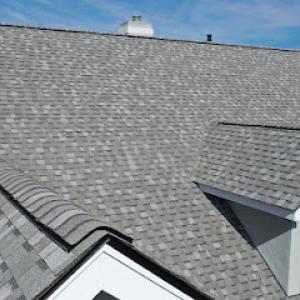
Future Construction has been delivering superior roofing services as one of the top roofing companies in Bridgman, MI and surrounding areas for over 45 years. As a family-owned and locally operated company, we understand the roofing needs of our community. We're proud to be licensed, insured, and certified by industry leaders like CertainTeed, IKO, Owens Corning, and GAF. Whether you need a new roof, repairs, or emergency services, our team of roofers is here to protect your most valuable asset with our expertise and commitment to quality. Request a free estimate today and see why we're some of the top roofing contractors around.
Benton Harbor typically requires a permit for a full roof replacement through the city building department. Before any shingle or metal panel work starts, you want to line up the permit so your crew isn't stalled by a stop-work order when inspectors arrive. This city's climate-lake-enhanced winds, winter freeze-thaw cycles, and humid summers-makes a proper permit a practical bedrock for drainage and ventilation decisions that affect long-term performance.
When you apply, expect to provide project details, roof plan drawings, and a basic description of the materials chosen. The building department will review nailing patterns, roof ventilation, and drainage plans as part of the approval. Permit issuance commonly takes about 1 to 2 weeks depending on workload, so it's wise to align the start date with a window of dry weather and no heavy snow forecast. If your project includes any structural changes or new penetrations, additional documentation may be requested and could extend the timeline.
Crews must schedule inspections during and after the work. Inspections are typically staged so the county or city inspector can verify the framing and nailing before underlayment, followed by checks for ventilation installations and proper drainage at the end. Local review focuses on ensuring nailing patterns comply with code and manufacturer requirements, that attic or roof venting is adequate to handle lake-influenced humidity, and that eaves and valleys have capable drainage to mitigate ice dam risks. In a coastally influenced climate like this, inspectors may pay extra attention to ice barrier installation at eaves and vent placement that helps prevent heat loss-driven damming during freeze-thaw cycles. Be prepared to address any minor corrections on the spot or schedule a re-inspection.
Coordinate closely with your contractor to confirm inspection windows and required documentation well in advance. Keep a clean site log of weather delays and any adjustments to material orders, since delays can ripple into inspections. If an inspection misses a window, understand the re-inspection process and potential fees that the department might charge. Finally, ensure temporary protection from wind-driven rain during the project, so you don't unintentionally push drainage or ventilation issues into the permitting review.
In this lakeside climate, Michigan homeowners insurers often weigh roof age and material heavily, and that matters in Benton Harbor where exposure to Lake Michigan accelerates aging. Wind-driven storms with hail and freeze-thaw cycles can push older roofs toward failure faster than a homeowner might expect. If your roof is nearing the end of its typical life for the material you chose, prepare for closer scrutiny after a hail event or a high-wind day. The age of the roof, the condition of flashing, and evidence of prior repairs become part of the insurer's calculus about whether a claim is covered and to what extent.
Hail and wind claims are a recurring issue in this market, and adjusters may ask for photos and a roof condition report. Gather clear documentation of the roof's current state during calm weather, including shingles, flashing, vents, and any visible signs of damage from storms. After a storm, take wide-angle shots of the entire roof and closer photos of impacted areas, plus attic photos if there are signs of interior leaks. A roof condition report from a qualified inspector can help establish a baseline, showing maintenance history and notable preexisting conditions that could influence the claim outcome.
Changes in insurer underwriting in parts of Michigan can affect coverage options for older roofs, making documentation and maintenance history more important for homeowners. Be aware that some carriers reassess risk after severe seasons or shifting market conditions, which may lead to tighter exclusions or adjustments in how storm damage is evaluated. For a homeowner with an aging roof or one made from a more vulnerable material, having a documented maintenance log, evidence of recent repairs, and a plan for future mitigation can support a smoother claim process. If an adjuster questions the roof's ability to withstand another storm, you'll want ready evidence of ongoing care, timely repairs, and any upgrades that improve resilience.
Keep gutters clear and ensure downspouts direct water away from the foundation, especially after freeze-thaw cycles that exaggerate drainage issues. Insurers may view well-maintained drainage as a sign of lower risk, potentially helping a claim's framing. Consider scheduling a pre-storm roof check focusing on secure fasteners, edge sealant, and flashing integrity, particularly where wind exposure is strongest. If you notice loose shingles or granule loss after a hail event, document and address it promptly to minimize the chance of dispute during a claim.
Connect with contractors who help homeowners navigate the claims process from damage assessment to final approval.
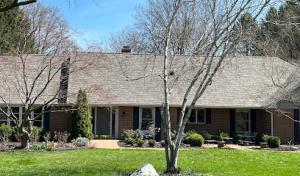
CW Roofing
1425 Townline Rd, Benton Harbor, Michigan
5.0 from 31 reviews
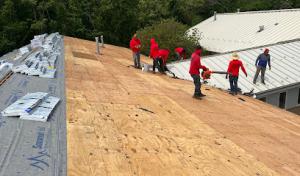
Bing's Construction
(269) 470-8482 www.bingsconstructionllc.com
437 Eloise Dr, Benton Harbor, Michigan
4.7 from 73 reviews
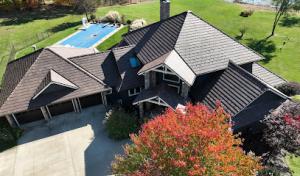
Lakeside Roofing Solutions
2295 M-139, Benton Harbor, Michigan
4.7 from 45 reviews
In this lakeshore climate, freeze-thaw cycling can turn small flashing weaknesses or tiny edge gaps into active leaks. Each cycle of thawing and refreezing wooshes water under shingles or flashing, widening micro-cracks and loosening fasteners. A roof that looks fine after a winter storm may betray itself as days warm up and then suddenly drop water into the attic during a melt. The result is a slow creep of moisture that weakens sheathing and invites mold once spring arrives.
Drainage trouble is locally amplified in fall when leaf debris blocks water flow ahead of winter snow and ice. Clogged gutters and downspouts can create standing water along eaves, which then freezes and expands, lifting shingles and flashing over time. If debris sits unmoved through a cold snap, meltwater can back up under edges and into the roof deck. Regular cleanouts and a robust drainage plan are small acts with outsized payoffs when the first snows arrive.
Skylight penetrations and roof transitions deserve extra attention in this climate because repeated winter movement and storm exposure can open leak paths. Sealants and flashing around skylights are repeatedly tested by wind-driven precipitation and ice buildup. Transitions where vent pipes, chimneys, or walls meet the roof are especially vulnerable after several seasons of freeze-thaw cycles, making timely resealing and proper flashing critical.
A pragmatic homeowner approach is to treat edges, penetrations, and transitions as leak-prone zones. Inspect after heavy storms, after large temperature swings, and after the first heavy snowfall. If you notice damp spots, ice dams forming along eaves, or staining inside the attic after a thaw, address the most accessible entry points first. Small, targeted repairs now can prevent large-scale damage later.
Find contractors experienced in skylight installation, flashing, and leak repairs to bring natural light into your home.
Bing's Construction
(269) 470-8482 www.bingsconstructionllc.com
437 Eloise Dr, Benton Harbor, Michigan
4.7 from 73 reviews
Sherriff Goslin Roofing: Benton Harbor
(269) 926-4240 www.sherriffgoslin.com
552 S Crystal Ave, Benton Harbor, Michigan
4.4 from 45 reviews
Mighty Dog Roofing of Benton Harbor
(269) 231-8953 www.mightydogroofing.com
Serving
5.0 from 94 reviews
The local market strongly signals homeowner demand for quick response, especially after storms and active leaks. When a shingle blows loose, or rain starts dripping through the attic, you want a crew that can be on site fast, work efficiently, and minimize further damage. The typical Benton Harbor project leans toward practical crews that can handle tear-off and site cleanup without turning the neighborhood into a construction zone for days. Expect a focus on reliability, straightforward communication, and work that keeps you dry while the crew tackles the job.
Ask for examples from recent storms and how they managed emergency calls. A good roofer shows up with a plan to secure the site, protect siding and landscaping, and defend against ice dam risk as the weather cycles through freeze-thaw patterns. Listen for details about temporary protection during shingle removal and tarping, not just the final look of the roof. You want a team that prioritizes water containment, debris control, and clear timelines so leaks don't linger while waiting for supplies or permit approvals you may not need to discuss here.
Re-roofing and cleanup are prominent service expectations in Benton Harbor, suggesting homeowners prioritize efficient tear-off and site cleanliness. Ask about crew size for your roof's square footage, how waste will be handled, and what happens to old underlayment and nails afterward. A practical contractor brings magnetic sweepers, tarps, and a plan to minimize shingle granules tracking into the house. Insist on a sealed work area at the end of each day to prevent winter wind from depositing debris into gutters and landscaping.
A meaningful share of contractors market affordability and long-established experience, which reflects a practical local hiring mindset rather than luxury-focused roofing sales. Check references from nearby homes with similar structure and exposure to Lake Michigan winds. Favor crews that demonstrate steady, predictable scheduling and straightforward warranty terms. The right choice blends dependable performance with honest, down-to-earth communication you can rely on through the storm season.
Verify licensing and insurance basics, then confirm the proposed plan includes storm-responsive contingencies and a clean, thorough teardown and cleanup protocol. Ensure the contractor's communication cadence aligns with your needs-timely updates about progress, weather-induced delays, and any material substitutions. In a market shaped by Lake Michigan weather, the best choice is a roofer who combines practical experience with a clear, actionable plan you can trust when the winds turn cold and the snow starts to pile up.