
Last updated: Apr 19, 2026
Storms in the West Michigan corridor hit Jenison hard, especially when hail and gusty winds ride in off Lake Michigan's influence. After the next bout of severe weather, the roof is the first surface to show trouble: hail dents, missing granules, fascia and flashing loosened, and shingles cracked or torn. The risk is not just cosmetic. Water intrusion can begin with even small penetrations, and frozen nights soon after can push leaks deeper into the attic and decks. Action is time-sensitive: the longer a damaged roof sits, the more hidden damage accumulates, and the harder it becomes to salvage an efficient tear-off and replacement window when the weather finally cooperates.
Insurance claims move fastest when damage is clearly documented. In practice, this means taking dated photos from multiple angles-roof faces, vents, skylights, gutters, and interior evidence of leaks in the attic or ceiling. Note any wind-driven debris or hail impact marks on metal flashing and on non-shingle surfaces, like dormers or chimneys. Create a simple diary of dates and weather events that coincide with new leaks or shingle loss. Because West Michigan claim activity spikes after hail and wind events, contractors may book out quickly after storms pass. Early documentation helps ensure a place in the post-storm queue rather than waiting behind routine maintenance or seasonal re-roofs.
The rhythm of work in this area follows a narrow seasonal corridor. Reroof work concentrates from late spring through early fall because snow, ice, and freeze-thaw conditions make winter tear-offs and sealing more difficult. Freeze-thaw cycles are unkind on new and existing penetrations: a rushed winter job often leads to premature ice dam concerns and flashing failures that complicate a later redo. Favor a window when temperatures allow full sealing and reliable shingle adhesion. The goal is a completed, water-tight roof before the first serious freeze, not a cosmetic patch that hides deeper rot and moisture problems. If storm damage is present, the timing decision hinges on weather forecasts, the extent of interior exposure, and the ability to schedule inspections and full reroofs before the next cold snap.
Spring hail and heavy rain can both damage roofs and delay replacement scheduling. Spring weather brings more frequent rain delays, which compress the available windows for a safe tear-off and reinstallation. This isn't merely a scheduling nuisance: wet substrates, dipping temperatures, and evolving moisture conditions increase the risk of flashing leaks and prematurely deteriorating underlayment. When a storm hits, plan for a fast initial assessment, but prepare for a short hold if the forecast points to back-to-back storms or unseasonably chilly periods. The prudent approach is to secure a professional evaluation promptly and reserve the earliest feasible window for a complete reroof, rather than chasing a hurried patch that may fail under the next thaw.
You should contact a local roofer who understands West Michigan's specific storm behavior and local homes. Prioritize scheduling a professional inspection as soon as daylight hours and dry days allow, so damage is quantified before contractor calendars fill. If a claim is involved, share the documented evidence and the roofer's assessment to align expectations with the insurer. While the calendar awaits, keep an eye on attic spaces for signs of active leaks-stains, damp insulation, or musty odors-and mitigate interior damage with tarps or plastic coverings only if safe to do so and after evaluating the risk of wind gusts. The objective is a clear, proactive path to a full reroof within the optimal seasonal window, reducing the chance of recurrent weather-related damage in the years ahead.
Melvin Belk Roofing
(616) 866-7655 melvinbelkroofing.com
7610 Cottonwood Dr #103, Jenison, Michigan
4.9 from 152 reviews
Melvin Belk Roofing is a family owned roofing company since 1983 offering roofing installation, roofing repair, siding installation, and seamless gutter installation to the communities around Jenison, MI. As a professional roofing contractor, we are fully insured, licensed, and bonded. We offer Financing for your project and guarantee all of our work. We have built this company on Honesty, Integrity, Experience and our Exceptional Work. Call today for a FREE Quote.
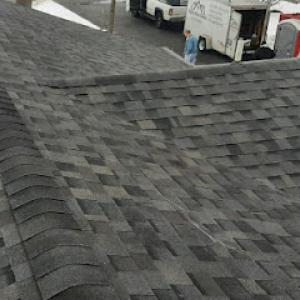
Integrity Exterior Solutions
(616) 826-4315 integrityexteriorssolutions.com
2721 Bauer Rd, Jenison, Michigan
4.9 from 58 reviews
Roofing contractor
Elevated Home Exteriors
(616) 403-5797 elevateyourexterior.com
1500 Rosewood St suite 4, Jenison, Michigan
5.0 from 18 reviews
Elevate your home's exterior with our expert roofing, gutter, window, door, and siding services. Ensure long-lasting protection and upgraded curb appeal.
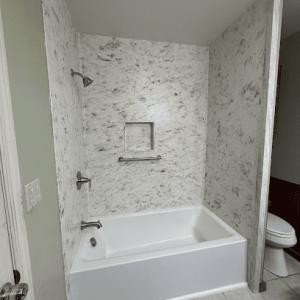
All-Weather Seal of West Michigan
(616) 747-8699 allweathersealinc.com
Located inside Meijer, 550 Baldwin St, Jenison, Michigan
4.9 from 11 reviews
At All-Weather Seal of West Michigan, we specialize in window replacement, bathroom remodeling, and metal roofing, helping homeowners improve comfort, safety, and style. Our Jenison showroom is staffed daily and conveniently located inside Meijer, making it easy for local customers to explore our products and speak with our experts. We pride ourselves on providing professional, reliable service and personalized solutions for every home project.
Peak Roofing
(616) 667-0693 www.peakroofingmichigan.com
7471 Terrace Ln, Jenison, Michigan
5.0 from 10 reviews
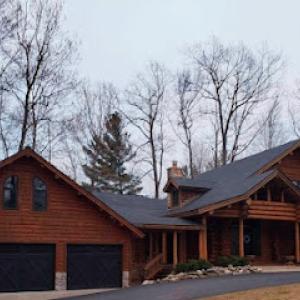
Established in 1999, Peak Roofing has continued to earn a reputation as a solid and reliable roofing company. Located in Jenison, we service areas throughout the greater Grand Rapids area. Specializing in residential and light commercial shingled roofing. Fully licensed and insured. Family-owned.
Above Roofing
(616) 662-7663 aboveroofing.com
Serving
4.8 from 506 reviews
Above Roofing's team of expert roofing professionals is committed to providing top quality roofing services. We have a passion for superior craftsmanship, specializing in pitched, shingled roofing systems. Whether you need a simple roof repair or a full roof replacement, we provide a lifetime workmanship warranty on all work we do. We are committed to long-term relationships and service in our community. At Above Roofing, we go beyond delivering a basic roof; we aim to install a quality roof that will protect your home and your family for many years to come. Our goal is to truly stand out as a different breed of roofer, providing top quality roofing services and an exceptional experience for each and every customer.

Calderon Exteriors
(616) 888-4142 www.calderon-exteriors.com
Serving
5.0 from 30 reviews
Greetings! We are a locally owned & operated, licensed and insured business in West Michigan providing home improvement services to nearby surrounding areas with a priority of customer satisfaction. Please do not hesitate to give us a call for a free estimate or inspection!
Patriot Roofing
(616) 826-4656 patriotroofingllc.com
Serving
5.0 from 27 reviews
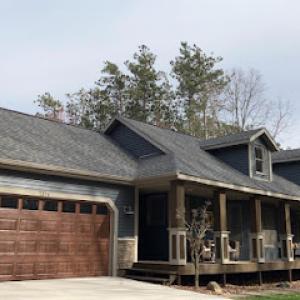
We are a local roofing company based in Hudsonville, MI. We provide a quality roof for our customers.

Premier Roofing & Exteriors
(616) 947-3974 www.exteriorsbypremier.com
Serving
4.9 from 1177 reviews
Established in 2006, Premier Roofing & Exteriors is a trusted Grand Rapids and Western Michigan area company specializing in comprehensive home exterior renovations. As a locally owned and trusted contractor, their licensed technicians provide residential and commercial customers with services for roof repair and replacement, siding and window installation, and gutter systems. Premier prioritizes honest communication and offers no-pressure inspections and estimates on all roofing, window, siding, and gutter projects. They’ve completed thousands of projects, have an A+ rating with the Better Business Bureau. Read their hundreds of 5-star reviews to see why they are the #1 home exterior contractor in Grand Rapids.
Great Lakes Building Concepts
(616) 379-9609 www.greatlakesbuildingconcepts.com
Serving
4.9 from 208 reviews
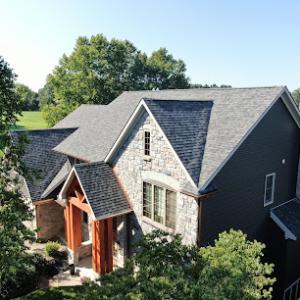
At Great Lakes Building Concepts, we understand that replacing your roof is a big decision. If you need a roof replacement in West Michigan, we’re here to help. We focus on providing high-quality shingle roof replacements with clear communication and fair pricing, so you always know what to expect. Our team is committed to making the process easy and stress-free, with special financing options available such as zero down, or 0% interest. No hidden fees, just honest work, and reliable results. Get in touch today and let us take care of your roofing needs with a friendly, professional touch!
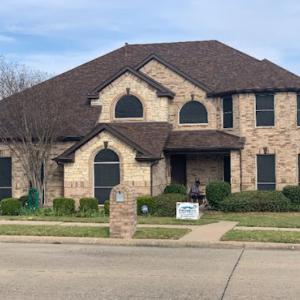
Priority Roofing
(616) 758-1972 priorityroofs.com
Serving
5.0 from 55 reviews
Priority Roofing Company is family owned, locally operated in Grand Rapids, MI. Replace or repair your roof with Priority Roofing Contractors where customer service is our #1 priority! We’re local, professional Grand Rapids roofers, our bids are competitive, and we’ll find a great solution for your residential roof. Unlike some other roofing companies in Grand Rapids, we specialize in home roof installation and roof repair, as well as emergency roofing service for leaks and damage. From dozens of shingle systems, to metal, tile and slate roofing options, we have roofs to fit nearly every budget. Our company inspects your roof and provides an honest assessment of what needs to be done, all at no cost to you.
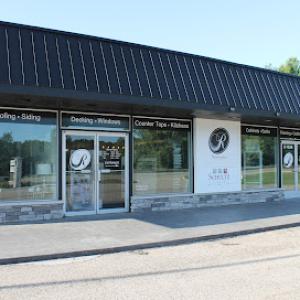
Renaissance Roofing & Exteriors
(616) 250-5900 www.renaissanceroof.com
Serving
4.7 from 136 reviews
Here at Renaissance Roofing & Exteriors, we have a reputation for customer service and quality spanning over 25 years in Grand Rapids and throughout West Michigan. We specialize in all home improvement projects - roof replacement, window replacement, siding, doors, gutters, decking, outdoor living, and interior remodeling. We understand that your home's remodeling project is unique and because of this, you need a home improvement specialist in Grand Rapids that you can trust to get the job done right.
The cycle of cold snaps and thawing days takes a toll on roofs in this area. Shingles, underlayment, and the edge details are all stressed as water gets under tiny gaps, freezes, and expands. In Jenison, that stress isn't a one-off event; it happens year after year as winter hagglings with spring. When shingles sit with moisture against them through repeated freeze-thaw transitions, the resulting micro-cracks and lifted edges can become pathways for leaks long after the storm season ends. Understanding this pattern helps you spot warning signs before a small issue escalates.
Autumn brings more than color and pumpkins-leaf buildup is a real load on gutters, and it can trap moisture near eaves as temperatures swing. Leaves clog downspouts and gutter channels, creating standing water that sits against the roof edge as nights dip below freezing. Once the weather reverses and temps rise, that moisture melts and re-freezes, amplifying edge and fascia problems. In practice, this means that gutter maintenance in the fall isn't just about clearing debris; it's about reducing winter edge moisture that travels under shingles and into the underlayment.
Edge details get the sharp end of the impact during freeze-thaw cycles. Flashing around chimneys, vent stacks, and transitions from roof to wall are common failure points when ice pressure builds behind them or when improper sealing allows moisture to migrate behind the flashing. In this climate, flashing is not a decorative afterthought; it is a frontline defense against leaks that can begin at small gaps and grow under repeated freeze-thaw stress. An inspection focusing on these joints, especially after heavy autumn winds and snow, is a practical step you can take to reduce long-term damage.
Ventilation plays a quiet but crucial role in preventing freeze-thaw damage. When attic temperatures stay too warm, you create more condensation that condenses on the underside of the roof deck and can compromise underlayment and insulation. In a climate with Lake Michigan influence, the balance between intake and exhaust vents matters even more. Proper venting helps keep the roof deck closer to the outside temperature, reducing the number of cycles where ice forms in concealed spaces and expands into weak points. If you notice ice dams along eaves or unusual attic warmth in winter, it's a red flag for ventilation review.
Underlayment integrity is another critical piece in this region. The material layer that shields everything beneath the shingles must remain watertight through cycles of thaw and re-freeze. Too often, a small puncture or seam failure goes unnoticed until a heavy melt brings a slow leak into living spaces. In practice, inspect the underlayment along the eaves and near any roof penetrations after storms or wind events. Look for spots where granules have rubbed away, or where you can see daylight through the roof deck from the attic. Those are signs that moisture has found a route behind the shingles, and the freeze-thaw process will only worsen it if left unattended.
Finally, the timing of reroof decisions matters in this environment. Waiting too long to address edge failures, flashing gaps, or compromised underlayment invites more extensive damage when the next winter cycle rolls in. A proactive approach-addressing the most vulnerable edge details, improving ventilation, and ensuring the underlayment remains intact-can limit the cascade of failures that echo through a harsh winter. In practice, that means yearly visual checks after leaf fall, with a closer inspection after significant storms, followed by targeted maintenance before the coldest months return.
Asphalt shingles dominate Jenison-area residential roofing because they fit the local re-roof market and the region's common storm-repair replacement cycle. When hail, wind, and freeze-thaw cycles strike, a solid asphalt system typically goes back on quickly and with predictable performance. For homeowners, this means relatively straightforward repairs after a storm and reliable availability of color choices that blend with typical Northwest Michigan neighborhoods. If the goal is a balance of cost, ease of repair, and proven winter performance, asphalt remains the go-to. In practice, the right selection hinges on a sturdy underlayment, proper nail spacing, and adequate attic ventilation to help manage moisture during the region's variable winters.
Metal roofing has a meaningful specialist presence in this market and is a notable upgrade option for homeowners prioritizing durability against wind-driven rain and seasonal temperature swings. Metal responds well to the West Michigan exposure, where fast winds and hail can stress other systems. It tends to shed snow more efficiently, which can reduce ice dam risk in sharper eaves and steeper pitches common on local homes. When choosing metal, consider panel profiles that minimize noise in driving rain and ensure fasteners are corrosion-resistant for long-term performance. A professional with metal-roof expertise can tailor flashing detail and edge treatments to hold up under freeze-thaw cycles, helping the system hold up through many Michigan winters.
Clay tile, concrete tile, synthetic/composite, and slate are available in this market but are less prevalent locally, making installer experience more important than with standard asphalt systems. These options can offer distinctive curb appeal and certain performance advantages, yet they demand careful site assessment, precisely matched underlayment, and careful sun and shade planning to avoid thermal cracking or heavy tile setbacks from wind-driven debris. Because the local storm and freeze-thaw history tests these materials differently, engaging a contractor with direct experience in Jenison-style exposure is essential. For homes with existing heavy rooflines or complex ridges, the installer's experience becomes the deciding factor in achieving long-term reliability.
In a climate shaped by hail risk and Lake Michigan-influenced winters, the decision measure shifts toward how a roof handles wind-driven debris, rapid thaw cycles, and potential ice dam formation. Storm-damage documentation, the ability to coordinate with insurers, and reroof timing strategies should influence the material choice as much as aesthetics. For many homes, a reputable local contractor will emphasize material compatibility with flashing details, attic ventilation, and a robust underlayment to manage moisture during freeze-thaw transitions. When considering upgrades or replacements, prioritize a system that pairs proven performance with reliable service after a storm, backed by installers who understand the local weather patterns and typical repair timelines.
Typical Jenison-area pricing for common roofing materials sits in familiar brackets: asphalt shingles run about $350-$550 per square, metal from $700-$1100, clay tile $900-$1400, concrete tile $800-$1300, synthetic/composite $500-$800, and slate $1100-$1800 per square. These numbers reflect West Michigan construction norms where weather resilience and long-term performance matter. When gathering bids, expect some variance based on shingle color, manufacturer, and warranty options, but stay within these bands unless scope changes (extra vents, attic upgrades, or specialized flashing).
In the heart of West Michigan storm season, Jenison pricing can rise after hail and high-wind events. Storm-driven demand compresses the late spring through early fall reroof window, so bids may come in more quickly and with tighter allowances for schedule changes. If a storm hits, it's common to see more bidders competing for the same replacement window, but also tighter lead times and potential adjustments for expedited materials or crew availability. Plan for a few price fluctuations around these periods and aim to lock in a start date when weather forecasts show a stable week.
Reroof timing should consider Lake Michigan-influenced winters and the region's freeze-thaw stress. The approach is often to install when temperatures are reliably above freezing for multiple days, and when the ground is not saturated. A well-timed replacement minimizes internal condensation risk and reduces the chance of costly post-install adjustments due to winter seepage. Slow-season windows may offer lower bids, but beware of scheduling delays that push work into peak storm months.
Costs in Jenison are also affected by the need to meet inspection expectations for ventilation, underlayment, and flashing. Expect bids to itemize breathable ventilation installations, high-quality underlayment, and properly flashed roof-to-wall transitions. A thorough bid should specify the scope of ridge vents or soffit vents, the type and thickness of underlayment, and flashing materials around chimneys, dormers, and valleys. If a bid omits these details, push for clarification before committing.
Shingle selection remains the most cost-controlled choice, with asphalt offering the most favorable initial price and slate or clay tile delivering longer service in some homes. In Jenison, where climate stress is real, aluminum or steel decorative accents and enhanced flashing details can add value by reducing future reseal needs. When evaluating bids, compare not just the per-square price but also warranty terms, expected service life, and the installer's track record with local storm-driven claims.
Get a clear picture of your project costs upfront - no commitment required.
Melvin Belk Roofing
(616) 866-7655 melvinbelkroofing.com
7610 Cottonwood Dr #103, Jenison, Michigan
4.9 from 152 reviews

A full re-roof in Jenison typically requires a permit through Georgetown Township's local building department. The permit ensures that the reroof is designed, installed, and flashed to withstand West Michigan's hail and wind patterns, as well as the freeze-thaw cycles influenced by Lake Michigan winters. The process also helps document the project for any storm-damage insurance adjustments that might arise later. Understanding that this step protects both you and your home helps keep the project on track during a busy season.
In this jurisdiction, contractors commonly submit the reroof permit application on the homeowner's behalf and coordinate with the same office for inspection scheduling. If a contractor offers to handle the permit, confirm they will provide the official project address, scope, and materials list to Georgetown Township and keep you informed about every submission update and inspection appointment. Clear communication minimizes delays caused by missing paperwork or conditional approvals, especially in times when storm activity drives surges in permit requests.
Local inspections usually occur during installation and again after completion, with attention to ventilation, underlayment, and flashing details. Plan for at least two on-site checks: one mid-project to verify ventilation, underlayment, and nail patterns, and a final visit to confirm proper flashing around all details such as chimneys, skylights, and eaves. For homes facing freeze-thaw stress, inspectors will look closely at drip edges, ridge vents, and condensation control, since these components influence long-term performance in our climate.
Before your contractor applies, gather recent roof measurements, a rough scope of materials, and any storm-damage documentation if applicable. Ask for copies of all submitted forms and a written inspection plan with expected dates. On inspection days, ensure access to the attic for ventilation and underlayment checks, and have a clear path for ladders and debris containment. If an unexpected weather delay arises, coordinate promptly with the building department to keep the permit active and avoid re-submission. This neighborhood understands that timely inspections, proper flashing, and solid ventilation are the pillars of a durable roof in our seasonal cycle.
In Jenison, a town with that mix of homes and steep roofs common in this area, a record helps. In this area, regular hail and wind claim activity is common, so homeowners should keep date-stamped photos and records of roof condition before and after storms. Tracking shingle granules, lifted edges, and any signs of granule loss helps when the adjuster reviews the claim. Clear, labeled images over time reduce confusion if temperatures swing and the roof shows stress after a freeze-thaw cycle.
Adjusters serving this market often ask for photos, quotes, and sometimes a roofer's report, and depreciation tied to roof age and material can affect whether replacement is approved. A roofer's notes on flashing, hail impact indicators, and attic ventilation visible in photos can speed decisions. A written summary from a trusted local roofer can help translate on-site findings into a clear claim. Note dates of roof installations and any known storm dates on the calendar to align with insurer timelines.
Timely claim submission matters because storm seasons can create backlogs for inspections, temporary repairs, and follow-up documentation. If damage is found, initiating the claim quickly helps secure an inspection window before weather shifts again. Keep a simple file with dates, weather notes, and contractor contacts so delays don't fade the evidence as the season wears on. Photos should be timestamped and kept dry, organized carefully.
Connect with contractors who help homeowners navigate the claims process from damage assessment to final approval.
Melvin Belk Roofing
(616) 866-7655 melvinbelkroofing.com
7610 Cottonwood Dr #103, Jenison, Michigan
4.9 from 152 reviews
Integrity Exterior Solutions
(616) 826-4315 integrityexteriorssolutions.com
2721 Bauer Rd, Jenison, Michigan
4.9 from 58 reviews
In this market, Jenison contractors show meaningful specialization in skylight repair and low-slope roofing, so these details come up often. The combination of freeze-thaw cycles and frequent spring storms means transitional details around skylights and any low-slope sections bear extra scrutiny. Water can follow tiny gaps or misaligned flashing right into the attic, especially after a storm when moisture moves more aggressively.
Look closely at skylight curb flashings, boot seals, and any intersections where the skylight meets a sloped roof. On low-slope sections, check for membrane laps, edge details, and drainage planes that seem stressed or misaligned. In the Michigan winter cycle, cold spots around penetrations can cause shrinking and cracking that aren't obvious from the ground. After a thaw, re-check these areas for new staining, damp drywall, or musty odors near the ceilings or upper walls.
These areas are especially important to inspect after spring storms and before winter in Jenison, when leak pathways can worsen quickly once moisture is trapped and refreezes. If you notice any dampness after a storm, don't wait for the next rain event-trace the moisture to its source and plan a targeted repair rather than a full roof replacement.
Document any visible damage with photos and notes on date, location, and weather at the time. When scheduling repairs, prioritize flashing and drainage fixes first, then address the skylight seal if the curb is compromised. Ask a local roofer to confirm that low-slope transitions are re-flashed with materials suited to seasonal temperature swings and that drainage pathways remain unobstructed through the year.
Find contractors experienced in skylight installation, flashing, and leak repairs to bring natural light into your home.
Integrity Exterior Solutions
(616) 826-4315 integrityexteriorssolutions.com
2721 Bauer Rd, Jenison, Michigan
4.9 from 58 reviews
Elevated Home Exteriors
(616) 403-5797 elevateyourexterior.com
1500 Rosewood St suite 4, Jenison, Michigan
5.0 from 18 reviews
Jenison's contractor market is heavily oriented toward re-roofing rather than niche new-construction work, so homeowners should expect crews that handle tear-offs and replacement logistics routinely. Look for teams that walk the roof with you after a storm, confirm a complete deck inspection, and stage debris containment before any prying begins. A reputable crew will verify attic ventilation and flashing at tie-ins, then outline a phased plan so shingles, underlayment, and drip edge are installed in a predictable sequence. In practice, you'll notice crews bring organization to the job: square footage measured, waste hauled on a fixed schedule, and on-site coordination that minimizes leaks during the work window. The value is in the method, not just the materials.
Quick response and thorough cleanup are standout expectations in this market, reflecting how homeowners hire after leaks, storms, and urgent damage events. When a storm hits, a local crew should return calls promptly, provide a clear visit window, and document the damage with photos and notes you can share with your insurer. On the day of work, expect tarps and containment to shield the interior, with ladders and pathways laid out to protect landscaping and driveways. Cleanup should be decisive: after each shift, waste bags secured, nails picked up with a magnet, and the site returned to a safe, walkable condition at day's end. If a leak pauses work, the crew should seal vulnerable spots temporarily to protect the interior until permanent repairs can proceed.
A notable share of locally operating contractors promote warranties, which matters in a climate where flashing, ventilation, and installation quality directly affect freeze-thaw performance. Ask for a written warranty that covers workmanship and flashing over multiple seasons, and confirm how ventilation and attic sealing are addressed in the package. In practice, the strongest warranties align with higher-quality underlayment and correctly flashed valleys, corners, and chimneys, reducing the risk of freeze-thaw damage when temperatures swing and ice forms along eave lines.