
Last updated: Apr 19, 2026
Zeeland sits in western Michigan where winter snow and repeated freeze-thaw cycling are a primary driver of shingle, flashing, and underlayment wear. The repeated ground-snow thawing and refreezing put a brutal stress on roofing materials, especially at edges, penetrations, and anywhere water can infiltrate. By the time the snow finally melts, you may be staring at hairline splits, loose granules, and signs of moisture wicking into the attic. That early wear is a warning: what looks fine in March can become a bigger problem in April if the sun returns with strong daytime highs followed by chilly nights. Understanding that pattern is the first step toward a timely, durable reroof decision.
Spring storms bring a second damage season that often overtakes winter deterioration. Hail, heavy rain, and gusty winds in Michigan's transitional months can crown several issues at once: dented shingles, damaged flashing, compromised sealant joints, and blistering underlayment where water already sat during freeze-thaw cycles. The risk isn't just material failure; it's the potential for quicker moisture intrusion and attic condensation that accelerates rot or mold if left unchecked. In Zeeland, many homeowners discover that the damage they see after a hail event is masking underlying wear from the winter-damage that becomes audible during a windy spring night or a warm spell that dries out the roof's surface too fast. The takeaway is urgency: don't assume last winter's wear will vanish with spring storms.
Because replacement timing is usually best in late spring through summer, Zeeland homeowners often inspect roofs as snow season ends and again after spring storms. The window between freeze-thaw relief and the summer humidity peak is narrower here than in milder markets, but it's real: the goal is to complete material installation when temperatures are steadily warming, with dry spells that minimize rapid contraction and expansion. If spring events leave you with widespread granule loss, lifted shingles, or exposed underlayment, act quickly to assess whether repair is feasible or a full reroof is warranted. Waiting into late summer can push you into humidity-heavy installs that complicate sealing and moisture control, especially on older homes with cedar shake or asphalt layers that have built up over decades.
Check for unusual curling at the eaves, cupping shingles, or granules gathering in gutters after the last thaw. Inspect around vents, chimneys, and skylights-these are common failure points where winter movement manifests as cracked seals or flashing lift. Look for greenish staining or damp spots in attic corners, which can signal hidden leaks that only show after the next rainstorm. If you notice intermittent dripping, musty odors, or visible daylight through the roof deck from the attic, treat the situation as urgent rather than cosmetic. In a neighborhood with frequent spring storms, a proactive, staged approach-addressing the most vulnerable zones first-can save significant water damage and disruption later.
When spring storms hit, you face a choice between repairing winter deterioration or filing a storm-related claim. The best outcomes come from a clear, objective assessment of remaining life in shingles, flashing integrity, and underlayment condition. If the roof has substantial granule loss, widespread cracking, or multiple flashing failures, replacement often proves more reliable in the long run than piecemeal repairs. On the other hand, if the roof is relatively young and the damage is localized to a few shingles or a damaged flashing seam, targeted repairs can buy time and preserve the deck while a scheduled reroof aligns with the near-term weather window. The key is documentation: photograph storm impacts, note dates of heavy snowfall or hail events, and keep a detailed log of when and where leaks first appeared. This enables a straightforward, timely decision when weather cooperates for installation.
The local climate swings-from winter freeze-thaw stress to sudden spring storms-shape how you plan window replacements in this area. A practical approach is to align the window project with the longer, clearer installation windows that come late spring into summer. That period typically offers more predictable temperatures and drier days, which helps materials cure properly and reduces the risk of seal failures after installation. If a winter or early spring window replacement is unavoidable, expect tighter scheduling and closer coordination with weather forecasts to avoid lingering moisture during critical stages.
When a reroof is in play, the window change becomes part of one coordinated outdoor project rather than a separate, stand-alone task. Zeeland's mild-to-warm late spring and summer days provide the most reliable dry-in conditions, which translates into smoother flashing integration and better insulation accuracy around window perimeters. If the roof is already scheduled, try to book window work to start once the roof tear-off is complete and the roof deck is dry. This minimizes the risk of moisture intrusion from overlapping trades and helps ensure the interior finish work remains undisturbed.
Weather sequencing is especially important for a window replacement in this climate. Warm summers create clearer installation opportunities, but high humidity can still affect sealant performance and adhesive bonding. Plan for a window crew to arrive after a stretch of dry weather and to finish during a stretch of consistently low precipitation. In practice, this means blocking out a two- to three-week weather window when possible, with contingency days reserved for rain or heat spikes that could affect caulking, insulation, or interior trim.
Inspection scheduling benefits from pairing with contractor availability rather than treating them as separate events. In practice, line up the window crew to complete exterior work before the final interior finishes are sealed, so interior comfort is maintained and the interior installations aren't delayed by a late inspection. Clear communication about weather-sensitive steps-like flashing, sealant application, and drywall touch-ups-helps keep the project on track. If a weather swing interrupts progress, having a pre-planned alternate day for recheck inspections saves time and reduces the risk of rework due to moisture exposure.
For this climate, choose window options that perform well under freeze-thaw cycles and resist condensation buildup in humid summers. Prioritize units with proven air-tight seals and weatherstripping that compress consistently across temperature ranges. Look for flashing compatibility with typical roofing materials used in this area to ensure a seamless integration between the window frame, roof edge, and siding. Proper insulation around the opening remains critical to preventing heat loss in winter and mitigating interior stress from sun-driven heat in summer.
Get a clear picture of your project costs upfront - no commitment required.
Town Corners Exteriors
(616) 772-9700 www.towncornersroofing.com
9321 Port Sheldon St, Zeeland, Michigan
4.8 from 62 reviews
We have a small show room open to the public!

Ken Manschesky Roofing
11142 Summer Dr, Zeeland, Michigan
3.5 from 13 reviews
Ken Manschesky Roofing provides standard shingle services, cool vent services, metal roof services, valley build-out services, and rubber roof services to West Michigan.
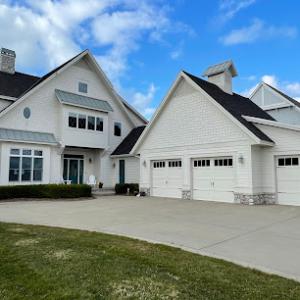
Sharp Roofing
(616) 208-5884 www.sharppros.com
Serving
5.0 from 568 reviews
Sharp Roofing is licensed and insured to help with all your roofing and exterior renovation needs. Using building material brands such as GAF, ProVia, Deckorators, and Quality Edge; our award-winning service team performs high-quality installations. With over 405 5-Star Google reviews, the 2019 Torch Award for Ethics, three GAF Triple Excellence Awards, and an A+ rating with the BBB, you can have confidence in our team. When it comes to roofing, Sharp offers roof repair, installation, and inspection services. We look forward to serving you!
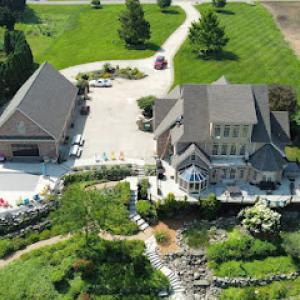
Bald Eagle Roofing & Exteriors
(616) 886-4851 www.baldeagleroof.com
Serving
4.9 from 31 reviews
Bald Eagle Roofing specializes in helping people deal with storm restoration and insurance claims.
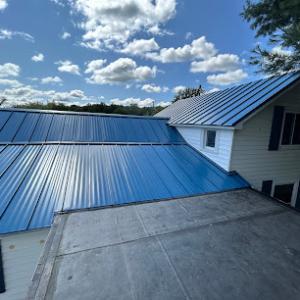
Johnson’s Roofing
(616) 335-1684 www.johnsonsroofingllc.net
Serving
5.0 from 103 reviews
Johnson's Roofing, based in Holland, Michigan, brings over 28 years of experience to every project. Specializing in roofing installations, roof repair, hailstorm roof insurance claims, and commercial roofing installation, they serve the surrounding area with pride. As an owner-operated business, you can trust their expertise and commitment to quality. Whether it's a new roof or repairing storm damage, Johnson's Roofing is your reliable partner for all your roofing needs.

Above Roofing
(616) 371-2192 aboveroofing.com
Serving
5.0 from 102 reviews
Above Roofing is a top-rated residential roofing company specializing in roof replacement & roof repair. Our roofing services includes a free roofing estimate & a lifetime workmanship warranty for all roofing work we do. At Above Roofing, we go beyond delivering a basic roof; we aim to install a quality roof that will protect your home and your family for many years to come. Our goal is to truly stand out as a different breed of roofer, providing top quality roofing services and an exceptional experience for each and every customer.

Horizon Roofing
(616) 422-5322 mihorizonroofing.com
Serving
4.9 from 79 reviews
Horizon Roofing of Holland, Michigan can complete any roof installation, replacement or repair project your home needs. Our customers prefer to work with our experienced roofers because we are fully licensed and insured; are family-owned & operated; provide free storm inspections & estimates; have more than 20 years of experience; and can guide you through the insurance claim process. We also provide gutter repair and siding installation services. Our work speaks for itself. We care about our clients and our reputation as honest, hard-working, and talented roofers who take the health of your home seriously. We treat your home as we would treat our own. Give us a call today for a free roofing estimate.
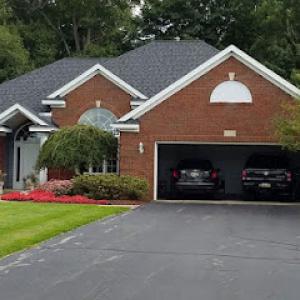
Lakeshore Roofing
(616) 836-8287 www.milakeshoreroofing.com
Serving
5.0 from 3 reviews
Whether you are needing your new home shingled, or looking to have a complete tear off, we are here to help. We use CertainTeed brand shingles which are limited lifetime shingles but also have other brands if you prefer. We are a very competitive small business that is owner operated and I have 30 years experience. We also do repairs and inspections. Our estimates are free with no high pressure salesman . I'll give you an estimate on the spot and that's it. We also do roof top snow/ ice removal .

RoCo Roofing
(616) 228-7551 rocoroofing.com
Serving
5.0 from 39 reviews
RoCo Roofing, a trusted name in the roofing industry, serves homeowners and business owners in Holland, MI, and surrounding areas. With a commitment to delivering excellence in craftsmanship and customer service, this experienced team provides a full range of roofing solutions including installations, repairs, and replacements for residential and commercial properties. Their team of skilled professionals use only premium-quality materials to ensure that your roof will stand up to the toughest weather conditions. RoCo Roofing is committed to customer satisfaction and will guide you through the entire process, from initial consultation to project completion.
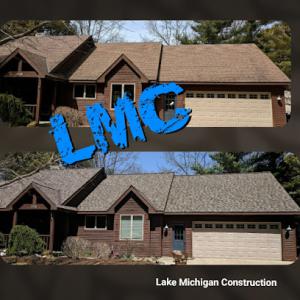
Lake Michigan Construction & Roofing
(616) 208-2310 lakemichconstruction.com
Serving
4.9 from 109 reviews
Lake Michigan Construction & Roofing provides roof repairs, roofing installations, window installations, Siding installation, and gutter installation services to the Holland, MI area.
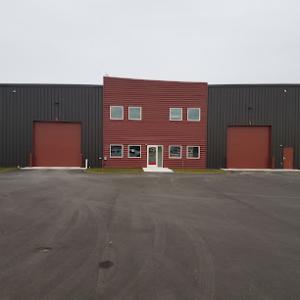
TNT Roofing
(616) 848-7878 www.857roof.com
Serving
4.8 from 57 reviews
TNT Roofing provides residential roofing services to the Holland, MI area.
Bluestar Roofing
Serving
5.0 from 10 reviews
Serving the lakeshore from South Haven to Grand Haven and everywhere in between. 13 plus years in business and over 19 years field experience.! BEATING ALL PRICES Best materials Best warranty Best prices GAURANTEED.!!!
Provided local pricing ranges run from 350 to 700 USD per square for asphalt shingles. In Zeeland, these shingles remain the most common choice for storm-driven reroofs due to the balance of cost, availability, and repairability after a winter that can leave flashing and underlayment stressed. When budgeting, expect labor to align with the broader market pace in late-spring or summer windows, especially if winter damage pushed a project into the peak scheduling period. This material is typically straightforward to install but keep an eye on flashing and underlayment where wind-driven hail or heavy snow loads have caused more wear than appears at first glance.
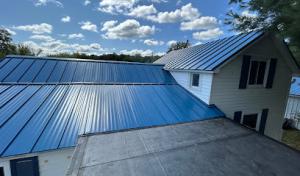
Metal roofing ranges from 600 to 1100 USD per square. In this lake-effect climate, metal can offer longevity with strong resistance to freeze-thaw cycles and spring storms, making it a favorable long-term option. Scheduling may tighten if spring storms create backlog, which can nudge the final price higher due to demand and crew availability. If the existing roof has complex detailing or roof penetrations damaged by harsh winter weather, the labor portion rises accordingly, even before adding any premium for metal panels or coatings.
Clay tile is typically quoted from 900 to 1800 USD per square, while concrete tile runs from 800 to 1500 USD per square. Tile roofs are less common on Zeeland homes but can be found on certain newer or higher-end properties with stronger roof decks. The weight and installation complexity mean longer timelines and higher labor costs when spring storms have left degraded flashing or weathered underlayment to be replaced as part of a full reroof. Expect tighter scheduling in the late spring to early summer period when demand spikes for weather-related replacements.
Wood shingles or shakes fall in the 550 to 1100 USD per square range. They bring a distinct curb appeal but require careful maintenance to withstand moisture and freeze-thaw cycles. In Zeeland, spring storm activity can reveal hidden delamination or compromised ventilation needs that drive up both material and labor costs. Scheduling considerations during peak season can add a premium if crews are juggling multiple storm-related projects.
Synthetic or composite shingles range from 500 to 900 USD per square. These offer a versatile option that can mimic other materials while often delivering faster installation and improved performance in freeze-thaw conditions. In practice, Zeeland projects tend to tighten up in late spring through summer as demand climbs, which can influence final bids. When storm damage is involved, ensure the bid includes replacement of storm-stressed flashing and any compromised underlayment for a truly durable reroof.
A full reroof in Zeeland typically requires a permit issued by the local building department. That permit is not a box to check off; it sets the timetable and the sequence for the work, and missing a step can stall a project for weeks. The permit process often reflects the city's emphasis on proper weather planning and material protection, especially when spring storms bite and winter freeze-thaw cycles are looming. If the home has known structural quirks or historical details, the permit review may request additional notes from a contractor about venting, underlayment choices, or attic insulation, so be prepared for a brief back-and-forth before the stamps come through.
The city conducts inspections during and after the work, and homeowners should expect to schedule those inspections rather than assume they happen automatically. Inspections are not merely ceremonial; missing one can halt progress and push the project beyond the typical installation window. A practical approach is to line up the inspection times with the crews' daily plan, and to confirm the day before with both the contractor and the building department. Inspections typically focus on deck integrity, nailing pattern, underlayment, and the flashing around chimneys, vents, and skylights. If anything looks off, the inspector will pause the work, which can delay downstream tasks like final vent connections or gutter installation.
Final sign-off may be required to close the permit, and local inspection sequencing can have weather-related quirks that matter when crews are trying to work between rain events or seasonal temperature swings. In practical terms, this means aiming for a window of dry days that also avoids the heart of summer humidity or the dead of winter cold. The inspector may request additional documentation if the project straddles a weather change-such as a temporary roof deck protection plan for an extended rain outlook or a moisture barrier test after the first rounds of sheathing are installed. If a storm rolls in mid-project, expect postponements or re-sequencing of tasks, rather than rushing through critical steps under adverse conditions.
Keep a running log of inspection dates and any notes from the building department, plus copies of the permit, plan set, and material specifications on site. Communicate promptly with the contractor about any required re-inspections or corrective work flagged by authorities. By coordinating ahead-around reliable installation windows and predictable weather patterns-you reduce the chance of rework and help ensure the permit closes on schedule, with a durable roof that stands up to Zeeland's winter swings and spring storms.
Asphalt shingles are a dominant local choice, and for good reason: they're familiar to Zeeland crews, relatively quick to install, and widely available. In this market, sealant performance and shingle brittleness become important as the roof nears the end of its life, especially after repeated freeze-thaw cycles that stress the edges and any brittle tabs. Pay particular attention to the condition of the underlayment and flashing near edges, valleys, and penetrations. When spring storms roll through, shingle granules in gutters aren't just cosmetic; they signal shifting underlayment and aging sealants that may influence next-step decisions. Regular inspections after severe winter weather help catch raised tabs, cupping, or curl before leaks develop.
Metal roofing has a meaningful specialist presence in this market and is often considered by homeowners looking for durability against snow, ice, and recurring seasonal storm exposure in western Michigan. In Zeeland, metal can shine when the goal is a longer service life and better resistance to wind-driven impacts and heavy precipitation. The upfront fit can be more demanding, as panels, fasteners, and venting need precise alignment with your home's geometry. If choosing metal, expect a clear focus on professional installation to ensure seamless seam work, proper attic ventilation, and effective drainage around dormers, chimneys, and chimney flashings. Maintenance is typically lower than asphalt, but annual checks of sealant joints and panel seams still pay off in the long run.
Wood shingles, clay tile, concrete tile, and synthetic options appear in the local mix, but heavier or specialty systems shift installation complexity and replacement cost relative to common asphalt reroofs. Wood brings a classic look and decent wind resistance, yet it can require more frequent maintenance in a climate with freeze-thaw cycles and spring storms. Clay and concrete tiles offer strong durability but add weight and may necessitate structural assessment and compatible fasteners, especially when retrofitting over existing roofs. Synthetic shingles provide a versatile alternative with improved impact resistance and dimensional stability, though their performance under repeated freeze-thaw and rapid warming varies by product line. The installer's experience with Zeeland's climate matters for both performance and long-term warranty support.
The seasonal window between freeze-thaw transitions and the humid Michigan summer creates a narrow but predictable installation cadence. A reroof plan that aligns with a dry, moderate shoulder period minimizes moisture risk and helps ensure sealants and underlayment cure properly. For any material choice, prioritize a robust underlayment system, venting strategy, and flashing detailing that address the local wind patterns and storm exposure. Regular post-winter inspections and timely maintenance keep the roof performing through Zeeland's challenging weather swings.
Explore specialists in steel, aluminum, and standing seam metal roofs built to last 50 years or more.
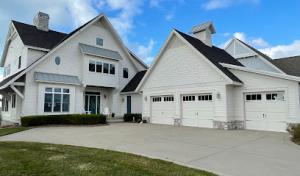
Western Michigan's winter and spring storm pattern creates recurring roof claim activity, so Zeeland homeowners often deal with insurers after hail, wind, or snow-season damage. The mix of freeze-thaw damage from the late-season cold and sudden spring downpours can complicate what's truly a weather-driven event vs. wear. When a claim is filed, the adjuster will weigh how much of the damage happened during a covered storm versus what has aged out of your roof's expected life. Being honest about the roof's overall condition helps avoid later disputes.
Carriers commonly want photo documentation and a written scope, and claim outcomes can be affected by the roof's age and whether the material is already near the end of its expected lifespan. Start a clear photo log shortly after a damaging event: wide shots of surrounding landscape, close-ups of damaged shingles or flashing, and any interior signs of leakage. A written scope should itemize affected areas, set the sequence of repairs, and note any preexisting issues that aren't caused by the recent storm. Keep copies of all correspondence, and verify dates of the storm that triggered the claim so the insurer can distinguish a recent event from longer-term wear.
Because winter deterioration and spring storm damage can overlap in Zeeland, documenting the timing and type of damage is especially important when separating wear from a covered event. If a roof is already nearing the end of its life, an adjuster may note diminished eligibility for certain fixes. To strengthen your position, align the damage narrative with weather records and seasonal patterns, and provide a consistent timeline showing when the event occurred and when the damage was first observed. This clarity can help prevent downstream surprises during settlement.
Connect with contractors who help homeowners navigate the claims process from damage assessment to final approval.
In Zeeland's winter, freeze-thaw cycles repeatedly push and pull at the roof surface. Shingles with repeated ice formation along edges and over valleys tend to develop hairline cracks and lifted tabs first, often signaling trouble before a leak shows up inside. Flashing details around chimneys, vents, and stack penetrations are especially vulnerable where sealant dries out or metal edges corrode with moisture and salt air. Underlayment transitions between roof planes or inside valleys can separate as the system flexes with cold snaps, creating hidden pathways for water. The pattern to watch is a slow drip that follows a sharp temperature swing rather than a dramatic winter storm event alone. A practical check is to look for bubbling along seam lines at the eaves and evidence of granular loss near flashing corners after a thaw.
When autumn winds pick up, those same Zeeland storms whip loose branches, pine needles, and misfitting shingles against the roof edge. Debris can abrade or lift flashing that already endured winter wear, widening the risk of seepage in shoulder seasons. Branch contact on ridge caps and along drip edges can bend metal, creating gaps that water can exploit during the first spring rains. Because the weather pattern combines wind-driven debris with lingering moisture, inspections timed after leaf fall and before heavy spring rains are especially valuable. In other words, the roof should be checked for lifted tabs, torn granules, and any corrosion spots on metal details before another wet period begins.
The local contractor market emphasizes rapid leak control and post-storm debris management, reflecting how quickly a roof can transition from cosmetic issues to active water intrusion after a storm. Homeowners should have a plan for immediate temporary protection-tarps secured with sternum-tight fasteners, accessible problem areas clearly marked, and a quick photo log of damage. Quick response to wind-driven debris and to flashing anomalies minimizes moisture intrusion and prevents more extensive downstream damage. This practical rhythm-spotting a problem, staging a temporary fix, and scheduling a targeted repair-fits Zeeland's seasonal weather pattern.
When you can't wait, these contractors offer fast response times to stop leaks and prevent further damage.
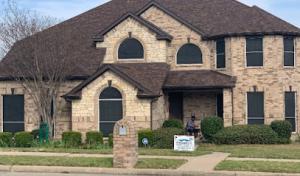
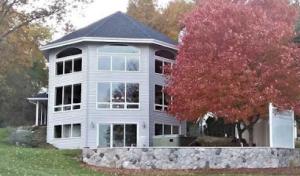
The local market leans toward reroofing rather than niche, specialty roof types. Homeowners here tend to be focused on replacement and repair of existing residential roofs, driven by weather swings and the realities of aging shingles. When a storm hits or a leak appears, the expectation is a practical plan to restore protection quickly, with an emphasis on solid installation that holds up through Michigan's distinctive freeze-thaw cycles. Contractors who communicate a straightforward path-from inspection to a finished roof-are easier to trust, because the decision often hinges on practical, durable outcomes rather than trendy materials.
In Zeeland, quick response after a storm is not just appreciated; it's expected. Homeowners value contractors who can mobilize fast, protect the property during tear-off, and leave the site clean and broom-swept at day's end. A solid signal of a good match is a crew that stacks materials neatly, contains dust and debris, and returns for a thorough final sweep. The best local teams reserve efficient tear-offs that minimize disruption to family routines and landscaping, then follow up with tidy, weatherproof detailing to prevent a late-season moisture push.
Affordable pricing exists alongside long-established firms and family-owned operators, so trust and service reputation matter as much as the quote. Zeeland homeowners tend to prefer contractors who have a track record in the neighborhood-references from neighbors, schools, or churches carry extra weight. When evaluating bids, look beyond the upfront scope: confirm a clear sequence for weatherproofing, an explicit plan for handling spring storm debris, and a post-installation call-back window for check-ins after the first thaw. A locally known crew that demonstrates consistency in communication and follow-through typically delivers less uncertainty through the renewal cycle.
Timing changes the whole reroof outcome. The window between freeze-thaw transitions and humid, late-summer heat determines how quickly work can proceed without compromising seal integrity. Reputable Zeeland crews map installations to align with reliable, dry periods, and they prepare contingency steps for sudden warm spells or unexpected storms. When a storm season approaches, prioritize crews with proven storm response and a readiness to secure the site promptly, then transition to a thorough cleanup and a careful, long-lasting sealant job to endure the next winter.
Get a clear picture of your project costs upfront - no commitment required.