
Last updated: Apr 19, 2026
Holt sits in Mid-Michigan, where repeated winter freeze-thaw cycles are a primary driver of shingle edge wear, flashing movement, and leak development. Snow load and refreezing at eaves are a practical concern in Holt winters, making ice dam prevention more important than in milder parts of the country. When temperatures swing above and below freezing, water vapor within the attic rises and then condenses at cold roof edges. That condensation feeds ice dams that push against gutters, shingles, and underlayment, creating gaps through which meltwater can flow into the roof deck and attic. This is not a tomorrow problem; it unfolds across every late-wallop thaw and every January cold snap. The result is accelerated edge wear on common asphalt shingles, slow leaks that creep along the eave line, and increased risk of interior staining after a heavy thaw.
In this climate, you'll notice higher edge exposure first: lifted shingles, curling, and micro-cracking along the rakes and eaves. Flashing movement is common after a few storms, as seasonal temperature shifts stress metal edge details and vent boots. Gutter ice becomes a telltale sign, but the real danger is hidden cracks that allow moisture to migrate into the roof deck. Left unchecked, these pathways multiply with each thaw, culminating in rot, mold, and interior damage that can disrupt living spaces for days. Emergency calls spike after storms or during spring thaw, when roofs that appeared okay in the fall suddenly reveal compromised edges, damp ceilings, and attic heat loss. The local pattern is predictable: winter stress, a burst of thaw-tears, and then a broader repair window fueled by urgent leaks.
Begin with attic insulation and sealing, aiming to maintain a uniform deck temperature that minimizes interior condensation. Seal around penetrations-vent pipes, chimneys, and plumbing stacks-so warm air cannot escape into the roof sheathing and melt snow on the inside face. Consider upgrading edge details where flashing meets shingles, paying close attention to any movement after seasonal freezes. Ventilation matters: ensure soffit and ridge vents are clear and balanced so that the attic space does not become a heat pocket that exaggerates meltwater. If you notice recurring ice buildup at the eaves, address it with a professional assessment focused on ventilation, insulation, and flashing integrity before the next freeze cycle. Snow placement on the roof matters too; gently raking to reduce heavy snow heaps at the edges can slow dam formation without compromising the roof's integrity.
Persistent damp spots in the attic after a thaw, recurring moisture staining along the eave line, or shingle edges that lift with little provocation are red flags. If you hear flipping or rumbling around the flashing after a windstorm, that movement indicates compromised seals and potential water ingress. In those moments, rapid assessment and timely repairs protect the interior from costly water damage and limit the spread of ice dam-related failure across the season. When in doubt, field a contractor with a track record in storm-damage response and a plan for both preventive work and targeted leak mitigation during warming spells.
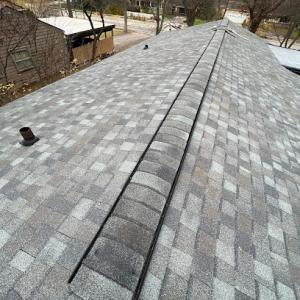
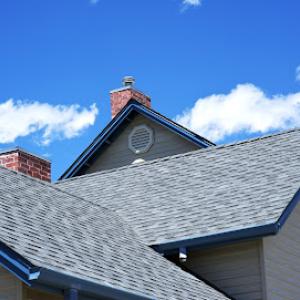
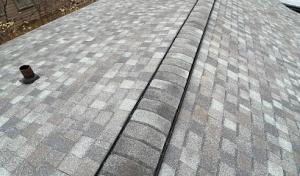
Asphalt shingles remain the dominant practical choice for a Holt neighborhood that matches the suburban residential roof stock. They're familiar to local crews, easy to source, and widely supported by local re-roofing demand. In a winter climate with freeze-thaw cycles, asphalt shingles offer a reliable balance of cost, ease of installation, and repairability. When selecting asphalt, look for architectural or dimensional profiles that provide better curb appeal and added wind resistance, which helps during heavy snows and typical Michigan gusts. Proper attic ventilation and a high-quality underlayment are essential companions to maximize performance against ice dam formation.
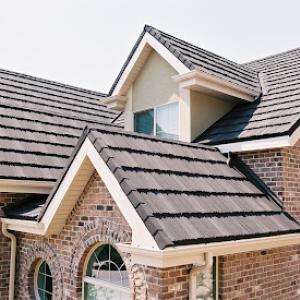
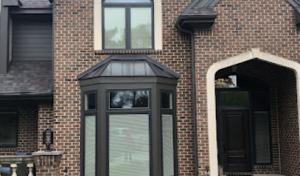
Metal roofing has meaningful local contractor support in Holt and is often considered by homeowners looking for stronger snow shedding and improved durability through Michigan winters. If you anticipate frequent or heavy snowfall, metal choices can reduce ice dam risk by promoting faster shedding and reducing water backups. In this area, metal is most effective when paired with a well-sealed vapor barrier and careful flashing details at roof-to-wall transitions. Be mindful of the weight, installation compatibility with existing framing, and color selections that minimize heat absorption in shoulder-season sun. Metal works well on certain home styles and can offer a longer service life, though it does require a specialist crew and may involve higher upfront costs.
Clay tile and slate are present in market data, but they are less typical fits for a suburban Holt stock. Structural suitability becomes a bigger screening issue here than with asphalt. Both materials add substantial weight, which can demand structural upgrades if the existing deck or rafters aren't rated for it. In snowy climates, their performance hinges on an impeccable underlayment and snow retention systems; otherwise, panels or tiles can crack under freeze-thaw stress. If a homeowner is set on these materials, a thorough structural evaluation is essential, along with a detailed plan for dealing with potential ice dam risk at eaves and around roof penetrations. Consider these options only after confirming the roof can handle the load and the budget accommodates the higher installation and potential retrofit costs.
Synthetic or composite shingles offer a practical middle ground between traditional asphalt and higher-end options. They mimic the look of more premium materials while preserving easier installation and maintenance. In Holt's climate, these products often provide enhanced durability against freeze-thaw cycles and can offer good resistance to curling or granule loss typical of aging asphalt. They're especially appealing if a homeowner wants a longer-lasting composition without committing to metal or slate. When choosing synthetic options, verify product warranties for cold weather performance and ensure compatibility with existing roof geometry and ventilation.
Ultimately, the best fit for Holt homes balances performance in cold winters with the home's architectural style and the reliability of local installation networks. If the goal is straightforward, long-lasting performance in snow-heavy seasons with familiar maintenance routines, asphalt remains the most sensible default. If moisture management, ice dam risk, and future snow shedding are priorities, a metal option deserves careful consideration with a trusted local installer. For homeowners exploring high-end or specialty aesthetics, clay tile or slate can be appealing, but require rigorous structural checks and a clear understanding of the adaptation needed for Holt's typical housing stock.
The typical replacement window in Holt runs late spring through early fall. Winter conditions and spring rain can push tear-off, dry-in, and inspection timing into tighter windows, so your project calendar should reflect that slower shoulder season. If you're planning around a sinking deadline, expect overlaps with neighbor schedules and utility or waste-hauler coordination. Build in a buffer of a few weeks for weather-related delays, and align timing so the roof can finish before the first heavy late-fall storm systems arrive.
Spring thaw and frequent rain in the area can slow underlayment work and extend project timelines compared with drier regions. During these months, you'll want to target dry days for roof access and avoid compressing work into back-to-back storm fronts. Summer heat also plays a practical role: high temperatures can affect installation conditions and adhesive performance, so crews may move faster in mornings and pause during peak heat. Autumn winds and storm debris add another layer of disruption as leaves, branches, and gusts can slow material staging and cleanup before winter sets in. Expect some mid-project pauses if wind-driven debris starts piling up on the roof.
When you're coordinating with a contractor, lock in a start window that avoids late-wall-to-wall rain and high-wind forecasts. If a tear-off is anticipated, plan for a dry-in period with a back-up date in case of sudden cold snaps or rain. For asphalt shingle installations and newer metal upgrades that are common in this market, ensure the schedule includes time for attic venting checks and insulation adjustments that may be needed after the tear-off, so the interior stays dry during wet stretches. If your roof has multiple elevations or complex features, expect the scheduling to require staggered access and shorter workdays to maintain safety and material handling in modestly sized suburban lots.
Pin down a preferred arrival window with your contractor, emphasizing the late spring to early fall trend. Request a rain contingency plan and a clear sequence for tear-off, underlayment, and final sheath checks. Ask how they handle autumn debris and wind disruptions so you're neither caught off-guard nor left with lingering debris as winter approaches. Finally, confirm that ventilation and attic-sealing tasks are slotted to occur on dry days and before the finish coat goes down, reducing the chance of moisture-related setbacks once temperatures dip.
Prospect Roofing
(517) 684-9464 www.prospectroof.com
4201 Willoughby Rd, Holt, Michigan
4.9 from 51 reviews
Family-owned and operated, Prospect Roofing has been a trusted name in the Lansing and Grand Rapids areas for over two decades. Our team of skilled craftsmen, comprised of brothers, is dedicated to providing superior roofing services. We specialize in enhancing and protecting your home with exceptional workmanship and high-quality materials, ensuring a durable and beautiful roof for years to come.
Erie Home
2280 N Aurelius Rd, Holt, Michigan
4.6 from 570 reviews
Since 1976, Erie Home has manufactured, supplied, and installed the best-performing roofing on the market. By providing ironclad warranties and convenient financing, we ensure that every homeowner we work with receives top quality service and value for their homes and properties. Erie Home professionals are the roofing company of choice in the greater Lansing, MI area. Whether you need roof inspections or roof damage repair services, Erie Home has been the go-to roofing contractor for nearly 50 years because of our attention to detail and dedication to making sure our customers are satisfied with their results. Contact us today for a quote and see why we're the trusted roofing company Lansing counts on.

Simon Roofing Siding & Windows
(517) 267-7599 simonroofing.net
3564 Holt Rd, Holt, Michigan
4.6 from 34 reviews
Simon Roofing & Construction is a family owned business founded by T. A. Simon in 1990. His son Doug Simon took over the business in 2000 and has directed the company to the success that it is today. Over the years our business has expanded beyond roofing to include windows, siding, gutters and chimney repairs.
Jordan Roofing
(517) 694-1999 jordanroofingmi.com
3931 Holt Rd, Holt, Michigan
4.0 from 28 reviews
A strong roof can give you complete peace of mind no matter what Mother Nature brings your way. You can be confident in the roof over your head when you work with Jordan Roofing, Inc. Our roofing contractors offer commercial roofing and residential roof replacement, roof installation, chimney repair and roof repair services.

Acme Home Exteriors
(517) 321-5890 acmehomeexteriors.com
Serving
4.9 from 204 reviews
ACME Home Exteriors, located at 5123 Aurelius Rd, is your top choice for a "Roofing Contractor Near Me" in the greater Lansing area, providing expert "Roof Repair," "Roof Replacement," and "Roof Leak Repair" services. As a locally owned business with over 60 years of experience, we are a trusted "Roofing Contractor," offering not only high-quality roofing solutions with GAF Master Elite® certification but also comprehensive "Gutter Installation," "Siding Replacement," and "Window Replacement" services. With a commitment to quality and community, we offer transparent pricing, flexible financing, and free consultations. Contact us to enhance and protect your home today.
Roofing Repair Guy Lansing
(517) 272-8011 www.roofingrepairguy.com
Serving
5.0 from 26 reviews
Roofing Repair Guy Lansing offers high-quality roofing design and services in Lansing. We are seasoned roofers who deliver top quality and budget-friendly roofing services. Get in touch with us on +15172728011.
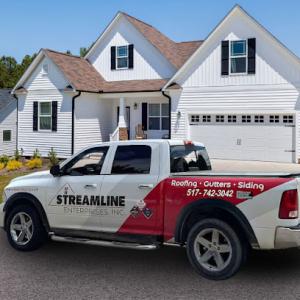
Streamline Enterprises
(517) 742-3042 streamlinecompany.com
Serving
4.6 from 397 reviews
Streamline Enterprises is a roofing company in Lansing, MI. We are a complete home improvement company that does roofing, gutters, insulation, siding, skylights, windows and doors. We have been serving Mid-Michigan since 1998.
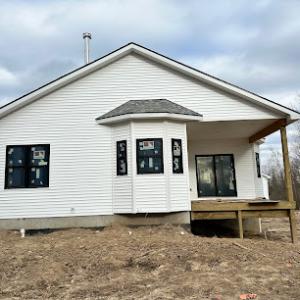
Sayagos Home Improvement
(517) 505-9649 www.sayagoshi.com
Serving
4.9 from 34 reviews
Welcome to Sayagos Home Improvement, where quality meets dedication in roofing, siding, and snow plowing services. Operated by the husband-and-wife team, Cristina and Pedro, our business combines over 10 years of experience with a commitment to excellence. At Sayagos Home Improvement, we take pride in providing top-notch roofing solutions, ensuring the protection and integrity of your home. From expert siding services that enhance curb appeal to efficient snow plowing during winter, we deliver reliable and comprehensive home improvement services. As a family-owned business, Cristina and Pedro bring a personal touch to every project, prioritizing customer satisfaction and attention to detail.

Eagle Eye Roofing & Construction
Serving
4.8 from 15 reviews
Eagle Eye Roofing & Construction is the premier roofing contractor serving Lansing, MI. We specialize in residential homes. Our services include replace, repair, install and maintain all types of roofs. Call us today at 517-803-2418.
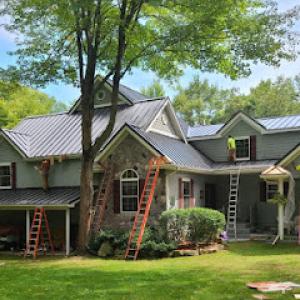
CS Roofing Company / FixRoof
(517) 484-8418 csroofingcompany.com
Serving
4.9 from 247 reviews
Lansing: Need a reliable roofing contractor in Lansing, MI? CS Roofing Company also known as Fixroof has you covered. We’re a local roofing expert offering roof repair, roof replacement, metal roofing installation, siding, and gutter services across Greater Lansing. Whether you’re in downtown Lansing, East Lansing near MSU, or out in Okemos, our experienced team is ready to protect your home or business. Worried about a leaky roof or storm damage? We’ll fix it quickly and professionally. We even provide honest advice on materials and financing for your peace of mind. For quality service and a roof that lasts, call now for a free estimate!
Elieff Brothers Roofing
(517) 627-7999 www.elieffbrothers.com
Serving
4.8 from 532 reviews
Elieff Brothers Roofing has been the leading provider of roofing, siding, and windows in Mid-Michigan since 1993. Our competitive pricing, knowledgeable sales staff, and professional installers will ensure that the installation of your home’s roof, siding, or replacement windows is hassle-free and easy! We've built our company around integrity, honesty, and customer service. When it comes to quality craftsmanship and customer satisfaction, Elieff Brothers Roofing is second to none! Our services include asphalt and metal roofing, roof inspections, vinyl siding and soffit, storm damage services, door and window installation, and so much more! When you work with us, you'll get the best prices the first time around with no hassle!
Weather Vane Roofing
(517) 318-0420 www.weathervaneroofing.com
Serving
4.7 from 266 reviews
About Us Weather Vane Roofing is here to help you protect your largest personal investment... your home. At Weather Vane Roofing, we’ve built a reputation for quality, integrity, and customer care that sets us apart from any other local roofing company. Our roofing consistently earns the highest ratings and exceeds all industry standards in installation.
In this area, you'll see prices framed around per-square costs, with asphalt shingles at the entry point for most homeowners and higher-end options like slate or clay tile pushing toward the top of the range. Practical budgeting starts with asphalt shingles, which commonly run roughly between 350 and 550 USD per square installed. If you're weighing metal, fiber cement, or composite shingles, plan for 350 to 800 USD per square for most installations, with metal often landing toward the higher end of that spectrum. Slate sits well above the rest, frequently in the 1100 to 2200 USD per square range. Clay tile tends to sit near the upper-mid-to-high end, often around 900 to 1800 USD per square. These figures reflect typical local material choices and labor dynamics in this market.
Costs in this market can rise when winter damage compresses demand into the late spring through early fall, creating scheduling pressure after snow and storm-related deterioration. If a roof is delayed through the winter and you rush to book in spring, you may see premium labor windows or shorter lead times. This seasonal squeeze can translate to higher project management costs or limited crews on tight timelines, especially for larger or more complex jobs. If you're targeting a specific install window, you'll want to plan ahead and lock in when the snow recedes to avoid premium pricing or delays.
Pricing can also move based on tear-off complexity, flashing replacement, and whether the home has features common in the local market such as chimneys or skylights that require more detail work. A full tear-off with comprehensive underlayment and flashing around chimneys can add material and labor, pushing costs above basic replacement. Skylights, roof penetrations, or oddly shaped sections increase detail work, scoping, and waste handling, all of which tend to elevate the final price. Conversely, a straightforward, single-plane replacement with minimal penetrations keeps you closer to the lower end of the ranges. In older homes with unique venting or chimney flashing, expect a modest bump to cover the extra labor and precision flashing.
Begin by aligning your expectations with the available per-square ranges, then map out a preferred material from entry-level asphalt to premium slate if you're aiming for long-term durability. Assess your roof's complexity: how many skylights, vents, and chimney details exist, and whether you'll need a complete tear-off or a re-cover. If your schedule is flexible, you can target off-peak windows to avoid spring and early summer demand spikes. Finally, budget for contingencies if winter damage forced a late-season replacement, as those late bookings tend to trend higher due to demand and limited crew availability.
Don't let upfront costs delay a critical repair - these contractors offer payment plans to fit your budget.
In this area, a building permit is usually required for a full roof replacement rather than being treated as purely informal maintenance. This means you can't just pick a day to replace shingles and call it good; the project needs official oversight to ensure it stands up to Holt's freeze-thaw cycles and snow loads. If your home has multiple layers or you're upgrading to a different roofing material, expect the permit review to be a bit more thorough. Starting the process early helps prevent delays that can stall the project when the weather flips from spring to winter-like conditions.
The local process involves submitting project details and paying a fee before work proceeds. You'll typically provide a roof plan indicating the scope of work, the chosen material, and the roof's square footage. Include notes on underlayment type, ice and water shield placement, flashing details around penetrations, and any ventilation improvements you plan. The authority having jurisdiction will review for compliance with structural requirements, weatherproofing, and energy standards. Make sure you have your property boundaries, roof pitch, and any attached structures clearly documented. If your contractor uses an updated plan or a change order, expect another quick review before the crew resumes.
Inspections are typically conducted at rough and final stages, with attention to underlayment, flashing, and overall code compliance. The rough inspection checks that the roof deck is sound, underlayment is properly installed, and ice dam protection is in place where necessary. This is a critical moment if you live in a neighborhood that experiences heavy snow-driven risks, as proper underlayment and under-shingle protection help mitigate freeze-thaw damage. The final inspection confirms that all components meet the adopted codes and the project matches the approved plan. A successful final inspection means the permit is considered closed, allowing occupancy and long-term warranty standards to align with local requirements.
Coordinate with your contractor to schedule inspections ahead of time and verify which party is responsible for submitting permit documentation and inspection requests. Keep a copy of the approved plan on site so crews can reference identical details during installation, particularly around flashing details, valley protection, and drip edge alignment. If a winter-like spell interrupts work, contact the building department promptly to discuss rescheduling, since delayed inspections can affect warranty validity and insurance coverage. Understanding the permit path now helps ensure the project proceeds smoothly through rough and final checks, limiting surprises related to ice dam risk and roof performance in Holt's mid-M Michigan climate.
Holt isn't in an extreme hail-claim zone, but wind and hail claims show up often enough to matter after notable weather. When a storm rolls through, the drama is more about wind-driven damage and ice-related wear than dramatic hail scars alone. The key is to think ahead: a swift, factual record now can prevent headaches later when a claim decision lands on your desk.
Insurers commonly want to know the roof's age, see clear photos, and read a concise summary of damages before coverage decisions are made. In this market, those items help the adjuster gauge how much of the roof is affected and whether there are preexisting issues that could complicate replacement. If you have recent professional notes or a maintenance history, that context can smooth the path toward an accurate evaluation.
Adjuster inspections and replacement verification are part of the local insurance environment. That means after a storm, you may be asked for access to inspect the roof, confirm materials, and verify the extent of damage before any replacement authorization. Be prepared to provide specific dates of the storm, photos from several angles, and notes on any interior signs of water intrusion that appeared after the event.
Document damage before making temporary repairs or tarps permanent fixtures of the scene. Emergency tarping is a practical precaution, but save all receipts and take time-stamped photos of every stage. Clear, organized evidence helps establish the timeline and scope, reducing disputes when the claim moves through adjuster review and potential replacement verification.
Connect with contractors who help homeowners navigate the claims process from damage assessment to final approval.
Prospect Roofing
(517) 684-9464 www.prospectroof.com
4201 Willoughby Rd, Holt, Michigan
4.9 from 51 reviews

Simon Roofing Siding & Windows
(517) 267-7599 simonroofing.net
3564 Holt Rd, Holt, Michigan
4.6 from 34 reviews
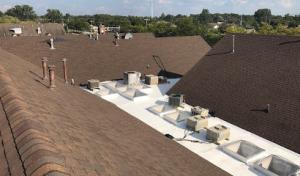
Low-slope roofs over additions, porches, and garages are common in the rebuilt sections of the suburban stock, where flat or near-flat decks meet traditional steep main roofs. While Holt is primarily a pitched-roof residential market, the contractor signal data shows enough flat-roof specialization to justify guidance for these areas. The long Michigan winter with heavy snow and spring moisture makes drainage performance more critical on low-slope roof areas than on steep main roof planes.
On low-slope sections, plan for positive drainage away from walls and foundations. Use slightly steeper pitches where feasible, or implement tested scuppers and edge channels to shed meltwater quickly. Snow retention strategies should be chosen with freeze-thaw cycles in mind, so ice dams don't form where the low-slope interface meets a wall or chimney.
Flashing decisions differ at these junctions. At wall and chimney terminations, use integrated flashing with continuous sealant joints and metal counter-flashing that resists ice buildup. Choose membranes or insulation assemblies rated for low-slope performance, and match to the main roof system when possible to minimize differential movement. In cold snaps, ensure drip edge and gutter lines are continuous and secure, since pooling water accelerates ice dam risk.
When adding low-slope sections, align fastener patterns and underlayment layers with the main roof to reduce movement gaps. Have a trusted local roofer check the transitions regularly after heavy snows, as improper tie-ins can become leak paths.
Maintenance and inspection. Schedule checks on edges, penetrations, and flashing. After snow events, clear discharge routes promptly and verify that snow guards on these sections function without impeding drainage. Document changes in performance.
Find specialists in TPO, EPDM, and built-up flat roofing systems for residential and commercial properties.
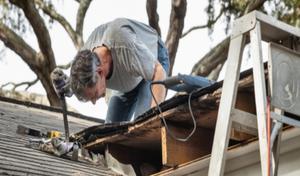
Because Holt roofs are exposed to freeze-thaw stress, you should distinguish between manufacturer material coverage and workmanship coverage on flashing, leak points, and winter-related failures. Factory guarantees often look favorable on paper, but the real test happens when subzero nights meet a roof that's already seen multiple cycles of thaw and refreeze. If your flashing or underlayment isn't covered for those slow-burn failures, you could be staring at costly repairs years after the shingles look fine from the ground.
The local market shows a meaningful but not universal presence of warranty-promoting contractors, so warranty terms are a real differentiator rather than a baseline assumption. Look beyond the shingle warranty to what happens if leaks form around the chimney, vents, and transitions during winter. Check whether the warranty includes labor on repairs caused by improper installation, and if there's explicit coverage for ice dam-related failures. In a re-roofing-heavy market like Holt, warranty value is tied to whether full replacement details such as underlayment and flashing are included, not just shingle brand.
Ask for a written schedule of covered events, duration, and what voids the policy. Clarify how long the workmanship warranty lasts for critical components like drip edge and ridge vents, and whether there's a seasonal inspection clause that might be required to keep coverage intact. Consider whether the contractor offers transferability of the warranty to a new owner-an often overlooked signal of confidence in long-term performance. In practice, a robust warranty should feel like a partner through the harshest months, not a one-time promise.