
Last updated: Apr 19, 2026
In this area, the harshest wear happens at the edges of shingles, where wind-driven moisture can seep in and where flashing meets walls and chimneys. The short ideal install season means you feel the effect of winter on the roof for longer, and the repeated thaw-refreeze cycles can crack sealants and loosen edges even before a full replacement. Planning the timing around late spring through summer helps ensure the roof sits under warmer, drier conditions during installation and cures properly before the first serious freeze of the following season. If a replacement is attempted too early, cold mornings can slow adhesive and sealant sets, leading to slow curing and longer exposure of vulnerable sections to wind-driven weather.
Begin the process by watching the calendar between late March and early May. East Lansing winters linger, and snow cover can mask underlying damage, making early spring inspections tricky. When snow melts, you see where water has found its way under shingles or around flashing. If signs of seepage, lifted edges, or granular loss appear during the thaw, plan for a replacement window that avoids the lingering dampness of early spring. By mid to late May, the typical window opens wider for steady weather, a more predictable install pace, and a cleaner worksite once grounds are dry.
Spring in this region arrives with frequent showers and windy days that can complicate roof work. A practical approach is to pick a stretch of several consecutive dry days, ideally consecutive weekends, to reduce disruption and ensure crews can finish close to a watertight line before the hot days of summer. If any forecast calls for heavy rain or strong gusts, delay even a day rather than risk water intrusion and torn underlayment before the new material is fully set. When a reliable stretch is identified, book the crew ahead of the main warm-weather rush to lock in a preferred start date and give yourself a buffer for any delays.
East Lansing homes often feature flashing around chimneys, vent stacks, and roof-to-wall transitions that see repeated freeze-thaw stress. The best practice is to tackle these critical details early in the project. Expect crews to remove and reseal flashing with materials designed to withstand freeze-thaw cycles, then recheck venting and attic baffles during the final closeout. If an older roof has repeated ice dam problems or shows signs of edge lift after winter storms, prioritize a replacement that reinforces these transitions to reduce future leaks.
A practical approach is to break the project into two phases only if the house will tolerate a staged upgrade. Phase one covers removal and surface roofing, with temporary protections at eaves and penetrations to control moisture during thaw periods. Phase two completes interior sealing and flashing finishes once the weather stabilizes. If a full replacement is feasible in one go, align the start with a forecast of at least five consecutive dry days and a forecasted warm period that supports proper curing. This helps ensure the new roof seals up tightly before the next freeze-thaw cycle.
Between the decision to replace and the installation day, keep an eye on signs of water intrusion near channels, around skylights, and at the bottom edge of the roof deck. Any new evidence of damp insulation or staining should prompt a recheck of the planned sequence and timing. In homes with older vent pipes or damaged underlayment, consider pre-inspection by a roofing professional to confirm the readiness of the deck and to forecast any flashing or venting upgrades that will support a more durable, long-lasting installation when warm weather finally arrives.
Hail and high-wind events in this Michigan corridor routinely turn roof claims into regular maintenance reminders rather than rare exceptions. After a storm, you should act fast to document the scene with dated photos that show roof faces, gutters, vents, and any visible damage to siding or flashings nearby. Insurers expect a clear trail of what happened and when, so your photos need to capture the day, the weather conditions, and any immediate interior evidence like moisture spots on ceilings. Delays create questions about coin tosses of responsibility and may slow or devalue a claim.
Because the same climate that brings sharp hail can also accelerate winter aging, you must distinguish abrupt impacts from gradual deterioration. In practice, this means noting exactly where a hail hit created a crisp edge or dent, versus areas that show hairline cracking, granule loss, or curling shingles that developed over seasons. When you discuss a claim, reference clear, dated indicators of sudden impact (such as a newly cratered shingle) and separately document the wear patterns from freeze-thaw cycles. This distinction helps the adjuster assign the right cause and scope, preventing misclassification that could stall settlement.
Insurers serving this market typically want a precise narrative backed by evidence: dated photos, concise damage notes, and proof that the roof was properly installed before any claim can be valued. Ensure your notes include the roof type, age, and any prior repairs, plus a record of weather alerts or storm paths if available. A documented failure sequence-when the first observed leak appeared after a storm, for example-can expedite a fair assessment. Keep your documentation organized so adjusters can quickly verify installation details and system integrity.
Begin with a same-day photo bundle: exterior roof elevations, flashings at hips and valleys, vent boots, skylights, and gutters. Then gather a written damage log: dates, locations on the roof, and a brief description of what happened. If safe, perform a cautious interior check for leaks and note any drywall swelling, staining, or mold signs. Finally, prepare a short, objective summary tying the observed damage to the storm event, while clearly separating it from signs of aging that preexisted the incident. This approach keeps the claim focused and moves you toward resolution without unnecessary back-and-forth.
Find local contractors experienced in assessing and restoring roofs after hail, wind, and severe weather events.
Hect Home Improvement
(810) 243-3303 hecthomeimprovementllc.com
909 Abbot Rd suite d, East Lansing, Michigan
5.0 from 16 reviews
Paramount Roofing
(517) 929-8808 paramountroofpros.com
815 Darlington Ave #2, East Lansing, Michigan
4.8 from 18 reviews
Lifetime Roofing
(517) 550-0070 www.lifetimeroofingmichigan.com
1880 Haslett Rd # C, East Lansing, Michigan
4.9 from 107 reviews
At Lifetime Roofing, we're more than just roofers—we're trusted neighbors dedicated to protecting homes across Michigan with unmatched integrity, expertise, and a promise of quality that lasts. Every roof we install is built with the best materials and our commitment to excellence. Our licensed and insured team offers transparent, fair pricing and is driven by a mission to provide you peace of mind, knowing your home is safe and secure. Your home is your sanctuary, and we're honored to be the roofing partner Michigan families trust and rely on.
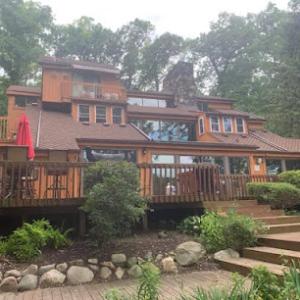
Hect Home Improvement
(810) 243-3303 hecthomeimprovementllc.com
909 Abbot Rd suite d, East Lansing, Michigan
5.0 from 16 reviews
Hect Home Improvement in East Lansing provides expert roof replacements designed to protect homes from Michigan’s harsh winters, heavy snow, and seasonal storms. Our team specializes in replacing worn or damaged roofs with durable solutions that keep your property safe and energy efficient. We understand the challenges East Lansing homeowners face, from ice buildup to strong winds, and deliver roofing services that stand up to local conditions. At Hect Home Improvement, we take pride in being trusted roofing contractors known for professionalism, quality workmanship, and reliable service throughout the community.
SwiftRoof.co
(313) 288-2335 www.swiftroof.co
Serving
4.8 from 93 reviews
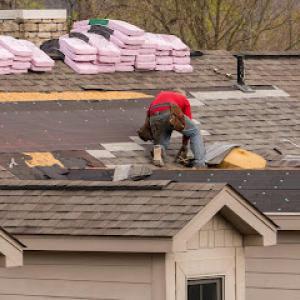
Swift Roofing Contractors located in the Detroit, Michigan Region of Lansing is a full service roofing contractor company. We specialize in Roof Repair, Roof Replacement, and Roof Construction. Our Insurance Claim Team will help you navigate through the roof insurance claim process to assist you in obtaining a roof repairor replacement for your home or commercial business. We are your trusted insurance claim specialists in Detroit and all of Southeastern Michigan assiting you through the entire process. From filing the insurance claim to talking to adjusters and even dealing with all the hassles of making sure you get reimbursed for all covered damages. We make sure your interests are guarded. Contact us today for a free roof inspection!
Victors Home Solutions
Serving
4.8 from 23 reviews
From our free 21-Point Roof Inspection to our 50-Year Leak Free Guarantee, we’ll protect your home and family for years to come. With almost two decades of roofing experience and a BBB Accredited A+ rating, Victors Home Solutions is the superior roofing and home improvement company across Michigan, Ohio, Kentucky, and Indiana. We provide the highest quality workmanship for residential roof repairs and replacements, seamless gutters, and attic insulation services.
CS Roofing Company / FixRoof
(517) 484-8418 csroofingcompany.com
Serving
4.9 from 247 reviews
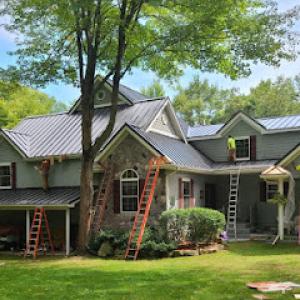
Lansing: Need a reliable roofing contractor in Lansing, MI? CS Roofing Company also known as Fixroof has you covered. We’re a local roofing expert offering roof repair, roof replacement, metal roofing installation, siding, and gutter services across Greater Lansing. Whether you’re in downtown Lansing, East Lansing near MSU, or out in Okemos, our experienced team is ready to protect your home or business. Worried about a leaky roof or storm damage? We’ll fix it quickly and professionally. We even provide honest advice on materials and financing for your peace of mind. For quality service and a roof that lasts, call now for a free estimate!
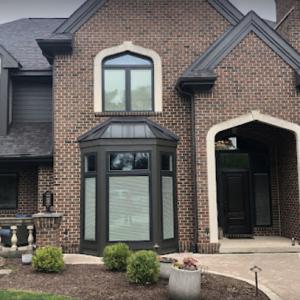
Precision Roofing Services
(517) 675-8509 www.precisionroofingmi.com
Serving
4.8 from 449 reviews
Precision Roofing Services, located at 319 Clinton St, is your premier local roofing company specializing in top-tier roof replacement and repair services. Our expert team excels in residential roofing, ensuring your home is protected with the highest quality materials and craftsmanship. We are also leading metal roofing contractors, providing exceptional commercial metal roofing and metal roof replacement solutions. Whether it's residential metal roofing or urgent emergency roof repair, we've got you covered. Our reliable metal roofing services effectively address roof storm damage, ensuring durability and peace of mind. Choose Precision Roofing Services for unparalleled expertise and superior roofing solutions.
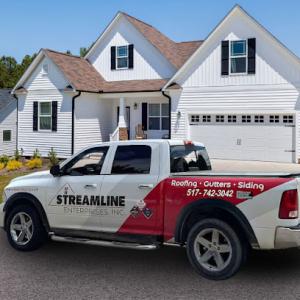
Streamline Enterprises
(517) 742-3042 streamlinecompany.com
Serving
4.6 from 397 reviews
Streamline Enterprises is a roofing company in Lansing, MI. We are a complete home improvement company that does roofing, gutters, insulation, siding, skylights, windows and doors. We have been serving Mid-Michigan since 1998.
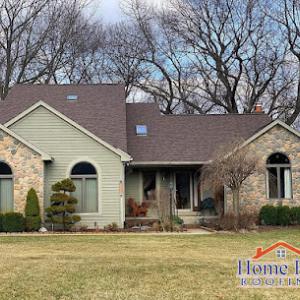
Home Pro Roofing
(888) 367-8063 homeproroofingmi.com
Serving
4.7 from 112 reviews
Home Pro Roofing offers the roofing services you need throughout the Michigan area - including roof inspections, repairs, installations and replacements.
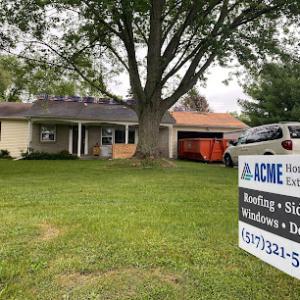
Acme Home Exteriors
(517) 321-5890 acmehomeexteriors.com
Serving
4.9 from 204 reviews
ACME Home Exteriors, located at 5123 Aurelius Rd, is your top choice for a "Roofing Contractor Near Me" in the greater Lansing area, providing expert "Roof Repair," "Roof Replacement," and "Roof Leak Repair" services. As a locally owned business with over 60 years of experience, we are a trusted "Roofing Contractor," offering not only high-quality roofing solutions with GAF Master Elite® certification but also comprehensive "Gutter Installation," "Siding Replacement," and "Window Replacement" services. With a commitment to quality and community, we offer transparent pricing, flexible financing, and free consultations. Contact us to enhance and protect your home today.
Roofing & Restoration Services of America
Serving
4.8 from 29 reviews
Roofing & Restoration Services of America (RRSA) specializes in solar shingles, residential and commercial roofing, and siding. RRSA is a family-owned and operated company with a nationwide reach that has been in business for over 30 years. We will work with every client to find the best option that fits their needs. When you choose RRSA, you become a part of the RRSA family.
Lansing Edge Roofing
(517) 742-3551 lansingedgeroofing.com
Serving
5.0 from 20 reviews
At Lansing Edge Roofing, we provide trusted roof repair, reroofing, storm damage restoration, and gutter installation throughout Lansing, Dewitt, East Lansing, Okemos, Grand Ledge, Charlotte, Fowlerville, Williamston, Howell, St Johns, Portland, and Dimondale, MI. Whether you need emergency storm repair, leak detection, shingle replacement, or seamless gutters, our certified team delivers fast service and guaranteed results. Homeowners across Mid-Michigan choose us for our quality craftsmanship, quick response, and honest inspections. Call today for a free roof or gutter estimate and protect your home from Michigan’s toughest weather.
Stormshield Roofing
(517) 331-6503 www.stormshield-roofing.com
Serving
4.3 from 64 reviews
Experienced Commercial & Industrial: Roofing & Siding Contractor, serving all of Michigan, Indiana, and Ohio, We Specialize in Commercial Low Slope Roof Systems: TPO EPDM, Torch Down, PVC, Metal, Repairs, Leak Testing, and Silicone Coatings. 2,000,000 Sqft of Commercial roofing Installed in 2022.
In this market, a full roof replacement typically requires a permit, and the roofing contractor usually pulls it with the city rather than the homeowner handling it alone. The process is not a simple checkbox item-it informs the job's sequencing, inspections, and final paperwork. If a contractor promises to "handle it later," pause and confirm who is responsible for the application, plan review, and any required permits. East Lansing's permit staff expect clear project details, including ventilation strategy and flashing plans, so a delay or misstep here can ripple into cold-weather hold-ups or missed installation windows.
Inspections are commonly scheduled during the job and again at final. The city review pays close attention to installation details, venting, and flashing, which are critical to withstanding Michigan's freeze-thaw cycles. Do not assume that passing the first interim inspection guarantees a smooth final review; the final closeout hinges on the inspector verifying that the flashing is properly sealed, vents are correctly installed, and the overall roof assembly meets the high winter load and drainage expectations. Coordinate with the contractor to support access for inspectors and to provide any manufacturer installation documents that might be requested on site.
The permit is not considered closed in East Lansing until the final inspection is passed, so homeowners should confirm closeout paperwork after the crew leaves. This means requesting and keeping a tangible record of the final inspection sticker, any corrective action notes, and a signed final acceptance or closeout document from the city. If the closeout packet is missing or incomplete, there is a real risk of future disputes or questions should a warranty claim arise. A proactive approach is to have the contractor deliver the complete set of closeout materials, including permit numbers, inspection dates, and any city-required notes, directly to the homeowner and to store them with the home's records.
East Lansing's short ideal install season creates a tangible deadline pressure, especially when winter approaches. Because the city's eyes on flashing and venting are exacting, planning ahead matters. If lingering forecasted freezes or precipitation threaten an upcoming slate of inspections, have a contingency plan with the contractor to reschedule promptly rather than letting a weather window slip. A well-documented permit path and a cooperative inspection schedule help ensure the project progresses without compromising performance under repeated freeze-thaw cycles.
In a city where long winters, freeze-thaw cycles, and a mix of university-adjacent housing shape demand, the right roofing material must balance resilience, install season timing, and the realities of local re-roof markets. Asphalt shingles emerge as the baseline choice for many homeowners in East Lansing, offering predictable performance through Michigan's up-and-down seasons and aligning with the common cap on renovation budgets for owner-occupied homes and rental properties. The decision often hinges on how a roof ages under repeated freeze-thaw stress and how quickly an install can be scheduled within the tight late summer to early fall window.
Asphalt Shingles
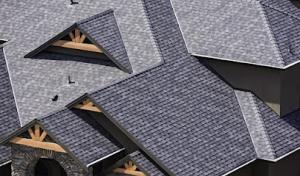
Asphalt shingles fit the local roof landscape due to their familiarity, ease of installation, and compatibility with typical roof pitches found on nearby century-old bungalows to newer duplexes. They handle snow and ice buildup reasonably well when a proper underlayment and ventilation plan are in place. For many homes in East Lansing, this material offers a straightforward path to regained performance after years of freeze-thaw cycling, with readily available local crews who understand panel alignment, shingle overlap, and drip-edge details that keep moisture moving away from the attic.
Metal Roofing
Metal roofing has a meaningful local presence and is often considered by homeowners looking for better snow shedding and durability through repeated Michigan winters. In this market, metal is valued for its clean lines, compatibility with various architectural styles found near campus-adjacent streets, and its ability to shed pile-ups quickly. When installed with appropriate sealing at penetrations and durable flashing, metal can reduce ice dam risk and provide a long service life, which matters in neighborhoods where winter loads are a regular concern.
Specialized Options
Clay tile, concrete tile, wood shakes, and synthetic products exist in the market but are more specialized choices in East Lansing and require careful evaluation of structure, detailing, and contractor experience. Clay and concrete tiles demand a strong, rigid deck and secure flashing at borders and valleys; wood shakes require precise maintenance to resist moisture and pests in exposed eaves and high-wall snow zones; synthetic products can mimic traditional looks with easier installation, yet still call for attention to ventilation and attic moisture control. In all cases, choosing a contractor experienced with Michigan winters and the city's typical roof lines helps ensure the chosen material performs under near-year-round freeze-thaw stress.
In this market you'll notice a strong re-roofing push around storm events and during the short late-spring-to-summer window when the weather normally cooperates. Many local crews prioritize tear-offs rather than just new construction, which can drive up per-square pricing compared to markets that do more replacements on existing decks. If your home is on the older side or has multiple penetrations, the crew may quote a higher number to cover additional flashing, vent work, and closeout details. This city tends to see price spikes when demand spikes, so a plan that aligns with the calmer stretch of weather can save you on both labor and materials.
Freeze-thaw stress from Michigan winters accelerates aging, so timing matters. If you're approaching the end of your roof's useful life and your current roof shows curling shingles, granule loss, or moss growth, you'll want to map a replacement to the warmer, more stable weeks in late spring or early summer. Weather windows matter here more than in milder climates; a late snow or unseasonable rain spell can push your project into a tighter deadline. Contractors often book several weeks out, and crews may need to stage material and waste removal carefully around your yard, attic venting, and inside spaces.
Final pricing reflects not just the material but the detailing around vents, flashing, chimneys, and older rooflines. East Lansing homes frequently have complex roof lines or older chimneys and stucco intersections that demand careful flashing and closeout. A standard tear-off-plus-replacement can become noticeably more expensive when the old deck is warped or has extensive vent work. If you have multiple penetrations or a low-slope section, the scope expands quickly, and so does the price per square.
Understand that these ranges assume a full tear-off and proper closeout, with the added attention to flashing, venting, and edge detailing that this city demands. If your roof uses a lighter pattern or a nonstandard underlayment, talk through the exact materials and waste disposal plan to avoid surprises in the final bill.
Get a clear picture of your project costs upfront - no commitment required.
In this neighborhood, hail and wind claims are active conversations with local insurers, even though the state hasn't endured the broad insurer retreat you might hear about in other regions. When a storm hits, repairs often hinge on how the roof has aged through multiple freeze-thaw cycles, which East Lansing houses feel every winter. The reality is that your claim outcome isn't purely about damage, but about how the roof held up through those cycles and whether the installation shows signs of proper workmanship.
Coverage in this market can feel like a patchwork quilt. Different carriers treat depreciation, matching materials, and documentation expectations in distinct ways. Before a loss occurs, you should understand how your policy handles these details, because a favorable claim can quickly become complicated if depreciation is applied to shingles, flashing, or vents, or if replacement materials must match the existing roof. In practice, this means talking to your agent early about what counts as actual cash value versus replacement cost, and what documentation your insurer will require to process a claim smoothly.
Proof of proper installation matters when a claim comes in the door. Permit records, final inspection approvals, invoices, and photo documentation become your best allies after a loss. East Lansing homes often endure a rigorous review of recent work, so having a clear trail of who installed what, when, and under what specifications can prevent surprises during payout. If you've kept storm-related receipts or notes about upgrades, you'll want to have them easy to access.
Freeze-thaw aging accelerates asphalt, metal, or tile roofs in this climate, and insurance adjusters look closely at how a roof has aged versus the reported damage. The safer path is to maintain consistent documentation from the day the project starts through final completion, so when a claim is needed, the paper trail supports the condition of the entire system-not just the damaged area.
In this market, skylight work shows meaningful demand, and leaking around skylights is a common homeowner concern. Start with a careful inspection of the flashing around the skylight itself, the curb, and where the skylight meets the roof plane. Look for hairline cracks in sealant, settling gaps, or rusted metal flashing. If moisture appears on a calm day with the skylight closed, check the interior for condensation patterns that mirror flashing lines. When hiring, prioritize crews with recent East Lansing projects and insist on a surface-to-flash inspection that extends several feet around the unit to catch hidden lapses.
Flat and low-slope roofing shows up often on additions, multifamily sections, and commercial-adjacent builds near the mix of older and newer stock. Water tends to travel toward the lowest point, so ensure you verify drainage at scuppers, edge details, and transitions where new roofing meets an existing system. In East Lansing winters, verify that the flashing at transitions to parapets and vents remains sealed after freeze-thaw cycles. A practical step is to perform a seasonal check after the first heavy thaw-look for sunscreening or pooled moisture that could indicate a nail pop or membrane seam failure.
Chimney detailing is a visible part of the housing landscape, especially in older neighborhoods. Inspect mortar joints for cracking and ensure chase caps are intact and venting properly. Where the chimney meets the roof, confirm that step and counter-flashings are continuous and that counter-flashing has not been pushed out by temperature-related movement. If a chimney is adjacent to a valley or shoulder, verify the valley flashing remains watertight and free of debris. Addressing these edges early reduces cascading leaks through the living space.
Find contractors experienced in skylight installation, flashing, and leak repairs to bring natural light into your home.
Lifetime Roofing
(517) 550-0070 www.lifetimeroofingmichigan.com
1880 Haslett Rd # C, East Lansing, Michigan
4.9 from 107 reviews
East Lansing hosts a dense re-roofing market where crews move quickly but not all teams match the same standards on site safety and neighbor impact. When choosing a crew, compare response time, how the crew handles cleanup, and experience with occupied homes, not just headline price. In a neighborhood with many older homes and nearby college rentals, a crew's ability to minimize disruption and protect landscaping matters as much as material selection and workmanship.
The market includes many long-established and family-owned companies, so neighborhood reputation often tracks with consistency. Look for a crew that has steady crews over several years, with a record of steady scheduling and dependable site conduct. A locally trusted team will tends to understand stubborn typical issues seen in vintage siding, venting configurations, and flashing details common to East Lansing homes, which reduces call-backs after the project.
The local climate makes timing important, especially around the short ideal install season. Ask how the crew plans pacing to avoid long exposure of a roof during freeze-thaw transitions and how they protect interior spaces during heavy winter precursors. A reliable team will present a realistic schedule, coordinate material deliveries to minimize street clutter, and outline daily cleanup routines so driveways and sidewalks stay safe for winter footing.
Because the city's permit and inspection cadence is noted for closeout, prioritize contractors who routinely handle permit pull, inspection scheduling, and final closeout tasks. A crew that can clearly describe their process for pre-inspection checks, address common flashing and venting concerns, and leave behind complete closeout documentation helps prevent delays and ensures the project remains on track through final approvals.