Last updated: Apr 19, 2026
Okemos roofs endure cold winters with repeated freeze-thaw cycles that flex shingles, stress flashing, and quietly widen existing leak paths after snow events. This isn't theoretical: every freeze cycle can loosen fasteners, degrade sealants, and push water deeper into attic junctions and along eaves. When spring thaws arrive, those compromised seams suddenly leak more aggressively, turning a small drip into a soggy ceiling issue right as homeowners need their roofs most to keep the moisture out. The risk isn't seasonal drama-it's cumulative damage that, if left unattended, accelerates wear on underlayment, rafters, and interior finishes.
Winter snow and ice damming are a real seasonal risk that shows up in Meridian Township's weather pattern and in the way roofs shed meltwater. Underside moisture can migrate from the attic into ceiling drywall and insulation, creating not only stains but the potential for mold growth in tight timelines when temperatures bounce above freezing during the day and drop again at night. Delays in contractor scheduling are common after heavy storms, so the longer a dam forms, the larger the risk of interior leakage and long-term damage. If you notice icicles building up along gutters and the attic feels damp, treat it as a warning sign rather than a cosmetic issue. Timely action protects both structure and value.
The best replacement window in Okemos is typically late spring through early fall because spring thaw moisture and winter conditions complicate tear-off and dry-in work. Scheduling during this window minimizes the probability of moisture intrusion while crews can work with stable temperatures for sealants and roof deck drying. If a replacement must happen in shoulder seasons, expect tighter schedules and potential weather-related delays. Have a contingency plan for wind-driven storms, as late-season storms can disrupt timelines and push critical work into less favorable conditions. In practice, you'll benefit from planning with a roofing team well before the first warm stretch, locking in startup dates before the calendar fills with other projects and weather interruptions.
Start with a proactive inspection focused on freeze-thaw stress points: shingle seals near roof valleys, edges, and along eaves, plus flashing where roof meets walls. Look for hairline cracks around vent boot seals and pipe penetrations, and check attic insulation and ventilation. In Okemos, ensuring adequate attic ventilation reduces condensate buildup that compounds freeze-thaw damage after a heavy snow event. If ice dams are already forming, don't wait for the melt to reveal leaks-document the conditions with photos and contact a trusted local contractor for a targeted assessment.
Prepare for a winter-season plan by earmarking a preferred contractor early, making sure they understand your roof's material type and the signs of freeze-thaw damage unique to this area. Discuss temporary mitigation measures, such as snow removal strategies on critical sections of the roof and potential use of heat cables where appropriate, to minimize ice dam development during peak storms. The combination of rapid assessment, timely maintenance, and a clearly defined replacement window can save significant interior damage and reduce the risk of cascading leaks when the next storm hits.
If interior signs of leakage appear between storms or around thaw periods, escalate to a rapid-response contractor. Delays in recognizing the pattern-especially after a heavy snow year-can allow small issues to compound into larger, more expensive repairs. In Okemos, the sooner a trained roofer identifies a compromised seal or flashing, the better the odds of preserving the roof's lifespan and the home's dry interior. Keep a simple log of weather events, observed leaks, and any attic moisture so the contractor has a clear story from the first visit. This isn't just maintenance; it's safeguarding the home against the next freeze-thaw cycle.
In Meridian Township, hail and wind events drive roofing claim activity, making storm documentation a practical issue for Okemos homeowners after affected seasons. A hail strike or a sustained gust can leave cosmetic dents, shingle granule loss, or underlayment exposure that isn't obvious from ground level. Freeze-thaw cycles soon after a storm can amplify damage, masking it until spring. Recognize that the most actionable evidence tends to show up as the season shifts from winter to spring or as autumn winds sweep through the neighborhoods with mature roofs and tree cover. Document the onset of symptoms-loose granules, curled shingle edges, or new roof movements-before utilities or landscaping interfere with the view from the ground.
Insurers commonly request photo documentation and a licensed contractor estimate before finalizing roof scope, and adjusters may perform on-site inspections. Start with clear, date-stamped photos from multiple angles: ridge line, hips, valleys, drip edges, and any apparent penetrations around chimneys or vents. Use a high-resolution image to show granule loss on asphalt shingles or any soft spots on underlayment. Gather a recent contractor estimate that details replacements versus repairs, unit counts, and material types. If a leak is present, photograph interior signs such as ceiling staining or drywall buckling as soon as it's safe to do so. Store everything in a weatherproof folder you can share with the insurer or your adjuster.
Because spring storms and fall wind events are listed local risks, Okemos homeowners often need to separate sudden storm damage from older wear exposed by freeze-thaw cycles. Take a careful look at the timing: damage that aligns with a specific storm date and affects several adjacent shingles or roof sections is more likely storm-related. In contrast, micro-cracking, curling, or granule loss that appears progressive over a season or two may indicate chronic wear amplified by freeze-thaw cycles. Document the date of first noticeable symptoms, and note any nearby trees or debris from a recent storm that could have contributed to a strike or impact.
When the adjuster arrives, present the storm-damage narrative alongside your photos and the licensed contractor estimate. Be prepared to discuss roof age, prior repairs, and any seasonal changes in your attic or interior ceilings. If the adjuster questions the scope, your contractor's written analysis can help justify the need for replacement versus repair. Keep a log of communications, including dates, names of representatives, and what was discussed. For complex damage that spans multiple roof elevations or involves flashing and vent penetrations, request a comprehensive scope that covers underlying sheathing and drainage details to avoid later disputes.
Timing matters: spring storms can coincide with lingering ice dams from the previous winter, while fall wind events may expose weak spots before snow. Schedule follow-up inspections after major weather events to confirm there are no developing leaks or hidden vulnerabilities. If a claim is approved with a scope that includes storm-related components, verify the work plan aligns with your roof's long-term resilience, especially given the mix of high-end materials homeowners in established neighborhoods may choose.
Connect with contractors who help homeowners navigate the claims process from damage assessment to final approval.

Mid Michigan Home Improvements
Okemos, Michigan
4.1 from 11 reviews
Your home exterior has a big impact on the property’s value and curb appeal. If you want to make a great impression on guests visiting your home, team up with Mid Michigan Home Improvements for exterior services. We provide top-quality residential roofing, siding and pole barn installation services to homeowners in East Lansing, MI. Ready to make the most of your home exterior? Contact us today to get started with a free estimate.
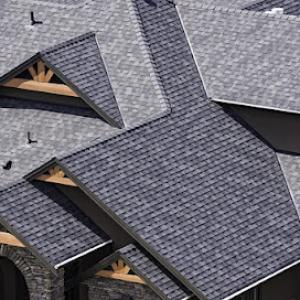
Lifetime Roofing
(517) 550-0070 www.lifetimeroofingmichigan.com
Serving
4.9 from 107 reviews
At Lifetime Roofing, we're more than just roofers—we're trusted neighbors dedicated to protecting homes across Michigan with unmatched integrity, expertise, and a promise of quality that lasts. Every roof we install is built with the best materials and our commitment to excellence. Our licensed and insured team offers transparent, fair pricing and is driven by a mission to provide you peace of mind, knowing your home is safe and secure. Your home is your sanctuary, and we're honored to be the roofing partner Michigan families trust and rely on.
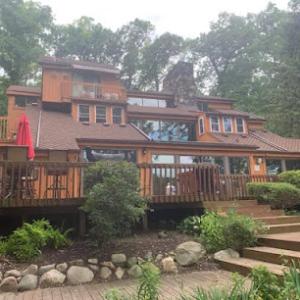
Hect Home Improvement
(810) 243-3303 hecthomeimprovementllc.com
Serving
5.0 from 16 reviews
Hect Home Improvement in East Lansing provides expert roof replacements designed to protect homes from Michigan’s harsh winters, heavy snow, and seasonal storms. Our team specializes in replacing worn or damaged roofs with durable solutions that keep your property safe and energy efficient. We understand the challenges East Lansing homeowners face, from ice buildup to strong winds, and deliver roofing services that stand up to local conditions. At Hect Home Improvement, we take pride in being trusted roofing contractors known for professionalism, quality workmanship, and reliable service throughout the community.
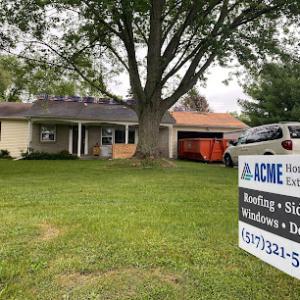
Acme Home Exteriors
(517) 321-5890 acmehomeexteriors.com
Serving
4.9 from 204 reviews
ACME Home Exteriors, located at 5123 Aurelius Rd, is your top choice for a "Roofing Contractor Near Me" in the greater Lansing area, providing expert "Roof Repair," "Roof Replacement," and "Roof Leak Repair" services. As a locally owned business with over 60 years of experience, we are a trusted "Roofing Contractor," offering not only high-quality roofing solutions with GAF Master Elite® certification but also comprehensive "Gutter Installation," "Siding Replacement," and "Window Replacement" services. With a commitment to quality and community, we offer transparent pricing, flexible financing, and free consultations. Contact us to enhance and protect your home today.
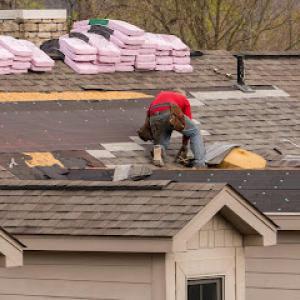
SwiftRoof.co
(313) 288-2335 www.swiftroof.co
Serving
4.8 from 93 reviews
Swift Roofing Contractors located in the Detroit, Michigan Region of Lansing is a full service roofing contractor company. We specialize in Roof Repair, Roof Replacement, and Roof Construction. Our Insurance Claim Team will help you navigate through the roof insurance claim process to assist you in obtaining a roof repairor replacement for your home or commercial business. We are your trusted insurance claim specialists in Detroit and all of Southeastern Michigan assiting you through the entire process. From filing the insurance claim to talking to adjusters and even dealing with all the hassles of making sure you get reimbursed for all covered damages. We make sure your interests are guarded. Contact us today for a free roof inspection!
Prospect Roofing
(517) 684-9464 www.prospectroof.com
Serving
4.9 from 51 reviews
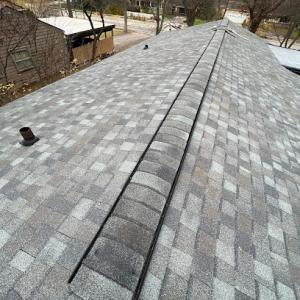
Family-owned and operated, Prospect Roofing has been a trusted name in the Lansing and Grand Rapids areas for over two decades. Our team of skilled craftsmen, comprised of brothers, is dedicated to providing superior roofing services. We specialize in enhancing and protecting your home with exceptional workmanship and high-quality materials, ensuring a durable and beautiful roof for years to come.
Home Pro Roofing
(888) 367-8063 homeproroofingmi.com
Serving
4.7 from 112 reviews
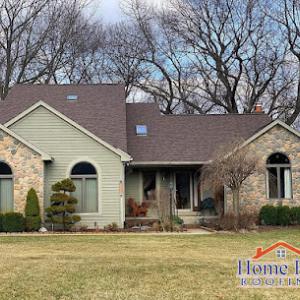
Home Pro Roofing offers the roofing services you need throughout the Michigan area - including roof inspections, repairs, installations and replacements.

Victors Home Solutions
Serving
4.8 from 23 reviews
From our free 21-Point Roof Inspection to our 50-Year Leak Free Guarantee, we’ll protect your home and family for years to come. With almost two decades of roofing experience and a BBB Accredited A+ rating, Victors Home Solutions is the superior roofing and home improvement company across Michigan, Ohio, Kentucky, and Indiana. We provide the highest quality workmanship for residential roof repairs and replacements, seamless gutters, and attic insulation services.
Streamline Enterprises
(517) 742-3042 streamlinecompany.com
Serving
4.6 from 397 reviews
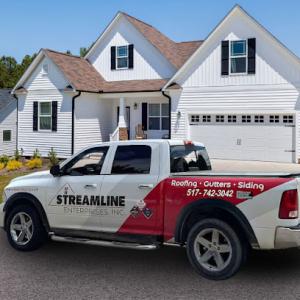
Streamline Enterprises is a roofing company in Lansing, MI. We are a complete home improvement company that does roofing, gutters, insulation, siding, skylights, windows and doors. We have been serving Mid-Michigan since 1998.
Roofing Repair Guy Lansing
(517) 272-8011 www.roofingrepairguy.com
Serving
5.0 from 26 reviews
Roofing Repair Guy Lansing offers high-quality roofing design and services in Lansing. We are seasoned roofers who deliver top quality and budget-friendly roofing services. Get in touch with us on +15172728011.
Erie Home
Serving
4.6 from 570 reviews
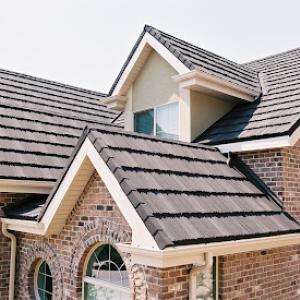
Since 1976, Erie Home has manufactured, supplied, and installed the best-performing roofing on the market. By providing ironclad warranties and convenient financing, we ensure that every homeowner we work with receives top quality service and value for their homes and properties. Erie Home professionals are the roofing company of choice in the greater Lansing, MI area. Whether you need roof inspections or roof damage repair services, Erie Home has been the go-to roofing contractor for nearly 50 years because of our attention to detail and dedication to making sure our customers are satisfied with their results. Contact us today for a quote and see why we're the trusted roofing company Lansing counts on.
CS Roofing Company / FixRoof
(517) 484-8418 csroofingcompany.com
Serving
4.9 from 247 reviews
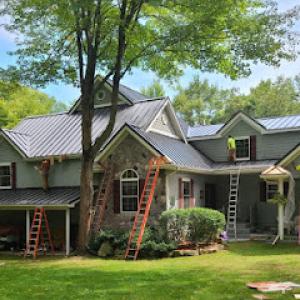
Lansing: Need a reliable roofing contractor in Lansing, MI? CS Roofing Company also known as Fixroof has you covered. We’re a local roofing expert offering roof repair, roof replacement, metal roofing installation, siding, and gutter services across Greater Lansing. Whether you’re in downtown Lansing, East Lansing near MSU, or out in Okemos, our experienced team is ready to protect your home or business. Worried about a leaky roof or storm damage? We’ll fix it quickly and professionally. We even provide honest advice on materials and financing for your peace of mind. For quality service and a roof that lasts, call now for a free estimate!
When budgeting a roof replacement, you'll notice price quotes reflect more than the material itself. Local cost ranges run about $350-$700 per square for asphalt shingles, $800-$1400 for metal, $1500-$2800 for clay tile, $1200-$2000 for concrete tile, $500-$900 for synthetic/composite shingles, and $2500-$4500 for slate. In Okemos, the total bill is often driven by the full package beyond the shingle stack: tear-off if needed, underlayment, flashing, and vent work can tilt the price noticeably. If you're comparing bids, ensure each quote itemizes these components so you're not mixing a lower shingle-only price with a higher, all-in package in another line item.
Asphalt remains the most common choice for Okemos homes. The mid-point costs reflect durable performance through freeze-thaw cycles and ice-dam risk when paired with proper underlayment and adequate ventilation. If your home has steeper pitches or complex roof lines, expect the upper end of the asphalt range. A typical install tied to a robust secondary drainage plan-drip edge, ice/water shield at eaves, and quality flashing-will help mitigate winter damage without pushing you into premium material territory.
Metal roofing skews higher, with typical ranges $800-$1400 per square. In this market, metal shines for storm resilience and rapid installation, factors that matter during late-wallop spring rainfall and fall wind events. The extra upfront is often offset by lower maintenance and longer service life, especially when underlayment and proper attic ventilation are included in the bid. For homes with existing stringent detailing or tall ridgelines, metal can also reduce the risk of ice dam formation by promoting better panel snow shedding.
Clay tile ($1500-$2800) and concrete tile ($1200-$2000) bring distinctive aesthetics and long lifespans but demand careful structural assessment. In Okemos, freeze-thaw cycles test tile edges and fasteners; ensure bids include high-quality underlayment and appropriate venting to handle winter moisture. Concrete tile tends to be less fragile than clay but still increases roof load, potentially affecting existing support structures. Both tile options typically require more thorough flashing and edging work, which explains their higher overall price.
Synthetic/composite shingles offer $500-$900 per square, delivering a balance of durability and flexibility that suits many Okemos homes facing ice-dam risk without the heft and cost of stone alternatives. Slate, while premium at $2500-$4500 per square, can be compelling for homes with the right roof structure and long-term maintenance plan, particularly where aesthetic desirability aligns with climate resilience. For either option, expect the total package to emphasize proper underlayment and venting to counter freeze-thaw stress.
Storm-driven demand surges can tighten scheduling, with a narrow late-spring-to-early-fall window in the Okemos market. If a storm rebuild or early-summer repairs come into play, plan for potential bidding competition and a compressed timeline. Builders will prioritize homes where ice-dam protection and storm readiness are clearly specified, so prioritize those protections in your scope to avoid delays and rework when temperatures flip and freezes return.
Before any roof replacement begins, remember that most municipalities in Meridian Township require a building permit for a full roof replacement in Okemos. The permit landscape is not just about the visible shingles; it governs the tear-off, underlayment, flashing, and vent work. That means your project is reviewed as a whole system, not as a cosmetic upgrade. If the permit is delayed or denied, it can halt a job mid-progress and create avoidable headaches when weather or timelines tighten.
The scope of approval typically extends beyond the visible roofing surface. Tear-off work, underlayment installation, flashing around valleys and penetrations, and vent work all fall under the permit. This is especially important in this climate, where freeze-thaw cycles and ice dam risk can exploit gaps or weak points in flashing and underlayment. Ensuring compliance on these components at the planning stage helps protect the roof's performance through a tough Michigan winter and reduces the chance of rework after a surprise inspection.
A final inspection is required to verify installation quality and code compliance. Building departments may ask for plan details, including roof venting strategies, underlayment type, and waste disposal confirmation before approval or closeout. In practice, that means keeping contractor documents organized and accessible, with a clear record of material choices and disposal methods. If timelines slip, the inspection window can become a bottleneck, especially during peak storm seasons when scheduling inspectors is more challenging. Planning for this can prevent last-minute scrambles and ensure a smoother permit path.
Asphalt shingles remain the dominant local choice, favored for compatibility with typical Okemos roof planes and existing underlayments. The region's recurring freeze-thaw cycles demand careful installation that prioritizes ventilation and a proper attic seal to minimize ice-dam risk. When you choose asphalt, work with a contractor who emphasizes attic ventilation, adequate soffit intake, and a well-sealed ridge vent. In homes with limited attic space, consider baffles or taller soffits to maintain airflow during the warm months and prevent heat buildup that can accelerate aging. Look for shingles with good UV resistance and a laminated design to improve wind uplift performance, especially on exposed facades facing prevailing winter winds.
Metal roofing offers a meaningful upgrade path for homeowners prioritizing snow shedding and durability in the local climate. It tends to shed snow more reliably and can reduce ice dam formation near eaves when paired with a continuous, well-insulated attic and proper flashing. In Okemos, where winter storms and freeze-thaw cycles are common, metal panels or shingles should be installed with attention to panel seams, flashing details at chimneys and valleys, and integrated gutters that handle rapid meltwater. A contractor experienced with metal in mid-latitude climates will ensure the system accounts for thermal movement and snow loads, as well as compatibility with existing sheathing and underlayment. Ventilation remains important even with metal, so continue to prioritize an effective attic air barrier to limit condensation and ice-dam risk.
Clay tile, concrete tile, synthetic/composite, and slate sit in the Okemos mix, reflecting a homeowner base that values curb appeal alongside performance. Structural fit becomes a central concern for these options: verify roof framing strength, appropriate spacing, and a substructure capable of supporting heavier assemblies. Flashing around dormers, valleys, and roof-to-wall transitions needs extra attention because improper detailing can amplify water intrusion during freeze-thaw cycles. Replacement logistics matter here as well-tile and slate require careful handling to prevent breakage, and the installation sequence should coordinate with attic ventilation upgrades and moisture control. If considering these materials, consult with a local roofer who has documented experience with midwest tilt and weight considerations, ensuring the existing ridge and eave details align with the chosen system and that you plan for long-term inspection cycles to catch ice dam risks early.
Explore specialists in steel, aluminum, and standing seam metal roofs built to last 50 years or more.
Skylight work shows up in the local contractor market more often than a rare specialty, and that means you'll encounter it as a recurring roof-detail concern. The most common leaks come from improper flashing where the skylight flange meets the roof plane, plus sealant failures around the curb. In freeze-thaw cycles, ice buildup around the skylight edge pushes on joints and accelerates wear. When you plan a roof replacement, expect the skylight area to be treated as a system-not a one-off patch. A thorough replacement usually includes upgrading the flashing, resealing the curb, and verifying alignment with nearby vents. If the skylight is old or corked, anticipate a full curb rebuild rather than a simple reseal.
Chimneys see steady, localized movement with freeze-thaw, so flashing transitions are a frequent leak point before field shingles fail. The cap, sides, and counter-flashings can separate, allowing water to follow mortar joints down into the attic. In practice, this means inspections should verify that the metal flashing around the chimney is continuous, the step-flashing is tied into the roof properly, and the masonry joints are sound. When a roof is replaced, a chimney flash-upgrade is common: re-flashing with corrosion-resistant metal, resealing mortar cracks, and ensuring the chase cap remains weather-tight. Plan on attention to any venting defined in the replacement scope, since poor transitions here invite slow, creeping leaks.
During the replacement window, check both skylight and chimney interfaces at multiple points in the roof line. Look for old sealant lines that are cracking or peeling, and probe for soft, loose flashing around edges. Probe inside attic spaces for staining or damp insulation near penetrations. A well-coordinated replacement should address both skylight and chimney penetrations as integrated elements of the roof system, ensuring that flashing, vents, and seals are compatible with the new shingles and underlayment.
Find contractors experienced in skylight installation, flashing, and leak repairs to bring natural light into your home.
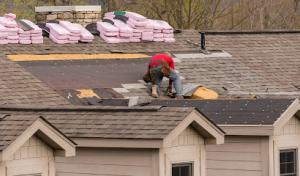
Flat and low-slope roofing is present in the local contractor market even though steep-slope residential re-roofing dominates overall. On additions in Meridian Township, these sections tend to tie into existing structures with shared walls and overhangs. Understanding how Okemos' seasonal moisture swings affect drainage helps protect the entire envelope.
Seasonal moisture shifts between spring thaw and summer humidity make moisture management essential on porches, additions, and attached garage sections. Ensure the low-slope area has a primary drainage path that directs water away from transitions to the main shingle field. Edge details should include proper flashing at penetrations and along parapets to reduce ice dam risk.
Low-slope assemblies in this market often use membranes or single-pply systems compatible with the adjoining steep-slope roof. Check compatibility with existing shingles and flashing materials to avoid differential movement that invites leaks. Favor membranes with proven performance in freeze-thaw cycles and ensure color and texture blend with the main roof for curb appeal.
Plan installation to minimize exposure during late winter thaws and early spring when moisture is most volatile. Coordinate with any attic or crawlspace work to prevent staging moisture near the interior. A well-coordinated sequence reduces the chance of delayed leaks once temperatures swing and humidity rises.
After installation, inspect seams, edge details, and penetrations after rain events and spring melt. In Okemos, prompt attention to any ponding or daylighting at joints helps prevent ice-dam development and keeps the addition performing as a seamless extension of the home.
Find specialists in TPO, EPDM, and built-up flat roofing systems for residential and commercial properties.

Socia's Commercial & Residential Flat Roofing
(586) 945-9581 sociascommercialandresidentialroofing.com
Serving
5.0 from 65 reviews