Last updated: Apr 19, 2026
Granger homeowners contend with winters that pile on both ice and weight. Ice damming forms when roof temperatures vary across eaves and upper slopes, causing melt water to refreeze at the edge and back up under shingles. That freeze-thaw cycle can seep into soffits, ceilings, and wall cavities. Snow load adds a second point of stress on aging or steep-slope systems, increasing the likelihood of shingle lifting, deck exposure, and fascia damage after freeze events. In a climate that swings from subzero mornings to thaw afternoons, the risk is constant and cumulative.
Replacement timing in this area typically avoids winter months because snow, freezing conditions, and inspection logistics complicate tear-off and dry-in scheduling. Dry-in needs are hard to secure when access is blocked by snow and temperatures stay below freezing for extended stretches. The practical pattern here is to target late winter through early spring for planning and late spring to early summer for execution, ensuring crews can clear ice, clear decks, and complete a proper dry-in with underlayment and ventilation intact. This window minimizes weather delays and maximizes a long-lasting installation.
Spring hail and heavy rain in northern Indiana create a second major damage window right after winter, so many Granger roof decisions are driven by back-to-back seasonal stress rather than a single event. Hail can compromise the integrity of shingles, flashing, and ridge caps, while rapid spring rain stresses can reveal previously unnoticed leaks. The risk texture shifts from merely protecting against ice to actively guarding against moisture intrusion during and after storms. A proactive replacement or reinforcement plan counters the cumulative damage that winter and spring storms workload impose on a typical suburban roof.
A proactive homeowner keeps a tight watch on the shoulder seasons, focusing on signs that ice damming is forming or re-forming. After the first thaw, check attic spaces for evenness of insulation and signs of condensation. Look for staining, musty odors, or visible moisture along interior ceilings near walls and around chimneys. Exterior checks should target snow buildup along eaves, gaps in flashing, and any lifted shingles or curl that could channel meltwater toward the fascia. Document issues with dates and photos to streamline a contractor's assessment once the weather window opens.
Prioritize improving attic air sealing and insulation before the next cold snap. A better seal reduces the warm roof zones that feed ice dam formation, while adequate insulation keeps roof decks closer to ambient temperatures, slowing dam development. Install or repair snow guards and ensure downspouts and gutters are clear so quickly melted water runs away from the foundation instead of backing up under the roof edge. If a storm is approaching, do a quick exterior sweep for loose flashing or damaged vent boots and secure small items that could become projectiles or trap ice on the roof edge. Quick, targeted repairs now reduce the severity of storm damage later.
Asphalt shingles remain the dominant choice in this market, and for good reason: they balance cost, ease of installation, and compatibility with typical suburban framing. In this area, freeze-thaw cycles hammer granule retention, brittleness, and overall aging faster than in milder climates. You'll notice wear accelerating after a few harsh winters, especially on exposed eaves and south-facing slopes that see more sun. When planning a seasonal swap or re-roof, expect to address granule loss, potential curling, and the need for robust underlayment and proper attic ventilation to temper temperature swings. The practical path is to choose a shingle with a proven wind resistance rating and a premium sealant strip, then invest in a solid Deck or plywood substrate and a continuous ridge vent system to minimize moisture buildup during the humid Indiana summers.
Metal roofs have meaningful local traction here, largely because snow shedding and wind resistance matter during long winters and busy storm seasons. If you're weighing metal, think about how the panels will align with your attic's ventilation and any existing skylights or venting. In snow-prone periods, the fast shedding of snow can lessen ice-dam risk on slopes with adequate pitch, but proper insulation and a sealed perimeter are essential to keep interior frost and condensation in check. For homes with complex roof lines, consider a standing-seam system or snap-lock panels that reduce ice dam formation along seams. A careful assessment of deck condition is prudent, because metal's long service life can reveal deck imperfections that might go unnoticed with a lighter roofing system. In Granger, the balance tends to favor metal when winter storms are a regular concern and when a homeowner prioritizes minimal maintenance and durable performance through multiple seasons.
Clay tile and concrete tile bring distinctive aesthetics and robust durability, but their weight can challenge aging or marginal decking. If choosing tiles, verify that the existing structural support and underlayment can handle the load, and plan for potential deck reinforcement if the structure shows signs of stress after severe winters. Synthetic or composite shingles offer an appealing middle ground: they mimic the look of natural products while resisting some of the brittleness that mirrors winter stress on traditional asphalt. When winter brings cold snaps, ensure that the underlayment is compatible with the chosen surface material and that installation includes proper slope for drainage to reduce ice buildup at eaves and penetrations. Slate remains possible where a premium, long-life option is desired, but weight and specialized repair knowledge must be considered closely; local crews can assess whether the existing decking and framing are up to the task and how repairs would be handled in harsh winter conditions.
In practice, start each major decision with your existing roof's pitch, deck condition, and attic insulation. For winter reliability, prioritize systems that minimize ice dam risk and maximize wind resistance, then pair any choice with solid attic ventilation and a continuous water barrier. In the shoulder seasons, you'll want a material that performs well under hot, humid summers while resisting granule loss and surface degradation from UV exposure. For upgrades on aging homes, factor in the ability to retrofit underlayment and ventilation alongside the new surface to address Granger's freeze-thaw realities. If you expect frequent hail or storm events, plan for a surface that supports a timely inspection routine after severe weather, so minor damage can be identified and addressed before it compounds.
Hail and wind events in this area don't arrive neatly on a calendar-some winters bring heavy ice, others bring bursts of hail followed by quiet weeks, and many springs carry a mix of both. Indiana's hail and wind claim environment directly affects Granger roofing decisions, especially after spring and summer storm years. When a storm-year pattern hits, the first failures you'll notice are often not on the day of impact, but weeks later as ice dams form and edge shingles begin to fail under repeated freeze-thaw cycles. A steep-slope roof common in the neighborhood can mask early damage, making it easy to delay needed attention until leaks show up inside the attic or ceiling. The takeaway: expect weather-induced wear to pile up after storms, not all at once on impact day.
Insurers serving Granger commonly want date-stamped photos, professional estimates, and adjuster review before approving roof-related payouts. That emphasis on documentation isn't arbitrary; after a harsh storm year, carriers tighten the leash on what qualifies as hail or wind damage and how long coverage remains open. Since a lot of damage shows up as slow leaks or attic moisture rather than a dramatic loss, you'll want to photograph the roof as soon as you notice any suspicious marks, granule loss, or shingle edge separation. Obtain an independent, written estimate from a reputable local roofer who understands how snow load and wind patterns interact with the materials you've chosen. When you reach out for estimates, ensure the scope clearly distinguishes between cosmetic wear and structural or waterproofing concerns. An adjuster will want to see a clear link between the storm event and the observed damage, so keep a record of storm dates, wind speeds when available, and any interior signs of moisture that align with roof line failures.
Individual carriers may tighten underwriting or inspection requirements after severe weather years, so Granger homeowners often need stronger documentation even without a statewide market withdrawal. If a neighbor had a similar claim denied or delayed after the last spring-summer sequence, expect comparable scrutiny. This isn't about being obstructionist; it's about reducing the chance of a partial payout that leaves you with uncovered, critical repairs later. To stay ahead, arrange a preemptive, roof-wide assessment after a major storm-especially if you've observed ice damming or wind-stripped shingles-and secure a written engineer or roofing contractor assessment that ties the damage to specific weather events.
After a hailstorm or high-wind episode, walk the attic with a flashlight to check for gaps, moisture stains, or insulation compression. On the roof, look for exposed fasteners, lifted shingles, or granule bald spots, and note any mismatched flashing near chimneys or vent stacks. If you suspect ice damming, address it promptly with ice and water management details in the scope you present to the insurer and contractor. When you file, submit date-stamped photos, the professional estimate, and a concise narrative linking the storm to observed damage, plus a clear list of any interior consequences. The goal is to secure a stable path to repairs before hidden rot, mold, or structural issues compound the problem, especially in a climate that swings between ice, wind, and storm-driven impact years.
Connect with contractors who help homeowners navigate the claims process from damage assessment to final approval.
Sherriff Goslin Roofing South Bend
(574) 259-3544 www.sherriffgoslin.com
Serving
4.6 from 90 reviews
Granger Roofing Construction
(574) 259-7004 www.grangerroofingconstruction.com
Serving
4.8 from 35 reviews

DMG Exteriors
(574) 367-4600 www.dmgexteriors.com
12743 Heather Park Dr Suite 107, Granger, Indiana
5.0 from 8 reviews
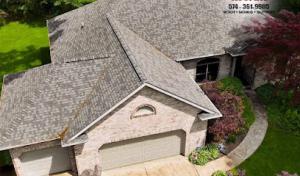
Here at DMG Exteriors, with offices located in Valparaiso, Hobart and Granger, IN, we understand the value of providing top-notch exterior finishes for your residence and business. Known for our expertise, superior craftsmanship, and extraordinary results, we provide best-in-class services that you can trust for all your exterior home needs. Whether you need roofing, siding, or complete home exterior remodeling—our team of experts has you covered! Get a free, accurate estimate for your next roofing, siding, or home remodeling project in Indiana.
Erie Home
Serving
4.6 from 245 reviews
Since 1976, Erie Home has manufactured, supplied, and installed the best-performing roofing on the market. By providing ironclad warranties and convenient financing, we ensure that every homeowner we work with receives top quality service and value for their homes and properties. Erie Home professionals are the roofing company of choice in the greater South Bend, IN area. Whether you need roof inspections or roof damage repair services, Erie Home has been the go-to roofing contractor for nearly 50 years because of our attention to detail and dedication to making sure our customers are satisfied with their results. Contact us today for a quote and see why we're the trusted roofing company South Bend counts on.
No Limit Roofing
(574) 360-0525 www.nolimitroofingin.com
Serving
4.9 from 95 reviews
Welcome to No Limit Roofing - the Roofing Specialists that Greater South Bend, Indiana home and business owners have been choosing for over 15 years. We are the premier locally owned and operated, fully licensed with over 300 certifications in the Roofing industry, insured and bonded serving cities such as Mishawaka, Notre Dame, Granger, Elkhart, Plymouth, Goshen and Greater South Bend, IN. Our owner has over 25 years of experience and supervises all jobs. No Limit Roofing specializes in all Residential, Commercial and Industrial Roofing Restoration Projects including roofing inspections, emergency repairs, maintenance, new construction roof installations and reroofing replacements. Call us today!
Sherriff Goslin Roofing South Bend
(574) 259-3544 www.sherriffgoslin.com
Serving
4.6 from 90 reviews
Sherriff Goslin Roofing South Bend, established in 1906, has been a trusted local roofing contractor in South Bend and Elkhart for over a century. Their skilled team has attained the highest Atlas Pro® Diamond Level Contractor status, ensuring that each residential home, farm, barn, or church they work on receives top-quality roofing services. Sherriff Goslin is dedicated to providing customers with exceptional services, offering free roof inspections, expert estimates, and unparalleled roof repairs and replacements.
Granger Roofing Construction
(574) 259-7004 www.grangerroofingconstruction.com
Serving
4.8 from 35 reviews
BBB A+ rating Servicing St. Joseph County Certified GAF Installers Granger Roofing Construction is proud to be a GAF Certified Roofing Contractor offering home and business owners in the St. Joseph County, Elkhart County, Indiana area high-quality residential and commercial roofing services while keeping the cost affordable. We pride ourselves on the fact that we have helped our customers save more than 40% over our competitor’s prices. We even carry an A+ Rating with the Better Business Bureau.
Rooftech Construction
(574) 217-5712 rooftechconstruction.com
Serving
5.0 from 455 reviews
#1 Roof Replacement Company specializing in roof replacement, roof repair, chimney repair, siding, and all other exterior renovations. Proudly voted Readers Choice #1 Roofing and Siding Contractor 2020. GAF recognizes Rooftech Construction as a MASTER ELITE Roofer. We are licensed, bonded, and insured GAF Certified Roofing Installers, maintaining an A+ BBB rating. Our installers are trained in recent local codes and manufacturer specifications to ensure your roof replacement exceeds all expectations and reaches its full life. We have dedicated technicians available 24/7 to service your emergency roofing needs. We offer FREE estimates and NO MONEY DOWN on Residential Roof Replacements! Our work is backed by our Lifetime No Leak Guarantee!
Angel Construction & Roofing
(574) 485-6600 angelconstructionandroofing.com
Serving
4.8 from 43 reviews
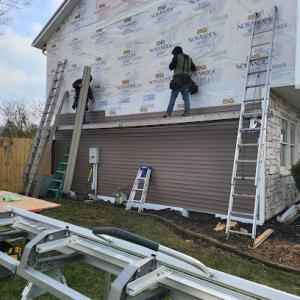
Angel Construction & Roofing is proud to call South Bend home. We are a family owned business. Angel Construction & Roofing has the depth of experience, resources and financial strength to handle residential, commercial and multi-family projects. We’re a Licensed and Certified Roofing and remodeling Contractor that is bonded and insured. Learn more about Angel Construction & roofing and why we’re recommended so highly.
Moreno’s Roofing
(574) 361-9905 morenosroofing.com
Serving
4.8 from 232 reviews
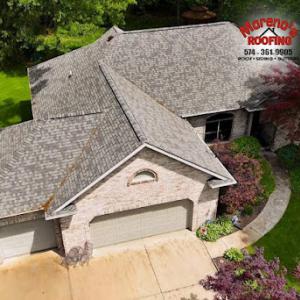
Moreno's Roofing has been serving our community, since 2013, specializing in roof, Siding and Seamless Gutters. We work with insurance claim due to storm damage. Our team offers comprehensive roofing services to ensure your home is secure and protected from the elements.
Horner Roofing & Siding
(574) 318-0316 www.hornerroofingandsiding.com
Serving
4.9 from 274 reviews
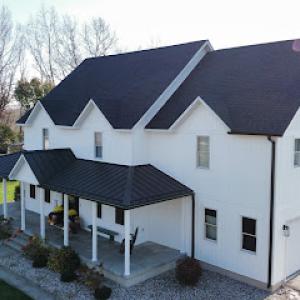
As a premier roofing company dedicated to providing warm, compassionate and helpful customer service, it is important for us to deliver unparalleled workmanship on every assignment, whether it be a new roof or siding installation or repairs. We offer a wide range of services to meet your project needs and ensure durable and cost effective workmanship. As a public service for the Northern Indiana area, you can trust Horner Roofing and Siding. Contact us right away through our website or call in and we'd be happy to do our best to help!
Gold Medal Roofing of Indiana
(574) 777-0856 www.goldmedalroofing.com
Serving
4.8 from 58 reviews
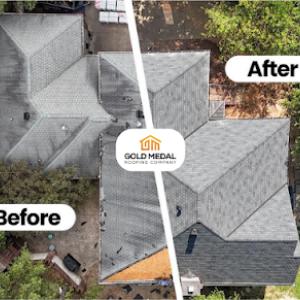
Gold Medal Roofing Company assists thousands of homeowners in getting roof repairs, or a completely new roof, through the insurance claims process. Let our team of licensed roofing contractors walk you through the process and help save you thousands of dollars! Book a FREE inspection today!
Asscher Roofing Company
(574) 234-9380 asscherroofing.com
Serving
4.9 from 114 reviews
We are the Diamond Standard of Roofing Contractors who focus on education, equality and efficiency. Our mission is to provide Northern Indiana with the highest quality roofing services. We do that by putting customers first when it comes with honesty, transparency, and rigorous installation standards. The diamond standard of roofing comes from making sure we treat every roof equally, making sure our customers make an informed decision, and by providing high quality efficiency while making sure our skilled laborers are highly trained. We provide roofing, siding, soffit, fascia, and gutter services the Asscher Roofing way. Call us today for the diamond standard of roofing contractors!
Mr. & Mrs. Handyman/Roofing
Serving
4.9 from 90 reviews
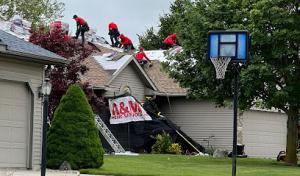
We are a small family business and thrive on giving far more fair prices than our competitors. All work is guaranteed and in writing. We are insured and Bonded in the city of South Bend, Indiana. Helping our community with very fair prices.
In Granger, price expectations should be framed around per-square costs, with asphalt shingles typically at the lower end of the local market and slate and tile at the top. Asphalt shingles commonly run in the 350 to 700 USD per square range, depending on the shingle class and color. Metal roofing sits higher, about 700 to 1200 USD per square. Clay and concrete tiles push into the higher tiers, roughly 900 to 1800 USD per square for clay and 800 to 1500 USD per square for concrete. Synthetic or composite shingles sit between asphalt and natural tiles, generally 450 to 900 USD per square. These anchors help homeowners compare bids without chasing glittery add-ons that don't improve function.
Storm-driven demand spikes in the South Bend-Mishawaka area can push scheduling out and raise labor pricing after hail or wind events. When a hail season hits or a wind event scrambles the local supply chain, contractors may prioritize emergency or high-damage jobs, and crews may charge a premium for expedited work. If your project lands in a tight window, expect longer lead times and potential weekend or after-hours charges to keep crews on track. It's reasonable to encounter bottlenecks on large re-roofs after a storm, especially if multiple roofs are competing for the same crews and material.
Costs in Granger can move up when tear-off reveals decking, flashing, or ventilation corrections that must pass post-job inspection through the county process. If decking is compromised or flashing and ventilation need upgrades, additional labor and materials will be required, and the project may trigger more thorough inspections. Those upgrades can add a few hundred to several thousand dollars depending on the extent of damage and the number of penetrations or vents involved. A thorough pre-job assessment that includes decking and ventilation checks helps prevent surprise bills after the tear-off is underway.
When bids come in, compare not just the bottom line but the scope: is a tear-off included, are temporary repairs or roof protection during work priced, and how are waste disposal and ventilation updates itemized? In winter and early spring, ice dam season can influence scheduling and cost, as crews may allocate time for extra insulation and ventilation fixes to prevent future damming. Ask for a projected timeline that accounts for weather gaps, and request a written contingency for storm-related delays. This clearer setup helps avoid unexpected spikes when the first melt and wind intervals hit the area.
Get a clear picture of your project costs upfront - no commitment required.

DMG Exteriors
(574) 367-4600 www.dmgexteriors.com
12743 Heather Park Dr Suite 107, Granger, Indiana
5.0 from 8 reviews

When planning a full roof replacement in this area, the local building department that serves Granger-area properties typically handles the permit process through St. Joseph County channels. The emphasis here is on accountability and long-term performance: permits ensure that the project meets current code, proper ventilation, and safety standards for winter weather, hail exposure, and the seasonal freeze-thaw cycle that can affect steep-slope re-roofs after storms. Knowing that your roof is a critical component of the home's envelope in this climate helps set expectations for what happens next.
Applicants should expect to submit project scope information rather than treating a re-roof as a no-paperwork job. The scope should clearly describe the replacement material, underlayment type, ventilation strategy, flashing details, decking condition, and any structural work if applicable. In Granger, the review focuses on whether the planned materials and methods align with county code requirements and local conditions, including how the roof will handle winter ice damming and storm-driven moisture. Have a concise layout of phases (demolition, decking, installation, flashing) and a rough timeline ready to accompany the form.
Prepare to attach drawings or schematics of the roof assembly and a brief contractor statement outlining installation steps. The reviewing authority may request additional information on attic ventilation and underlayment choices, especially if the home has an older ventilation configuration or unusual attic geometry common to the suburban housing stock in this area. Submittals that clearly connect the chosen materials to ventilation and drainage plans tend to move through the process more smoothly. Plan for a current code-compliant sequence of work, since the permit review can influence how closeout aligns with weather windows and scheduling with the contractor.
Completed roofing work may be inspected for ventilation, underlayment, decking, and flashing, and that review can affect closeout timing and contractor scheduling. Inspections typically occur at key milestones-before covering work, after decking, and after final installation-with emphasis on how the ventilation and flashing integrate with storm resistance and winter performance. If inspectors identify gaps, the contractor may need to adjust details before permit closeout, potentially affecting the project's timetable. Understanding that inspections are part of the process helps homeowners coordinate access and plan for the inevitable weather-related delays that can occur in Granger's climate.
To avoid bottlenecks, align your roofing timeline with permit readiness, requested scope clarity, and anticipated inspection windows tied to seasonal weather. Communicate openly with the contractor about required documentation and any county-specific forms early in the planning. A well-documented submission that ties material choices to performance against ice damming and wind-driven damage can streamline the permitting path and support smoother scheduling for the roof replacement.
While Granger is primarily a steep-slope re-roof market, local contractor signals show enough low-slope work to warrant attention for additions, porches, and attached garage sections. These areas often sit adjacent to a main roof that sheds water differently, creating a mixed-drain scenario. Because winter snow sits longer and spring rain follows before full drainage resumes, low-slope attachments can accumulate ice, pooling water, and hidden moisture if not properly detailed.
Look for additions with a flat or gently pitched porch roof that ties into the main roof line. Garages that share a bay or valley with living space can create drainage bottlenecks where ice damming forms early and lingers. Mixed-roof homes may have steeper main slopes paired with flatter accessory sections; these require targeted inspection to verify flashing continuity, edge detailing, and proper snow and ice channels. In Granger, failure to separate or properly integrate these sections often leads to intermittent leakage after extended winter exposés.
Start with a walk-around after a thaw to spot surface staining, weep holes, or ridge vent gaps near junctions. Inspect flashing at the perimeter of low-slope additions and where they meet steeper roofs; ensure sealant joints haven't pulled away from the substrate. Check under-eave drainage paths for clogged gutters or sagging sections that slow meltwater. In spring, pay attention to signs of slow drainage or damp insulation in attic access points near the attached garage or porch.
Keep ridge and soffit vents clear to promote cross-ventilation that helps dry these zones after storms. Consider seasonal resealing of low-slope flashing and reassessing each spring after the snowmelt and rain cycle. When in doubt, have a local roofer confirm the continuity of the drainage plan from the main roof through the low-slope addition to prevent ice damming and water intrusion.
Find specialists in TPO, EPDM, and built-up flat roofing systems for residential and commercial properties.
Angel Construction & Roofing
(574) 485-6600 angelconstructionandroofing.com
Serving
4.8 from 43 reviews
Reliable Roofing & Construction
(574) 302-7977 www.reliableroofingonline.com
Serving
4.7 from 116 reviews
In this area, chimneys and skylights are frequent leak culprits during repeated freeze-thaw cycles and wind-driven rain. Start with a careful inspection after storms: look for loose flashing, degraded sealant around skylight frames, and mortar joints around chimneys that show hairline cracks or spalling. When gutters and downspouts clog, water has fewer places to go, pressing against these penetrations. If you notice damp spots on ceilings below a chimney or around a skylight, address flashing first. For an owner-initiated check, run a bead of exterior-grade sealant along the flashing seam and reseal any worn joints after cleaning away debris. A professional should re-flash or replace deteriorated metal if signs of rust or continuous leaks appear.
Fall leaf buildup is a notable wear factor in this climate, contributing to clogged valleys and blocked drainage long before snow hits. Before the first snowfall, perform a thorough cleanup of valleys, louvers, and around skylight flashing. Remove leaves from around the chimney chase and ensure any venting around attic penetrations remains clear. Pay attention to debris buildup in gutters and at roof edge intersections; blocked drainage increases standing water and ice dam risk. This proactive cleanup helps prevent water from pooling at critical seams during thaw cycles.
Cleanup is a strong local hiring priority after tear-offs and storm repairs, reflecting suburban homeowner expectations for prompt, tidy service. When scheduling work, coordinate a post-installation cleanup that includes removal of debris, stray nails, and any damaged flashing materials. Ask contractors to document the condition of chimneys and skylights after cleanup, so there is a clear record if seasonal inspections reveal new issues. A clean, dry roof surface with properly secured flashing reduces the chance of late-season leaks once winter storms roll in.
Find contractors experienced in skylight installation, flashing, and leak repairs to bring natural light into your home.
Granger Roofing Construction
(574) 259-7004 www.grangerroofingconstruction.com
Serving
4.8 from 35 reviews