
Last updated: Apr 19, 2026
Spring in this part of the country brings hail and high winds that can leave hidden damage across a roof you thought was fine after winter. Shingles can bruise, tabs can lift, flashing can bend, and leaks often show up after a few warm days or a late-season shower. Because you're dealing with freeze-thaw cycles and persistent precipitation, what looks like ordinary wear may actually be storm-related damage that worsens if left untreated. When a storm hits, timing matters: the sooner you inspect, document, and act, the better your roof's chances of a solid claim and a proper repair.
Begin with a careful walkaround after the wind dies down and the hail stops. Look for bruised or dented shingle surfaces, lifted tabs, and torn or displaced flashing around chimneys, vents, and joints. Inside, keep an eye out for new signs of moisture: dark spots on ceilings and damp insulation in attic spaces. Take clear photos from multiple angles-roof edge, valleys, and the most exposed sections-to show the extent of impact. Be sure to photograph any granule loss in gutters or downspouts, which often signals compromised shingles. If you have access to the attic, snapshot any staining, water trails, or condensed moisture near decking. These images are your best evidence during the claim process and can help separate storm damage from preexisting wear.
Storm season claims often trigger a rapid inspection window, so have your documentation ready for the adjuster. Start a damage timeline: note the date of the storm, the type of wind or hail reported locally, and when you first observed issues. If you notice new leaks after heavy rains, document those occurrences with dates and corresponding weather events. Keep all receipts for temporary fixes, like tarping or plywood, and maintain a simple record of any professional assessments you obtain. Front-loading this information helps adjusters determine whether damage is recent or part of ongoing deterioration, which is a common point of scrutiny in this market.
Choose a local, experienced roofer who understands how Elkhart's mix of homes behaves under freeze-thaw stress and how spring wind-driven damage tends to present on varied roof slopes and deck conditions. When meeting the adjuster, have your photo log, the storm date, and the attic moisture notes ready. A well-prepared claim packet can shorten the inspection window and guide a fair assessment of what needs replacement versus repair. If the adjuster questions whether damage is preexisting wear, be prepared to contrast your storm-related photos with prior roof records or prior contractor notes. Clear, organized documentation reduces back-and-forth and keeps the claim moving toward timely, proper repairs.
Find local contractors experienced in assessing and restoring roofs after hail, wind, and severe weather events.

Elkharts Best Home Services
(269) 352-5351 besthomeservicesmichiana.com
Elkhart, Indiana
5.0 from 352 reviews
Relentless Roofing
(574) 218-0642 relentlessroofingco.com
24021 US-33, Elkhart, Indiana
5.0 from 259 reviews
Roof Pros
(574) 651-9028 www.likeroofprosinc.com
122 W Washington St, Elkhart, Indiana
4.9 from 87 reviews

Elkharts Best Home Services
(269) 352-5351 besthomeservicesmichiana.com
Elkhart, Indiana
5.0 from 352 reviews
Elkhart’s Best Home Services is a locally owned roofing and restoration company specializing in insurance claims, emergency repairs, and fire and water damage restoration. We are committed to providing fast, reliable service with high-quality craftsmanship and compassionate customer care. When disaster strikes, our expert team responds quickly to restore your home or business, ensuring a smooth insurance claim process and hassle-free repairs. From storm-damaged roofs to water and fire restoration, we deliver durable solutions that protect your property and bring peace of mind. With a reputation built on trust and 350 five-star reviews, we are Northern Indiana’s #1 choice for roofing and restoration services.

Relentless Roofing
(574) 218-0642 relentlessroofingco.com
24021 US-33, Elkhart, Indiana
5.0 from 259 reviews
Relentless Roofing provides expert roof replacement, roof repair, storm and hail damage restoration, and full insurance claim assistance for homeowners in Elkhart, Goshen, Granger, Mishawaka, South Bend, Nappanee, Middlebury, Bristol, and nearby communities. Our team delivers fast inspections, detailed documentation, clear communication, and clean job sites. We handle roofing, siding, gutters, windows, and full exterior restoration with relentless quality and reliability. With financing available, we offer flexible payment options for all your home improvement needs. When you want a contractor trusted across Michiana for honest service and long-lasting results, choose Relentless.
Roof Pros
(574) 651-9028 www.likeroofprosinc.com
122 W Washington St, Elkhart, Indiana
4.9 from 87 reviews
Roof Pros takes great pride in our new roofs, quality workmanship you deserve from leak repairs to complete new roofing system. We do both Residential🏘 & Commercial 🏢 roofing, shingles flats and metals. License-Bonded-Insured

Green Improvements
(574) 231-7026 www.greenimprovementsllc.com
1001 Sako Ct, Elkhart, Indiana
4.9 from 31 reviews
Green Improvements is the premier commercial roofing contractor serving Elkhart, Goshen, Warsaw and beyond. From manufacturing facilities to retail and commercial buildings, we offer proven solutions tailored to meet your industrial roofing and building envelope needs, along with your budget. Green Improvements strives to create five-star satisfaction for our customers by providing superior products, elite customer service and superior workmanship in a timely and professional manner.
Peachey's Roofing & General Construction
(574) 536-7554 www.peacheysroofingandgeneralconstruction.com
Elkhart, IN
5.0 from 12 reviews
Get peace of mind with a top-notch roof that can safeguard your home or business. Peachey's Roofing and General Construction has been the go-to expert roofing contractor in Goshen, Indiana, for over 35 years, providing the best roofing services. Our skilled team of professionals uses only the highest quality materials and equipment ensuring your roof will last for a long time. We're dedicated to excellence and surpassing your expectations.
Dreamscape Creations
(260) 214-4532 www.dreamscapecreations.org
Elkhart, Indiana
5.0 from 12 reviews
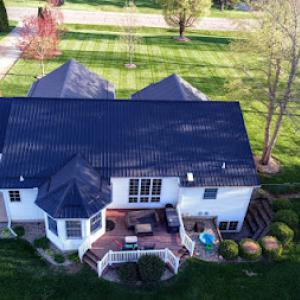
When you think of your marriage, family or friends … what are your dreams? Are any of those dreams connected into your home? We're proud to introduce ourselves as the hometown construction company of the Michiana area, we personally can help you with any project connected to your home or we will introduce someone else who can. We are here to serve the community and make the world a better place.

American Builders
4351 Pine Creek Rd, Elkhart, Indiana
5.0 from 10 reviews
American Builders is a commercial roofing contractor specializing in Elkhart, Indiana. They serve Indiana, Michigan, Ohio, and Illinois. They offer expert roof repair and commercial roof replacement services for commercial properties. Commercial roof restoration is also provided!
Gemini General Contracting
(317) 575-6418 trustgemini.com
1921 Lane Ave, Elkhart, Indiana
4.7 from 20 reviews
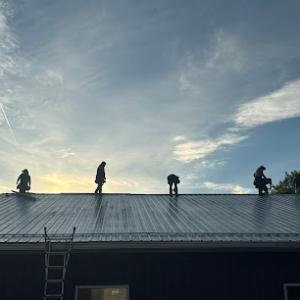
Gemini General Contracting is a family-run roofing and restoration company proudly serving the greater Midwest for over 20 years. With an A+ rating from the BBB, we’ve built our reputation on trust, quality workmanship, and personalized service. We specialize in both commercial and residential roofing, siding, and gutter solutions, helping property owners protect and enhance their investment. Whether you’re managing a large-scale commercial project or taking care of your family home, our experienced team delivers reliable results with integrity and care. At Gemini, we’re big enough to handle complex projects, yet small enough to treat every customer like family.
Pinnacle Roofing & Construction
3216 Cherry Tree Ln, Elkhart, Indiana
4.5 from 10 reviews
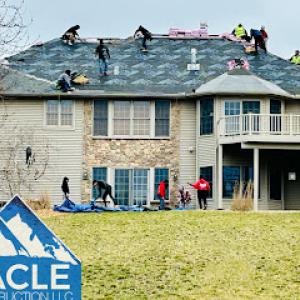
Pinnacle is built on our founders' unique vision of the Roofing Industry. Our commitment is to do the job right the 1st time and always do what we say we will do without exception. By consistently offering 5-star service to our customers through great communication, teamwork, and quality workmanship, we develop an ideal where ‘just doing the right thing’ is embraced above all else. We believe that while working on a customer's project, their home is our #1 priority, no matter how big or small the job is until the job is finished.
Renew Roofing
(574) 312-0446 www.roofsrenewed.com
Elkhart, IN
5.0 from 4 reviews
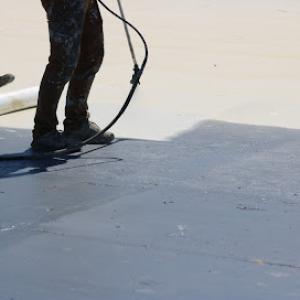
The team at Renew Roofing are experts in all areas of commercial roofing. Whether you have shingles, PVC, EPDM, TPO, or metal on your roof, we have the answer for your business. We have dedicated years to making sure we are on the leading edge of all things in the roofing industry. Our knowledge and extensive network allows us to take on any project from the biggest roof restorations to the smallest of repairs, and everything in between. We pride ourselves on our world-class customer service and professional craftmanship. When you choose Renew Roofing, we are committed to providing you with the skills and integrity to make sure the job is done right.

Expert Roofing & Basement Waterproofing
(574) 266-0088 www.expertroofingmichiana.com
1003 Borg Rd, Elkhart, Indiana
5.0 from 4 reviews
Indiana & Michigan's #1 Choice! Expert Roofing offers complete roof replacement, gutters, fascia, and soffit as well. The company services residential and commercial applications. Expert Roofing offers FREE inspections and FREE estimates. Lifetime warranties on all services provided.
Moreno’s Roofing
(574) 361-9905 morenosroofing.com
Serving
4.8 from 232 reviews
Moreno's Roofing has been serving our community, since 2013, specializing in roof, Siding and Seamless Gutters. We work with insurance claim due to storm damage. Our team offers comprehensive roofing services to ensure your home is secure and protected from the elements.
In Elkhart, homeowners tackle re-roof projects with an eye on storm season and the way it bites into timing. Spring hail and gusty winds can reveal weaknesses around existing roof penetrations, including roof windows. When planning a replacement, choose windows that are sized and oriented to minimize stress from wind uplift and hail impact. Prioritize units with robust glazing and reinforced frames, and confirm the installation plan accounts for the extra weight and potential movement common in northern Indiana springs. The goal is to avoid a second round of work caused by weather-driven damage.
Spring and fall storms drive the most disruption to re-roofing windows. In Elkhart, winter freezes and snowfall complicate tear-off, decking exposure, and material handling, so many homeowners target spring for a full replacement. If heat and humidity spike in summer, production can move faster, but year-round precipitation means crews still need to plan around rain interruptions even outside peak storm season. A practical approach is to align window purchases with a window of drier, moderate weather in late spring or early fall, minimizing risky conditions that can affect sealant curing and flashing. Avoid mid-winter work whenever possible, as freeze-thaw cycles can compromise fasteners and gaskets.
For re-roofing windows in this climate, laminated or tempered glass with impact resistance helps withstand hail without compromising visibility. Consider double or triple-pane designs for efficiency and long-term performance, especially if the attic space doubles as a living area. Look for low-emissivity coatings and gas fills that reduce heat transfer during hot summers and preserve interior comfort. In addition, choose leak-proof flashing systems tied into the roof deck with corrosion-resistant fasteners. A well-sealed flashing plan around the window edge prevents wind-driven rain from finding its way under the shingles during a storm.
Experienced crews in the area treat roof windows as high-stress penetrations. The installation should include a continuous underlayment layer beneath the entire section, with an integrated drainage path that directs any incidental moisture away from the window framing. Ensure proper nailing patterns to resist wind uplift, and verify that shingle courses align cleanly with the window flange to avoid step-cut gaps. Ventilation around the attic cavity remains crucial; plan for adequate intake and exhaust near the window area to prevent condensation and preserve roof insulation integrity after re-roofing.
After installation, conduct a thorough inspection of the flashing joints, sealants, and the window frame itself. Look for any signs of micro-movement after a few spring storms, and note door or vent interference that could compromise operation during heavy winds. A reputable local crew will provide a detailed warranty on both the window unit and the labor, with emphasis on weather resistance through multiple seasons. Regularly inspect the window seal and flashing during fall checkups, especially after hail events or strong winds.
When you can't wait, these contractors offer fast response times to stop leaks and prevent further damage.
Elkharts Best Home Services
(269) 352-5351 besthomeservicesmichiana.com
Elkhart, Indiana
5.0 from 352 reviews
Relentless Roofing
(574) 218-0642 relentlessroofingco.com
24021 US-33, Elkhart, Indiana
5.0 from 259 reviews
Roof Pros
(574) 651-9028 www.likeroofprosinc.com
122 W Washington St, Elkhart, Indiana
4.9 from 87 reviews
Asphalt shingles are a practical fit for Elkhart because they balance cost with replacement frequency in a market exposed to hail, wind, and freeze-thaw cycling. In spring hail events, asphalt shingles tend to show cosmetic hail damage first, followed by potential granule loss that can accelerate wear if underlayment and ventilation aren't up to par. The practical takeaway is that quality shingles paired with proper installation and a sound underlayment can keep repairs manageable after a storm. Look for shingles with higher impact resistance ratings and a mineral-saturated felt underlayment that helps manage moisture during those Indiana spring swings. If a roof has aged shingles or a history of wind uplift, upgrading the underlayment and ensuring flashed edges are solid can extend service life and reduce the likelihood of interior moisture issues after a hail event.
Metal roofing has strong local relevance in Elkhart because snow shedding, durability, and long-term weather resistance appeal to homeowners dealing with cold winters and repeated precipitation. Metal can shed snow more efficiently, which reduces the risk of ice dam buildup on low-slope roofs common in the region. Its resilience to wind can also lessen the chance of panel uplift during spring storms. The key to performance is choosing a profile and coating that suit your climate-low-profile panels with a corrosion-resistant finish perform well in damp springs and salty street environments. Proper insulation and a solid ventilation strategy underneath the metal roof help manage condensation and heat transfer during rapid temperature swings. In hail-prone years, a protective underlayment and correct panel fastening play a big role in preventing denting and keeping the roof watertight long after the storm passes.
Tile, wood, and composite options exist in the market, but their performance in Elkhart depends heavily on structure, underlayment, and moisture management rather than appearance alone. Clay and concrete tiles offer excellent longevity and a distinctive look, yet they demand a robust roof deck and careful framing to handle weight and freeze-thaw cycles. Concrete and clay tiles can shed water effectively and resist wind uplift when installed with proper batten systems and high-quality underlayment. Wood shingles and shakes provide natural aesthetics and good insulation, but they can be more susceptible to moisture damage, warping, and insect intrusion if ventilation and drainage aren't carefully managed. Composite or synthetic options can mitigate some of these concerns by combining durable cores with moisture-resistant facings, but the installation quality remains critical to performance, especially in a climate with fluctuating temperatures and spring storms. The practical approach is to pair any tile-like or wood option with an appropriate underlayment system, deliberate attic ventilation, and a deck that can handle the load without compromising framing integrity.
Across Elkhart's varied housing stock, the best choice balances the climate realities with the underlying structure. Homes with modest attic ventilation or older decks benefit from materials that tolerate moisture and provide solid underlayment options. In newer or well-ventilated homes, metal or high-grade asphalt can deliver durable performance with manageable maintenance after hail and wind events. For those facing repeated spring storms, the resilience of the roof depends as much on correct installation and moisture management as on material choice. A thoughtful combination of strong underlayment, appropriate ventilation, and meticulous flashing details will help any roof hold up through Elkhart's unique blend of freeze-thaw cycles, hail, and windy springs.
Explore specialists in steel, aluminum, and standing seam metal roofs built to last 50 years or more.
Relentless Roofing
(574) 218-0642 relentlessroofingco.com
24021 US-33, Elkhart, Indiana
5.0 from 259 reviews
Roof Pros
(574) 651-9028 www.likeroofprosinc.com
122 W Washington St, Elkhart, Indiana
4.9 from 87 reviews

Dreamscape Creations
(260) 214-4532 www.dreamscapecreations.org
Elkhart, Indiana
5.0 from 12 reviews
A full re-roof in Elkhart generally requires a permit through the City of Elkhart Building Department before work proceeds. Before lifting the old shingles, confirm that the project plan aligns with current residential roofing code and local ordinances. Starting without a permit can trigger rework, fines, or delays when the inspectors come through.
The local process typically involves submitting a straightforward application, paying the associated fee, and providing basic verification of property details. If a storm-damaged roof is being replaced, be prepared to document the damage and any temporary repairs that were made to protect the home. An accurate scope of work and estimated timeline help the Building Department process the permit smoothly. Keep a copy of the submitted documents in the job trailer or on site so the inspector can reference them easily.
Inspections commonly occur before shingles go down and again at final. The pre-shingling inspection focuses on approved deck preparation, flashing at penetrations, ventilation, and the integrity of underlayment. The final inspection confirms that the installation complies with code requirements and that the work matches the permit scope. In some cases, the inspector may request adjustments or corrections if fastener patterns, attic ventilation, or underlayment details aren't up to standard. Plan for a morning or early-afternoon window and have access to the roof, attic, and any exterior work areas.
Inspectors in this jurisdiction commonly check ventilation, underlayment, and compliance with current code. Proper ridge and soffit ventilation helps with winter moisture and summer heat in northern Indiana; inadequate flow is a frequent follow-up item. Underlayment should be installed with proper overlaps and coverage to shed wind-driven rain, especially after spring hail events that can compromise the decking. Ventilation components, including intake and exhaust paths, should be visible and unblocked. If the permit is supposed to be on site with visible permit information, ensure the permit card or stamped paper is mounted in a weatherproof location where the inspector can readily see it.
Keep your permit number and the inspector contact handy, and schedule weather-conscious windows for inspection days. If a contractor claims that an inspection isn't needed or that a late change doesn't require re-notification, verify with the Building Department. Clear communication with both the contractor and the city prevents gaps that could stall a spring re-roof after a damaging hail season. Remember: a visible permit on site isn't just a formality-it's your assurance that the work will be reviewed against current code standards.
In Elkhart, the numbers you'll see for a roof replacement tend to follow the local product mix and the weather-driven realities of Northern Indiana. Asphalt shingles are the entry point for most homeowners, with other materials spanning a wide range up to premium tile options. The typical per-square price ranges you'll encounter are: Asphalt Shingles 350-650 USD per square, Metal 600-1100, Clay Tile 1000-2000, Concrete Tile 700-1200, Wood Shingles/Shakes 800-1500, and Synthetic/Composite 500-900. Those figures reflect a neighborhood where a square (100 square feet) isn't small, and where the roof often has to withstand freeze-thaw cycles, spring hail, and gusty winds.
Spring hail and wind drive schedules as much as anything in this market. After a big storm, crews that can offer fast-turnaround tear-offs and a dry-in for weather windows can command a premium, and local crews may tighten calendars to fit emergency requests. If the storm season hits, you should expect a tighter window between decision and installation, with costs nudging upward in the short term due to demand and the need for quick safety coverage.
Seasonal workability and decking or ventilation concerns also show up in Elkhart pricing. Winters and repeated moisture exposure can expose decking, ventilation, or underlayment problems that require attention during the replacement. If moisture damage or poor ventilation is found, costs can climb beyond baseline material prices to address proper underlayment, venting, and insulation considerations. In contrast, a straightforward shallow repair in a relatively dry season might stay closer to the low end of the ranges.
Material choice matters for long-term value in this market. Asphalt remains the practical entry point for many homes, while tiles push the budget but offer durability and a distinctive look. The best approach is to compare the late-wall installation window, anticipated storm activity, and the home's existing structure against the per-square costs listed, then choose a solution that aligns with both immediate needs and long-term performance.
Don't let upfront costs delay a critical repair - these contractors offer payment plans to fit your budget.
Relentless Roofing
(574) 218-0642 relentlessroofingco.com
24021 US-33, Elkhart, Indiana
5.0 from 259 reviews
Roof Pros
(574) 651-9028 www.likeroofprosinc.com
122 W Washington St, Elkhart, Indiana
4.9 from 87 reviews

Gemini General Contracting
(317) 575-6418 trustgemini.com
1921 Lane Ave, Elkhart, Indiana
4.7 from 20 reviews
In Elkhart, roof insurance outcomes often depend on detailed documentation because Indiana claims commonly turn on photos, scope clarity, and whether damage is separated from prior wear. You should gather a clear before-and-after trail, with dates, and captions that explain what each photo shows. The goal is to demonstrate how hail impacts distinct areas versus pre-existing concerns like aging shingles or minor flashing wear. Insurers will look for a coherent path from initial report to repair scope, so organize images in a logical sequence and keep copies of any written statements from contractors.
Local code-related items such as wind-rated shingles and underlayment can affect claim scope, so homeowners here need contractor and insurer documentation to match closely. Have your contractor specify the exact shingle model, wind rating, and the underlayment system used, and confirm whether they match the roof's current surface and any previous installations. When discussions turn to replacement rather than repair, ensure the claim describes material equivalence or upgrades and notes any matching concerns with neighboring homes' appearances.
Because hail and wind are the dominant claim drivers in this area, homeowners should document all elevations, accessories, and interior leak evidence before temporary repairs alter the scene. Take elevations of each roof face, note vent caps, skylights, and drip edges, and photograph interior signs of leakage-stains, stains on ceiling joints, or attic moisture. If a tarping or quick fix is needed, capture the setup and the surrounding context so adjusters can see the true scope and avoid disputes about what was present prior to repairs.
Connect with contractors who help homeowners navigate the claims process from damage assessment to final approval.
Elkharts Best Home Services
(269) 352-5351 besthomeservicesmichiana.com
Elkhart, Indiana
5.0 from 352 reviews
Relentless Roofing
(574) 218-0642 relentlessroofingco.com
24021 US-33, Elkhart, Indiana
5.0 from 259 reviews
Roof Pros
(574) 651-9028 www.likeroofprosinc.com
122 W Washington St, Elkhart, Indiana
4.9 from 87 reviews
In Elkhart, repeated freeze-thaw exposure can turn small flashing or shingle defects into active leaks over winter and early spring. Tiny gaps that seem insignificant after a light freeze can widen when water expands as it refreezes, pushing under shingles and around vents. The result is moisture migration that doesn't always show up as a drip right away, but weakens the decking and invites rot. If you've noticed hairline cracks around chimneys, vent pipes, or step flashing, treat them as a prelude, not a novelty. Addressing these early signs can prevent a larger, messier repair later.
High winds during storm season commonly show up as lifted or missing asphalt tabs, ridge damage, and edge vulnerability on aging roofs in this market. Shingles that once laid flat can curl or peel at the edges when wind loads peak, and fasteners can loosen over time. A single strong gust can expose underlayment or create pathways for water to move inward. If your roof is older or the design relies on marginal fastenings, expect more frequent hail and wind-driven stress at the edges and ridges. Regular inspections after storms help catch loose tabs before they become active leaks.
Because inspectors here pay attention to ventilation and underlayment, many replacement projects uncover that moisture control details were part of the original failure rather than the shingles alone. Poor attic ventilation can cause condensation and trapped humidity, which accelerates deck rot and nails corrosion. In two-story or attic-heavy homes, lack of proper venting amplifies heat and moisture, stressing seals and allowing slow leaks to progress. When panels, valleys, or roof-to-wall connections show signs of moisture damage, it's often tied to an overlooked moisture management system rather than a single defective shingle.
Look for consistent patterns: repeating leaks in the same orientation after storms, or moisture showing up years after a strong winter. Track weather events and correlate with any indoor damp spots. Schedule targeted inspections that focus on flashing transitions, ridge lines, edge fasteners, and attic ventilation pathways. If a problem is found, prioritize a comprehensive approach that addresses underlayment and ventilation along with surface repairs, since the hidden moisture path is frequently the root cause.
Find contractors experienced in skylight installation, flashing, and leak repairs to bring natural light into your home.
Pinnacle Roofing & Construction
3216 Cherry Tree Ln, Elkhart, Indiana
4.5 from 10 reviews
Granger Roofing Construction
(574) 259-7004 www.grangerroofingconstruction.com
Serving
4.8 from 35 reviews
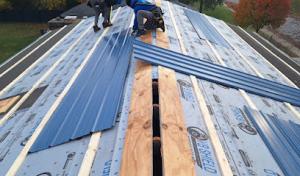
Elkhart's mix of steep-slope homes and commercial roofs means not every contractor advertising broadly is equally prepared for a home replacement after a spring storm. The best choice prioritizes storm workflow: rapid response, secure temporary protection, and a disciplined cleanup plan that minimizes interior damage and keeps your yard from becoming a dump site. A local firm with a steady presence is more likely to follow through on warranty paperwork and insurance liaison, which matters after a big hail or wind event.
When you start contacting candidates, ask for a clearly defined storm-response timeline: how quickly they can stage tarps, secure the roof, and begin the replacement, and what happens if weather interrupts progress. Look for a portfolio that includes detailed project flow on steep-slope homes, not just commercial facades. Request a written start-to-finish schedule and a documented cleanup protocol, including nail removal and debris containment. Check references specifically from jobs in neighborhoods with similar roof types and winters.
A practical contractor will walk you through venting and underlayment specifics, since those details are scrutinized after storm-related work. Expect clear explanations about roof venting placement, attic airflow improvements, and how the chosen underlayment handles freeze-thaw cycles in northern Indiana. Insist on a measurable workmanship warranty, and confirm who handles insurance paperwork and any necessary supplementary inspections after the install. If a contractor offers a "one-and-done" approach without follow-through, treat it as a red flag.
Pay attention to crew maintenance and on-site behavior. In a market where long-established firms have a meaningful presence, you should see veteran crews, organized staging, and a solid plan for house and property protection during work. After the job, expect a thorough cleanup and final walkthrough to confirm roof lines, flashing, and sealants meet the agreed standards. A solid contractor will document the finish with photos and provide written warranty details for future storms.