
Last updated: Apr 19, 2026
This part of South Jersey throws a mixed bag of weather at roofs: winter freeze-thaw cycles that crack shingles and loosen fasteners, spring rain that can overwhelm gutters and flashings, summer heat that ages materials and expands sealants, and tropical storm-season winds that test every ridge cap and edge. Those swings mean homeowners in this area cannot count on a single dominant roofing window. Instead, the risk calendar is spread out, with the heaviest pressure coming from sudden weather events rather than a predictable dry spell. When a storm roars through, every home's weakest point-loose flashing, failing seals, or compromised joints-becomes a potential leak source. The practical takeaway is simple: monitor after every significant rain or wind event, and treat any sign of moisture near seams, chimneys, or vents as an active leak.
In this portion of South Jersey, installation conditions improve most reliably when the air is cooler and moisture is lower, which makes spring and fall the preferred seasons for replacement projects. Summer heat can bake asphalt and warp certain underlayment, while winter cold can hinder adhesive cures and roof-constructor access. When planning a roof swap or major repair, align the work with those more temperate seasons to reduce the chance of delays from heat, humidity, or frost. If a leak progresses into a replacement decision, prioritize a weather-tinged window that minimizes exposure risk and defers ongoing moisture intrusion until temperatures are comfortable enough for crews to work steadily. Flexible scheduling with a trusted local contractor helps catch storms before they compromise fresh installations or leave interior spaces weather-worn during peak wind events.
Local contractors report a surge in demand for emergency repairs after storms, and the pattern is clear: active leaks prompt urgent attention, especially during storm season. If a roof is actively leaking, act quickly. Protect valuables with temporary tarps or buckets, and document your leak with photos before a temporary fix is arranged. When contacting a contractor, describe the storm event, the affected area, and any prior signs of damage you noticed even before the current event. Expect a fast triage call-back for urgent repairs and a scheduled visit as soon as weather allows. Having a ready-to-go maintenance kit-sturdy tarps, heavy-duty zip ties, and a temporary sealant-can buy critical hours to limit interior damage while a professional team arrives.
In Mays Landing's climate, roofs most often reveal their vulnerabilities at flashings around skylights and chimneys, vent pipe penetrations, and where old sealants have dried out. Shingle edges can lift in gusty winds, while freeze-thaw cycles create micro-cracks that permit moisture intrusion. A leaky roof often starts small-drips around a seam after a rainstorm-and, if ignored, compounds into damp attic spaces or stained ceilings. Keep a mindful eye on attic insulation and ventilation, since poor airflow magnifies condensation risk inside the roof deck. Regularly inspect for curled or missing shingles after heavy storms, and address any warning signs promptly to prevent water ingress from expanding into bigger problems.
Because this area experiences rapid weather shifts, a proactive plan matters. Schedule semiannual inspections with a trusted local roofer who can spot soft decking, compromised flashing, and wind-damaged ridge lines before they fail. Prepare a simple storm response kit for the attic: a flashlight, a handful of high-quality roof patches, sealant tape, and a roll of roofing cement to cover small, immediate leaks until a pro can seal them properly. When a storm warning is issued, clear gutters and downspouts of debris to prevent backup, and ensure ground-level drainage around the home is unobstructed so water doesn't pool against the foundation where shingles meet the fascia. Acting with urgency now reduces the risk of major interior damage when the next storm hits.
In this climate, asphalt shingles are the dominant practical choice for typical homes in the area. They balance cost, availability, and local weather resilience, handling the regular rain and freeze-thaw cycles without demanding a heavy roof structure. For steady performance, focus on good underlayment, proper attic ventilation, and a well-sealed drip edge to shed moisture quickly after storms. When inspecting or planning a replacement, pay attention to granule loss and edge lifting, which tend to show up after a few aggressive spring and fall temp swings. A solid asphalt system will shed water reliably and stay fastened through seasonal shifts, which matters more than appearance alone in this market.
Metal systems appear in the local material mix and offer strong performance under freezing nights and hot days. They shed rain efficiently, resist impact from hail, and can outlast asphalt in some settings. The key is installation quality: fasteners must be sealed properly to prevent leaks at panel overlaps, and the roof must be designed for thermal movement so panels don't loosen or warp with rapid temperature changes. If choosing metal, pair it with an appropriate underlayment and flashings that accommodate the region's frequent precipitation. In homes with two-story or complex rooflines, metal can also reduce attic heat gain, but ensure the structure is prepared for the weight and anchoring requirements of a longer-lasting system.
Clay and concrete tile systems show up in this market and offer superb longevity and water-shedding capability. They can be appealing for their durable performance in wet seasons. The trade-off is weight and repair complexity: these tiles demand a stronger deck and careful alignment to avoid leaks on low-slope sections. In roots of most local homes, a full assessment of the structural support is necessary before replacing with tile, and extra attention should be paid to fastener corrosion where metal flashings meet tile. If a tile roof is chosen, expect a staged replacement approach to address seasonal sealing needs and potential soft spots in the deck.
Wood shakes bring traditional curb appeal, but in this area they require vigilant maintenance against moisture and a higher likelihood of shrinkage and warping. If a wood system is preferred, consider a treated or cedar profile with a robust fungal barrier and a reliable painting or staining schedule to minimize water intrusion. Synthetic or composite shingles blend easier maintenance with a similar silhouette to wood and can perform well with modern underlayment and proper installation. The choice hinges on how much you value rapid water shedding, ease of repair after storms, and the long-term resilience under repeated winter cycles.
Storm damage response hinges on timely inspection and proper fastener and sealant choices that can withstand thermal movement and persistent precipitation. Heavier systems like tile or concrete can offer extended life but involve different structural and repair considerations compared to asphalt. When evaluating replacements after a storm, prioritize a system that can handle rapid temperature shifts, efficient water shedding, and dependable fastening, ensuring the roof remains resilient through how weather swings across the seasons.
Start with the per-square ranges to anchor your planning. Asphalt shingles run roughly 350 to 750 USD per square. Metal roofs sit higher, about 700 to 1200 USD per square. For clay tile, you're looking at 1400 to 2800 USD per square, while concrete tile comes in around 1200 to 2300 USD per square. Wood shingles or shakes typically fall between 800 and 1400 USD per square, and synthetic or composite shingles land around 450 to 900 USD per square. In Mays Landing, those figures map to the inland South Jersey climate and the mix of older homes and newer constructions common to the area. Use these ranges as a hard baseline when you start conversations with contractors.
Pricing can move upward after major storm periods when emergency demand rises and scheduling tightens across Atlantic County-area contractors. If you experience damage or hail in late winter or early spring, expect a scramble among crews to secure time slots. That pressure often translates into short-term price bumps and accelerated timelines. To shave the impact, align replacement projects with calmer months if possible, and pre-book any emergency window you anticipate might be necessary after a severe weather event. Having a clear plan for an adjacent project, like fascia or gutter work, can also help a contractor fit your roof into a more stable schedule.
Costs here are also affected by tear-off scope on re-roofing projects and whether the home has specialty features such as skylights, low-slope sections, or tile details. A full tear-off typically adds labor and disposal costs that can approach or exceed a portion of the per-square price, depending on the material and how much of the old roof needs removal. Specialty features complicate installation: skylights require careful flashing and potential shingle cuts; low-slope or flat sections call for additional underlayment and drainage considerations; tile details demand precise alignment and sometimes extra fasteners or waterproofing measures. When planning, get a detailed scope from the contractor that itemizes tear-off, waste disposal, and any specialty-work surcharges. This clarity helps prevent surprises when you reach the point of signing and scheduling.
Begin with a written material choice and a two-to-three estimate comparison that reflects the local per-square ranges. If storm damage occurs, document the area thoroughly and note any complex features that could affect installation. Ask contractors to provide a realistic timeline that accounts for potential weather-induced delays and the township's scheduling realities. Finally, factor in the possibility of higher costs during peak storm seasons and build a contingency into your budget to accommodate a timely, weather-smart replacement.
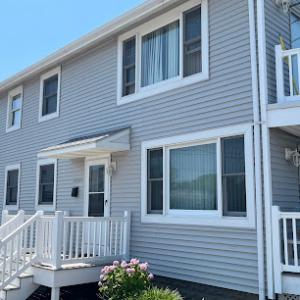
East Coast Roofing, Siding & Windows
(877) 535-4770 www.eastcoastroofing.com
6090 Dannenhauer Ln STE 10, Mays Landing, New Jersey
4.5 from 284 reviews
East Coast Roofing, Siding & Windows is a family-owned and operated business serving customers throughout New Jersey since 1979. We offer a wide range of home improvement services, including roofing, siding, windows, doors, gutters and spouts. Our team of experienced professionals is dedicated to providing our customers with the highest quality of service at affordable prices. We are fully insured and licensed, and we offer financing options to make it easy for our customers to get the renovations they need. Contact us today to learn more about our services and to schedule a free estimate.
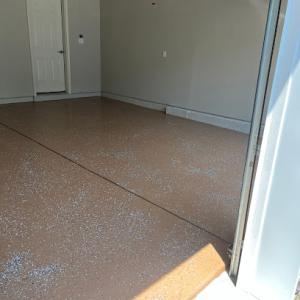
Dylan Services
7417 3rd Ave, Mays Landing, New Jersey
5.0 from 1 review
We are a small licensed and insured home maintenance and Roofing Contracting Company. We do everything from roofs to flooring in and out siding to fencing... more ...
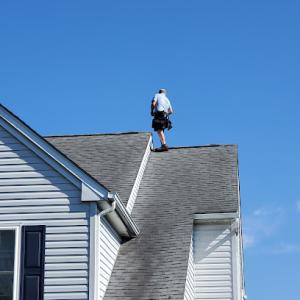
Falcone Roofing & Construction
Serving
4.3 from 11 reviews
Roofing and Construction Company Specializing in: residential, commercial, storm damage, repairs, balconies, siding, skylights, sun tunnels, flat roofing, metal roofing, tile roofing, asphalt shingle roofing, windows and doors , exterior specialist
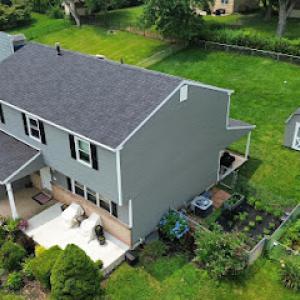
Pace Roofing
(856) 386-5545 www.pace-roofing.com
Serving
5.0 from 44 reviews
Pace Roofing, a family-owned and operated roofing contractor established in 2018, protects homes and families throughout South Jersey. Specializing in everything from comprehensive roof replacements to swift storm damage repairs, Pace Roofing expertly handles flat roofing systems, gutter installations, and siding projects. Serving communities such as Sicklerville, Sewell, and Williamstown, their licensed and insured team brings decades of combined experience to every job. Expect honest assessments, superior craftsmanship, and dependable service from a company dedicated to your peace of mind.
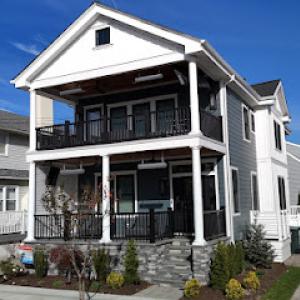
Seashore Construction
(800) 326-5211 seashoreconstruction.net
Serving
4.9 from 202 reviews
Seashore Construction is your full-service exterior remodeling company based in Egg Harbor Township, proudly serving southern New Jersey since 1980. We specialize in roofing, siding, windows, doors, decks, and railings for residential and commercial clients. Our factory-certified team installs premium products from leading manufacturers, ensuring lasting durability and style. With over 40 years of experience, we’ve built a reputation for top-quality craftsmanship, exceptional service, and lasting results. Trust Seashore Construction to enhance your property with the best materials, expert techniques, and a commitment to excellence.
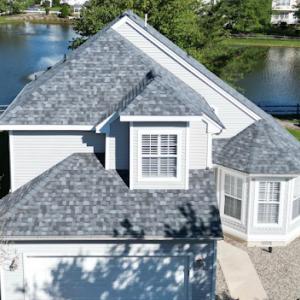
Veterans Roofing
(609) 966-9050 veteransroofingnj.com
Serving
5.0 from 557 reviews
Veterans Roofing is a veteran-owned and operated company specializing in providing high-quality roofing and exterior solutions. Serving communities across New Jersey, we offer a wide range of services, including roofing, siding, windows, gutters, and full exterior and interior remodeling. Our mission is to deliver exceptional craftsmanship, unmatched reliability, and customer-focused service, ensuring every project exceeds expectations. With a commitment to excellence and a team that values hard work, attention to detail, and integrity, Veterans Roofing brings expertise and care to every job. Whether you're in need of a roof replacement, siding upgrade, or complete exterior renovation, we are here to protect and enhance your home.
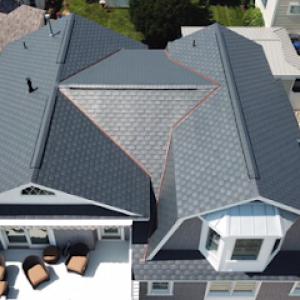
Stiteler Exteriors
(609) 927-4444 stitelerexteriorspro.com
Serving
5.0 from 24 reviews
Lay Down Shingles You’re Sure About HIRE A QUALIFIED ROOFER IN EGG HARBOR TOWNSHIP, NJ
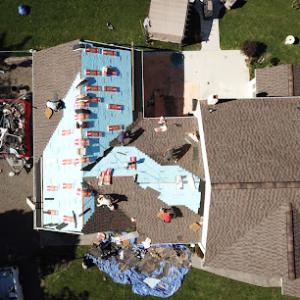
Affordable Roofing
(609) 568-5272 www.affordableroofingsnj.com
Serving
4.8 from 164 reviews
Locally owned and operated by Mitch Flaherty, Affordable Roofing was founded to bring customer service and quality craftsmanship together. We know that as a homeowner, your home’s roof protects a lot more than the rest of your house, it protects your family and all that you love.
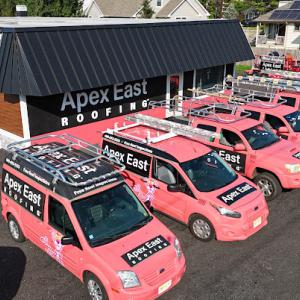
Apex East Roofing
(609) 653-2233 apexeastroofing.com
Serving
5.0 from 300 reviews
We’re a South Jersey roofing contractor that is locally owned and family-operated, offering residential and commercial roofing installation and repairs to all communities in South Jersey. We are currently Jersey's only Fortified Certified roofer. For asphalt shingle roofs, we are an Owens Corning roofing contractor. We also offer TPO, EDPM, and standing seam metal roofing systems. We are committed to customer service and offer a one-of-a-kind installation experience that includes frequent communication with photos and video during the installation process. We offer free inspections and no-money-down financing. Visit our site to see a gallery of before and after photos, and contact us today to get started on your roofing project.
WJGolle
Serving
5.0 from 150 reviews
W.J. Golle has been serving the roofing needs of the South Jersey area For over 24 years. The company, with its founder/owner Bill Golle, has built an outstanding reputation for top-notch quality work and craftsmanship since company inception. As a family-run, faith-based business, we believe in helping others. Many of the materials & techniques used by our company at the time of its founding are still in use today, but many new systems have since been introduced. To maintain skills at peak levels, our staff is constantly retrained to be familiar with the latest methods, materials, systems and safety techniques. This enables us to provide the solution to any and all home needs, from a minor roof repair to the largest replacements.
Dynamic Property Solutions
Serving
5.0 from 77 reviews
Dynamic Property Solutions provides roofing, siding, gutters, and concrete services to the Atlantic County and South Jersey areas.

Costello Roofing
(609) 822-2188 www.costelloroofing.com
Serving
5.0 from 72 reviews
Costello Roofing is your top choice for "Roof Repair Near Me" in Linwood, NJ. With over 18 years of trusted service, we are among the leading "Local Roofing Contractors" and "Roofing Companies" in the region, offering "Roof Installation," "Roof Replacement," and "Affordable Roofing" solutions. We specialize in "Storm Damage Roof Repair" and provide precise "Roofing Estimates" backed by free drone inspections. Our certified professionals ensure premium quality and satisfaction through flexible financing and a strong warranty. For reliable roofing services tailored to your needs, choose Costello Roofing.
In this area, the township building department oversees roof permits, and homeowners typically navigate through the town's processes rather than a separate city office. A full roof replacement generally requires a building permit, with inspections during installation and a final inspection once the work is complete. The inspection sequence is designed to verify structural integrity, proper ventilation, waterproofing, and the adherence of all components to the applicable code and local amendments.
Before a single shingle is installed, you'll want to contact the Hamilton Township Building Department to confirm the exact permit scope for your project. Start by gathering standard documentation: proof of ownership, a detailed project plan, and the roofing contractor's license and general liability insurance. In practice, some permit reviews can hinge on contractor licensing and insurance already being on file with the township. If those items aren't in order, scheduling can slip, since the permit review may pause until the paperwork is complete. It's wise to align your contractor's documents with the township's expectations early in the process to avoid weather-driven delays.
The local climate brings rapid shifts and late-season storms, so timing permit reviews around anticipated weather windows is prudent. Inspections are typically coordinated through the building department and may require access to the attic, crawl space, and newly installed roof components. If a storm event has caused damage, there may be prioritization or expedited pathways, but you still must comply with the standard inspection sequence. Plan for potential hold-ups if inspections coincide with holidays, heavy rainfall, or contractor availability, and keep your contractor engaged with the township to track the permit's status.
During installation, an inspector will verify fastener patterns, flashing details, underlayment, and ventilation to ensure a weather-tight membrane and long-term performance. After installation, the final inspection confirms that the work meets code requirements and that all permits are closed out correctly. If any deficiencies are found, corrections must be completed and re-inspected. Keep a direct line of communication open with both the contractor and the township inspector to resolve issues promptly, especially when weather windows narrow or permit timelines are tight. In this jurisdiction, timely coordination between paperwork, scheduling, and weather can mean avoiding unnecessary project pauses and moving toward a compliant, durable roof replacement.
This region sees active roof claims after wind, hail, and tropical events, so homeowners with aging shingles or compromised flashing should anticipate that insurers will scrutinize storm-date evidence and photo documentation. A clean timeline matters: date-stamped photos of damaged areas before any temporary repair, plus photos taken immediately after the storm, help right-size a claim. Keep backups of utility bills or weather reports that corroborate when the event occurred. In practice, small leaks can become big problems fast if moisture spreads into attic space or ceiling drywall, so timely documentation helps avoid confusion later in the process.
Licensed contractors and adjuster reviews play an important role in claim timing and scope in this New Jersey market, especially when damage is not a total loss. If a contractor is brought in early, they can help identify covert damage-such as hidden sagging sheathing or compromised underlayment-that a homeowner may overlook. This isn't about pressuring coverage; it's about aligning the estimate with what the roof actually needs to restore performance and prevent further harm. Expect adjusters to verify storm-date evidence and to request multiple estimates for any non-catastrophic damage. A professional, documented assessment from a trusted local roofer can serve as a credible companion to the insurance adjuster's review.
There have not been broad sustained insurer withdrawals affecting this area, but coastal and storm-prone New Jersey markets have tighter documentation expectations and can move slowly after major events. In practice, that means patience and persistence are essential. If a claim is delayed due to paperwork or a need for additional inspection, a homeowner may consider a gently persistent follow-up plan that stays courteous and organized. Having a clear file of storm photos, contractor notes, and a written summary of observed damage can keep conversations focused and reduce back-and-forth.
Always request written explanations for any disputed item on an estimate, and keep a log of every phone call, email, and meeting with the insurer and contractor. If a claim seems unfair or mishandled, you have options for escalation and third-party review within the New Jersey framework. In practical terms, securing timely, accurate documentation and engaging licensed professionals who understand South Jersey weather patterns can help ensure the outcome reflects the actual roof condition rather than the noise of the storm.
Connect with contractors who help homeowners navigate the claims process from damage assessment to final approval.
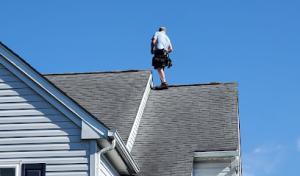
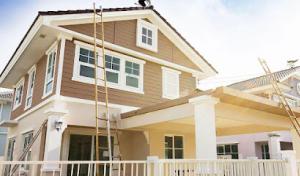
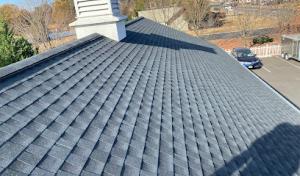
In mixed-roof layouts common here, skylight work is a frequent need. Local contractor data shows steady demand for skylight replacements and flashing repairs, especially after heavy rain and freeze-thaw cycles. When planning, have the contractor inspect not just the skylight itself but the surrounding curb, flashing, and sealant joints. Look for loose or stained shingles adjacent to the skylight, and test the interior for condensation or damp spots that persist after rain. If the skylight is over a low-slope or flat section, the flashing must shed water toward the proper drain paths without creating ponding.
Leak diagnosis in this market often mixes field-shingle wear with flashing failures around skylights and chimney transitions. Start with a careful water-test plan: identify entry points during a controlled rain or with a hose to map how water travels inside. Pay special attention to transitions where step-flashed and counter-flash components meet the curb or chimney chase. Freeze-thaw exposure can widen gaps, so aging seals around skylights and chimneys require early resealing or flashing replacement rather than only shingle replacement.
Low-slope sections age differently than the main roof plane, which matters for re-roofing projects common in local contractor work. Inspect those areas for quicker granule loss, membrane deterioration, or abrupt changes in slope after updates. Ensure the roof deck under low-slope add-ons is solid and dry before any new coverings go on. In some cases, those sections benefit from a dedicated flashing saddle or a compatible membrane system to prevent edge leakage.
When weather windows open, schedule staggered projects to reduce exposure risk during rain events. If a skylight or chimney flashing shows ongoing leakage, address the flashing first, then re-evaluate the surrounding shingles. In Mays Landing, coordinating repairs with seasonal rain patterns helps extend the life of both the main roof and any add-ons.
Find contractors experienced in skylight installation, flashing, and leak repairs to bring natural light into your home.
East Coast Roofing, Siding & Windows
(877) 535-4770 www.eastcoastroofing.com
6090 Dannenhauer Ln STE 10, Mays Landing, New Jersey
4.5 from 284 reviews
This market leans toward re-roofing and quick response, so you should verify whether a contractor is equipped for full replacement work rather than only patch repairs. A proper replacement is a different scope-more crew coordination, material handling, and longer project timelines. Ask for a written plan that outlines tear-off procedures, roofing material installation, and edge-to-edge protection. If the crew is not prepared to remove and reinstall the entire system, you risk a partial fix that fails after a new season's rain and freeze-thaw cycles.
Cleanup is a major local hiring priority, which matters for homes with driveways, landscaping, and debris concerns after tear-off. When you request proposals, insist on a detailed cleanup protocol: dumpsters or debris containment, tarps around landscaping, protection of delicate surfaces, and a clear disposal plan for old materials. A responsible contractor will walk the property, point out potential cleanup challenges, and commit to a thorough final haul-away. After a storm or heavy tear-off, you want minimal post-work mess and no loose nails left behind.
The contractor pool includes a mix of affordable operators, residential specialists, and long-established family-owned companies, so homeowners here often balance price against responsiveness and documentation quality. Seek references who can speak to on-site organization, prompt communication during weather-sensitive windows, and complete, transparent paperwork for the project timeline and material specifications. A trustworthy roofer will provide a clear schedule, show you the chosen underlayment and fasteners, and deliver documentation that can stand up to a windy or sudden-downpour afternoon.
Storm damage can create urgent timelines, but the weather in this area also dictates safe tearing and replacement windows. Choose a contractor who can align the project with forecasted conditions, ensuring proper protection during rain events and efficient work during dry spells. A thoughtful hire will present a realistic plan for sequencing, from roof deck inspection to final cleanup, with contingency steps for delays that weather may force.