
Last updated: Apr 19, 2026
Far Rockaway sits on the eastern end of the Rockaway peninsula in Queens, directly exposed to Atlantic storm tracks and ocean winds. That relentless exposure means your roof bears the brunt of wind-driven rain and salt spray more often than inland neighbors. Even when the main field covering looks intact, leakage can start at flashing, ridge caps, and roof-edge details where wind force can pry seams open or push water under seemingly solid layers. Treat every storm as a test of your roof's last line of defense, not just the visible surface.
The salt-laden air near the shoreline accelerates corrosion on exposed metal components, fasteners, and some sealants. That means rusted nails, pitted flashing, or aging caulk can fail long before the shingles or tiles show obvious wear. In practical terms, routine inspections should focus on metal drip edges, ridge vent seals, apron flashing at chimneys, and transitions where the roof meets walls. High-wind events can lift shingles or tiles and create entry points at ridge lines, vents, and roof-to-wall breaches. If you've noticed increased wind-driven leaks after storms, it's almost always a flashing or sealant failure, not a missing shingle alone.
In Far Rockaway, proactive maintenance is a seasonal must. Clear gutters and downspouts after every major storm, but don't forget the smaller, often overlooked under-eave channels where salt spray can accumulate and corrode fasteners. Inspect roof edges and eaves for loose or uplift-prone materials after nor'easters. Sealants around vent boots and flashing should be checked for cracking, peeling, or missing beads; replace with high-performance sealant rated for coastal exposure. Consider upgrading to corrosion-resistant fasteners and hardware if the roof uses metal components anywhere near the edge or in coastal-fastener zones. Create a storm-ready edge by ensuring drip edges and fascia boards are solid, with no loose boards that could catch wind and pull away under pressure.
Coastal exposure doesn't mean you must surrender aesthetics or cost, but it does influence performance expectations. Asphalt shingles can perform well with proper underlayment and sealed seams, yet edge and flashing details deserve extra attention. Metal roofing benefits from marine-grade coatings and stainless or hot-dip galvanized fasteners to resist salt spray, especially on exposed ridges and eaves. Clay or concrete tiles offer excellent durability but require precise installation and resilient battens and underlayment to maintain wind uplift resistance in this environment. If choosing any material, insist on coastal-grade components: corrosion-resistant fasteners, Sealants that meet high-wind and salt-spray standards, and a flashing system designed to resist wind-driven water at edges and transitions.
Start with a thorough annual or post-storm inspection focusing on flashing integrity, ridge cap conditions, and roof-edge attachments. Replace questionable sealants with coastal-grade products and re-seal any vulnerable penetrations (vents, pipes, chimneys) before the next storm season. Reinforce or retrofit ridge and edge details to prevent wind entry at vulnerable seams. For decks and balconies with overhangs that meet the roofline, check water diversion paths; improper drainage can funnel rain toward weak points during heavy Nor'easters. Finally, ensure the attic ventilation remains balanced; poor venting can push under-roof moisture into corners where salt corrosion accelerates wear and leaks. In this environment, quick, targeted maintenance keeps small issues from turning into costly storm damage.
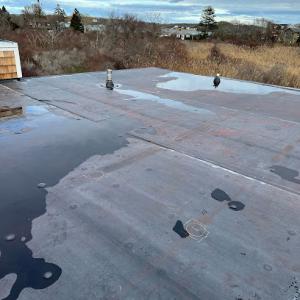
In Far Rockaway, repeated coastal storms and salt spray drive accelerated wear on low-slope sections. The barrier-peninsula setting means Atlantic winds press against rear decks, porch roofs, and additions just enough to peel edge details and loosen membrane seams. Small defects here can become interior leaks quickly, especially where water has a direct path through flashing at penetrations, transitions, and terminations. The practical implication is simple: treat any sign of edge lift, seam separations, or bulging coatings as a priority fix, not a cosmetic concern. After a storm, don't assume a temporary patch will hold through the next blow; wind-driven rain can find even tiny gaps and push water toward interior spaces.
Queens housing stock includes many attached and semi-attached homes, so drainage challenges are common in low-slope rear sections, porch roofs, and additions. Flat or nearly-flat runs collect runoff from upper slopes and from shaded, less-ventilated corners. The area's typical detailing-shared walls, multi-level transitions, and porch-overhangs-creates repetitive weak points where flashing needs to terminate securely and with continuity across planes. Expect more frequent iterations of step flashing at wall penetrations, flashings sealing vents, and membrane terminations at parapets. If a seam begins to pond or a corner shows standing water after a rainfall, that area should be treated as a potential interior-risk zone until properly resealed and tested.
A common situation is pitched front rooflines combined with flatter secondary sections. This mix means different maintenance calendars and repair strategies on the same home. Front gables may shed water efficiently, while a rear, flatter deck or porch roof can harbor stagnation, especially where debris blocks scuppers or drains. Plan inspections to follow the seasonal wind and rain patterns: after Nor'easters or coastal storms, check joints, edge details, and membrane seams on the low-slope portions first. For repairs, match materials to the section: a membrane system on the low slope should maintain continuity with the higher-slope roof's flashing details, so transitions are designed to resist wind-driven water and salt intrusion rather than creating new seams.
Create a practical, home-by-home routine focused on the most vulnerable zones: rear low-slope areas, porch roofs, and additions that sit flush against exterior walls. After a major storm, perform a careful exterior walkaround to identify lifted edges, loose gravel or granules near the edge, and any ponding in the membrane. At the first sign of moisture indoors near ceiling spots aligned with low-slope sections, locate the corresponding exterior area and inspect for compromised seam integrity or flashing failures. Prioritize resealing and re-fastening with corrosion-resistant hardware where salt exposure is highest, and pursue continuity checks across all transitions to prevent small leaks from becoming pervasive. In this climate, proactive maintenance and timely, precise repairs keep the complex, mixed roof layouts from turning occasional leaks into persistent water intrusion.
Find specialists in TPO, EPDM, and built-up flat roofing systems for residential and commercial properties.
Power Roofing & Exteriors Far Rockaway
(516) 995-4007 powerroofingnyc.com
18-21 Cornaga Ave Far, Far Rockaway, New York
5.0 from 33 reviews
Power Roofing & Exteriors Far Rockaway
(516) 995-4007 powerroofingnyc.com
18-21 Cornaga Ave Far, Far Rockaway, New York
5.0 from 33 reviews
Welcome to Power Roofing & Exteriors Far Rockaway, your trusted partner for premium roofing services in New York City. We specialize in high-quality repairs, installations, and maintenance, using top-grade materials for lasting results. Experience expert craftsmanship and reliable service with Power Roofing & Exteriors Far Rockaway. Contact us today for all your roofing needs.
Strong Island Seamless Gutters
(347) 729-9020 strongislandexteriors.com
Serving
4.9 from 43 reviews
Strong Island Seamless Gutters is Long Island’s trusted contractor for roofing, siding, and seamless gutter systems. With over 20 years of hands-on experience, we deliver high-quality craftsmanship, durable materials, and dependable service on every project. We specialize in roof replacements and repairs, vinyl siding installation, and 5” & 6” seamless aluminum gutters, including soffit, fascia, and custom trim work. From small repairs to full exterior upgrades, we work directly with homeowners to ensure every job is completed on time, on budget, and built to last. Proudly serving Nassau and Suffolk County, Strong Island Seamless Gutters is built on strong work, strong values, and long-lasting results. 📞 Call for a free estimate.
A&E Queens Roofers
(646) 681-3979 aequeensroofing.com
Serving
4.9 from 119 reviews
If you're in Queens and looking for a solid solution to your roofing problem, we are the roofers to call. We specialize in new roof installations and can help you now . Lets get full control of that roofing issue - call us now - we are the top roofers of Queens! We also handle siding, window installation and skylight installation as well!
Island Roofing
(516) 303-7663 www.islandroofingus.com
Serving
5.0 from 190 reviews
With over 25 years of proven expertise, Island Roofing is a roofing company delivering top-tier solutions for commercial, industrial, and residential projects. We serve Long Island, New York, and 30 other states in the Eastern U.S. As a reliable roofing contractor, we’re known for our use of top-grade materials, expert craftsmanship, and honest service. We handle it all, from residential roofing, commercial roofing, multi-family roofing, and preventative roof maintenance to leak repairs and emergency service. We also provide gutter installation, gutter cleaning, and gutter maintenance, all with precision and care. What sets us apart is our commitment to customer satisfaction and our relentless focus on excellence in everything we do.
EA Chimney & Roofing
(718) 480-8350 eachimneyroofing.com
Serving
5.0 from 106 reviews
EA Chimney And Roofing has been safeguarding homes since 2009. Specializing in roofing services, we bring expertise and dedication to every project. Located in Jamaica, NY, we're committed to providing reliable solutions, ensuring the safety and beauty of your home's essential structures. Trust EA Chimney And Roofing to protect what matters most.
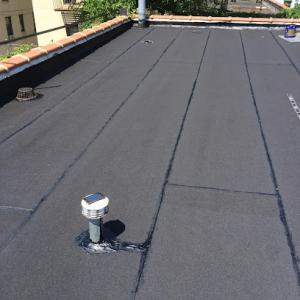
William & Hugh Roofing
(347) 699-2260 www.queensnyroofingcontractor.com
Serving
4.9 from 53 reviews
If you're looking for a roofer in Queens, NY, the professionals from William & Hugh Roofing is just a phone call away. We're a locally owned and operated business that will work hard to complete your next job according to your timeline and budget.

Santamaria Roofing
(516) 808-7872 santamariaroofingservices.com
Serving
5.0 from 34 reviews
We haves the best materials
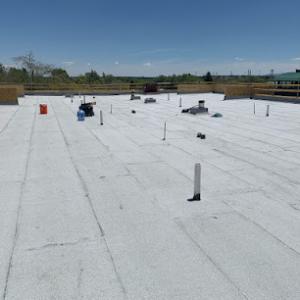
Five Star Roofing
(718) 795-6640 fivestarroofingny.net
Serving
4.8 from 443 reviews
Five Star Roofing is a fully licensed and insured commercial and residential roofing company located in Queens, NY. Since 2008, we have provided top-quality roofing services to Queens, Brooklyn, and Long Island homeowners. Our team of experienced and certified roofing professionals specializes in flat, shingle, tile, and metal roofs, as well as urgent repairs. Whether you need roof repairs, replacements, or installations, we have you covered! With a strong emphasis on excellent customer service and premium craftsmanship, we have built a reputation as one of the most trusted roofing companies in the area.
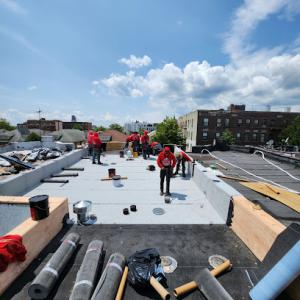
Royal Roofing & Siding - Long Island
(516) 252-3001 www.gafroofinglongisland.com
Serving
5.0 from 26 reviews
Royal Roofing Long Island, a division of Royal Renovators, provides reliable roofing and exterior services to homeowners and businesses across Nassau and Suffolk County. Our licensed and insured team specializes in roof replacement, flat and shingle roofing, leak repair, siding, gutters, and 24/7 emergency roof service. Backed by one of NYC’s most respected roofing companies, we bring trusted craftsmanship, transparent pricing, and lasting results to Long Island properties. Our mission is to protect homes and businesses with quality roofing built to last. Trust Royal to ensure complete customer satisfaction. Call Royal today for a free estimate!
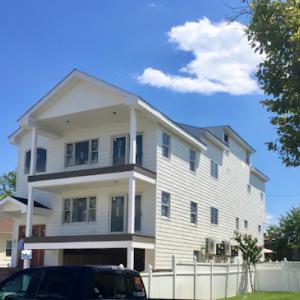
Integrity Remodeling Roofing & Siding
(516) 373-0095 integrityremodelingny.com
Serving
5.0 from 99 reviews
Integrity Remodeling Roofing & Siding in Long Beach, NY specializes in roof and siding replacement, residential roofing and siding services designed to protect homes from coastal weather and heavy winds common to the area. Our experienced team provides durable roofing and siding solutions that address salt air exposure, storm damage, and aging shingles while enhancing curb appeal and energy efficiency. From tear-offs to complete replacements, we ensure every roof and siding project is built for lasting performance and local conditions. Homeowners across Nassau rely on our trusted roofing and siding expertise for quality workmanship, honest communication, and professional results that stand the test of time.
Roof Eval
Serving
5.0 from 23 reviews
Roof Eval delivers professional roof inspection services based in East Rockaway and serving the whole of Long Island. With a focus on Nassau County, Specially East Rockaway and other neighborhood areas such as Bay Park, Oceanside, Hewlett, Hewlett Harbor, and Lynbrook. We are Infrared Certified, NRCIA, and CCPIA certified, bringing top expertise to residential and commercial properties. Our inspections cover forensic analysis, leak-free assurance, installation oversight, building condition checks, leak detection, and solar panel evaluation. We also offer HVAC mapping, thermal imaging, and moisture scanning for complete roof health assessments. Scheduled your virtual or in person consultations now to insure your roofing safety with us.

Metro roofing
(347) 748-2500 themetroroofingcompany.com
Serving
4.8 from 52 reviews
Our company strives for quality and reasonable pricing . We pride our selves on our reputation and continue to work up to it
Asphalt shingles are common locally, but in this climate their wind resistance and edge detailing matter more because of recurring coastal gusts and storm exposure. Look for architectural or laminated profiles rather than basic 3-tab options, since the thicker shingle edges tend to hold fasteners better and resist peel-back during high-wind events. Pay close attention to nail placement and to using hurricane-rated fasteners when the manufacturer allows it, especially along eaves and rakes where wind-driven rain can force leaks. In long, exposed runs, install continuous ridge and hip venting with frost-proof flashing to reduce ice dam risk and moisture intrusion after winter nor'easters. Coastal salt spray accelerates corrosion on metal components, so choose shingles with a proven wind warranty and ensure sealant lines remain intact after a storm. Regular inspections after storms are essential to catch lifted tabs or damaged edging before a small fault becomes a leak.
Metal roofing can perform well near the ocean, but coastal corrosion resistance depends heavily on finish quality and how exposed trim, fasteners, and accessories are specified for salt-air conditions. When choosing metal, prioritize coatings designed for salt spray exposure and confirm that all fasteners are corrosion-resistant and properly sealed. Edge trims, a visible detail on many Far Rockaway homes, deserve extra attention: continuous, tightly sealed seams and matching color-fast sealants help prevent salt-laden spray from infiltrating joints. Pay attention to the underlayment and to the compatibility of color-coated surfaces with coastal sunlight and humidity. If the roof sits in a gust corridor or atop a high ridge, verify that the panel layout minimizes uplift and that snaps and clips are rated for high-wind performance. Regular inspection should focus on fastener tightness, flashing integrity at transitions, and any signs of corrosion around edge trim, especially near coastal spray zones.
Heavier systems such as slate, clay tile, and concrete tile appear in the broader market, but their suitability in Far Rockaway depends on structural capacity, fastening approach, and how they handle high-wind coastal conditions. Before committing, ensure the existing structure can bear the increased weight and that the framing is braced to resist wind uplift. Tile and slate need meticulous curbs, hips, and valleys detailing to manage salt spray and driving rain. The fastening method matters: toe-nailing versus mechanical anchors, the choice of corrosion-resistant connectors, and the use of appropriate underlayment with long-standing performance under salt-laden air. If a roof is already showing signs of movement or deck deterioration, heavier materials may worsen vibrations or spalling under storm loads. In storm-prone seasons, these roofs demand rigorous maintenance and more frequent checks around flashing, vent gaps, and rake edges.
In the salt-air environment, sealants and flashing compounds age faster. Inspect every season after winter storms and after any hurricane-season event for loose shingles, lifted edges, cracked sealants, and corroded fasteners. Clean gutters to prevent backup that can force water under edge details during heavy rain. For any roof type, prioritize wind-driven leak prevention by ensuring edge detailing is robust, flashing is continuous, and venting is unobstructed. A proactive approach in a coastal setting reduces the chance of slow leaks turning into noticeable water intrusion during the next coastal storm.
Winters on the barrier peninsula deliver a harsh mix of wet coastal storms followed by cold snaps, which drives freeze-thaw cycling that can open small gaps around flashing and penetrations after each coastal lull. Those tiny openings may seem insignificant, but over time they become appreciable leak paths, especially where roof penetrations-vent pipes, skylights, or older chimney flashing-have seen better days. If you notice occasional damp spots after sunny spells or hear a soft drip during subfreezing nights, pay attention to the boots and step-flashing around those features. Tightening fasteners and resealing with a compatible sealant can deter water from sneaking in at the most exposed corners.
A lot of local homes sit atop aging Queens-era framing with inconsistent insulation and air sealing, and that uneven roof temperature invites ice dam risk. When the roof above the heated living space cools too slowly or uninsulated eaves stay warmer, meltwater can back up behind the edge of the shingles. That water refreezes at the eaves, forming a dam that backs water under shingles and into wall lines. The result can be interior staining, ceiling bubbles, or slowly advancing wet rot along rafters. If attic access reveals gaps around soffit vents, electrical penetrations, or a ragged insulation layer, address those leaks and fill the gaps. A well-sealed attic creates a more uniform roof temperature, reducing the chance of those stubborn dams.
After ocean-influenced winter storms, meltwater can refreeze at the eaves and low points, creating a backwater effect that pushes water under shingles. This is not an abstract risk; it tends to show up after a midwinter storm where wind directions drive spray inland and cool nights lock in the melt. Look for staining along interior walls at the top of exterior walls or attic condensation lines that align with roof edges. Immediate attention to damaged shingles, compromised flashing, or clogged gutters helps prevent water from taking a longer, more destructive path inside.
Prioritize sealing around penetrations and reviewing attic insulation for continuity near the eaves. Keep gutters and downspouts clear so meltwater can shed away from the wall lines rather than pooling at the edge. When you notice recurring ice dam indicators, stage a controlled intervention-loose or cracked flashing should be replaced, and any compromised shingle rows near the edges should be repaired promptly to prevent incremental damage. In this climate, small defects become sizable consequences if left unattended.
Full re-roof pricing should be evaluated against the provided per-square ranges for common materials: asphalt shingles, metal, clay tile, concrete tile, wood shingles or shakes, and slate. In this coastal neighborhood, a complete roof replacement is not a one-size-fits-all number-the oceanfront exposure and salt spray push many projects toward the higher end of the typical ranges. When you're budgeting, lock in a price per square (one square equals 100 square feet) for each material type and factor in labor availability after storms.
Costs can rise locally when coastal storms create surge demand for roofers across the Rockaways and broader NYC area, tightening labor availability after major weather events. If a hurricane or nor'easter hits, you may see price surges, expedited timelines, and schedule constraints that affect both material delivery and crew dispatch. Plan for winter or early spring weather windows to minimize wait times, but be aware that shoulder seasons can still carry premium pricing if crews are in high demand.
Queens access constraints, attached-home layouts, debris handling, and the need for corrosion-resistant accessories near the ocean can all affect final pricing in Far Rockaway. Attached homes complicate staging and waste removal, which can add labor hours. Salt-laden air accelerates wear on fasteners and flashings, so expect a premium for corrosion-resistant fasteners, edge metal, and upgraded underlayment or flashing details. Asphalt shingles remain the most cost-efficient starting point, but the coastal environment often justifies upgrading to metal or concrete/clay tile if long-term durability is a priority and budget allows.
As you compare bids, reference the per-square ranges: asphalt shingles 400-750 USD, metal 800-1500 USD, clay tile 1200-2100 USD, concrete tile 1100-2400 USD, wood shingles/shakes 600-1000 USD, and slate 2200-4200 USD. Use these baselines to identify whether a contractor's line items reflect the local realities: storm-driven scheduling, ocean-ready hardware, and the staggered access caused by dense housing stock.
Get a clear picture of your project costs upfront - no commitment required.
Power Roofing & Exteriors Far Rockaway
(516) 995-4007 powerroofingnyc.com
18-21 Cornaga Ave Far, Far Rockaway, New York
5.0 from 33 reviews
Royal Roofing & Siding - Long Island
(516) 252-3001 www.gafroofinglongisland.com
Serving
5.0 from 26 reviews
A full re-roof in Far Rockaway typically requires a building permit filed through the New York City Department of Buildings because the neighborhood is within Queens, NYC. The process is centralized under NYC administrative procedures, so homeowners should expect DOB-managed filings, inspections during construction, and a final sign-off after completion rather than a separate village or town roofing office process. Because Far Rockaway is part of New York City, permit handling follows NYC scheduling realities, which can affect project timing after storm-heavy periods.
Start by confirming whether the project qualifies as a complete re-roof or an overlay. In either case, expect to submit plans that show roof framing, waterproofing details, and venting, plus any changes to drainage or skylights. The DOB online portal is the usual route, with digital plan uploads and permit applications assigned to the borough's plan examiners. Be prepared for requests for additional information or revisions, especially if the roof line intersects with existing fire-rated assemblies or if coastal wind ratings influence fastener specifications.
During the build, inspections occur at key milestones to verify material compatibility with coastal conditions, weatherproofing details, and continuity of the drainage system. Inspections can involve confirming that nailing schedules, underlayment, and flashing meet code and are appropriate for a wind-prone shore environment. Coordination with the DOB inspector is essential-arrange access before work resumes after daily shutdowns or weather delays. Keep architectural drawings and product data readily available in the field to streamline review.
A final sign-off confirms the work has been completed per approved plans and safety standards. Since this is NYC-managed, the timeline is subject to borough scheduling and backlog, which can extend post-storm recovery periods. Ensure all subcontractors bring permitted, labeled materials to the site and that a competent roofer documents weather-exposed detailing, especially around eaves and vents, to support a smooth close-out with the DOB.
Far Rockaway's coastal exposure places homeowners in a higher-claim environment after major wind and rain events than many inland neighborhoods. The salt spray, repeated wind-driven leaks, and storm surge episodes leave roofs with micro-issues that can look insignificant right after a storm but become major claim drivers once rainfall resumes. Insurance responses in these conditions tend to be conservative, and adjusters often look for a clearer trail of pre-existing conditions and post-storm damage that matches the events. Understanding that dynamic helps you approach a claim with steadier documentation and fewer disputes.
Insurers serving the NYC coastal market may request especially thorough photo documentation, date-stamped leak records, and contractor findings after storm losses in Far Rockaway. Start with a weather-accurate timeline: photos showing roof condition before the storm, during the event if possible, and after. Save date-stamped notes from every professional you bring on site, including roofers, waterproofing experts, and structural assessors. Keep a meticulous record of every leak, including the room it affected, the date you noticed it, and the corrective action taken. This level of detail helps separate storm-related damage from hidden pre-existing wear and guides the claim path when insurers review repair options.
Coverage considerations can shift after major regional storm seasons, so document pre-loss roof condition and all post-storm damage carefully. If a deficiency is found that could be tied to wear rather than a single event, be prepared to support your case with consistent contractor findings and dated photos. In tight, wind-driven environments like barrier-peninsula homes, small discrepancies-lifted shingles, flashing gaps, or salt-accelerated corrosion at seams-can escalate into larger claims without timely, precise reporting. Stay organized, stay proactive, and keep a plain, factual record of what happened and when.
Connect with contractors who help homeowners navigate the claims process from damage assessment to final approval.
Daniel's Roofing:Best roofing contractor Queens/Brooklyn Ny
(917) 204-2906 danielsroofingnyc.com
Serving
5.0 from 78 reviews
HK Builders: Best Roofing Company in Flushing
(718) 479-8888 hkbuilderscorp.com
Serving
4.8 from 119 reviews
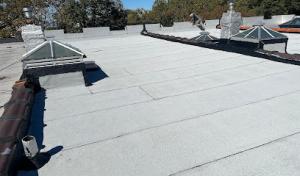
In Far Rockaway, wind-driven rain from Atlantic storms often exposes weaknesses first at skylights, chimneys, vent boots, and wall-to-roof transitions rather than across the entire roof field. That means a tiny misfit around a skylight flashing can become a steady drip after a nor'easter. Inspect these penetrations after each significant coastal storm, and pay close attention to any staining that trails down from edge details rather than random spots across slope surfaces.
Older Queens homes commonly have multiple roof penetrations and masonry interfaces that need close flashing review after coastal storms. Skylight curb rims, chimney cricket gaps, and poorly sealed vent boot joints are frequent trouble spots because salt and spray accelerate sealant aging. Look for squeezed or lifted flashing under shingles and for mortar deterioration at brick ties where roof intersects a wall. The more joints in the area, the more potential weak points you'll uncover during a storm sequence.
Salt exposure and repeated wetting can accelerate failure of sealant-dependent details around penetrations in ocean-facing conditions. Caulking and membrane sealants that held for years may suddenly fail after a season of damp Atlantic winds. When inspecting, test the flexibility of sealants at skylight flanges and along flashing joints; if there's cracking or chalky residue, plan for resealing with materials rated for coastal use.
Start with skylights and vent boots, then move to chimney-to-roof junctions and wall-to-roof transitions. Check for lifted shingle edges near penetrations, reseal joints with compatible sealants, and verify flashing is continuous and properly integrated with counter-flashing. If flashing is corroded or pitted, or if the masonry shows gaps, mark the area for repair immediately after a storm-driven event.
Find contractors experienced in skylight installation, flashing, and leak repairs to bring natural light into your home.
Integrity Remodeling Roofing & Siding
(516) 373-0095 integrityremodelingny.com
Serving
5.0 from 99 reviews
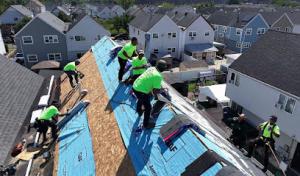
Tearing off and replacing a roof on the Rockaway peninsula is a race against time. Atlantic wind, salt spray, and late-summer storms can derail even the best-planned tear-offs, leaving exposed interiors to moisture before cold weather arrives. The ideal replacement moment is squeezed between the peak of hurricane activity and the onset of sustained winter chill, so timing isn't just convenient-it's critical. If a delay pushes into autumn, you risk back-to-back weather events that complicate the job and extend exposure.
On this barrier island, dry conditions don't linger the way they do inland. The ideal replacement window is shaped by both hurricane-season risk and winter freeze-thaw stress. That means you can't treat the window as a single season of convenience. Coastal storms can interrupt work weeks after you call the crew, and salt-laden air accelerates fastener corrosion and deck wear. Plan for a tight sequence: mobilization, removal, and new installation in a continuous block rather than piecemeal days that invite intermittent leaks and delays.
Emergency patching is common after late-summer and fall storms, but temporary repairs may not hold through a full coastal winter. If you're facing a rushed patch, coordinate a concrete plan with an experienced local crew who understands wind-driven leaks and salt exposure. The goal is to seal against moisture long enough to complete the full replacement in a dry, non-windy spell. If postponement isn't possible, insist on a patch that prioritizes water intrusion control and durable sealants, then lock in the definitive install as soon as the weather cooperates.