
Last updated: Apr 19, 2026
You live in a neighborhood where spring and summer storms routinely bring high winds and heavy rain. That combination pushes shingles loose, battening fasteners free, and flashings to the edge of failure. The risk isn't theoretical-it's a real annual rhythm here, with lifted shingles and wind-driven leaks showing up after a single stiff gust or a sudden downpour. When rain arrives with momentum, even well-installed roofs can momentarily shed protection, and sustained moisture can creep under edges where sealants have degraded. The rapid cycle of wet weather and heat accelerates wear on the surface, increasing the odds of water intrusion before a homeowner fully realizes the damage. Action is needed as soon as you suspect any lift, feel any draft, or hear unusual banging in the attic after a storm.
Because the township sits in Atlantic County near the coast, roofs here confront salt-laden air that travels with storm wind and spray. Repeated cycles of spray, salt deposition, and photosynthetic sun exposure corrode metal components and fasteners faster than inland climates, especially after back-to-back storms. That corrosion weakens critical joints, roof penetrations, and nailing areas, which translates into more opportunities for leaks and accelerated aging of the roof assembly. It isn't just visible rust at the vent pipes; it's the hidden wear in the rake trims, metal flashings, and metal-covered fasteners that crack open at the seams when a gust hits. When a storm hits, the clock starts ticking on corrosion-driven failures, so any sign of wavering metal components should be treated as a red flag that cannot wait for a routine inspection.
The local contractor market reflects the pattern: emergency repair and storm-damage services appear far more often than niche roof specialties. That means after a damaging event, the usual schedule can fill quickly, and response times may be longer than hoped. The practical impact is clear-timely tarping, temporary weather control, and rapid assessment capacity matter more than glossy, long-term guarantees in the immediate aftermath. Homeowners should be prepared to document damage with photos, secure temporary protection, and prioritize quick, decisive consultations with contractors who understand coastal exposure and storm cycles. In this market, a quick triage plan-cover the most obvious leaks, block wind entry at the highest-risk points, and schedule a professional inspection within 24 to 48 hours of a major storm-can prevent a small leak from becoming a costly structural issue.
When a storm passes, start with a careful exterior walkaround to identify obvious damage: lifted shingles, torn underlayment, compromised flashings, and broken vent sleeves. Check the attic for signs of moisture, staining, or new ceiling spots that align with wind directions. If water shows up in the living space, shore up temporary protection immediately and photograph the affected areas from multiple angles before any temporary repairs are performed. Keep notes on wind direction, the storm's intensity, and any changes in the roof's surface since the last inspection. If a contractor arrives with a quick fix that seems to seal a leak but doesn't address the root cause, pressure-test the intent of the repair by comparing it to a full inspection of the surrounding deck, flashing, and penetrations. Coastal storms demand you treat every repair as a precursor to a more thorough assessment, and the goal is to stabilize the roof now while planning a durable, long-term solution that holds up under future storms.
When evaluating contractors, prioritize teams that demonstrate familiarity with storm-driven damage patterns and coastal aging effects. Ask for recent coastal-repair projects, references from homeowners who faced similar salt exposure, and documentation of storm-damage response times. A reliable local partner is measured not by a single quick fix but by a track record of restoring roof integrity under windy, salty conditions and by offering a plan that strengthens edges, fasteners, and flashing to withstand another round of spring and summer storms.
In this inland-coastal area, the hot, humid summers accelerate aging in asphalt-based roofing and can intensify granule loss, curling, and heat-related wear compared with cooler inland markets. Shingles that curl at the edges or shed more granules after a single season are telling signs of the climate's stress. Practical steps start with regular surface checks after the peak of summer and again after any long period of heat or drought followed by rain. When inspecting, look for exposed edges, noticeable granule loss in gutters, and any soft spots. In the attic, verify that insulation and ventilation keep the sheathing cooler to slow heat transfer into the roofing substrate.
Coastal salt exposure in this part of South Jersey is especially relevant for flashing, exposed fasteners, and metal accessories, even on homes that are not directly oceanfront. Corrosion can creep in where salt-laden air concentrates around roof penetrations, parapets, and vents. Inspect flashing around chimneys, skylights, and dormers for staining, pitting, or seam failures. Replace any corroded fasteners with corrosion-resistant options, and seal joints with high-quality sealant rated for salt spray. Inspect metal accessories-ridge vents, metal vents, and gutters-for signs of white rust or dulling finish, and address compromised coatings before leaks develop.
Repeated wet-dry cycles from humid weather and storms increase the importance of underlayment, ventilation, and corrosion-resistant components in local roof assemblies. Ensure attic ventilation moves moisture out efficiently, and verify that the underlayment beneath shingles is compatible with humid coastal conditions and capable of withstanding repeated moisture exposure. Consider upgrading to a water-resistant synthetic underlayment if the current layer shows wear. In addition, install durable, corrosion-resistant drip edges and fasteners, and keep gutters clear to reduce water pooling near the fascia, which accelerates wear at the roof line.
Develop a seasonal maintenance rhythm that targets the most vulnerable points: flashing seals, fastener integrity, and edge protection. After major storms, perform a thorough exterior inspection focusing on penetrations and metal components; remove any debris that can trap moisture against the roof. Schedule mid-season checks to catch heat-accelerated curling early, and pair these with gutter cleaning and fascia inspections. A proactive approach reduces the impact of coastal humidity and salt exposure on the roof's life and performance.
Asphalt shingles dominate locally because they fit the township's large re-roofing market and generally offer the lowest installed cost range among the common materials used here. In a climate with humid summers and salt-rich air, asphalt can still perform well when paired with a durable underlayment and proper ventilation. Look for impact-resistant options and asphalt shingles with good wind uplift ratings to withstand the frequent wind-driven storms that sweep through the coast-and-inland mix of Atlantic County. Regular maintenance matters: clean debris from valleys and gutters, and inspect for lifted edges after storms. A thoughtful choice of shingle color can also help reflect heat during humid spells, reducing attic temperatures and extending roof life.
Metal roofing has a meaningful local presence and is often considered by homeowners looking for better wind performance and lower maintenance in a humid, storm-prone coastal environment. Modern metal systems can resist salt exposure more aggressively than traditional materials, provided the fasteners and flashing are corrosion-resistant. In Egg Harbor Township's mix of tall pines, limited overhangs, and occasional sea breeze, metal can offer excellent longevity with proper sealants around roof penetrations and adequate slopes to shed water quickly. If choosing metal, pay attention to coating, paint warranty, and the substrate to ensure the finish holds up against coastal humidity. Regular inspections after nor'easters help catch loose panels or exposed fasteners before they become a bigger concern.
Tile, wood, and synthetic/composite roofs are part of the local material mix, but their suitability depends heavily on structure, exposure, and maintenance tolerance in Atlantic County's weather conditions. Clay and concrete tiles can deliver long life and a distinct look, but they demand a sturdy deck structure and careful flashing, especially where roof lines meet walls and chimneys. High winds can threaten tiles if not installed with reinforced fasteners and proper underlayment. Wood shingles or shakes offer a natural aesthetic but require diligent maintenance to prevent rot, insect damage, and warping in humid heat. Synthetic or composite shingles provide a middle ground, combining some resilience with lighter weight, though exposure to salt can affect certain formulations over time. If choosing these options, ensure the roof framing is rated for heavier or more rigid materials and that ventilation remains adequate to prevent moisture buildup.
In this coastal inland setting, the best choice balances wind tolerance, moisture management, and overall maintenance needs. A roof plan should account for common storm patterns, with emphasis on secure valley protection, robust edge detailing, and corrosion-resistant components where salt exposure is likely. Regardless of material, routine inspections after heavy storms, timely repair of damaged flashing, and attention to attic ventilation will help any roof reach its maximum service life. For homes with existing structures, consider retrofit options that reinforce fasteners and reduce resonance from high winds, especially on upper stories or homes with large roof spans. The right material choice, paired with diligent upkeep, translates into steadier performance through Atlantic County's seasonal shifts.
In this area, replacement costs align with the town's typical per-square ranges, with asphalt shingles at the lower end and clay or concrete tile at the higher end. For a standard re-roof on a mid-size home with conventional gable lines, asphalt shingles usually come in around 350 to 650 USD per square, while metal roofs run roughly 600 to 1100 USD per square. If the home leans toward higher-end finishes, clay tile can land around 900 to 1700 USD per square and concrete tile from 800 to 1500 USD per square. Wood shingles or shakes fall between 450 and 900 USD per square, and synthetic or composite shingles span about 500 to 900 USD per square. Local projects tend to sit along these bands, reflecting the inland-coastal mix of humidity, wind, and salt exposure.
After major storm periods, you'll see price pressure across Atlantic County as quick-response crews fill demand for emergency repairs and full re-roofs. That surge can push project pricing upward temporarily, particularly for complex jobs or when crews are juggling multiple storm-damaged roofs. In Egg Harbor Township, expect tighter scheduling and higher mobilization costs if a larger event affects several neighborhoods at once. Planning ahead for potential storm months can help you secure crews before peak demand hits.
Coastal exposure isn't just about wind; salt-laden air accelerates corrosion on metal underlayment, fasteners, and near-penetration flashings. Projects that include corrosion-resistant accessories-such as upgraded fasteners, corrosion-proof flashing, and protective coatings-tend to lean higher on the price chart. Homes with skylights, low-slope sections, or unusually complex rooflines-common in mixed suburban housing stock-also push costs upward because installation requires more detail work, additional flashing, and careful integration with existing penetrations. If a roof has multiple levels or tight roof geometry, expect longer labor time and higher surface preparation costs, which show up as a larger per-square price tag.
When budgeting, owners should anchor expectations to the per-square ranges listed and account for coastal accessories and potential storm-driven timing. Weather windows in spring and late fall can offer the clearest scheduling, while summer humidity can complicate material handling in attic or roof spaces. A typical Egg Harbor Township project that stacks these elements will trend toward the middle-to-upper end of the advised ranges if corrosion protection and roofline complexity are significant, or toward the lower end with standard asphalt and straightforward geometry.
Get a clear picture of your project costs upfront - no commitment required.
Conway Roofing - A Division of Conway Property Management
(609) 727-4130 www.conwaypropertymgmt.com
Serving
4.9 from 96 reviews
Seashore Construction
(800) 326-5211 seashoreconstruction.net
2604 Tilton Rd, Egg Harbor Township, New Jersey
4.9 from 202 reviews
Seashore Construction is your full-service exterior remodeling company based in Egg Harbor Township, proudly serving southern New Jersey since 1980. We specialize in roofing, siding, windows, doors, decks, and railings for residential and commercial clients. Our factory-certified team installs premium products from leading manufacturers, ensuring lasting durability and style. With over 40 years of experience, we’ve built a reputation for top-quality craftsmanship, exceptional service, and lasting results. Trust Seashore Construction to enhance your property with the best materials, expert techniques, and a commitment to excellence.
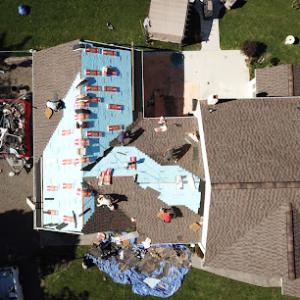
Affordable Roofing
(609) 568-5272 www.affordableroofingsnj.com
10 Ingram Ave, Egg Harbor Township, New Jersey
4.8 from 164 reviews
Locally owned and operated by Mitch Flaherty, Affordable Roofing was founded to bring customer service and quality craftsmanship together. We know that as a homeowner, your home’s roof protects a lot more than the rest of your house, it protects your family and all that you love.
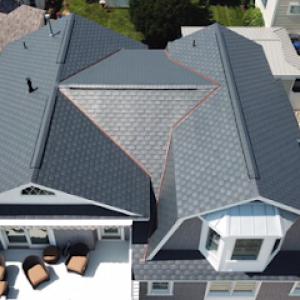
Stiteler Exteriors
(609) 927-4444 stitelerexteriorspro.com
5087 Spruce Ave, Egg Harbor Township, New Jersey
5.0 from 24 reviews
Lay Down Shingles You’re Sure About HIRE A QUALIFIED ROOFER IN EGG HARBOR TOWNSHIP, NJ
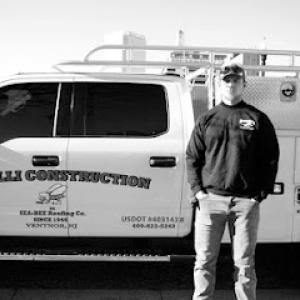
Boselli Construction
(609) 822-5243 www.boselliconstruction.com
Egg Harbor Township, New Jersey
5.0 from 6 reviews
For over 75 years, Boselli Construction T/A Sea-Bee Roofing has been providing the residents of South Jersey with superior quality craftsmanship in roofing, siding, gutters and window replacement projects. Our experienced team specializes in a comprehensive range of professional services, from slate, tile, cedar and copper roofing installations to window and gutter installations. With a focus on excellence and exceptional customer service, Boselli Construction's goal is to deliver lasting results that enhance the aesthetics and functionality of your property. We service Ventnor, Margate, Longport, Brigantine, Linwood, Northfield, Somers Point, Egg Harbor Township, and Ocean City, NJ.
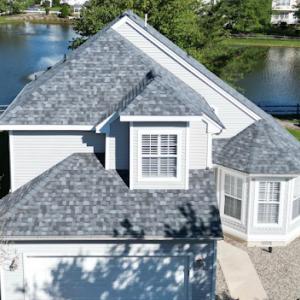
Veterans Roofing
(609) 966-9050 veteransroofingnj.com
Serving
5.0 from 557 reviews
Veterans Roofing is a veteran-owned and operated company specializing in providing high-quality roofing and exterior solutions. Serving communities across New Jersey, we offer a wide range of services, including roofing, siding, windows, gutters, and full exterior and interior remodeling. Our mission is to deliver exceptional craftsmanship, unmatched reliability, and customer-focused service, ensuring every project exceeds expectations. With a commitment to excellence and a team that values hard work, attention to detail, and integrity, Veterans Roofing brings expertise and care to every job. Whether you're in need of a roof replacement, siding upgrade, or complete exterior renovation, we are here to protect and enhance your home.
Apex East Roofing
(609) 653-2233 apexeastroofing.com
Serving
5.0 from 300 reviews
We’re a South Jersey roofing contractor that is locally owned and family-operated, offering residential and commercial roofing installation and repairs to all communities in South Jersey. We are currently Jersey's only Fortified Certified roofer. For asphalt shingle roofs, we are an Owens Corning roofing contractor. We also offer TPO, EDPM, and standing seam metal roofing systems. We are committed to customer service and offer a one-of-a-kind installation experience that includes frequent communication with photos and video during the installation process. We offer free inspections and no-money-down financing. Visit our site to see a gallery of before and after photos, and contact us today to get started on your roofing project.
Fieldpointe Roofing
(609) 247-7861 fieldpointeroofing.com
Serving
5.0 from 26 reviews
Fieldpointe Roofing is dedicated to delivering high-quality roofing services in the South Jersey area. We focus on quality that is driven by customer satisfaction to ensure the best roof replacement or repair possible. We have earned a very strong reputation through our experienced install team, highly competitive prices and overall superior quality to ensure a long lasting roof on your home or business.
Conway Roofing - A Division of Conway Property Management
(609) 727-4130 www.conwaypropertymgmt.com
Serving
4.9 from 96 reviews
Conway Property Management is completely dedicated to client satisfaction. We are roof specialists offering other services. All of our team members are punctual and knowledgeable, helping make us some of the most trusted contractors in the industry. We’ve come a long way since our founding in 2015, but the leading operating values behind our services, to work with integrity in order to provide high-quality services to our clients, remain unchanged. Please get in touch with any inquiries. Be sure to include your contact information as well as any important details about your needs.
Duke's Roofing
(609) 843-3853 www.dukesnj.com
Serving
5.0 from 43 reviews
Looking for top-notch roofing services in Absecon, NJ and surrounding areas? Duke’s Roofing has got you covered. Our expertise ensures your home is in safe hands. Reach out to us today for a free estimate and experience roofing excellence like never before. Whether you are just planning or have emergency roofing service needed immediately, let us take care of your roofing needs while you enjoy peace of mind.
Top Notch Roofing Siding
(609) 215-7798 topnotch-roofing.com
Serving
5.0 from 88 reviews
Top Notch Roofing Siding provides residential roofing installation, siding installation and seamless aluminum gutter installation to the Pleasantville, NJ area. When it is time to improve your home, Top Notch Roofing Siding is the team to call. Our roofers in Galloway, NJ bring professionalism, reliability, and superior skill to every project. Along the shoreline, our roofers in Margate City, NJ provide equally dependable service, reinforcing homes against the challenges of coastal living. Contact our team of roofing contractors today to schedule a consultation!

Costello Roofing
(609) 822-2188 www.costelloroofing.com
Serving
5.0 from 72 reviews
Costello Roofing is your top choice for "Roof Repair Near Me" in Linwood, NJ. With over 18 years of trusted service, we are among the leading "Local Roofing Contractors" and "Roofing Companies" in the region, offering "Roof Installation," "Roof Replacement," and "Affordable Roofing" solutions. We specialize in "Storm Damage Roof Repair" and provide precise "Roofing Estimates" backed by free drone inspections. Our certified professionals ensure premium quality and satisfaction through flexible financing and a strong warranty. For reliable roofing services tailored to your needs, choose Costello Roofing.
Dynamic Property Solutions
Serving
5.0 from 77 reviews
Dynamic Property Solutions provides roofing, siding, gutters, and concrete services to the Atlantic County and South Jersey areas.
A full re-roof in this coastal town typically requires a building permit issued through the township's Construction Department under the New Jersey Uniform Construction Code. That means your project moves beyond a simple ladder-and-nailing approach and into formal oversight. The permit process signals to inspectors that the scope, materials, and workmanship meet the applicable standards for weather exposure, wind loads, and salt-laden air that can accelerate deterioration. Failure to secure the permit can expose you to fines, stop-work orders, and complications when you go to sell or insure the home.
Homeowners should expect inspections at required milestones and a final inspection to close out the permit, rather than treating reroofing as an informal maintenance job. Typically, an initial inspection reviews the proposed plan and framing, then follow-up visits confirm underlayment, ventilation, and fastener choices align with the chosen roofing system. The final inspection verifies completion and that the roof system integrates correctly with drainage, attic ventilation, and chimney or roof-penetration details. If anything doesn't pass, repairs or adjustments must be documented and re-inspected, which can delay a project already sensitive to coastal weather windows.
Processing times and fees vary by project scope in the township, so scheduling matters when trying to complete work during the preferred spring-through-fall installation window. Because this area endures humid summers, salt exposure, and wind-driven storms, timing your permit submission early helps avoid rushed decisions during peak demand. If a storm season arrives unexpectedly, inspections can be delayed by weather or backlog, extending the time the roof remains exposed. Plan for a buffer between permit approval and the start of work, and coordinate with contractors who understand how coastal conditions affect sequencing-decking, underlayment, and acclimation of materials can all influence performance and longevity when installed under tight weather constraints.
Before pulling permits, review your chosen roof system for how it handles moisture intrusion and salt spray, since these factors influence inspection expectations. Have documentation ready for the contractor's installation manual, flashings, and ventilation details, plus any manufacturer warranties tied to the approved assembly. Keep a clear line of communication with the Construction Department so you know when inspections are scheduled and what corrective steps might be required. A well-documented process reduces the risk of missteps that could leave the roof more vulnerable to coastal storms and accelerate aging.
In this storm-active market, documentation matters more than you might expect. The insurer's evaluation often hinges on clear records of roof age, material, and current condition. Missing or outdated information can slow claims or weaken settlement offers when a wind-driven event or hail hits. You should be prepared with a simple, organized file: dates of installation, provider details, recent repair notes, and any persistent issues like loose shingles or exposed underlayment. The goal is to show a well-maintained system that has withstood the area's humid summers and salt-tinged air.
After a storm, adjusters in this part of the coast will request photos and a detailed claim packet to document damage comprehensively. Clear exterior and interior photos help separate new storm damage from preexisting wear. Pay attention to shingles, flashing, valleys, and gutters, as those are common pressure points in windy, salty weather. You might need to schedule a careful, staged set of photos that captures roof slopes, chimneys, and vents from several angles. If you can, accompany the submission with a brief timeline of recent repairs or problems that could affect the assessment.
If private coverage becomes difficult to obtain for higher-risk properties, the New Jersey FAIR Plan can serve as a last-resort option. In that scenario, roof condition and material choice become even more consequential locally, because the plan weighs current condition and material compatibility when coverage is approved. Understanding the implications now can influence future options, ensuring that the roof you install or repair aligns with potential coverage pathways should a severe storm strike. This makes proactive maintenance and honest documentation essential, not optional.
Connect with contractors who help homeowners navigate the claims process from damage assessment to final approval.
Conway Roofing - A Division of Conway Property Management
(609) 727-4130 www.conwaypropertymgmt.com
Serving
4.9 from 96 reviews
Spring through fall is generally the preferred installation window in Egg Harbor Township because local climate conditions are more favorable for replacement work during those seasons. Mild days and manageable humidity reduce the risk of shingles misfolding or adhesive failure, and crews can work steadily without the interruptions that come with icy mornings. If you're replacing after a winter, target a stretch when soils are dry, days are longer, and there's a solid forecast of low rain for at least several days in a row. This window aligns with the inland-coastal mix of hot days and salt-laden air, helping new materials cure properly and resist early weathering.
Winter freeze-thaw cycles and snow events in South Jersey can complicate tear-offs, sealing, and scheduling, especially when emergency repairs are already in demand. Heavy snows can delay access and bury roofing work under a layer that needs removal before new shingles or panels can be installed. Freeze-thaw cycles stress underlayment and fasteners, so winter work tends to be slower and less predictable. If a replacement has to occur in colder months, plan for extended timelines, expect occasional weather-related pauses, and prioritize transitions that minimize expose gaps during frosty periods.
Summer heat and humidity can speed material aging here, so homeowners often balance the best installation season against the risk of waiting through another storm cycle. High heat can affect shingle pliability and sealant performance, while coastal humidity accelerates moisture ingress if ventilation or flashing isn't optimal. When scheduling in peak season, choose cooler spell windows-early mornings or late afternoons-and ensure crews have access to shade, adequate hydration, and uninterrupted ventilation during adhesive or sealant application. In practice, this means coordinating around coastal storm patterns and typical thunderstorm days to avoid last-minute delays and protect the new roof's longevity.
In this inland-coastal area, the contractor signal mix shows meaningful demand for both skylight work and flat-roof service, indicating that leak-prone transitions and low-slope sections are recurring issues. When storms surge through during heavy rain, skylight penetrations and nearby tie-ins can crease up as weak points if the flashing ages or corrodes in the salty air. The combination of humid summers and salt-laden winds accelerates wear on seals, boots, and edge details, so expect more frequent inspection after a season of storms.
Start with the skylight curb and its flashing. Look for loose fasteners, lifted metal, and corrosion where the curb meets the roof surface. In Egg Harbor Township, coastal humidity can loosen sealant over time, letting moisture creep under the flashing. Inspect the corner joints and the intervals where the skylight frame contacts the curb; peeling or cracked sealant or degraded butyl tape should raise flags. Clean any leaf buildup around the curb and ensure the caulk line remains continuous. If the glare or condensation appears inside the glass during rain, it's a sign the seal is failing and should be addressed promptly.
Low-slope portions over additions, porches, or mixed roof designs demand different drainage attention than steeper sections. Evaluate edge terminations for proper overflow and ensure internal drains, scuppers, or downspouts are clear and positioned to encourage water off the roof quickly. Pay special attention to transitions where a flat or gently sloped segment meets a steeper main roof; these transitions are common leak paths if flashing is undersized or sealant has aged. Verify that roof-to-wall joints at these zones are properly flashed and that there is uninterrupted water-shedding capability across the entire seam.
Plan a twice-yearly check focused on skylight seals, curb flashing, and the first three feet around any low-slope transitions. After storms, inspect for disturbed flashing, displaced granules around vents, and any signs of moisture inside attic insulation near the skylight. If a leak is detected at a skylight or where a low-slope section meets a steeper roof, treat the area as a priority repair to prevent rapid deterioration of nearby decking and underlayment. In homes exposed to sea air and wind, consider scheduling professional flashing and sealant refresh before the peak storm season to maintain a robust barrier against the elements.
Find contractors experienced in skylight installation, flashing, and leak repairs to bring natural light into your home.
Seashore Construction
(800) 326-5211 seashoreconstruction.net
2604 Tilton Rd, Egg Harbor Township, New Jersey
4.9 from 202 reviews
Affordable Roofing
(609) 568-5272 www.affordableroofingsnj.com
10 Ingram Ave, Egg Harbor Township, New Jersey
4.8 from 164 reviews
The local contractor scene tends to emphasize reroofing and repairs more than brand-new construction. That means you'll see many firms built around quickly replacing shingles after a storm, plus crews accustomed to occupied-home work and short-response timelines. When you talk with a crew, gauge whether their service model centers on efficient tear-off and rapid reinstallation, with minimal disruption to nearby homes and driveways. This focus is practical here, where storm calls are common and streets can fill with tarps and debris during busy seasons.
Quick response is a top hiring priority in this market. Look for contractors who outline how they schedule emergency visits, tarp guidance, and short-notice mobilizations after a wind event. A reliable crew should be able to secure a temporary fix to protect interior spaces and then complete a full reroof in a sequence that respects your home's occupancy. Cleanup should be thorough and immediate, with decking and landscaping protected ands shields against tracked debris in mind.
Family-owned, long-established, and residential-focused firms are well represented around the township. These companies often bring a personal touch, recurring maintenance plans, and clearer warranty terms. Some local contractors market drone inspections to assess storm damage quickly and remotely, which can speed initial damage assessment without immediate on-site disruption. Others emphasize manufacturer certifications, which can translate to preferred material compatibility and longer warranty-backed work.
When evaluating options, prioritize crews with a clear process for storm-damage assessment, a transparent plan for shingle or panel replacement, and documented warranty coverage. Ask for recent project photos or references from homes with similar exposure to salt air and coastal humidity. Confirm that the contractor will provide a written timeline, a detailed cleanup plan, and a point of contact for post-project questions. If drone or digital inspection is offered, clarify what it covers and how it complements a physical assessment.
Given the inland-coastal setting, choose a firm that emphasizes storm readiness and durable, coastal-friendly materials. A strong local contractor will discuss proper attic ventilation, underlayment choices, and best-fit products to resist salt-laden air and wind-driven damage, ensuring a reroof that holds up through humid summers and the next round of storms.