Last updated: Apr 19, 2026
Millville's winter pattern fuels rapid edge wear on shingles thanks to constant freeze-thaw cycles. Water that seeps into tiny gaps can freeze, expand, and pry the edges upward, creating micro-cracks and potential ice-related leak paths. That means a roof that looks fine in late fall can start showing shingle edge wear by early spring, especially on lower pitches or roofs with limited overhangs. During springs with lingering temperatures that swing above and below freezing, weak spots become exposed quickly, and small leaks can turn into noticeable interior moisture storms if not addressed fast. The takeaway is simple: the window to catch edge wear before a leak shows up is narrow and weather-dependent, so you must pay attention to the transition times between seasons.
Warm, humid summers in this area speed aging of asphalt and synthetic shingles and push crews to work faster, sometimes at the expense of careful handling. Excess heat can make adhesive-backed products less forgiving, and improper nailing or misalignment can set up problems that only show up after a few hot days or a sudden afternoon shower. For Metal, Clay Tile, or Concrete Tile installs, heat can affect expansion timelines and bonding behavior. If a roof is nearing the end of its life, waiting for a cooler window in late fall or early spring often yields better long-term performance. When heat spikes arrive during a replacement project, expect temporary disruption: faster material handling, but higher risk of cracking or warping if panels or tiles are rushed into place without proper support.
Spring storms and hail create scheduling surges in this market. A harsh hail event can force urgent, emergency-repair work that cascades into full-tear-off campaigns as insurers and contractors re-balance crews. If a storm hits and reveals more substantial damage, a second wave of work often follows in the weeks that follow as insurance adjusters finalize claims and material availability tightens. The practical effect: if a roof shows storm-induced damage, don't delay the assessment. Quick triage can prevent minor leaks from becoming interior damage, and it can help lock in a more reliable replacement plan before the next round of weather.
Winter snow and cold can delay full replacements, so expect lead times to compress around late spring but stall during deep freezes. In Millville, a proactive approach means aligning shingle selections and underlayment choices with the known freeze-thaw cycles in mind. When a roof shows significant edge wear or recurrent leaks tied to ice dam formation, early action should be taken to confirm the safest sequencing for tear-off and re-installation. If the forecast shows a warm stretch followed by another cold snap, schedule the installation to finish before the cold begins to move in again, reducing the risk of trapped moisture and shingle misalignment.
Monitor roof lines after heavy freeze-thaw spells, especially near eaves and valleys where ice dam patterns tend to form. If active leaks appear during rising spring temperatures, arrange a rapid assessment to determine whether a temporary fix or a full tear-off is required. When spring storms forecast high hail risk, secure an early inspection to determine if preemptive repairs are warranted so a full replacement can be staged smoothly rather than rushed. In anticipation of heat waves, coordinate material delivery and staging to avoid weather-induced damage, and discuss with the contractor about proper ventilation and attic temperature control to preserve new shingles through the first summer.
In Millville, the mix of asphalt shingles, metal, and less common options reflects the local freeze-thaw cycles, humid summers, and a bustling replacement market driven by storm response and emergency work. The material choice you make will shape how the roof holds up year to year, how it behaves when the temperature swings through winter and summer, and how easy it is to source replacements or repairs if a tab lifts or a granule is lost.
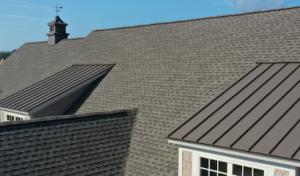
Asphalt shingles are a dominant option in this area, and the practical realities show up in how the granules wear and how tabs can lift after a heavy rain or freeze-thaw cycle. A typical shingle roof will shed granules over time, and you may notice accelerated granule loss on edges where wind-driven rain hits first. When shingles fail, matching color and texture matters for a seamless repair, especially on older homes with darker or more textured profiles. If a windstorm or hail event hits, look for lifted or cracked tabs that could let in moisture during a thaw. In that case, plan for targeted replacements that blend with the existing pack to maintain a uniform look and performance. Compatibility with underlayment and flashing details matters, too, because sealants and primer choices will influence durability through cold snaps and humidity.
Metal is a practical choice for longevity under freeze-thaw winters and humid summers, and it's commonly evaluated for durability in this market. When considering a metal roof, pay attention to seam integrity and fastener condition after big temperature swings. In Millville's climate, metal panels can shed heat in summer and contract in winter, so a close check of ridge caps, clearance around penetrations, and the condition of sealant around exhausts is wise after severe storms. The lower weight compared to tile or concrete can ease some structural concerns, but edge flashing and gutter interfaces still require regular attention. If you're replacing a section after a storm, ensure the color and panel profile match the existing roof to avoid a patchy appearance that sticks out to neighbors.
Clay tile adds curb appeal and a long lifespan, but structural load and repair complexity vary with the tile profile. In this market, tile roofs require careful assessment of attic structure and rafter spacing because the weight is substantial. Freeze-thaw cycles can affect tile integrity if frost depths push against edges, so look for cracked or spalled tiles around valleys and eaves after storms. Sourcing can also be real-world challenging if a tile profile is uncommon in the neighborhood, so identify a close match early and plan for more substantial lead times if replacements are needed.
Concrete tile carries similar load considerations as clay, with variable stiffness and strength across manufacturers. In Millville, the market sees concrete tile as a durable choice, but installations must account for substrate and underlayment compatibility to navigate humidity and moisture resistance. After hail or high winds, inspect for broken rows and misaligned fasteners that could permit water intrusion during the next thaw. Replacement tiles should be matched not only for color but for profile and pitch compatibility to maintain uniform performance and appearance across the roof line.
Wood shakes introduce a distinct texture that can enhance or complicate a roof in this climate. The natural porosity of wood will respond to humidity, and freeze-thaw cycles can stress the joints where shakes meet at ridges and eaves. Regular maintenance includes keeping the surface dry and free of debris to reduce moisture retention that promotes warping. If a shake begins to curl or cup after a winter thaw, plan for selective replacement with similar grain and thickness to preserve the roof's overall look and insulating value. Sourcing the right thickness and profile matters for consistent aesthetics in a neighborhood with mixed materials.
Synthetic or composite shingles offer a blend of appearance and durability suited to diverse loads and climates. In this market, you can expect consistent color and good performance through humidity and freezing conditions, with the potential for lighter weight relative to heavier tile options. When selecting a synthetic option, verify compatibility with existing underlayment and flashing details and confirm warranty coverage for freeze-thaw cycles which are a common concern here. If patching is needed after a storm, look for a close visual match to maintain a cohesive roof line and prevent noticeable mismatches.
In Millville, the carbon copy "one-size-fits-all" roof price doesn't hold. Asphalt shingles run from about 350 to 750 USD per square, depending on the exact shingle style and whether it's a simple tear-off or a module-plus-feeders job. Clay tile, a common choice for more substantial homes, tends to sit higher, from roughly 1000 to 1800 USD per square, reflecting the added weight, specialty tools, and longer install times. Material choice matters a lot here because the active local market includes asphalt, metal, tile, wood, and synthetic systems with very different labor intensity and tear-off requirements. If you're weighing options, expect the lower end for basic asphalt and the upper end for tile or heavier systems.
Costs in Millville can rise after spring storm activity when local scheduling tightens and emergency work competes with planned replacements. When a storm hits, crews are pulled into leaks and rapid repairs, and paid overtime or rush scheduling becomes the norm. That pressure can push estimates upward for a short window, especially if your project needs to fit into a tight opening between storm responses and building-code-driven tear-offs. If you're aiming for a spring or early-summer replacement, anticipate a handling premium or a narrowed window for contractor availability. Planning ahead and locking in a timeline outside peak storm weeks can help keep price pressure in check.
The market's breadth in this area means you'll see a wider spread in both price and showroom performance. Asphalt shingles are the most forgiving on cost and installation speed, but they don't always deliver the energy or performance profile some homeowners want. Metal roofing offers longevity and a lighter weight option, with higher upfront costs but often lower long-term maintenance. Clay tile and concrete tile bring unmistakable curb appeal and very long lifespans, yet they demand structural evaluation, heavier crews, and more extensive tear-offs. Wood shingles and synthetic options bring their own labor intensities and insulation considerations. What you pick should align with your attic ventilation, roof pitch, and the home's overall weight-bearing capacity-factors that drive labor hours and, consequently, the per-square price.
Start with a realistic square count based on roof footprint and waste allowance. If a project involves a full tear-off, include disposal fees and potential underlayment replacement in the quote. For clay or concrete tile, expect a significantly longer install time and a need for additional braces or reinforcement on some structures; this will push labor costs higher than a standard asphalt job. When you're comparing bids, look beyond the bottom line per square: ask for a line-item breakdown of underlayment, ventilation upgrades, tear-off and disposal, and any roof penetrations. In Millville, a well-structured bid will also note how spring demand could affect timeline and labor scheduling, helping you plan a smoother replacement window.
Get a clear picture of your project costs upfront - no commitment required.
Skyline Roofing Exteriors
(609) 408-9908 www.skylineroofingexteriors.com
219 Kenyon Ave, Millville, New Jersey
5.0 from 23 reviews
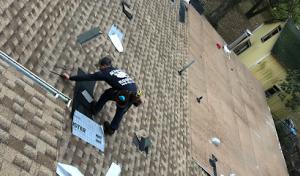
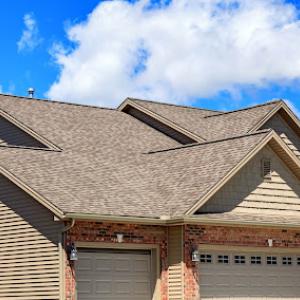
Skyline Roofing Exteriors
(609) 408-9908 www.skylineroofingexteriors.com
219 Kenyon Ave, Millville, New Jersey
5.0 from 23 reviews
Skyline Exteriors is an expert home exterior contractor. We offer an industry leading level of service, use only the finest quality products and guarantee all of our work which is done by trained experts. Roofing, Siding, Gutters, Windows, Doors - Residential & Commercial "Quality you can trust & Service you can rely on." Servicing South & Central NJ/Central PA
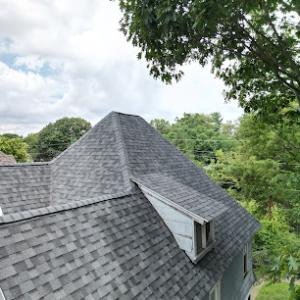
Bell Roofing Company
(856) 265-0137 bellroofingservices.com
Serving
5.0 from 6 reviews
Welcome to Bell Roofing Company's office in Vineland, New Jersey! We take pride in providing top-notch roofing and siding services to both residential and commercial clients. With our team of experienced professionals, you can trust us to deliver exceptional results for all your roofing and siding needs. From installations to repairs, we are here to protect and enhance your property with quality craftsmanship and unparalleled customer service. Contact us today to receive a free roofing and siding Quote.
Ashmen Installations
(877) 274-6361 www.ashmeninstallations.com
Serving
5.0 from 59 reviews
Roofing Contractor Vineland is the premier choice for roofing contractors in New Jersey. We provide a wide range of services to ensure we meet all our clients' roofing needs. Our clients have the chance to make a statement via the roofing system they choose. Our roofing experts will strive to help you choose the correct alternative to make your house more appealing. We carry a wide collection of siding materials, and our contractors will help you know the differences in roofing options since roofing technology is ever-evolving. Whether you want to replace the roof or you want a repair, don’t hesitate to talk to us.
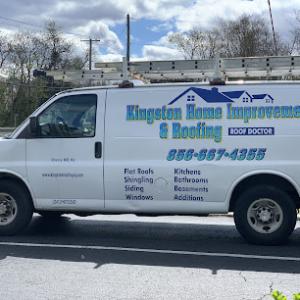
Kingston Home Improvement & Roofing
(856) 667-4355 kingstonroofingnj.com
Serving
5.0 from 14 reviews
For over 15 years Kingston Home Improvement and Roofing has been serving the South Jersey and Philadelphia area with premium services. We offer roofing and home improvement services to both residential and commercial customers for affordable prices. Do not fear! We are fully licensed and insured, and ensure the highest-quality work for all our customers, with the owner being present on every job.
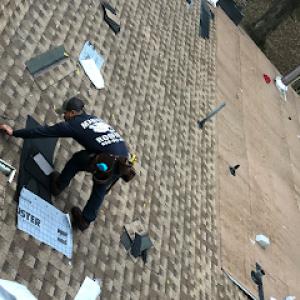
Marvin Roofing
(856) 842-4744 marvinroofingllc.com
Serving
4.9 from 119 reviews
Family Owned Business 100% work guarantee Registered & Insured Free Estimates
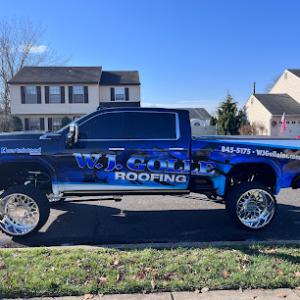
WJGolle
Serving
5.0 from 150 reviews
W.J. Golle has been serving the roofing needs of the South Jersey area For over 24 years. The company, with its founder/owner Bill Golle, has built an outstanding reputation for top-notch quality work and craftsmanship since company inception. As a family-run, faith-based business, we believe in helping others. Many of the materials & techniques used by our company at the time of its founding are still in use today, but many new systems have since been introduced. To maintain skills at peak levels, our staff is constantly retrained to be familiar with the latest methods, materials, systems and safety techniques. This enables us to provide the solution to any and all home needs, from a minor roof repair to the largest replacements.
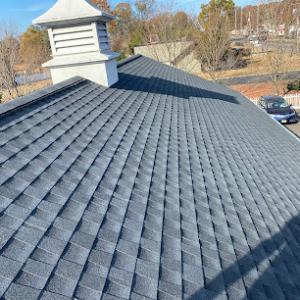
Ken Morton Roofing & Siding
(856) 582-8800 www.kenmortonrs.com
Serving
4.9 from 119 reviews
Ken Morton Roofing & Siding provides expert roofing and siding repair, installation, and maintenance services throughout the South Jersey area.
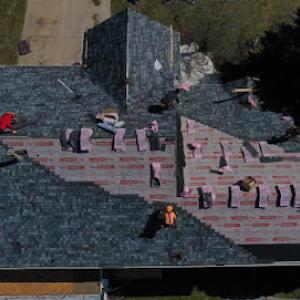
Aubrey Construction
(856) 404-9497 aubreyconstructionnj.com
Serving
4.9 from 63 reviews
Aubrey Construction provides residential roofing, storm damage clean-up, gutters, doors and windows to the South Jersey area.
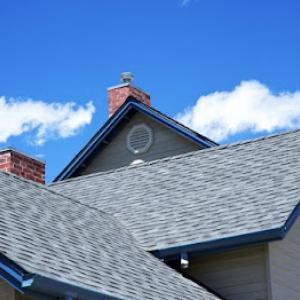
Quality Roofing & Siding
(856) 358-0091 qualityroofingandsidingnj.com
Serving
4.8 from 48 reviews
Reliable roofing installation services. Knowledgeable customer support. At Quality Roofing & Siding, a locally owned and operated business in Elmer, NJ, we have 30 years of experience performing professional roofing services. All of our residential and commercial services are priced affordably and competitively - we cater to the needs of our customers and offer a friendly and professional customer service experience.
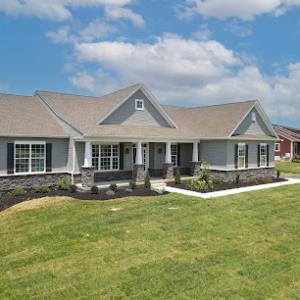
Archer Exteriors
(856) 363-7000 www.archerexteriors.com
Serving
4.8 from 287 reviews
Archer Exteriors is your trusted full-service expert in roofing, siding, windows, doors, and gutters. Backed by four decades of experience, we bring craftsmanship, reliability, and peace of mind to every project. From top to bottom, we’ve got your home covered!
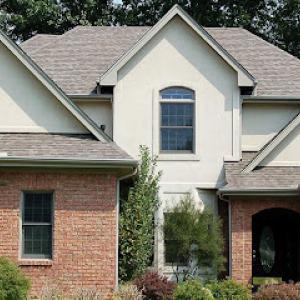
Jersey Roofing Solutions
(856) 340-3180 jerseyroofingsolutions.com
Serving
5.0 from 36 reviews
Jersey Roofing Solutions serves as a leading contractor in the South Jersey area. We’re a team of fully-certified professionals who tackle everything from complex large projects to smaller scale jobs. Fueled by our commitment to excellence, we go the extra mile to make sure clients are completely satisfied with our work. Call us today to schedule a free consultation.
BE Roofing
(856) 697-9599 brianemmonsroofing.com
Serving
5.0 from 21 reviews
BE Roofing has been proudly serving Franklinville, NJ, and surrounding communities since 1980. Founded by Brian Emmons and now continued by his daughter Michelle and son-in-law Joseph Hunt, we’re a true family-owned roofing company built on honesty, craftsmanship, and care. We specialize in asphalt roof installations, roof repairs, soffit, and fascia work, delivering lasting quality at fair prices. Every project is handled by family—not subcontractors—so you always get personal service and dependable results.
A full roof replacement requires a building permit through the City of Millville Building Department. Before any tear-off or new material goes on, you or your contractor should submit the project details, including scope and wind-resistance considerations, to ensure compliance with local codes and the storm-season realities of this area. Having plan reviews and permit numbers ready helps prevent delays when the weather turns or a neighbor calls in a complaint about debris or nuisance noise. The process tends to be straightforward if the contractor is prepared to provide the required documentation and a clear timeline for materials and disposal.
Inspections in this market commonly occur after tear-off and again at final completion, rather than only at the job's end. Expect a tear-off inspection to verify that the old roofing was removed to a suitable substrate, that any necessary deck repairs were addressed, and that temporary protection measures for the attic and interior spaces are in place during the work. The final inspection confirms proper installation of underlayment, flashing, venting, and the chosen roofing system, with attention to how the roof handles the local freeze-thaw cycles and summer humidity. If deviations occur-such as undersized ventilation or improper fasteners-the inspector may require corrections before the permit is closed out. Coordinating early with the contractor's timeline helps align your schedule with these inspection milestones.
The City of Millville may request proof of contractor licensing and insurance as part of the roofing permit process. Ensure that the chosen roofing contractor can produce up-to-date licensing, a current insurance certificate, and any local endorsements required for work on residential structures. This verification helps protect you from liability during storm-driven repair work and from subsurface failures caused by improper installation. Keep copies of all permit-related documents, inspection approvals, and insurance certificates in a readily accessible place in case an inspector or the building department requests them during project milestones or future resale. If questions arise about documentation, contact the Building Department promptly to avoid delays in scheduling inspections.
After a severe weather event, the active storm-response contractor presence in this area can create a rush to stabilize and replace quickly. Insurers in New Jersey may require prior-damage documentation and roof photos, making pre-storm and post-storm recordkeeping especially important for Millville homeowners. When shutters flap and tarps go up, a clear trail of photos and notes protects you from mismatched expectations once the claim moves from stabilization to replacement decision. Track the roof's vulnerable spots-valleys, chimneys, dormers-and note any preexisting issues so the adjuster sees a true baseline.
Because this market often sees rigorous review after severe weather, you should prepare both visual evidence and contractor estimates that show the extent of damage. Start with dated photos taken from ground level and angles that reveal common trouble spots: roof edges, flashing, and skylight interfaces. Include measurements or diagrams of any observed leaks or missing shingles. If a contractor's evaluation is involved, request a written, itemized estimate that matches what the photos depict, so the insurer can correlate each claim line item with visible condition. Avoid gaps between what you document and what the adjuster requests; inconsistency invites delays or partial approvals.
Because Millville has an active storm-response contractor presence, homeowners need to separate emergency stabilization from the insurer's final replacement decision. Emergency work is focused on preventing further damage-temporary patches, tarping, and securing loose components-while the insurer assesses long-term replacement. Keep a clear log of what was done for stabilization, who performed it, and when, then provide that sequence to the insurer to distinguish urgent mitigation from scope of the approved rebuild. If the claim stalls, use your documentation trail to prompt timely re-evaluation rather than letting a temporary fix become a de facto permanent solution.
Connect with contractors who help homeowners navigate the claims process from damage assessment to final approval.
Skyline Roofing Exteriors
(609) 408-9908 www.skylineroofingexteriors.com
219 Kenyon Ave, Millville, New Jersey
5.0 from 23 reviews
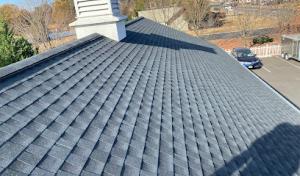
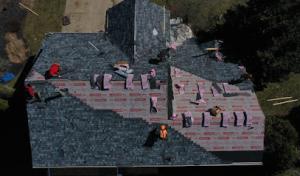
Emergency roof repair is a strong local service pattern in Millville, reflecting how often homeowners need immediate leak control before full replacement can be scheduled. When a sudden leak appears, act fast: set up a dry space beneath the leak, catch water with a basin, and place a tarp or heavy-duty plastic over the affected area to slow further intrusion. Because freeze-thaw cycles push moisture into shingles and underlayment, a prompt response can prevent interior damage and reduce the risk of ice dams forming once temperatures drop again.
Winter weather in this region can delay permanent installation, making temporary dry-in measures more relevant than in milder markets. If shingles or flashing fail during a cold snap, securing a tarpaulin or temporary roof membrane helps keep ceilings and walls safer while weather calms. Choose a cover that extends several feet beyond the leak, weighted down at all edges to resist wind. Check that attic ventilation remains available and that any penetrations around chimneys or vents are sealed as best as possible without compromising safety.
Storm-related scheduling uncertainty in spring and rain interruptions in fall make short-term protection a practical part of the local roofing process. Maintain a clear path to the protected area so crews can access quickly when weather windows open. If a contractor suggests a temporary dry-in, confirm that it includes edge detailing and secure fastenings to withstand gusts. Regularly inspect the tarp during stretches of heavy rain or wind, re-securing as needed to prevent blow-off and new leaks. In all cases, prioritize securing the interior first, then arrange a permanent repair plan as soon as conditions permit.
When you can't wait, these contractors offer fast response times to stop leaks and prevent further damage.
Skylights in Millville tend to be a recurring source of leaks, especially after storm-driven events. In many homes, the leaking trace starts at the flashing where the skylight interfaces with the roof deck. The local market sees multiple service calls tracing leaks from skylights through nearby vent pipes and chimney step flashing. Start with a careful inspection of the skylight curb, shingle-to-flashing junction, and any signs of dried-out sealant or staining along the interior ceiling near the skylight. If moisture shows up after moderate rain, prioritize a close look at the skylight flashing first.
Freeze-thaw cycling in this area can stress flashing transitions and expose weak points around penetrations sooner than climates with steadier temperatures. Look for hairline cracks in metal flashing, lifted shingle laps near the skylight, and gaps where step flashing meets the skylight curb. After a cold snap or a rapid warm spell, reassess these seams. A practical check is to gently press along each flashing corner; any movement or daylight showing through indicates a vulnerable seam that may invite leakage once moisture returns.
Humid summers can make small flashing failures more noticeable indoors, with moisture intrusion and staining building up on ceilings near skylights. If staining or a musty smell appears in the attic around a skylight, inspect the interior side of the curb, the sealant bead, and the landing zone of the flashing. When a minor moisture trace is spotted, document the exact location and frequency of dampness, then perform a targeted exterior inspection focusing on the skylight perimeter and any nearby shingle laps. This keeps response precise and minimizes unnecessary work.
Find contractors experienced in skylight installation, flashing, and leak repairs to bring natural light into your home.
Skyline Roofing Exteriors
(609) 408-9908 www.skylineroofingexteriors.com
219 Kenyon Ave, Millville, New Jersey
5.0 from 23 reviews