
Last updated: Apr 19, 2026
The pattern here in this corner of Cumberland County is relentless: winter freeze-thaw stress paired with spring and summer thunderstorm exposure creates a two-season cycle of flashing failure, lifted shingles, and a spike in leak calls. That spike isn't random; it follows the calendar and the way storms roll through the area. Each thaw, each powerful downpour, and each wind gust from a passing thunderstorm can compromise vulnerable flashing around chimneys, vents, and skylights. For a Bridgeton home with aging materials or undersized flashings, the risk compounds quickly as moisture works its way into attic insulation and wall sheathing. The clock runs faster when storm season collides with older roofs, and the damage compounds quietly until a noticeable patch appears in the ceiling.
In winter, repeated freezing and thawing stress the most exposed joints. Ice dams and hidden ice pockets push against lower roof edges, while poorly sealed valleys invite capillary seepage. When spring rains arrive, those same vulnerabilities are primed for rapid deterioration as water finds any gap created by prior cycles. This is not a once-a-year nuisance; it is a recurring wear pattern in the city's tree-lined streets, where branches shed debris that clogs drainage paths and concentrates moisture at critical flashing points. A small blister on shingles near a vent can become a full drip inside a few storms if neglected. A practical approach is to schedule targeted inspections after the heaviest wet tests of late winter and early spring, focusing on transitions between roof planes and around attic penetrations. Any sign of moisture staining, rusted nails, or lifted edges should trigger immediate attention, because waiting often means escalating repair scope and cost.
Falling leaves are more than an aesthetic issue in this climate; they are a practical roof problem Bridgeton homeowners encounter every autumn. Debris trapped in valleys, gutters, and along lower roof edges retains moisture and slows drainage. That moisture becomes a winter multiplier: it freezes, expands, and presses against flashing and sealant. Visual inspection under dim fall light often misses subtle lift at the rakes and eave lines, so a deliberate, daylight-assisted walk-around is essential before storms return. Consider a proactive cleanout of gutters and downspouts, plus a close look at valley seams and edge metal. Timely clearance reduces debris-induced moisture retention and helps protect the roof from moisture intrusion when the first winter winds arrive again.
Hot, humid summers concentrate heat at the roof deck, accelerating aging in some systems, especially where attic ventilation is weak. Second-story rooms may become uncomfortably warm, and roof sheathing can soften or warp if ventilation does not pull in fresh air to cool the underside of the roof. In Bridgeton's climate, moisture retention compounds the issue: damp attic spaces can trap humidity near flashing and sealant, reducing their effectiveness over time. The remedy is not merely replacement but a holistic check of attic ventilation balance, insulation depth, and the roof's ability to shed heat. If summers show signs of premature granule loss, curling shingles, or a persistent musty attic smell after storms, the warning is clear: address ventilation and moisture pathways now, before the next storm season arrives.
Act promptly when signs of wear appear, especially around flashing, valleys, and eave lines. Schedule a targeted inspection after major storms and before the peak of winter and spring rain. Maintain gutters and clear debris, focusing on leaf-prone routes. Prioritize improving attic ventilation where summer heat and humidity push moisture into roof assemblies. By aligning inspections with Bridgeton's two-season storm cycle, homeowner risk can be curtailed, and the integrity of the roof preserved through years of local weather.
Spring in this part of South Jersey brings milder temperatures and longer daylight, making installation more predictable after the last frost. The humidity spikes later, but early spring still avoids the peak heat of July and the deep cold of January. A typical replacement can progress with fewer weather-related interruptions if the roof is ready to go as soon as the rain subsides. Plan around trees, because Cumberland County's shade can slow drying times for underlayment and flashing joints on exposed sections. If spring rain is persistent, staggered start dates help crews keep sealants and shingles moving without compromising ventilation.
Fall offers a comfortable working range before the coldest snaps set in. The air is cooler, which helps sealants cure properly and reduces shingle distortion from heat expansion. In this window, timing matters for completion before first frosts. A dry stretch with low humidity minimizes bundling and storage issues on site. Consider aligning replacement with days that won't collide with the heavier storm pattern typical of late summer, so crews can finish without interruption from sudden downpours.
Thunderstorm season in late spring and summer can create sudden demand spikes for roofers in Bridgeton. When a major storm hits, trusted crews tend to book up quickly and travel times lengthen as emergency repairs take priority. If a replacement must be scheduled near or after a storm, coordinate with the contractor for a firm start date and a backup plan for weather-related delays. Building a small weather contingency into the schedule helps keep the project moving when pop-up storms are unavoidable. Have gutters and landscaping cleared in advance to reduce delays caused by debris and catch basins during wind-driven work.
Winter work in Bridgeton is more likely to involve temporary leak control and selective repairs because freeze-thaw conditions can complicate flashing work and shingle sealing. If a full replacement is pursued in colder periods, expect shorter daily progress windows and more frequent weather holds. In many cases, aiming for late fall or early spring helps avoid the most challenging freeze-thaw cycles while still minimizing downtime from winter storms. When winter work is necessary, prioritize sections most prone to leaks and ensure temporary measures are in place to protect interior spaces during rain events.
1) Inspect and document damage in late winter or early spring to identify priorities before the growing season.
2) Schedule a mid-spring start window with a clear rain-free forecast and a firm go/no-go date.
3) If possible, align the project to wrap before hot July days peak, leaving room for post-install inspections on humidity-challenged days.
4) Build a brief fall follow-up to address any minor edgework or flashing adjustments after the first hard frost.
5) Maintain ongoing communication with the contractor about weather-induced delays and plan backup days accordingly.
Get a clear picture of your project costs upfront - no commitment required.
Skyline Roofing Exteriors
(609) 408-9908 www.skylineroofingexteriors.com
Serving
5.0 from 23 reviews
Leopard Roofing
(856) 434-3111 leopardroofing.com
858 Barretts Run Rd, Bridgeton, New Jersey
5.0 from 7 reviews
Leopard Roofing, an established roofing company since August 2024, specializes in all your roofing needs. Whether you require repairs or a complete roof installation, our experienced team of professionals will ensure a quality result for your home. With a reputation for excellence, we deliver reliability and durability with every job, striving to bring your roofing vision to life.
Precision Roofing & Construction
(856) 896-5473 www.precisionroofingandconst.com
78 S E Ave, Bridgeton, New Jersey
5.0 from 5 reviews
Roofing repair

Premier roofing & siding contractor
(856) 776-0652 www.premierconstruction97.com
1061 Shiloh Pike, Bridgeton, New Jersey
3.5 from 11 reviews
Residential and Commercial Roofing(flat roofing and shingles roofing replacement ) Gutters (installation of new gutters, replace gutters and clean gutters) New construction ( roofing,siding,soffit,decking,Azek trim) Renovation (roofing,siding,soffit,decking and Azek trim)
Skyline Roofing Exteriors
(609) 408-9908 www.skylineroofingexteriors.com
Serving
5.0 from 23 reviews
Skyline Exteriors is an expert home exterior contractor. We offer an industry leading level of service, use only the finest quality products and guarantee all of our work which is done by trained experts. Roofing, Siding, Gutters, Windows, Doors - Residential & Commercial "Quality you can trust & Service you can rely on." Servicing South & Central NJ/Central PA
Quality Roofing & Siding
(856) 358-0091 qualityroofingandsidingnj.com
Serving
4.8 from 48 reviews
Reliable roofing installation services. Knowledgeable customer support. At Quality Roofing & Siding, a locally owned and operated business in Elmer, NJ, we have 30 years of experience performing professional roofing services. All of our residential and commercial services are priced affordably and competitively - we cater to the needs of our customers and offer a friendly and professional customer service experience.
In & Out Contracting
Serving
4.8 from 33 reviews
In & Out Contracting is a trusted painter and roofing contractor proudly serving homeowners and businesses across New Jersey. We specialize in high-quality interior and exterior painting, roof installation, roof repairs, roof replacements, and maintenance solutions designed to protect and enhance your property. Our skilled team uses premium materials, proven techniques, and detail-focused craftsmanship to deliver long-lasting, visually appealing results. Whether you need a fresh coat of paint, storm damage roof repair, or a complete roofing upgrade, we provide reliable service, honest pricing, and timely project completion. Choose In & Out Contracting for expert painting and roofing that boosts curb appeal, strength, and property value.
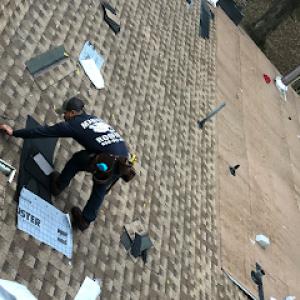
Marvin Roofing
(856) 842-4744 marvinroofingllc.com
Serving
4.9 from 119 reviews
Family Owned Business 100% work guarantee Registered & Insured Free Estimates
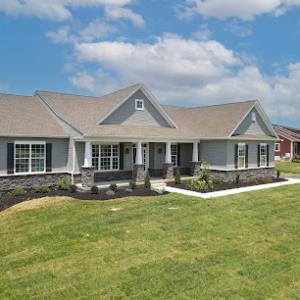
Archer Exteriors
(856) 363-7000 www.archerexteriors.com
Serving
4.8 from 287 reviews
Archer Exteriors is your trusted full-service expert in roofing, siding, windows, doors, and gutters. Backed by four decades of experience, we bring craftsmanship, reliability, and peace of mind to every project. From top to bottom, we’ve got your home covered!
Kingston Home Improvement & Roofing
(856) 667-4355 kingstonroofingnj.com
Serving
5.0 from 14 reviews
For over 15 years Kingston Home Improvement and Roofing has been serving the South Jersey and Philadelphia area with premium services. We offer roofing and home improvement services to both residential and commercial customers for affordable prices. Do not fear! We are fully licensed and insured, and ensure the highest-quality work for all our customers, with the owner being present on every job.
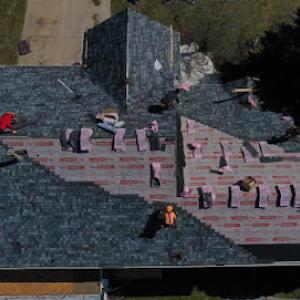
Aubrey Construction
(856) 404-9497 aubreyconstructionnj.com
Serving
4.9 from 63 reviews
Aubrey Construction provides residential roofing, storm damage clean-up, gutters, doors and windows to the South Jersey area.
Ashmen Installations
(877) 274-6361 www.ashmeninstallations.com
Serving
5.0 from 59 reviews
Roofing Contractor Vineland is the premier choice for roofing contractors in New Jersey. We provide a wide range of services to ensure we meet all our clients' roofing needs. Our clients have the chance to make a statement via the roofing system they choose. Our roofing experts will strive to help you choose the correct alternative to make your house more appealing. We carry a wide collection of siding materials, and our contractors will help you know the differences in roofing options since roofing technology is ever-evolving. Whether you want to replace the roof or you want a repair, don’t hesitate to talk to us.
Bell Roofing Company
(856) 265-0137 bellroofingservices.com
Serving
5.0 from 6 reviews
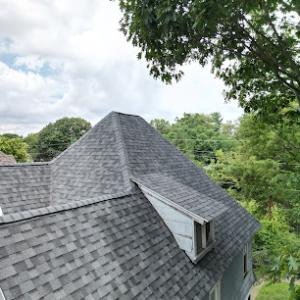
Welcome to Bell Roofing Company's office in Vineland, New Jersey! We take pride in providing top-notch roofing and siding services to both residential and commercial clients. With our team of experienced professionals, you can trust us to deliver exceptional results for all your roofing and siding needs. From installations to repairs, we are here to protect and enhance your property with quality craftsmanship and unparalleled customer service. Contact us today to receive a free roofing and siding Quote.
Asphalt shingles are the dominant practical choice for most Bridgeton homes because they align with the city's large stock of standard residential re-roofing projects and moderate budget expectations. This material handles the humid inland climate and the freeze-thaw cycles without requiring specialized framing changes. For homes with older roofs, asphalt's lighter weight and straightforward installation mean you can refresh the appearance and the surface's weathered resilience in a single major project, often with a familiar local crew. Keep in mind that mid-summer heat can affect adhesive seams, so proper ventilation during installation and careful stacking of shingles to avoid heat damage are practical steps you can plan around. When scouting options, emphasize architectural shingles that mimic the look of older homes in the area, while still delivering durable granule protection against the sun and storms.
Metal roofing can perform well in the wet climate of this area, offering strong hail resistance and quicker drainage during heavy rains. The key in this market is paying close attention to flashing and penetrations. Seasonal expansion and contraction can stress joints in ways that you don't notice at first glance, especially around vent stacks, chimneys, and skylights. If choosing metal, discuss with the installer the use of flexible seals and continuous flashing details, along with corrosion-resistant fasteners. Consider color and finish choices that reflect sunlight to reduce attic heat during humid summers. For homes that already have complex roof lines, a seasoned crew with Bridgeton-specific experience will help ensure that panels align cleanly with chimneys and dormers rather than creating micro-leaks later.
Clay and concrete tile are available in this market, but they are less typical for mainstream residential replacements. Structure, labor familiarity, and repair matching become important considerations here. Tile adds a long service life and distinct curb appeal, but it also demands a roof deck and supporting structure capable of carrying the extra weight. In practice, homes with older framing or limited attic access may require reinforcement or a more detailed assessment before a tile installation proceeds. If tile is chosen, work with a contractor who can demonstrate a tile-specific approach to underlayment, fasteners, and spacing that accounts for Bridgeton's storm exposure and the region's seasonal moisture swings. Tile roofs can be more sensitive to movement, so regular inspections after severe storms help catch hidden issues before a leak develops.
Concrete tile shares many of the same considerations as clay tile but often provides greater impact resistance and broader color options. It remains a viable option for homes seeking a longer-lasting surface while maintaining a classic styling cue. The weight and installation nuances mean that a professional team with experience in local housing stock will deliver the most consistent results, particularly in areas with mature tree coverage where branches can strike edges during wind events.
Wood shingles or shakes offer a traditional aesthetic that suits many older Bridgeton homes, but weather patterns and moisture demand a careful maintenance plan to prevent rot and insect issues. Synthetic shingles present a lower-maintenance alternative that mimics the look of wood while offering improved resistance to moisture and staining. When evaluating these options, prioritize products with proven performance in humid summers and freeze-thaw cycles, and insist on a detailing approach that protects eaves, rake edges, and valleys from rapid wear during storm seasons.
In this market, re-roofing demand spikes after thunderstorm events, and quick-response crews tend to drive scheduling pressure. That means you'll often see shorter-term price bumps from urgent assignments, especially when a roof has sustained wind damage or heavy debris. If your project can accommodate a few days of flexible scheduling, you may avoid some rush-hour surcharges that show up during busy weeks. The result is a practical rhythm: storms push crews into overtime windows, and those peak periods can shift material and labor availability in ways that ripple through your estimate.
Bridgeton homes with multiple penetrations-think skylights, vent pipes, chimneys, and complex flashing transitions-require more detailed detailing and cleanup. Debris-heavy rooflines add cleaning time before and after installation, and that extra labor shows up as higher material handling and disposal costs. When you're comparing bids, ask for a breakdown that separates debris removal, flashing work, and any remedial decking or underlayment repairs. If a chimney intersection or valley requires custom flashing, expect a noticeable uptick in both labor hours and material needs.
Material selection in this area tends toward affordability and practicality. Asphalt shingles and synthetic/composite shingles align well with Bridgeton's pricing realities and weather patterns, offering a dependable balance of cost and performance. Heavier premium systems-such as some metal, clay tile, or concrete tile options-may require added structural review or reinforcement, which translates into higher upfront costs and potential mitigation work. If your home has typical attic space and no unusual structural constraints, these premium routes often push out of reach compared with asphalt or synthetic options.
For a standard re-roof on an average Bridgeton residence, asphalt shingles typically run in the lower-to-mid range, with synthetic options edging higher but still common in the local mix. Metal roofing sits toward the upper-mid tier, while clay tile and concrete tile represent the higher end, especially when extra flashing and drainage considerations come into play. In homes with complex geometry or heavy fallout from storms, plan for additional cleanup and flashing customization that can add several hundred dollars to the project per square, depending on the extent of labor required.
Coordinate with a contractor who can forecast delays tied to storm recovery cycles and provide a phased timeline. Request a detailed bid that items labor by crew hours, material costs by type, and debris removal. For multiple-penetration roofs, ask for a dedicated flashing plan and a cleanup scope that covers debris from the ridge to the eaves. If insurance paperwork is involved, ensure your documentation aligns with the storm-driven timelines to avoid unnecessary pause in work.
A full roof replacement in Bridgeton typically requires a building permit, with review handled through the local municipal building department before work proceeds. The process is not a formality, and skipping it can lead to delays, fines, or a denial of future permits when you try to sell. In practice, the department will want to see reasonable documentation of the project scope, contractor licensing, and adherence to local codes, especially for older homes that carry a history of weather-related wear. Prepare for a review that may ask for structural notes, venting details, and flashing plans beyond the visible shingles. The permit step is not something to race through; a careful submission helps prevent last-minute changes that can stall the project.
Inspection in this area commonly targets ventilation and attic clearance, flashing details, and venting work rather than just the finished shingle surface. Proper attic ventilation is critical for the humid inland climate, where summer heat and winter condensation can stress roofing components and ceilings alike. If vents are blocked or improperly sealed, you risk increased moisture, higher energy use, and accelerated wear on underlayment. Flashing around chimneys, skylights, and vent stacks often reveals the first signs of trouble after heavy storms or seasonal freeze-thaw cycles. Expect inspectors to verify that flashing is continuous, seams are sealed, and any new vent penetrations are correctly integrated with the roof deck and attic space. The finished look matters, but the underlying roof assembly must meet the standards the permit intends to protect.
Permit issuance and inspection timing can vary with project scope and inspector availability, so homeowners should build municipal scheduling into their project timeline. In Bridgeton, a delay in a single inspection can ripple through the schedule, especially during peak construction seasons or after storms when inspectors have tighter calendars. Coordinate with your contractor to prepare for potential rescheduling windows, and keep a clear line of communication with the building department. Having all relevant documentation ready-permit numbers, contractor licenses, product specifications, and a basic ventilation/flash detail plan-reduces back-and-forth and helps maintain momentum on the project. This practical readiness minimizes surprises when the inspector arrives and helps ensure the roof replacement proceeds with fewer interruptions.
In Bridgeton, storm-related roof claims are shaped by New Jersey's documentation-heavy insurance environment, where adjusters may request photos, prior-condition evidence, and detailed invoices. You should prepare a labeled photo record from different angles, plus a concise summary of any preexisting issues your roof had before the storm. Have replacement shingles or tiles matched to the surviving roof segments, and keep supplier receipts and contractor notes readily available. This level of record-keeping helps prevent disputes about what existed before the event and what was caused by the weather.
Claim outcomes can hinge on whether damage is tied to a specific severe weather event versus long-term wear insurers may classify as maintenance-related. If a branch ripping off shingles after a thunderstorm is clearly visible and temporally linked to a storm, it supports a weather-related claim. Conversely, a sagging section from gradual wear without a clear triggering event is more likely to be treated as maintenance. Document the timeline with dated photos and any contemporaneous weather reports to support the cause-and-effect narrative.
State-level severe weather declarations can affect claim timelines and insurer response patterns after major storms. When a declaration is in effect, adjusters may move with tighter or looser schedules, and expedited processing can occur in some cases. Local homeowners should monitor official alerts and be prepared for potential shifts in required documentation or follow-up requests from the insurer during these periods.
After a storm, prioritize safety and then begin a methodical assessment: photograph all roof surfaces, note the date and time of the damage, and collect contractor estimates that detail the scope of necessary work. If a portion of the roof is compromised, request a temporary protective measure from a licensed professional to mitigate further interior risk, and document any subsequent weather exposure. Keeping a clear, organized file with dates, event details, and receipts reduces the risk of misclassification and supports a smoother claim review.
Connect with contractors who help homeowners navigate the claims process from damage assessment to final approval.
Skyline Roofing Exteriors
(609) 408-9908 www.skylineroofingexteriors.com
Serving
5.0 from 23 reviews
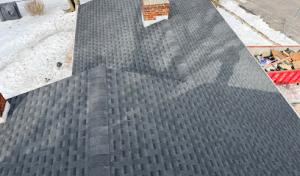
In Bridgeton, flashing at chimneys, roof-wall intersections, and vent penetrations is a recurring weak point because freeze-thaw cycling and repeated wetting stress sealants and metal details. Over the years, sealants crack, laps open, and flashing can pull away from joints where the roof transitions to brick or wood siding. Each season's moisture and temperature swing tests those edges. Inspect around chimney aprons and vent stacks after heavy rains or after a quick summer storm. If you see exposed metal edges, granular loss near the flashing, or dark staining along seams, plan targeted repairs before a small leak becomes a larger interior problem.
Leaf-retaining valleys and gutter lines are a local maintenance concern because moisture can sit longer on roof surfaces during Bridgeton's humid and rainy periods. When valleys collect leaves, twigs, and pine needles, water flow slows, promoting rot under shingles and accelerated wear at valley seams. Gutters that overflow or back up can back-draft along the fascia and into the roof edge. Regularly clear debris from valleys and ensure splash-diversions or drip edges are intact. Check the valley metal for fatigue or creasing after thundery downpours, and inspect adjacent shingles for curling or loss of granules where water sits.
Post-storm shingle edge damage and loosened ridge or flashing components are common inspection targets in Bridgeton after summer thunderstorm activity. High wind and hail can lift edges, crack sealants, or shift ridge caps. After a heavy storm, run a careful hand along roof edges to feel for lifted tabs, lifted flashing, or loose ridge shingles. Pay attention to any newly opened gaps at roof penetrations or along the rakes. If damage is found, address it promptly to prevent accelerated wear during the next humidity-heavy period.
Find contractors experienced in skylight installation, flashing, and leak repairs to bring natural light into your home.
Skyline Roofing Exteriors
(609) 408-9908 www.skylineroofingexteriors.com
Serving
5.0 from 23 reviews
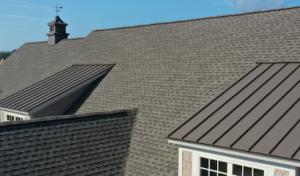
In a market where most crews are doing re-roofs, look for a contractor with a documented plan for removing the old roof, disposing of debris, and tidying the job site at day's end. Ask for specifics: how debris is contained, where old shingles go, and what happens if moisture or rot is found under the surface. Bridgeton homes sit under heavy tree cover and humidity, so a clean work area reduces leaf clogs and mold risk building up in gutters and valleys. A good contractor will spell out who handles waste, how often the site is swept, and how waste haul-away is scheduled around weather windows.
Because the local market rewards speed after a storm, some crews push upgrades rather than solid repairs. Focus on a scope that covers tear-off, flashing replacement, disposal, and a final inspection. The goal is a durable seal and solid venting details rather than glossy upgrades that don't address lingering moisture. Request a written checklist that shows precisely what is included and what gaps exist.
Storms can hit fast and affect multiple homes. A reliable contractor will provide a realistic window for visits, metal or shingle replacements, and uptime confirmation. Favor crews that confirm appointment windows, show up on schedule, and bring the right permits, materials, and disposal bins with a plan to minimize disruption to the street and driveways. In heavy Cedar swaths and backyards, access can be tight; plan with the crew for alley or roadside staging.
Even with pricing pressures, the right choice emphasizes your flashing replacements, gutter wipes, and inspection coordination. Ask for a written post-work inspection plan that confirms everything was sealed and no leaks remain. A neighborly approach, with transparent communication and predictable scheduling, goes a long way on a practical Bridgeton re-roof. Keep tradespeople reachable during the project for quick weather checks and updates.