
Last updated: Apr 19, 2026
Williamstown's roofing risk is driven more by inland wind events, heavy rain, and winter snow/freezing cycles than by coastal salt exposure. That means the biggest threats come from gusts that tear shingles, flashing that pulls loose, and thaw cycles that push water under edges and into attic spaces. Snow can linger, then melt rapidly, creating a cascade of hidden leaks behind soffits and in roof valleys. The backdrop is a neighborhood fabric of wood-frame homes with varied rooflines, where small vulnerabilities in flashing or shingle edges can turn into rapid interior exposure after a storm or a cold snap. Understanding this pattern helps you prioritize sturdy fasteners, well-sealed flashing, and timely inspections after every major storm.
After a high-wind event or a heavy rain, your first move is to stop the rain from getting deeper into the attic or living spaces. If you notice dripping, do not wait for a perfect forecast. Place a bucket under the strongest drip and cover exposed roof edges with a tarp or heavy-duty plastic secured with rope or rocks on the edges to prevent it from billowing in wind. Do not attempt to climb on a damaged roof in icy or windy conditions; a fall or a slipped ladder can create a second problem while you're trying to prevent the first. Document the scene with clear photos from ground level and, if safe, from ladders or balconies, focusing on missing shingles, lifted flashing, or obvious penetrations around vents and chimneys. Call a local contractor who specializes in emergency repairs and storm damage-this is a market where the signal favors rapid response. Request a verbal assessment of urgency and an in-person inspection within 24 to 48 hours, weather permitting. Insurance coordination should happen alongside the emergency temporary fix so you have a contemporaneous paper trail for claims.
Cold-season snow and freeze-thaw conditions in South Jersey can turn small shingle or flashing failures into interior leaks before full replacement can be scheduled. When temperatures swing above and below freezing, water expands and contracts, exploiting the tiniest gaps in sealants and underlayment. If you start to see staining on ceilings, damp spots in closets, or a musty odor near the attic, treat it as an emergency. Even if the visible damage seems minor, the underlying substructure may be compromised, which accelerates deterioration and increases the risk of mold or further rot. Schedule a comprehensive roof assessment as soon as a window opens after the storm, prioritizing checks of the valley flashing, chimney boot, vent collars, and edge shingles. If a leak is present, avoid delaying repairs to schedule a complete replacement-temporary fixes can preserve the structure while more durable materials are coordinated.
In this market, insurance-support needs are common after wind, rain, and snow events. Gather the basics: the date and cause of damage, a list of affected rooms, and a timeline of the leakage progression. Keep all correspondence with the insurer, including adjusted quotes and any denials, organized by date. Take high-resolution photos of the damage from multiple angles, including exterior roof features, attic entries, and interior water intrusion points. If a contractor provides temporary tarping or board-up services, obtain a written scope and a before-and-after photo set to attach to the claim. When your insurer requests an inspection, coordinate access and accompany the adjuster if possible to ensure the scope aligns with professional assessments. A prompt, thorough dossier helps prevent delays and supports faster approvals for emergency repairs or full replacements.
You face decisions on whether to pursue immediate patchwork or schedule a full replacement, depending on the extent of damage and the roof's age. If flashing is repeatedly failing, shingles are curling, or granular loss is extensive, planning for a full refurbishment may be prudent. In the meantime, prioritize components that seal against moisture ingress-properly flashing valleys, vent boots, and skylight seals-because those are common leakage points during winter storms. A trusted local roofer can guide you through staged repairs aligned with the available funding windows from insurers, while ensuring the work conforms to the realities of inland wind exposure and heavy debris in wooded neighborhoods.
The signal mix here strongly favors emergency repair and insurance-claims expertise, so start with contractors who handle rapid-response work and can provide a documented triage plan within 24 to 48 hours after a storm. Look for a local company with a proven track record in storm-damage scenarios, clear written scopes, and detailed safety protocols for winter conditions. Ask for references from Williamstown neighbors who faced similar leaks and wind damage, and verify that the roofer can coordinate temporary fixes while arranging the full-replacement timeline if needed. Prioritize solid flashing detail, quality underlayment checks, and a methodical approach to resealing penetrations, because you want protection that lasts through the next inland wind event and the next freeze-thaw cycle.
Asphalt shingles remain the standard choice for the majority of detached suburban homes in this market. The typical residential roof in Williamstown uses standard 3-tab or architectural shingles that hold up well through inland South Jersey winters and the accompanying freeze-thaw cycles. When evaluating a replacement or repair, consider how the shingle profile, underlayment, and edge details handle leaf buildup from wooded lots. A straightforward shingle system keeps installation straightforward and aligns with the prevalence of existing homes with asphalt roofing, making color and warranty claims easier to manage with local suppliers and crews who understand the area's weather patterns.
Metal roofing is present but far less common locally than asphalt. When metal is chosen, it's typically for a specific aesthetic or for properties that prioritize longevity and a tighter roofline profile. In dense suburban neighborhoods with mature trees, metal can shed leaves and pine needles more cleanly between maintenance visits, but flashing and panel overlaps require precise installation to perform well through winter snow and freeze-thaw cycles. If metal is considered, focus on selecting profiles and coatings that resist staining from pine debris and provide effective attic ventilation to prevent condensation in the winter.
Clay and concrete tiles appear as niche specialties rather than mainstream replacements. They're most likely found on homes with a Mediterranean-inspired appearance or on higher-end properties where the style is already established. Tile requires a solid roof deck and careful integration with existing chimney and vent configurations. In Williamstown's climate, tiles can offer excellent durability when properly installed, but they demand precise substructure work and bug-proof fasteners to guard against wind-driven debris and winter ice dams. If tile is in consideration, expect longer lead times and more thorough inspections of the substrate, along with a plan for maintenance to prevent cracked or displaced tiles after storms.
Cedar shake and other wood shingles present a distinct curb appeal for certain neighborhoods, but they're not the mainstream choice here. Wood comes with higher maintenance needs, including regular treatments for mildew and faster aging in shaded, wooded lots where leaf litter is common. In storm scenarios, wood can be more susceptible to moisture intrusion if the underlayment isn't robust or if painting and sealing aren't kept up. If wood is chosen, pair it with a durable underlayment and an upgraded drip edge to help manage heavy debris periods and winter moisture.
Synthetic or composite shingles fit the market between standard shingles and premium systems. They can offer improved impact resistance and fade longevity without the premium price tag of some tile or metal options. In a price-sensitive area where contractors emphasize affordability, these products can provide a balanced choice for storm resilience and ease of repair. Look for products with proven performance in freeze-thaw cycles and good warranty support from local suppliers who understand the patchwork of shade and sun exposure across Williamstown's neighborhoods.
When narrowing down material choices, consider long-term maintenance needs and the impact of heavy leaf drop on gutters and valleys. Prefer installations from contractors who can detail how the chosen system handles wind-driven rain, common in local storms, and who can provide clear guidance on debris management and inspection intervals after severe weather. Matching the material to the home's style and the neighborhood's typical rooflines helps ensure a durable, visually cohesive result that stands up to South Jersey winters.
In this market, asphalt shingles are the baseline material, with pricing typically reflecting a middle-ground quality option for everyday homes. The per-square cost for asphalt shingles sits around 350 to 750 dollars, depending on the shingle class, underlayment, and any added underlayment or ventilation improvements. If a project leans toward higher-end synthetic or architectural shingles, the per-square price climbs toward the upper end of that range or beyond, while basic contractor-grade shingles sit closer to the lower end. Other materials bring clear cost steps: metal roofing runs roughly 600 to 1,100 per square, clay tile 1,100 to 2,600, concrete tile 900 to 1,700, wood shingles or shakes 700 to 1,500, and synthetic or composite shingles 550 to 900. Asphalt remains the practical default for most Williamstown homes, especially when balancing long-term performance with immediate storm-repair needs after heavy wind or ice.
Storm activity and winter damage drive noticeable spikes in both scheduling and pricing. When a wind event or freeze-thaw cycle hits inland South Jersey, emergency repair work becomes a priority for many homeowners, and local crews often allocate scarce resources to storm responses first. That dynamic can compress lead times and push material and crew costs higher, even for standard re-roof jobs. In Williamstown, the mix of older homes, mature trees, and leaf debris during fall can compound storm-related requests, so it's common to see tighter windows between inspection and start dates and a premium for expedited scheduling. If hail or wind damaged panels are evident, expect additional costs for temporary tarping, debris removal, and potential extra flashing or leak-barrier work.
Most houses in suburban additions and attached garages feature mixed roof geometry, with low-slope sections, skylights, or transitions between different roof planes. Skylights add weight and complexity, increasing labor time and sometimes requiring specialized flashing kits, which nudges cost upward. Low-slope sections demand enhanced waterproofing methods and possibly more underlayment or membrane materials, raising per-square costs compared with standard steep-slope areas. The presence of multiple roof planes or an unusually complex ridge line also tends to elevate both material waste and labor duration, translating into higher overall project figures relative to a simple gable design.
To frame a realistic range, size the project in squares (1 square = 100 square feet). A typical 2,000-square-foot roof is about 20 squares. At asphalt's baseline of 350 to 750 per square, you're looking at roughly 7,000 to 15,000 dollars for a straightforward asphalt re-roof. If choosing metal, expect around 12,000 to 22,000 for the same footprint. Complex geometry or added features like skylights can push asphalt-based projects into a higher tier, while premium shingles or higher-end synthetics can push the total further up within their respective ranges. Always consider debris removal and disposal around fall leaf seasons, which can add a modest but real extra cost in Williamstown.
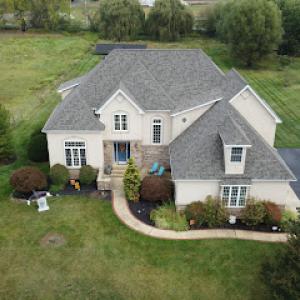
Emmons Roofing & Siding
(856) 556-3229 www.emmonsroofing.com
2924 S Black Horse Pike, Williamstown, New Jersey
4.7 from 449 reviews
Why should you choose us? With over 30 years of experience, we're an expert level roofing, siding, and window contractor. To help our customers, we offer 0% financing options and free estimates. We also handle insurance claims work, and we'll speak directly with adjusters. If you need exterior home improvement services from an experienced roofing contractor, contact us today.
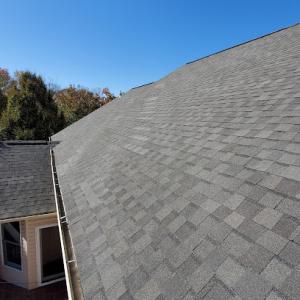
JBA Improvements
(856) 625-0906 www.jbaimprovements.com
770 Coles Mill Rd, Williamstown, New Jersey
5.0 from 31 reviews
JBA Improvements strives to provide the best service to our customers. We do not leave the job site till you are 100% satisfied with our work. We only use the best materials on our projects and offer money back guarantees if you are not satisfied with our services. We hope to serve you in the near future. Give us a call today for a free estimate! 856-625-0906. Have a great day!
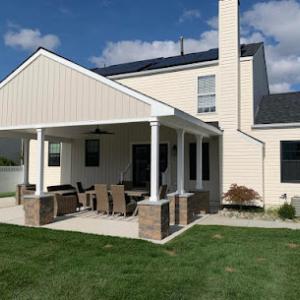
Sure Roofing & Exteriors
(856) 322-8422 www.sureroofs.com
1809 N Black Horse Pike Suite C3, Williamstown, New Jersey
5.0 from 25 reviews
When you need a professional and reliable roofing contractor, siding installer, or window and door installer, contact Sure Roofing and Exteriors, LLC. We guarantee responsive customer service, outstanding craftsmanship, and high-quality products. As a GAF certified contractor, we also offer a full range of Tamko, CertainTeed, and Owens Corning roofing materials, along with the Pristine Shingle line from Atlas. Partnering with these manufacturers allows us to provide the best materials warranties in the roofing industry, complemented by our workmanship warranties. Roof repair, roof replacement... shingle, metal, flat roofing...we do it all! Contact us today to schedule a free initial consultation.

Matrix Remodeling
(856) 261-6559 matrixremodeling.com
109 Fenimore Dr, Williamstown, New Jersey
5.0 from 7 reviews
Matrix Remodeling from Williamstown, NJ provides interior and exterior home improvement services to homeowners throughout the South Jersey area. We specialize in residential roof replacement, vinyl siding installation and trim work, decks, new gutters, energy-efficient window and door installation. Our company also installs and finishes sheet rock, painting, tile, flooring, framing, interior trim and so much more. Call today for a free estimate!

Diamond Exteriors
(856) 404-5955 trustdiamondexteriors.com
621 S Main St, Williamstown, New Jersey
5.0 from 7 reviews
At Diamond exteriors we do our best in pleasing the customer with the best customer service team and providing the most professional roofing and home remodeling services that we can. We take pride in our work and keeping the Jobsite safe and clean. We offer a wide variety of materials and top of the line manufactures.
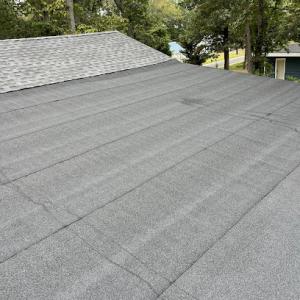
Delgado's Construction
(856) 515-9448 www.facebook.com
Serving
5.0 from 11 reviews
Delgado's construction is a local business that can help with all of your construction needs. Our prices are reasonable and our work is professional. Delgado's Construction takes pride in customer satisfaction, communication, honesty and flexibly so our customers have the best experience. We also provide 24/7 phone service.
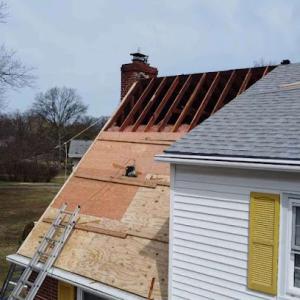
Roof Advisors
(856) 444-0346 roofadvisorsllc.com
Serving
5.0 from 12 reviews
Roof Advisors is your go-to resource for all your roofing needs in and around Magnolia, NJ. We have the necessary skills and experience to take care of even the most difficult jobs.
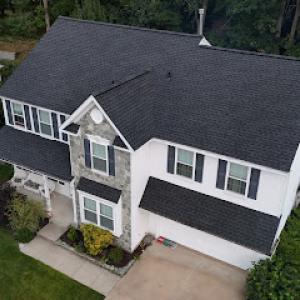
Eclipse Home Solutions
(856) 905-5673 eclipsesolutionsllc.com
Serving
4.9 from 94 reviews
Eclipse Home Solutions proudly serves Sicklerville, NJ, specializing in professional roof replacements that protect and enhance local homes. With New Jersey’s mix of heavy rain, snow, and coastal storms, roofs in Camden County face unique challenges that demand reliable solutions. Our team provides expert roof replacement services designed to handle seasonal weather, prevent leaks, and improve long-term durability. From replacing aging shingles to restoring storm-damaged roofs, we deliver workmanship that keeps homes safe and secure. Homeowners count on Eclipse Home Solutions for dependable service, quality results, and trusted roofing contractors dedicated to protecting their investment.
Mastercraft Exteriors
Serving
5.0 from 139 reviews
At Mastercraft Exteriors, we want each and every customer to end up with the home that they want. We’re not about selling the costliest solutions. We ARE about understanding your personal style, learning how you use your space, and recommending how to achieve the greatest function and style within your budget. Whether it’s a new roof, new siding, or a deck, you can depend on Mastercraft for outstanding workmanship, seamless service, and a dependable, professional team that takes pride in helping make your house the home for your lifestyle . . . and your lifetime.
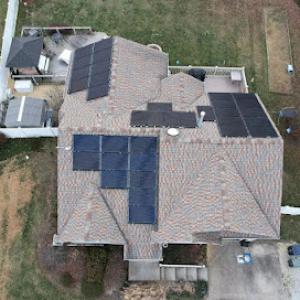
Ultimate Improvements
(856) 357-0653 ultimateimprovements.com
Serving
4.8 from 172 reviews
Ultimate Improvements is a licensed and insured roofing & siding company with over 20 years experience brought to every job site!
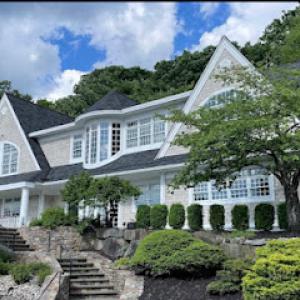
Viking Roofing New Jersey
(856) 636-3246 www.vikingroofingnewjersey.com
Serving
4.9 from 155 reviews
Viking Roofing & Restoration New Jersey is a trusted name in the roofing industry, offering over 30 years of expertise to homeowners and businesses across New Jersey. As leading New Jersey roofing contractors, they provide a full range of services, including residential and commercial roof repair, roof replacement, and new roof installations, using high-quality materials such as asphalt, metal, EPDM, TPO, and torch-down roofing systems. Their residential services include storm damage repairs, emergency roofing, and roof replacement, while their commercial expertise ensures durable solutions for various roofing needs, minimizing disruptions to business operations. Viking is your go-to choice for exceptional roof repair & roof replacement.
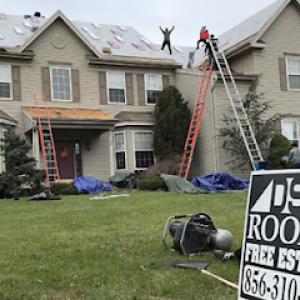
Dsk Roofing
(856) 310-7663 www.dskroofing.com
Serving
5.0 from 139 reviews
DSK Roofing is a trusted roofing contractor based in Wenonah, NJ. We specialize in a wide range of roofing services including roof repair, inspection, re-roofing, and new roofing installations. With years of experience and dedication to quality workmanship, we are committed to providing our customers with reliable and efficient roofing solutions. Whether you need a small repair or a complete roof replacement, DSK Roofing has got you covered. Contact us today for all your roofing needs.
In this area, full re-roofs require a formal permit through the township building department rather than being handled informally. For Williamstown homes, the contractor typically handles the permit submittal, pulling the necessary forms, plans, and any required documentation to start the project. This streamlines the process for the homeowner and helps ensure that the roof work aligns with local codes and safety standards. It's important to verify that the permit listing clearly identifies the project scope as a full re-roof and includes the chosen roofing system, underlayment, and ventilation details. Expect the permit to specify timelines and any conditions tied to weather or staging, since South Jersey's freeze-thaw cycles can influence material selection and installation methods.
Inspections are a built-in part of the Monroe Township process and are conducted over the course of the project as work progresses. The contractor usually coordinates the inspection schedule with the building department, so you won't need to chase multiple checkpoints on your own. Typical practice is for inspections to occur at key milestones during the roof replacement-after the sheathing is installed and fastened, after a completed underlayment and drainage plan, and again when flashing, vents, and roof penetrations are in place prior to covering with the final shingles or other roofing material. These interim inspections help catch issues early, particularly in a climate where wind-driven rain and seasonal debris can complicate installation details.
The final inspection acts as the compliance checkpoint before the project is considered closed out. Homeowners should expect this last review to verify that all components meet local building codes, that the roof installation has been completed to the specified scope, and that proper ventilation and drainage are functioning as intended. In practice, the final inspection often confirms that permit conditions were satisfied, dimensional specs were followed, and any required documentation or labeling is in place. If any discrepancies are found, the contractor typically corrects them on-site and schedules a reinspection promptly. Keeping copies of the permit, interim inspection notes, and a record of material specifications can simplify the final review and provide a clear trail for insurance documentation or future maintenance.
In this part of South Jersey, insurers commonly want roof-condition records, prior-damage history, and photo documentation. That combination travels fast through claim pipelines, especially when a storm leaves a messy mix of damaged shingles, lifted edges, and granule wash-off on driveways. Because the Williamstown market sees frequent storm-repair activity, having clear, dated evidence of the roof's state before and after events can spare you delays and second-guessing later. Gather contractor notes, service calls, and any diagnostic photos that show overall roof health, attic signs of water intrusion, and the condition of flashings around outlets, chimneys, and vents.
Wind and hail events tend to trigger closer adjuster review than routine repairs. Insurers may look for consistency between the damage description and the building's pre-storm condition, which can influence not only claims outcomes but also future coverage terms after significant storms. In practical terms, ensure you have corroborating documentation that ties the observed damage to actual wind or hail impact, rather than speculative causes. If there's prior damage, document how the new damage relates to or differs from what existed before the event.
Because many local contractors actively market insurance-claims help, homeowners in Williamstown should separate legitimate documentation support from pressure to file weak claims. Do not rely on a single source for assessment or paperwork; obtain independent evaluations when possible, and keep a private, organized record of all communications, estimates, and photos. If a claim seems amplified beyond the evidence, step back, review the history, and consult a trusted, insured roofing professional who understands South Jersey weather patterns and the way insurers handle storm-related repairs.
Connect with contractors who help homeowners navigate the claims process from damage assessment to final approval.
Emmons Roofing & Siding
(856) 556-3229 www.emmonsroofing.com
2924 S Black Horse Pike, Williamstown, New Jersey
4.7 from 449 reviews
JBA Improvements
(856) 625-0906 www.jbaimprovements.com
770 Coles Mill Rd, Williamstown, New Jersey
5.0 from 31 reviews
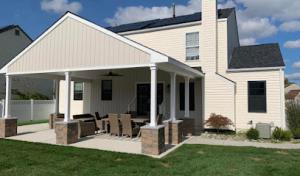
Sure Roofing & Exteriors
(856) 322-8422 www.sureroofs.com
1809 N Black Horse Pike Suite C3, Williamstown, New Jersey
5.0 from 25 reviews
Winter installations in Williamstown are complicated by snow and freeze-thaw conditions, so replacement timing matters more here than in milder parts of the region. If you must replace during the coldest weeks, plan for weather windows where days stay above freezing at least several hours and crews can work without repeated shutdowns. Surface preparation matters: ensure ice dam risk is addressed before work starts, and have a plan for temporary coverings to protect interior spaces if a sudden storm hits. Coordination with during-winter storms means extra attention to material staging and crew safety, so choose a contractor who can guarantee a solid schedule and reliable cold-weather procedures.
Spring can bring storm delays and heavy rainfall, while crews navigate tight schedules after winter. Start with a radar-aware timeline and a contingency plan for back-to-back rain events that push drainage testing or shingle installation. Since heavy debris buildup is common in wooded neighborhoods, plan pre-installation gutter and downspout clearing to prevent water backup during spring showers. Insist on proper flashing checks and clean, dry sheathing before any new layer goes on, and reserve a few flexible workdays for wind-driven rain events that can interrupt progress.
Summer heat and humidity can affect crew pace and material handling. Schedule long or labor-intensive tasks for cooler mornings and late afternoons when asphalt and underlayment behave more predictably. Ensure adequate shade, hydration, and break schedules to protect workers and maintain quality. In buildup-heavy areas, verify that attic ventilation is addressed in parallel, so roof decking doesn't overheat and warp during installation. Plan communication time with your contractor for mid-summer weather pauses and to review drainage paths after any heat-related expansions.
Autumn is important locally because leaf buildup from wooded neighborhoods can hide drainage and flashing issues right before winter. Do a thorough exterior sweep to uncover clogged gutters, blocked vents, and sagging flashing. Have a firsthand walkthrough to mark potential trouble spots-like valley intersections and chimney details-so crews can address them when leaves fall. This season-set helps seal drainage and moisture paths before the first cold snap, reducing surprises when temperatures drop.
Skylight leaks in this area are more often about penetrations and flashing than the field shingles themselves. When assessing a skylight, look for dry rot around the curb, worn flashing where it meets the roof, and any gaps where sealant has cracked. In Williamstown, freeze-thaw cycles stress those seal points, so check after heavy rains and repeated freezing days. If a skylight is failing, you typically need a targeted seal or flashing replacement rather than a full roof tear-off. Consider upgrading to a skylight with improved curb clearance and flashing detail to reduce future leak risk.
Flat and low-slope sections-especially on porches, additions, and garage tie-ins-are a frequent trouble spot. These areas accumulate debris, ponding, and wind-driven water that can overwhelm edge details. Inspect the flashing at transitions to steeper roofs, ensure proper slope with appropriate membrane, and verify that drip edges aren't buried under debris. In practice, plan for targeted flashing replacement and debris-clearing routines before the winter cycles start. If a low-slope patch shows signs of water staining or damp insulation, treat it as a priority area for a temporary seal and a longer-term fix.
Homes with mixed roof systems often develop transition details that fail earlier than the main field shingles during South Jersey rain and winter cycling. Pay close attention where shingles meet metal, tile, or different felt layers. Common failure points include step flashing at abutments, ridge vent continuity, and the interface where a low-slope section meets a steeper field. Address these areas with integrated flashing assemblies designed for mixed materials, and plan for extra inspection after storms that bring rapid temperature swings. In this local climate, preventive maintenance on transitions saves more time and worry than chasing leaks after a heavy rainfall.
Find contractors experienced in skylight installation, flashing, and leak repairs to bring natural light into your home.
Sure Roofing & Exteriors
(856) 322-8422 www.sureroofs.com
1809 N Black Horse Pike Suite C3, Williamstown, New Jersey
5.0 from 25 reviews
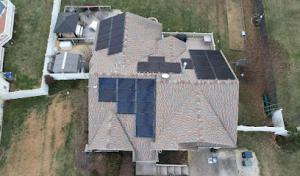
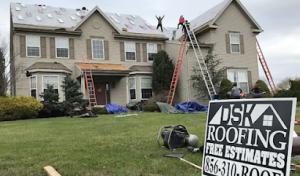
When a storm rolls through South Jersey, every hour without a tarping or cleanup plan can turn a leak into a bigger headache. In this neighborhood, the strongest signals from trusted roofers are fast arrival times, debris removal included in the service, and a clear plan for getting the yard, gutters, and driveway back to normal as soon as possible. Homeowners value a team that treats the aftermath like part of the job, not an afterthought, because lingering debris and ponding water can invite further damage during late-winter cycles.
Williamstown builds a lot of homes that have weathered multiple seasons, so you'll notice a durable, repeatable approach among the standout local firms: dependable crews with many local projects, neat work, and a track record of completing full re-roofs without dragging the process out. Long-established and family-owned firms have a visible presence in the market, which suggests homeowners value stability and local reputation. Look for crews that bring a calm, methodical plan to scaffolding, flashing, and shingle transitions, especially around chimneys and vent stacks where leaks often start after a cap sheet wears.
Manufacturer-certified, licensed, and insured firms are present but not universal, so verification is essential. In practice, that means asking for proof of manufacturer credentials, current licensing, and active insurance certificates before any contract is signed. In a town where storm response and insurance documentation matter, you'll appreciate a contractor who can reference recent claims projects and provide detailed, itemized repair steps. A cautious homeowner compares these credentials against a practical, neighborhood-tested portfolio to avoid assumptions that a name equals readiness.
Get a clear picture of your project costs upfront - no commitment required.
Emmons Roofing & Siding
(856) 556-3229 www.emmonsroofing.com
2924 S Black Horse Pike, Williamstown, New Jersey
4.7 from 449 reviews
JBA Improvements
(856) 625-0906 www.jbaimprovements.com
770 Coles Mill Rd, Williamstown, New Jersey
5.0 from 31 reviews

Matrix Remodeling
(856) 261-6559 matrixremodeling.com
109 Fenimore Dr, Williamstown, New Jersey
5.0 from 7 reviews