
Last updated: Apr 19, 2026
Spring heavy rain, summer thunderstorms, autumn nor'easters, and winter freeze-thaw cycles create a relentless cycle of stress on roofs. This mix drives more wind-driven rain and recurrent storm events in Camden County, and the risk of sudden leaks spikes between inspections and the full replacement. If shingles lift, flashings pull away, or gutters clog with pine needles and debris, water finds its way into attic spaces, ceilings, and walls. In this climate, a small breach can become a major leak within hours of a gusty storm, so action cannot wait.
If you notice damp spots, ceiling staining, or musty attic air after a storm, perform a cautious exterior check from ground level only. Look for lifted shingles, damaged flashing around chimneys or vents, and damaged soffit or fascia boards. If safe, remove loose debris from gutters and ensure downspouts aren't clogged, because standing water on a roof accelerates leak progression. Treat any newly found leak as urgent: place a temporary tarp or plastic sheeting, weighted down with boards and rocks, to buy time until a professional can secure a proper dry-in. Do not climb onto a slick or icy roof; the risk of falls is real in this environment.
Between inspection and a full replacement, a reliable dry-in is the homeowner's shield against interior damage. Wind-driven rain in this area often finds the smallest opening and travels along roof edges, vent joints, and chimney terminations. A fast, professional dry-in minimizes interior damage and buys leverage for an insurer claim. When arranging temporary protection, ensure it covers the most vulnerable spots first-valleys, penetrations, and transitioned roof sections-so you don't just slow the leak, you redirect water away from critical structure and insulation.
Storm damage signaling a storm-driven roof failure typically triggers faster escalation on claims. Gather dated photos from before and after each weather event, along with notes about when leaks began and which rooms were affected. Preserve any damaged personal belongings and document temporary repairs with timestamps. Local contractor signals show unusually strong demand for emergency repair and insurance-claim help, indicating homeowners often seek roofers immediately after weather events rather than only for planned replacements. Engage a roofer who can provide an organized, itemized repair plan and assist with insurers by supplying written estimates, photos, and a clear scope of work. Noting the sequence of events and the severity of each storm will expedite the claim review and help ensure funds are allocated to the actual dry-in and repair work that stops the leak.
With a year-round climate that combines humid summers and cold winters, preventive care matters. Schedule proactive inspections after the shoulder seasons-late spring and early fall-to spot uplifted shingles, compromised flashing, or clogged lines before a storm hits. In Sicklerville, rapid action after any strong event preserves interior comfort and protects the home's structure, so lean on local experts who understand the nuances of this neighborhood's roofs and the particular storm patterns Camden County experiences.
Asphalt shingles dominate the suburb-heavy roofscape of Sicklerville, which means the aging patterns of these roofs matter more here than in neighborhoods with more specialty systems. The mix of freeze-thaw winters and hot, humid summers accelerates wear at mid-life: curling edges, granule loss, and faster delamination around roof valleys and flashing creases. In your subdivision, a straight line between a good-looking roof and a letting-in leak is often the aging shingle stack and how the roof has handled seasonal shifts. If a roof is already 15 to 20 years old, plan for more frequent inspections after heavy storms or drought-driven heat waves. Look for soft spots, exposed fasteners, and any blistering where moisture may be trapped under the surface.
Timing replacement in spring or fall matters here due to the local climate. Freeze-thaw cycles in winter can stress edges and fasteners, while peak summer heat speeds granule shedding and shingle set. Scheduling a replacement in shoulder seasons reduces the risk of heat-related handling issues and helps crews complete work before winter, when any missed flashing or underlayment vulnerabilities become prominent. If you're leaning toward delaying a tear-off, make sure the overlying shingles still sit flat and that there isn't evidence of moisture under the current layers after a heavy rain. A well-timed replacement in mild seasons often translates to fewer callbacks during abrupt weather changes.
In this market, re-roofing is a common service, and homeowners frequently compare overlay versus tear-off options. An overlay can be tempting to limit labor, but it often hides underlying deterioration, and it can reduce attic ventilation and underlayment performance. A tear-off provides a cleaner surface and an opportunity to upgrade the underlayment and ventilation, which is valuable in the hot, humid summers that stress shingles here. If the existing underlayment shows signs of moisture damage, or if attic ventilation is limited, a full tear-off paired with an upgraded, more breathable underlayment is a practical choice for longer-term performance.
When replacing asphalt shingles, consider upgrading to a high-quality synthetic underlayment and ensuring proper attic ventilation. In a climate with hot days and cold nights, better underlayment helps shed moisture and resist tearing, while improved ventilation reduces heat buildup in the attic that can accelerate shingle deterioration. Adequate soffit and ridge venting helps maintain a stable roof temperature, which in turn slows granule loss and edge curling. If gutters are clogged during storms, ensure the new system channels water away from the fascia to prevent leaks at seams and flashings.
Storm-driven weather can create rapid leaks that reveal themselves at soffits or along interior ceilings. After a wind event, inspect the ridge line, valleys, and flashing for lifting or gaps. Document damage with clear photos, focusing on damaged shingles, flashing, and underlayment exposure. Keep a dated log of weather events and any quick fix attempts, such as tarping or temporary seals, to support any insurance claims. When calling a contractor, ask about documenting the extent of damage, including attic moisture checks and infrared scans if available, to build a precise claim packet. Quick response and thorough documentation can streamline the repair process and help you secure appropriate coverage for the replacement, especially after wind-driven weather.
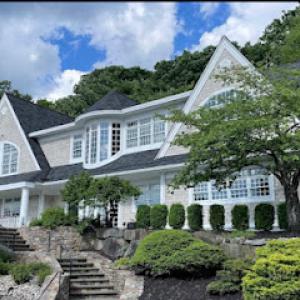
Viking Roofing New Jersey
(856) 636-3246 www.vikingroofingnewjersey.com
603 Liberty Pl, Sicklerville, New Jersey
4.9 from 155 reviews
Viking Roofing & Restoration New Jersey is a trusted name in the roofing industry, offering over 30 years of expertise to homeowners and businesses across New Jersey. As leading New Jersey roofing contractors, they provide a full range of services, including residential and commercial roof repair, roof replacement, and new roof installations, using high-quality materials such as asphalt, metal, EPDM, TPO, and torch-down roofing systems. Their residential services include storm damage repairs, emergency roofing, and roof replacement, while their commercial expertise ensures durable solutions for various roofing needs, minimizing disruptions to business operations. Viking is your go-to choice for exceptional roof repair & roof replacement.
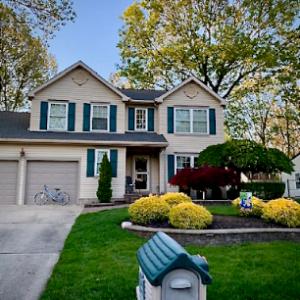
Primo Roofing & Siding
(215) 370-0861 primoroofingandsiding.com
47b New Brooklyn Rd, Sicklerville, New Jersey
5.0 from 6 reviews
Primo is a premier roofing contractor in NJ, offering exceptional services at budget-friendly rates through a skilled team of certified experts. As a fully licensed and insured business, we’ve proudly supported the Philly and South Jersey community for over ten years. Our comprehensive offerings include complimentary roofing estimates and expert installation and maintenance for residential and commercial roofs. We work with asphalt, metal, tile, slate, wood shingles, flat roofing, tar, eco-conscious options, and rubber roofing. Beyond that, we handle roof repairs, shingle replacements, leak resolutions, and waterproofing. Our services include gutter installation and cleaning, skylight and attic ventilation setups, and siding solutions.
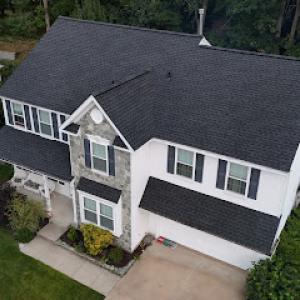
Eclipse Home Solutions
(856) 905-5673 eclipsesolutionsllc.com
Serving
4.9 from 94 reviews
Eclipse Home Solutions proudly serves Sicklerville, NJ, specializing in professional roof replacements that protect and enhance local homes. With New Jersey’s mix of heavy rain, snow, and coastal storms, roofs in Camden County face unique challenges that demand reliable solutions. Our team provides expert roof replacement services designed to handle seasonal weather, prevent leaks, and improve long-term durability. From replacing aging shingles to restoring storm-damaged roofs, we deliver workmanship that keeps homes safe and secure. Homeowners count on Eclipse Home Solutions for dependable service, quality results, and trusted roofing contractors dedicated to protecting their investment.
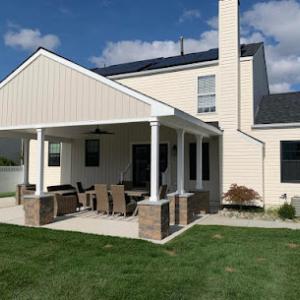
Sure Roofing & Exteriors
(856) 322-8422 www.sureroofs.com
Serving
5.0 from 25 reviews
When you need a professional and reliable roofing contractor, siding installer, or window and door installer, contact Sure Roofing and Exteriors, LLC. We guarantee responsive customer service, outstanding craftsmanship, and high-quality products. As a GAF certified contractor, we also offer a full range of Tamko, CertainTeed, and Owens Corning roofing materials, along with the Pristine Shingle line from Atlas. Partnering with these manufacturers allows us to provide the best materials warranties in the roofing industry, complemented by our workmanship warranties. Roof repair, roof replacement... shingle, metal, flat roofing...we do it all! Contact us today to schedule a free initial consultation.
Mastercraft Exteriors
Serving
5.0 from 139 reviews
At Mastercraft Exteriors, we want each and every customer to end up with the home that they want. We’re not about selling the costliest solutions. We ARE about understanding your personal style, learning how you use your space, and recommending how to achieve the greatest function and style within your budget. Whether it’s a new roof, new siding, or a deck, you can depend on Mastercraft for outstanding workmanship, seamless service, and a dependable, professional team that takes pride in helping make your house the home for your lifestyle . . . and your lifetime.
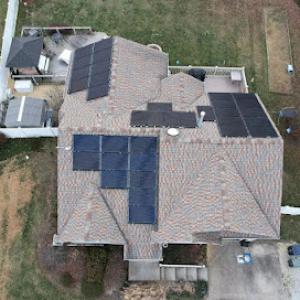
Ultimate Improvements
(856) 357-0653 ultimateimprovements.com
Serving
4.8 from 172 reviews
Ultimate Improvements is a licensed and insured roofing & siding company with over 20 years experience brought to every job site!
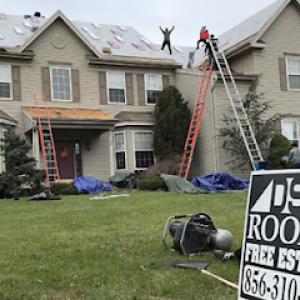
Dsk Roofing
(856) 310-7663 www.dskroofing.com
Serving
5.0 from 139 reviews
DSK Roofing is a trusted roofing contractor based in Wenonah, NJ. We specialize in a wide range of roofing services including roof repair, inspection, re-roofing, and new roofing installations. With years of experience and dedication to quality workmanship, we are committed to providing our customers with reliable and efficient roofing solutions. Whether you need a small repair or a complete roof replacement, DSK Roofing has got you covered. Contact us today for all your roofing needs.
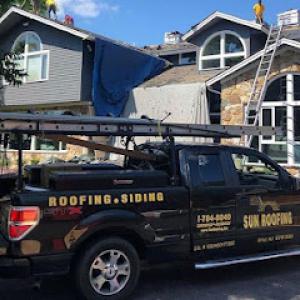
Sun Roofing
Serving
4.8 from 108 reviews
Sun Roofing provides roofing, siding, gutter and window services and 24/7 emergency services to the Gloucester County, NJ area.
Mighty Dog Roofing of South Jersey
(856) 880-7929 www.mightydogroofing.com
Serving
4.9 from 166 reviews
Mighty Dog Roofing of South Jersey is a trusted roofing contractor serving Sewell and neighboring South Jersey towns. We specialize in roof repair and roof replacement plus siding and window installation, combining locally owned service with the backing of a national brand. Enjoy free roof inspections, industry warranties, and a “no mess left behind” promise. Ready for a consult? Call or book a free inspection today.
Delgado's Construction
(856) 515-9448 www.facebook.com
Serving
5.0 from 11 reviews
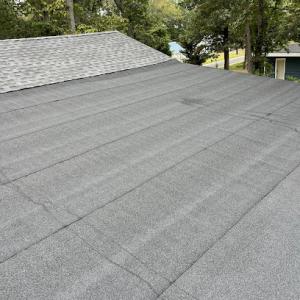
Delgado's construction is a local business that can help with all of your construction needs. Our prices are reasonable and our work is professional. Delgado's Construction takes pride in customer satisfaction, communication, honesty and flexibly so our customers have the best experience. We also provide 24/7 phone service.
Grand View Roofing & Exteriors
(856) 305-9883 www.gvexteriors.com
Serving
4.9 from 290 reviews
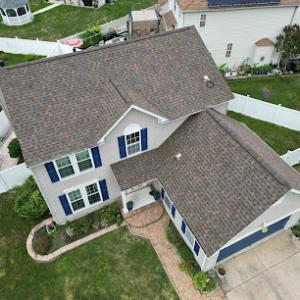
Grand View Roofing & Exteriors is a professional construction company providing services for roofing, siding, windows, and gutters. As a family owned and operated company, we treat every customer as if they were our own family and each job as if it was our own home. We want to earn your trust through superior work and craftmanship. Whether your overall goal is to replace a failing roof, change your home’s curb appeal, increase your property value, and / or save money by improving the energy efficiency, Grand View Roofing & Exteriors has got you covered. We offer a variety of products to fit any budget and need, all professionally installed by our kind, skilled, and experienced employees.
JRG Builders
(856) 383-6789 www.jrgbuilders.net
Serving
5.0 from 37 reviews
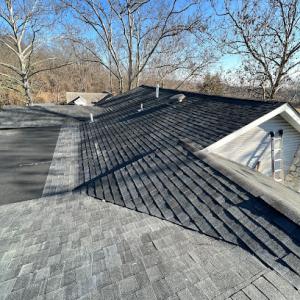
Our company offers professional roofing, siding, gutter services and more. Our team of experienced professionals is committed to providing high-quality workmanship and excellent customer service. Whether you need a complete roof replacement, new siding installation, or gutter repair, we have the skills and expertise to get the job done right. We use only the best materials and state-of-the-art equipment to ensure that your project is completed on time and within budget. Contact us today to learn more about our services and to schedule a consultation.
When budgeting a roof in this part of South Jersey, use these local ranges per square: asphalt shingles 350 to 700, metal 600 to 1300, clay tile 900 to 2000, concrete tile 800 to 1500, wood shingles or shakes 550 to 1100, and synthetic or composite shingles 450 to 800. Those figures reflect typical suburban re-roof replacements and capture the drift you'll see from material choice, contractor availability, and seasonal demand. In practice, the lowest end often covers standard asphalt jobs on evenly pitched roofs with straightforward edge work, while the higher end covers heavier materials or added features like integrated underlayment upgrades, upgraded venting, or a multi-hip layout. If a roof already has skylights, unusual penetrations, or a transition to a low-slope section, expect the price to lean toward the higher side within each material category. The strength and weight of tile or metal can also push labor costs up if extra framing or structural adjustments are necessary.
Pricing in this region can rise after regional storm periods when emergency calls, insurance-related replacements, and inspection scheduling compress contractor availability across the South Jersey market. That storm-driven bump tends to materialize as faster response, more urgent assessments, and, occasionally, premium triage charges. To avoid unwelcome surprises, start the conversation with a roofing professional early in the shoulder seasons, when weather is cooperative and crews are slower to fill. If a claim is involved, gather documentation ahead of time: photos of damage, a rough map of affected areas, and the dates of incidence. Insurance-adjacent work is often more time-sensitive and may see tighter scheduling windows, which can influence both price and timeline.
Pricing here is often influenced by whether the job is a straightforward suburban re-roof or a more complex replacement involving skylights, low-slope sections, or heavier materials like tile that are less common in the local housing stock. A simple asphalt job on a standard ranch or split-level may stay near the lower end of the range, while a clay or concrete tile roof on a two-story design with a few skylights and a low-slope patio area can push costs toward the higher end. If a roof swap requires temporary access, debris containment, or upgraded ventilation and drainage, those factors will add to the bottom line. In Sicklerville, careful upfront assessment of roof geometry and penetrations helps keep surprises out of the invoice and preserves the chance of a smoother claim process after a storm.
Don't let upfront costs delay a critical repair - these contractors offer payment plans to fit your budget.
In this portion of Camden County, the local township building department manages permitting rather than a separate city-run office. For a full re-roof, a building permit is typically required, and the roofing contractor usually handles the permit application on the homeowner's behalf. That means you'll likely interact with the contractor to prepare the documentation, submit the forms, and coordinate any fees, while you still retain ownership of the project and must ensure the work aligns with local codes. Rely on the contractor's familiarity with the Winslow area's specific requirements to avoid delays caused by missing paperwork or incorrect classifications.
Expect the application to request details about the roof type, dimensions, proposed materials, and project timelines. The contractor should provide engineered drawings, if applicable, and a site plan showing eave lines and access points. In practice, the process moves more smoothly when the homeowner gives consent for the contractor to submit and to respond quickly to requests for additional information. Keep copies of permits, approved plans, and any storm-related repairs that may influence code compliance, since local inspectors may reference them during review. Filing should happen early in a project window to avoid clashing with busy late-wallpaper seasons or storm-driven scheduling delays.
Inspections in this area follow a staged review pattern. A typical ladder of checks includes an underlayment/rough-in stage, followed by a final completion inspection once the shingles or other roofing material is installed and all penetrations, flashing, and drainage components are in place. The timing of each stage is coordinated through the contractor, who must arrange inspections with the township and confirm availability. Because scheduling can be tight, especially during shoulder seasons when Weather and storm activity pick up, plan ahead and lock in inspection dates as soon as the contractor confirms the corresponding work is ready. Unexpected weather or supply delays can push back a slot, so staying in close contact with the contractor helps keep the project on track.
Maintain an open line of communication with both the contractor and the building department. Before any work begins, verify the permit posting on-site and ensure the project scope aligns with the approved plans. After each inspection, request written confirmation of acceptance or a list of required corrections, and make sure corrections are completed promptly. For storm-driven repair work, documentation of the sequence-from underlayment installation to final shingle application-helps support insurance documentation and future maintenance references, should leaks recur or new issues arise during the life of the roof.
New Jersey carriers commonly ask Sicklerville homeowners for roof age, prior wind or hail history, photos, and contractor estimates before approving major roof claim decisions. When a storm rolls through the suburbs, carriers can shift toward strict documentation to separate preexisting wear from new damage. Your file should show a consistent, code-accurate record of what the roof looked like before the event and what it looks like after. If the age of the roof isn't obvious from receipts or prior work, a dated, professional assessment becomes critical. Be prepared to provide clear, consecutive photos that capture ridge lines, flashings, and any saturated decking from the most recent wind or hail event.
South Jersey's seasonal storms mean claims activity rises predictably after Nor'easters, wind events, or sudden winter leaks. Immediate action is key: take notes the moment conditions subside, and document any leaks inside the home, stained ceilings, or warped decking. Temporary fixes can keep water at bay, but beware that such patches may obscure underlying damage needed for a fair adjuster evaluation. In this market, adjusting teams expect to see a sequence of images, dated maintenance logs, and a concise narrative detailing when each problem first appeared and how it progressed. Having a timeline helps prevent gaps that could be used to minimize a claim. If you postpone documentation, your claim can slow or be reassessed, increasing the friction between you, the insurer, and the contractor.
The local market has a strong insurance-claims specialization signal, showing that many homeowners in Sicklerville are navigating adjuster visits and contractor documentation as part of the roofing process. Expect a coordinated rhythm: the adjuster visits, then contractor estimates, then a determination letter. Navigating that rhythm requires you to present a consistent storyline backed by evidence from trusted professionals. A reputable roofer who understands how insurers evaluate storm damage can help align your documentation with typical adjuster questions, reducing back-and-forth and the risk of denial or underpayment. Keep in mind that insurers may request revisions if later findings reveal additional hidden damage, so preserve all original records and correspondence. In the end, timely, thorough documentation paired with clear, professional assessments can make a meaningful difference in the outcome of a claim tied to a storm cycle.
Connect with contractors who help homeowners navigate the claims process from damage assessment to final approval.
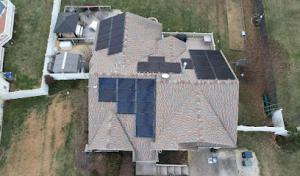
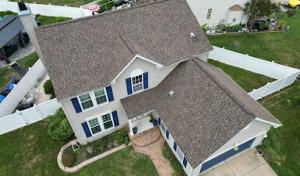
In the current Sicklerville market, asphalt shingles dominate the rooftops you'll see on many homes. They balance cost, availability, and familiar aesthetics for the typical South Jersey layout. If you're seeking a longer service life or a distinctive look, metal and synthetic shingles are strong options that still align with the local climate realities. The choice you make should consider routine storm impacts and the way a roof ages through moisture cycles and temperature swings.
Clay tile, concrete tile, and wood shake do appear in the material mix around town, but there is a smaller pool of contractors who specialize in these materials. If you're drawn to their texture or energy performance, expect a longer lead time for installation and more careful planning for roof geometry and ventilation. The limited installer pool can influence scheduling, especially after storm events when the weather becomes unsettled and quick, quality workmanship matters.
Sicklerville experiences freeze-thaw winters and hot, humid summers, so the choice of roofing material hinges on how it handles moisture movement and ventilation as much as on curb appeal. A roof system that manages moisture well-through proper underlayment, ventilation, and attic insulation-will endure a harsher cycle of cold snaps and humidity. Look for materials and assemblies that accommodate seasonal expansion and contraction, with a focus on attic air flow and vapor control. Even if a shingle's color and texture catch your eye, the way it moves moisture and vents heat will shape long-term performance.
When evaluating options, assess the compatibility of the chosen material with existing roofing geometry and local weather patterns. Asphalt shingles pair well with standard underlayment and typical attic venting, while metal or synthetic options can offer improved wind resistance and color retention. If opting for tiles or shakes, confirm that the roof structure, flashing details, and drainage plan are ready to support the heavier or more intricate installations. The goal is a roof that keeps water out, dries quickly after storms, and maintains efficient ventilation year-round.
Skylight work shows up frequently in the local contractor mix, suggesting many homeowners need leak diagnosis where roof penetrations meet aging shingles or flashing. In Sicklerville's four-season climate, these spots carry extra risk: heavy rain and wind-driven storms stretch flashing and sealants, and aging shingles around the penetrations can shoulder more water pressure than the rest of the roof. Flat and low-slope sections are active but not dominant, fitting a suburban stock where such areas tend to show up over porches, additions, or small rear extensions rather than across the whole roof. These transition zones are especially vulnerable during South Jersey's heavy rain events, when flashing details fail before the main field of shingles does.
When a leak is suspected around a skylight, start with a simple check: look for dried or missing sealant around the base and around the curb. Inspect the flashing ridge where the skylight meets the roof field; discoloration on the shingles nearby may indicate outward water movement even if the skylight itself looks intact. During the next rain, observe how runoff behaves at the transition from the skylight to the surrounding shingles. If water travels along the counter-flashing or forms new staining along the adjacent shingles, the problem is usually flashing-related rather than the skylight pane itself.
Low-slope sections over porches or additions require careful attention to flashing and seam integrity. Flat-to-slope transitions can trap water if the seam materials are aged or if the drip edge is compromised. When diagnosing, check for pooling water, especially after storms, and verify that ridge and side flashings are continuous and well-seated. If a low-slope area feels unusually soft or shows signs of moisture intrusion in the attic, plan a targeted inspection of the entire transition rather than patching in isolation.
For both skylights and low-slope transitions, prioritize proven flashing materials and proper sealant compatibility with existing shingles. Ensure fasteners through the curb or flashing are sealed and watertight, and consider upgrading to a more robust flashing kit if aging components show signs of corrosion or uplift. In storm aftermaths, document all visible damage with photos, focusing on transitions first, since these points often fail before the main field of shingles.
Find contractors experienced in skylight installation, flashing, and leak repairs to bring natural light into your home.
Primo Roofing & Siding
(215) 370-0861 primoroofingandsiding.com
47b New Brooklyn Rd, Sicklerville, New Jersey
5.0 from 6 reviews
Spring and fall are the safest replacement windows because they avoid winter's freeze-thaw cycles and the peak heat of summer. In this area, shoulders seasons line up with milder temperatures, lower humidity, and less extreme sun, which helps shingles seal properly and reduces the risk of heat-related fasteners loosening. If planning ahead, target mid-spring or early fall when the weather is more predictable and outdoor work is comfortable for crews.
Spring jobs can still be interrupted by heavy rain and hail risk, so homeowners should expect weather-related rescheduling even in a preferred season. March through May can bring quick shifts in wind and sudden storms, especially after late-winter fronts. Build in a contingency window of a few good weather days back-to-back, and communicate a flexible date with the roofing crew. Have gutters cleared and exterior items secured beforehand to keep the project moving when a storm rolls through.
Autumn scheduling competes with nor'easter risk and year-end demand, making earlier booking important for homeowners trying to replace a roof before winter. Early fall typically offers stable conditions, but winds from late-season storms can rise quickly as the season shifts. Lock in a start date once you have a firm window of dry, moderate weather, and plan for a quick, thorough teardown and installation to finish before the first freeze.
Coordinate with local crews to align the project around a 4-6 week forecast block of stable weather. Prioritize midweek start dates to avoid weekend rain surges, and keep an alternate date ready in case a storm affects the initial plan. Maintain clear communication about expected completion timelines and any weather-related pauses so you can adjust your plans without losing momentum.