
Last updated: Apr 19, 2026
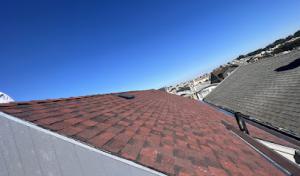
You're living in a place where spring storms, hurricane-season wind and rain, and regional hail can hit with little warning. In a single event, shingles can lift, underlayment can soak, and gutters can clog, leaving vulnerable sheathing exposed. The highest priority is identifying active leaks and wind-damaged areas the moment rain stops. Step outside with a flashlight if needed, look for curling or missing shingles, lifted edges, and obvious gaps near dormers, chimneys, or skylights. Pay close attention to roof sections that overhang trees or power lines, since impacts from debris are more common there. If you see signs of active leakage into the attic, stop any further interior damage by placing a temporary waterproof barrier-tarps or thick plastic sheeting secured with exterior-safe fasteners-over the area until professional help arrives. In Hammonton the sequence matters: weather turns fast, so don't wait for a second round of rain to confirm where water is entering.
Inspection after a storm in this area routinely checks more than just the visible shingles. Wind uplift can compromise underlayment, fascia, and roof-edge details in ways that aren't obvious from ground level. Before any permit closure or major repair discussion, many homeowners are surprised to learn that inspectors look closely at underlayment integrity and how well the roof deck is sealed at the eaves and rake edges. If underlayment is compromised, moisture can migrate laterally and silently, causing hidden rot that only appears after days of drying and drying cycles. The best action if you're dealing with wind-driven damage is to document every area that shows lifted or missing underlayment, torn flashing, or damaged edge metal. Take clear photos from multiple angles and at different times of day, including after rain. This isn't just about a single leak; it's about protecting the entire roof assembly so a full replacement, if needed, can be properly justified and completed without delay when conditions allow.
The local contractor market shows unusually strong demand for storm damage, emergency repair, and insurance-claim help compared with niche roofing specialties. That dynamic creates two practical realities you must navigate: first, response times can be shorter for urgent leaks but longer for non-emergency assessments; second, the availability of crews skilled in storm-focused documentation matters. When you contact a roofer, request immediate triage for a temporary fix to stop water intrusion, followed by a detailed assessment that includes: a thorough leak map, elevated photos showing edge details, attic moisture indicators, and a written plan that ties each repair to wind uplift and underlayment concerns. Be explicit about the need to preserve your interior and the roof's long-term performance, not just patching the visible hole.
Act quickly to secure damaged edges and create a reliable evidence trail for your claim and repairs. Photograph all signs of damage-missing shingles, lifted tabs, damaged flashing, and any visible holes or tears in underlayment. Keep a log of weather events and dates when leaks were noticed, including interior staining and fastener corrosion if applicable. If a storm hits again, document as soon as safe access is possible; repeated incidents can indicate a broader issue with roof deck integrity or flashing configuration that demands reinforcement rather than a quick fix. In Hammonton, where seasonal swings and hail are part of the rhythm, establishing a clear, action-focused response pathway will minimize interior damage and position you for a smoother recovery when the next wind-driven event rolls in.
Milford Roofing
(609) 308-9066 milfordroofrepairinc.com
373 S White Horse Pike suite 644, Hammonton, New Jersey
5.0 from 55 reviews
Milford Roofing delivers dependable roofing services to keep your property protected year-round. Our experienced team handles everything from leak repairs and storm damage restoration to complete roof replacements, using quality materials for lasting results. We focus on timely service, professional workmanship, and clear communication, ensuring the process is smooth and stress-free. Whether you need a quick fix or a brand-new roof, Milford Roofing is the trusted choice for reliable roofing solutions.

Integrity Exterior Services
(609) 704-5358 integrityexteriorservices.com
11 S 3rd St, Hammonton, New Jersey
4.9 from 87 reviews
Integrity Exterior Services – Expert Roofing & Gutters in New Jersey Built on integrity and backed by real experience, Integrity Exterior Services is your go-to choice for roofing and gutter solutions in New Jersey. Offering clear, honest estimates with no hidden fees, their team handles everything from roof installation and repairs to gutter servicing—always with transparent pricing and straightforward communication. Whether you’re fixing storm damage or tackling a full exterior upgrade, they make the process easy and reliable. Locally trusted and homeowner-approved, they protect your home without the sales pitch. Reach out today for a free quote and discover how easy peace of mind can be.
ECC Roofing & Siding
(609) 869-2036 www.eccroofing.com
187 NJ-73, Hammonton, New Jersey
4.8 from 389 reviews
Looking for reliable roofing, siding, or gutter services in South Jersey? ECC Roofing & Siding is a trusted, family-owned company with over 20 years of experience serving residential and commercial clients. We specialize in roof repairs, full roof replacements, gutter installations, and siding replacements. Our commitment to quality, customer satisfaction, and utilizing cutting-edge techniques ensures your home's protection and aesthetic appeal for years to come. Discover why homeowners and businesses across Southern New Jersey rely on ECC Roofing & Siding.
EJT Custom Xteriors
847 12th St, Hammonton, New Jersey
4.5 from 28 reviews
Serving South Jersey for over 22 years- we make homes look and feel like new! We are a fully licensed, bonded and insured home improvement company. With over 26 years experience, EJT Customs has been South Jersey’s leader in roofing, siding and home improvement projects for both residential and commercial properties. Originally established in 1996, we continually strive to be the most dependable top remodeling company in South Jersey. We attribute our success to our belief that business is built on good relationships, honesty, integrity and quality work.
Iron Shield Roofing & Siding
(609) 358-3853 ironshieldroofingsiding.com
Serving
5.0 from 28 reviews
The team at Iron Shield Roofing & Siding has the skills and experience needed to provide quality roofing services in the Mays Landing & Vineland, NJ area. From roof repair to siding installation, our reliable crew can do it all. You'll be glad you trusted our experienced contractors with your home or place of business.
Pace Roofing
(856) 386-5545 www.pace-roofing.com
Serving
5.0 from 44 reviews
Pace Roofing, a family-owned and operated roofing contractor established in 2018, protects homes and families throughout South Jersey. Specializing in everything from comprehensive roof replacements to swift storm damage repairs, Pace Roofing expertly handles flat roofing systems, gutter installations, and siding projects. Serving communities such as Sicklerville, Sewell, and Williamstown, their licensed and insured team brings decades of combined experience to every job. Expect honest assessments, superior craftsmanship, and dependable service from a company dedicated to your peace of mind.
Mallett Construction
(856) 312-3229 www.mallettroofingnj.com
Serving
5.0 from 44 reviews
At Mallett Construction, we believe that the roofing installation process should be seamless. We pride ourselves on our ability to make beautiful, durable, and easy-to-maintain roofs. We offer a wide range of styles, colors, and materials so you can find the one that suits your home’s needs best. Whether you choose an asphalt roof or cedar shake roof, we’ll get the job done right. Call us at (856) 312-3229 for a free estimate!

Airborne Roofing
(856) 662-1382 www.airborneroofing.com
Serving
4.9 from 28 reviews
At Airborne Roofing, we've been providing roofing services for homes and businesses in South Jersey since 1968, including roof repair, roof replacement, and new roof installation services. We are fully licensed and insured, as well as GAF certified and Mule-Hide certified.
Emmons Roofing & Siding
(856) 556-3229 www.emmonsroofing.com
Serving
4.7 from 449 reviews
Why should you choose us? With over 30 years of experience, we're an expert level roofing, siding, and window contractor. To help our customers, we offer 0% financing options and free estimates. We also handle insurance claims work, and we'll speak directly with adjusters. If you need exterior home improvement services from an experienced roofing contractor, contact us today.
JJ Total Construction
(609) 949-1450 www.jjtotalconstruction.com
Serving
5.0 from 12 reviews
JJ Total Construction, Inc. is a South Jersey roofing contractor that also provides siding, decks, windows and more in South Jersey (Atlantic, Camden, Burlington and Mercer County, NJ). We have been a local family-owned and operated South Jersey roofing, siding and deck contractor since 1996, and we have two locations, in Brigantine and Robbinsville, New Jersey.

Matrix Remodeling
(856) 261-6559 matrixremodeling.com
Serving
5.0 from 7 reviews
Matrix Remodeling from Williamstown, NJ provides interior and exterior home improvement services to homeowners throughout the South Jersey area. We specialize in residential roof replacement, vinyl siding installation and trim work, decks, new gutters, energy-efficient window and door installation. Our company also installs and finishes sheet rock, painting, tile, flooring, framing, interior trim and so much more. Call today for a free estimate!
JBA Improvements
(856) 625-0906 www.jbaimprovements.com
Serving
5.0 from 31 reviews
JBA Improvements strives to provide the best service to our customers. We do not leave the job site till you are 100% satisfied with our work. We only use the best materials on our projects and offer money back guarantees if you are not satisfied with our services. We hope to serve you in the near future. Give us a call today for a free estimate! 856-625-0906. Have a great day!
Asphalt shingles are the dominant practical choice in Hammonton, but the local material mix also includes metal, tile, wood shakes, and synthetic products, which means homeowners are often comparing durability against storm exposure and seasonal temperature swings. When you're weighing options, focus on how each material handles hot summers, cold winters, and the Pine Barrens wind-driven rain that comes with spring storms.
You'll notice asphalt shingles cover a large share of the roofs you'll see driving through town. They're generally easier to repair after wind events and are forgiving on older structures that aren't built for heavy loads. In a climate with rapid temperature swings, look for shingles with good granule retention and a weather-tough underlayment. Choose a product with a reinforced sealant and a stout nailing surface to resist wind uplift. For homes that face frequent deluges or driving rain, a high-quality synthetic underlayment paired with upgraded ridge and hip venting helps manage heat buildup and moisture intrusion between storms.
Metal panels or shingles can excel in Hammonton's storm-driven market because they shed rain quickly and resist impact better than many other options. The trade-off is thermal movement, which can stress fasteners and sealants if installation isn't done with proper expansion gaps. If you're considering metal, prioritize panels or profiles that accommodate movement and use sealants designed for coastal climates. A coated, corrosion-resistant finish matters in this region's salt-influenced air, and a robust attic ventilation plan reduces heat transfer that otherwise ages the sealants faster.
Clay and concrete tile appear in the local mix but require attention to structural loading and breakage risk during repair access, especially on older homes not originally designed around heavy tile systems. If you're eyeing tile, have a structural assessment done first to confirm the roof deck and trusses can carry the extra weight. In repair scenarios, realize tile can be brittle under impact and during ladder work; plan access paths and temporary supports accordingly. Tile's long service life is appealing, but the upfront considerations and repair logistics can be more involved than on a typical asphalt roof.
Wood brings character, but Hammonton's climate accelerates wear on exposed edges and fasteners. Expect more maintenance cycles if you select shakes in exposed roof sections. Treating wood with a rot- and insect-resistant finish helps, and selecting a thicker shake with a proven sealing system improves wind resistance. In storm-driven situations, ensure the roof has solid drip edges and improved ventilation so moisture doesn't linger in the attic or underlayment.
Synthetic products offer a middle ground: decent impact resistance, good dimensional stability across temperature swings, and lower maintenance in some cases. They often resist thermal movement better than natural materials, which can reduce sealant fatigue. If you choose synthetic, verify the warranty addresses UV exposure and wind uplift for your exact slope and exposure, and pair with a compatible underlayment and ventilation strategy.
Across all options, prioritize a well-sealed underlayment, robust attic ventilation, and attention to sealant compatibility with your chosen material. In wind and rain events, a roof system that balances rapid moisture shedding with durable edge protection tends to weather Hammonton's seasonal shifts most reliably.
In Hammonton, roofs endure Pine Barrens exposure, seasonal temperature swings, and the occasional severe wind-driven rain. If shingles are curling, cupped, or missing across large sections, or if you notice multiple leaks that recur after storms, replacement becomes more practical than patching. A roof with widespread granule loss, frequent rapid-to-dry patches, or sustained underlayment deterioration after a harsh season is often more cost-effective to replace than repeatedly repair. When you're evaluating, count the number of damaged or delaminated areas and weigh the cumulative risk of interior water intrusion versus the upfront effort of a full tear-off.
Dry, temperate periods are preferred for roof installation because summer heat and humidity can slow crews and affect material handling, while winter freezes and snow loads can delay tear-offs and stress exposed underlayment. Plan for a stretch of consistently mild days with little rain in the forecast. If you're nearing the edge of a replacement decision, avoid waiting through peak heat or the soggy days of late summer, as both slow down work and can compromise installation quality. In practice, the ideal window tends to be the shoulder seasons when crews have steadier schedules and materials can arrive without backlog.
Spring storms and hurricane season can interrupt scheduling and leave homeowners competing for contractor availability after regional weather events. If a major storm hits, expect a surge in demand and potential delays. The prudent approach is to secure a verifiable plan and a provisional start date that can adjust when storm tracks and wind warnings shift. If you've experienced back-to-back weather events, be prepared for longer lead times and consider booking with a contractor who maintains a storm-response roster to reduce scheduling friction when the next round rolls through.
Hail season in this part of New Jersey can trigger abrupt demand surges, so homeowners who wait until after a storm often face longer lead times. After a wind-driven rain event, inspect ceilings, walls, and attic spaces for moisture indicators. Photograph damage promptly and document dates, wind speeds if known, and which sections showed leaks. Insurance claims often hinge on timely, organized records. Keep a folder of incoming invoices, color photos, and notes on when leaks appear during rain. If repairs are necessary as a temporary measure, choose coverings that protect against further moisture while you finalize replacement plans.
If replacement is likely within the next season or two, begin coordinating with a roofer who can provide an in-depth inspection and a staged plan. Consider how the selected material type handles seasonal swings and wind loads in this climate, and how access to attic ventilation and insulation can complement a replacement to reduce future stress on the roof system. Maintain a simple, up-to-date file of all storm-related observations, contractor communications, and delivery dates so that when the first clear-weather week arrives, the project can proceed with minimal friction.
Get a clear picture of your project costs upfront - no commitment required.
Integrity Exterior Services
(609) 704-5358 integrityexteriorservices.com
11 S 3rd St, Hammonton, New Jersey
4.9 from 87 reviews
ECC Roofing & Siding
(609) 869-2036 www.eccroofing.com
187 NJ-73, Hammonton, New Jersey
4.8 from 389 reviews
Full roof replacements typically require a building permit through the town's Building Department rather than being handled informally between homeowner and contractor. This means the permit process is a formal step that protects both you and your property, especially given Hammonton's exposure to Pine Barrens winds and seasonal temperature swings. Before any work begins, expect the Building Department to review your planned scope, project duration, and chosen roofing system. The permit is not just a stamp of approval; it creates a documented trail should issues arise during or after installation. Keep in mind that permitting requirements apply even for older homes that may have nonstandard roof configurations or attic ventilation quirks.
In this area, the contractor commonly submits plans and material details as part of obtaining the permit. This submission usually includes roof deck condition, underlayment type, vapor barriers, ventilation strategy, fastener schedules, and the chosen roofing material. Because Hammonton experiences wind-driven rain events, the plan often emphasizes wind uplift resistance and proper attachment methods suited to local exposure. Expect the plan to specify underlayment depth, sealants, drip edge installation, and flashing details around chimneys, vents, and skylines. Contractors who are thorough with documentation can help streamline the review, reduce back-and-forth, and set clear expectations for sequence and inspection checkpoints.
Inspections occur during installation and again after completion to verify proper installation, ventilation, and code compliance. In Hammonton, inspectors commonly scrutinize wind uplift resistance at the roof edges, the continuity of underlayment across hips and valleys, and the adequacy of attic ventilation to prevent moisture buildup. The evaluation typically covers nailing patterns, shingle or panel alignment, and the integrity of flashing around penetrations and roof-to-wall transitions. Be prepared to accommodate inspection timing, as weather can influence scheduling; however, the process prioritizes safety, performance, and long-term durability in this climate.
Upon passing final inspection, permit closure confirms the roof meets local standards for structural safety and weather resistance. A frequent pitfall is moving forward with visible work without securing the final sign-off, which can complicate insurance claims or future repairs. Another common snag is incomplete documentation of material specifications or ventilation details; keeping a complete packet of manufacturer instructions, warranty registrations, and inspection stamps can prevent delays if future leaks or wind events occur. If a concern arises about wind uplift or underlayment, the inspector will reference the approved plan and local code sections to determine corrective steps before permit closure.
When planning a roof replacement, use the per-square ranges provided: Asphalt Shingles run roughly from $350 to $700 per square, metal from $700 to $1,200, clay tile from $900 to $1,600, concrete tile from $800 to $1,400, wood shingles/shakes from $600 to $1,100, and synthetic/composite shingles from $550 to $1,000 per square. In this market, asphalt generally sits at the lower end, while tile and metal systems push costs higher. For a straightforward re-roof in an in-town setting, expect the lower-to-mid portions of these ranges; if the home has skylights, a low-slope section, or heavier materials like clay or concrete tile, costs trend toward the upper end.
Storm-driven demand spikes in Hammonton can raise pricing pressure and extend scheduling windows, especially after wind or hail events when emergency work competes with planned replacements. If a storm hits, you may see quicker completion on urgent roof repairs but longer waits for full replacements as crews juggle projects. Plan for potential price increases or added contingencies if you're reconciling an insurance claim alongside a replacement timeline. Being flexible on start dates and having temporary protection in place can help minimize cost escalation and guide crews through tighter windows.
Costs shift based on whether the home is a straightforward re-roof in town or a more complex property. Extra features such as skylights, multiple roof planes, dormers, or heavy materials like clay or concrete tile increase the square count and labor time, driving up overall expense. If the roof has low-slope sections, transitions, or older decking that needs reinforcement, expect both higher material charges and longer installation durations. In rural stretches near the Pine Barrens, the potential for wind-driven debris can also influence material choices and coverage details, subtly nudging the price higher in the upper ranges.
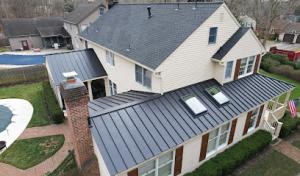
Find contractors experienced in skylight installation, flashing, and leak repairs to bring natural light into your home.
Milford Roofing
(609) 308-9066 milfordroofrepairinc.com
373 S White Horse Pike suite 644, Hammonton, New Jersey
5.0 from 55 reviews
ECC Roofing & Siding
(609) 869-2036 www.eccroofing.com
187 NJ-73, Hammonton, New Jersey
4.8 from 389 reviews
New Jersey insurers commonly want documentation of prior roof condition and any wind or hail damage, which is especially relevant in Hammonton's storm-repair market. After a wind-driven rain event, the clock starts ticking on evidence, so capture photos before temporary repairs cover holes or shingles that could be misinterpreted as prior damage. A clear before-and-after set helps the claim move faster and reduces back-and-forth with an adjuster who has to sort through weathered shingles or mismatched patches common on older in-town homes and rural properties.
Adjusters may request photos and a defined scope of loss, so homeowners benefit from a precise, staged approach. Document the roof's edge damage, flashing around chimneys, vents, and skylights, and note any interior signs like staining on ceilings or attic doors. If a leak is present, map its reach on ceilings and walls and relate it to storm timing. In Hammonton, where storms can be sudden and intense, having a simple, honest narrative about when and where water appeared helps the adjuster align estimates with actual repairs.
While wind and hail claims are part of the local roofing environment, there has not been a broad statewide insurer pullback, though coverage terms can still vary by carrier. Expect some carriers to scrutinize material compatibility and the age of the roof, especially after back-to-back storms. The goal is to prevent disputes later, so prepare a straightforward damage log, keep receipts for temporary fixes, and coordinate with a trusted local roofer who can provide objective documentation to support the claim.
Connect with contractors who help homeowners navigate the claims process from damage assessment to final approval.
Milford Roofing
(609) 308-9066 milfordroofrepairinc.com
373 S White Horse Pike suite 644, Hammonton, New Jersey
5.0 from 55 reviews
ECC Roofing & Siding
(609) 869-2036 www.eccroofing.com
187 NJ-73, Hammonton, New Jersey
4.8 from 389 reviews
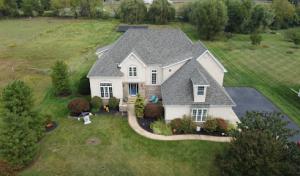
In this market, a roof that fails after a wind-driven storm is often tied to installation details as much as to the shingle itself. Hammonton homes with ventilation gaps, marginal underlayment, or wind-related flashing issues can void even a stout material warranty if the installation isn't up to spec. Because replacements are commonly inspected for these specifics, workmanship quality directly affects whether a roof performs as promised. When evaluating options, ask how the contractor ensures proper attic ventilation, correct underlayment alignment, and wind-appropriate fastener patterns. A warranty that ignores installation flaws is a false safeguard, and a failed inspection can turn a storm into a long, recurring leak problem.
The local contractor market includes manufacturer-certified outfits and warranty-offering firms, which matters when homeowners want stronger backing on full re-roof projects rather than patch-only work. A complete reroof paired with a robust workmanship guarantee can save headaches down the line, especially after volatile spring winds that expose imperfect edges and ridges. Look for a written promise that covers leaks around dormers, vents, and crickets, not just the visible surface. If a firm relies on short-term patchwork, that coverage will lag behind weather events and may leave the home exposed during the next storm.
In a market with heavy re-roofing activity, homeowners should distinguish between material warranties and the contractor's own workmanship coverage on leak-prone details. Keep the warranty scope clear: which components are covered, for how long, and under what conditions. Document all storm-related damage promptly, and retain inspection notes and photos. This record helps when aligning contractor promises with the actual performance of ventilation, underlayment, and wind-driven installation details, reducing the risk that a future wind event becomes a fight over coverage rather than a repair.