Last updated: Apr 19, 2026
You live in a climate with a four-season wear pattern: freeze-thaw stress in winter, hail and heavy rain in spring, heat-driven aging in summer, and wind-loosened flashing and fasteners in fall. That rhythm could push a roof's performance to the edge faster than you expect if you treat each season in isolation. The practical effect is that storm-driven damage adds up over time, and replacement timing often hinges on cumulative moisture and material fatigue rather than a single dramatic event. In this climate, a roof can look fine after a storm yet be approaching the end of its service life because years of moisture exposure have quietly weakened underlayment, decking, and fasteners.
Asphalt shingles are common and generally designed to endure the seasonal mix, but they age noticeably with repeated freeze-thaw cycles and heat exposure. In a typical Vineland neighborhood, a shingle set may show increased vulnerability to granule loss, curling, and minor leaks as the 15-to-30-year window progresses. Metal roofing often outpaces asphalt for longevity when installation, ventilation, and attic circulation are done correctly, and it tends to shrug off wind better, though improper flashing can still invite leaks after a strong fall blow. Clay and concrete tiles resist wind very well when properly anchored, yet they are heavy and can crack under ice or a hard impact from hail if the roof structure isn't adequately reinforced. Wood shingles and shakes bring a warm look but are more prone to moisture absorption and faster aging in humid summers; without solid attic ventilation, they can suffer from rapid rot. Synthetic or composite shingles offer a middle ground, balancing resilience with lighter maintenance needs, but installation quality remains a deciding factor for long-term performance.
Because regular precipitation is part of the local weather pattern, replacement timing is often driven by cumulative moisture exposure rather than a single dramatic event. You should watch for how the roof responds to repeated cycles of wet springs and humid summers. If the attic shows elevated humidity, if there are multiple small leaks around flashing or vent penetrations, or if shingles begin to cup, curl, or lose granules at a faster rate than your neighbor's roof of the same age, it's a sign that aging is accelerating. In settings with metal or tile, confirm that panels or tiles lay flat and that fasteners aren't corroding or backing out under wind. If you notice consistent moisture staining on roof decking or a rise in interior temperature near the attic, those are red flags that the cumulative moisture exposure has taken its toll. The takeaway: plan replacement when the roof no longer reliably sheds moisture and resists wind and hail impacts after several seasonal cycles rather than waiting for a single storm to reveal the damage.
Seasonal inspections are your first defense. In late fall, test flashings around chimneys, valleys, and vent stacks for looseness or corrosion; in early spring, check for any hail marks or dark streaks that could indicate underlying damage; in mid-summer, inspect for loose granules or exposed underlayment after heat waves; in winter, look for signs of ice damming and potential shingle lift. Maintain clear gutters and downspouts so that water moves off the roof promptly, reducing freeze-thaw stress in the colder months. Ensure attic ventilation is adequate so heat doesn't accelerate aging of the roof deck and underlayment during the hot season. If you do notice persistent damp patches in the attic after a heavy rain, or if several wind-driven events loosen flashing or fasteners, consider a professional roof assessment to determine whether repair or full replacement best preserves your structure.
Look for a combination of visible wear and performance issues rather than a single symptom. Widespread curling or cupping shingles, extensive granule loss, and recurrent leaks after multiple storms are strong indicators. In metal or tile roofs, consistent movement in panels, loose fasteners, or flashing gaps around roof penetrations signal potential future failure channels. Pay attention to interior signs too: persistent damp spots on ceilings that correlate with roof sections, and attic temperatures that fluctuate unusually with weather. If multiple seasons bring the same pattern of moisture intrusion or wind-related damage, the practical choice becomes replacing compromised sections to restore long-term protection.
Create a simple, one-page checklist you run through each season. Fall: test flashings and tighten where needed. Spring: inspect for hail and moisture ingress and address any soft spots promptly. Summer: verify attic ventilation and observe for aging signs on the surface. Winter: watch for ice damming and leaks; clear debris from gutters to reduce meltwater backing up under shingles. By tying inspections to the seasonal cycle, you keep the roof performing through Vineland's storms while avoiding overreacting to isolated events.
Asphalt shingles are the dominant practical choice in this area because they balance protection with straightforward installation for typical Vineland roof lines. In a hot-summer, freeze-thaw climate, asphalt stands up to the frequent rain and sun exposure but takes a beating from sustained heat. The heat accelerates aging of the asphalt binder, which can lead to faster granule loss and surface granule exposure, particularly on south- or west-facing slopes. In this environment, shingles that are even a few years older can suddenly become more vulnerable to wind uplift and shingle splitting during a heavy storm. For homeowners, the practical takeaway is to monitor for brittle edges, curling, and missing granules after storm events, and to consider more frequent inspections after hot spells when the roof has multiple attic vents that can pull heat into the deck area. Efficient attic ventilation and a well-sealed flashing setup help reduce heat buildup under shingles, slowing accelerated aging. In Vineland's routine storm cycles, the shingles' fasteners and edge cap details need regular checks, especially where flashings meet chimneys, skylights, and dormers.
Clay and concrete tile offer longer service life potential in this climate, but their higher weight and installation complexity make roof structure and flashing details more consequential. When a home has the structural capacity to carry the load, tiles can resist wind-driven rain and hail more effectively than standard asphalt, and their dense composition can help shed water during heavy downpours. The trade-off is that tile roofs demand careful, reinforced underlayments and precise flashing around penetrations to cope with freeze-thaw cycles and thermal expansion. In hot summers, the surface can stay cooler under a tile roof than under asphalt, which may help slow heat-related deck expansion. However, improper tile alignment or inadequate rafter support can lead to cracking, cracked tiles, or leaks after a strong storm. Homeowners with tile options should plan for a thorough protective detailing around valleys, parapets, and roof-to-wall transitions, and recognize that fewer contractors are comfortable with tile on steeper pitches or on homes with complex rooflines typical of older Vineland neighborhoods.
Metal roofing performs well against recurring precipitation and can outlast asphalt locally, but upfront cost is substantially higher in the Vineland market. Metal's fast installation, resistance to wind, and ability to shed rain quickly make it appealing for storm-heavy springs and unpredictable summer downpours. In climates with freeze-thaw cycles, metal is less prone to certain kinds of cracking and can resist hail better than traditional shingles, depending on panel gauge and installation quality. The key decision point is whether the roof deck orientation, edge details, and flashing are prepared to handle metal's expansion and contraction stresses. A properly sealed seam system and well-seated fasteners become critical in years marked by fluctuating temperatures and storm humidity. For homeowners weighing metal, consider the potential for longer service intervals between major overhauls, balanced against the need for a precise, well-executed installation that accounts for local wind zones and precipitation patterns. In all cases, ongoing inspections after severe weather help maintain the roof's integrity and address issues before they escalate.
In Vineland, the price ladder for a re-roof follows recognizable ranges, but the spread is wider locally because the market accommodates everything from budget asphalt to premium tile systems. Asphalt shingles typically run about $350-$650 per square, while metal roofing sits around $700-$1200 per square. For clay tile the range expands to $1100-$1800 per square, concrete tile $900-$1500 per square, wood shingles or shakes $600-$1000 per square, and synthetic or composite shingles $550-$1000 per square. Those figures reflect typical installed costs and can shift with the supplier and installer you choose. The material gap matters more in Vineland than you might expect, because the region's climate and housing stock create a wider spread between fast-install, budget options and long-lasting premium systems.
Costs in Vineland can rise after spring storms or fall wind events when demand for quick-response roofers and emergency dry-in work increases. When a storm hits, you may see higher bids just to secure a crew and ensure a weather-tight mess is contained. That can push both material procurement and labor charges upward for a limited window. If you're facing an immediate replacement need, expect a premium, but if you plan ahead and repair or re-roof in a lull, you'll typically land better scheduling and pricing. The climate-with hot, humid summers followed by freeze-thaw winters-means if you delay, you risk compounding wear, which can drive up cost per square due to additional underlayment or repair requirements.
Material choice matters more than usual locally because the market supports everything from budget asphalt re-roofing to premium tile systems, creating a wide spread in labor and accessory costs. For example, a tile roof can incur higher installation complexity and accessory needs, while asphalt can be faster to install but won't match tile or metal longevity in harsh cycles. In this environment, a strategic pick that balances upfront cost with expected lifespan, local maintenance ease, and your home's roof pitch and exposure to wind can significantly influence total project cost and long-term value.
When you're estimating, pair the per-square material ranges with expected labor and accessory add-ons (underlayment, flashing, venting, and drip edge). In Vineland, expect that spring and fall surges may nudge labor-hours higher, but a well-planned replacement with the right material for your roof's exposure can still deliver solid value within the given ranges.
Marvin Roofing
(856) 842-4744 marvinroofingllc.com
3005 N East Ave, Vineland, New Jersey
4.9 from 119 reviews
Family Owned Business 100% work guarantee Registered & Insured Free Estimates
Ashmen Installations
(877) 274-6361 www.ashmeninstallations.com
1283 Riviera Blvd, Vineland, New Jersey
5.0 from 59 reviews
Roofing Contractor Vineland is the premier choice for roofing contractors in New Jersey. We provide a wide range of services to ensure we meet all our clients' roofing needs. Our clients have the chance to make a statement via the roofing system they choose. Our roofing experts will strive to help you choose the correct alternative to make your house more appealing. We carry a wide collection of siding materials, and our contractors will help you know the differences in roofing options since roofing technology is ever-evolving. Whether you want to replace the roof or you want a repair, don’t hesitate to talk to us.
Bell Roofing Company
(856) 265-0137 bellroofingservices.com
2392 S Delsea Dr, Vineland, New Jersey
5.0 from 6 reviews
Welcome to Bell Roofing Company's office in Vineland, New Jersey! We take pride in providing top-notch roofing and siding services to both residential and commercial clients. With our team of experienced professionals, you can trust us to deliver exceptional results for all your roofing and siding needs. From installations to repairs, we are here to protect and enhance your property with quality craftsmanship and unparalleled customer service. Contact us today to receive a free roofing and siding Quote.
Kingston Home Improvement & Roofing
(856) 667-4355 kingstonroofingnj.com
Serving
5.0 from 14 reviews
For over 15 years Kingston Home Improvement and Roofing has been serving the South Jersey and Philadelphia area with premium services. We offer roofing and home improvement services to both residential and commercial customers for affordable prices. Do not fear! We are fully licensed and insured, and ensure the highest-quality work for all our customers, with the owner being present on every job.
WJGolle
Serving
5.0 from 150 reviews
W.J. Golle has been serving the roofing needs of the South Jersey area For over 24 years. The company, with its founder/owner Bill Golle, has built an outstanding reputation for top-notch quality work and craftsmanship since company inception. As a family-run, faith-based business, we believe in helping others. Many of the materials & techniques used by our company at the time of its founding are still in use today, but many new systems have since been introduced. To maintain skills at peak levels, our staff is constantly retrained to be familiar with the latest methods, materials, systems and safety techniques. This enables us to provide the solution to any and all home needs, from a minor roof repair to the largest replacements.
Ken Morton Roofing & Siding
(856) 582-8800 www.kenmortonrs.com
Serving
4.9 from 119 reviews
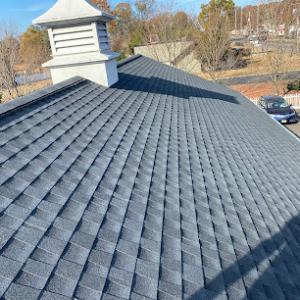
Ken Morton Roofing & Siding provides expert roofing and siding repair, installation, and maintenance services throughout the South Jersey area.
Aubrey Construction
(856) 404-9497 aubreyconstructionnj.com
Serving
4.9 from 63 reviews
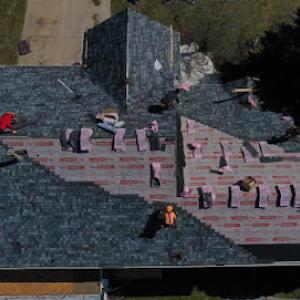
Aubrey Construction provides residential roofing, storm damage clean-up, gutters, doors and windows to the South Jersey area.
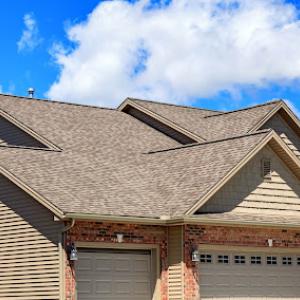
Skyline Roofing Exteriors
(609) 408-9908 www.skylineroofingexteriors.com
Serving
5.0 from 23 reviews
Skyline Exteriors is an expert home exterior contractor. We offer an industry leading level of service, use only the finest quality products and guarantee all of our work which is done by trained experts. Roofing, Siding, Gutters, Windows, Doors - Residential & Commercial "Quality you can trust & Service you can rely on." Servicing South & Central NJ/Central PA
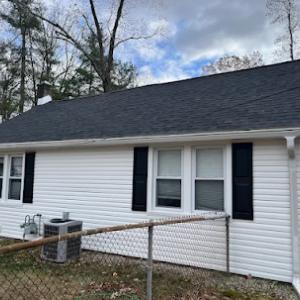
BE Roofing
(856) 697-9599 brianemmonsroofing.com
Serving
5.0 from 21 reviews
BE Roofing has been proudly serving Franklinville, NJ, and surrounding communities since 1980. Founded by Brian Emmons and now continued by his daughter Michelle and son-in-law Joseph Hunt, we’re a true family-owned roofing company built on honesty, craftsmanship, and care. We specialize in asphalt roof installations, roof repairs, soffit, and fascia work, delivering lasting quality at fair prices. Every project is handled by family—not subcontractors—so you always get personal service and dependable results.
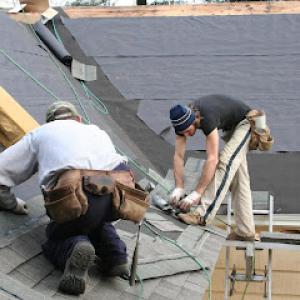
Brian Emmons Roofing
(856) 202-3257 www.brianemmonsroofing.com
Serving
5.0 from 6 reviews
Brian Emmons Roofing provides roofing services to the Franklinville, NJ Area.
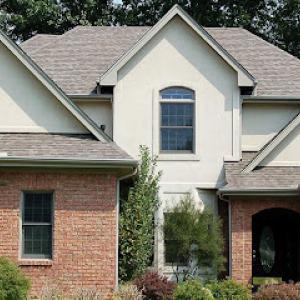
Jersey Roofing Solutions
(856) 340-3180 jerseyroofingsolutions.com
Serving
5.0 from 36 reviews
Jersey Roofing Solutions serves as a leading contractor in the South Jersey area. We’re a team of fully-certified professionals who tackle everything from complex large projects to smaller scale jobs. Fueled by our commitment to excellence, we go the extra mile to make sure clients are completely satisfied with our work. Call us today to schedule a free consultation.
JBA Improvements
(856) 625-0906 www.jbaimprovements.com
Serving
5.0 from 31 reviews
JBA Improvements strives to provide the best service to our customers. We do not leave the job site till you are 100% satisfied with our work. We only use the best materials on our projects and offer money back guarantees if you are not satisfied with our services. We hope to serve you in the near future. Give us a call today for a free estimate! 856-625-0906. Have a great day!
Vineland requires permits for a full roof replacement through the local Building Department. This isn't optional paperwork that can be skipped to save time. The permit creates an official record of the work, helps ensure materials and methods meet local codes, and provides a layer of protection if any future property issues arise.
Before work starts, the local process generally involves submitting the project scope and contractor credentials. You should have a clear description of the replacement, including roof type, venting plan, flashing details, and any attic modifications. The contractor's license status, insurance, and lien waivers may be requested. Missing or vague information can stall approval and push back weather windows.
During the job, inspection attention is commonly focused on installation quality, ventilation, and flashing. Inspectors are looking for proper nailing patterns, underlayment installation, and correct flashing around chimneys, dormers, and valleys. Ventilation must meet code requirements to prevent moisture buildup in a hot-summer, freeze-thaw climate. If any step seems out of spec, the inspector may require adjustments or rework, which adds days to the project timeline.
Final inspection timing can slow during peak seasonal demand. Summer and late spring bring higher permit activity, and that backlog can push the final release further out. Planning for a potential delay helps avoid a rushed finish during storm season. A smooth process often depends on timely communication with both the Building Department and the contractor, and on keeping the site organized so inspectors can verify details quickly. If a contractor delays permit readiness, consider shifting to windows with lighter demand. Staying proactive reduces stress when storms threaten the region later.
Start gathering documents early. Obtain current property survey if available, confirm property lines, confirm that drainage and gutters won't create hazards. Include contractor credentials, project scope, material specifications, and installation plan. Verify that waste disposal and staging plan are noted.
Coordinate start date with weather forecasts and strike a balance between roof ventilation installation and attic work. Have contingencies for weather, and ensure temporary debris control to avoid complaints. Understanding peak season demand helps set realistic expectations with neighbors.
In this area, insurers generally provide standard roof damage coverage, but homeowners should expect questions about roof age, present condition, and prior claims history. That means your claim review will hinge on clear, verifiable facts rather than impressions of damage alone. Be prepared to articulate when the roof last endured a full or partial replacement, and to distinguish between wear from years of sun and wind versus a recent storm event. A straightforward, well-documented history can prevent friction during settlement discussions.
After hail, heavy rain, or wind events in the Vineland area, adjusters may ask for contractor estimates and photo documentation before finalizing claim decisions. Take wide-angle and close-up photos that capture shingles, flashings, ridge lines, and any gutters or vent penetrations showing hail impact or water intrusion. Do the same with surrounding property to establish whether damage could be from a single event or ongoing deterioration. If you hired a contractor, obtain a dated, itemized estimate that clearly links the observed damage to the claim. Keeping a consistent file of these records makes the process smoother and reduces back-and-forth requests.
Because local roof wear is often cumulative, homeowners need clear records that separate sudden storm damage from long-term deterioration. Maintain a running log of notable weather years, seasonal impacts, and any minor repairs or resealing you've undertaken. When storms hit, prioritize documenting the exact timing and extent of new damage, while noting existing issues that predate the event. Your claim file should tell a story: what changed after the storm, what remained the same, and how prior conditions might influence the assessment. Clear, chronological documentation helps prevent disputes about what caused the damage and supports a straightforward adjustment decision.
Connect with contractors who help homeowners navigate the claims process from damage assessment to final approval.
Skyline Roofing Exteriors
(609) 408-9908 www.skylineroofingexteriors.com
Serving
5.0 from 23 reviews
In the rain-and-freeze cycle that dominates South Jersey, flashing details are a recurring weak point. Seasonal expansion and contraction push flashing tiles, step flashing, and hips against the roof deck, and wind exposure can open pathways for leaks where you'd least expect them. This isn't theoretical-after a heavy storm you'll hear about fresh drips near chimneys, valleys, and roof-to-wall transitions. Inspect those flashing corners after every major rain event, and treat any sign of movement or lifting as a red flag. Delays compound damage quickly, so address loose or cracked flashing the same week you notice it.
Skylight penetrations need close attention locally because repeated precipitation and winter temperature swings increase the chance of seal and flashing failure. Look for condensation between panes, perimeters that feel loose, or any dark staining along the flashing boots where water migrates. If a storm has driven slush or heavy rain against a skylight, check the surrounding flashing and sealant first. In cold snaps, a failing seal will often show up as frost around the skylight flange or as micro-leaks along the edges-these are telltale signs to act now rather than later.
Post-storm leak calls are common in the Vineland market, which aligns with the strong local emphasis on emergency response contractors. After a big rain or ice event, prioritize a rapid roof inspection focusing on flashing details and skylight seams. If you notice water staining on ceilings, check the attic for damp insulation around penetrations, and trace moisture paths back to the closest flashing or skylight. Quick, targeted repairs prevent cascading damage to wood, insulation, and interior finishes-and they're more affordable when caught early.
Find contractors experienced in skylight installation, flashing, and leak repairs to bring natural light into your home.
Ashmen Installations
(877) 274-6361 www.ashmeninstallations.com
1283 Riviera Blvd, Vineland, New Jersey
5.0 from 59 reviews