
Last updated: Apr 19, 2026
Cold winters with recurring freeze-thaw cycles punish roofs in this elevated Sussex County slice of New Jersey. When temperatures swing above and below freezing, trapped moisture in shingles and underlayment repeatedly freezes and expands. That process can open shingle seals, stress flashing joints, and slowly widen tiny penetrations into active leaks. In practice, you'll notice more frequent signs of roof wear after a series of freeze-thaw days: small drips during thaw periods, granule loss on dark shingles, and a stubborn stiffness in flashing that never fully relaxes. In a snow-prone climate, these micro-damages compound, creating a ladder of vulnerability that escalates with each thaw cycle.
The problem is not just the shingles themselves. Metal flashing along chimneys, dormers, and vent stacks can develop minute gaps where ice damming pushes against the base. When ice builds up at eaves, warm roof sections melt snow inward, refreezing at colder edges to form ice dams. Those dams exert pressure on sealant beads and flashing, forcing slow leaks or sudden breaches at seams. From there, water can travel between layers, showing up as interior staining or attic condensation long after the day's cold front has passed. If your attic lacks robust ventilation or adequate insulation, this cycle accelerates, turning a manageable leak into a rapid-intrusion event during the heart of winter.
Snow load is not a nuisance here-it's a structural factor. Heavier accumulations push against rafters and decking, and sustained weight can sag eaves or mid-roof zones if the structure isn't prepared for prolonged cold. The issue compounds when ice forms along gutter lines and at roof edges, where meltwater has nowhere to escape. Ice buildup against fascia and soffits can back up into gutters, pushing water into fascia boards and potentially loosening fasteners over time. With higher-elevation homes in this area, the winter profile tends to be longer and more intensely repeated than lower, coastal parts of the state, translating to more cycles of snow loading and drainage stress. In those conditions, a roof that held up last year may show new signs of movement or vulnerability after a single heavy storm cycle.
Pay attention to ridge lines and valleys where snow tends to accumulate and melt slowly. If you notice recurring ice or snow blockages in these zones, the combination of load and leakage risk rises quickly. Frozen gutters and downspouts can force meltwater back onto the roof, accelerating wear at seams and flashing joints. The practical effect is clear: snow management decisions-timely removal, targeted shingle replacement in high-risk areas, and pre-season flashing checks-should be prioritized before the season peaks. Left unchecked, even minor penetrations can become active leaks that track along the roof deck and into the attic during the next thaw.
Start with a hard, early-season inspection that focuses on the most vulnerable spots: eaves, flashing at chimneys and dormers, roof penetrations, and valley intersections. Look for lifted shingles, loose or degraded flashing sealant, and any signs of water staining in the attic or upper walls after the coldest days have passed. Ensure attic insulation is adequate and that soffit vents are unobstructed to promote air flow that keeps the roof deck closer to ambient temperature, reducing freeze-thaw stress. If you encounter persistent ice damming, consider temporary measures to improve moisture control and drainage-clear out gutters, create a small melt channel along eaves during inspection visits, and plan prompt repairs to any accompanying leaks before spring thaws begin. In high-elevation settings, schedule proactive maintenance at the onset of cold season to forestall the cascade of damage that freeze-thaw cycles can unleash.
The dominant materials in Sparta include asphalt shingles, metal roofing, clay tile, concrete tile, wood shingles or shakes, and synthetic or composite shingles. The winter freeze-thaw cycle in the elevated Sussex County lake-region is a constant factor: snow loads, thermal cycling, and repeated freeze-thaw can accelerate wear on flashing, underlayment, and roof deck. When choosing a roof for a house with wooded surrounds and mixed architectural styles, plan for a system that handles rapid temperature swings, sheds snow without creating ice dams, and keeps flashing details simple enough to stay reliable through multiple seasons. In this climate, the choice often comes down to how a roof behaves during snow loading, how well it resists moisture intrusion after thaw, and how long the material holds up against sun and wind exposure around treed yards.
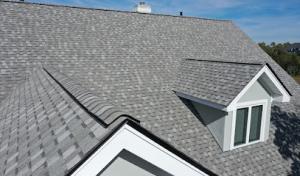
Asphalt shingles remain a practical baseline for many Sparta homes because they pair well with varied roof silhouettes and are easier to replace or repair in sections after a heavy snow year. In areas with dense tree canopies, you'll want shingles with good granule adhesion and a robust underlayment to minimize damage from wind-driven moisture and freezing cycles. Over time, repeated thermal cycling can shorten life if a roof isn't properly vented or if flashing around chimneys and valleys isn't maintained. Choosing a mid- to high-end asphalt shingle with sure-cut adhesion and a sealed nailing strip can help resist cupping and curling as temperatures swing from subzero nights to bright winter days.
Snow-shedding metal roofs are a practical option in this environment, especially on steeper slopes where accumulated snow can slide off instead of lingering. In this town, a metal system reduces the risk of ice dams and can outperform other materials during repeated thaw-freeze periods. Expect lighter wear from thermal movement if the panels are properly lapped and the fasteners are sealed. The drawback to consider is flashing complexity at transitions-dormers, skylights, and wall penetrations require careful detailing to prevent leakage as snow banks settle and melt interacts with cold and warm air gaps.
Clay and concrete tiles bring longevity and a distinct look that suits wooded, varied-home neighborhoods, but they demand structural support and careful installation. Heavier tile systems handle snow loads well when the roof structure is designed accordingly; however, installation must address potential cracking from freeze-thaw and the tendency for tiles to accumulate ice in shaded spots. Choose tile profiles with ample overhangs and integrated snow-shedding features where possible, and ensure flashing at hips, ridges, and penetrations is robust to resist cold-weather cycling.
Wood shingles or shakes offer a traditional silhouette that complements varied home styles, yet they require meticulous maintenance to withstand moisture and freezing conditions. In Sparta, untreated or poorly sealed wood can deteriorate faster with repeated thaw cycles, especially around vents and dormers. If wood is preferred, select treated or capped shingles and plan for periodic resealing. Synthetic or composite shingles blend ease of maintenance with a broad style range and tend to resist warping, though you should verify that the product carries strong freeze-thaw performance ratings and appropriate underlayment compatibility.
Since wooded residential areas and diverse home styles prevail, weight, flashing complexity, and maintenance expectations should drive the planning stage. Heavier tile systems may require structural checks, while lighter options should still be paired with durable flashing and effective ventilation. In a snow-prone climate like this, prioritize systems that balance load, shedding, and long-term resistance to thermal cycling, and align them with the unique roof geometry of each home.
Spring storms in this elevated lake-region bring heavy rain and powerful wind events that can interrupt ongoing roof work and trigger new claim-driven repair needs. When a storm hits, shingles can lift, flashing can fail, and gutter systems can clog with thawing debris, exposing underlying decking to sudden moisture. That combination makes timely reporting and documentation essential so you don't get stuck with denied windows or misattributed damage. Keep a close eye on the attic during and after storms; a few weeks of freeze-thaw cycles can turn a hidden leak into a costly claim if not addressed quickly. In Sparta, snow loads and repeated freeze-thaw cycles also stress joints around skylights and vents, so inspect around these penetrations after every heavy storm.
New Jersey insurers actively handle weather-related roofing claims, and a Sparta homeowner should expect adjusters to request photos, damage documentation, and product or scope details. Have clear, labeled photos from multiple angles showing exterior symptoms: lifted edges, missing granules, punctures, dented flashings, and swollen or warped decking. Inside, document any staining, mold, or soft spots. When possible, include a simple timeline of when roofing work began and any impacts from recent storms on the project schedule. Communicate promptly with the insurer and the contractor to align expectations about temporary protections and permanent repairs. Take date-stamped photos within 72 hours of a storm and include a wide shot for context, plus close-ups of flashing at valleys and eaves where wind-driven rain enters. If access is limited by ice, note that in the claim and plan a safety-focused follow-up window.
Because roof age and prior claim history can affect underwriting and claim outcomes in New Jersey, Sparta homeowners often need detailed installed-material records after repair or replacement. Retain receipts, product warranties, and installation dates for shingles, underlayment, flashing, and fasteners. If a replacement was performed in the past, provide a map of changes in roof assemblies and venting. Keeping these records ready helps the adjuster validate the scope and speeds payment. For homes near lakes, wind-driven debris and avalanche-like snow melt can stress flashing at chimneys and dormers; include close-ups of these intersections. When a plan is in motion, prepare to share digital folders with the insurer and your contractor so everyone stays aligned. A detailed record helps prove whether prior work used the right underlayment and compatible fasteners for cold climates, and it supports the claim if a later snow event exposes workmanship gaps. Keep a copy of the contractor's warranty terms handy.
Connect with contractors who help homeowners navigate the claims process from damage assessment to final approval.
JVC Roofing & Construction
(973) 827-1852 jvcroofingandconstructionnj.com
Serving
4.9 from 12 reviews
Asset Roof Repair & Replacement
(973) 846-5970 assetroofrepairandreplacement.com
13 Main St, Sparta, New Jersey
5.0 from 87 reviews
Asset Roof Repair and Replacement provides top-quality roofing solutions that stand the test of time. With our experienced team and premium materials, we ensure your home or business remains safe and protected—rain or shine.
Alpine Roofing
(973) 729-7663 www.alpineroofingexperts.com
379 W Mountain Rd, Sparta, New Jersey
5.0 from 11 reviews
Alpine Roofing is a family-owned business based out of Northern New Jersey that has been providing new construction and remodeling for North and Central New Jersey and Southern New York for over 20 years. We are full-service roofing contractors, with a wide range of services offered to both residential and commercial customers. We are a Certified GAF Master Elite Contractor, certifying and installing only the best quality shingle products from GAF at a competitive price. We are fully licensed and equipped to service your roofing and home improvement needs, including installation and repair of residential and commercial roofs, spray foam insulation, gutters, waterproofing, and chimney repairs. We provide you with the options you need, alo...

123 Sparta Roof Repair
84 Sterling Hill Rd, Sparta, New Jersey
5.0 from 11 reviews
123 Sparta Roof Repair conveniently located in Sparta Township, specializes in comprehensive roofing services. Our dedicated team brings expertise in residential solutions, from repairs, replacements, gutter services, and skylight installations. With a focus on quality craftsmanship and using premium materials, 123 Sparta Roof Repair ensures durable, functional, and visually appealing roofing for every project. Count on our skilled professionals to protect your property and elevate its aesthetic with top-notch roofing services in the Sparta Township area.

Master Pro Roofing Sparta Township
67 Seneca Lake Rd, Sparta, New Jersey
5.0 from 6 reviews
Master Pro Roofing is dedicated to quality in all facets of our company operations. We adhere to an integrity standard that is based on responsibility, fairness, and honesty. The level of service we provide to our clients sets us apart. What distinguishes us as actual professionals is our talent coupled with accurate knowledge of our craft. Above all, we keep an eye on the interests of our clients and base our business on their concerns. Give us a call to discover why so many of our clients adore dealing with us!
Up & Above Contractors
(973) 300-0636 www.upandabovecontractors.com
Serving
4.9 from 301 reviews
Since 1993 Up and Above Contractors has been providing some of the best roofing New Jersey has to offer as well as other services such as siding, gutters, windows, doors, decks, porches, and additions. With an experienced, considerate staff and the highest quality materials, Up and Above Contractors, LLC has become one of the roofing companies in NJ with the best reputation and the best service.
High Ground Construction
(201) 888-7388 highground-roofing.com
Serving
5.0 from 9 reviews
New Jersey Roofing Repair & Replacements Durable roof replacements, precise repairs, and leak diagnostics across NJ. Licensed & insured. Transparent pricing.
JVC Roofing & Construction
(973) 827-1852 jvcroofingandconstructionnj.com
Serving
4.9 from 12 reviews
Welcome to JVC Roofing and Construction, your trusted local contractor in Hamburg, NJ, specializing in roofing, remodeling, and general construction services for both residential and commercial properties. Whether you need a roof replacement, a kitchen or bathroom remodel, or a full-scale home renovation or addition, we’re committed to delivering superior craftsmanship, reliable performance, and eye-catching results. As a family-owned and operated business, we take pride in combining traditional values with modern construction techniques to protect, enhance, and transform your space. Our team of licensed and experienced professionals is focused on quality, safety, and customer satisfaction in every phase of your project.
Boundless Roof Repair & Replacement
(973) 960-7921 boundlessgc.com
Serving
5.0 from 57 reviews
Boundless Roofing & Chimney, a GAF and BBB accredited leader with over 12 years of excellence in Rockaway, New Jersey, boasts 1000+ successful projects. Specializing in roofing, chimney, masonry, and concrete services, we offer expert roof repairs, chimney sweeps, gutter installations, and more. Our commitment to quality, durability, and aesthetic appeal makes us your trusted local contractor for any home improvement. Dedicated to superior craftsmanship and customer satisfaction, we provide reliable service and transparent pricing. Choose Boundless Roofing & Chimney in NJ, for your home's needs. Contact us today for top-tier roofing and chimney solutions.
Gunner Roofing
(866) 262-6005 www.gunnerroofing.com
Serving
4.8 from 49 reviews
Gunner Roofing excels in GAF asphalt roofing across the Central US, from Texas to Illinois. Our skilled team adeptly navigates diverse weather and architectural styles, ensuring meticulous work and outstanding results that surpass client expectations. We're committed to top-notch craftsmanship and transforming homes, boosting curb appeal with each project. Choose Gunner for unparalleled roofing expertise in the Central region.
Top Quality Home Renovation
(973) 932-3404 www.topqualityhr.com
Serving
5.0 from 111 reviews
Your roof (and your basement or foundation) are the most essential elements of your home. Without a properly functioning roof, shingles, or gutters, you could be faced with damaged shingles that let water into your attic. This can not only damage any belongings you have stored in your attic, Water in the attic is never a good thing, and it’s best to replace your shingles when they need it. If you find yourself in this situation, give Top Quality Home Renovation of Mine Hall, N.J., a call today. They can prevent damage and flooding and save you money, as well as the time and effort to find a roofing company like Top Quality Home Renovation to come out and install a new roof or repair an older one.
Nagy Roof & Repair
(973) 657-6249 nagyroofandrepair.com
Serving
5.0 from 76 reviews
Nagy Roof and Repair is an owner-operated roofing company based in Morristown, NJ, serving Morris County, NJ. I specialize in roof repairs, leak diagnoses, and full roof replacements. I’m on site for every job, explain your options clearly, pros and cons of repair vs replacement—not pressure sales. Homeowners choose Nagy Roof and Repair for honest advice, clean workmanship, and reliable results. Fully Insured, Bonded, and Licensed.
HM Contracting
(973) 229-9417 www.hmcontracting.com
Serving
4.9 from 73 reviews
HM Contracting and Roof Specialists are a "one-stop" roofing shop. Our services include, Consultation, Preparation, Removal, Installation and Cleanup. HM Contracting has over 20+ years experience with installing and maintaining roofs in the Morris County NJ area.
When planning a roof in this elevated, lake-adjacent part of Sussex County, material choice drives both initial cost and long-term performance. In Sparta pricing, asphalt shingles typically run from 350 to 700 USD per square, metal from 700 to 1200, clay tile from 1100 to 2300, concrete tile from 900 to 1700, wood shingles or shakes from 650 to 900, and synthetic or composite shingles from 700 to 1100 per square. These ranges reflect the mix of winter conditions, snow load considerations, and the need for durable flashing around valleys and dormers. A common decision point is balancing upfront expense with long-term resilience against freeze-thaw cycles and snow management demands.
Costs in Sparta can rise when winter weather compresses scheduling, when storm activity creates short-term demand spikes, and when steep residential rooflines or complex flashing details increase labor time. If a project lands during a heavy snow period or after a mid-wseason storm, crews may contend with limited access and tighter timelines, nudging both material delivery and labor charges upward. Steep pitches or intricate flashing near chimneys and skylights add to installation time, which translates to higher labor costs per square. Plan for a modest increase in total when winter weather is in full swing.
Material choice matters more here because freeze-thaw exposure, snow management needs, and the structural demands of heavier tile systems can change both installation scope and long-term value. Tiles (clay or concrete) offer excellent weather resistance but carry higher replacement costs and require a roof structure strong enough to support the weight. Asphalt shingles keep initial costs lower but may require more frequent maintenance in a harsh winter cycle. Metal can perform well under snow but may involve different flashing strategies. Synthetic or composite shingles can strike a balance between cost and durability, while wood shakes bring a distinctive look with specific maintenance needs.
Start with a realistic square count and choose two preferred materials. Multiply the square count by the per-square cost range for each option to create a rough budget. Then add a contingency for scheduling shifts due to winter weather and for any steep-angled sections or complex flashing identified by the contractor during an on-site assessment. If tile options are on the table, verify that the existing roof structure is rated for the weight and confirm any required structural reinforcement early in planning. Weather-aware scheduling and a clear line of communication with the contractor help keep the project moving even when winter pressure is on.
Get a clear picture of your project costs upfront - no commitment required.
When planning a full roof replacement in this area, you should know that Sparta Township generally requires a building permit, with the process handled through the Sparta Building Department. Starting the permit early helps prevent delays that can stall a project during the coldest months or after a snowstorm. Make sure your contractor submits complete plans and a clear scope of work, including materials and timelines, to avoid back-and-forth requests that add weeks to the schedule. In practice, the permit review looks for adherence to the latest local codes, including weather-related considerations for freeze-thaw cycles and proper venting. If the paperwork arrives incomplete, you risk having a review pause that leaves your roof exposed to winter conditions longer than necessary.
Inspections in this town are typically staged rather than a single, one-off signoff. Expect a rough-in inspection during the roof replacement, when structural elements, underlayment, and membrane details are in place and visible for the inspector. A final inspection follows after the new roof is installed and all penetrations, flashing, and ventilation are in place. This staged approach matters in an elevated lake-region climate where snow and freezing conditions can stress flashing and edging at openings. If a stage is missed or delayed, the crew may have to cover or partially remove work to accommodate access for inspection, which can complicate scheduling and increase exposure to the elements.
At project end, permit closure hinges on thorough documentation of materials, flashing details, and compliance with local code expectations. Paperwork quality matters because the Building Department will verify that the chosen underlayment, vents, drip edges, and flashing meet Sparta's standards for durability under freeze-thaw cycles. Missing or unclear manufacturer specs, installation notes, or detail drawings can trigger additional questions or require supply chain adjustments. To avoid last-minute headaches, coordinate closely with the contractor to assemble complete product data, installation manuals, and a concise record of all penetrations and flashing transitions well before the final sign-off.
Repeated winter expansion and contraction create movement along flashing transitions and around roof penetrations that can look fine in dry weather yet fail when snow piles up and ice forms. In joints between shingles and metal flashing, small gaps widen as temperatures swing, and the freeze-thaw cycle can pry seals loose. In practice, this means you may see hairline leaks, stained ceilings, or ice trapped along eaves after heavy snows melt. Regular, careful inspection of flashing joints, step flashing at slopes, and transitions where shingles meet metal is essential to stop slow water intrusion before it travels into attic spaces.
Chimney work is a common adjacent service in the Sparta contractor market, so chimney-to-roof interfaces are a meaningful local concern. The chase, crown, and boot must hold up to seasonal shifts without cracking. The area around a masonry chimney is particularly vulnerable to snow-driven pressure and ice buildup, which can pry flashing away or wick water beneath shingles. Expect to check for cracked mortar, deteriorated caulk, and rusted metal at the base just as a routine part of maintenance, especially after heavy storms.
Skylight detailing deserves extra scrutiny because skylight service is notably prevalent locally and these openings are sensitive to snow, ice, and flashing errors. The integration between curb or flush-mounted skylights and surrounding shingles can corrode under freeze-thaw stress, letting ice dam water creep inward. Verify the flashing, sealant lines, and curb integrity where the skylight meets the roof, and watch for condensation patterns or frost on the interior pane that hint at slow leaks.
Find contractors experienced in skylight installation, flashing, and leak repairs to bring natural light into your home.
Asset Roof Repair & Replacement
(973) 846-5970 assetroofrepairandreplacement.com
13 Main St, Sparta, New Jersey
5.0 from 87 reviews

Winter conditions in Sparta can delay tear-offs, complicate sealing, and make emergency stabilization more common than full replacement work. Scheduling during cold snaps or after heavy snows means crews may need to stage equipment from nearby driveways, protect siding, and thaw/repair ice-dammed areas before any roof work begins. Plan for shorter daily progress, with a built-in buffer for thaw days and freeze-thaw cycles that can crack seals or loosen flashing. If an urgent stabilization is needed after a storm, prioritize safe access and shoring to prevent interior damage while waiting for a more favorable window for full replacement.
Spring in this region brings rain and wind timing risks that can affect open-roof scheduling and material delivery windows. Expect delays around wet periods or strong gusts, which push back tear-offs and re-roofs alike. Material deliveries may ride out weather fronts, so coordinate arrivals to align with dry spells and overnight forecasts. Have a contingency plan for days when partial work is safer than a full teardown, and establish a clear sequence for wet or windy days, so crews can protect existing structures without compromising long-term performance.
Summer heat in Sparta influences installation conditions and material handling, making crew timing and storage practices more important on hotter days. Schedule the most physically demanding tasks for cooler mornings, with shaded staging areas and proper ventilation for adhesive or sealant products. Protect shingles and underlayment from direct sun to prevent warping, and plan rigid storage to minimize heat exposure. If afternoon heat spikes, adjust workflow to avoid rapid thermal expansion that can affect seal integrity and alignment.
Get a clear picture of your project costs upfront - no commitment required.
You will notice the Sparta market leans toward re-roof projects that restore protection quickly after harsh winters and heavy snow years. Quick response times matter, because a leaky roof in late January can become a frozen-nightmare fast. Homeowners here also expect affordable pricing paired with dependable cleanup once the job wraps. The best local crews come prepared to remove debris, protect landscaping, and leave driveways clear, so you aren't left scraping ice off a pile of shingles.
Long-established, family-owned firms have a visible footprint on the landscape, and that visibility matters when bidding comparisons happen. In this market, tenure signals consistency: crews who have stood the test of Sussex County winters often bring practical know-how about flashing details, proper attic ventilation, and snow-management strategies. Homeowners tend to prioritize contractors who show up consistently, communicate clearly, and back their work with a solid local track record.
Residential projects dominate, but chimney coordination becomes a key differentiator. If a contractor can harmonize flashing around chimneys or brick hearths without compromising the backdrop, you'll see more confidence in the bid. Manufacturer certification matters too; it signals adherence to installation guidelines that resist long freeze-thaw cycles. Insurance support is another meaningful factor, offering peace of mind if there's a storm aftermath or unexpected damage during the project. In this climate, a contractor's ability to coordinate with gutters, vents, and attic insulation is as important as the shingle choice itself.
When evaluating bids, ask how crew cleanup is handled, how they mitigate snow- and ice-related risks during the project, and how they plan to protect surrounding landscaping and driveways. A contractor who can articulate a clear sequence-from temporary protection to final inspection-will feel like a neighborly ally when winter returns.