Last updated: Apr 19, 2026
Randolph's inland North Jersey climate brings repeated winter freeze-thaw cycling that can shorten shingle life and expose weak flashing details. When temperatures swing above and below freezing, water work-tiny cracks opening and re-sealing-forces shingles to flex, loosen, and eventually fail at the edges or around penetrations. The neighborhoods with tall trees and chimneyed, steep-slope homes see this stress amplified by shade and limited sun exposure. A shingle that looks fine in November may already be compromised by March, and the extra wear shows up as granule loss, curling, or cupping. The urgency is real: once the protective granules wear away, UV and moisture accelerate deterioration, and a minor leak becomes a serious interior problem after a heavy thaw.
To protect existing roofs, prioritize evaluating the flashing where the roof meets chimneys, vents, and skylights. Freeze-thaw cycles torment these seams because water wicks into tiny gaps, then freezes, expanding and widening the breach. If flashing is blistered, loose, or corrosion-prone, it will fail long before the shingles do. Regular checks after multi-day freezes or heavy snowfalls help catch issues before they cascade into interior leaks. This is not cosmetic maintenance; it is a practical defense against hidden water intrusion that sneaks in through vulnerable edges.
Snow and ice events in Morris County commonly turn minor roof defects into active interior leaks when meltwater backs up at eaves and around penetrations. The meltwater doesn't just flow off the edge; it can refreeze at fascia, gutters, and valley intersections, creating ice dams that force water under shingles and behind flashing. In homes with shade-heavy west or north slopes, meltwater lingers longer, which magnifies the damming effect and increases leak risk on those faces of the roof. In practical terms, a roof that appears dry after a storm can still be leaking in the attic or along interior walls where the heat from the home concentrates in the northern rooms or near the chimney chase. The best defense is proactive water management: ensure proper underlayment continues up the slope to shed water toward the eaves, and verify that flashing around penetrations is continuous and sealed with high-quality, compatible materials. If evidence of ice damming appears, do not wait for a drip to start; address the damming source by enhancing attic ventilation, improving roof slope drainage, and correcting any undersized drip edges or missing sealant at joints.
Homes in wooded residential areas often hold shade longer in winter, which can slow roof drying and prolong ice retention on north-facing slopes. This quiet delay compounds other winter stresses and can keep moisture inside the roof assembly longer than expected. When the attic or roof cavity remains damp for extended periods, shingle adhesive loses grip sooner, and underlayment fibers begin to collapse, undermining the roof's weather barrier. The practical response is to examine attic ventilation alongside roof underlayment details. Ensure soffit vents are open and attic baffles are correctly installed to create a clear path for cold air to reach the underside of the roof deck. A well-ventilated attic helps moisture escape, supports faster drying after snow events, and reduces the likelihood of condensation that soaks into insulation and wood behind the shingles. For steeper slopes with deep winter shade, consider periodic dry-out checks after snowmelt and after heavy thaws, focusing on the most shaded, north-facing sections first. This targeted attention helps preserve shingle life and minimizes the chance of late-season leaks caused by lingering moisture.
Asphalt shingles dominate replacements here because they fit the township's common steep-slope suburban housing stock and are easier to repair after winter weather. They handle freeze-thaw cycles well when installed with proper underlayment and ventilation, and they're easier to source and replace after heavy snow or ice buildup. Choose architectural (dimensional) shingles for a little extra wind resistance and longer life, which matters after a few harsh winters. Ensure the roof deck is sound before installation, and verify that the shingles are installed with a compatible starter strip and sufficient field nails to resist those strong Randolph gusts.
Metal roofs are viable locally for snow shedding and long-term durability, but installation quality matters more here than with any other material. A well-detailed metal system can reduce ice damming by promoting faster snow melt and better drainage, provided flashing, underlayment, and penetrations are executed cleanly. Poor detailing around chimneys, vent pipes, and skylights can trap condensation or create cold pockets that lead to ice issues in cold weather. If choosing metal, prioritize a skilled installation team that understands your attic ventilation and the roof's slope, and request a careful assessment of how panels will terminate at edge details to avoid hidden ice traps.
Clay and concrete tile appear in the local material mix, but they require structural consideration on older North Jersey homes before replacement because of their weight. If a tile roof is contemplated, verify the existing framing can carry the added load, and plan for upgraded fasteners and a reinforced underlayment strategy to handle freeze-thaw cycles. Tile roofs offer good longevity and a distinct aesthetic, but they demand meticulous installation and periodic maintenance around penetrations to prevent leaks once winter moisture migrates toward joints.
In colder inland valleys, ventilation and underlayment performance are as critical as the material itself. Asphalt shingles benefit from a nail pattern that anchors well through frost; metal roofs depend on a continuous, well-sealed underlayment and competent flashing to keep condensation in check. Tile options demand careful attention to roof deck condition and structural support, plus precise flashing around chimneys and vents to avoid leaks when snow melts.
Start with assessing your current roof structure and attic ventilation. If a replacement is due, map out the steep-slope areas most exposed to winter wind-driven precipitation and prioritize those zones for upgraded underlayment and improved edge detailing. For homes with multiple penetrations (chimneys, exhaust vents), angle and seal around each feature to prevent snow from pooling and refreezing at seams. When choosing materials, balance the aesthetic of your home with the estimated load the structure can safely bear, and align the choice with maintenance expectations given Randolph's cold-season rhythm. A thoughtful plan that pairs material selection with proven detailing will minimize snow-related leaks and extend the roof's life through many winters.
In this part of Morris County, roof claims most often follow wind, hail, and snow events rather than coastal hurricane flooding patterns seen elsewhere in New Jersey. Steep, chimneyed homes in wooded neighborhoods are particularly exposed to gusty spring squalls and winter blowovers, so damage tends to accumulate in areas where flashing and joints meet the roof plane. When a storm passes, you may notice shingle lift, lifted granules in gutters, or ice dam patterns that point to freeze-thaw fatigue rather than a single catastrophic hit. The pattern is incremental: wind and sleet can chip edges, while heavy snow sits and refreezes, stressing valleys and flashing. Knowing this helps you separate ordinary wear from a claim-worthy event.
Insurers in New Jersey commonly ask for dated photos and evidence of prior roof condition, which matters in Randolph when winter damage builds on older wear. Before and after photos are not just bureaucratic boxes to check; they anchor the legitimacy of a claim when memories blur or when multiple seasons have changed the roof's appearance. Keep a simple photo log: wide shots of the roof after storms, close-ups of flashing seams, and dated images of any visible damage. Document attic signs of moisture as well-stains on sheathing, damp insulation, or mold in the eaves signal that water has found its way through the layers. If you have prior inspection reports, include them as reference points to show how the roof has aged and where weaknesses have concentrated.
Spring storm activity can create fresh hail or wind damage in Randolph just as homeowners are scheduling post-winter repairs, complicating repair-versus-replacement decisions. A late-season hail event can look urgent on paper but may reveal that multiple sunny days in a row already stressed the roof. The flip side is that insurers may prefer repairs when the overall condition supports it, but a cold coastal storm is not the same as a gentle thaw. When evaluating a claim, consider whether the current damage is isolated or part of progressive wear that will accelerate with another winter. A careful assessment helps avoid chasing short-term fixes that invite recurring leaks, or underwriting replacements that could have been staged over seasons.
In the aftermath of a storm, document everything promptly with dated photos, focusing on flashing, valleys, and chimney intersections. If a roof shows wind-lifted shingles or granule loss, capture the extent across several sections of the home to demonstrate pattern rather than a single spot. Maintain a simple timeline of events: the storm date, observed damage, and any interim repairs. When in doubt, arrange a professional inspection that explicitly notes the roof's condition relative to age, prior wear, and the signs that water has penetrated underlayment. This clarity helps you navigate the claim process with less guesswork and reduces the risk of disputes when winter wear compounds spring damage.
Connect with contractors who help homeowners navigate the claims process from damage assessment to final approval.
Right Service Roofing & Roof Repair NJ
(862) 397-7487 rightserviceroofingandroofrepair.com
111 Canfield Ave, Randolph, New Jersey
4.9 from 65 reviews
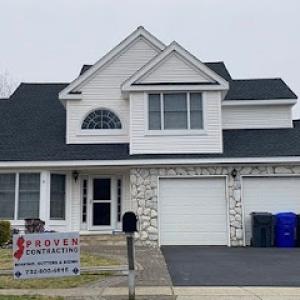
Proven Contracting of Randolph
(862) 412-1608 provencontractingnj.com
96 Mt Pleasant Turnpike, Randolph, New Jersey
5.0 from 57 reviews
Proven Contracting proudly serves Randolph, NJ, and nearby communities including Dover, Chatham, Madison, Denville, Franklin, Ringwood, Hardyston, Hopatcong, Florham Park, Sparta, Pompton Lakes, Mountain Lakes, Rockaway, Stanhope, Vernon, Harding Township, Mendham Township, and throughout Morris and Sussex Counties. We specialize in roof repair, roof replacement, gutters, siding, and window installation. Homeowners trust our experienced roofers for quality craftsmanship, reliable service, and long-lasting results. For expert roofing and exterior solutions in and around Randolph, call Proven Contracting today.
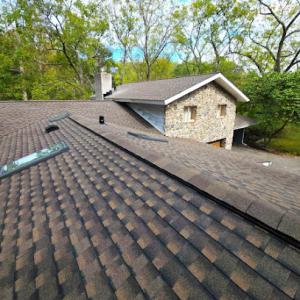
Right Service Roofing & Roof Repair NJ
(862) 397-7487 rightserviceroofingandroofrepair.com
111 Canfield Ave, Randolph, New Jersey
4.9 from 65 reviews
Your trusted roofing repair specialists. Whether you have a minor leak or extensive storm damage, our team is here to provide fast, reliable, and professional roof repair services. Contact us today for a free inspection!

RCS Contracting
(201) 874-9738 rcscontractingnj.com
Serving
4.9 from 30 reviews
Specializing in roofing, gutters, leaders, windows, doors and decking!
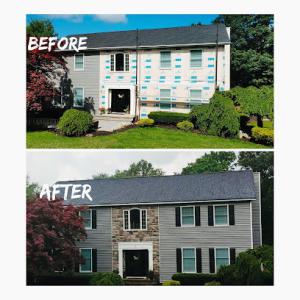
Falcon Fix Roofing & Siding
Randolph Rd, Randolph, New Jersey
4.4 from 7 reviews
Falcon Fix Roofing and Siding with 15+ years of experience offers a full range of roofing services, including roof repairs, roof installations, roof replacements, gutter and siding services to ensure that your entire exterior is protected. No matter what your roofing needs are, we've got you covered.
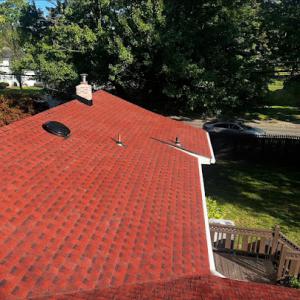
Nagy Roof & Repair
(973) 657-6249 nagyroofandrepair.com
Serving
5.0 from 76 reviews
Nagy Roof and Repair is an owner-operated roofing company based in Morristown, NJ, serving Morris County, NJ. I specialize in roof repairs, leak diagnoses, and full roof replacements. I’m on site for every job, explain your options clearly, pros and cons of repair vs replacement—not pressure sales. Homeowners choose Nagy Roof and Repair for honest advice, clean workmanship, and reliable results. Fully Insured, Bonded, and Licensed.
Splendid Roofing & Chimney
(201) 745-4923 splendidconstructionnj.com
Serving
5.0 from 150 reviews
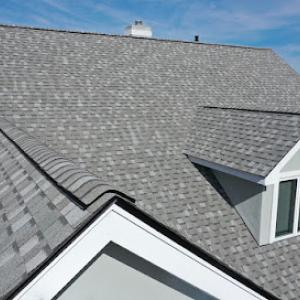
Splendid Roofing Company is a family-owned and operated business based in Montville, NJ, providing 24/7 comprehensive exterior solutions across New Jersey. Specializing in roofing, chimneys, gutters, and siding, the company handles everything from routine maintenance (like cleaning) to emergency repairs and full roof installations. Known for exceptional customer service, they offer free estimates and round-the-clock availability to ensure total homeowner satisfaction.
HM Contracting
(973) 229-9417 www.hmcontracting.com
Serving
4.9 from 73 reviews
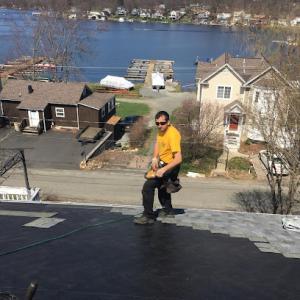
HM Contracting and Roof Specialists are a "one-stop" roofing shop. Our services include, Consultation, Preparation, Removal, Installation and Cleanup. HM Contracting has over 20+ years experience with installing and maintaining roofs in the Morris County NJ area.
Top Quality Home Renovation
(973) 932-3404 www.topqualityhr.com
Serving
5.0 from 111 reviews
Your roof (and your basement or foundation) are the most essential elements of your home. Without a properly functioning roof, shingles, or gutters, you could be faced with damaged shingles that let water into your attic. This can not only damage any belongings you have stored in your attic, Water in the attic is never a good thing, and it’s best to replace your shingles when they need it. If you find yourself in this situation, give Top Quality Home Renovation of Mine Hall, N.J., a call today. They can prevent damage and flooding and save you money, as well as the time and effort to find a roofing company like Top Quality Home Renovation to come out and install a new roof or repair an older one.
GNC General Construction
(201) 494-3956 www.gnc-construction.co
Serving
5.0 from 95 reviews
At GNC, we are more than just a construction company – we are your partners in creating and enhancing the exteriors of your dreams. With a legacy of excellence spanning years, we have established ourselves as a trusted name in New Jersey's construction industry. Our commitment to expert work and unwavering attention to every detail sets us apart as leaders in roofing, masonry, and siding services.
DeVito Roofing
(973) 398-4092 devitoroofing.com
Serving
4.8 from 50 reviews
DeVito Roofing provides roofing, gutters, and downspout services to Mine Hill, New Jersey, and surrounding areas.
Magnolia Development Group
(908) 878-1156 www.magnolia-dev.net
Serving
5.0 from 86 reviews
At Magnolia Development Group we offer full-service construction solutions for your home and community. Roofing, siding, gutters, windows, concrete, carpentry, leak investigation, invasive inspections, fire restoration and more. Inquire today for a free estimate!
Roofing Designers
(551) 200-0305 www.roofingdesigners.co
Serving
5.0 from 14 reviews
We specialize in all types of shingles, EPDM, cedar, slate, tile, cooper, metal, siding and gutters. Our Team will gladly provide you a complimentary consultation whether you need a small repair or a complete roof replacement. As we come to your house or business, you can be confident that we will provide our best quality of products and services. We are also fully insured. Let us know how we can use our years of experience in your next project.
Chimney flashing is a frequent focus for local roofers because many houses in this area rely on stone or brick chimneys that meet the roof plane. In winter, freeze-thaw cycles push and pull at mortar joints and at the base of the chimney, and that movement tends to expose flashing seams first. Your roof should be examined for gaps where step and counter-flashing meet masonry; misaligned shingles at the chimney throat are a common source of leaks after a heavy thaw or a wet snow event. In Randolph, this pattern shows up often and guides how contractors prioritize flashing at masonry penetrations. In older homes, the chase cap and mortar crown are frequent failure points that let moisture bypass shingles daily.
Skylight work is a meaningful local specialty, which aligns with leak risk at curb and flashing transitions during snow, ice, and wind-driven rain events. The curb flashing needs to be continuous and properly integrated with the roof edge and with any wall flashings. Years of service can wear the sealant and lift flashing away from the curb, especially where shingles butt up against the skylight framing. Check that the counter-flashing seals are intact and that the top edge of the skylight is sealed with a compatible, flexible material. Also inspect edge flashing along skylight sides for corrosion.
Begin with a visual sweep after storms: look for dark staining around chimney base, loose or missing shingles near the throat, and evidence of ice dams forming along the flashing lines. On a ladder, inspect the step flashing along both sides of the chimney and the counter-flashing beneath the chimney cap. For skylights, inspect the curb flashing where it meets the roof and the sealant joints around the perimeter. If you see gaps, lifted flashing, or deteriorated sealant, mark the spots and plan a targeted repair before the next freeze-thaw cycle. If attic access exists, peek for damp insulation or staining under these penetrations now.
Find contractors experienced in skylight installation, flashing, and leak repairs to bring natural light into your home.
Proven Contracting of Randolph
(862) 412-1608 provencontractingnj.com
96 Mt Pleasant Turnpike, Randolph, New Jersey
5.0 from 57 reviews
Right Service Roofing & Roof Repair NJ
(862) 397-7487 rightserviceroofingandroofrepair.com
111 Canfield Ave, Randolph, New Jersey
4.9 from 65 reviews
RBM Roofing & General Contracting
5 Selma Blvd, Randolph, New Jersey
4.5 from 31 reviews
In Randolph, pricing reflects a mix of standard asphalt roofs and higher-cost specialty installations such as metal, tile, wood shake, and synthetic products. You'll see asphalt shingles staying in the more economical end, but when the roof line is steep, features multiple chimneys, or requires premium underlayment and enhanced ventilation, costs shift toward the upper end of the ranges. This city's housing stock, with its chimneyed steep-slope homes, tends to push projects into the higher tiers compared to flatter suburban roofs.
Costs tend to rise after winter and spring storm periods when demand spikes for re-roofing and emergency response across Morris County. If a storm creates widespread damage or creates urgent roof leaks, timing becomes a factor: you may pay a premium for quicker scheduling or for synthetic or metal options that are less prone to rapid weather-induced damage. In practice, you'll often notice price pressure when cold snaps end and rainy season begins, as crews shift to back-to-back jobs to limit further interior exposure.
Asphalt shingles remain the most common option and typically anchor the lower end of the cost spectrum. Expect ranges around the mid to upper of standard asphalt pricing when the roof is straightforward-but factor in steep pitches, multiple planes, or extensive chimney work to push toward the higher end. When choosing metal, tile (clay or concrete), or wood shakes, you're looking at noticeably higher per-square costs. Synthetic shingles can offer a compromise between look and longevity, but still land above basic asphalt in many Randolph projects.
Steep suburban rooflines and intricate flashing around multiple chimneys add layers of complexity. Each additional vent or ridge line request can nudge the total toward the higher end of the provided ranges. A code-compliant underlayment upgrade-often recommended in Randolph's freeze-thaw climate to reduce ice dam risk-will also influence price. In practice, a roof replacement that includes comprehensive flashing, enhanced ventilation, and a robust underlayment can frequently land in the higher end of the cost spectrum, especially with premium materials.
Before committing, obtain a detailed, site-specific proposal that itemizes steep-slope work, chimney flashing, ventilation upgrades, and underlayment. Compare how materials influence the long-term performance in Randolph's freeze-thaw cycles. If timing is flexible, consider scheduling after a quiet winter period to avoid the post-storm premium surge.
Get a clear picture of your project costs upfront - no commitment required.
A full re-roof in Randolph typically requires a building permit through the Randolph Township Building Department. The process is designed to ensure that the work meets local standards for safety, energy efficiency, and long-term performance in this climate. Before any shingles come off or a single nail is driven, confirm that the permit is in place and that the contractor understands the township's expectations for documentation, inspections, and code compliance.
Inspection after completion is standard practice here, and the township's attention extends beyond surface appearance. Inspections focus on flashing where roof intersections meet walls, valleys, and chimneys; proper roof ventilation to balance intake and exhaust; and the underlayment installed beneath the shingles or tiles. In this area with freeze-thaw winters, proper flashing and underlayment placement are critical to prevent leaks as snow melts and refreezes along eaves and penetrations. Expect the inspector to verify that ventilation paths aren't blocked by new layers and that soffit vents and attic baffles are correctly positioned to sustain air flow.
Because the township reviews code compliance on reroof projects, homeowners should confirm permit responsibility before work starts instead of assuming a contractor can skip it. Clarify who submits the permit, who coordinates the inspections, and what documents the city will require at each stage. A common source of delays is miscommunication about electrical or plumbing penetrations that may intersect the roof line; coordinate with any trades involved to keep the permit trail clean and the inspection timetable intact.
To smooth the process, prepare in advance with clear diagrams of vent locations, flashing details around chimneys, and a plan for underlayment type and layering. If a re-roof is performed during heavy snow or wet conditions, discuss temporary protection steps with the contractor to minimize exposure and protect interior spaces until the permit is active and inspections can proceed. This proactive approach aligns with Randolph's meticulous review standards and helps prevent post-inspection surprises.
In Randolph, late winter damage often becomes visible during the spring thaw, so scheduling an inspection as soon as temperatures moderate is prudent even if a full replacement is planned later. Snowmelt can reveal hidden leaks at chimney flashing, valley intersections, and along older underlayment. Focus on the attic: look for frost on underside of decks or musty smells that signal hidden moisture. If you notice shingles curling or granule loss after a thaw, plan a professional roof assessment promptly to determine whether you need flashing adjustments, underlayment seams resealed, or a preventative re-seal before the next freeze cycle.
Summer humidity and heat in this area can affect installation conditions and accelerate wear on aged shingles. Hot, swollen shingles can make nail sets more prone to underdriving or splitting, especially on steep slopes with long roof runs. Ensure crews schedule early in the day to avoid the peak heat window, and verify that ventilation is adequate during tear-off and reinstallation. For metal roofs or tiles, heat can affect fastener choices and expansion gaps, so confirm that the contractor accounts for material expansion in July and August, not just in cooler months. If you have mature trees nearby, plan around midday shade windows when possible to keep workforces and materials from sweltering in direct sun.
Autumn rain and wind can disrupt material handling and scheduling, so homeowners aiming to finish before winter should plan earlier than they might expect. Wet days slow tarping, flashing sealing, and debris cleanup, increasing the risk of moisture intrusion during a rushed season changeover. Use the shoulder weeks after leaf drop to compare bids, confirm roof ventilation and attic insulation improvements, and secure a firm start date that aligns with a dry spell. A deliberate autumn plan helps prevent last-minute weather-related delays once freezing temperatures arrive.
Flat and low-slope roofing is a meaningful local specialty even though this area features many steep-slope homes. Additions, porches, and attached garages introduce more flat runs that must shed meltwater promptly. Without careful detailing, those areas become frequent trouble spots during the cold months when freezing and thawing cycle through the year.
Low-slope sections in this town are especially vulnerable when snowmelt drains slowly during freeze-thaw periods. Ice dams can form along eaves and at joins, driving water under flashing or into the seam where the low slope meets the main roof. If the water freezes behind the dam, it can back up and lift roofing materials on the transition, creating slow leaks that worsen through multiple thaw events.
Transitions where low-slope sections meet main shingle roofs are a practical weak point on mixed-roof homes common in suburban North Jersey. The intersection often lacks continuous drainage, and misaligned flashing or insufficient underlayment can let water migrate into attic spaces or interior ceiling planes. These joints need extra attention during installation and after heavy snowmelt cycles.
You should regularly check for soft or bubbled spots where flat sections meet shingles, and look for ice buildup along eaves and vertical walls near transitions. Keep drainage paths clear of leaves, pine needles, and debris so meltwater can move away efficiently. If you notice damp spots, peeling flashing, or staining near these low-slope zones after a thaw, have a qualified roofer evaluate the transition details and flashing integrity promptly.
Find specialists in TPO, EPDM, and built-up flat roofing systems for residential and commercial properties.
Right Service Roof Repair & Replacement
(862) 356-8040 morristownprofessionalroofer.com
Serving
5.0 from 56 reviews