
Last updated: Apr 19, 2026
In a town set against Ramapo foothills, the home saddled with snow and ice faces repeated freeze-thaw cycles that bite at shingle edges and quietly undermine attic assemblies. With every thaw, waterwork from melting snow sneaks toward eaves, then refreezes as temperatures dip again. This pattern accelerates edge wear on shingles and increases the likelihood of ice dam formation at the eaves, where heat escaping from the attic meets cold roof surfaces. The risk isn't just cosmetic: weakened edges invite moisture intrusion, deteriorate underlayment, and amplify the chances of interior leaks during the wettest shoulder-season rainstorms.
The installation calendar narrows to late spring through early fall because winter conditions complicate full replacement scheduling and proper sealing. Cold snaps, frozen decking, and ice-laden roofs stall projects, leaving vulnerable layers exposed to moisture longer than desirable. When a roof is opened during winter, sealant performance suffers, flashing can crack, and gaps invite thawing water to find its way into the structure. If a repair or replacement is postponed, freeze-thaw damage compounds, forcing more extensive work in a tighter weather window later. Planning around the shoulder seasons is not a preference-it's a protection strategy against rapid deterioration and costly fixes.
Warm, wet summers following winter stress can expose hidden moisture problems in underlayment and attic ventilation that started during the snow season. Damp layers trapped under shingles become apparent when humidity climbs and roof temperatures rise. Poor attic ventilation compounds the issue: when warm air can't escape, condensation lingers, wood members swell, and fasteners corrode. In wooded neighborhoods, pine needles, leaves, and debris accumulate along eave lines, blocking soffit vents and restricting airflow. The result is a quiet, persistent moisture cycle that weakens decks, accelerates rot, and elevates the odds of future ice dams during the next cold snap.
Start with a thorough inspection that targets eaves, rake edges, and valleys after a big thaw. Look for curling shingles, granule loss at the edges, and any staining along interior ceilings near exterior walls-these signs point to early edge wear and potential water intrusion. Clear gutters and downspouts of debris to promote unimpeded drainage, especially before the next freeze. Check attic insulation for gaps or compressed batt near eave lines; add or repair insulation to reduce heat loss upward. Ensure soffit vents are clear and balanced with ridge or turbine vents to improve cross-ventilation. If ice dams have formed, remove them safely using a roof rake from the ground and address the underlying causes rather than relying on temporary melt and flush routines.
Implementation of a layered strategy is essential: upgrade to a roof assembly with improved ventilation, install a high-quality underlayment appropriate for freeze-thaw cycles, and choose materials with edge tolerance against cold-weather cycles. In the wooded climate, consider edge-protective detailing and proactive debris management that reduces moisture retention at the eaves. For high-slope homes or complex layouts, ensure flashing around chimneys and vent penetrations remains robust to resist wind-driven rain and ice buildup. The goal is to minimize heat loss into the roof, maximize dry attic conditions, and keep edge wear to a minimum so that winter's next round of ice dams hits a better-prepared roof.
Spring in this area brings sudden weather swings, and hail is a defined local seasonal risk. After a storm with hail or violent wind gusts, you should inspect both the roof surface and the edges of the eaves as soon as safely possible. Look for dented flashing, bruised shingles, and hail hits that show as dimples or shiny spots. In Mahwah's wooded neighborhoods, impact can be hidden by leafy debris or shadowed by branches, so clear debris from the roof and gutters first to reveal any damage. If you spot missing granules, cracked shingles, or lifted edges, address it quickly to prevent moisture intrusion and ice-related buildup in the weeks that follow. Pay attention to attic vents and dormers as well-the heat and moisture transfer can reveal a storm-induced weakness you won't notice from the ground.
Fall storms bring a more complicated threat profile here: wind-driven moisture and debris combine with wet leaf accumulation to pressure the roof in ways simple rain does not. Uplift from high winds can peel back flashing or loosen fasteners, while wet leaves trap moisture against the deck and eave lines, accelerating decay and ice dam risk when temps dip. In Mahwah, this is amplified by hillside exposure and the way gusts funnel between trees and homes. After a Nor'easter, perform a thorough exterior check: look for displaced shingles, lifted ridges, torn sealant around vent pipes, and any gaps where wind-driven moisture could penetrate. Indoors, inspect ceilings and attic spaces for hidden leaks that may only appear after several days of drainage from the roof. Debris that lands on the roof should be removed promptly to restore proper runoff and reduce the chance of damming at the eaves.
Regional claim activity is influenced by wind and hail events, which means timely, well-documented evidence matters. Take clear photos from multiple angles, including close-ups of any hail bruising, lifted shingles, damaged flashing, or compromised underlayment. Capture wider roof profiles and surrounding trees or debris that may contribute to ongoing exposure. After any significant storm, obtain written contractor observations and, if possible, a quick roof assessment report. This documentation is crucial for establishing a traceable record of impact and condition, helping ensure you're not left managing a lingering leak or failure after the next weather swing. If a contractor report confirms damage, you'll have a concrete basis to coordinate repairs before minor issues turn into major nor'easter-season problems.
Find local contractors experienced in assessing and restoring roofs after hail, wind, and severe weather events.
The Great American Roofing Company
(201) 825-2955 thegreatamericanroofer.com
Serving
4.9 from 150 reviews
Erie Home
19 Industrial Ave, Mahwah, New Jersey
4.6 from 75 reviews
Since 1976, Erie Home has manufactured, supplied, and installed the best-performing roofing on the market. By providing ironclad warranties and convenient financing, we ensure that every homeowner we work with receives top quality service and value for their homes and properties. Erie Home professionals are the roofing company of choice in the greater Mahwah, NJ area. Whether you need roof inspections or roof damage repair services, Erie Home has been the go-to roofing contractor for nearly 50 years because of our attention to detail and dedication to making sure our customers are satisfied with their results. Contact us today for a quote and see why we're the trusted roofing company Mahwah counts on.
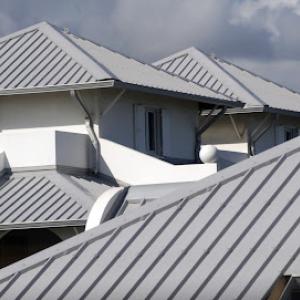
Riedel Contracting
(201) 236-9063 riedelcontractingnj.com
Mahwah, New Jersey
4.4 from 20 reviews
Riedel Contracting has a team of experienced and professional roofing contractors in Mahwah, NJ who will be glad to work for you. Call us now!
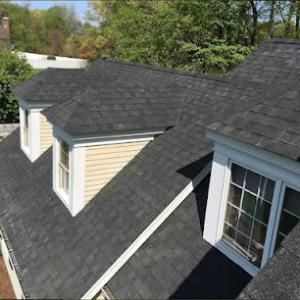
Fonseca & Sons Roofing
(551) 296-7500 fonsecasonsroofing.com
Serving
4.8 from 74 reviews
Trust our team for top-quality residential roofing installations, repairs, and maintenance.
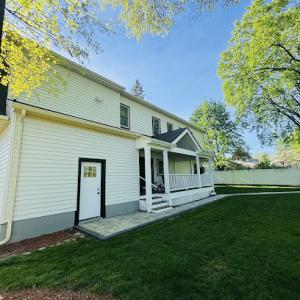
Grand Roof Repair & Replacement
(551) 217-9056 grandroofrepairandreplacement.com
Serving
5.0 from 39 reviews
Grand Roof Repair and Replacement specialize in providing high-quality roofing services for both residential and commercial properties. With years of industry experience, our team is dedicated to delivering expert roof installations, repairs, and maintenance that ensure the safety, durability, and aesthetic appeal of your home or business. Whether you need a complete roof replacement, a minor leak fixed, or routine inspections, we offer affordable and reliable solutions tailored to meet your needs. We use only top-grade materials and employ the latest techniques to ensure that every project is completed to the highest standards. Our customer-first approach guarantees your satisfaction from start to finish.
Segelman Shaw Roofing, Siding & Gutters
(845) 364-8200 www.letsroof.com
Serving
5.0 from 73 reviews
Segelman Shaw Roofing, Siding & Gutters is Rockland County’s trusted local roofing contractor since 1998. We specialize in roof repair, roof replacement, siding installation, gutter cleaning, gutter repair, skylight repair, and chimney services. Our team has installed hundreds of new roofs and completed thousands of roof repairs across Rockland County and surrounding New York areas. Whether you need an emergency roof fix, a full siding replacement, or seasonal gutter maintenance, our experienced professionals deliver quality workmanship that protects your home year-round. We’re known for reliable service, honest pricing, and long-lasting results. Speak to one of our home exterior services professionals today!

The Great American Roofing Company
(201) 825-2955 thegreatamericanroofer.com
Serving
4.9 from 150 reviews
We are a full service roofing company and we will handle everything from a new roof installation, restoration and maintenance to re-roofs and repairs. All with the assurance that can solely come with years of experience. Quality craftsmanship and design are key - and we go beyond the basics with innovative maintenance programs, extended warranties and great customer service, ensuring our customers' satisfaction and their roof's long term performance.
Carlson Bros
(888) 882-2757 carlsonbrothers.com
Serving
4.2 from 49 reviews
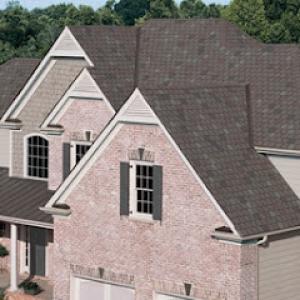
Carlson Bros is a family run roofing contractor that has been in business for over 30 years. We specialize in both residential and commercial roof projects. As a certified Owens Corning Platinum roofer we use the highest quality roofing materials and labor to protect each property owner during the worst storms.
iHome Designs
(551) 427-3613 www.ihomedesigns.com
Serving
5.0 from 175 reviews
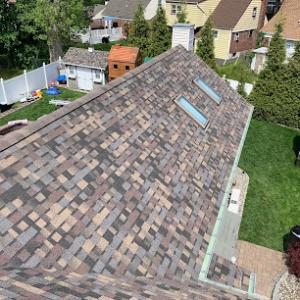
A vision for exceptionalism. At iHome Designs, we ensure a never ending commitment to being extraordinary in every way. We ensure great communication, extraordinary product and service and professionalism at the highest level. We believe our focus on having pure ethics/values, fair principles combined with our exceptional product/service, makes us a standard bearer in the NJ home improvement industry. Certified as an Owens Corning Platinum Preferred Roofing Contractor, and a CertainTeed Certified Siding Contractor, we have the certifications to put our homeowners at ease, and the reviews to showcase the iHome experience. We will promise a fun, easy, but most importantly, trustworthy company you can count on for all your exterior home needs.
Saddle River Roofing
(201) 497-4856 www.saddleriverroofing.com
Serving
5.0 from 65 reviews
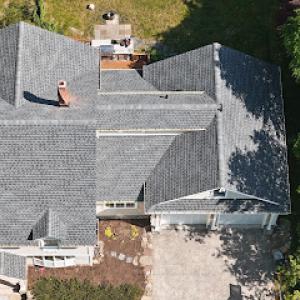
Saddle River Roofing is a trusted roofing company based in Saddle River, NJ. We specialize in providing comprehensive roofing solutions for both residential and commercial properties. With expertise in shingles, slate, metal, and flat roofing systems like EPDM and TPO, we deliver top-notch craftsmanship and exceptional service. Our dedicated team of roofing professionals is committed to ensuring customer satisfaction through attention to detail, timely project completion, and open communication. We cater to homeowners, general contractors, developers, and business owners, offering a wide range of roofing services tailored to their specific needs.

Express Roofing Allendale
Serving
5.0 from 12 reviews
Express Roofing Allendale is a professional roofing service provider located in Allendale. They specialize in offering a variety of roofing services, including repairs, installations, and replacements for both residential and commercial properties. With years of experience and a team of skilled professionals, they are committed to providing high-quality services to their clients. Express Roofing Allendale offers a range of roofing materials, including asphalt shingles, metal, tile, and flat roofs, to suit your specific needs and preferences. They use state-of-the-art equipment and techniques to ensure that all work is done to the highest standard. Whether you need a routine inspection or emergency repairs.

Emerald Roofing & Siding
(845) 377-5255 emeraldroofingusa.com
Serving
5.0 from 263 reviews
Emerald Roofing and Siding has been serving Rockland County and the entire state of new jersey for years with one goal in mind; to provide superior customer service and the highest level of quality workmanship. Emerald Roofing has been providing custom options and solutions to fit any style and budget. From residential and commercial roofing systems to siding, gutters and more. From new construction to repairs, re-roofs and exterior maintenance. Emerald Roofing and Siding is here to work with you!
Sky Tech Construction
(973) 962-4141 www.skytechconstruction.net
Serving
4.5 from 40 reviews
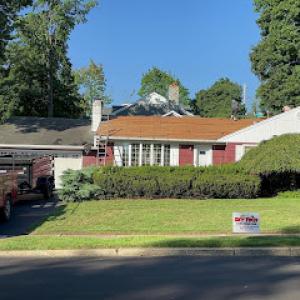
Serving Ringwood for over 30 years, we’re proud to be your trusted local exterior contracting experts! From roofing to siding and everything in between, we’re dedicated to quality craftsmanship and building lasting relationships in the community we love. Call us today to get started on your next project!
Mahwah's housing stock reflects a mix of older, wood-shingled textures, clay and concrete tiles, slate, and modern asphalt systems. When a replacement is needed, the best choice often isn't a one-size-fits-all option but a material that harmonizes with the existing architecture. A steep-gabled roof with Craftsman or colonial lines may still wear wood shakes or asphalt shingles, while a brick or stone veneer look pairs well with slate or clay tile. This means you'll frequently evaluate how a new roof can imitate or complement the age and character of the home, rather than defaulting to the latest trend.
Freeze-thaw cycles in the Ramapo foothills are a real test for brittle or aging roof systems. Materials with proven expansion and contraction resilience-such as certain metal end-to-end seams or engineered tiles-tend to hold up better under repeated freeze-thaw stress. For older structures, upgrading underlayment and improving attic ventilation becomes part of the material choice, ensuring that heat loss doesn't drive ice dams or interior condensation that weakens roof decks. When you're deciding, prioritize systems with robust fastening methods and proven performance in cold, damp months rather than summer heat alone.
Trees, leaves, needles, and seasonal debris load the roof in ways that are unique to this area. Wood shakes, slate valleys, and tile roofs demand more vigilant maintenance because debris can accumulate at valleys and eave lines, accelerating wear or damming water flow. A wood-shake roof, for example, benefits from regular micro-shedding of branches above it and a proactive gutter and valley cleaning plan to prevent moisture retention. Slate and tile designs require careful inspection of valley linings and fasteners after heavy storms-once a tile or slate rock shifts, it can create a domino effect. Asphalt systems tend to be the most forgiving in routine cleaning, but even they benefit from a conditioned attic and prompt snow removal from critical overhangs when safe to do so.
If an architectural style leans toward a traditional look, consider materials whose profiles and textures resemble historically common options. Clay or concrete tile can anchor a Mediterranean or mission-inspired home, while slate evokes a classic, stone-adorned presence. For contemporary lines, metal roofing can deliver clean geometry and a tight seal against wind-driven rain. The goal is to preserve curb appeal while choosing a system that resists wind, ice, and debris loads that are typical in shoulder seasons.
For wood shakes, schedule annual inspections after winter and a mid-fall debris sweep to protect the fibers from moisture intrusion. Slate requires careful valley and fastener checks every season, with a focus on replacing broken pieces promptly. Clay and concrete tiles benefit from reinforced underlayment in vulnerable slopes and a routine cleaning of debris-prone eaves. Metal roofs should be inspected for fastener tightness and seam integrity after storms, with snow guards considered in areas with heavy snowfall. Asphalt shingles stay on top of routine gutter cleaning and attic ventilation improvements to mitigate ice dam risk. In all cases, a coordinated maintenance calendar tailored to the material and tree canopy helps keep a Mahwah roof resilient year-round.
When planning a roof replacement in this part of the Ramapo foothills, you'll see clear material-driven differences in price. Asphalt shingles sit in a practical range around 350 to 800 USD per square, making them a common choice for wood-frame homes with modest budgets. Metal roofs run higher, typically 600 to 1200 USD per square, and they're a solid option if you're targeting longevity and strong resistance to storm debris. For clay tile, expect 750 to 1600 USD per square, while concrete tile sits around 600 to 1400 USD per square. Wood shingles or shakes come in at roughly 700 to 1200 USD per square, and slate, the premium path, ranges from 1100 to 2400 USD per square. In Mahwah's wooded neighborhoods and hillside wind patterns, the cost gap between materials can reflect not just the material itself but the extra attention some homes need for proper venting and underlayment to handle freeze-thaw cycles.
Winter ice dams and wind-driven Nor'easter rain make the timing of a replacement particularly sensitive here. Local costs can rise when storm demand spikes after hail or Nor'easter events, because scheduling pressure squeezes labor availability during the already limited late-spring to early-fall replacement window. If a storm hits mid-week and a crew is tied up on a damaged roof across town, you may see a rush in quotes or tighter crew calendars. Planning ahead helps. Get on a line with a trusted local contractor early in the season, and confirm a realistic timetable that accommodates the typical shoulder-season weather swings. A small delay in delivery of underlayment or roofing accessories-common to all Mahwah projects in storm season-can compound into a few extra days on site.
Older homes in the area may require added documentation during the pre-construction phase, which can extend the overall timeline and increase soft costs compared with straightforward re-roof projects. This isn't unusual for gray-shingle houses with complicated rooflines, varying eave detail, or historic features. Expect some extra coordination time for measurements, material staging, and addressing any unique roof penetrations. If your home sits on a steeper slope or has mature trees nearby, address debris management and access in your plan so crews can work efficiently during those shorter winter-soon-to-spring windows.
Get a clear picture of your project costs upfront - no commitment required.
Grand Roof Repair & Replacement
(551) 217-9056 grandroofrepairandreplacement.com
Serving
5.0 from 39 reviews
In this township, a full roof replacement is treated as more than routine maintenance. The permit process is required to proceed legally, and skipping it can lead to delays or rework that disrupts the project timeline. If the roof is being removed down to the deck or any substantial structural work is involved, expect a review by the Mahwah Township Building Department before work begins. The emphasis here is on ensuring the work meets local wind, snow load, and fire separation standards that align with the area's winter climate and wooded setting. Keep in mind that an over-the-counter approach isn't sufficient for a full replacement-your project will be evaluated against current code and site conditions.
Once a permit application is submitted, a project review is performed with an eye toward safety, ventilation, and durability. The department schedules inspections in stages to verify compliance as the work progresses. A rough inspection is typical during the installation phase, confirming that underlayment, flashing details, and roof-to-wall connections are properly put in place, and that the work follows the approved plan. A final inspection is then conducted to confirm that the entire installation meets code requirements and that materials, fasteners, and detailing are appropriate for the local climate. The final check also assesses attic ventilation and underlayment continuity, both critical for preventing ice dam risk and freeze-thaw damage during Mahwah's cold snaps. If any deviations from the approved plan are noted, adjustments must be documented and corrected before a certificate of occupancy or final sign-off is issued.
Processing and review times vary by the scope of the project and the specifics of the house, particularly on older structures where additional documentation may be requested. When a permit is required, gather as-built photos, existing deck details if any, and any previous moisture or insulation concerns that could influence the ventilation strategy. The Building Department may ask for structural details, attic vent calculations, or product data for underlayment and flashing systems to ensure compatibility with the local weather patterns. Expect a back-and-forth period if the project includes unusual conditions or historic features, but with prompt responsiveness, the sequence from submission to final approval can stay on a predictable track. Once approved, inspections are scheduled to align with the installation milestones, so coordinate with the contractor to ensure access for inspectors and to keep the work moving smoothly.
Find specialists in TPO, EPDM, and built-up flat roofing systems for residential and commercial properties.
In New Jersey, insurers commonly require thorough documentation of roof condition, and that is especially relevant in Mahwah where older roofs and storm-related claims are both common concerns. Winter ice dams, wind, and Nor'easter rain patterns in shoulder seasons make evidence of pre- and post-storm condition essential for fair handling of a claim.
When an adjuster arrives, you can expect questions about contractor photos, condition notes, and date-stamped evidence. Prepare by keeping clear, labeled photos of shingles, flashing, vents, and any visible damage from multiple angles. Note attic signs of moisture, ice dam formation, and any interior staining you can access, then preserve these records in a dated file.
Build a straightforward documentation routine so the claim process doesn't hinge on memory after the fact. Record the roof's age, last major repair, and visible wear from a ground view and an attic perspective. Store copies of any prior inspections, repair invoices, and contractor notes in a cloud folder that's easy to share with an adjuster or insurer if needed.
State-level rate and coverage changes can affect deductibles and roof settlement terms, making pre-loss documentation more important before storm seasons. Having a consistent baseline-validated by a trusted local contractor-helps prevent disputes over condition at the time of loss and supports timely, accurate settlements when wind and ice return.
Practical steps keep you prepared: photograph after major storms, photograph again in dry weather for comparison, and keep a single, organized folder with date stamps. Before the next freeze-thaw cycle, review notes with a reputable roofer so you know what to document if the weather turns adverse. This careful approach reduces surprises when a claim is filed.
Connect with contractors who help homeowners navigate the claims process from damage assessment to final approval.
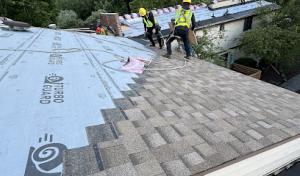
In this area, the warm, wet summers put extra stress on underlayment and attic ventilation after roofs have already been weakened by winter freeze-thaw cycles. The Ramapo foothills and wooded neighborhoods mean more shade, more debris, and more moisture trying to penetrate the attic, which can accelerate rust, fibers breakdown, and insulation moisture issues if airflow is insufficient. A well-ventilated roof assembly helps move summer humidity out before it condenses on cold sheathing or soaks into insulation.
The township's final roof inspection specifically verifies ventilation, making airflow design a practical compliance issue rather than just a performance upgrade. In practical terms, that means no matter the roof choice, you should verify that intake and exhaust pathways are clear, appropriately sized, and balanced. Blocked soffits, clogged vents, or insufficient attic vents can catch builders and inspectors off guard when the final checks roll around, so plan from the start to maintain clear, continuous airflow.
Poor ventilation in Mahwah can compound both summer moisture buildup and winter ice-dam conditions, so homeowners need to evaluate the roof system as a year-round assembly. Consider how attic insulation works with venting in shoulder seasons, when frost and thaw cycles stress the sheathing differently than peak winter or summer. A balanced air exchange reduces condensate in the attic and lessens the likelihood of moisture migrating into decking, underlayment, and decking fasteners during fluctuating temperatures.
Begin with a simple air-permeability check: ensure attic soffits and vents are free of debris, confirm ridge or soffit vents are not sealed off by insulation, and map any dead zones where air could stagnate. If a re-roof is planned, coordinate with the contractor to integrate a ventilation plan that aligns with the attic's square footage and climate-driven needs. Regularly inspect for signs of moisture on the attic floor and deck, and address any frost or ice-dam indicators promptly to protect the roofing system long into autumn and beyond.