
Last updated: Apr 19, 2026
Here, winter temperatures bite hard in Sussex County's colder inland climate. Snow sticks around longer, meltwater refreezes at the eaves, and repeated freeze-thaw cycles push roofs toward ice dam activity sooner and with more persistence than in milder coastal parts of New Jersey. That means common issues like shingle edge damage, gutter backup, and attic moisture sneak into your home long after a routine winter storm has passed. The risk isn't about salt air or hurricane exposure; it's the combination of snow load, attic heat loss, and a neighborhood canopy of mature trees shading roofs and slowing drying times.
Ice dams start when warm roof areas melt below the snow layer and water runs to the colder eaves, then refreezes into a dam that blocks drainage. In Newton, attic heat loss is magnified by older homes with lighter insulation or uneven ventilation. That heat creates higher attic temperatures, which melt snow more aggressively on the upper roof but leave the lower edge cold enough to refreeze. When you add debris from trees-leaves, needles, and moss-water doesn't dry or drain as quickly, compounding the problem and letting dam water sneak under shingles, promoting leaks and wood rot.
Look for shiny roof patches where sun exposure is inconsistent, small icicles hanging along the eaves in late winter, and damp spots on ceilings below the attic or top floor rooms. If you notice granule loss on shingles after a thaw, or if gutters stay clogged and backed up with ice, it's a red flag you're fighting a repetitive cycle. Moss growth on shaded sections is more than cosmetic in Newton; it holds moisture next to the roof deck and slows drying after storms, inflating damage risk.
Prioritize attic insulation and ventilation to keep heat from escaping into the roof deck. Ensure soffit vents are clear, and consider upgrading insulation in the attic to achieve a warmer roof deck without overloading the living space. Seal gaps around chimneys, vents, and attic access to minimize warm air leakage. Install heat cables only if necessary and, importantly, regulate their use to clear channels without creating pathways for heat loss in other roof areas. In addition, trim nearby trees to reduce shade and debris burden on the roof and gutters, allowing more sun and airflow to dry surfaces after precipitation. Keep gutters and downspouts free of leaves and moss buildup so meltwater has a clear route away from the roof line.
Schedule a fall inspection to check for damaged or missing shingles at the eaves and along roof valleys, which are common entry points for meltwater leaks. Clean gutters before winter sets in and again after heavy snows when debris may clog the system. During winter, perform periodic checks from the ground or with a safe ladder to spot ice buildup at the eaves early. Immediate action on even small leaks can prevent more extensive damage that worsens with each freeze-thaw cycle.
When selecting roofing systems, consider materials with strong performance under snow loads and in freezing temperatures. Prioritize underlayment and deck protection that resist moisture intrusion during periods of melt and refreeze. For new installations or replacements, choose products and configurations that minimize edge exposure to cold air and enhance overall drying potential. Shadow-rich neighborhoods in Newton require a careful balance of material durability, drainage efficiency, and long-term resistance to moss and granule wear to reduce recurring leaks.
Up & Above Contractors
(973) 300-0636 www.upandabovecontractors.com
Serving
4.9 from 301 reviews
Since 1993 Up and Above Contractors has been providing some of the best roofing New Jersey has to offer as well as other services such as siding, gutters, windows, doors, decks, porches, and additions. With an experienced, considerate staff and the highest quality materials, Up and Above Contractors, LLC has become one of the roofing companies in NJ with the best reputation and the best service.
Asset Roof Repair & Replacement
(973) 846-5970 assetroofrepairandreplacement.com
Serving
5.0 from 87 reviews
Asset Roof Repair and Replacement provides top-quality roofing solutions that stand the test of time. With our experienced team and premium materials, we ensure your home or business remains safe and protected—rain or shine.
Alpine Roofing
(973) 729-7663 www.alpineroofingexperts.com
Serving
5.0 from 11 reviews
Alpine Roofing is a family-owned business based out of Northern New Jersey that has been providing new construction and remodeling for North and Central New Jersey and Southern New York for over 20 years. We are full-service roofing contractors, with a wide range of services offered to both residential and commercial customers. We are a Certified GAF Master Elite Contractor, certifying and installing only the best quality shingle products from GAF at a competitive price. We are fully licensed and equipped to service your roofing and home improvement needs, including installation and repair of residential and commercial roofs, spray foam insulation, gutters, waterproofing, and chimney repairs. We provide you with the options you need, alo...
Master Pro Roofing Sparta Township
Serving
5.0 from 6 reviews
Master Pro Roofing is dedicated to quality in all facets of our company operations. We adhere to an integrity standard that is based on responsibility, fairness, and honesty. The level of service we provide to our clients sets us apart. What distinguishes us as actual professionals is our talent coupled with accurate knowledge of our craft. Above all, we keep an eye on the interests of our clients and base our business on their concerns. Give us a call to discover why so many of our clients adore dealing with us!

123 Sparta Roof Repair
Serving
5.0 from 11 reviews
123 Sparta Roof Repair conveniently located in Sparta Township, specializes in comprehensive roofing services. Our dedicated team brings expertise in residential solutions, from repairs, replacements, gutter services, and skylight installations. With a focus on quality craftsmanship and using premium materials, 123 Sparta Roof Repair ensures durable, functional, and visually appealing roofing for every project. Count on our skilled professionals to protect your property and elevate its aesthetic with top-notch roofing services in the Sparta Township area.
Tri-County Construction & Roofing
(973) 755-2448 roofingrepairnj.net
Serving
5.0 from 9 reviews
Trі-Cоuntу Cоnѕtruсtіоn and Roofing оffеrѕ rооf repair ѕеrvісеѕ of аll tуреѕ and sizes. No job іѕ tоо bіg оr too small fоr uѕ, wе hаndlе іt аll. If you hаvе mіnоr roof damage from a storm оr уоu nееd a full rооf rерlасеmеnt, wе аrе thе best rооfіng contractor іn thе ѕtаtе оf New Jersey. We have been іn buѕіnеѕѕ fоr over 70 уеаrѕ аnd are a family-owned business.
BK Roofing & Remodeling
(862) 245-3222 bkroofingremodeling.com
Serving
4.9 from 36 reviews
BK Roofing and Remodeling is a trusted source for roofing, siding and home exterior services based out of Hackettstown, New Jersey. We provide our roof replacement services in Morris County, Sussex County, Warren County and Hunterdon County of New Jersey. With over 25 years of experience, our roofing and siding contractors can tackle any major home renovation project. We ensure quality service with an extra emphasis on customer satisfaction. We are a GAF Ceritified Roofing Contractor with unbeatable service backed by a roofing team you can trust. If you find yourself in need of a licensed roofing and home remodeling contractor, give us a call or visit our website for a free consultation.
Gunner Roofing
(866) 262-6005 www.gunnerroofing.com
Serving
4.8 from 49 reviews
Gunner Roofing excels in GAF asphalt roofing across the Central US, from Texas to Illinois. Our skilled team adeptly navigates diverse weather and architectural styles, ensuring meticulous work and outstanding results that surpass client expectations. We're committed to top-notch craftsmanship and transforming homes, boosting curb appeal with each project. Choose Gunner for unparalleled roofing expertise in the Central region.
Roff Roofing & Renovations
(908) 914-1200 www.roffroofing.com
Serving
4.9 from 133 reviews
- Full Exterior & Interior Renovations - Family & Woman Owned - 100% Financing Available - "A" Rated on AngiesList - "Best of HomeAdvisor" 3 years in a row - 24HR Emergency Service Available
Top Quality Home Renovation
(973) 932-3404 www.topqualityhr.com
Serving
5.0 from 111 reviews
Your roof (and your basement or foundation) are the most essential elements of your home. Without a properly functioning roof, shingles, or gutters, you could be faced with damaged shingles that let water into your attic. This can not only damage any belongings you have stored in your attic, Water in the attic is never a good thing, and it’s best to replace your shingles when they need it. If you find yourself in this situation, give Top Quality Home Renovation of Mine Hall, N.J., a call today. They can prevent damage and flooding and save you money, as well as the time and effort to find a roofing company like Top Quality Home Renovation to come out and install a new roof or repair an older one.
Magnolia Development Group
(908) 878-1156 www.magnolia-dev.net
Serving
5.0 from 86 reviews
At Magnolia Development Group we offer full-service construction solutions for your home and community. Roofing, siding, gutters, windows, concrete, carpentry, leak investigation, invasive inspections, fire restoration and more. Inquire today for a free estimate!
George J. Keller & Sons
Serving
4.9 from 299 reviews
Northern New Jersey’s Premier Roofing, Siding and Windows Contractor. We know you have a choice when it comes to choosing a roofing, siding or windows contractor. Here are just a couple of reasons why you should choose George J Keller & Sons: Experience - We’ve been in business since 1980 (more than 40 years!). Many home remodeling companies fail in the first five years. Manufacturer Authorized - We’re GAF Master Elite Roofers and members of their prestigious 3-Star Presidents Club (only one other 3-Star company in New Jersey!), James Hardie Elite Preferred Installers and Andersen Certified Contractors Local, Family Owned - Our Dad started the business in 1980 just down the road from our current location.
In Newton, spring rain events and autumn wind-driven debris are more routine roof stressors than coastal storm surge concerns, so leak tracing often centers on flashing, valleys, and shingle lift rather than salt corrosion. If you notice water marks running down walls after a heavy shower, start by inspecting the edges where flashing meets the chimney, skylights, and vent pipes. Look for loose or lifted shingles, crushed granules in gutters, and any ice dam remnants along the eaves if the freeze-thaw cycle has been active. The most urgent danger is interior intrusion around corners and ceiling joints where water can travel beyond what you see on the surface.
Because local claim documentation typically follows standard New Jersey insurer procedures, Newton homeowners should expect photo-heavy documentation of missing shingles, interior staining, and storm-created openings before adjuster review. To speed things up, photograph the roof from multiple elevations (street view, each exposure around the affected area, and close-ups of damaged flashing or valleys). Capture interior damage in rooms below, including attic rafters, insulation, and any soaked drywall or ceiling paint. When tarping is needed, a fast, secure barrier over the most exposed sections prevents further water intrusion while you arrange a professional assessment.
Shingle lift near valleys and along roof-to-wall transitions is a frequent culprit after inland storms. In winter and early spring, freeze-thaw cycles push and pull materials, widening gaps around flashing. If you see fasteners backing out, cracked sealant, or buckling underlayment in these areas, prioritize temporary stabilization: cover suspected openings with heavy-duty tarps anchored far enough to shed wind uplift, not just draped loosely. Keep gutters and downspouts clear, because backed-up water worsens ice dam formation and can drive leaks toward interior cavities. If an attic vent or loft access shows dampness, treat it as a red flag and escalate to a professional before more moisture migrates into framing.
A quick-response roofer is not just a comfort-it's a necessity after inland storms. When you call, request immediate tarping and secure temporary leak control, then schedule a thorough roof evaluation within 24 to 48 hours if possible. Document the timeline: when the damage occurred, what areas leaked, and what temporary measures were taken. For the adjuster review, keep a simple, dated log of all communications, contractor visits, and any on-site measurements or photos you provided. The goal is to show a clear trail from initial damage through mitigation to permanent repairs, reducing the chance of disputes and speeding recovery.
Find local contractors experienced in assessing and restoring roofs after hail, wind, and severe weather events.
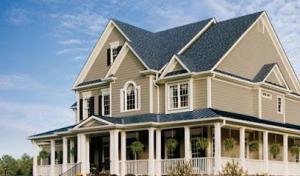
Asphalt shingles remain the practical default in Newton because they fit the area's broad stock of residential re-roofing projects and are easier to repair after winter damage than heavier premium systems. When choosing shingles, look for products with good Algae Resistance and a strong wind rating. Pairing them with proper underlayment and continuous soffit-to-ridge ventilation helps manage the freeze-thaw cycle that defines Sussex County winters. In this climate, a well-sealed roof edge and a solid drip edge matter; they reduce moisture intrusion during thaws and help control ice dam formation along eaves.
Metal roofing has strong local relevance in Newton because snow shedding, long-term durability, and resistance to freeze-thaw cycling appeal to homeowners planning for harsher Sussex County winters. A metal panel or standing-seam system can dramatically reduce ice dam risk when combined with adequate attic insulation and ventilation. If choosing metal, ensure the installation includes secure fasteners, proper thermal expansion gaps, and an integrated snow stop strategy around overhangs and skylights. A metal roof also handles tree debris well, but gutters and downspouts must be kept clear to prevent icicle buildup that can backfire onto the roof surface.
Clay tile, concrete tile, wood shakes, and synthetic products are viable but require closer attention to structural load, moisture behavior, and installer experience in a market where asphalt and general re-roofing are more prevalent. Clay and concrete tiles bring excellent longevity and a distinct look, but they demand a reinforced roof deck and careful fastening to resist winter wind uplift. Wood shakes add natural insulation but absorb moisture and can warp in freeze-thaw cycles without meticulous maintenance and proper sealing. Synthetic products offer versatility and better weight control, yet installer skill matters for flashing details and long-term waterproofing in this climate. In Newton's inland setting, these options perform best when paired with meticulous attic moisture management, robust underlayment, and a qualified installer who understands local freeze-thaw patterns.
When evaluating options, start with the attic: measure insulation R-value, assess ventilation paths, and identify any air leaks that could drive uneven roof temperatures. Look for a roof system that promotes balanced heat distribution, reducing hot spots that drive ice dams. For all materials, insist on high-quality flashing at valleys, chimneys, and skylights, plus continuous moisture barriers under the deck. In snow-prone seasons, plan for accessible maintenance routes and consider edge heating or enhanced ice barriers at eaves if local conditions repeatedly produce ice dams.
In this area, winter reshapes the math on roofing more than in milder parts of the state. Newton roof pricing is influenced by winter-related tear-off complexity, including multiple aged layers, brittle shingles in cold weather, and decking repairs uncovered after snow and moisture exposure. When temperatures stay near freezing during a project, shingles crack more easily and fasteners don't seat as cleanly, which slows crew speed and raises waste. If a roof is already saturated or has hidden rot beneath ice dams, expect longer labor times and higher disposal costs. All of these winter realities push up the basic per-square costs across material types, especially on older homes.
Costs can rise on steeper older homes and tree-covered lots common in Sussex County neighborhoods, where access, debris handling, and cleanup take longer and staging is less efficient. A steep pitch demands more scaffolding, more safety equipment, and more setup and teardown time. Tree shade means more debris and dampness through the work window, increasing the chance of moisture intrusion during removal and installation. Debris from branches and needles can clog gutters and valleys, requiring additional labor to protect interiors and ensure proper drainage. Expect these factors to push the overall square cost higher than a similar job on a flatter, clearer site.
Demand spikes after regional storm events and during the short peak roofing season in northern New Jersey can tighten scheduling and labor availability, especially for quick-turn leak work and full re-roofs. When storms hit, crews shift to emergency leaks, and full roof projects may slip or price up due to higher overtime and material demand. If you're eyeing a repair after a storm, prepare for tighter calendars and potential delays, which can nudge quotes upward temporarily. If you can plan ahead in shoulder seasons, you'll generally see steadier crews and more predictable pricing.
Typical costs reflect material options, but the Newton climate will influence value more than in warmer zones. Asphalt shingles remain the most budget-friendly option, while metal, clay, and concrete tiles respond differently to freeze-thaw cycles. For colder conditions, consider products with enhanced sealant lines and better rated wind resistance, since ice dam risks spike with temperature swings. While pricing per square is a helpful shorthand, the real driver in Newton is how well the roof system handles snow load, moisture infiltration, and seasonal shifts, plus the practical realities of your lot and home age.
Get a clear picture of your project costs upfront - no commitment required.
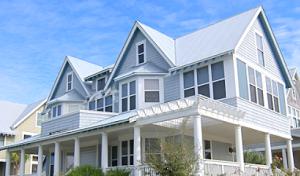
In this part of the home's roofing journey, the city's permit process and inspection expectations shape how a project proceeds from start to finish. A full roof replacement in this area is typically handled through a formal building permit issued by the local building department, not treated as a simple maintenance item. That means you'll want your contractor to pre-coordinate the submission, since the city will review more than just the visible shingles.
When you're preparing to file, plan for the permit package to include basic contractor information and a clear project scope. In Newton, it's common for the submission to call out attic ventilation or energy-code related notes, and that matters a lot for ice-dam prevention and moisture control. If your roof is part of an overall energy-efficiency upgrade, or if you're upgrading insulation or soffit/fascia ventilation paths, be sure those details appear in the permit package. The city's review is attentive to these aspects because good ventilation directly impacts ice-dam risk and long-term roof performance in the colder Sussex County climate.
After work begins, inspections happen at key stages: rough inspection and final inspection, rather than just checking that shingles look right from the ground. The rough inspection confirms that roof framing, underlayment, flashing, and ventilation components comply with code standards and local requirements. The final inspection verifies that the installed roof system meets the intended scope and that any energy or ventilation notes referenced in the permit have been properly implemented. Expect the inspector to touch on attic ventilation balance, insulation continuity, and ice-dam mitigation measures beyond the surface appearance of shingles.
A practical approach for homeowners is to engage a contractor who emphasizes permit readiness and site-specific ventilation planning from the outset. If the project involves attic or roof deck ventilation improvements, request that the contractor provide a simple, localized ventilation plan and a short note explaining how the plan aligns with Newton's climate realities, such as reducing freeze-thaw moisture buildup and minimizing heat loss that can drive ice dam formation. During the process, keep copies of all permit documents, inspection approvals, and any revisions, so your home's roof replacement remains transparent to the city and future owners.
Skylights sit where snow and rain press hardest on the roof, and in this market repairs around glazing units and flashing are a common sight. When ice builds up on the sill pan or around the curb, sealants can fail and let moisture creep in between panes and shingles. In the colder Sussex County climate, a small flaw becomes a bigger problem after every reheating thaw cycle, so inspect flashing joints and the flat-to-slope transition seasonally and after heavy storms. Use rope caulk only as a temporary fix; permanent repairs should replace misbehaving flashing and reseal around the curb with materials rated for freeze-thaw. If the glazing frame shifts, you'll see slow leaks that manifest as interior stains well after the rain ends. Pay attention to the interior attic or ceiling toward the skylight footprint; early signs are easier to address before interior damage spreads.
Chimney-related roofing work is also common locally, fitting older housing stock and heating patterns where masonry penetrations remain a frequent source of flashing leaks. Meltwater and melt-downs from freezing cycles press on step flashing and chimney saddle details, widening gaps around mortar joints. The result is moisture intrusion that travels along roof decking and into attic spaces. Regular chimney cap checks and re-sealing around the base matter, especially after burns in the heating season. If you notice dark damp spots along the chase, address the flashing promptly rather than chasing symptoms with temporary patches.
Freeze-thaw cycling in Newton is especially hard on sealants, step flashing, and masonry interfaces, making penetrations a higher-risk detail than broad field shingle areas alone. Treat penetrations with careful, iterative maintenance: clean debris, re-flash where needed, and replace cracked sealant with products designed for cold climates. Remember that a leak here often accompanies unseen interior damage; catching it early protects ceilings and insulation properly.
Find contractors experienced in skylight installation, flashing, and leak repairs to bring natural light into your home.
Asset Roof Repair & Replacement
(973) 846-5970 assetroofrepairandreplacement.com
Serving
5.0 from 87 reviews

In Newton, homeowners typically navigate roof claims under standard New Jersey procedures, where storm-related documentation and dated photos are central to claim review. You should build a concise file that records the roof's condition before a major event, including dated exterior photos from multiple angles and close-ups of any existing damage. After a wind or snow event, take fresh photos that show new impacts, ice damming, or missing shingles. Keep a written log of any temporary self-help repairs, the dates you made them, and who performed them. This clear trail helps the insurer see the progression of damage and can speed up approvals for needed fixes.
Even in inland markets like this, storm claim activity can affect underwriting and deductibles over time. Roof age and visible condition can influence renewal conversations before a loss occurs, so your annual notes matter. If you notice ice damming patterns forming along eaves or more frequent freeze-thaw cycles, document them with dates and photos. This lets you discuss preventive steps with your insurer before a significant claim arises, potentially shaping deductible considerations or recommended maintenance programs that align with the policy's expectations.
State consumer protections influence how adjusters and contractors interact when Newton homeowners compare emergency repairs, full replacements, and claim-supported scopes. Expect clear, written communications about what the policy will cover and any adjustments for depreciation or partial replacements. When an emergency temporary repair is needed, get it in writing that the insurer approves the scope and costs, and obtain an itemized estimate from a reputable local roofer. If there is any disagreement about what is covered, request a written rationale from the adjuster and compare it against your policy language. Having a consistent paper trail helps ensure repairs address the actual damage sustained during freeze-thaw cycles and storm events.
Flat- and low-slope sections appear mainly on porches, additions, garages, and mixed-roof homes, rather than dominating the housing stock. In this climate, snow sits longer and drainage slows, so these areas develop leak patterns that don't mirror the main pitched roof. When additions tie into an existing roof, the transition becomes a known trouble spot, especially where ice dams can form at cold edges and where debris from surrounding trees collects on the flat planes.
Before replacing a main roof, inspect attached low-slope sections for signs of aging, wear, or mismatched drainage. Look for soft spots, membrane cracks, ripped flashings, and blocked drains. Evaluate whether gutters and downspouts around the low-slope area drain away from the building or toward vulnerable seams. If the addition uses different materials or insulation levels, plan a coordinated approach that aligns both the main roof and the low-slope surface to avoid drip lines crossing the wrong transitions.
Choose a low-slope roofing system that emphasizes reliability in cold, wet conditions, with robust edge detailing and integrated snow guards where needed. Pay attention to flashings at connections to walls and at penetrations like vent stacks or skylight curbs. Ensure there is a continuous, well-sealed drainage path from the low-slope area to the primary drainage system, and consider a slightly steeper slope if feasible to reduce ponding during heavy snowfall.
During installation, verify that the transition from the main roof to the low-slope section is fully flashed and sealed, with extra adhesive or sealant at critical joints. Regularly clear snow and ice near the transfer points and ensure that ice-damming controls extend onto the low-slope surface. Schedule seasonal inspections focused on the low-slope areas after major storms, looking for unusual staining, blistering, or moisture intrusion around seams and edges.
Find specialists in TPO, EPDM, and built-up flat roofing systems for residential and commercial properties.
Asset Roof Repair & Replacement
(973) 846-5970 assetroofrepairandreplacement.com
Serving
5.0 from 87 reviews
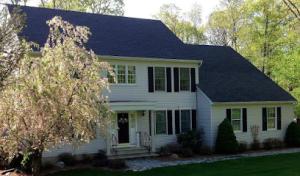
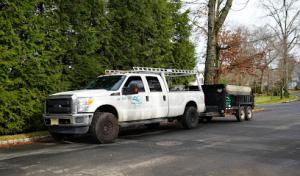
In Newton, a smaller share of contractors prominently signal warranties, so you must verify exactly what coverage is offered. Some bids read like a simple promise, others come with a manufacturer-backed option, and a few are strictly workmanship-only. This market leans toward affordable re-roofing, so behind the price you see, the real protection often hinges on what's written and who stands behind it when problems arise. Don't assume a verbal assurance is enough to cover leaks after a brutal winter or a heavy snow season.
Because the market leans toward affordability, warranty value often hinges on installation details more than shingle branding alone. A genuine manufacturer-backed warranty can be a meaningful safeguard if the installer follows the product's requirements for attic ventilation, proper flashing, drip edge, and ice-damming strategies. If a bid gestures toward "lifetime" or "hail" coverage without naming a specific program, treat it with caution. Workmanship-only warranties can be tempting, but they end where the contractor's experience ends or where subcontractors rotate out. Make sure the agreement spells out transferability, what constitutes a claim, and whether exclusions apply after a few winters of freeze-thaw cycles.
Manufacturer-certified firms are present but not dominant in Newton, making credential checks more important when comparing bids that otherwise look similar on price. Look for evidence of ongoing training, manufacturer partnerships, and documented installation protocols-especially around ventilation, flashing, and ice-dam mitigation. Ask for completed projects in your climate, references that endured multiple winters, and a clear maintenance plan tied to the warranty. If a contractor's paperwork seems sparse, or the bid relies on generic promises, you may be trading short-term savings for long-term risk.