Last updated: Apr 19, 2026
The cold winters here bring repeated freeze-thaw cycles that push and pull at shingles, flashing, and underlayment. After a heavy snow event, daytime warmth can soften the snow, while overnight freezing creates a solid ice lid along the eaves. That ice acts like a dam, forcing melted water to back up under shingles and into the attic. If your roof has any valley intersections or a roof-to-wall transition, the risk spikes. This isn't theoretical-water leaks through ceilings, staining drywall, and then creeps into insulation, inviting mold in tight attic spaces. You need a plan that targets both the surface and the hidden paths water uses to advance once the ice forms.
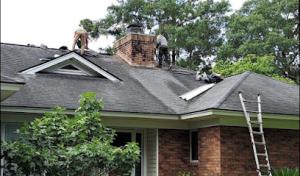
Older houses in this area often feature dormers, multiple ridges, chimney intersections, and irregular convergence of roof planes. Those features create dozens of micro-gutters where snow and ice can settle and freeze. Ice tends to back up where flashing meets brick or stone, where dormers interrupt continuous eave lines, and where valleys funnel runoff. In practical terms, a single compromised or undersized flashing seam can become a leak channel after a thaw-freeze event, even if the rest of the roof looks intact. The pattern is consistent: complex geometry plus a winter with freeze-thaw cycles equals higher probability of concealed damage lurking behind ceilings and attic insulation.
Autumn leaf buildup from the mature tree canopy is a common Morristown trigger. When gutters clog, meltwater has nowhere to go but up under the roofing edge. Ice forms along the eaves where water cannot shed, and that ice can widen cracks as it expands. If debris sits in gutters into winter, the chance of an ice dam forming increases dramatically after the first big freeze. This is especially true for roofs with parapets, hooded dormers, or boxed-in eaves where debris naturally collects.
Begin by clearing all gutters and downspouts before the first substantial snowfall. Ensure downspouts terminate away from the foundation and direct water toward open ground, not toward a wall or window well. Inspect the eaves for shingle lift, damaged flashing, or gaps where ice could intrude. If a roof includes valleys or chimney flashing, have those seams checked just before winter begins; even small cracks can become leak routes when ice forms. Consider installing heat cables only in critical areas with prior ice buildup, and ensure the system is sized to cover the eave length plus any known problem zones.
If you notice staining on ceilings after a thaw, damp attic insulation, or persistent ice buildup that seems to reform nightly, it's time to get a professional assessment. An experienced roofer can map out heat-loss pathways, verify attic ventilation is adequate, and recommend targeted repairs to reduce repeat ice dam formation. Delaying tests and strategic fixes invites ongoing leaks and escalating interior damage during the harshest weeks of winter.
Spring severe storms and hail are a local scheduling and damage driver in Morristown, often adding new shingle bruising or flashing damage after winter wear. The combination of freeze-thaw cycles and dense tree canopy means inspectors may miss subtle issues until after a storm reveals them. When a gusty front hits, shingles can lift, granules can loosen, and flashing around chimneys, dormers, and skylights can fail. This is not a quiet nuisance-it can become a leak that progresses behind the trim and underlayment if left untreated. The urgency is real: the longer moisture sits, the higher the risk of interior staining, mold pockets, and accelerated deck wear on older roofs.
New Jersey insurers commonly scrutinize wind and hail roofing claims, so Morristown homeowners should expect requests for photo documentation, contract details, and a clearly defined scope of work. After a storm, take rapid photos from multiple angles-top-down and close-ups of any lifted shingles, bruising, or disturbed flashing. Capture prevailing conditions around penetrations, valleys, and roof-to-wall connections. Keep a running log: the date, weather notes, and any observed interior signs like damp ceilings or attic condensation. When speaking with an adjuster, provide a concise scope of work that outlines necessary repairs and a realistic sequence of actions, including temporary protections if leaks are observed. Clarity on materials and method helps avoid back-and-forth delays common in this market.
Because weather can delay both inspections and contractor availability in Morristown, documenting damage immediately after a storm is especially important. A rapid inspection by a trusted roofer can identify issues that are not obvious to a homeowner. If damage is confirmed, prompt submission of a claim with supporting photos and a clear scope yields the best chance of timely coverage. Expect the process to stretch through lingering spring conditions, where rain, high demand, and street-access restrictions can slow scheduling. Secure emergency protections if you see active leaks: tarps or temporary flashing that keep water out while you coordinate the next steps.
Begin by safeguarding the property: cover exposed openings and secure ladders or loose debris that could become windborne during the next squall. Map out a basic repair plan that prioritizes structural damage, flashing replacements, and any ridge-vent or attic vent work that could impact ventilation-key in a town with mature trees that cast heavy shade and moisture. When filing a claim, provide a staged plan: immediate temporary measures, short-term fixes to stop ongoing leaks, and a long-term repair path that aligns with the seasonal scheduling realities of local crews. Maintain a calm, steady line of communication with the insurer, the contractor, and any emergency service you enlist, so responses stay coordinated amid the spring scramble.
If the storm leaves visible damage or you notice interior staining after rain, contact a local roofing pro promptly. A Morristown-area expert will recognize common failure points-such as older underlayment, valley corrosion, or porch-and-roof intersections that older homes frequently exhibit-and can document conditions in a way that aligns with insurer expectations, speeding a fair assessment and preventing minor issues from becoming major costs.
Find local contractors experienced in assessing and restoring roofs after hail, wind, and severe weather events.
Right Service Roof Repair & Replacement
(862) 356-8040 morristownprofessionalroofer.com
40 Market St, Morristown, New Jersey
5.0 from 56 reviews
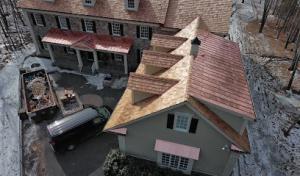
Absolute Roofing
(973) 791-9576 absoluteroof.co
43 Speedwell Ave Floor 3, Morristown, New Jersey
4.9 from 55 reviews
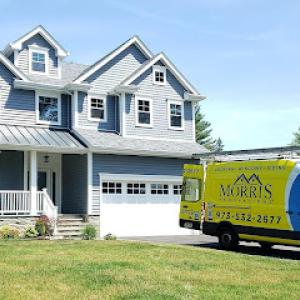
Morris Renovations
(973) 532-2677 www.morrisrenovations.com
187 Speedwell Ave, Morristown, New Jersey
4.9 from 118 reviews
Morris Renovations is a trusted roofing contractor serving Morris County, NJ. We specialize in roof repairs, replacements, siding installation, window installation, gutters, and skylight replacements. As a licensed and insured home improvement company, we are committed to quality craftsmanship and customer satisfaction. We proudly serve Morristown, Madison, Florham Park, Parsippany-Troy Hills, Randolph, Dover, Chatham, Summit, Livingston, and surrounding areas. Whether you need a leaky roof fixed, new siding, or a complete exterior renovation, our expert team is ready to help! ✅ Roof Repair & Replacement ✅ Siding & Window Installation ✅ Gutter & Skylight Services ✅ Licensed, Insured & Highly Rated 📞 Call now for a FREE estimate!
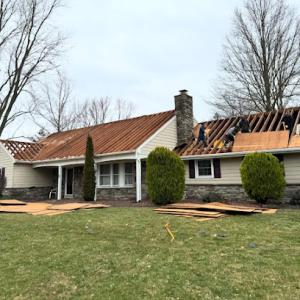
Right Service Roof Repair & Replacement
(862) 356-8040 morristownprofessionalroofer.com
40 Market St, Morristown, New Jersey
5.0 from 56 reviews
Right Service Roof Repair and Replacement is your trusted roofing contractor serving Morristown and its surrounding areas. With over 25 years of experience, we specialize in Flat Roofing, Shingle Roofing, chimney . Our skilled team is committed to delivering top-quality roofing solutions for residential and commercial clients.
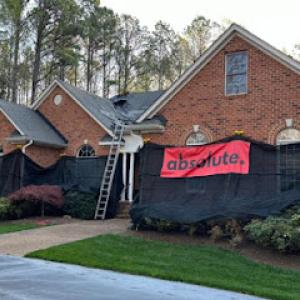
Absolute Roofing
(973) 791-9576 absoluteroof.co
43 Speedwell Ave Floor 3, Morristown, New Jersey
4.9 from 55 reviews
Absolute Roofing, proudly serving New Jersey, brings over a decade of industry expertise to your roofing needs. From meticulous repairs to flawless installations and transformative renovations, we offer a wide range of services to ensure your roof stands strong and secure. Contact us today to learn more about our services and schedule your appointment!
Modern Roofing - Roofing Contractors
(888) 350-2330 modernroofing.com
Serving
5.0 from 43 reviews
Modern Roofing is a New Jersey roofing company which specializes in residential roofing and storm damage restoration. The rep at your door is your local expert. We identify possible roof concerns then and there with you, and give you the information you need to take the next step. We meet with your insurance company, handle everything for you, and restore your home.
Erie Home
Serving
4.3 from 54 reviews
Since 1976, Erie Home has manufactured, supplied, and installed the best-performing roofing on the market. By providing ironclad warranties and convenient financing, we ensure that every homeowner we work with receives top quality service and value for their homes and properties. Erie Home professionals are the roofing company of choice in the greater Northern New Jersey area. Whether you need roof inspections or roof damage repair services, Erie Home has been the go-to roofing contractor for nearly 50 years because of our attention to detail and dedication to making sure our customers are satisfied with their results. Contact us today for a quote and see why we're the trusted roofing company Northern New Jersey counts on.
Joseph Doherty Roofing
(973) 993-1082 www.dohertyroofingcompany.com
Serving
5.0 from 43 reviews
Joseph Doherty Roofing Company is a family owned, leading and reputable roofing company based out of Madison, NJ, proudly serving all of New Jersey. For the past 30 years, we’ve taken a comprehensive approach to providing our clients with a wide range of services to cover their needs. Get in touch today to learn more about what we can offer you and to receive your free estimate.
GNC General Construction
(201) 494-3956 www.gnc-construction.co
Serving
5.0 from 95 reviews
At GNC, we are more than just a construction company – we are your partners in creating and enhancing the exteriors of your dreams. With a legacy of excellence spanning years, we have established ourselves as a trusted name in New Jersey's construction industry. Our commitment to expert work and unwavering attention to every detail sets us apart as leaders in roofing, masonry, and siding services.
Royalty Exteriors
(973) 333-7234 royaltyexteriorsnj.com
Serving
5.0 from 104 reviews
At Royalty Exteriors, we are the trusted roof contractors near you, specializing in quality roofing and siding services that protect and enhance your property. As a reliable roof replacement company near you, we use top materials and expert craftsmanship to ensure long-lasting results. Whether you need a durable roof installation near you, dependable roof repairs, or stylish siding upgrades, our skilled team is here to deliver. With clear communication, dependable service, and a focus on customer satisfaction, we exceed expectations on every project. Choose Royalty Exteriors for roofing and siding solutions that bring durability, beauty, and value—because your home deserves the royal treatment. Call us now!
Acorn Home Improvements
(973) 386-9604 www.acornhomeimprovements.com
Serving
4.6 from 73 reviews
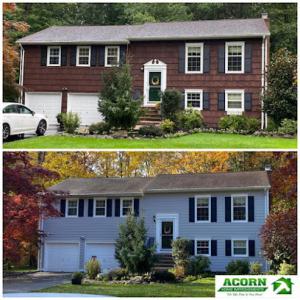
With over 30 years in the business, Acorn Home Improvements, Inc. has earned a reputation as one of the premier home improvement contractors in the area. We strive to save you money by promoting an energy-efficient home in every aspect. We are a proud GAF Master Elite® Certified contractor that provides exceptional roofing services by professionals who receive regular training in how to properly install GAF products.
American Home Contractors
Serving
4.9 from 257 reviews
Americam Home is a GAF Master Elite certified roofing contractor and James Hardie preferred siding contractor. Based in Florham Park, NJ we offer GAF’s Goldem Pledge roof warranty with our full roof replacement services. Fast, accurate roofing and siding estimates. Roofing, siding, gutters, windows and doors are our specialty. We can help you design and home’s exterior. With over 20 years of experience we have built a strong reputation through detailed workmanship and responsive service. Servicing Morris County and surrounding areas. Need help with design and budgeting? We are here to help!
CKG Contractors Inc. New Roofs-Roof Repairs.
(973) 599-0811 ckgcontractors.com
Serving
4.8 from 150 reviews
CKG Contractors is Summit New Jersey’s trusted exterior remodeling and roofing contractor based in Parsippany, serving Cedar Grove, Chatham, Denville, Florham Park and nearby communities. We install and repair roofs, siding, windows, doors, gutters, and skylights for homes and light commercial properties. Services include inspections, leak and storm damage repair, full roof replacement, and maintenance. We offer clean job sites, honest guidance, flexible financing, and industry leading warranties. Backed by GAF Master Elite quality and TAMKO Pro training, we make exteriors easy. Schedule your free, no pressure estimate.
Newport Roofing & Siding
(201) 674-5222 www.newportroofingandsiding.com
Serving
5.0 from 33 reviews
Newport Roofing and Siding has over 35 years experience in roofing, siding, flooring, window repair and installation, flooring, and so much more. We are a small family run business that delivers not only quality craftsmanship, but individualized attention. Newport Roofing and Siding works side by side with you on your residential or business needs. Our service areas include parts of Essix County, NJ including Belleville, Bloomfield, Nutley, Montclair, Caldwell. Hudson County, NJ including North Bergen Township, Hoboken, Jersey City, Weehawken, Secaucus. Some Morris County, NJ areas including Parsippany-Troy Hills and Morris Planes. As well as Union County, NJ including Westfield, Summit, and Scotch Plains.
Asphalt shingles remain the dominant practical choice for Morristown homes because they fit the broad mix of older detached houses and standard replacement budgets. In neighborhoods where mature trees cast shade and the attic spaces are sometimes cranky about ventilation, a well-sealed, fiberglass- or asphalt-based shingle can deliver predictable performance with straightforward maintenance. Look for a gradient of granules on the shingles to help resist UV damage, and choose a laminated or architectural profile if the roof line has modest slope variations or visible ridges. A reputable installer should match shingle exposure with the roof geometry and ensure proper sealing at valleys, penetrations, and transitions to reduce the risk of ice dams during the winter thaw-freeze cycles.
Metal roofing is relevant for homeowners prioritizing snow shedding and long-term durability through freeze-thaw cycles, though installation quality around penetrations is critical. In Morristown's climate, metal can shed snow more quickly and resist ice buildup along eaves, particularly on steeper sections or roofs with complex geometry. However, the edge details around chimneys, vents, and skylines demand careful flashing and sealants, because improper detailing there can create hidden leaks. If a metal roof is considered, pay close attention to the substrate condition, fastener type, and coating compatibility with surrounding roof accessories. A metal system that is well-integrated with venting and underlayment tends to hold up better through multiple winters and the shifting foundation common around Morristown's aging homes.
Tile, wood shake, and synthetic products appear in the Morristown market but are more selective fits because older structures may need closer review of roof geometry, detailing, and replacement complexity. Clay and concrete tiles can provide excellent longevity and a distinctive look, yet they are heavy and may require structural assessment for older homes. Wood shakes offer a traditional appearance but can be high-maintenance in shaded, moisture-loaded spots and may demand more frequent treatments to resist rot and insect activity. Synthetic products can mimic the look of natural materials while offering lighter weight and easier installation, but compatibility with existing rafters, ventilation paths, and drip edges needs thorough verification. In older, tree-covered districts, ensure the chosen product integrates cleanly with existing chimneys, skylights, and dormers to avoid subtle leaks.
When selecting a roof system in this market, prioritize a plan that addresses freeze-thaw resilience, careful detailing at penetrations, and reliable attic ventilation. If the attic is under-ventilated or insulation is sparse, any material choice will underperform in winter. Assess the roof geometry around chimneys, valleys, dormers, and gutters, since complex shapes common in historic-era homes can complicate water shedding and ice dam prevention. A locally experienced install team should verify that underlayment, flashing, and edge metal are matched to the selected material, ensuring a cohesive, durable system through Morristown's fluctuating winters.
Older housing stock in this area often blends masonry chimneys, dormers, and additions with the main roof line, creating more flashing transitions than a simple modern gable. Each transition zone-around a chimney, where a dormer meets the roof, or where an add-on ties into the eave-becomes a potential leak magnet during freeze-thaw cycles. The consequence is not just a drip, but hidden rot that can undermine structural decking and interior ceilings. When you're evaluating an aging roof, pay close attention to the condition of step and counter-flashing, as well as any loose or cracked shingles that can expose vulnerable seams to moisture.
Chimneys are a common contractor project in this market, and their proximity to roof replacements often drives a cascade of decisions. Leaks near a chimney can stem from deteriorated flashing, improper slope at the chase, or degraded mortar joints that wick moisture into framing. The local pattern is clear: if a chimney is tied into an aging roof, a dedicated inspection of flashing transitions is essential before a full replacement begins. Expect that repairs here may involve re-flashing the chase, resealing mortars, and coordinating chimney crown maintenance with the roof deck work to prevent repeated penetrations through the life of the roof.
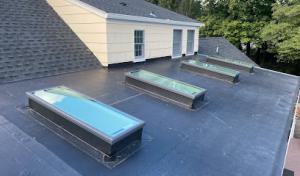
Skylights are a notable specialty among nearby contractors, signaling frequent repairs at curb, flashing, or the surrounding shingle transitions. Proper installation matters: a skylight that sits too high or sits on a compromised curb can create a persistent leakage path, especially where a roof line changes or a dormer introduces a new plane. If a skylight exists or is planned, insist on a thorough inspection of the flashing boots, sealant seams, and the transition from curb to shingle. In colder months, any small crack or misalignment becomes a conduit for ice and water intrusion, amplifying interior damage.
Find contractors experienced in skylight installation, flashing, and leak repairs to bring natural light into your home.
Morris Renovations
(973) 532-2677 www.morrisrenovations.com
187 Speedwell Ave, Morristown, New Jersey
4.9 from 118 reviews
In this town, a roof job isn't just about replacing shingles; it's about navigating a mix of straightforward suburban roofs and older homes with steeper pitches, dormers, chimneys, and tight access. That combination tends to raise labor time and, with it, the overall cost. When you're estimating a replacement, plan for those extra minutes squeezing equipment up a narrow driveway or maneuvering around a chimney flare, especially on historic-looking blocks.
Seasonal demand spikes matter here. After a harsh winter and in the spring storm window, crews get busy, and scheduling can slip. If a leak shows up in March or April, you may face longer waits for weather windows and crew availability. Build a contingency into your timeline and your budget to account for potential delays and higher labor intensity during peak times.
Material choices commonly seen in Morristown span asphalt shingles at 400 to 800 USD per square, metal at 700 to 1400, clay tile at 1000 to 2000, concrete tile at 900 to 1600, wood shingles or shakes at 700 to 1200, and synthetic or composite shingles at 700 to 1400. For a typical two-story home with existing sheathing in fair condition, asphalt remains the most cost-efficient route, but older homes with steep pitches or dormers often push labor costs higher and may tilt the decision toward metal or synthetic options for longevity and reduced maintenance.
When you're weighing bids, expect differences beyond your per-square price. Steeper roofs, dormers, and tight access raise labor time, so a low per-square quote may hide higher handling or scissor-lift fees. Conversely, premium materials like clay or concrete tile add weight and require structural checks, which can influence framing needs or reinforcement. If you're managing multiple contractors or talking to neighbors about recent replacements, note how each quote frames installation sequencing, waste removal, and the stair-by-stair access plan.
Get a clear picture of your project costs upfront - no commitment required.
Morris Renovations
(973) 532-2677 www.morrisrenovations.com
187 Speedwell Ave, Morristown, New Jersey
4.9 from 118 reviews
CKG Contractors Inc. New Roofs-Roof Repairs.
(973) 599-0811 ckgcontractors.com
Serving
4.8 from 150 reviews
In Morristown, most homeowners will encounter a building permit requirement when planning a full roof replacement. This isn't treated as informal maintenance; the permit signals that the project affects the structure, drainage, and ventilation of the home. Before any shingles come off or underlayment goes down, you'll need to submit a plan to the local Building Department. Expect the process to include a review of the proposed materials, venting strategy, and flashing details to ensure compatibility with the surrounding historic and newer homes in the neighborhood. A permit helps align the project with zoning, drainage, and safety standards that matter in a town with mature trees and varied rooflines.
Once the roofing plan is submitted, the Building Department typically takes about one to two weeks to review. This window matters for scheduling, especially when weather windows constrain work crews. During Morristown's busy seasons, make sure the plan clearly shows how weather-related protections will be maintained and how any temporary outages (e.g., during venting work) will be managed. After approval, inspections are timed to correspond with key milestones: at the start of teardown, after underlayment installation, and upon final completion. Coordinating with the contractor to align these milestones with the permit check-ins helps prevent delays and keeps the project compliant with local standards.
Inspection timing in Morristown can shift with weather conditions, a practical reality for those facing winter snow and spring storm stretches. Snow and ice can create access challenges or affect sealant performance, so inspectors may adjust scheduling to ensure safe visits and accurate assessments. Plan for potential rescheduling if a cold snap or heavy snowfall disrupts anticipated inspection days. In cases of milder stretches, inspections may proceed more quickly, allowing the project to keep moving toward final approval. Communicate anticipated windows with both the contractor and the Building Department, so required documents, venting calculations, and flashing details are ready for each visit.
In this market, claims for wind and hail damage are not automatically approved as full replacements based on age alone. Jersey carriers tend to scrutinize whether damage aligns with a recent weather event or stems from long-term freeze-thaw cycles that affect roofing components differently. A policyholder with an older, tree-shaded roof should plan for a careful, evidence-backed review rather than assuming uncomplicated replacement. The outcome hinges on how clearly the loss aligns with a storm event versus normal deterioration.
Photo sets, date-stamped storm evidence, and a detailed written scope are especially important here because adjusters may ask for proof separating storm damage from wear, prior repairs, or freeze-thaw deterioration. When possible, include close-ups of shingles, flashing, and attic signs of moisture, alongside exterior and interior photos taken soon after the event. A clear, itemized scope helps demonstrate the scope of actual storm-related repairs versus what was already present or degraded by winter conditions common to older, mature neighborhoods with substantial tree cover.
Coverage outcomes can vary significantly by carrier and policy language, so homeowners need to confirm depreciation, matching, and repair-versus-replacement terms before signing work. Some policies require depreciation to be recovered through the settlement, while others cap or exclude it. Matching provisions may affect whether a full roof replacement is funded or only the damaged sections are repaired. Understanding these nuances before contract agreement prevents later surprises.
Keep a dated record of all communications with the insurer, including timelines of when claims were filed and responses received. Store every photo, receipt, and scope document in a single, organized folder. If a contractor's assessment differs from the insurer's, request a written explanation and a re-inspection. In a town with freeze-thaw challenges and mature trees, precise documentation often determines whether a claim progresses smoothly or stalls at the adjustment stage.
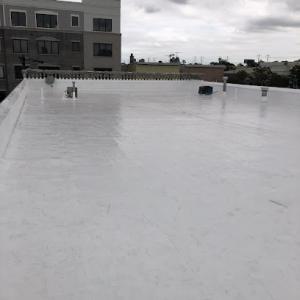
Flat and low-slope roofing is active enough in the area's contractor market to matter for homeowners with porches, additions, garages, and mixed-roofline properties. The freeze-thaw pattern makes drainage performance especially important on low-slope sections where standing water can worsen membrane wear and flashing failure. Inspect curb edge joints after storms, and look for water that lingers in shallow pools for extended periods. If you see constant standing water, plan a measured drainage improvement rather than a quick patch.
Roof coatings appear as a local specialty, indicating that restoration options are part of the conversation for some low-slope roof assemblies. A coating can extend life on aging membranes, but must be compatible with the substrate and climate. Ask about elastomeric or silicone formulations that resist moisture and temperature swings typical of winters here. Treat flashing edges with compatible sealants and ensure ventilation above the low-slope deck to curb moisture buildup under coatings.
On older homes with mixed roof lines, check transitions where low-slope sections meet steeper pitches. Chimneys, scuppers, and parapets deserve extra attention because leaks often trace to flashing corners rather than the main membrane. Schedule seasonal inspections after the heaviest freezes to catch hairline cracks and seam failures early. Keep nearby trees trimmed to reduce gutter clogs and algae growth that can compromise rubberized membranes.
Find specialists in TPO, EPDM, and built-up flat roofing systems for residential and commercial properties.
Right Service Roof Repair & Replacement
(862) 356-8040 morristownprofessionalroofer.com
40 Market St, Morristown, New Jersey
5.0 from 56 reviews