
Last updated: Apr 19, 2026
In this Weather-tossed corner of Warren County, the first hours after a storm determine the amount of damage that hides under the shingles. Emergency repair and storm-damage specialization are unusually prevalent in the local contractor market, so rapid tarping and leak control are not luxuries-they're standard practice. If a chimney flashing shifts, a vent boot starts to lift, or rain finds a path through a dormer, the goal is to stage a temporary shield that buys you time until a full, proper repair can begin. Hackettstown roofs confront wind-driven shingle loss, hail pings, and rapid snow melt that can flood attic spaces. Acting fast to cover openings with a sturdy tarp or reinforced plastic reduces interior damage, limits ice dam formation, and protects insulation from moisture intrusion.
Winter freezes, snow loads, and abrupt temperature swings make every storm a potential multiplier of damage. After a wind event or hail shower, perform a focused exterior check from ground level only, avoiding risky climbs in slick conditions. Look for missing, cracked, or curled shingles, lifted flashing around chimneys and skylights, and any water trails on siding that could signal attic intrusion. If a funnel of rainwater streams down a wall or a ceiling sag develops, treat that as a serious entry point. In this market, contractors expect homeowners to initiate a rapid triage: secure the most evident leaks, document visible damage, and arrange a prompt professional assessment. The goal is to prevent a small breach from becoming a large interior problem during the next freeze.
New Jersey insurers commonly request contractor estimates, prior photos, and verification of permits on weather-related claims. Hackettstown homeowners should gather documentation from the first leak or shingle-loss event. Start a simple damage log the moment weather passes, noting the date, time, and precise areas affected. Take clear photos from ground level and from reachable vantage points that show the extent of shingle loss, flashing displacement, or interior moisture entry. Keep a dated folder of any temporary repairs, tarps, and materials used to control leaks. When an insurer requests estimates, you'll want a concise, contractor-sourced scope that matches the observed damage. If a claim is filed, share the triage photos plus the log, and be ready to supply copies of any professional assessments promptly. This organized documentation streamlines the process and can help prevent claim delays.
Immediately protect interior spaces by placing buckets under active drips and using towels to catch small leaks, but avoid working on the roof in wet or windy conditions. If you can safely access the roof, gently remove loose debris that could abrade damaged shingles, but avoid aggressive shingle manipulation that could worsen the leak. Secure a sturdy tarp over the most exposed area, anchoring it with weight or nails through attic access if available. Do not delay in contacting a local, licensed roofer with storm-damage experience who can provide a rapid assessment, a temporary shield, and a plan for permanent repairs. In this market, rapid response teams commonly coordinate tarping, water intrusion control, and a clear path to restore the roof's integrity before further winter weather or seasonal storms arrive.
Hackettstown's housing stock shows a broader material mix than many neighboring markets. Asphalt shingles, metal, tile, cedar shake, and synthetic/composite options all have meaningful local contractor support. That diversity means you can tailor a roof to the house style, the slope, and the typical winter-to-summer weather swings you experience. If your home has a traditional gable or hip roof, you'll likely see durable installations in each of these materials, so you don't have to force a single solution just because "that's what's popular on one street." When talking with a contractor, bring examples from neighbors with similar roof shapes and exposure to wind and storm-related conditions, and ask for real-world performance notes from similar builds.
Cold winters and humid summers in this area push different failure modes. Shingle granule loss and seal issues tend to show up first in asphalt roofs with aging or hail exposure, while metal roofs in this climate must handle expansion and contraction without loosening fasteners or seam failures. Wood products, including cedar shakes, age through moisture-driven decay and color fading, which can accelerate weathering if ventilation is lacking. Tile roofs-whether clay or concrete-offer excellent durability but demand a solid substrate, careful soffit detail, and proper attic ventilation to prevent midlife cracking from seasonal temperature shifts. In practice, you should match roof type to the most likely failure mode on your particular house: rough exposure, roof pitch, and the condition of the underlying decking.
In this market, the signal from contractors is clear: if multiple problem areas appear-missing granules, loose fasteners, or cracked tiles-a full or partial re-roof can deliver better long-term reliability than ongoing patch work. For storm-damaged sections, prioritize the most vulnerable areas first (valleys, edges, near chimneys) and coordinate a plan that minimizes disruption during the next snow season. For cedar or wood, plan a seasonal treatment and inspection routine to catch moisture-related issues early, particularly after heavy rain or thaw cycles.
Each Hackettstown house has its own exposure: street wind corridors, nearby trees, and roof slope all influence which material performs best. Start with a visual assessment of the current roof edges, ventilation, and chimney flashings. Then align your choice with a local contractor's install details that have shown real installed-base relevance for asphalt, metal, tile, and cedar shake, ensuring the selected system fits both the structure and the climate realities of this area.
In this town, the contractor market leans toward affordable re-roofing, so price sensitivity is a major factor even when homeowners compare material types. Costs can swing based on whether a project is a straightforward asphalt re-roof or a specialty installation such as metal, tile, cedar shake, or synthetic/composite. Asphalt shingles sit in a predictable range, but moving up to metal, clay tile, or concrete tile brings a substantially higher initial outlay. For planning purposes, think of asphalt as the baseline, with metal and tiles acting as the "decision drivers" when weather, storm history, and long-term durability matter more than the sticker price alone. Local crews often quote per roof span in cost per square, so understanding that a square equals 100 square feet helps you compare apples to apples across options.
Spring and fall are the window when crews in this area typically complete replacements with fewer weather delays. Summer heat and afternoon storms can slow progress, and winter conditions-especially snow loads-can extend schedules for days or even weeks. If damage is urgent after a storm, note that emergency work will move faster than a planned replacement, but it may still face the same daily weather constraints. When you're weighing timing, align your project with the dry, milder shoulder seasons to minimize delays and maximize warranty adherence. Slower schedules don't just affect price; they can impact the timing of insurance claim work and debris cleanup, which matters in towns with frequent post-storm cleanup expectations.
Costs in Hackettstown can swing based on roof type. Asphalt shingles remain the most budget-friendly option, but a switch to metal, clay tile, concrete tile, wood shingles/shakes, or synthetic/composite changes the financial picture significantly. If a roof isn't a straightforward replacement and involves material specialty, expect longer lead times for material availability and more specialized crew scheduling. Each material has different impact on winter performance and summer heat management, so consider existing roof structure, attic ventilation, and local weather pattern when choosing. Your price comparison should reflect not only per-square cost but also anticipated service life, maintenance needs, and the potential for faster storm-response repairs in a market where quick fixes are common.
Because price sensitivity is a major local decision factor, invite multiple bids and ask for itemized line items that separate materials, labor, removal, cleanup, and disposal. In addition to price, evaluate the contractor's availability during storm season, responsiveness to emergency leaks, and their track record with insurance documentation if a storm claim is in play. A contractor that can balance a reasonable upfront material choice with a practical, durable installation often delivers fewer callbacks, which is a meaningful savings in a market where fast repairs are the norm.
Get a clear picture of your project costs upfront - no commitment required.

Roff Roofing & Renovations
(908) 914-1200 www.roffroofing.com
999 Willow Grove St Suite 7, Hackettstown, New Jersey
4.9 from 133 reviews
- Full Exterior & Interior Renovations - Family & Woman Owned - 100% Financing Available - "A" Rated on AngiesList - "Best of HomeAdvisor" 3 years in a row - 24HR Emergency Service Available
J. Kasharian Services
(908) 813-2410 www.jkasharianservices.com
175 Petersburg Rd, Hackettstown, New Jersey
5.0 from 33 reviews
We deal in all aspects of roofing. Asphalt, Cedar, Imitation, Clay, and Slate. Our prices are more competitive than most roofing companies. We offer loads of financing options with a quick response. We have been a member of the Cedar Shake and Shingle Bureau for over 20 years. Top-notch industry experience in residential exterior applications and exceed in providing cost-effective results in product choices for all your exterior job needs. Every job is the right size. Choose J. Kasharian Services for all your Exterior Installations. Contact us today at (908) 813-2410 for a no-hassle estimate for all your roofing needs.
BK Roofing & Remodeling
(862) 245-3222 bkroofingremodeling.com
19 Oriole Dr, Hackettstown, New Jersey
4.9 from 36 reviews
BK Roofing and Remodeling is a trusted source for roofing, siding and home exterior services based out of Hackettstown, New Jersey. We provide our roof replacement services in Morris County, Sussex County, Warren County and Hunterdon County of New Jersey. With over 25 years of experience, our roofing and siding contractors can tackle any major home renovation project. We ensure quality service with an extra emphasis on customer satisfaction. We are a GAF Ceritified Roofing Contractor with unbeatable service backed by a roofing team you can trust. If you find yourself in need of a licensed roofing and home remodeling contractor, give us a call or visit our website for a free consultation.
Super Right Service Roof Repair & Replacement
(908) 747-1270 superrightserviceroofrepairandreplacement.com
108 High St, Hackettstown, New Jersey
5.0 from 11 reviews
Super Right Service Roof Repair and Replacement is committed to restoring your roof, water stains on your ceiling or walls? We’ll locate the source of the leak and fix it before it causes further damage to your insulation, framing, or interior finishes
Warren Thompson & Son Roofing & Siding
(908) 388-9377 thompsonroofing.net
150 Main St, Hackettstown, New Jersey
4.4 from 7 reviews
Warren Thompson & Son Roofing & Siding in Hackettstown is your premier Roofing Contractor, offering top-notch Roofing Repair, Residential Roofing, and Roofing Installation. With decades of experience since our establishment in 1973, we are experts in Roof Replacement, Roof Leak Repair, and comprehensive Roofing Services. Our skilled team prioritizes quality and customer satisfaction, delivering precise Roofing Estimates and detailed Roof Inspections. We also specialize in Emergency Roof Repair, ensuring your home is protected and enhanced with our reliable services. Trust our veteran-founded, family-owned business for all your roofing needs and experience unparalleled craftsmanship.
Proven Contracting of Long Valley
(862) 407-6377 provencontractingnj.com
Serving
5.0 from 57 reviews
Proven Contracting proudly serves Northern and Western New Jersey, including Newton, Mt. Olive, Hopatcong, Lopatcong, West Milford, Chester, Morristown, Parsippany-Troy Hills, Long Valley, Hackettstown, Washington, Mansfield, Phillipsburg, Flemington, Raritan Township, and communities throughout Morris, Sussex, Warren, and Hunterdon Counties. We specialize in roof repair, replacement, gutters, siding, and window installation. Our experienced roofers deliver dependable craftsmanship, honest service, and durable results homeowners can trust. Call today for expert roofing and exterior solutions across North and Western NJ.
Alte Roofing
(908) 850-8558 www.alteroofing.com
Serving
4.7 from 218 reviews
Alte Roofing is a family-owned, A+ BBB rated roofing contractor with 25+ years of experience. We specialize in roof replacement, solar roofing, roof repairs, siding and gutter services. GAF Certified and GAF Master Elite® certified. We are also a preferred installer for James Hardie siding by James Hardie. Providing services across Hunterdon County, Warren County and New Jersey. When homeowners search for roofing companies near me, they choose Alte for quality, honesty, and dependable service. Homeowners searching for roof repair in Hackettstown, NJ or a trusted roofer in Allamuchy count on Alte Roofing & Siding for quality roof replacement, solar roofing, and siding installation.
Cosme Contractor
(973) 864-0412 www.cosmecontractorllc.com
Serving
4.9 from 16 reviews
Cosme Contractor was built with the commitment to ensure cost-effectiveness and high-quality in every home improvement project we are hired to work on for the community of Budd Lake, NJ and the surrounding areas. Our company was founded under the great values of: Professionalism Commitment Diligence Cost-Effectiveness Contact our team today and get a free estimate for any of the services that we offer. We are more than ready to start working on your projects, our goal is to exceed your expectations and always provide you with the best quality. Contact our professional and reliable company today to save time and money on your upcoming home improvement project

Maven Roofing & Exteriors
(201) 317-2198 www.mavennj.com
Serving
5.0 from 94 reviews
Maven Roofing & Exteriors is a woman-owned and veteran-led roofing, gutter, siding, and deck contractor based in Morris County, NJ. We believe every homeowner deserves to love their home and that starts from the outside. We focus on roof replacements, roof repairs, deck renovations, deck building, gutter replacements, skylight replacements, and siding. We are fully licensed, bonded, and insured and would love to provide references upon request.
George J. Keller & Sons
Serving
4.9 from 299 reviews
Northern New Jersey’s Premier Roofing, Siding and Windows Contractor. We know you have a choice when it comes to choosing a roofing, siding or windows contractor. Here are just a couple of reasons why you should choose George J Keller & Sons: Experience - We’ve been in business since 1980 (more than 40 years!). Many home remodeling companies fail in the first five years. Manufacturer Authorized - We’re GAF Master Elite Roofers and members of their prestigious 3-Star Presidents Club (only one other 3-Star company in New Jersey!), James Hardie Elite Preferred Installers and Andersen Certified Contractors Local, Family Owned - Our Dad started the business in 1980 just down the road from our current location.
All Complete Construction
(201) 657-0855 www.allcompleteconstruction.com
Serving
4.7 from 100 reviews
Welcome to All Complete Construction, where we take pride in our hard work and dedication to detail. We have over eighteen years of experience and can take on any job no matter the size. We value every single customer and treat each job with careful attention. We look forward to working with you soon!
Five Stars Roofing & Contracting
(973) 543-8080 www.fivestarsroofing.com
Serving
4.8 from 21 reviews
We are the original Five Stars Roofing providing the best in residential roofing in New Jersey since 1997, Gabriel G, owner operated and consistent quality everyday all year round. Look for the white trucks with red stars and triangle. We have Locations in Dover, N.J. formerly Mendham now in Long Valley to serve you better.
Full reroofs in this town almost always require a building permit issued by the local Building Department. Unlike a no-paperwork repair, this process is designed to ensure the job meets current code, handles ventilation, flashing, and chimney transitions correctly, and stands up to the Warren County winters. Your project should move through a formal sequence from plan check to inspection, with a final sign-off once the work is done. This isn't a nuisance option-it's the framework that supports insurance documentation and a clean bill of health for resale.
Before a single shingle is lifted, a plan check is typically reviewed for compatibility with the existing roof structure and attic ventilation, chimney flashing, and slope specifics common to Hackettstown homes. Expect to submit drawings or contractor specifications that show underlayment, penetration details, eave and rake edge protection, and drainage considerations. In practice, many roofs nearby rely on standard configurations, but the plan check still confirms that fastener schedules, venting, and attic access meet code. A responsive contractor helps here by coordinating the submittal package and flagging any town-specific requirements early.
Inspections are scheduled at key milestones: after framing (if applicable), after underlayment and flashing installation, and finally after roof covering, with a final inspection once all work is complete. In between, the inspector may verify proper attic ventilation, correct installation around dormers or chimneys, and proper sealing against wind uplift in storm-prone seasons. In Hackettstown, the sequence tends to align with storm-response timing-be prepared for possible expedited inspections if weather has recently driven multiple projects. Keeping access clear and providing any requested documentation speeds the process.
Even if the contractor handles the permit pull, the permit status matters later for insurance documentation and project closeout. When filing an insurance claim after wind, hail, or winter weather, you'll be asked for permits, inspection records, and the final sign-off. Keep a dedicated folder with the permit number, inspection dates, and any approved changes. If the contractor leaves the site mid-project or if the paperwork becomes tangled, you can request copies from the Building Department to ensure your claim and resale documentation stay intact.
Coordinate timeline expectations with the contractor so inspections aren't delayed by weather or access issues. Confirm who will be present for each inspection and ensure any required photos or measurements are ready. For complex details-like multiple chimneys, complex ridges, or historical materials-verify that the plan check explicitly addresses those conditions to prevent rework. Remember: the permit is not only a hurdle to clear but a record that your reroof was reviewed for safety, durability, and compliance in this climate.
Weather-related roofing claims are common in New Jersey, so homeowners should expect adjusters to closely review wind and hail exposure rather than treating roof damage as a rare event. In this town, winter snow load adds another layer of scrutiny, especially when shingles or flashing show stress from freeze-thaw cycles. The adjuster's attention will likely hinge on how exposed the roof is to prevailing gusts and hail patterns from nearby storms, as well as the overall condition of the roof system after years of seasonal cycles. Be prepared for a thorough exterior and interior inspection, and know that questions about attic ventilation and decking conditions may come up if the storm history is intense.
Insurers in this market may ask for prior photos, contractor estimates, and proof that certain steps were followed before the storm hit, which makes recordkeeping especially important in Hackettstown claims. Collect recent roof-to-ceiling photos that capture general wear, vulnerable areas around chimneys and vents, and any prior repairs. Keep a file of contractor-written estimates and notes from any maintenance visits, not just emergency work. When an adjuster requests information, having a well-organized history can speed decisions and help prevent gaps that could affect the claim's scope. If you installed temporary stabilization after a leak, retain receipts and any notes about materials used, dates, and the names of workers you engaged.
Because storm-response contractors are active in Hackettstown, homeowners need to separate emergency stabilization from full-scope claim documentation and final replacement pricing. The emergency steps you take to stop a leak or protect interior space should be clearly distinguished from the long-term repair plan. Track what is done urgently-tarping, board-ups, or temporary coverings-and document how long those measures held. When you transition to full repairs, request a detailed final estimate that distinguishes demolition, replacement, and material upgrades from temporary fixes. Communicate any changes in roofing material or underlayment choices clearly, and keep a dated log of conversations with both the insurer and the contractor. This separation helps ensure that emergency expenditures don't cloud the assessment of cosmetic damage versus structural remediation, and supports a smoother path to a complete and proper restoration.
Connect with contractors who help homeowners navigate the claims process from damage assessment to final approval.
Right Service Roofing & Roof Repair NJ
(862) 397-7487 rightserviceroofingandroofrepair.com
Serving
4.9 from 65 reviews
Chimneys and skylights are the most frequent leak points after a Nor'easter or a freeze-thaw cycle in this market. Chimney flashing and roof-to-masonry transitions face extra stress during winter moisture swings, while skylight curb and flashing must handle seasonal fill-in from wind-driven rain and snow. In this climate, penetrations tend to echo callbacks more than broad roof plane leaks, so addressing the junctions around these features matters more than you might expect.
If a drip shows up, start on the outside: look for cracked or missing chimney flashing, lifted shingles at the chimney base, and any gaps where the skylight curb meets the roof. Inside, check the ceiling near these penetrations for staining, peeling paint, or dark damp spots. Document with photos and note the date of the last snow or storm event. On tree-shaded pitches, keep gutters clear so melt water can drain away rather than pooling near the stack or skylight.
During a cold snap or after a heavy storm, prioritize temporary shoring of the area. Place a bucket under the drip and protect the interior with a tarp if accessible. If a skylight shows moisture, avoid pressing on the glass and keep the area dry to reduce further damage. Contact a local contractor who regularly handles chimney flashing and skylight curb repairs, since these specialists understand the seasonal stresses and typical sequences of failure in this neighborhood.
When preparing a claim, gather photos of the affected chimney and skylight areas both outside and inside, plus notes on wind or hail exposure. Record dates of storms, moisture progression, and any temporary fixes already performed. A contractor with a track record in Hackettstown understands how to present evidence of penetration-related damage and can help translate that into a clear, concise claim packet for the insurer.
Find contractors experienced in skylight installation, flashing, and leak repairs to bring natural light into your home.
Roff Roofing & Renovations
(908) 914-1200 www.roffroofing.com
999 Willow Grove St Suite 7, Hackettstown, New Jersey
4.9 from 133 reviews
J. Kasharian Services
(908) 813-2410 www.jkasharianservices.com
175 Petersburg Rd, Hackettstown, New Jersey
5.0 from 33 reviews
BK Roofing & Remodeling
(862) 245-3222 bkroofingremodeling.com
19 Oriole Dr, Hackettstown, New Jersey
4.9 from 36 reviews
Flat-roof specialization exists here, but it isn't the dominant feature of Hackettstown's housing stock. Low-slope sections tend to show up on additions, porches, and mixed-roof homes rather than entire blocks of flat-roof houses. Snow accumulation in winter and spring rain patterns make drainage performance and ponding risk more consequential on these surfaces. When you have a low-slope patch, think of it as a separate problem area that needs careful detailing where it meets steeper sections.
If your roof has a mixed-meets-steep design, the transition points are where leaks often start. Look at the edge where a low-slope membrane ends and a steep shingle or metal section begins. Water trapped behind parapets or under flashing is another frequent issue, especially after heavy spring storms. Porches with a flat or near-flat deck can suffer standing water after a moderate downpour, and the drainage outlets should be clear and unobstructed. Chimneys and vents penetrating a low-slope surface deserve extra attention for proper flashing and sealant maintenance.
Walk the roof edge first to verify slope changes aren't creating unsealed transitions. Check around penetrations-pipes, vents, and skylights-for cracked sealant or missing flashing. If you see ponding beyond 48 hours after a rain, note the location and measure the ponding area for a contractor to reference. Inspect internal ceilings under the low-slope sections for signs of moisture intrusion, such as staining or musty smells. Document all concerns with photos that show the area where low-slope meets steep-roof material.
Homeowners with mixed rooflines need contractors who can transition correctly between steep-slope materials and low-slope membranes. Look for a pro who can detail up the edge transitions, specify compatible underlayment systems, and install reliable drainage terminations. Ask for examples of past projects with both a flat or low-slope membrane and a steep-slope section. Clear communication about the interface between systems reduces call-backs and speeds up a solid, long-lasting fix.
Given the town's snow and spring rain pattern, preventive upkeep on low-slope areas pays off. Schedule periodic inspections after heavy storms and before snow season to verify that drainage paths remain clear and flashing stays intact. Treat low-slope sections as a distinct part of the roof, with their own maintenance schedule, separate from the steeper portions of the home.
Find specialists in TPO, EPDM, and built-up flat roofing systems for residential and commercial properties.
Five Stars Roofing & Contracting
(973) 543-8080 www.fivestarsroofing.com
Serving
4.8 from 21 reviews
Rivera Roofing Specialists
(908) 797-7202 www.riveraroofingspecialists.com
Serving
5.0 from 108 reviews
When storm season hits and leaks start during a wind-driven deluge, the local market rewards crews that answer the phone quickly and can be on site with tarps and temporary fixes. Look for a contractor who documents arrival times, notes storm-related damage, and can mobilize cleanup crews without delaying a proper tear-off if needed. A reliable team keeps the site safe and dry while you sort insurance details and next steps, rather than taking days to respond and leaving you with ongoing drips.
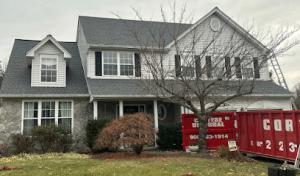
Cleanup after tear-off is as telling as the new roof itself. The strongest market signal in arrangement quality is how thoroughly a crew controls debris, covers landscaping, and protects the driveway and gutters during removal. Ask about a written cleanup plan, immediate debris containment, and post-work walkthroughs. In practice, a responsible crew finishes with a neat yard, gutters cleared, and any loose nails collected, not just a tidy roof line. You want a partner who treats the job site as part of the project, not an afterthought.
The region sees a meaningful share of long-established and family-owned firms that understand the rhythm of a permit-and-inspection process and the pressure of follow-through. A stable, locally rooted team often provides stronger warranty support and clearer long-term accountability. Seek references from neighbors with similar houses, and ask how the company handles warranty claims, inspections, and return visits after the roof is installed. The best choice balances a steady local presence with the ability to adapt quickly when weather or insurance claims demand fast action.
Before signing, have a concrete plan for how the crew will protect chimney flashing, vents, and skylights during installation, and how they will manage snow load considerations on steeper pitches. In Hackettstown, a practical contractor will explain the step-by-step sequence from tarp placement to final cleanup, making sure you understand who supervises each phase and how communication will occur if storm damage reappears.