
Last updated: Apr 19, 2026
Parsippany's cold winters and repeated freeze-thaw cycles make ice dam prevention a top concern for sloped residential roofs. When water that has started to melt begins to refreeze at the eave, moisture can back up under shingles and into the attic or ceiling assemblies. Over multiple seasons, this micro-structural moisture progress can rot decking, corrode fasteners, and jeopardize interior finishes. The pattern in these hills and valleys is predictable: a light bake in the sun followed by a night-time freeze, and a repeat that never truly stops unless the roof is prepared with robust flashing and proper ventilation. If the attic space isn't dry and the roofing system isn't vetted for ice dam hotspots, small leaks become big, costly headaches.
The city's climate profile combines winter snow and ice with warm, humid summers, creating a year-round moisture-management problem rather than a single-season roofing issue. Snow and ice piling up on sloped roofs can melt and refreeze at the eaves, but summer humidity can push condensation into deck and attic cavities if ventilation is weak or insulation is thin. This means that even after a harsh winter, lingering moisture can linger in hidden corners, slowly degrading roof boards and supporting structures. In Parsippany, a roof that was once "fine" after winter may show different symptoms after a humid August, so the risk isn't seasonal-it's persistent.
Timely roof replacement in Parsippany is especially important because delayed replacement raises the risk of moisture intrusion after winter icing and summer humidity exposure. When shingles age and underlayment deteriorates, the system loses its ability to shed meltwater efficiently. That makes flashing more critical than ever-valleys, chimneys, and transitions must seal reliably to prevent water from finding its way into the roof deck. A replacement performed with attention to ice-dam risk-not just veneer appearance-will install a more continuous seal over the eaves and along hips, reducing channels for meltwater to travel inward. If the roof has reached the point where curling tabs, curling metal, or widespread granule loss emerges, consider the longer-term protection a replacement provides against parsimonious moisture years ahead.
Begin with the top edge of the roof: confirm that drip edges and step flashing at intersections are tightly sealed and free of corrosion or gaps. Inspect the attic for signs of cold-air infiltration and check insulation depth in the eaves to reduce warm-air reach to the roof deck. Ensure attic vents are clear and balanced so that the roof-to-attic air exchange can drive moisture outward rather than toward the decking. If a full replacement is on the horizon, instruct the roofer to prioritize enhanced attic insulation, upgraded ventilation pathways, and properly layered flashing at all penetrations to stop ice dam progression before it starts.
Spring hail and high winds spike roof claim activity in this area, and that surge can throw a wrench into inspection and repair scheduling. When a storm rolls through, think of your roof as the first line of defense against the next freeze-thaw cycle. Fast access to a trained, locally familiar roofer matters, because wind-driven hail can crack shingles unseen from ground level and lift edges that make later leaks far more likely. Plan for a prompt assessment after the first few storms of the season, and keep an open channel with your insurer for rapid documentation and triage.
New Jersey insurers commonly request photo documentation of pre-existing conditions and post-storm damage, and Parsippany homeowners should expect adjusters to scrutinize flashing, vents, and age-related wear. Start by capturing clear, well-lit photos from multiple angles: the entire roof line, any visible substrate, penetrations around chimneys and dormers, and the flashing where the roof meets walls. Include close-ups of loose granules, lifted shingles, or oxidized metal. Photos of gutters and downspouts help, since debris patterns can reveal wind-driven impacts. Maintain a dated log of every event, inspection, and repair step so the claim file stays cohesive when the adjuster reviews age-related wear alongside storm effects.
Older roofs in Parsippany may face tighter underwriting or claim scrutiny because carriers in this market have become more selective about aging roof systems. Pay special attention to flashing around chimneys, vents, and attic penetrations, as these are frequent failure points after severe winds and rapid temperature swings. Ventilation ramps up moisture management during the winter and can be a silent ally or a hidden risk if compromised. If an adjuster flags your attic or ventilation as a deficiency, address it quickly with a verified repair or replacement plan, not a cosmetic patch. The goal is to demonstrate a continuous, weather-resilient envelope that reduces moisture intrusion across multiple seasons.
Spring storms can clog schedules with competing claims, so coordinate with your roofer to stage work during windows with stable weather and predictable access. Insurers often want temporary protections to prevent further damage while a claim is processed; arrange tarping or temporary barrier solutions that meet the timeframes set by your adjuster. If heavy tree cover nearby contributes to damage, plan for clean-up and debris management that minimizes risk to the roof surface during the claim period. Staying proactive about communication, documentation, and timely repairs reduces the chance of coverage disputes and supports a faster recovery from the next Parsippany freeze-thaw cycle.
Find local contractors experienced in assessing and restoring roofs after hail, wind, and severe weather events.

SmartRoof - Roofing & Solar
959 US-46 Suite 403, Parsippany, New Jersey
4.7 from 89 reviews
CKG Contractors Inc. New Roofs-Roof Repairs.
(973) 599-0811 ckgcontractors.com
Serving
4.8 from 150 reviews
PJ Fitzpatrick
2 Cranberry Rd A5, Parsippany, New Jersey
4.8 from 2181 reviews
A family owned and operated roofing business from Fairfield with over 135 years of experience. Serving the community as the best roofing contractors in Essex County for the past six years. We do residential as well as commercial projects. We offer roof inspections and free estimates. Give us a call today!

SmartRoof - Roofing & Solar
959 US-46 Suite 403, Parsippany, New Jersey
4.7 from 89 reviews
SmartRoof re-energizes the dream of homeownership across New Jersey through energy efficient upgrades. With innovative integrated solar solutions, and roof, gutter, siding, window and door replacement, we’re improving the home improvement process. We’re taking the home renovation industry from a frustrating back-and-forth, to a collaborative, service-focused dream. We lead with kindness, relatability, and a commitment to communication and support. Backed by thousands of 5-star reviews and more than 20,000 installations, we treat your home like it is our own. We’re certified by the best manufacturers in the US, and use only the latest roofing and solar technologies to help you achieve your dream home. Build your future with us!
CKG Contractors Inc. New Roofs-Roof Repairs.
(973) 599-0811 ckgcontractors.com
Serving
4.8 from 150 reviews
CKG Contractors is Summit New Jersey’s trusted exterior remodeling and roofing contractor based in Parsippany, serving Cedar Grove, Chatham, Denville, Florham Park and nearby communities. We install and repair roofs, siding, windows, doors, gutters, and skylights for homes and light commercial properties. Services include inspections, leak and storm damage repair, full roof replacement, and maintenance. We offer clean job sites, honest guidance, flexible financing, and industry leading warranties. Backed by GAF Master Elite quality and TAMKO Pro training, we make exteriors easy. Schedule your free, no pressure estimate.
Newport Roofing & Siding
(201) 674-5222 www.newportroofingandsiding.com
Serving
5.0 from 33 reviews
Newport Roofing and Siding has over 35 years experience in roofing, siding, flooring, window repair and installation, flooring, and so much more. We are a small family run business that delivers not only quality craftsmanship, but individualized attention. Newport Roofing and Siding works side by side with you on your residential or business needs. Our service areas include parts of Essix County, NJ including Belleville, Bloomfield, Nutley, Montclair, Caldwell. Hudson County, NJ including North Bergen Township, Hoboken, Jersey City, Weehawken, Secaucus. Some Morris County, NJ areas including Parsippany-Troy Hills and Morris Planes. As well as Union County, NJ including Westfield, Summit, and Scotch Plains.
Acorn Home Improvements
(973) 386-9604 www.acornhomeimprovements.com
Serving
4.6 from 73 reviews
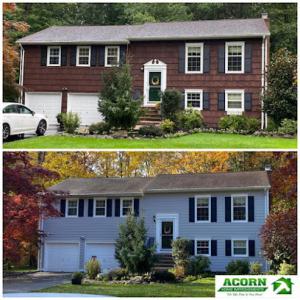
With over 30 years in the business, Acorn Home Improvements, Inc. has earned a reputation as one of the premier home improvement contractors in the area. We strive to save you money by promoting an energy-efficient home in every aspect. We are a proud GAF Master Elite® Certified contractor that provides exceptional roofing services by professionals who receive regular training in how to properly install GAF products.
Blue Nail Exteriors
Serving
4.9 from 324 reviews
Blue Nail Exteriors is your trusted New Jersey roofing and siding expert, offering premium exterior services that enhance the look, durability, and energy efficiency of your home. From roof repairs and solar shingle installations to full siding replacements, Blue Nail Exteriors has the experience and skill to handle any job. Our team delivers top-tier craftsmanship with precise installation on every project. Contact us today to transform your home with our reliable, high-quality exterior services!
Hernandez & Sons Roofing
(862) 660-8100 hernandezsonsroofing.com
Serving
4.8 from 78 reviews
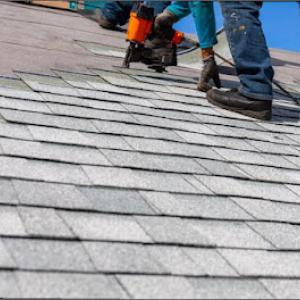
Ensure the durability of your roof with our thorough maintenance services. Explore our budget-friendly options for your roofing needs. Discover our customized roofing options designed for your satisfaction.
Modern Roofing - Roofing Contractors
(888) 350-2330 modernroofing.com
Serving
5.0 from 43 reviews
Modern Roofing is a New Jersey roofing company which specializes in residential roofing and storm damage restoration. The rep at your door is your local expert. We identify possible roof concerns then and there with you, and give you the information you need to take the next step. We meet with your insurance company, handle everything for you, and restore your home.
Pro Roofing Services Boonton
Serving
5.0 from 13 reviews
Full service roofing contractor based in Boonton.
Morris Renovations
(973) 532-2677 www.morrisrenovations.com
Serving
4.9 from 118 reviews
Morris Renovations is a trusted roofing contractor serving Morris County, NJ. We specialize in roof repairs, replacements, siding installation, window installation, gutters, and skylight replacements. As a licensed and insured home improvement company, we are committed to quality craftsmanship and customer satisfaction. We proudly serve Morristown, Madison, Florham Park, Parsippany-Troy Hills, Randolph, Dover, Chatham, Summit, Livingston, and surrounding areas. Whether you need a leaky roof fixed, new siding, or a complete exterior renovation, our expert team is ready to help! ✅ Roof Repair & Replacement ✅ Siding & Window Installation ✅ Gutter & Skylight Services ✅ Licensed, Insured & Highly Rated 📞 Call now for a FREE estimate!
Fix Construction
(201) 684-9838 www.fixconstructionnj.com
Serving
4.9 from 84 reviews
Fix Construction has been serving as a leading Roofing Contractor since 2009. As a fully-certified professional, I’m ready to tackle anything from the most complex and large scale construction projects to the smallest of repair jobs. I’m fueled by my commitment to excellence and go the extra mile to make sure my clients are completely satisfied with my work. Call 201-379-9153 today to schedule a free, no-obligation appointment or use our online contact form to request more information about our products and services.
McCollum Roofing & Siding
(877) 604-7663 www.mccollumroofingandsiding.com
Serving
5.0 from 38 reviews
McCollum Roofing & Siding specializes in roofing and siding of all types. With over 35 years in this industry we can offer you years of qualified and hands on experience covering all spectrums of the roofing and siding business. From residential to commercial, we do it all.
Asphalt shingles are the dominant practical choice in Parsippany, but summer heat can accelerate aging and winter freeze-thaw can expose weaknesses in older shingle systems. When choosing asphalt, look for a higher granule count and a reinforced or architectural profile to better withstand temperature swings. In areas with heavy tree cover, consider a reinforced underlayment and a vented attic to reduce condensation under shingles. For ongoing moisture control, ensure proper installation of flashing at chimneys, vents, and any roof-to-wall transitions, and pair shingles with integrated ice and water shield in eaves and valleys where ice dams form. If a roof has multiple layers from prior years, the best long-term option is often a full replacement with upgraded underlayment and upgraded attic ventilation to reduce the risk of moisture intrusion during thaw cycles. Proper attic ventilation-balanced intake and exhaust-helps keep the decking closer to outside temperature, reducing condensation and shingle deterioration from interior humidity.
Metal roofing is relevant in Parsippany because it handles snow shedding and moisture well, but installation details around flashing and ventilation remain critical in this climate. Standing-seam or ribbed panels reduce the chance of water intrusion if installed with continuous underlayment and well-sealed fasteners. In winter, fastener penetration points near eaves and transitions must be sealed to prevent ice buildup around screws. Metal roofs respond well to ice dam scenarios when paired with an effective ventilation strategy in the attic and a continuous drainage plan at the eave line. Because metal can be noisier during heavy snowfall, consider insulation and a sound-dampening layer if the attic is converted to living space or if the roof is visible from interior ceilings. When wiring or venting for attic fans, run penetrations through framing rather than over sheathing to avoid future leaks, and ensure flashing around skylights, vents, and chimneys is continuous and corrosion-resistant.
Slate, clay tile, concrete tile, and synthetic/composite products appear in the local market, reflecting the area's mix of higher-end homes and replacement projects where durability and appearance both matter. Slate and concrete tile excel at resisting freeze-thaw cycles but require solid deck preparation and a robust underlayment system to manage weight and moisture. Clay and concrete tiles demand precise flashing at roof-to-wall transitions and around penetrations; ensure proper headlap and edge detailing to prevent water ingress. Synthetic or composite shingles offer a middle ground, with improved impact resistance and sometimes better performance in freeze-thaw conditions. Regardless of material, the long-term success hinges on a well-ventilated attic, a continuous moisture barrier, and flashing that seals every penetrant and transition. For all higher-end materials, insist on a professional installation that respects weight-bearing capacity, proper nailing patterns, and adequate ventilation to minimize moisture buildup and ice-related failures during winter.
Typical local pricing runs about $450-$850 per square for asphalt shingles, $700-$1400 for metal, $1500-$2600 for clay tile, $1200-$2300 for concrete tile, $500-$900 for synthetic/composite shingles, and $2000-$4000 for slate. In Parsippany, these ranges reflect the mix of older homes with varying roof layouts and the taller tree coverage that can affect installation time and material choices. When you're budgeting, think in terms of a full-square measure (one square equals 100 square feet) and convert to a roofing area to align with these numbers. For a typical residence, the difference between a standard asphalt replacement and a premium option like slate or clay tile is substantial, but the long-term durability and performance in freeze-thaw cycles can justify the upfront spread.
Parsippany cost swings are often driven by storm-related demand spikes in spring and autumn, when hail, wind events, and weather delays tighten contractor schedules. If a hailstorm hits or a strong wind event passes through, you may see a short-term uptick in material and labor rates as crews book up quickly. Plan ahead by getting several estimates during calmer weeks and locking in a schedule before the peak window hits. This approach helps avoid paying premium enrollment fees or rush charges that sometimes appear after a weather event. If a contractor forecasts a tight window, ask about staggered start dates or phased replacement options to spread exposure to higher demand.
Local pricing can also rise when roof layouts include multiple flashing points such as chimneys and skylights, both of which are common enough in this market to show up strongly in contractor service patterns. More flashing means more seam work, more potential leak points, and additional material costs for metal flashing, underlayment, and sealing. Ventilation considerations during full replacements also influence price, because proper attic venting reduces moisture buildup and ice-damming risk in winters. If your roof has a complex plan-with dormers, multiple chimneys, or skylights-expect higher labor hours and corresponding cost. A thorough pre-installation assessment helps quantify these factors before signing a contract.
Get a clear picture of your project costs upfront - no commitment required.
PJ Fitzpatrick
2 Cranberry Rd A5, Parsippany, New Jersey
4.8 from 2181 reviews
CKG Contractors Inc. New Roofs-Roof Repairs.
(973) 599-0811 ckgcontractors.com
Serving
4.8 from 150 reviews
In Parsippany, a full roof replacement typically requires a building permit through the local Building Department. The permit ensures that flashing, ventilation, and other critical components meet code and survive the town's freeze-thaw cycles. Before any new shingles are installed, you or your contractor must submit plans, confirm roof venting, and verify that the roof is structurally sound for the chosen material. The Building Department can outline any specific municipal forms or endorsements tied to the project, such as drainage considerations or attic ventilation requirements that affect moisture control.
Compared to some nearby communities, Parsippany inspections are generally performed after the work is completed to verify roofing installation, flashing, and ventilation. This means scheduling a final inspection once the roof is in place, gutters are reinstalled, and any associated flashing details-valleys, chimneys, vents, skylights-have been installed and sealed. The inspector will look closely at how the new roofing assembly handles moisture movement, ice dam potential, and proper ventilation in the attic space. If the project involves substantial interior work or alterations to the roof deck, the inspector may request documentation or a walkthrough of the substrate and underlayment installation to confirm proper drainage and wind resistance.
Some Parsippany projects may also involve an interim inspection when roofing work is being done alongside other permitted work, such as siding replacement, window upgrades, or structural repairs. Interim checks help confirm that the roof deck, underlayment, and temporary protections are correctly staged during multi-trade activities. Scheduling coordination with both the Building Department and your contractor reduces delays and minimizes rework. Be prepared to provide current plans, permits for related trades, and a construction timeline that highlights roof-related milestones, such as deck repairs, underlayment installation, and initial flashing placement.
Keep a clear line of communication with the licensed roofer and the Building Department early in the project. Request a copy of the final inspection checklist so you know exactly what the inspector will verify-especially flashing details around chimneys, roof-to-wall interfaces, and any penetrations. If your home relies on attic ventilation for moisture control, verify that the proposed venting meets local cooling and humidity requirements and that soffit, ridge, or turbine vents are correctly positioned. Finally, retain all permit documents, inspection approvals, and any correspondence about required adjustments; these records help resolve any post-installation questions quickly and support ongoing moisture management during Parsippany's humid summers and winter freezes.
Chimney-related roofing work is unusually prominent in the local contractor market, signaling that flashing transitions around masonry penetrations are a frequent homeowner concern. In Parsippany's freeze-thaw cycles, a small gap can become a big problem as moisture moves and refreezes. When you plan any chimney work or cap maintenance, insist on integrated counter-flashing that seals against both the brick and the roof deck, and verify that step flashing ties seamlessly to the chimney siding. If you notice any wicking or dark staining along the mortar joints, treat it as a warning signal: flashing may be failing and moisture is finding its way into the roof deck.
Skylight service is notably active locally, making curb and flashing details a central part of replacement planning. Skylight collars and curb flashing should be checked for sealant degradation, especially where the skylight meets the shingle line. In midsummer heat, caulking can crack; by winter, gaps invite condensation and ice buildup. Ensure the skylight flashing runs properly up the curb and overlaps the roofing membrane. If you replace a skylight, choose a unit with a robust curb and compatible sealant that remains flexible through repeated freeze-thaw cycles.
Autumn leaf debris is a seasonal Parsippany risk because it can interfere with venting and flashing coverage if valleys, roof edges, and penetrations are not kept clear. Leaves accumulating in valleys can trap moisture and promote ice dam tendencies once cold air meets lingering dampness. Regular fall cleanouts of gutters, downspouts, and roof valleys reduce the chance of blocked vents and compromised flashing. Keep an eye on chimney and skylight surrounds after heavy leaf fall, and address any minor debris buildup before it intensifies.
Find contractors experienced in skylight installation, flashing, and leak repairs to bring natural light into your home.

Neighborhood Roofing Parsippany
(973) 520-0258 neighborhoodroofingllc.com
11 Waterview Blvd #2, Parsippany, New Jersey
4.9 from 33 reviews
CKG Contractors Inc. New Roofs-Roof Repairs.
(973) 599-0811 ckgcontractors.com
Serving
4.8 from 150 reviews
For Parsippany homeowners, keeping dated photos of the roof before any storm season is a practical defense. New Jersey carriers often want evidence that distinguishes old wear from new storm damage, and clear, timestamped images can shorten debates about what failed and when. Store photos that show flashing condition, vent penetrations, and general surface wear. If trees overhang the roof, note limb positions and any shading that might influence aging. Having a straightforward, side-by-side record of pre-storm condition helps ensure your claim credits the right issues, not a blanket maintenance failure.
Adjusters in this market commonly review flashing, vent penetrations, and visible age-related deterioration as part of the evaluation. A roof that shows compromised flashing around valleys or joints, or penetrations with signs of sealant failure, tends to attract closer scrutiny. Visible shingles curling, granule loss on high-traffic slopes, and rusted metal components near vents can push the assessment toward storm-related damage, but only if the pre-storm condition is well documented. Be prepared to explain any ongoing maintenance you performed and how it relates to the current condition.
Because New Jersey is a mixed wind-and-hail claim environment, documentation quality can directly affect whether damage is treated as storm-related or maintenance-related. When storm events occur, insurers look for abrupt changes rather than gradual wear. Your pre-storm photos, paired with clear notes on recent weather impacts and ongoing repairs, help establish a credible narrative. If a claim hinges on flashing or vent integrity, a careful, photo-supported timeline can be the difference between approved remediation and out-of-pocket costs.
Connect with contractors who help homeowners navigate the claims process from damage assessment to final approval.
SmartRoof - Roofing & Solar
959 US-46 Suite 403, Parsippany, New Jersey
4.7 from 89 reviews
CKG Contractors Inc. New Roofs-Roof Repairs.
(973) 599-0811 ckgcontractors.com
Serving
4.8 from 150 reviews
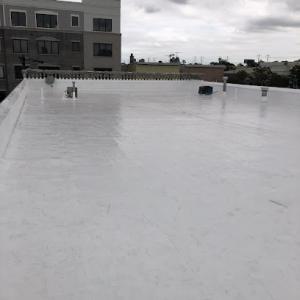
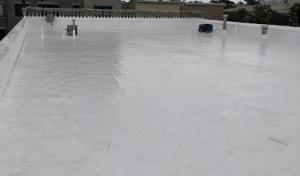
Flat and low-slope roofing has a meaningful service presence in this market, even though most homes are traditional re-roofs. The winter cycles bring freeze-thaw stress, and the summer humidity can keep roof decks damp longer than you'd expect. Heavy tree cover means more debris and shading, which traps moisture and slows drying after snowmelt. In this climate, the goal is to minimize prolonged wet exposure on any low-slope surface and to keep ventilation and flashing details robust through seasonal shifts.
Roof coating services are active locally, suggesting that some homeowners evaluate restoration or life-extension options instead of immediate tear-off. For low-slope sections, a careful coating strategy can buy time on certain substrates when done by a qualified pro. The right coating should provide a durable moisture barrier and UV resistance, while remaining compatible with the existing membrane or substrate. Expect a staging plan that addresses surface prep, seam reinforcements, and re-coating intervals to maintain performance through winter and into humid summers.
In Parsippany, any low-slope setup should emphasize four elements: a fully bonded, continuous waterproof layer; well-sealed transitions at penetrations; properly configured drainage to avoid ponding; and adequate ventilation under the deck to reduce humidity buildup. Choose membranes with proven cold-weather performance, and ensure edge details and parapet flashings are double-checked during replacement or retrofit. A lightly sloped, properly drained surface reduces ice formation risk during thaw cycles and supports longer service life.
During installation, prioritize detailed flashing around vents, skylights, and roof penetrations, plus a robust edge detail that sheds snow and ice away from furring strips and interior cavities. If a retrofit is in play, verify substrate compatibility and confirm the work plan includes a transferable warranty specific to low-slope performance in this climate. Contractor coordination should align membrane choices with existing insulation and ventilation strategies for a cohesive, durable result.
Schedule semi-annual inspections to catch seam deterioration, punctures, or debris buildup before the spring thaw. Keep roof drains clear of leaves, and inspect for ice dam indicators near eaves after heavy storms. Regular maintenance visits help ensure that the moisture management strategy remains effective through the full spectrum of Parsippany's seasons.
Find specialists in TPO, EPDM, and built-up flat roofing systems for residential and commercial properties.
Right Service Roof Repair & Replacement
(862) 356-8040 morristownprofessionalroofer.com
Serving
5.0 from 56 reviews
Homeowners in Parsippany routinely choose from long-established companies, family-owned firms, and cleanup-included service packages. This mix creates a practical market where you can compare not just price, but what you get after the job is done. In neighborhoods with heavy tree cover and dense shade, crews with a reputational track record for thorough cleanup and debris removal can save you extra trips to the curb and protect your landscaping during a big install. You'll notice crews that prioritize clear communication, written estimates, and transparent scheduling, which helps you plan around weather windows that matter in the freeze-thaw cycle.
Quick response is a defining local hiring priority, especially given Parsippany's higher rate of emergency repair and storm-related roofing activity. When a shingle lift or flashing shift happens after a wind event, a crew that can be on site promptly reduces the chance of moisture intrusion during thawing cycles. Look for a team with a local presence, predictable arrival windows, and crews that can mobilize rapidly for a full roof replacement or a targeted repair. In practice, that means scheduling flexibility, clear upfront communication about what might be delayed by weather, and a plan for temporary protection if rain is forecast.
Manufacturer-certified and warranty-offering contractors are present, making workmanship backing and product registration worth comparing during replacement planning. Ask for certificates of training, warranty terms, and a written list of materials registered to your home. A strong Parsippany-based crew should be able to explain how their installation methods safeguard flashing and ventilation, and show examples of recent work with solid, long-term results. This local insight helps ensure the project stands up to the region's freeze-thaw cycles.