
Last updated: Apr 19, 2026
In this Hudson Valley corridor, cold winters push roofs through repeated freeze-thaw cycles. Those cycles drive ice damming and heavy snow loads that quietly stress shingles, flashing, and gutters. The pattern shows up year after year, and the damage isn't cosmetic: lingering leaks, attic moisture, and accelerated roof wear threaten the home's structure. With winter leak events a practical homeowner concern, the risk is real enough to demand urgent attention each season.
Ice dams form when heat in the attic melts snow near the eave, which refreezes at the colder roof edge and blocks drainage. As meltwater backs up, it finds weak points and leaks into walls and ceilings. You'll notice stained ceilings near exterior walls, peeling paint or wallpaper, and damp attic insulation. In a Mahopac winter, the problem can escalate quickly after heavy snows or rapid temperature swings. If you see icicles hanging from gutters with a damp interior, treat it as a red flag requiring swift action.
A roof's ability to bear snow hinges on its design, slope, and the season's accumulation. Heavy, persistent snow in winter can push the edge of the roof toward failure, especially on shallower pitches or older roof systems. A rapid thaw followed by another deep freeze multiplies the risk of hidden damage. If gutters clog, shedding snow can create dangerous ice tiles along walkways and entry points. Regular seasonal checks help catch structural stress before it shows up as a leak or image of sagging.
Start with attic conditions: ensure insulation is intact and ventilated so heat doesn't drive meltwater up into the roof deck. A continuous ridge or soffit vent helps maintain a cold roof plane, which reduces ice dam formation. Seal gaps where warm attic air could escape into the roof space, especially around penetrations for pipes and wiring. Schedule a proactive roof inspection before heavy snows arrive, focusing on flashing, valleys, and chimney joints where damming and leaks tend to begin.
During winter, clear gutters and downspouts promptly to maintain drainage pathways. If ice buildup appears at the eaves, apply safe removal methods or call a qualified professional to remove ice dams from the beyond-reach portions of the roof. Keep access routes clear to emergency responders and to any service people who might need to enter the home.
If multiple leaks appear after a fresh storm, or if interior water spots expand rapidly, do not delay. The local contractor market shows unusually strong demand for emergency roof response in winter, reflecting how quickly a small issue can become a serious one. Early, professional intervention can stop further damage and protect insulation, ceilings, and framing from long-term harm.
Spring rainstorms, summer thunderstorms, and autumn wind events tighten the pressure on roofs in this Hudson Valley pocket. The combination of humidity, tree cover, and freeze-thaw cycles after a windy or hail event compounds the risk of ice dams, mid-season leaks, and hidden damage under shingles. Visible puddles aren't the only sign of trouble-water tracking along insulation, ceiling stains around attic vents, and moisture on interior walls can indicate the roof system is stressed between storms. In this market, a leak today can become a larger failure tomorrow if a responsible neighbor does not act quickly.
If a storm window last night left you with a drip or damp spot, treat it as urgent. Ice dams form when heat in the attic melts snow at the roof edge, then refreezes as cold air moves down the slope, forcing water to back up behind shingles and into attic framing. Snow load adds another layer of risk; as snow piles up, rafters and underlayment experience higher stress, increasing the chance of fascia, flashing, or seam failures during wind or hail. In this climate, visible water is only a portion of the problem-the hidden moisture behind walls and ceilings can rot decking and promote mold. Quick action preserves the roof you have and buys time before a full inspection can be scheduled.
Begin by documenting every incident with dated photos and notes of what you observe inside and outside. This isn't about blame; it's about creating a clear history for your contractor and any insurance discussion. If water is actively entering, reduce further damage by placing a temporary container under drips and clearing debris from gutters and downspouts to improve drainage away from the eaves. Check attic access and look for warmth leaks around attic penetrations-plumbing vents, chimneys, and vent stacks-as these hotspots often give up first during a freeze-thaw cycle. When you see frost or ice buildup on the roof edge, avoid scraping it away yourself in precarious spots; instead, contact a local pro for safe removal and ice dam mitigation.
A quick-response service is a strong signal in this market, because stabilized leaks before the next storm reduces damage into the next cycle. Local crews understand the rhythm of Hudson Valley winters and autumn wind storms, including how to secure roof penetrations, reseal flashing, and shore up decking temporarily. If a leak has persisted into a new rain event, don't wait for a complete re-roof or a conventional inspection window-ask for a rapid assessment, prioritized temporary fixes, and a plan for full evaluation between storms. For homeowners with multiple seasonal stressors, having a trusted nearby team ready to respond can keep water out of living spaces and buy critical time for a proper, thorough assessment and long-term solution.
Find local contractors experienced in assessing and restoring roofs after hail, wind, and severe weather events.

P&J Roofing
(845) 287-4193 pandj-roofing.com
315 Rockledge Rd, Mahopac, New York
4.9 from 27 reviews
P&J Roofing Company is a trusted provider of professional roofing services. With years of experience in the industry, we specialize in delivering top-quality roofing solutions for residential and commercial properties. Our dedicated team of skilled professionals is committed to excellence, ensuring that every project is completed with precision and attention to detail. Contact us today for a free consultation and let us help you protect your property with a durable and visually appealing roof.
Pedro Salguero Construction
(914) 774-6685 www.pedrosalgueroconstruction.com
Mahopac, New York
5.0 from 2 reviews
Since 2000, Pedro Salguero Construction has been a cornerstone of quality roofing and exterior renovations in Brewster, NY, and the broader Putnam County. This licensed and insured general contracting company brings over two decades of expertise to every project, specializing in professional roof replacement and repair for both shingle and flat roofing systems. They are dedicated to using durable materials and delivering superior craftsmanship. Their mission is to provide reliable service and expert solutions that combine aesthetics with long-term protection.

Weston Builders
(914) 588-3469 westonbuildersny.com
Serving
5.0 from 27 reviews
Weston Builders is a general home improvement contractor located in Westchester County, NY. Having over 15 years of experience in the industry, we understand the importance of customer satisfaction while delivering projects on time and on budget. We strive to complete all jobs in a clean and timely fashion. Our mission is to be the most reliable general home improvement contractor in Westchester County, NY by providing quality products, services, and warranties at affordable prices.
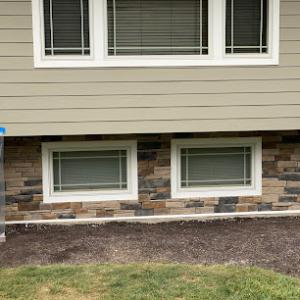
NY Home Remodeling Contractors
Serving
5.0 from 4 reviews
Siding-Roofing-Windows
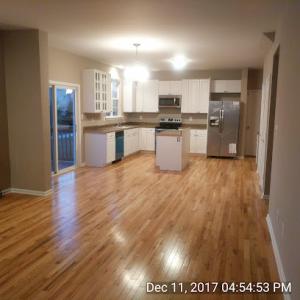
DFS In-Home Services
Serving
4.9 from 79 reviews
DFS In-Home Services is a Veteran owned business that is committed to offering excellence in roofing, siding, windows, seamless gutters, renovations kitchen and bathroom remodeling since 2001. Based out of Putnam County, NY our in-home services division is proud to serve homeowners across New York and Connecticut through our comprehensive offering of high-quality products and services.
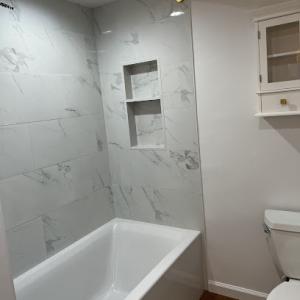
Cristian Home Improvement
(914) 257-1081 cristianhomeimprovement.com
Serving
5.0 from 10 reviews
Cristian Home Improvement specializes in high-quality roofing services in Shrub Oak, NY, offering expert installation, repair, and maintenance to ensure your home is protected for years to come. Whether you need a new roof or repairs from storm damage, our team is committed to providing durable solutions that enhance your home’s curb appeal. In addition to roofing, we offer a wide range of home improvement services, including siding, remodeling, flooring, and painting, all designed to transform your space and increase its value. Trust us to deliver exceptional craftsmanship and reliable results—contact us today for a free estimate!
RJM Best Roofing
(914) 565-9391 www.rjmbestroofing.net
Serving
4.9 from 53 reviews
RJM Best Roofing. provides expert roofing services across Westchester County and Rockland County, specializing in roof replacement and emergency roof repair for residential and commercial properties. Serving White Plains, New Rochelle, Port Chester, Yonkers, Mount Vernon, Mamaroneck, Rye, Scarsdale, Larchmont, and Eastchester, our team delivers premium materials, precise craftsmanship, and fast response when you need it most. Recognized as a trusted roofing contractor and emergency roofing service, we focus on durable installations and customer satisfaction. Whether upgrading your home or addressing urgent storm damage, RJM Best Roofing. ensures professional results that protect your property year‑round.
Able Roofing
(203) 746-1877 www.ableroofingct.com
Serving
5.0 from 93 reviews
Located at 178 Middle River Rd, Danbury, CT, Able Roofing is your top-choice roofing contractor with over 25 years of experience in roof installation, roof replacement, and comprehensive roofing services. Serving Fairfield County, CT, and parts of Putnam, Westchester, and Dutchess County, NY, we ensure quality craftsmanship and integrity under the guidance of owner Chris Sanservino. Trust us to resolve all your roofing needs with our honest pricing, exceptional customer service, and same-day services. From detailed roof inspections to cutting-edge low-slope systems, discover why we're the preferred roofing company near you. Contact us at (203) 746-1877 or visit our website for a free estimate today!
MCAS Roofing & Contracting
(914) 455-0976 mcasroofing.com
Serving
4.9 from 163 reviews
MCAS Roofing and Contracting is a licensed and insured, family owned roofing company serving Westchester, Putnam, and Rockland Counties since 1972. Homeowners choose MCAS for honest guidance, skilled workmanship, and roofs done right the first time. As a GAF Master Elite roofer, MCAS offers access to GAF’s strongest warranties, along with additional manufacturer certifications that allow the right warranty to match each roofing system. The team specializes in residential and commercial roof replacement and repair, chimney repair, skylights, and shingle, slate, flat, and custom metal roofing. No sales pressure. No shortcuts. Just quality work, fully warranted materials and labor, and safe, clean job sites. Request a Free Roof Inspection.
Miracle Home Improvements
(914) 271-9119 www.miraclehomeimprovements.com
Serving
4.9 from 108 reviews
Miracle Home Improvements, a locally owned family business thriving for over two decades, has mastered the art of perfecting home exteriors within Croton-on-Hudson and neighboring areas. Specializing in everything from roofing and siding installations to window replacements, gutter cleaning, and skylight installations, their dedicated team ensures meticulous attention to detail is provided in every project, delivering a truly personalized service and owner supervision on every job. With experienced in-house installation teams, you can rest easy knowing your home improvements are in the hands of expertise. Local services for roofing, roof repair, roof installation, siding, siding repair, & more for your home improvement. Book online or call.
Montevello Carpentry & Roofing
(914) 224-4320 montevellocarpentryroofing.com
Serving
5.0 from 9 reviews
Montevello Carpentry & Roofing stands as a beacon of excellence in the carpentry and roofing industry. With 18 years of experience under our belts, we've honed our skills to offer not just services, but solutions that embody quality, durability, and beauty. Our journey began in Peekskill, NY, rooted in a passion for creating and a commitment to excellence. Our founder's vision was to build a company that could transform any space into a masterpiece of craftsmanship. Behind every cut, every joint, and every nail, there's a story of dedication and passion at Montevello Carpentry & Roofing Our commitment to our craft has not only earned us a reputation for excellence but also a family of satisfied clients. THUMBTACK REVIEWS
In Mahopac, asphalt shingles are a common, practical choice for many homes. The combination of humid summers and cold, icy winters means you want a system with solid underlayment and a reliable ice-dam strategy. Look for shingles with good granule retention and a dimensional profile that sheds snow efficiently, reducing ponding near eaves. Pay attention to proper attic ventilation and a well-sealed drip edge to keep moisture from migrating into the attic during thaw cycles. In rain-heavy spells, ensure your shingles have sufficient overlap and a quality flashing kit around chimneys, vents, and skylights to minimize leaks after strong storms.
Metal delivers quick shedding of snow and ice, which is a real benefit during Hudson Valley freeze-thaw cycles. For Mahopac homes, a standing-seam panel or interlocking panel system provides dependable performance with fewer sealing points where ice dams can form. Choose metal with a durable coating that resists corrosion from humid summers and winter salt spray near lakes. Ensure rigorous attic ventilation and a continuous underlayment system beneath the metal to handle retrofits on older structures. In this climate, metal roofing shines when combined with an effective snow retention plan and proper tree clearance to prevent branch damage during wind events.
Clay tile is a hallmark of long-lasting curb appeal, but it requires careful detailing in this region. The Hudson Valley freeze-thaw cycle makes brittle tiles a concern, so a careful tile layout with generous expansion joints and a reinforced underlayment is essential. Tile roofs should feature a secondary water barrier along eave lines and around penetrations to manage the risk of leaks when ice dams form higher up on the slope. For maintenance, expect occasional tile replacement after harsh winters and a proactive snow-removal strategy to prevent concentrated load on vulnerable sections. Insulation and ventilation must be balanced to avoid condensation and freeze-thaw damage inside the roof plane.
Concrete tile offers durability and a distinct look, but the weight and porosity demand a robust structure and precise installation. In Mahopac, ensure the roof deck is rated for the heavier load and that the underlayment is rated for freeze-thaw cycles. Porous concrete can absorb moisture; a high-quality sealant or membrane beneath the tiles helps protect the deck from ice damming effects and moisture ingress during thaws. Adequate attic insulation and proper ventilation remain critical to minimize condensation and ice buildup at eave edges.
Synthetic or composite shingles bring versatility for irregular roofs and steeper pitches common in lake-adjacent neighborhoods. These systems often handle humidity well and can mimic natural materials without the high weight. The key in this climate is a well-sealed drip edge, reinforced underlayment, and precise flashing details around dormers and skylights to prevent leaks as moisture migrates through cycles of freeze and melt. Maintain a clean gutter system to prevent ice dams from forming on low-slope sections.
Slate offers timeless appeal and exceptional longevity, but it demands meticulous installation in this region. The brittle nature of some slate varieties makes detailing around penetrations and along eaves critical to avoid crack propagation during freeze-thaw events. Install a continuous underlayment with proper surface slope and durable flashings to manage ice dam potential. Slate roofs benefit from careful snow management and regular inspection after severe winter weather to catch slipped or cracked pieces before leaks develop.
For Mahopac, a full re-roof commonly requires permit submission to the Town of Carmel Building Department. This process protects homes from ice damming, water intrusion, and the harsh Hudson Valley freeze-thaw cycle, and it ensures the work aligns with local code requirements for snow load and weatherproofing. The building department views re-roof projects as major changes to the structure's envelope, not cosmetic upgrades, so expect formal review and recorded approvals.
Permit submissions typically need project details including roofing materials and scope of work. Have a clear description of the plan, including the roof type, deck or sheathing condition, attic ventilation, underlayment, and ice dam prevention strategies. If there are existing leaks or damage, document the extent and mitigation steps. A site plan showing roof boundaries, access points, and any scaffolding or temporary protections should accompany the application. Your contractor should supply manufacturer specifications for the chosen materials and any local compliance notes related to wind and snow loads.
The Town of Carmel Building Department processes typically involve an online or in-person submission, with copies of forms, plans, and product data. Ensure the scope of work matches what the department expects for a full re-roof, including removal of old roofing, replacement decking if needed, and installation details for underlayment and ventilation. If your home has special features-such as a steep pitch, multiple ridges, or a large overhang-include notes highlighting how these will be addressed. The department may require proof of contractor licensing and a sworn statement affirming compliance with safety and environmental standards.
The department commonly performs inspections during and after installation, and final sign-off is required to close the permit. Expect an inspection after roofing removal and again after installation but before final sign-off. Preparedness matters: keep access clear, coordinate with the contractor to align inspection times, and have all documentation available, including material warranties and flashing details. If an issue is found, address it promptly to avoid delays in the final certification.
Once the work passes the final inspection, the building department issues the permit closure, which formally recognizes the roof as compliant with local building codes. Retain the approval documents in your home file, as they may be requested during future renovations or insurance reviews. Adhering to the permit process helps ensure long-term performance against ice dams, snow load, and leaks in this climate.
In this lake-and-woods corner of the Hudson Valley, asphalt shingles sit in a practical middle ground for most homes, with local price ranges typically running from 420 to 650 USD per square. Metal roofs, favored for their longevity against ice dams and heavy snows, usually fall between 750 and 1100 USD per square. For those considering clay or concrete tile, the climate and roof pitch here support a long-lasting option, with clay tile generally in the 900 to 1300 USD per square band and concrete tile close to 850 to 1300 USD per square. Synthetic or composite shingles provide a more budget-friendly alternative, commonly in the 480 to 750 USD per square range. Slate remains the premium choice, often priced from 1100 to 1800 USD per square. These numbers reflect typical Mahopac jobs, accounting for local material costs and common installation challenges in the Hudson Valley.
Ice dams and freeze-thaw cycles are a real consideration here. Asphalt and synthetic shingles offer decent protection when paired with proper attic insulation and ventilation, but metal, tile, and slate bring higher resistance to wind-driven ice and longer service life in freeze-prone winters. If you're weighing service life against upfront cost, a metal roof or tile can pay off over time by reducing leak-related calls during harsh winters. On the other hand, if immediate budget constraints are tight, asphalt or synthetic shingles still respond well to upgraded underlayment and improved attic conditions.
In Mahopac, scheduling is influenced by preferred dry installation windows in late spring and early fall, which can tighten contractor availability and affect pricing. A tight window may push bids closer together and shorten the decision margin, so plan ahead if you're aiming for a full replacement rather than a few repairs. Additionally, the seasonality of snow and temperature swings can alter contractor crews' speeds and supply availability, affecting overall project duration and carrying costs for full replacements. When you're talking materials, consider how longer lead times for clay or slate might shift your replacement into a less obstructive part of the calendar.
Start with your budget and local climate goals: if you want maximum ice-demption and long life in a windy, snowy season, metal or tile is a solid bet. If you prioritize upfront affordability and rapid installation, asphalt or synthetic shingles can perform well with proper insulation and ventilation. For best results, align your material choice with local snow load expectations, roof slope, and the anticipated maintenance window in Mahopac's shoulder seasons.
Get a clear picture of your project costs upfront - no commitment required.
In this Hudson Valley setting, wind and hail claims happen, but they aren't treated as uniform catastrophe losses. Carriers in this region expect a clear, well-supported narrative about what failed and why, especially after long winters with ice damming and heavy snows. When a claim starts, insurance adjusters will look for concrete evidence that the roof and its supporting structure sustained damage beyond ordinary wear. If the decking beneath shingles or tiles shows delamination, moisture intrusion, or visible sagging, that can shift the evaluation toward replacement rather than a repair. Knowing this helps you approach the claim strategically and avoids surprises later.
Before you initiate any claim, compile a concise, effects-focused packet. Take dated, high-resolution photos from multiple angles: the roof Surface, eaves, gutters, vents, and any interior signs of leaks or ceiling staining. Include photos of attic spaces during and after thaw cycles to illustrate moisture travel. Gather contractor estimates that itemize materials, labor, and deck-related repairs, plus a written narrative linking observed damage to specific weather events or incidents. If you've had prior roof work, keep receipts and a brief history of what was addressed. This level of documentation can influence both claim acceptance and the scope of any settlement.
Roof decking condition matters as much as the shingles themselves. A deck that shows soft spots, curling, or visible fastener issues can prompt a claim to extend beyond surface repairs. In turn, carriers may weigh ongoing deck health when determining premium implications and coverage outcomes. If you notice rising attic temperatures, condensation, or unusual warmth near the ridge line after a thaw, address those signs promptly and include them in your documentation. A well-supported deck assessment often clarifies the extent of necessary remediation and can prevent misinterpretation of damage as mere cosmetic wear.
After submission, expect requests for more detail or additional photos. Respond promptly with organized files and direct references to where issues appear in your images. If an adjuster identifies gaps between your documentation and现场 findings, be prepared to obtain a second opinion from a trusted local contractor who understands Mahopac's winter cycles and decking risks. Clear, thorough documentation shortens delay and helps ensure the claim reflects the true scope of damage, especially when ice damming and heavy snowfall have stressed the roof and its support system.
Connect with contractors who help homeowners navigate the claims process from damage assessment to final approval.
Bridges Roof Repair & Install
(475) 294-2298 bridgesroofrepairnewfairfield.com
Serving
5.0 from 53 reviews
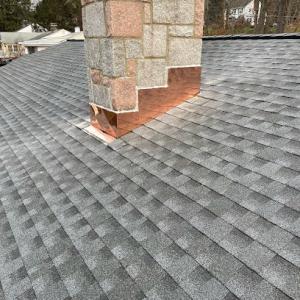
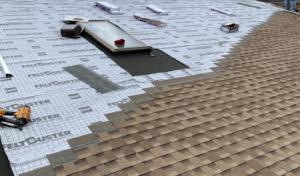
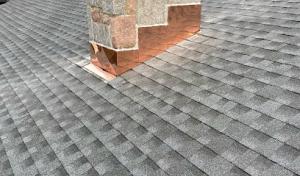
Chimney flashing and masonry intersections are a common service need in this market, reflecting how aging flashings and mortar joints stress during Hudson Valley freeze-thaw cycles. Skylight leaks are also a steady concern, driven by exposure to storm-driven rain and weight from ice and packed snow. In practice, penetrations through the roof are more vulnerable than plain field shingles when flashing ages or shifts, so address these areas with priority after each heavy storm or seasonal freeze-thaw period.
Inspect around the chimney base for telltale staining along the siding or brick, loose or cracked flashing where the chimney meets the roof, and any mortar gaps that appear wider after a thaw. On skylights, look for condensation buildup, fogging between panes, or dampness along the frame, especially after a windy rain. If you notice icicles forming near flashing or pooling water on the interior ceiling near these penetrations, treat it as a warning sign of active leaks.
Begin by safely assessing the chimney area from the attic or crawl space if accessible, checking for rust on metal flashings and signs of corrosion where the chimney meets the roof. Crawl outside only with proper footing and a partner, inspecting flashing seams for gaps, lifted metal, or missing sealant. Move to skylights, verifying that the glazing is intact and the seal around the unit remains continuous. In cold months, test the area after a thaw followed by a rain to see if water ingress recurs, which often points to flashing or sill issues rather than shingles alone.
Prioritize resealing and re-flashing at the chimney, and re-bed and re-point the masonry joints if mortar is crumbling. For skylights, reseal the perimeter with a compatible sealant and replace any compromised flashing strips. If the problem recurs after rework, consider larger flashing replacements or a more robust integral flashing system that better accommodates freeze-thaw movement inherent to this valley.
Keep gutters clear to prevent backwash onto the flashing, especially during snow melt. Schedule mid-season checks after heavy storms and before the deepest freezes, so any worn flashing or loose masonry can be addressed before a harsh spell intensifies leaks.
Find contractors experienced in skylight installation, flashing, and leak repairs to bring natural light into your home.
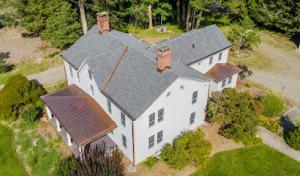
Flat-roof specialization is active in the Mahopac contractor market even though the area is not defined by flat-roof housing, implying many homes or additions have low-slope sections that need separate detailing. Spring rain and winter snow retention are especially relevant on low-slope roof areas in the Hudson Valley climate. These sections often age differently from the main pitched roof and may require different repair timing and inspection focus in Mahopac.
Low-slope areas usually sit at transitions between a pitched roof and rooftop additions, dormers, or extensions. In this climate, the membrane or felt beneath those sections bears the brunt of thaw cycles and heavy wet snow. Look for subtle dips, edge pooling, or debris buildup near scuppers and gutters. A flat or nearly flat section can hide ice dams just as easily as a steeper slope, so treat hidden edges as priority during inspections.
Because these sections age differently, schedule an annual inspection focused on flashing joints, membrane seams, and underlayment wear. After heavy snowfall or spring thaw, perform a quick check for soft spots, bubbling, or mineral granules washing toward drains. Clean debris from drains and scuppers promptly to prevent water backup. If a flat section is tied into a vent or exhaust stack, verify that flashing around those penetrations remains watertight, since freeze-thaw cycles can loosen seals faster here.
Winter conditions in this area can create ice buildup along the edges of low-slope roofs, which feeds into interior leaks if not managed. Ensure the drainage plan includes clear gutters and properly pitched transitions to direct meltwater toward downspouts. In spring, inspect for signs of differential settlement or heaving where the flat portion meets the main roof, as poor drainage can accelerate membrane deterioration.
Prioritize flashing, edge termination, and seam re-sealing on low-slope sections. When repairs are needed, expect a longer-term approach that may involve re-sloping or enhancing drainage to prevent repeated moisture intrusion. Regular, targeted checks during the shoulder seasons help catch issues before they become interior leaks.
Find specialists in TPO, EPDM, and built-up flat roofing systems for residential and commercial properties.
Pedro Salguero Construction
(914) 774-6685 www.pedrosalgueroconstruction.com
Mahopac, New York
5.0 from 2 reviews
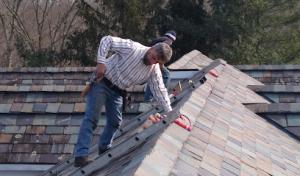
Re-roofing is the strongest contractor service signal in this area, and homeowners commonly hire replacement-focused crews rather than niche new-construction roofers. That means you'll encounter teams who routinely manage tear-off, underlayment, and full replacement within occupied homes. In this market, you can expect crews that understand how ice dams, snow loading, and Hudson Valley freeze-thaw cycles uniquely affect shingles, flashing, and attic ventilation.
Long-established, family-owned, and locally owned firms are visible and trusted in the trade, reflecting a preference for tenure and local accountability. When a contractor has roots in the community, you gain a reference network for workmanship, scheduling reliability, and post-project service. Look for a company with a proven track record of responding to Mahopac winters and maintaining relationship continuity with homeowners, neighbors, and suppliers.
Cleanup included, insured, and licensed are meaningful hiring signals during an occupied-home replacement. You want a crew that protects your landscaping, handles debris with care, and leaves the property as they found it-only with a new roof in place. Verify insurance coverage for workers and damage liability so a winter ice-dam rush or wind event doesn't become a personal worry. Clear daily cleanup routines and site protection for a snow-covered yard are practical indicators of professionalism.
Ask how the crew coordinates during heavy snow or cold snaps, and who is the point of contact if a leak appears after a storm. Local crews with Mahopac roots tend to offer more predictable scheduling and quicker response times for follow-ups, because accountability is visible to neighbors and suppliers within the town network.
Seek references from neighbors who recently replaced their roof and had to manage attic moisture or ice dam prevention. A reputable contractor will discuss installation details tailored to Hudson Valley winter conditions-like underlayment choices, venting strategies, and flashing around synthetic components-without generic assurances. A strong local contractor will stand behind their work with accessible follow-up and a straightforward, dependable service mindset.