
Last updated: Apr 19, 2026
Spring hail and summer thunderstorms are the fiercest roof pressures you'll feel in this Piedmont foothills area. Mocksville homeowners typically see the most roof-related weather stress from those events rather than hurricanes or heavy snow. When hail lands, it can nick shingles, shear granules, and loosen flashing in minutes. Thunderstorms bring downburst winds and driving rain that can exploit even small weaknesses. Because regular spring and fall rainfall in Davie County tends to concentrate replacement scheduling into those shoulder seasons, you'll want to map your roof's vulnerability now rather than waiting for the next round of storms. If you've seen hail recently or noticed granule fallout on driveways and gutters, treat it as a sign to act before the next storm window opens.
In this climate, the best window for major roof work is usually the dry, mild days of late spring or early fall-after the rush of the winter holidays but before the peak heat of July. Summer heat in Mocksville can push surface temperatures high enough to complicate installation tasks, especially on exposed slopes. That heat can soften sealants and slow adhesive-driven work, lengthening schedules and raising the risk of mistakes if crews rush to beat a storm. Plan re-roofs or major repairs for mornings with lower heat indexes, and avoid scheduling during heat waves when attic ventilation and cooling demands push crews to work more slowly to stay safe. If a storm has just passed, give your roof at least 24 to 48 hours to dry out before any heavy work begins on the surface. Saturated substrates can undermine new underlayment and fasteners, inviting future leaks.
Right after a hail event or summer shower, walk the perimeter and note any obvious damage: dented vents, torn shingles, displaced granules, or disturbed flashing. The sooner you document damage with photos and a basic checklist, the better your ability to guide any insurance or replacement discussions. In Mocksville, hail can be deceptive-shingles might still look intact while the underlying layers are strained. Don't assume cosmetic changes mean no damage; a missing granule protection can accelerate sun-related wear and lead to premature failure. If a leaky ceiling or damp attic insulation appears after a storm, treat that as an urgent sign to bring in a professional promptly. Delays compound risk, especially with hot, humid afternoons that can worsen moisture intrusion.
When you're deciding which contractor to hire after a hail or thunderstorm event, prioritize local experience with the materials you have on your home. The right crew will recognize how Mocksville's humidity and occasional spring hail interact with specific roofing types and attic ventilation. Ask for visible wind and hail damage references from nearby neighborhoods with similar roofs, and request a rapid, honest initial assessment that doesn't promise an immediate full replacement if only a subset of areas are compromised. The goal is to prevent minor issues from evolving into costly leaks during the next storm cycle, which often arrives in the shoulder seasons you're already planning around.
When a storm rolls through the Piedmont foothills, the damage can be subtle at first-hail pitting shingles, granule loss, or small creases that only show up after a few days of sun. In North Carolina, insurers commonly ask Mocksville-area homeowners for photos, dates of loss, and written damage descriptions after wind or hail events. The difference between a quick claim denial and a fair settlement often comes down to what you can prove happened and when. Hail can leave irregular, wind-driven impact patterns on the roof, gutters, and siding that aren't obvious from the ground. Having a clear record helps separate a single event from a slow, seasonal deterioration.
Damage documentation should start as soon as you can safely access the roof after a storm. Take wide and close-up photos of shingles, gutters, flashings, vents, and any visible interior signs like attic staining. Note the date and time of the storm, wind speeds if you can recall them, and the path of the hail while it's fresh in memory. Write a concise description of each area of damage and how it correlates to the events you experienced-evidence that a specific spring hail or summer thunderstorm caused the issue. In Mocksville, crews often rely on this precise sequence of photos, dates, and descriptions to corroborate a claim with the insurer, especially when the damage is not energetically dramatic but clearly tied to a storm event.
Along with pictures, keep records of any temporary repairs you've made, notes on water intrusion, and dates you first noticed leaks or missing granules. If you had a roof inspection, file the report and highlight sections that connect the findings to the storm's timing. Preserve weather alerts, radar screenshots, or local storm reports that show when hail or high winds occurred. A written damage description should accompany your photos, explaining what parts of the roof were affected, the suspected cause, and how the damage progressed. These items help insurers see the chain of events and support a fair assessment specific to the Davie County context.
Policy outcomes in North Carolina may include deductibles or depreciation tied to weather-related roof claims, which directly affects repair-versus-replacement decisions in Davie County. If a storm is clearly linked to the damage, an adjuster may approach the claim differently than for wear and aging alone. A well-documented file gives you leverage to negotiate a scope that reflects the actual storm impact, not just the visible wear. If the documentation points to isolated damage after a single event, replacement may be unnecessary; if it shows widespread or multi-event wear, replacement could become more likely. Being precise about the storm's timing helps prevent misinterpretation that could tilt the outcome away from a legitimate restoration.
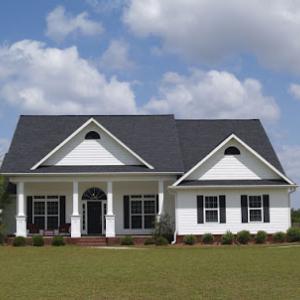
Price & Sons Roofing
(336) 869-6921 www.priceandsonsroofing.com
Serving
5.0 from 11 reviews
If you are in the market for roofing services, then it is essential to hire professionals who can get the job done efficiently and with flawless workmanship. In the Triad, NC and surrounding areas, Price & Sons Roofing has been the business that locals have trusted for over 30 years for all their roof installation and roof maintenance needs. Price & Sons Roofing specializes in both residential and commercial roofing, using the highest quality of products—such as Owens Corning, CertainTeed and GAF roofing shingles—and offering 25 year and lifetime warranties.
Hall Roofing Solutions
(980) 643-4373 hallroofingsolutions.com
Serving
4.9 from 145 reviews
Quality Craftsmanship Your roof is your home's main defense against the elements. Let us walk you through the best options to fit your needs and once you feel comfortable with your choice, we'll handle the complete installation. Reliable Upgrades If you're looking to update or upgrade your roofing and gutters, we've got you covered. Book a free consultation to discuss our six different types of roofing composition and environmentally friendly options! Satisfaction Guaranteed We strive to save you both time and money by combining roofing knowledge, the highest quality parts and equipment, and dedication to delivering exceptional service. We will not leave the job until it is finished and you are satisfied with the results.
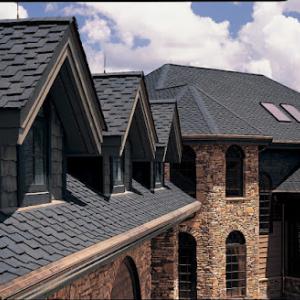
Cooley Roofing
(336) 766-6488 winstonsalemroofs.com
Serving
5.0 from 133 reviews
Cooley Roofing is a family-owned and locally operated business based in Clemmons, NC. For decades, we’ve proudly served homeowners in the Piedmont Triad area. Our goal is simple: to protect and enhance your home while delivering exceptional customer service. Our team of experienced professionals specializes in a wide range of services, including roof repairs, roof replacements, siding installation, window replacements, and gutter solutions. We understand that your home is one of your most valuable assets, and we approach every project with the care and precision it deserves.
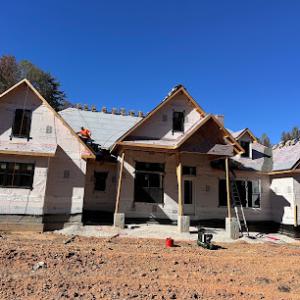
Mendez's Roofing Services
(336) 965-9105 mendezroofings.com
Serving
4.9 from 105 reviews
At Mendez's Roofing Services, our promise is excellence, from start to finish. As a trusted leader in the roofing industry, we are committed to providing top-quality services to our clients in Winston-Salem, NC. With our team of experts, we bring years of experience and knowledge to every project, ensuring that your roof is installed or repaired with the utmost precision and care. Mendezroofing@outlook.com
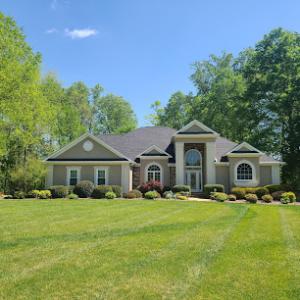
Lighthouse Roofing
Serving
4.9 from 84 reviews
Veteran owned and operated with over 20 years of experience, we’re trained, experienced, and honored to remain local and serve our community. We specialize in identifying storm damage and give you peace of mind in knowing if your roof is in good condition, needs to be replaced, or only needs a repair. Lighthouse Roofing is committed to making a difference on every roof. We install only Lifetime warranty and algae resistant Owen's Corning Duration Architectural shingles with synthetic felt, starter strip, ice & water sealant, new flashing, new pipe boots, new ridge ventilation system, 5-year workmanship warranty on labor, and a thorough cleanup process that is second to none. Lighthouse Roofing has you covered.
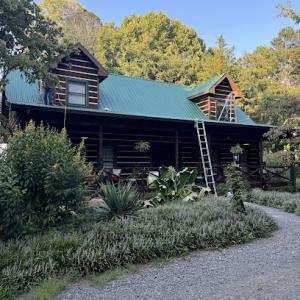
Pro Roofing & Exteriors
(336) 441-1577 proroofingandexteriors.com
Serving
5.0 from 43 reviews
Pro Roofing and Exteriors offers expert guidance to ensure the best value and quality in general contract services. We provide comprehensive inspections, project planning, contractor selection, quality assurance, and material recommendations. Our experienced team negotiates competitive prices, saving you money without compromising on quality. Choose us for unbiased advice, expert oversight, and peace of mind. Visit our website or call for a consultation.
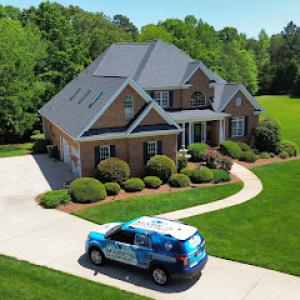
Mabe's Roofing
(336) 946-6509 mabesroofing.com
Serving
4.9 from 103 reviews
Mabe's Roofing provides residential roofing repair, residential roofing replacement, residential roofing installation, commercial roof repair, and commercial roof installation to the Winston Salem, NC area.
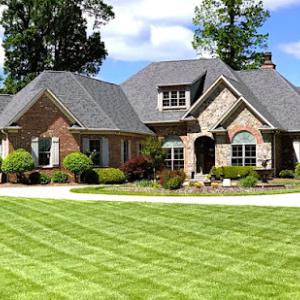
Atlas Roofing NC
(704) 239-6891 www.roofatlas.com
Serving
4.9 from 48 reviews
Atlas Roofing NC, LLC is a trusted, locally owned roofing contractor serving Salisbury, NC and surrounding Rowan County communities. We specialize in residential and commercial roof replacement, roof repair, storm damage restoration and insurance claim assistance. Our experienced team is committed to high-quality workmanship, honest communication and dependable service from start to finish. Whether you need a new roof, emergency repairs, or a free inspection, Atlas Roofing NC, LLC is dedicated to protecting your home with durable, professional roofing solutions.
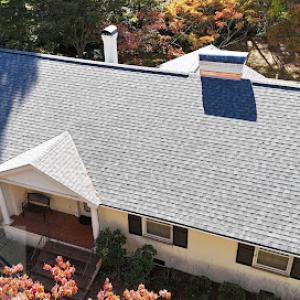
Right Choice Restoration
(336) 500-7773 www.rightchoicerestoration.com
Serving
5.0 from 96 reviews
Roofing Done Right with prompt 5-Star service, quality workmanship and materials all backed by industry-leading warranties. We offer residential roofing assessments and replacement, insurance claim assistance, siding and gutter systems. Veteran owned and family operated with a team of experts that have the experience necessary to assist you in making the Right Choices! Contact us today to inspect your roof for damage, free of charge. If you plan to pay out of pocket, we offer competitive estimates and 100% financing options for your consideration. At Right Choice Restoration, we are dedicated to consistently delivering the best customer service before, during and after each restoration project. We work like our country depends on it!
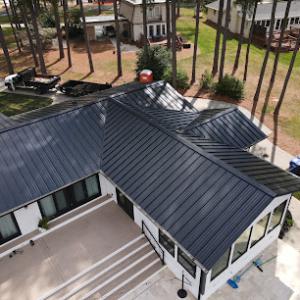
Providence Roofing Statesville
(704) 883-6052 www.providenceroofs.com
Serving
5.0 from 230 reviews
In the heart of Statesville, nestled among rolling hills and charming neighborhoods, you'll find Providence Roofing Statesville, a beacon of excellence in the roofing industry. Established in 2020, this veteran-owned and operated company has emerged as a leading provider of captivating roofing solutions for residential and commercial clients. Their dedication to quality, coupled with their commitment to exceptional customer service, has earned them a reputation as the protector of homes and businesses throughout Statesville, Iredell, and Rowan Counties. With Providence Roofing Statesville, you can rest assured that your property is adorned with a durable and aesthetically pleasing roof that stands the test of time.
EcoShield Roofing
(336) 937-9673 ecoshieldnc.com
Serving
4.8 from 123 reviews
Are you dealing with roofing issues that are over your head? Get the services you need from local roofers you can trust. EcoShield Roofing provides residential and commercial roofing services in Greensboro and Winston Salem, NC and surrounding areas. From new roof installation to storm damage repairs and claim assistance, we’ll cover your home or business in a strong and reliable roof. If you’re looking for Roofers in Winston Salem and surrounding areas like Clemmons, Lewisville, Bermuda Run, Advance, EcoShield Roofing can help!
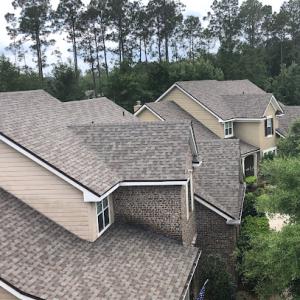
Graham Roofing
(704) 213-2235 www.graham-roofing.com
Serving
4.9 from 31 reviews
Graham Roofing has been the #1 Roofing Company and Roofer for Greater Rowan County since 1974. We treat every roofing project like it were being done on our own home.
Asphalt shingles are a dominant choice in Mocksville, and the local climate-hot, humid summers with frequent rain-puts extra demand on attic ventilation and moisture control. When you evaluate asphalt, prioritize a well-sealed underlayment and an energy-smart attic setup. Ensure soffit intake and ridge or gable exhaust are balanced so warm, moist air can escape before it condenses in the attic. A high-quality roof venting plan reduces attic humidity, slows shingle curl, and preserves the warranty on most asphalt systems. In practice, this means choosing a roof with a continuous soffit-to-ridge ventilation path and using baffles where rafter bays meet the eaves. Regularly check for signs of moisture intrusion after heavy spring storms: damp sheathing, musty smells, or darkened wood around penetrations. Addressing any airflow gaps early keeps the shingles dry longer and keeps the decking from drying out unevenly in the heat.
Metal roofing is common in this part of North Carolina because it sheds heavy rain efficiently, which matters in the thunderstorm season. When installed, attention to fasteners and flashing is essential. In Mocksville's thunderstorm cycles, wind-driven rain can exploit marginal flashing around chimneys, vents, and transitions. Choose concealed or sealed fasteners where possible, and verify that all seams have a consistent, curved profile to reduce water ingress during gusty downpours. For older homes that receive a metal upgrade, ensure the existing roof deck is solid and free of rot; metal responds to substrate integrity with less forgiving behavior if the deck is uneven. In long stretches of hail risk, inspect the panels for denting and the flashing for micro-leaks after the season passes, since small leaks can hide behind a bright, reflective surface until they worsen.
Clay tile, slate, wood shakes, and synthetic products appear in the local material mix, but their weight, moisture behavior, and repair complexity can be more consequential on older Davie County homes than on newer tract construction. Clay tile and slate deliver excellent durability in dry spells but demand a sturdy, well-ventilated structure to handle heat and humidity. Their heavier weight can strain older framing, so confirm structural readiness before installation. Wood shakes add rustic charm but absorb moisture; in humid climates, they require meticulous maintenance and potential rot protection around eaves and penetrations. Synthetic products emulate the look with easier maintenance, yet they still rely on sound decking and proper ventilation to prevent moisture buildup behind the paneling. In all cases, inspect fastener integrity after spring hail or summer storms, and keep an eye on water-streaking or loose edges that can indicate moisture migration behind the surface. Regular inspection after severe weather helps catch problems before they propagate into roof deck decay.
Typical local pricing runs about $350 to $650 per square for asphalt shingles, $600 to $1100 for metal, $900 to $1700 for clay tile, $700 to $1100 for wood shingles or shakes, $550 to $900 for synthetic or composite shingles, and $1200 to $2100 for slate. These ranges reflect Mocksville's mix of older homes with asphalt overlays and newer constructions that can lean toward metal or synthetic options for longer life under the Piedmont sun. The low end covers straightforward replacements, while the high end accounts for heavier roofs, upgrades, or premium brands. When quoting, expect a few dollars' difference based on roof pitch, attic ventilation needs, and existing decking condition.
In Mocksville, costs can rise when spring hail or summer storm activity creates a surge in regional demand across Davie County and nearby Piedmont markets. That spike can push lead times and material availability, so it pays to plan ahead if you're addressing wind or hail damage. If a storm hits in March or April, you'll see contractors juggling storm-damaged jobs with routine maintenance, which can tilt scheduling and pricing upward for a few weeks.
Scheduling in spring and fall is popular locally because of weather, which can tighten contractor availability. Spring projects often compete with post-storm repairs, while fall brings the best window for dry days and milder temperatures ahead of winter. Those patterns influence how quickly a roof can be installed or repaired and may affect the total job duration. If you're coordinating multiple trades (gutters, insulation tweaks, or venting), expect a chained timeline where delays in one area push back the rest.
Clay tile and slate carry the highest installed price, but they offer longevity that can be appealing in this climate. Synthetic or composite shingles provide a middle ground, with lighter weight and good wind resistance. For weather-prone springs and hot summers, metal roofs or upgraded asphalt with better underlayment can reduce maintenance over time. In all cases, your choice should balance initial cost, expected storm exposure, and the house's framing and attic ventilation.
A full re-roof in Mocksville typically requires a building permit through the Davie County Building Inspections office. This process ensures the work meets local codes for ventilation, nailing patterns, attic access, and weatherproofing. The intent is to avoid typical mistakes that lead to premature leaks, sagging eaves, or ventilation problems that show up after a season of humidity and thunderstorm activity. Before any shingle or panel is removed, you should have a clear understanding of the permit type, required plans, and any architectural or zoning considerations specific to your street or subdivision. The county's review focuses on safety, structural compatibility, and proper drainage details for the roof assembly.
The county generally reviews the permit application, issues the permit, and requires a final inspection after the roofing work is completed. This sequence is designed to catch issues early, before they become leaks or wind-damage risks during a storm season. In practice, the reviewer checks that underlayment, fasteners, and ridge venting align with the chosen roofing system and local wind uplift requirements. Once the contractor completes the installation, a final inspection is scheduled to verify that work matched the approved plan and that penetrations, skylights, and flashings are properly sealed. Scheduling can shift with weather or county workload, so anticipate some flexibility in the timelines.
Common inspection points in this jurisdiction occur after underlayment installation and again after completion. After underlayment, inspectors look for correct tear-off methods, proper drainage plane, nailing patterns, and edge detailing. They may check attic ventilation paths to ensure moisture does not accumulate in Mocksville's humid summers. At the final inspection, expect confirmation of flashing around chimneys, exhaust vents, and vent pipes, as well as the integrity of exterior penetrations, gutter connections, and drip edge installation. Being prepared with a clear job sketch that shows roof slope, material types, and any roof penetrations can help the process move smoothly.
Scheduling can shift with weather or county workload, so plan with a buffer around anticipated storm seasons. Have the permit number readily available when the contractor arrives and coordinate any required inspections with the Building Inspections office in advance. If a weather window opens for a day or two, consider coordinating underlayment and fastener verification early in the schedule to prevent delays. For homeowners, keeping a log of inspection dates and any requested corrections helps ensure the project remains compliant from first tear-off to final sealant.
In this area, the work window follows the warm, humid months and the unpredictable spring storms. Expect heat to push beyond mid-afternoon, which can affect sealing behavior on non-metal systems. Schedule tearing-off and dry-in for mornings, with a hard stop by early afternoon when asphalt underlayment and sealants start to soften. Cold snaps in winter, though brief, can slow adhesive cures and make roof decking less cooperative for fasteners. Build a couple of backup days into the plan for late-season heat and short cold spells so crews aren't forced into rushed, improper seal checks.
Summer thunderstorms and heavy rain are the main disruptors. If a storm rolls in, pause tear-off and cover exposed decking promptly to prevent saturation. Dry-in should be completed during a stretch of dry weather, with tarps secured and edges sealed after each setback. Humidity can extend cure times for sealants, so verify each product's recommended cure window under high moisture. When heat returns, ensure workers stay hydrated and take brief, frequent breaks to keep material behavior predictable, especially around roof-to-vent seals and ridge vent work.
Occasional winter cold snaps can pause work and slow adhesion or sealant performance. Keep a close eye on ambient and surface temperatures before applying any adhesives or sealants; if temperatures approach the lower limit, delay applications that rely on curing or chemical bonding. Have a plan to cover exposed framing during cold nights and recheck any sealant joints once temperatures recover, ensuring you don't rely on temperature-sensitive products during the coldest snaps.
You'll often find neighbors weighing whether visible hail or wind damage is enough to justify an insurance claim before the next thunderstorm cycle arrives. In practice, you want a careful, on-roof assessment after a strong storm: look for thin bruising on shingles, misaligned tabs, and granule loss. Documenting damage with photos and keeping a storm log helps you compare the risk of waiting vs filing now, especially when a quick cycle of hail could hit again.
Full replacements usually involve county permitting and inspection, so local homeowners often worry about project timing as much as price. In your planning, build in a realistic window for ordering materials, bringing in a crew, and scheduling inspections around busy roofing seasons. If you face a mid-summer rain spell, delaying a major project to a dry week can prevent further interior exposure. The right timing keeps your roof installation from dragging into another humid stretch that can stress new underlayment.
In this market, concerns tend to center on leak prevention during rainy periods, storm-related damage proof, and whether a chosen material will hold up through humid Piedmont summers. Prioritize roof systems with solid sealing at valleys and penetrations, and ensure flashing is continuous around chimneys and vents. For shingles or metal, verify a reputable warranty and consider underlayment choices that handle sudden downpours. A well-sealed roof reduces the chance of interior leaks after the next afternoon shower or thunderstorm.
Given the Piedmont foothills setting, summer humidity can soften roof joints that faced hail earlier in the season. Keep an eye on fasteners and edges after high-wind events, and plan a follow-up inspection in the weeks after a storm cycle to catch issues before they spread.
Inland North Carolina's Piedmont setting brings hot, humid summers and frequent thunderstorm rain, with spring hail risk ramping up storms. This combination makes timing, ventilation, and storm documentation practical priorities for Mocksville roofs. The focus here is on preventing heat buildup, managing moisture, and having a reliable record of hail and wind damage for smooth claim handling when storms sweep through Davie County.
The market in this area is notably mixed for a town of Mocksville's size. Asphalt shingles remain common, but metal, clay tile, wood shingles or shakes, synthetic or composite shingles, and even slate all appear in the local supply. That breadth gives homeowners the option to tailor performance to the climate and house style, whether aiming for engineered durability, fire resistance, or a lighter weight approach. Your choice should align with roof slope, attic ventilation, and long-term maintenance plans, as each material has distinct heat response and hail resilience profiles.
Spring hail and summer thunderstorm damage are part of the seasonal rhythm. A practical approach is to plan for proactive inspections after heavy storms and keep organized records of maintenance and repairs. Having photos from before and after events, along with a simple inventory of any granule loss on asphalt shingles or denting on metal, speeds insurer review and contractor follow-up. Consider keeping a weather diary or storm notification log to identify patterns that matter for future upgrades or material choices.
Davie County permitting and inspection are a routine part of full re-roof planning for Mocksville homeowners. While the specifics of timing or process are handled locally, knowing the sequence-preparation, material selection, inspection checkpoints, and final approval-helps reduce disruption. This neighborhood-scale dynamic means coordinating with trusted local contractors who understand both the weather patterns and the inspection expectations increases the likelihood of a smooth, durable result.
Your yearly routine should emphasize ventilation, attic airflow, and moisture control to combat humidity-driven wear. Regular inspection after significant wind or hail events and a quick assessment of flashing, vents, and gutters keeps the roof resilient through the Piedmont's seasonal surprises. This targeted approach aligns with Mocksville's climate and the diverse material options available to homeowners.