
Last updated: Apr 19, 2026
Clemmons sits in the North Carolina Piedmont, where spring thunderstorms and autumn tropical remnants are more relevant roof threats than coastal salt exposure. The air dries and heats fast, then a storm can slam your roof with sudden wind and hail. That pattern means you can see rapid shingle lift, granule loss, and compromised flashing in a single afternoon. The risk profile centers on wind, hail, and heavy rain-driven water intrusion rather than prolonged snow load, so your attention should focus on fast-spreading leaks and wind-driven failures around vents, dormers, and transitions.
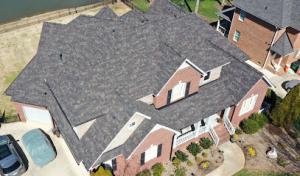
After a storm, inspect the obvious places first: exposed decking along eaves, any shingles missing or curled, and hail dents around edges and soft metals. Look for water staining inside attic rafters after a heavy rain, especially near chimney lines, skylights, and roof-to-wall connections. In Clemmons, where steep-slope homes are common, wind can peel shingles in near-vertical ridges, leaving vulnerable underlayment exposed. If you notice granular asphalt in gutters or on sidewalks, that shedding is a signal of edge damage that can widen quickly if left unaddressed.
Storms in this market often produce intermittent leaks that become constant with successive downpours. A single event can compromise the integrity of valley flashings, step flashings at exterior walls, and vent booting. If attic insulation feels damp or smells musty after a rain, do not delay: hidden damage can spread, rot, and invite mold growth in days. In these conditions, a homeowner should anticipate rapid escalation from cosmetic nicks to active water intrusion through ceiling penetrations, attic hatches, or tongue-and-groove roof lines.
Contractor demand signals in this market heavily favor emergency repair, storm damage work, and insurance-claim help, indicating that post-storm roof response is a primary homeowner concern. Quick temporary measures-covering exposed areas with a sturdy tarp or board, protecting interior valuables, and documenting damage with photos-can protect you from further losses. Keep a dated log of every weather event, every spot you observe, and every professional you contact. A clear sequence of events makes the repair process faster and improves the odds of an accurate claim.
After a storm, you should gather evidence that supports both the extent of damage and the timeline of events. Take wide and close-up photos of all visible issues, including shingles, flashing, and any interior water intrusion. Save weather reports and any prior maintenance records that show the roof's baseline condition. Create an inventory of affected rooms and items damaged by leaks, noting timestamps from storms when possible. This documentation helps you communicate clearly with insurers and contractors, reducing back-and-forth and accelerating a legitimate, safe repair plan.
Cooley Roofing
(336) 766-6488 winstonsalemroofs.com
6319 Cook Ave Suite 208, Clemmons, North Carolina
5.0 from 133 reviews
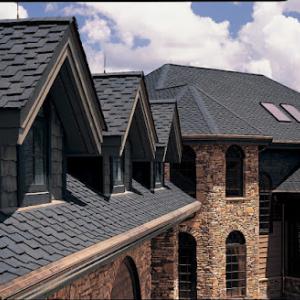
Cooley Roofing is a family-owned and locally operated business based in Clemmons, NC. For decades, we’ve proudly served homeowners in the Piedmont Triad area. Our goal is simple: to protect and enhance your home while delivering exceptional customer service. Our team of experienced professionals specializes in a wide range of services, including roof repairs, roof replacements, siding installation, window replacements, and gutter solutions. We understand that your home is one of your most valuable assets, and we approach every project with the care and precision it deserves.
Mendez's Roofing Services
(336) 965-9105 mendezroofings.com
2511 Neudorf Rd Suite J, Clemmons, North Carolina
4.9 from 105 reviews
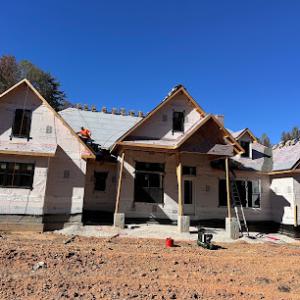
At Mendez's Roofing Services, our promise is excellence, from start to finish. As a trusted leader in the roofing industry, we are committed to providing top-quality services to our clients in Winston-Salem, NC. With our team of experts, we bring years of experience and knowledge to every project, ensuring that your roof is installed or repaired with the utmost precision and care. Mendezroofing@outlook.com
Lighthouse Roofing
6137 Arden Dr, Clemmons, North Carolina
4.9 from 84 reviews
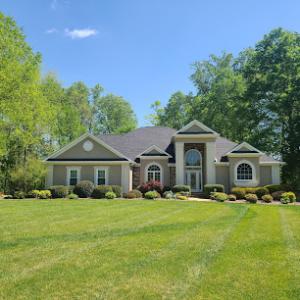
Veteran owned and operated with over 20 years of experience, we’re trained, experienced, and honored to remain local and serve our community. We specialize in identifying storm damage and give you peace of mind in knowing if your roof is in good condition, needs to be replaced, or only needs a repair. Lighthouse Roofing is committed to making a difference on every roof. We install only Lifetime warranty and algae resistant Owen's Corning Duration Architectural shingles with synthetic felt, starter strip, ice & water sealant, new flashing, new pipe boots, new ridge ventilation system, 5-year workmanship warranty on labor, and a thorough cleanup process that is second to none. Lighthouse Roofing has you covered.
Pro Roofing & Exteriors
(336) 441-1577 proroofingandexteriors.com
2509A Lewisville Clemmons Rd #1017, Clemmons, North Carolina
5.0 from 43 reviews
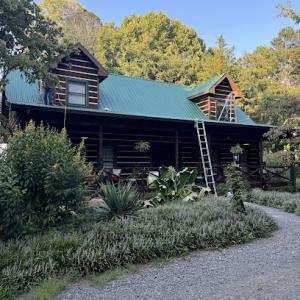
Pro Roofing and Exteriors offers expert guidance to ensure the best value and quality in general contract services. We provide comprehensive inspections, project planning, contractor selection, quality assurance, and material recommendations. Our experienced team negotiates competitive prices, saving you money without compromising on quality. Choose us for unbiased advice, expert oversight, and peace of mind. Visit our website or call for a consultation.
Noyola roofing Services
Serving
5.0 from 10 reviews
Noyola Roofing Services provides an excellent Roofing Contractor in Winston-salem, NC. For more information, don't hesitate to give us a call!
Restoration Roofing Specialists
(336) 448-0484 www.restorationroofingspecialists.com
Serving
5.0 from 26 reviews
Restoration Roofing Specialists is an Accredited BBB A+ Rated Residential & Commercial Professional Home Improvement and Remodeling Contractor Servicing Roofing, Gutters, Windows, Siding, Flooring, Painting, Bathroom & Kitchen Remodels, and Much More! In addition, we offer storm damage and emergency repair services.
Mabe's Roofing
(336) 946-6509 mabesroofing.com
Serving
4.9 from 103 reviews
Mabe's Roofing provides residential roofing repair, residential roofing replacement, residential roofing installation, commercial roof repair, and commercial roof installation to the Winston Salem, NC area.
EcoShield Roofing
(336) 937-9673 ecoshieldnc.com
Serving
4.8 from 123 reviews
Are you dealing with roofing issues that are over your head? Get the services you need from local roofers you can trust. EcoShield Roofing provides residential and commercial roofing services in Greensboro and Winston Salem, NC and surrounding areas. From new roof installation to storm damage repairs and claim assistance, we’ll cover your home or business in a strong and reliable roof. If you’re looking for Roofers in Winston Salem and surrounding areas like Clemmons, Lewisville, Bermuda Run, Advance, EcoShield Roofing can help!
Shield & Shingle Roofing
(252) 369-3426 shieldandshingleroofing.xyz
Serving
5.0 from 8 reviews
Shield and Shingle Roofing is a distinguished contractor business specializing in all aspects of roofing, from installation and repairs to maintenance and renovation. We are proud to be a trusted name in the industry, with a commitment to delivering top-tier, professional roofing solutions. Our team of certified experts remains dedicated to ensuring the highest standards of workmanship and customer satisfaction. Our extensive range of services is tailored to meet the unique needs of each client, whether residential or commercial. With Shield and Shingle Roofing, you can expect exceptional service and enduring roofing solutions to protect your property.
Statewide Roofing Specialist
(336) 936-5692 statewideroofingspecialist.com
Serving
4.7 from 92 reviews
Statewide Roofing Specialist is a trusted roofing contractor in Winston Salem, NC, offering expert roof repair, roof replacement, gutter installation, and storm damage restoration. Since 2012, owner Mr. Terry Cribb and his certified team have proudly served Winston Salem and nearby Triad areas with high-quality residential and commercial roofing solutions. We provide 24/7 emergency service, free roof inspections, and support with insurance claims. Our installers are GAF Certified and Haag Certified Inspectors, and we've earned the Angie’s List Super Service Award for our commitment to excellence. Whether you need minor repairs or a full roof replacement, we offer financing options and long-term warranties to protect your investment.
Storm Guard Roofing & Construction of the Piedmont Triad
(336) 283-0234 www.stormguardrc.com
Serving
4.8 from 164 reviews
Storm Guard Roofing & Construction of the Piedmont Triad is your premium roofing contractor offering a wide range of services to enhance your property. Specializing in expert roof repair and replacement, they also excel in window installation, siding, painting, and remodeling, promising a complete home renovation experience. As a locally owned and operated business, they pride themselves on the highest quality construction services at affordable prices, making them a trusted choice for residential and commercial projects
Candor Roofing
(336) 726-3400 candorroofingllc.com
Serving
5.0 from 15 reviews
At Candor Roofing, we take pride in providing top-notch services for all your roof and home exterior needs. Whether you’re dealing with storm-damaged roofs or simply in need of repairs, we’ve got you covered. Our team of experienced professionals is here to ensure your home remains safe, secure, and aesthetically pleasing. Visit our website for an instant quote!
In this Piedmont corridor, the heat and humidity of summer can speed up visible aging on roof surfaces and complicate installation logistics for crews. The combination of lingering moisture and high temperatures pushes some materials to cure faster or weather differently than in cooler climates. Knowing how the calendar interacts with your roof's exposure helps you plan for timely repairs, steady leak response, and smoother storm aftermath work. The goal is to align project timing with dryer conditions, manageable humidity, and reasonable temperatures so crews can move efficiently without compromising materials.
Spring in this area brings milder days and less oppressive humidity, which makes replacement and repairs more predictable. The shoulder weather reduces the risk of heat-related worker downtime and helps prevent early aging of newly installed sealants. If spring storms have already passed, you can schedule reputable inspections to identify wind-driven damage and prepare for a clean, deliberate replacement or repair. Early spring also means you're less likely to contend with late-season wind events right after a project begins, giving you a steadier window for material delivery and scaffold setup.
Fall provides a long, dry spell that's well-suited for steep-slope residential jobs in this area. The humidity starts to drop, and you typically avoid the peak heat that accelerates aging and complicates installation logistics. Scheduling in fall lets crews train on surface acclimation before the winter chill arrives, reducing the risk of material expansion or contraction issues once temperatures swing. If a storm pushes debris or moisture onto your roof, fall gives you a clear, cooler season to address it without the high heat or late-summer humidity that complicates patchwork.
Summer brings hot, humid conditions that can accelerate surface aging and slow crews as they navigate heat buildup and glare. If a replacement is unavoidable in peak summer, choose a project size that allows more frequent shade breaks and midday heat management. Clear, proactive communication with the contractor about work hours, material handling, and temporary protection helps minimize the risk of heat-related delays or warranty concerns stemming from improper curing.
Winter in this area is usually mild, but occasional frost still affects material handling and narrows ideal installation windows. Frost can complicate sealant curing and adhesive performance, so projects should progress during consistently dry, above-freezing periods. Short days and limited daylight also influence scheduling, so planning ahead with a contractor who can work efficiently in cooler but comfortable conditions reduces wait times and keeps repairs on track.
Asphalt shingles are the dominant practical choice for the suburban housing stock that defines this area. The local market shows strong support among contractors and suppliers for asphalt, backed by widespread familiarity among crews and a robust supply chain. In neighborhoods with steep-slope roofs and a mix of tract-home and ranch-style builds, asphalt delivers reliable performance, straightforward maintenance, and a prompt installation timeline that matches the spring through early summer surge in Clemmons. If your goal is a dependable, community-typical solution with readily available service, asphalt shingles are the path most homes in this area pursue.
You benefit from a straightforward replacement process when staying with asphalt. The material's light to moderate weight, easy field repairs, and broad color selection align well with the common roof geometries found on a large number of neighborhoods here. For most homes in the region, existing framing and ventilation schemes handle asphalt without major modifications. Local crews know how to tailor edge detailing, drip edges, and flashing to the typical rake and hip configurations seen on midsize suburban homes. Regular inspection after spring storms will help catch any shingle lift or granular loss early, preventing small leaks from becoming bigger issues after heavy rains.
Clay tile, concrete tile, slate, and copper appear in pockets of the material mix but represent heavier systems that demand careful planning. Tile and slate add a distinctive curb appeal and longer potential service life, but their weight requires confirming structural capacity and reinforced flashing details before replacement. Roofs that aren't already engineered for heavy weights may need structural work or a re-evaluation of attic ventilation and ceiling loads. Copper can offer exceptional longevity and a striking appearance, yet it carries a premium in both material cost and installation complexity, and it benefits from precise flashing and corrosion resistance planning. On replacement, these options should be weighed against the current roof framing, deck condition, and the likelihood of future maintenance, especially in areas prone to wind-driven rain or hail.
Local contractor signals show meaningful support for asphalt shingles and some tile work, while the broader market remains centered on mainstream steep-slope residential roofing rather than specialty historic systems. When evaluating options, start with the existing roof's structure, compatibility with typical Clemmons weather patterns, and the ease of matching or upgrading the flashing where walls, chimneys, and skylights meet the roof. If considering a shift toward a heavier system, expect a detailed assessment of structural capacity and a plan for sequencing underlayment, insulation, and ventilation to maintain energy efficiency and moisture control. A thoughtful path blends familiar local performance with material characteristics that best suit the home's orientation, exposure, and long-term resilience.
In this market, roof replacement costs are easiest to compare when broken down per square (100 square feet). Asphalt shingles sit at the entry point, typically ranging from 350 to 600 USD per square. Synthetic or composite shingles run roughly 420 to 700 USD per square. Clay tile sits higher, about 900 to 1500 USD per square, while concrete tile comes in around 700 to 1100 USD per square. Slate is among the top-end options at 1100 to 2100 USD per square, and copper roofing can run from 2400 to 6000 USD per square. These ranges reflect local conditions such as spring storms, humid summers, and the suburban housing stock with steep-slope roofs common in the area.
Asphalt shingles are the practical default for most Clemmons homes: quick installation, straightforward repair paths, and predictable pricing. If durability and a longer lifespan are priorities, synthetic or composite shingles offer a middle ground in cost and performance. For distinct architectural lines, clay or concrete tile provide a permanent look, but require more careful installation and possible structural review. Metal options exist as well, though not as common in the standard Clemmons footprint, and copper sits at the premium end for truly standout curb appeal and longevity.
After severe weather events and hurricane remnants, demand spikes in the Winston-Salem and Forsyth County area. That uptick can push scheduling pressure and labor pricing higher for a period, especially on steeper homes or those needing extensive tear-offs. If a storm has recently passed, expect a tighter window for materials and crews, and be prepared for potential short-term cost shifts driven by availability and crew demand.
Costs in Clemmons can move based on steep residential roof geometry and tear-off complexity. A steeper pitch or multi-level roof increases labor time and safety requirements, driving up per-square pricing. Heavier materials like slate or copper not only add material cost but may require added structural consideration and longer installation timelines. When choosing these options, factor in both the incremental material premium and the potential need for structural evaluation or reinforcement.
Get a clear picture of your project costs upfront - no commitment required.
Carolina Professional Roof Systems
(336) 546-6292 carolinaprofessionalroofsystems.com
Serving
5.0 from 109 reviews
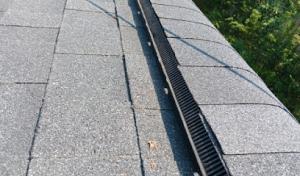
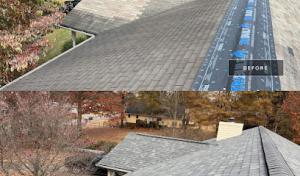
When a full re-roof is on the table, the usual route runs through the Forsyth County Building Department, with active participation from the local town when applicable. The process is designed to ensure that material choices, roof geometry, and fastening methods meet area standards that handle our spring storm surges and humid summers. You should expect the permit path to involve plan review, verification of contractor licensing, submission of project details like roof pitch and attic ventilation, and a final on-site inspection before the project can be deemed complete. This isn't a form-you-fill-and-forget situation; it's an accountability loop that protects your home from the next round of wind-driven debris and water intrusion.
Before any tear-off begins, your contractor will provide documentation that demonstrates compliance with local building codes and Forsyth County requirements. Plan review typically focuses on the roof's structural compatibility with your existing framing, proper nailing schedules for the chosen roofing material, and adequate drainage details to handle heavy spring rainfall. Expect requests for detail about attic ventilation, condensation control, and eave protection, all of which influence long-term roof performance in the region's climate. As a homeowner, you should confirm that your contractor is coordinating directly with Forsyth County to avoid miscommunications or delays that could leave you exposed after a storm.
Since the jurisdictional process runs through county administration rather than a dedicated city roofing office, the level of oversight can feel broader than a typical neighborhood project. You'll want to verify your contractor's license status and confirm their familiarity with Forsyth County's permit checks and inspection scheduling. In practice, that means clear communication about the project timeline, expected inspection windows, and any county-required documentation you'll need on hand during inspections. Missteps here can stall work, leave portions of the roof exposed, or trigger repeat inspections that extend the downtime on a vulnerable roofline.
The final on-site inspection serves as the official green light that the new roof has met all county and local requirements. Inspections tend to verify that flashing, venting, and underlayment are correctly installed and that the finished membrane or shingles align with code standards for wind loads and moisture control. If deficiencies are found, your contractor will need to address them promptly to avoid re-inspection delays. Engaging with the county early helps keep the project on track and minimizes the risk of a weather event compromising an unfinished re-roof.
Storm activity in this Piedmont corridor means wind and hail season is not a single event but a pattern you must anticipate year after year. The insurance claim process here moves quickly after a major storm, but the expectations from insurers are precise and often stringent. When a wind event or hail streak hits, your roof becomes a focal point, and the documentation you can gather now will shape what happens next. The reality is that adjusters will look for signs that match the storm's timing and described damage, so clear, timely evidence matters.
After a significant storm, you should be ready with a thorough photo timeline that captures the roof from multiple angles, including close-ups of damaged shingles, flashing, and any visible leaks from interior signs. If you have prior-condition records, gather them along with maintenance notes, previous repairs, and any known arching issues with Venting or valleys. Keep a calendar of weather events and notes about when leaks first appeared, if any, and where. In this climate, targeted photos that align with the storm's wind direction and hail impact locations can streamline the adjuster's review and reduce back-and-forth requests.
Expect that adjusters will review both the event's timing and the roof's condition before and after the storm. State-level volatility in coverage decisions can amplify the need for precise documentation, because rules and premiums shift with market pressures. Being prepared with a coherent record that ties observed damage to the storm event will help support a fair assessment. If you encounter delays or unclear determinations, you're not overreacting-clear, organized evidence is the quickest path to resolution in this market.
Connect with contractors who help homeowners navigate the claims process from damage assessment to final approval.
Cooley Roofing
(336) 766-6488 winstonsalemroofs.com
6319 Cook Ave Suite 208, Clemmons, North Carolina
5.0 from 133 reviews
Pro Roofing & Exteriors
(336) 441-1577 proroofingandexteriors.com
2509A Lewisville Clemmons Rd #1017, Clemmons, North Carolina
5.0 from 43 reviews
In Clemmons repeated heavy-rain events create leak pathways around penetrations and flashing details, especially once wind-driven rain gets under aging roof coverings. Valleys, chimney flashing, vent stacks, and exhaust flanges are common weak spots after several seasons. Check for soft fascia, lifted shingles, and rusted step flashing after a storm. A practical approach is to inspect the transition from roof to gutter line and look for lifted edges near penetrations. When inspecting, focus on any staining or damp spots on the attic side after a storm and note changes in insulation feel and air leaks.
Autumn wind events and hurricane remnants raise the local risk of uplift damage and debris impact on exposed roof edges and vulnerable sections. Shingle tab edges and ridge lines are prime targets when wind speeds rise. Pay attention to unsecured vent caps and missing or cracked boot flashing around pipe penetrations. Spotting wind damage early means higher success with temporary tarps and securing loose debris before a storm surge hits. Pay particular attention to edges with older underlayment, which can fail and allow wind-driven rain to advance.
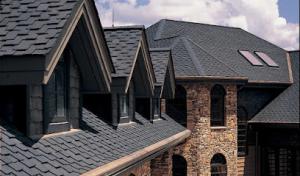
The local contractor market shows notable demand for skylight-related work, suggesting that penetrations and transition details are a recurring homeowner issue in this area. Skylight seals, curb flashing, and along-chord transitions between roof planes trap moisture if not sealed correctly. Inspect curb joints for gaps, cracked sealant, or displaced flashing after storms. Ensure attic ventilation remains balanced to prevent condensation that mimics leaks. When a leak is suspected, trace the water path from interior staining to its likely entry point, then treat both flashing and the surrounding shingles instead of fixing the visible line alone.
Find contractors experienced in skylight installation, flashing, and leak repairs to bring natural light into your home.
Statewide Roofing Specialist
(336) 936-5692 statewideroofingspecialist.com
Serving
4.7 from 92 reviews
Storm Guard Roofing & Construction of the Piedmont Triad
(336) 283-0234 www.stormguardrc.com
Serving
4.8 from 164 reviews
The Clemmons-area market is crowded enough that quick response and re-roofing experience are stronger hiring signals than rare specialty offerings. When storms roll through-especially spring fronts or hurricane remnants-prompt communication and the ability to schedule a timely assessment matter. Look for contractors who can commit to a same-week response window and who demonstrate experience handling typical local roof types, from steep-slope asphalt shingles to tiles common on mid-century homes.
Cleanup is a major local expectation, reflected by its prevalence across contractor profiles serving this market. Ask for a clear cleanup plan: tarps, debris containment, final debris removal, and a walk-around with you to confirm no nails or shingle shards remain in flower beds or driveways. In Clemmons, yards and landscaping are frequent casualties of storm debris, so prioritize crews who document daily cleanup and leave the property in broom-clean condition after each visit.
Because permit handling runs through Forsyth County and storm claims are common, homeowners should prioritize contractors who can document work clearly and navigate inspections without delays. Require written material that outlines scope, materials, dates, and a concise crew log. A contractor who provides organized before/after photos and a laminated project diary makes insurance reviews and inspections smoother, reducing delays that can drag on through the spring surge.
Expect to encounter temporary repairs, leak triage, and a phased replacement plan after severe weather. Vet roofers who describe a transparent workflow: initial damage assessment, photo documentation, board-up if needed, and a defined path to a full replacement if warranted. Clear communication about next steps helps you stay ahead of weather windows and claim timelines.
Request a list of local projects similar in size and style to your home, including names of nearby homeowners who can verify responsiveness and cleanup reliability. A Clemmons contractor who can point to recent successful storm-related jobs, with notes on insurance documentation and inspection coordination, earns more trust than a general out-of-town option.