
Last updated: Apr 19, 2026
In the Piedmont climate, spring storms and heavy rainfall are a major scheduling issue because tear-off, dry-in, and cleanup can be interrupted by repeated wet periods. You may find yourself chasing dry days for a full roof replacement, only to be foiled by a fresh front that dumps a period of soaking rain. Plan with a tight, weather-backed window-allocate consecutive dry days and build in buffer time for unexpected showers. If a contractor spots wind-driven damage during tear-off, prioritize safety and temporary coverings to keep interior rooms protected while you wait for the frame to dry. Have a clear path of communication with your crew so you know which days are "go" days and which days require waiting. Short, focused work sessions reduce exposure to spring moisture and limit the risk of shingles becoming cued to the deck before installation is complete.
Summer in this area brings hot, humid conditions and frequent thunderstorms, which can speed shingle aging while also causing stop-and-start installation days. High heat can soften asphalt and composite products, making them more prone to subtle damage if workers push through. Humidity can complicate nail setting and adhesive cures for certain materials. Forecasts matter: back-to-back storms create a moving target with finite dry stretches. When scheduling, aim for early-morning arrivals and wrap by afternoon shade, avoiding peak heat hours. Consider shading for crews with reflective barriers and hydration strategies to protect workmanship quality. If a storm rolls in mid-project, cover exposed areas quickly and inspect all newly fastened edges when the skies clear. The risk isn't just rain-it's the cumulative stress of heat, humidity, and abrupt pauses that can lead to alignment drift or imperfect overlaps if the crew is rushed to catch a window.
Fall wind events in the region can create debris impacts and lifted shingles, making post-storm inspections especially relevant before winter curing conditions arrive. Leaves and branches from late-summer storms can hide damage, so a thorough post-storm assessment is essential. After a strong gust or hail event, focus on visible shingle lift, edge lift, and flashing integrity. Debris planning matters: arrange a rapid-cleanup crew to remove fallen branches and keep eaves clear so inspectors can assess the roof surface without obstruction. If shingles are loose or curling, address them promptly to minimize water intrusion during the first cold fronts. A robust post-storm check should become part of the schedule for any project crossing late-season windows, ensuring that minor breaches don't become big leaks once temperatures drop and moisture tightens around flashing and fasteners.
Keep a storm-aware calendar that tracks typical sprint windows for each season. For spring, set a tight tear-off target with a backstop plan for rain days; for summer, secure early starts and plan for brief, orderly stoppages rather than prolonged delays; for fall, align inspections with post-storm cleanups and ensure a thorough hangar-down assessment before the first hard freezes. In all cases, clarify with the crew which days are set aside for dry-in work versus emergency protection and how weather delays will be communicated and compensated. Your goal is to minimize exposure to active weather while preserving installation integrity and long-term roof performance.
Hall Roofing Solutions
(980) 643-4373 hallroofingsolutions.com
4735 US-601, Salisbury, North Carolina
4.9 from 145 reviews
Quality Craftsmanship Your roof is your home's main defense against the elements. Let us walk you through the best options to fit your needs and once you feel comfortable with your choice, we'll handle the complete installation. Reliable Upgrades If you're looking to update or upgrade your roofing and gutters, we've got you covered. Book a free consultation to discuss our six different types of roofing composition and environmentally friendly options! Satisfaction Guaranteed We strive to save you both time and money by combining roofing knowledge, the highest quality parts and equipment, and dedication to delivering exceptional service. We will not leave the job until it is finished and you are satisfied with the results.

Atlas Roofing NC
(704) 239-6891 www.roofatlas.com
130 Moore Haven Dr, Salisbury, North Carolina
4.9 from 48 reviews
Atlas Roofing NC, LLC is a trusted, locally owned roofing contractor serving Salisbury, NC and surrounding Rowan County communities. We specialize in residential and commercial roof replacement, roof repair, storm damage restoration and insurance claim assistance. Our experienced team is committed to high-quality workmanship, honest communication and dependable service from start to finish. Whether you need a new roof, emergency repairs, or a free inspection, Atlas Roofing NC, LLC is dedicated to protecting your home with durable, professional roofing solutions.
Overcash Roofing & Restoration
(980) 234-6189 www.overcashroofing.com
634 Walton Rd, Salisbury, North Carolina
5.0 from 23 reviews
Locally Owned & Operated Full Service Roofing Company. Large enough for any job, small enough to care. Free Roof Inspections. Insurance Claims Professional Assistance. Fair retail roof replacement & repair quotes. No matter your roofing needs, we are happy to be of service.
Graham Roofing
(704) 213-2235 www.graham-roofing.com
223 E Harrison St, Salisbury, North Carolina
4.9 from 31 reviews
Graham Roofing has been the #1 Roofing Company and Roofer for Greater Rowan County since 1974. We treat every roofing project like it were being done on our own home.

Hardline Roofing
(704) 603-7113 www.hardlineroofingnc.com
2304 S Main St Suite 1, Salisbury, North Carolina
4.6 from 57 reviews
Hardline Roofing is vastly becoming one of the areas most trusted roofing contractors. We say what we mean and mean what we say. We are hyper focused on customer service and your entire experience, from start to finish. With over 20 years of roofing and construction experience, we promise our quality is among the top. With 20+ years experience in evaluating storm damage, we are your trusted and local experts. We are highly trained in working with insurance companies. We sincerely care about our community and its people. For any thing roofing, give us a call! We Honor all Military Active & Veteran .. All local and state authorities, First Responder, Volunteers & Essential workers.. We appreciate your selfless service..
Southland Roofing & Improvement
(336) 546-8514 southlandroof.com
Salisbury, NC
4.6 from 27 reviews
We at Southland Roofing & Improvement of Winston-Salem NC specializes in roof replacement, roof repairs, interior painting, and more. With over 10 Years of experience in the roofing industry. Fully Insured, and Bonded. - Insurance Claim Specialist -Free Roof Inspections
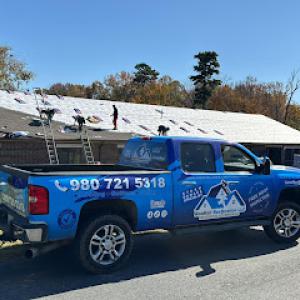
Roofiolli Restoration
(704) 245-8616 www.roofiollirestorationllc.com
516 Safrit Rd, Salisbury, North Carolina
5.0 from 9 reviews
Welcome to Roofiolli Restoration Where we specialize in Roofing Siding and gutters, call for a free consultation now
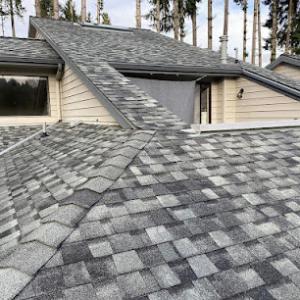
Salisbury Roofing
(704) 387-6123 www.roofingsalisburync.com
840 Coley Rd, Salisbury, North Carolina
5.0 from 8 reviews
From the initial visit to final inspection, our team is determined to fulfill your needs at the highest standard. While our specialty is in shingle work, we install metal roofs as well. If you are in fact looking for metal roofing Salisbury NC can be a difficult place to find someone who is an expert in their field. Look no further! Whether it's a re-roofing job or a brand new project, Salisbury Roofing will always bring the same level of commitment and excellence to your home.

TeamCraft Roofing
1316 N Long St, Salisbury, North Carolina
4.4 from 25 reviews
TeamCraft Roofing is a leading full-service commercial roofing contractor with locations throughout the eastern half of the US. Since 1996, TeamCraft Roofing has been dedicated to honesty, safety, teamwork and quality in order to achieve ultimate customer satisfaction. We are proud to provide roofing services for any 24-hour emergency, leak and roof repairs, preventative maintenance programs, re-roofing projects, retrofit and new construction projects. Our roofing expertise ensures the right solution is selected for your facility. With 18 offices spread across 9 states, we shelter you.
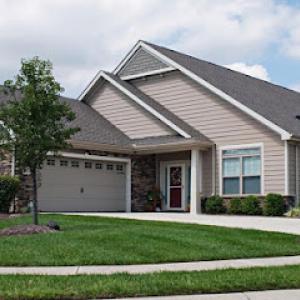
HD Roofing Company
(704) 232-0906 hdroofingcompany.com
1125 Chatham Ln, Salisbury, North Carolina
4.6 from 8 reviews
HD Roofing specializes in New construction, additions, remodels, repairs, tear-offs, metal roof, retab shingles, architect shingles, emergency services within 50 miles of Salisbury, NC
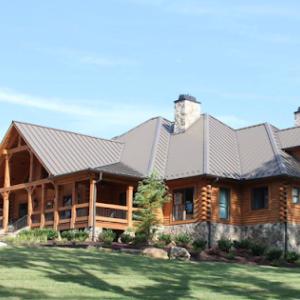
Father & Son Roofing & construction
Salisbury, NC
5.0 from 4 reviews
Father & Son Roofing and Construction, LLC Serving the Piedmont Triad of North Carolina since 1993. F&S is a Professional Residential and Commercial Metal, Shingle and TPO Installer. Owned and operated by Kenneth Kearns.
K W Arthur & Son
1325 S Main St, Salisbury, North Carolina
5.0 from 3 reviews
Commercial Roofing and Slate, Tile and Synthetic Roof Systems on Residential Roofing
Storm exposure in this area is driven by wind, hail, and the broader array of spring and early fall storms that sweep across the Piedmont. Insurance activity here tends to rise after severe weather events, not because of any statewide insurer retreat, but because damage patterns are highly weather-dependent. That means your roof claim is more likely to hinge on how well you can document what happened and when it happened, not on a generic write-up of "storm damage." Expect adjusters to look closely at your roof's age and its history of previous repairs, especially if the weather line-up includes a big hail event or a gusty wind episode.
After a major storm, adjusters commonly ask for detailed records that tie to specific weather dates. Having these ready can speed things up and reduce back-and-forth. Start by gathering a clear history of the roof-when it was installed, any known repairs, and notes on its last major service. Pair that with dated photos that capture related damage or wear. Photos should show both close-ups of shingles, flashing, and seals, and wider shots that illustrate the overall roof line and any gutters or soffits affected by wind or debris. If you have access to old photos from the prior year, keep them handy to make a before-and-after comparison easier for the adjuster.
Because carriers may scrutinize claims or adjust coverage terms after weather losses, Salisbury homeowners benefit from documenting damage immediately before temporary repairs are made. Do not rush to permanently fix something before an adjuster has a chance to review the damage. Instead, photograph the issue in place, note the date and specific weather that likely caused it (for example, "storm on April 5, 2024, with hail and 60 mph winds"), and keep a written log of any felt or visible leaks. If a temporary stopgap is needed to prevent interior damage (like tarping or covering exposed areas), document these temporary steps with photos and keep receipts. When arranging temporary measures, use licensed professionals to avoid future complications with your claim.
Create a simple damage log that pairs dates with weather descriptors and a short note on what you observed on the roof each time you inspected it after a storm. Store copies of insurance correspondence, adjuster notes, and any estimates from roofing contractors in a single folder-digital copies plus hard copies work well. If an adjuster visits, have the log and photos ready to reference, so the on-site review stays focused and efficient. Lastly, when selecting a contractor, confirm they are prepared to work with insurers and can provide the documentation you need to support your claim. The goal is to protect your roof's covered value through clear, timely evidence that withstands the scrutiny that often follows Salisbury's spring-to-fall weather swings.
Connect with contractors who help homeowners navigate the claims process from damage assessment to final approval.
Hall Roofing Solutions
(980) 643-4373 hallroofingsolutions.com
4735 US-601, Salisbury, North Carolina
4.9 from 145 reviews
Atlas Roofing NC
(704) 239-6891 www.roofatlas.com
130 Moore Haven Dr, Salisbury, North Carolina
4.9 from 48 reviews
Overcash Roofing & Restoration
(980) 234-6189 www.overcashroofing.com
634 Walton Rd, Salisbury, North Carolina
5.0 from 23 reviews
Spring and fall are the practical replacement windows for a roof project in this area. The heating and humidity of Piedmont summers can cause rapid expansion in shingles and underlayment, so avoiding the peak heat of July and August helps the new roof lay down flat and seal more predictably. Similarly, winter conditions bring slower adhesive curing and stiffer materials, which makes sealing days longer and more uncertain. By targeting shoulder seasons, you reduce the risk of warping, buckling, or uneven flashing as the sun shifts and temperatures swing.
During the hot months, the structure beneath the roofing system can reach higher temperatures, which affects more than comfort. In Salisbury, heavy summer humidity compounds this by slowing the drying of decks and underlayment transitions after rain events. That extended damp period can delay the full cure of certain roof components and may extend the time required before final inspections or interior projects can proceed. If a summer installation is unavoidable, plan for longer than usual drying windows and be prepared for slight variances in shingle seating or sealant performance after a few hot weeks.
Winter tear-off work encounters ice and sleet on exposed slopes, a condition that escalates slip hazards and complicates safe removal of old materials. The cold can also reduce the effectiveness of fasteners and sealants, increasing the chance of minor leaks during the transition between old and new decking. For projects that must push into early spring, you'll want to prioritize dry days and avoid roofing-on-freeze scenarios. In that off-season, clear drainage paths, remove lingering snow before starting, and coordinate with crews to ensure temporary weather protection that minimizes exposure to cold-bound moisture.
Salisbury experiences spring-to-fall storm cycles that can deliver sudden downpours and hail threats from strong storms. Scheduling around these events helps keep the project site safer and minimizes weather-related damage to open decking or exposed underlayment. Build in buffer days for rain delays and have a contingency plan for tarp placement and temporary coverings. Clear communication with the crew about anticipated storm windows helps preserve workmanship quality and reduces the chance of rework once the weather clears.
Choose a start date in the late spring or early fall when temps are moderate but before the worst heat or cold settles in. Coordinate staged inspections and material deliveries to align with calm weather forecasts. Know the local tendency for humidity to linger after rain; plan the roof's final sealing and flashing adjustments for days with low moisture in the air. By aligning your project with these seasonal realities, you reduce risk, accelerate the completion, and encourage a longer-lasting, storm-resilient roof.
In Salisbury, homeowners most often compare asphalt shingles and metal roofing, and the local market also supports tile, wood, and synthetic options that carry much higher per-square costs. Asphalt shingles remain the starter option for many houses built in the late 20th century, offering a solid balance of durability and price. Metal roofing is a popular upgrade for longevity and energy performance, though it comes with a higher upfront outlay. If you're weighing options, know that tile and wood systems are available but shell out more per square, and synthetic shingles try to mimic the look with less weight and decent warranty coverage. The pricing landscape typically runs from roughly 350 to 650 dollars per square for asphalt, 600 to 1100 for metal, 900 to 1500 for clay tile, 800 to 1300 for concrete tile, 500 to 900 for wood shingles or shakes, and 600 to 1000 for synthetic or composite shingles.
Spring through fall in this area brings frequent storms that test roofing systems and can drive demand spikes. When a storm arrives, inspections, tarping, and potential full replacements get scheduled in a compressed window, which can push local pricing higher if multiple homeowners are competing for the same contractor and materials. If your roof has been damaged, acting promptly helps avoid secondary issues like leaks or interior damage, but rushing can also raise cost if crews are juggling multiple urgent jobs. The dynamic is especially pronounced when storms coincide with peak home improvement periods, so expect some price sensitivity tied to availability.
Full replacements in this market often involve staged inspections and careful sequencing of material delivery and crew work. That administrative cadence can affect both project cost and timing compared with simple repair work. Plan for a realistic timeline that accounts for weather delays, short-notice storm repairs on neighboring homes, and the need to coordinate with other trades if attic and interior work is involved. By understanding the material options and the typical seasonal dynamics, you can set clear expectations with your contractor and avoid costly last-minute changes.
A full roof replacement in Salisbury typically requires a building permit issued through the city's building department. The permit signals that the work plan has been reviewed for compliance with local codes, wind and seismic considerations, and other safety standards. In practice, the city's staff wants to see a clear plan for materials, methods, and sequencing before any shingle tear-off begins. The process is designed to protect your home, your neighbors, and the street scene by ensuring proper roof ventilation, correct flashing details, and dependable storm resilience for the next cycle of weather from spring through fall.
The city often requires contractor information with the permit application. This means you should have a licensed roofing contractor ready to provide company name, license number, contact details, and a brief scope of work. Some submittals are handled through an electronic portal used for both permit applications and inspection scheduling. Being prepared with digital copies of your project plan, a site map of the dwelling, and a current home insurance certificate can speed the review. If you are handling a storm-damaged roof, keep copies of any insurance documentation ready to attach, because the city's review may align with the insurer's repair timeline.
The Salisbury process commonly includes inspections at milestone stages. A typical sequence includes an inspection before or after underlayment is installed, verifying that the roof deck is in good condition, that underlayment is properly secured, and that ventilation placement aligns with local code requirements. This milestone step is crucial for ensuring that the roof system's barrier is correctly established before shingles go on, especially given the humid Piedmont climate. A final inspection at project completion confirms that all work has been completed to code, that flashing around chimneys, vents, and skylights is properly sealed, and that any penetrations are properly flashed to resist spring and fall storms.
Before a permit is issued, ensure your chosen contractor can provide the necessary permit documentation and that their scope aligns with your storm-damage assessment. Prepare a site plan showing egress routes for material deliveries, access for inspectors, and a staged work plan if needed. During inspections, keep the site tidy and free of debris in the work zone to avoid triggering re-inspections. If weather windows tighten-common during the spring-to-fall pattern-coordinate with the contractor about staged inspections and any anticipated delays, so you don't fall out of compliance with the city schedule.
Asphalt shingles are a dominant choice in Salisbury, but the region's heat, humidity, and thunderstorm cycle can accelerate granule wear, seal-strip stress, and general aging. When choosing this option, consider oversized vents and higher attic temperatures that amplify curling and granule loss after long summers. Look for shingles with good warranty terms for heat buildup and wind resistance.
Metal roofing is common in the Salisbury market because it handles repeated rain exposure well, but installation quality matters in a climate with thermal movement from hot summers. If you lean metal, prioritize a contractor who uses properly sequenced fasteners, accurate panel alignment, and adequate underlayment. Thermal expansion and contraction can reveal fastener loosening or panel gaps over time.
Clay tile, concrete tile, wood shakes, and synthetic shingles are all present in Salisbury, but their suitability depends heavily on structure, maintenance expectations, and storm exposure. Clay and concrete tiles demand a solid roof deck and precise installation to resist cracking during hail or heavy wind. Wood shakes bring a distinctive aesthetic but require ongoing maintenance to prevent moisture damage and insect concerns. Synthetic shingles mimic many textures with potentially lower weight and maintenance needs, yet verify their performance in heavy storm cycles and sun exposure.
Ventilation and insulation play a critical role across material choices in this climate. A well-ventilated attic reduces attic temperatures that accelerate wear on any roof type, while proper insulation helps avoid rapid expansion and contraction that can loosen sealants and flashing. Regardless of material, ensure flashing around chimneys, skylights, and vents is integrated with flashings designed for repeated moisture and temperature swings.
In the end, the best fit balances roof load, local storm exposure, and maintenance expectations. When evaluating options, discuss with a local installer how each material behaves under the region's spring-to-fall weather pattern and how staged inspections might affect lifespan and performance.
Wind-lifted shingles, rain-driven leaks, and debris damage are recurring concerns in Salisbury because seasonal storms are a primary local roof stressor. The combination of strong gusts and heavy spring-to-fall systems can peel shingles and bend flashing if fasteners have aged or were not properly installed. When a storm hits, shingles may appear fine at first glance but reveal hidden failures after a few days of rain or a quick rise in humidity. Watch for damp ceilings, attic staining, and peeling interior paint near corners and hips, where wind can push moisture into vulnerable edge details.
Heat and humidity in the Salisbury area can worsen aging around vulnerable roof details by repeatedly cycling materials through expansion, moisture exposure, and drying. Edges around chimneys, vents, skylights, and valleys are especially prone to cracking, granule loss, or deteriorated sealants. Over time, sun-bleached surfaces become more brittle, making future storms more likely to generate leaks even if the visible surface looks intact. If the attic is poorly vented, you may notice rapid changes in temperature or frost pockets that stress roof decking and underlayment, accelerating deterioration.
Temporary repairs are especially common after Salisbury storms, which is why emergency response and follow-up documentation matter before full replacement decisions are made. Quick patches can stop immediate water intrusion but rarely address the root cause. Keep clear notes and photos of any tarps, patches, or door-to-attic access repairs, along with the dates and contractor information. When a full replacement is considered, trace the storm sequence, report the extent of moisture intrusion, and confirm that all damaged flashing, underlayment, and decking have been evaluated.
After a storm, inspect the interior and exterior with a methodical eye, focusing on transitions where roof planes meet walls, around penetrations, and along eaves. If leaks are found, prioritize documenting the timing and location of each issue, then arrange a professional assessment that can distinguish temporary fixes from structural concerns. In Salisbury, coordinating timely follow-ups helps ensure that decisions about replacement are grounded in a complete, weather-aware record rather than a quick patch.
In this market, you'll notice that local contractor signals point homeowners toward expertise that supports insurance claims, emergency repairs, and rapid storm damage response. When a hail bruise or wind-driven leak appears, the priority is often a professional who can document damage thoroughly, communicate clearly with your insurer, and mobilize quickly to prevent further interior damage. A contractor with established storm experience tends to guide you through the process-from photos and notes to interim fixes that protect the structure while the claim moves forward.
Spring through fall bring volatile weather, and Salisbury homes often rely on contractors who can respond fast to urgent needs. Expect crews who can temporarily cover a compromised roof line, tarp exposed sections, and stabilize soffits or gutters to avoid secondary damage. The best responders keep you informed about timing, weather windows, and the sequence of repairs, so you aren't left waiting in a downpour with an exposed attic or living space.
Cleanup stands out across Salisbury profiles as a constant expectation. After a damaged roof is addressed, crews are expected to remove debris, protect landscaping, and leave the job site broom-clean. This is not an afterthought here; a thorough cleanup reflects reliability and reduces the chance of nails, shingles, or tarps becoming hazards in a busy neighborhood street.
The local market blends affordable operators with long-established companies, so homeowners often weigh responsiveness and storm experience as much as company age. When selecting a contractor, prioritize those who demonstrate steady communication, proven storm repair results, and a track record of clean, prompt site cleanup.