Last updated: Apr 19, 2026
Spring thunderstorms roll through the Piedmont with hail and strong straight-line winds that crease shingles, lift ridge caps, and tear at flashing. In this climate, a quiet roof can turn risky after a quick squall finishes. Fall weather brings inland impacts from tropical systems and hurricane remnants, delivering wind-driven rain that finds any loose seam or porch edge. Knowing this rhythm means recognizing when damage is most likely and when to act before a small issue becomes a full roof failure. In this environment, the fastest damage isn't always obvious from the ground; lift at the ridge line, dented vents, and creased shingles can hide under a routine glare of sunlight.
Insurers in North Carolina regularly scrutinize wind and hail roof claims. When a storm hits, prepare with dated photos that show the damage trajectory from multiple angles and elevations. Take elevation-by-elevation notes: attic soffits, eaves, fascia, ridges, and interior ceiling stains or plywood impressions that reveal hidden moisture. A full replacement estimate is essential when the damage warrants more than minor repairs. In Lexington, keeping a precise, timestamped record helps align insurers with the actual scope, and it reduces back-and-forth requests that slow recovery.
Direct a careful, ladder-based inspection after storms pass and daylight returns. Start at the exterior first: look for lifted shingles, granule loss in gutters, and any shingle edges curling under wind. Move to flashing around chimneys and skylights, then inspect ridge caps for displacement. Inside the attic, check for sunlit gaps, moisture stains, or compressed insulation. Document every finding with clear notes and photos that mark the problem area in relation to the room below. If possible, have a second pair of eyes confirm unusual wear patterns or stress points that a single visit might miss. The goal is a precise map of damage, not a rough guess.
The spring-to-fall pattern means that storm season can compress the window for a full replacement. When damage patterns emerge, avoid waiting for the next wind event to worsen the condition. If the claim is open, coordinating replacement timing with the restoration pace and your insurer's review cycle helps prevent costly delays. For fall storms, plan ahead for potential inland hurricane remnants that could push scheduling out and complicate materials delivery. If unusual moisture is found in the attic after a storm, treat it as a priority to document promptly-it often accelerates the path to a full replacement decision.
Immediately photograph the roof from at least three distinct angles, ensuring a clear shot of any lifted shingles or damaged flashing. Create a simple log that lists the date, time, and weather conditions of each inspection, plus a brief note about the area inspected. Gather a rough interior impact checklist-stains, soft spots, or musty smells-that corroborates exterior findings. Prepare a comprehensive replacement estimate and keep it with the claim dossier. When coordinating with a contractor, insist on an itemized scope that covers decking assessment, flashing replacement, and ridge-line protection to prevent future wind-driven failures. In this climate, readiness and precise documentation turn time into safety and restoration.
Asphalt shingles dominate replacements in this market because they fit the price-sensitive re-roofing segment and match the common residential roof forms found across Davidson County neighborhoods. In Lexington, a typical asphalt job runs roughly from 350 to 650 dollars per built-up square (one square equals 100 square feet). The wide range reflects differences in shingle quality, underlayment, and roof access. When spring storms push claim volumes higher, you may see crews book up quickly, and material lead times tighten, which can nudge prices upward temporarily. A practical approach is to lock in an estimate soon after storm impact and plan for a small contingency to cover adhesive or ice-dam barriers if your home has shaded eaves.
Metal offers longevity and a cleaner look, but it carries a higher upfront cost. Expect roughly 600 to 1,100 dollars per square for most metal systems, with installation intricacies that can influence final pricing. In our area, metal can be a smart choice on mid-rise or gambrel-style homes that need longer spans without heavy decking modification, yet it still remains sensitive to scheduling during storm-driven demand spikes. If you're weighing metal, check for compatibility with existing flashing and vent layouts, and budget for potential upgrades to roof vents or standing-seam details to ensure a tight, wind-resistant fit.
Clay tile brings superior curb appeal and distinct regional styling, but it adds project complexity in this market. Costs commonly run from 900 to 1,700 dollars per square. Heavier tiles require a closer look at framing and decking, which can reveal structural needs that were not apparent before demolition begins. In Lexington, where older homes may have aging decks or modified attic spaces, a tile replacement often uncovers the need for careful load assessment and potentially additional scallowing or intermediate supports. If clay is on the table, plan for a meticulous framing check and a slightly longer timeline to accommodate careful installation.
Concrete tile sits between asphalt and clay in weight and price, generally landing in the 800 to 1,500 dollars per square range. Its durability is appealing, but heavier assemblies tend to demand more precise attic access and deck evaluation. The storm-driven surge in demand after severe spring or fall weather can tighten scheduling, so concrete tile projects benefit from early diagnostic visits and a defined sequencing plan with the contractor to minimize weather-related delays.
Wood shingles or shakes fetch roughly 700 to 1,100 dollars per square in this market. While they offer a warm, traditional look, they can be more susceptible to moisture and wind-driven damage, which often prompts broader decking checks during replacement. Scheduling can be pressured by high demand after spring and fall storms, so if wood is chosen, consider adding time buffers in the project plan and confirm crew experience with wood repairs around existing eave lines and fascia.
Slate commands premium pricing, typically 1,100 to 2,500 dollars per square, and demands exacting workmanship. In Lexington, slate projects frequently require more thorough inspection of substructure and lath systems due to age and previous repairs. If slate is selected, set expectations for longer lead times, potential structural evaluations, and a meticulous moisture barrier strategy to maintain a watertight finish through seasonal transitions.
Statewide Roofing Specialist
(336) 438-8705 statewideroofingspecialist.com
5746 Old U.S. Hwy 52 c, Lexington, North Carolina
4.7 from 35 reviews
Statewide Roofing Specialist is a trusted roofing contractor in Lexington, NC, offering expert roof repair, roof replacement, gutter installation, and storm damage restoration. Since 2012, owner Mr. Terry Cribb and his certified team have proudly served Lexington and nearby Triad areas with high-quality residential and commercial roofing solutions. We provide 24/7 emergency service, free roof inspections, and support with insurance claims. Our installers are GAF Certified and Haag Certified Inspectors, and we've earned the Angie’s List Super Service Award for our commitment to excellence. Whether you need minor repairs or a full roof replacement, we offer financing options and long-term warranties to protect your investment.
Price & Sons Roofing
(336) 869-6921 www.priceandsonsroofing.com
Lexington, NC
5.0 from 11 reviews
If you are in the market for roofing services, then it is essential to hire professionals who can get the job done efficiently and with flawless workmanship. In the Triad, NC and surrounding areas, Price & Sons Roofing has been the business that locals have trusted for over 30 years for all their roof installation and roof maintenance needs. Price & Sons Roofing specializes in both residential and commercial roofing, using the highest quality of products—such as Owens Corning, CertainTeed and GAF roofing shingles—and offering 25 year and lifetime warranties.
Patriot Roofing & Home Repair
(336) 479-6059 www.patriotroofingandhomerepair.com
Lexington, NC
4.9 from 9 reviews
Patriot Roofing & Home Repair in Lexington offers top-quality roofing services to customers in Lexington, NC, and surrounding areas. Expert repairs with exceptional customer service.
Grace Roofing & Construction
Lexington, NC
4.6 from 11 reviews
Grace Roofing And Construction is a local roofing contractor that specializes in residential and commercial roofing systems, roof repairs, and storm damage restoration. We are fully insured and maintain an A+ with the local BBB. We serve the local NC Piedmont Triad and all surrounding areas and have locations in Tobaccoville, Winston Salem, and High Point. We strive to be a company whose primary goals are being reliable, honest, and a company that can be trusted to provide a quality product and superior customer service. In the event that something does go wrong, we stand behind our work 100% and give written 10-year warranties on all new roofs. Give us a call today for your free estimate or free roof inspection today.

Southern Crafted Roofing
(336) 905-9119 www.southerncraftednc.com
200 W 5th St, Lexington, North Carolina
5.0 from 6 reviews
Southern Crafted Roofing provides professional residential and commercial roofing services with a focus on quality installation, honest guidance, and long-term roof performance. We help homeowners and property owners protect their investment with roofing and gutter solutions tailored to each structure’s design, use, and environment. From full replacements to targeted repairs, our approach emphasizes proper materials, correct installation, and clear communication—so you understand your options and feel confident in the work being performed.

Swink Roofing
Serving
4.9 from 82 reviews
Commercial, Residential, industrial specialist

Twin County Construction
(336) 414-3550 twincountyconstructionnc.com
Serving
5.0 from 73 reviews
Twin County Construction was founded in 2016 with the goal to provide roofing services to the Piedmont Triad area. We are locally owned and operated company that specializes in Roofing, Storm Damage Repair, Siding, Windows and Gutters. We provide the highest quality products and superior workmanship, which allows you to have peace of mind on the most important investment you have - your home. Twin County Construction is dedicated to taking care of your roofing needs. Our team of experienced craftsman provide you with a free estimate of what you need, carefully walk you through each step, and deliver a final product that you can trust.When you need a job done right, Twin County Construction is ready to help!
Rex Roofing
(336) 479-3755 rexroofingllc.com
Serving
5.0 from 16 reviews
Rex Roofing has built a strong reputation in Winston-Salem, NC, for delivering exceptional roofing services. With many years under our belt, we bring a wealth of experience, technical expertise, and commitment to every project. Our dedication to excellence has enabled us to establish long-lasting relationships with our clients who trust us to protect their homes and businesses. At the heart of our company is a team of skilled professionals who share a passion for providing high-quality roofing solutions. Our team undergoes regular training to stay updated with the latest trends and techniques in the industry.
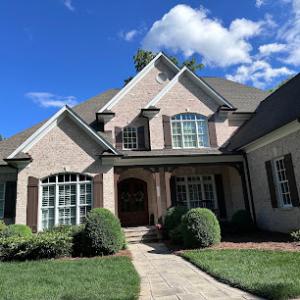
Twins Roofing Solutions
Serving
5.0 from 45 reviews
BBB accredited. No job is too small or too big. Service entire Piedmont Triad area. Free estimate and roof inspection. All types of roofing and gutters.
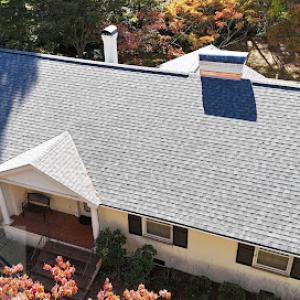
Right Choice Restoration
(336) 500-7773 www.rightchoicerestoration.com
Serving
5.0 from 96 reviews
Roofing Done Right with prompt 5-Star service, quality workmanship and materials all backed by industry-leading warranties. We offer residential roofing assessments and replacement, insurance claim assistance, siding and gutter systems. Veteran owned and family operated with a team of experts that have the experience necessary to assist you in making the Right Choices! Contact us today to inspect your roof for damage, free of charge. If you plan to pay out of pocket, we offer competitive estimates and 100% financing options for your consideration. At Right Choice Restoration, we are dedicated to consistently delivering the best customer service before, during and after each restoration project. We work like our country depends on it!
4 Walls Roofing & Repair
(336) 517-7258 www.4wallsroofing.com
Serving
5.0 from 40 reviews
As Triad natives, 4 Walls Roofing and Repair has a dedication to our community for quality work. We specialize in roofing and repairs to protect your home and investment from the elements. Our team also has an extensive background in home repair and remodeling to compliment your new roof. Call us today to get you covered!
High Rock Roofing
(336) 689-8687 www.highrockroofing.com
Serving
5.0 from 50 reviews
Family owned Roofing Contractor serving all of Central North Carolina. Specializing in Metal and Shingle residential project. Storm damage restoration, Free Inspections. Free Estimates
A full roof replacement in this area typically requires a building permit through the Davidson County Building Inspections office, not a separate city-only roofing permit path. This means the process is handled at the county level, with standard steps that apply to most single-family homes and many small commercial structures. Before any tear-off begins, verify that the permit is in hand, active, and tied to a definite project timeline. Rushing the permit can lead to a stop-work order that stalls the entire job and complicates insurance timelines. If the contractor promises a fast track, confirm what can legally be pulled and what must be staged for inspection.
Intermittent spring winds and hail in this area often translate into a visible pattern of storm-driven requests for quick-drying-in and rapid progress. In practice, Lexington roof jobs are commonly inspected during tear-off and again after installation. Scheduling matters here: if crews try to dry-in between storms, the permit status, inspection windows, and weather delays all converge to determine whether a temporary shingle cover is sufficient or a full inspection is needed before work proceeds. Coordinate with the contractor to map out a realistic sequence-tear-off, deck inspection, underlayment, final shingles, and the post-install evaluation-so nothing is left lingering between phases. A well-timed sequence reduces the risk of rework and keeps the project moving toward a compliant completion.
The permit must remain active and receive final inspection approval before project completion, which affects payment timing and closeout for homeowners. If inspections lag or the permit lapses, lien risk or holdbacks from insurance payouts can arise, complicating the settlement process after a storm. Make sure the contractor tracks permit milestones and aligns them with payment milestones. When the final inspection passes, ensure the documentation is filed correctly for closeout, including any contractor affidavits, lien waivers, and proof of compliance with local wind and moisture resistance requirements. In Lexington, having a clean, verifiable permit record helps smooth insurance reviews and reduces the chance of post-work disputes.
Plan around potential weather windows and permit review times by building a conservative schedule with buffer periods after each inspection. If the project runs into multiple storm events, confirm through the county office that any temporary measures or re-inspections needed after weather disruptions are properly logged. Maintain open lines of communication with both the building department and the insurance-adjusted contractor team so that any required re-inspections or documentation requests are addressed promptly, and the project can proceed toward a compliant, durable roof.
The Piedmont heat ramps up quickly, and Lexington summers push asphalt shingle roofs to contend with attic heat buildup and accelerated granule wear. If you're choosing asphalt, look for a higher-quality product with upgraded granules and a strong UV sunscreen additive. In practice, that means investing in architectural or dimensional shingles rather than basic 3-tab options, since the extra thickness helps resist curling and losing granules during hot afternoons. Expect more frequent maintenance of algae staining on shingle surfaces in this climate; a sulfur or zinc-algae coating at installation can slow staining, and regular cleaning can keep a roof looking its best without inviting moisture intrusion. Good attic ventilation is essential to keep heat from building up under the shingles, which otherwise can shorten service life and contribute to interior heat gain.
Metal roofs perform notably well in Lexington's heat and heavy-rain patterns. Their reflective surface reduces radiant heat transfer, which translates to lower attic temperatures and more comfortable living spaces. A metal roof also sheds rain quickly and can resist wind-driven hail better than many other options, a practical advantage during spring storms. If choosing metal, consider a standing-seam profile for durability and a sealed look that minimizes screws exposed to the elements. Be mindful of color choices: lighter, reflective finishes help curb heat buildup, while darker hues absorb more heat. Proper underlayment and flashing are critical to prevent moisture intrusion during seasonal transitions.
Wood shingles and shakes bring natural aesthetics, but the Piedmont humidity adds moisture stress. Repeated wet-dry cycling in this climate can cause faster warping, splitting, and decay if insulation and ventilation aren't up to par. Wood requires meticulous maintenance: expect more frequent treatment for insect resistance and rot prevention, plus vigilant inspections after heavy rains and hail events. In Lexington's market, wood may require a more proactive upkeep plan and a stouter substrate to avoid moisture-related problems that dry climates don't see as often.
In this climate, regular inspections after spring storms pay off. Look for lifted granules, loose fasteners, or signs of algae on shingles, and check for heat-related buckling or early fading. For metal roofs, inspect seals around flashing and joints, especially where roof meets walls or skylights. For wood, keep an eye on moisture pockets and ensure proper ventilation in attic spaces to keep any choice resilient through Lexington's heat-and-humidity cycle.
The most popular roofing material in the US. Find pros who install, repair, and replace asphalt shingles.
Statewide Roofing Specialist
(336) 438-8705 statewideroofingspecialist.com
5746 Old U.S. Hwy 52 c, Lexington, North Carolina
4.7 from 35 reviews

After spring and fall storms roll through the Piedmont, wind damage often shows up at the ridge line, along hip shingles, and where flashing meets the roof deck. You may notice lifted shingles, gaps at flashing around chimneys or vents, and small leaks that start as trickles near these high-stress areas. In Lexington, those spots bear the brunt because wind funnels over ridges and around vents, peeling back protective layers sooner than other sections. If left unchecked, a minor uplift here can become a larger gap where rain infiltrates the attic and accelerates decking wear. A practical approach is to inspect these junctions after every strong wind event and address loose fasteners, torn shingles, or flashing that has separated from the membrane. Don't assume a quick patch fixes a broader problem; tight seams and secure flashing matter for the long run, especially when spring lines bring rapid temperature swings.
Summer downpours can reveal what repeated leak repairs have hidden about the deck. If the roof has seen multiple temporary fixes, the underside-commonly the plywood or oriented strand board-may have absorbed moisture. When tear-off begins, that moisture can surface as staining, a musty odor, or soft spots in the attic or ceiling below. In such cases, moisture can degrade board integrity quickly, even if the surface looks reasonably intact. The lesson is to treat any visible staining or prior quick repairs as a warning sign: expect possible decking replacement or extended drying times during re-roofing, and plan for the possibility of more extensive work than a cosmetic patch would suggest.
Freeze-thaw cycles stress small flashing and sealant failures, especially where prior storm repairs acted only as temporary fixes. When water intrudes through a compromised seal during a cold snap, the subsequent freeze expands the gap, widening leaks and inviting rot. In Lexington, those micro-failures compound over multiple years if not corrected, turning minor seepage into noticeable attic moisture and an increased risk of interior damage. The prudent path is to replace compromised flashing where it shows cracking, lifting, or brittle sealant, and to ensure proper backing and performance of all transitional joints before the first thaw of spring.
Wind and hail claims are common enough that adjusters routinely inspect roofing after severe weather. That means when the first hailstorm of spring hits, you're not alone-neighbors are filing, and adjusters move quickly through town. Be prepared with a clear roof history, photos taken before and after events, and a simple summary of visible damage. If you're in the middle of a claim, expect a follow-up visit if new damage appears after subsequent storms.
Statewide catastrophe patterns can temporarily affect carrier appetite and policy availability, which matters when deciding whether to repair or fully replace an aging roof. Spring-to-fall sequences in this area bring rapid weather shifts, and some carriers tighten coverage or shift timelines during these spikes. Align your plan with the storm season, not the lull, so your contractor can schedule evaluations and avoid gaps that stall work when storms resume.
Because some carriers may only cover full replacement in severe damage scenarios, Lexington homeowners should keep photo records, contractor findings, and scope details from the first inspection onward. Store electronic copies in a cloud folder and label each set by date and storm event. When the insurance company asks for proof, you'll have a chronological trail showing pre-storm conditions, post-storm damage, and the scope agreed upon by a licensed professional.
Spring weather often dictates timing more than any calendar. If a claim is approved for replacement, coordinate a start window with your roofer that avoids peak wind events and heavy rain. A well-timed replacement reduces exposure to ongoing weather stress and helps you meet any insurer-imposed timelines.
The Lexington market skews toward re-roofing rather than specialty new-construction work, so homeowners are often comparing crews on response speed, cleanup, and storm experience. Look for firms with a track record handling quick turnarounds after spring hail and wind events, and ask how they manage rain delays that are common during warm, humid weeks.
Long-established and family-owned firms are a common sight, but affordability-focused contractors flood the scene after storms. Prioritize contractors with verifiable storm work backlogs and references from neighbors who faced similar weather. Check how long crews have worked under the same company banner, and ask for a recent project in a comparable neighborhood and roof style.
Cleanup is a strong local hiring priority, so ask specifically about magnet sweeps, debris haul-off, and property protection before signing. Inquire how the crew strings tarps, covers landscaping beds, and prevents nail piles from drifting into yards or driveways. Request a written plan that names magnet sweeps frequency, waste containment, and responsible disposal.
Spring hail and high winds can trigger rapid project starts, but heavy storms can derail timelines. Seek a contractor who can provide a realistic start window, with contingency plans for weather days. Clarify whether they stage materials to minimize exposure to rain and how they maintain site safety during gusty days.
Ask how updates will be delivered-text, call, or on-site supervisor visits-and who is the point person for insurance coordination. Confirm they document storm damage thoroughly with photos, notes, and a scope that aligns with typical Lexington housing stock, including older asphalt, metal, and tile roofs commonly found in the area.
While Lexington is primarily a pitched-roof market, there is still a meaningful local need for low-slope roof work on additions, porches, and mixed residential-commercial structures. These areas demand careful detailing where roof planes blend with existing systems, because even small transitions can become magnets for water intrusion if not flashed and insulated properly. Expect longer-drawn-out fastener cycles in warm months and plan for careful integration with gutters and drainage to avoid standing water on flat sections.
Skylight leak issues often become obvious during heavy summer rain events when flashing details are stressed by repeated downpours. In practice, this means that aging seals, improper scaling of flashing around curbs, and misaligned shims can show up quickly when Missouri humidity meets Piedmont heat. When a leak appears, check not only the skylight glazing but the entire flashing stack and its intersection with roofing membranes. A small failure today can easily become a larger interior concern after a few more storm cycles.
Because flat-roof and skylight specialists are present but less common than general re-roofers in Lexington, homeowners with these details should verify direct experience before work begins. Ask for recent local projects that include low-slope details or skylight work, request photos of problem areas, and confirm that installers are comfortable with the nuances of mixed-use structures. A cautious approach helps ensure that flashing integrity and insulation continuity are preserved under the county's variable spring-to-fall weather.
Find specialists in TPO, EPDM, and built-up flat roofing systems for residential and commercial properties.