
Last updated: Apr 19, 2026
Mooresville sits in the Lake Norman area of southern Iredell County, where warm-season humidity and nearby lake moisture can keep roofs damp longer after storms. That lingering dampness is not cosmetic-it's a real risk that can soften roof decking, encourage mold growth, and slow drying after a heavy downpour or hail event. When a neighbor experiences a thunderstorm, the resulting rain and wind gusts often push moisture into rafter bays and attic spaces, and lingering humidity can keep that moisture trapped for days. Because the area sees quick turnover between rain, heat, and humidity, a roof that looks dry on the outside may still be sweating inside, delaying shingle sealing and increasing the chance of micro-damage. Any plan to replace or repair should account for the fact that moisture can invalidate quick leaks and complicate attic ventilation conditions.
The city's highest roofing disruption window runs from spring through early summer thunderstorms and hail into late-summer tropical remnants that track inland across North Carolina. That sequence brings frequent wind-driven shingle lift, hail impact, and rapid water intrusion in a relatively short period. When storms roll in with tropical moisture, the combination of high heat and intense rainfall can push existing vulnerabilities over the edge, especially on older roofs or those with prior damage. The risk isn't uniform, but the pattern clearly concentrates disruption in the late spring through early fall window, with a second surge tied to late-summer cyclone remnants. Understanding that rhythm helps you plan temporary protections, choose early-in-season inspections, and avoid rushing into work during peak storm weeks.
When a thunderstorm hits, prioritize safety and rapid assessment. If you notice shingles lifted, granule loss, or exposed felt after a storm, document the damage with photos and timestamps, then contact a qualified roofer promptly to schedule a thorough inspection. Do not delay minor leaks that threaten attic insulation or a soaked ceiling; moisture trapped behind drywall can trigger rapid secondary damage. If inclement weather is forecast to persist, coordinate temporary tarping or protective measures that can reduce wind-driven water entry, but avoid climbing on a slippery roof during a storm. Timely documentation and professional evaluation will streamline insurance communication and prevent compounding issues as the weather pattern cycles through the season.
During the shoulder seasons, prioritize roof health to reduce risk when the next storm wave arrives. Schedule a proactive attic ventilation check to ensure humid air can escape and hot, moist air doesn't linger in roof spaces. Clean gutters and downspouts to prevent damming and ice damming in cool spells, and inspect seals around vent stacks and skylights for weathered flashing. A steady rhythm of minor maintenance can keep the roof resilient through Mooresville's moisture-heavy climate, helping to minimize the time a roof spends in a vulnerable damp state between storms.
North Carolina's periodic hail and wind events create recurring claim activity that affects homeowners after severe weather. In a storm-active market like Mooresville, coverage decisions and underwriting scrutiny can vary by carrier and by recent regional storm activity. That volatility means right after a storm, insurers may review your roof more closely, and adjusters might flag aging roofs or non-related issues as pre-existing conditions. Understanding that context helps you prepare for a smoother claims process when the thunder briefly becomes a tropical-storm pattern.
Carriers serving this market often ask for roof age, photos, and material specifications, and adjusters may also request post-installation documentation. Start by locating your roof's original purchase date, the shingle or panel type, and any upgrades made during replacement. Take clear, dated photos from ground level and from the attic to show both exterior and interior signs of damage. Close-ups of dented or missing shingles, granule loss, and evidence of leaks help frame the claim. If you have vendor receipts or a local contractor's note from a recent repair, keep those handy as supporting material. Having this information ready can shorten the adjustment process, especially when a fast-moving storm front has many roofs to review.
In Mooresville you may see a burst of activity after a severe thunderstorm, followed by more storms in the weeks ahead. Filing quickly is important, but anticipate a staged process: the initial intake, the adjuster inspection, and possible follow-up documentation requests. When the adjuster arrives, expect questions about roof age, maintenance history, and any prior repairs. If the damage aligns with the storm pattern, provide weather reports or radar screenshots from the relevant days to corroborate wind or hail events. If an item is disputed, ask for a written explanation and keep a record of every communication, including dates and names of the representatives you spoke with.
During the inspection, be present if possible to point out suspected damage areas and to guide the adjuster to attics, ceilings, and any interior damage around penetrations. If you disagree with findings, request a second opinion or an independent adjuster if your insurer allows it. In a market where recent regional storm activity influences underwriting, having detailed, organized documentation helps ensure the claim reflects actual storm-related damage rather than pre-existing conditions.
Avoid delaying documentation or submitting vague descriptions. Do not rely on a single photo set; collectors of evidence often miss shingles under overhangs or attic signs of moisture. Avoid signing settlement offers without a thorough review or without a clear, itemized breakdown of repairs. If you experience delays tied to weather windows or carrier workload, request status updates in writing to keep the process transparent through Mooresville's storm season.
Connect with contractors who help homeowners navigate the claims process from damage assessment to final approval.
Solid Roofing
(704) 765-6588 www.solidroofing.com
119 Poplar Pointe Dr STE H-10, Mooresville, North Carolina
5.0 from 219 reviews
Imperial Construction Group
(704) 654-2515 imperialconstructiongroupllc.com
116 Savannah Crossing Dr, Mooresville, North Carolina
5.0 from 137 reviews
Roofpros
(704) 292-6776 www.roofprosknows.com
187 Lakeland Rd, Mooresville, North Carolina
5.0 from 115 reviews
Solid Roofing
(704) 765-6588 www.solidroofing.com
119 Poplar Pointe Dr STE H-10, Mooresville, North Carolina
5.0 from 219 reviews
As a General Contractor Roofing Expert we team up with our customers taking care of their business and homes with expert roof repairs, roof replacements, gutters, claim assistance and all of this starts with a free inspection, give us a call!
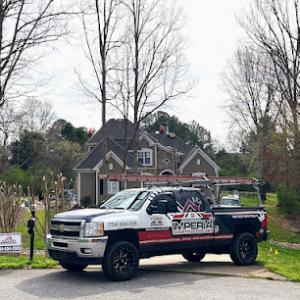
Imperial Construction Group
(704) 654-2515 imperialconstructiongroupllc.com
116 Savannah Crossing Dr, Mooresville, North Carolina
5.0 from 137 reviews
Imperial Construction Group, LLC provides hail/wind storm damage repair services in the Mooresville & N. Charlotte, North Carolina area. We handle roof repair and replacement, seamless gutter installation, and gutter guards. We are insurance claim specialist and will assist you through the process of getting your roof approved with your insurance company. As a veteran-owned and operated business, we're dedicated to providing you with the best property protection possible. No matter how badly your home or business building has been damaged, we'll restore it to its former glory!
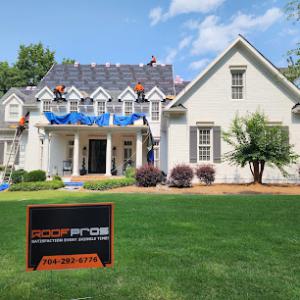
Roofpros
(704) 292-6776 www.roofprosknows.com
187 Lakeland Rd, Mooresville, North Carolina
5.0 from 115 reviews
Roof Pros is your trusted local roofing contractor, proudly BBB Accredited with an A+ rating. Whether you need a small repair, storm damage service, or a full roof replacement, our experienced team delivers quality craftsmanship backed by honesty and integrity. We treat every project—big or small—with the same dedication, ensuring your home or business is protected for years to come. From shingles to metal roofing, we’ve got you covered. Roof Pros offers free roof inspections and clear, upfront guidance so you know exactly what to expect before work begins. Our commitment is simple: reliable service, dependable results, and customer satisfaction every single time. 📞 Call or email Roof Pros today to schedule your free inspection and disco
Philco Roofing & Remodeling
(704) 389-5051 www.philcoroofingcompany.com
344 Rolling Hill Rd Suite 205, Mooresville, North Carolina
5.0 from 135 reviews
Philco Roofing & Remodeling is a locally owned roofing contractor serving Mooresville and the Lake Norman area since 2009. We specialize in roof replacement, roof repair, gutter installation and full-home remodeling. HAAG-certified inspections, CertainTeed PREMIER ShingleMaster credentials, and long-term warranties (Lifetime manufacturer shingle warranty/ 15-year workmanship upgradable to lifetime) set us apart. Friendly, transparent estimates and workmanship you can trust — contact us for a free quote and on-site assessment.
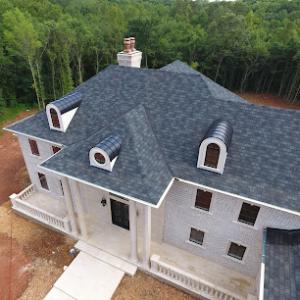
MBA Roofing of Mooresville
263 Flanders Dr, Mooresville, North Carolina
4.9 from 103 reviews
MBA Roofing proudly serves the Mooresville area with expert residential and commercial roofing and gutter solutions. As an Owens Corning Platinum Preferred Contractor, we provide top-tier workmanship, materials, and service—whether it’s a repair, replacement or new build.
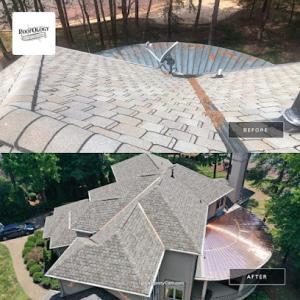
Roofology of the Carolinas
(704) 324-9055 roofologycarolinas.com
Mooresville, NC
4.9 from 72 reviews
The roof is one of your home's first line of defense against the elements. Keep your roof in tiptop shape with the help of Roofology of the Carolinas. We offer a variety of professional roofing services in Huntersville, NC and the surrounding areas. Whether you need roofing repair or replacement services, we've got you covered. Call us today to discuss your situation with a team member.
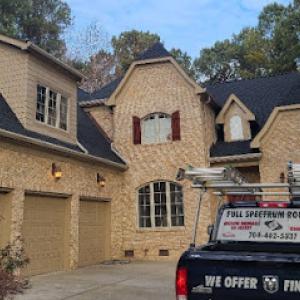
Full Spectrum Roofing & Remodeling
(704) 402-5337 www.fullspectrumroofers.com
123 Markham Dr, Mooresville, North Carolina
4.9 from 81 reviews
We are a GAF Master Elite roofing company specializing in all types of roofing systems from shingles to metal. We are a Mooresville roofing company that services all surrounding areas. Don't stress call the best! We also can help you with all your remodeling needs! When looking For Roof Repair in Mooresville NC look no further! Also Servicing Mooresville, Hickory, Statesville, Concord, Salisbury, Charlotte, Kannapolis, Rockwell, Huntersville, Matthews, Rock hill & Fort Mill Sc and all surrounding areas! We pride ourselves in being one of the premier Lake Norman Roofing Companies! We specialize in Storm Damage Repair and Roof Replacement! Our work is guaranteed by the shingle manufacturer GAF!
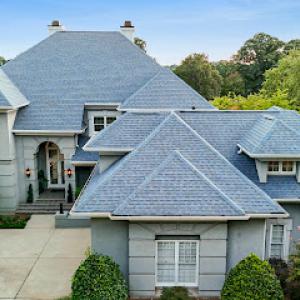
All American Restoration & Roofing
154 Queens Cove Rd, Mooresville, North Carolina
4.8 from 256 reviews
All American Restoration & Roofing, based in Mooresville, NC, specializes in roofing, metal roofs, gutter installation, and painting services. We are committed to delivering top-notch craftsmanship and reliable service to enhance and protect your property.
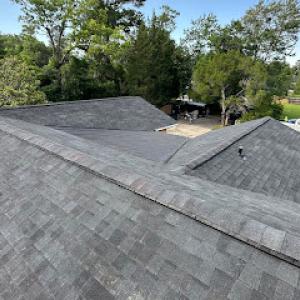
Ultimate Roofing
(980) 326-1382 ultimateroofinginc.com
113 Denver Business Park Dr Suite D, Mooresville, North Carolina
5.0 from 34 reviews
Ultimate Roofing is Mooresville’s roofing contractor of choice, also servicing the greater Charlotte metro area for all sorts of residential and commercial roofing tasks. Whether you need a roofing contractor for a new construction project, spot repairs or tear-offs on existing roof, or a complete rehab of a damaged or aged roof, Ultimate Roofing is here to help. We bring the experience, skill and capabilities to craft, repair or replace any roof of any size, giving you the best possible performance, protection and curb appeal at a fair price.
LKN Roofing
123 Craftsman Loop, Mooresville, North Carolina
4.8 from 64 reviews
LKN Roofing is a locally owned roofing/construction business specializing in new roofs, roof replacements, roof repairs, and gutters. We offer replacement siding, replacement windows, and exterior renovations, such as decks, pergolas, porches, etc. We offer roof inspections and work closely with insurance adjusters in dealing with hail or wind damage claims. We treat your home as if it were our own because a satisfied customer is our best advertisement.
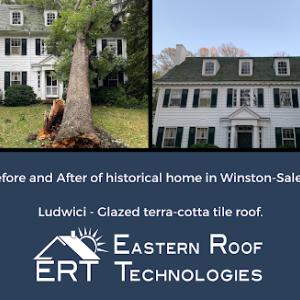
Eastern Roof Technologies
(704) 663-7521 easternrooftech.com
1926 Charlotte Hwy, Mooresville, North Carolina
4.8 from 87 reviews
Eastern Roof Technologies: a licensed (NC GC Lic. 101149) roofing contractor serving Mooresville, Charlotte, Hickory, Concord, Denver & surrounding areas. We offer roofing services that include: roof repairs, roof replacements, roof installations. Roofing types include: asphalt shingle roofing, copper roof installation & standing seam metal roofing. We offer seamless gutters & several different types of gutter guards. We provide roof inspections, storm damage inspections & insurance claims assistance. We include a 10 year warranty with all roof installations. We also offer additional exterior renovations services to include: siding replacement, siding installation, exterior painting, & chimney caps. We look forward to serving you soon!
Urban Grind Roofing
(980) 266-2180 www.urbangrindroofing.com
111 Dry Dock Loop, Mooresville, North Carolina
4.8 from 75 reviews
At Urban Grind Roofing, we recognize the importance of patnering with contractors you can trust in Mooresville, NC and the surrounding areas. That's why we've assembled a dedicated team of skilled local professionaly who share our commitment to excellence, integrity and fainess. Whether you require a complimentary roof inspection, expert repairs, or a complete roof replacement - we are here to provide reliable solutions to safeguard what matters most - Your home and your family.
Mooresville sits in a climate where Lake Norman humidity, fast-moving Piedmont thunderstorms, and a hot, UV-bold exposure shape how roofs perform day to day. On sunny mid-summer days, sun-exposed slopes can age faster-shingles may show color fade, granule loss, and minor cracking sooner than on shaded sections. During sudden storm bursts, wind-driven rain and hail potential stress roof surfaces, making edge protection and wind uplift resistance key factors in choosing a material. Given this pattern, the best options balance long-term weather resistance with reasonable maintenance needs, so you aren't chasing small issues after every storm.
Asphalt shingles dominate this market for good reasons: they handle moisture well when installed correctly, are widely available, and offer a straightforward repair path after heavy rains. In Mooresville, where the climate can push cycles of humid air and bright sun, look for shingles with strong granule adhesion and a robust asphalt binder to resist UV exposure on sunlit slopes. Pay attention to shading on the roof line-north-facing sections can stay damp longer, which influences how the material ages over a single season. If edge flashing and ridge lines are well-protected, asphalt remains a solid, economical backbone for most homes around Lake Norman.
Metal roofing presents a meaningful specialty in this market and is often considered by homeowners looking for better performance during heavy rain and wind-driven storm cycles. The rapid cooling and durability of metal panels help mask minor thermal expansion issues and can shrug off hail better than many other options. For roofs with complex shapes or high wind exposure, metal can offer smoother fast-to-install panels and dependable sealant performance at seams when installed by an experienced contractor. Consider coating color and panel profile that minimize heat absorption on sun-facing elevations while delivering a frame-friendly installation that integrates with existing rooflines.
Tile, wood, and synthetic products appear in smaller numbers locally, reflecting a mix of newer upscale homes around the Lake Norman area and varied neighborhood architecture. Clay and concrete tiles bring long life and a distinctive look, but weigh the structure more and can be brittle in impact events if not properly supported. Wood shingles or shakes add rustic character but require diligent maintenance to prevent moisture-related rot and warping in humid spells. Synthetic shingles mimic the look of traditional materials while delivering better resistance to fading and moisture, though installation accuracy matters to prevent low-return performance in high-wind scenarios. For homes with southern exposure or lakefront views, a well-chosen tile or synthetic option can provide a premium aesthetic with solid weather resilience, as long as the roof structure and water flow are optimized to handle Mooresville's thunderstorm rhythms.
Local pricing can spike after hail, thunderstorm, or tropical-storm events when demand for re-roofing and emergency response rises across the area. In practice, a sudden storm front can push jobs into a tighter window, especially during the peak window when crews are scarce and weather windows short. If a roof is damaged and needs immediate attention, expect higher material and labor costs as crews reallocate from other jobs. Scheduling careful, staged replacements after a major storm helps smooth out costs, but weather still dictates arrival times, access to dry days, and the ability to move through the permit-inspection cycle quickly. In Mooresville, a fast-moving storm pattern means planning for contingencies is as important as the material choice.
Material choice in this market ranges from common asphalt systems to higher-cost metal and tile options seen on some Lake Norman-area homes. Asphalt shingles remain the baseline, with typical costs starting around 350 and rising to roughly 700 USD per square for a full installation, depending on shingle style and local labor. Metal roofing, favored for its longevity and storm resilience, often falls in a higher range, roughly 700 to 1,500 USD per square. Tile options-clay or concrete-enter at higher rates, commonly 1,200 to 2,500 USD per square for clay and 1,000 to 2,000 USD per square for concrete, reflecting weight considerations and structural needs on steeper or older structures. Synthetic or composite shingles sit mid-pack, about 550 to 1,100 USD per square, offering a balance of durability and price.
In Mooresville, the weather pattern between thunderstorm activity and tropical-storm events constrains project timing. Dry stretches are precious and can determine when the crew arrives, which products can be installed safely, and how quickly inspections or corrections proceed. If a home requires rapid replacement after damage, expect compressed timelines and potential cost fluctuations as crews mobilize from other local jobs. Planning for a staged approach can help spread out costs and reduce the stress of a tight schedule while addressing storm-damage repairs.
Get a clear picture of your project costs upfront - no commitment required.
Imperial Construction Group
(704) 654-2515 imperialconstructiongroupllc.com
116 Savannah Crossing Dr, Mooresville, North Carolina
5.0 from 137 reviews
Philco Roofing & Remodeling
(704) 389-5051 www.philcoroofingcompany.com
344 Rolling Hill Rd Suite 205, Mooresville, North Carolina
5.0 from 135 reviews
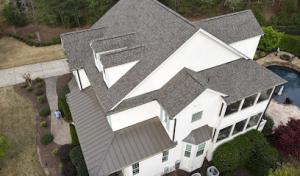
A full roof replacement in Mooresville generally requires a permit rather than being treated as informal maintenance. Treating a full replacement as an afterthought can lead to delays, stop-work orders, and a flare of contractor questions when the building department asks for proof that the project complies with current code. If you're replying to a storm-damaged roof or planning a reroof after hail or high wind, initiate the permit process early to avoid weather-driven bottlenecks and scheduling clashes with crews.
The local process typically involves submitting a permit application with the scope of work and paying the required fee before replacement begins. The scope should specify the roof type, square footage, underlayment plan, ventilation strategy, flashing details, and any vent or skylight work tied to the project. Expect the building department to request a set of construction drawings or a written description that demonstrates compliance with applicable codes, including attic ventilation and nailing patterns. A few days from submission, you'll either receive the permit or a list of items to correct. Plan for this review to align with your weather window, since Mooresville's storm season can compress timelines.
Inspections in this jurisdiction focus on underlayment, nailing patterns, flashing, and ventilation as part of the building department review after installation. The inspector will want to verify that the underlayment is correctly installed across all roof planes, nails are driven at the proper spacing and through appropriate categories of decking, and that flashing around chimneys, vents, dormers, and valleys is solid and properly sealed. Ventilation checks ensure attic space remains within code-acceptable temperature and moisture ranges post-replacement. If a deviation is found, repairs or rework may be required before final approval, so coordinate with your contractor to address issues promptly.
Coordinate timing with your insurer if storm damage triggered the project, and keep copies of permit approvals and inspection notices readily available for contractors and insurance purposes. Prepare a clean work site with clear access routes for the crew to minimize disruptions to neighboring homes during active storm seasons. If scheduling around thunderstorms, build in a contingency window for rain delays to avoid rework or rushed flashing details at the last minute.
Wind-driven rain from thunderstorms and tropical remnants makes flashing details and leak-prone transitions especially important on Mooresville homes. When heavy gusts push rain against chimney and gasket joints, or where roof edges meet walls, even small gaps can become persistent leaks. Older homes with aging flashing around vents, dormers, and skylights are particularly vulnerable after a fast-moving storm front. The result is hidden water damage that rots sheathing or fosters mold, sometimes behind walls before a drip appears on ceilings. Regular inspection after storms is essential, focusing on seals around penetrations and along abutments to the chimney or vent stacks.
Winter freeze-thaw cycles in this part of North Carolina can shorten the service life of sealants and expose weak flashing details even though winters are relatively mild. When water penetrates a seam and then freezes, it expands, widening gaps and accelerating deterioration. The effect compounds on roofs with older, sun-damaged sealants or poorly bedded flashing. Expect accelerated wear along ridge lines, valley corners, and where shingles butt up against metal flashing. If you notice soft spots or dampness after a cold snap, treat it as a warning that seals and transitions may be failing.
Ventilation problems matter locally because warm, humid summers can trap heat and moisture in attic spaces if intake and exhaust are not balanced. If intake vents are blocked or exhaust fans underperform, attic temperatures soar in storms and sunny spells alike, loosening shingles and warping decking over time. Poor ventilation can also lead to condensation, which soaks underside of roofing materials and peels fasteners or underlayment. A well-ventilated attic reduces the risk of deck rot and keeps attic temperatures from compounding roof wear during intense storm seasons. Regular checks of soffit vents, ridge vents, and insulation depth help prevent these issues from taking hold.
Find contractors experienced in skylight installation, flashing, and leak repairs to bring natural light into your home.
Philco Roofing & Remodeling
(704) 389-5051 www.philcoroofingcompany.com
344 Rolling Hill Rd Suite 205, Mooresville, North Carolina
5.0 from 135 reviews
J. Trent & Associates
(919) 380-0670 www.jtrentassociates.com
Mooresville, North Carolina
4.7 from 73 reviews
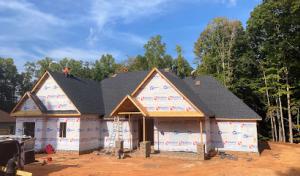
In Mooresville, the market leans toward replacement work, so expect many crews to boast re-roofing experience over new-construction chops. Look for crews that show a track record of full roof replacements, not just patch jobs. Cleanup readiness and a quick-response mindset are strong hiring signals, since storm debris and active leaks dominate many projects. A crew that arrives with debris containment, tarp kits, and a rapid response plan tends to prevent delays when skies threaten another round of storms.
Many local companies emphasize long-established status, manufacturer certifications, drone inspections, and local ownership as trust signals. Ask for a list of certifications and confirm that drone-based assessments were performed on recent projects. Local ownership matters because neighbors expect accountability and accessible contact during busy storm seasons. Verify insurance coverage and ask for a current certificate of liability.
A Mooresville crew will typically stage materials in a safe area, protect landscaping, and isolate the work zone to minimize leaks between shifts. Expect tarping, temporary water protection, and daily cleanup that keeps streets clear after each day. Insist on a clear timetable, with milestones for tear-off, underlayment install, and shingle or tile application, plus a plan for wind mitigation if storms threaten the schedule.
Call references from nearby neighborhoods, and visit at least one completed job when possible. Request a written scope that covers material type, warranty terms, and a joint inspection after completion. Confirm the crew will coordinate any storm-related contingencies and provide contact during off-hours.