
Last updated: Apr 19, 2026
Cornelius sits on Lake Norman, where open-water exposure can leave some neighborhoods more vulnerable to wind-driven rain than inland parts of Mecklenburg County. The clock on storm damage decisions is tight: a roof that looks fine after a quick rain can still have hidden leaks or shingle lift that worsen with the next squall. When a storm rolls in, the priority is to document what happened, assess visible damage, and start temporary protections within hours. Delays invite escalating interior damage, accelerated wear on the decking, and higher risk of insurance delays or disputes later on. The moment the weather clears, attend to missing shingles, edge flashing, and vent seals if they're evident from the ground. If you can safely access the roof, do a careful sweep for lifted tabs, granule loss, or cracked slopes; if not, arrange a professional inspection within 24 to 48 hours. The goal is to map damage quickly so the rebuild window doesn't stretch into a months-long project amid spring weather fronts.
The local risk pattern is less about prolonged winter loading and more about spring hail, strong thunderstorm winds, and tropical-system rain bands later in the year. That means February through May can bring rapid-onset issues: hail pitting, wind uplift on edges and corners, and rotting attic ventilation from sudden downpours. Later in the season, tropical moisture can strike with intense, short bursts that overwhelm gutters and overwhelm underlayment enough to threaten sheathing. These events tend to arrive with little warning, so a fast response is essential. If a roof has experienced a hail event, even if the surface looks acceptable, insist on a professional inspection because hidden damage often appears only after several weeks of sun and rain pressure. In Cornelius, the exposure to lake winds amplifies lift on edges and ridge lines, so pay extra attention to those areas during a post-storm check.
After a storm, the quickest path to a smooth claim is thorough documentation. Photograph every angle of the roof from ground level and, if safe, from a ladder, focusing on warped shingles, missing granules, and any hail marks. Capture close-ups of flashing around chimneys, skylights, and vents. Take interior photos of any water stains, pooled attic condensation, or ceiling bulges. Create a simple, timestamped record of weather conditions, the date of the event, and the timing of your inspection. When a contractor arrives, have a written scope that lists initial mitigation actions (tarps, boards, temporary coverings) and a clear plan for the repair or replacement phases. Insurance claims in storms around Lake Norman move fast, but they also require precise, consistent documentation to prevent back-and-forth delays. Keep a log of all communications with insurance adjusters and contractors, including dates, names, and what was promised. A calm, organized file helps homeowners navigate the urgency without losing track of critical details.
Because many local contractors actively market emergency repair and storm work, homeowners are often making roofing decisions immediately after weather events rather than on a long planned replacement cycle. The risk in that approach is twofold: temporary fixes can become permanent mismatches if the roof is approaching the end of its life, and price pressure from a flood of urgent jobs can cloud judgment. When a contractor urges an immediate patch, require a written assessment of whether a temporary fix is truly needed or if a full replacement within a reasonable window would be a better value. If a temporary solution is accepted, demand a clear schedule for a comprehensive replacement, and get a second opinion if the first estimate seems rushed or incomplete. For newer projects, insist on discussing impact-resistant underlayment and edge-to-edge wind mitigation strategies that are especially valuable in lakefront exposures.
Before the next storm season, install sturdy radial ridge venting and ensure proper attic insulation to reduce condensation risk during heavy rains. Check gutters and downspouts for obstructions that can back up water onto the roof edge, and ensure fascia is sound to accept fasteners for tarps or temporary coverings. If a storm hits, rapid tarping of exposed roof areas can prevent interior water intrusion and give you leverage during negotiations with insurers. In neighborhoods with visible wind-driven patterns, consider a maintenance plan that prioritizes edge and slope repairs before mid-summer storms, aligning urgency with a clear, strategic replacement timeline rather than a string of stopgap fixes.
Skyview Roofing & Restoration
(704) 237-4577 skyviewroofingllc.com
18627 Northline Dr, Cornelius, North Carolina
5.0 from 184 reviews
We’re an experienced team Skyview Roofing has been providing 5-star service to North Carolina and South Carolina for over a decade! You can trust us to complete your roof repair or installation quickly and efficiently. We offer the best roofing products available, from GAF and TAMKO shingles, to beautiful American made metal roofing products! Skyview Roofing and Restoration wants the work we complete on your home to last for many years to come. Our Wilmington, Cornelius, NC company uses only the best roofing products on the market today, including: GAF shingles Certainteed shingles TAMKO shingles Owens Corning shingles American-made metal roofing materials
Sutherlands Exteriors
(704) 784-0043 www.sutherlandsexteriors.com
20484 Chartwell Center Dr Suite I, Cornelius, North Carolina
5.0 from 102 reviews
With nearly two decades of dedicated service, Sutherlands Exteriors stands as a cornerstone of quality craftsmanship in the Cornelius area. As a family-owned business, they take immense pride in protecting and enhancing your home's exterior. Their expert team specializes in roofing, siding, and gutters, offering comprehensive solutions to safeguard your property against the elements. Trust Sutherlands Exteriors to provide reliable, professional service and lasting results that elevate your home's curb appeal and structural integrity.
Phoenix Exterior Solutions
(704) 706-3270 www.phoenixexterior.com
20464 Chartwell Center Dr Suite G, Cornelius, North Carolina
5.0 from 116 reviews
Phoenix Exterior Solutions is Lake Norman's most innovative General Contractor that specializes in roofing, siding, exterior, and storm restoration.
Great State Roofing
(704) 912-1240 www.greatstateroof.com
9529 Washam Potts Rd, Cornelius, North Carolina
4.9 from 177 reviews
Great State Roofing is North Carolina’s trusted roofing company, known for quality, honesty, and lasting results. Our team specializes in expert roof repair, durable roof replacements, and full-service installations for homes and businesses. As a skilled metal roofer, we build roofs that stand up to North Carolina’s weather—combining craftsmanship, efficiency, and care in every project. We’re committed to protecting what matters most with reliable service and five-star customer satisfaction you can count on year-round.
Goliath Roofing
(704) 997-6165 callgoliathroofing.com
20468 Chartwell Center Dr q, Cornelius, North Carolina
4.9 from 143 reviews
At Goliath Roofing, we specialize in high-quality roofing, gutters, windows, and siding services for both residential and commercial properties. With a commitment to craftsmanship and customer satisfaction, our team delivers durable, energy-efficient, and visually appealing exterior solutions that protect and enhance your home or business. From full roof replacements and storm damage repairs to seamless gutter installations, energy-efficient window upgrades, and premium siding systems — we handle every project with precision and professionalism. Our goal is simple: to provide dependable exterior improvements that add long-term value, curb appeal, and peace of mind.
Freedom Roofing, Windows & Siding
17039 Kenton Dr Suite 200 - 1, Cornelius, North Carolina
5.0 from 28 reviews
Based in Cornelius, Freedom Roofing, Windows and Siding is a veteran-owned business offering complete residential and commercial roof replacements and roof repairs, window replacements, siding replacements, and gutter system installation. We are an Owens Corning Platinum Preferred Contractor, and are certified with multiple commercial low-slope EPDM, TPO, and PVC roofing manufacturers such as Johns Manville and Mule-Hide. We offer asphalt, metal, and membrane roof solutions for our residential, commercial, multi-family, and industrial customers in and around Mecklenburg County. Various communities we serve are Huntersville, Charlotte, Cornelius, Mooresville, Concord, Hickory, Steele Creek, Matthews, Ballantyne, Statesville, and Belmont.
GHC Professional Roofing
(704) 765-9835 www.ghcroofing.com
19300 Statesville Rd # 100, Cornelius, North Carolina
4.7 from 64 reviews
Lake Norman's GAF Master Elite Roofing Contractor Specializing in Multi-Family, Residential & Commercial Roofing
Galaxy Roofing
19109 W Catawba Ave suite 200, Cornelius, North Carolina
4.9 from 21 reviews
We provide replacement of commercial and residential roofing. Also specialized in repairs.
WeatherTite Roofing
(704) 997-6112 weathertiteroofingco.com
20468 Chartwell Center Dr Suite S, Cornelius, North Carolina
5.0 from 5 reviews
We've got you covered with quality roofing services from a team you can trust.
Elite Roof & Solar
(704) 992-7474 eliteroofandsolar.com
Serving
5.0 from 157 reviews
The Elite Roof and Solar team is driven by a singular purpose – to put a smile on our neighbors’ faces by protecting their families and homes with a safe, beautiful, and innovative roof over their heads. We are the premier Roofing Contractor in the Carolinas driven to provide exceptional service and workmanship. We are a Master Elite GAF contractor and 3-Star President's Club Award Winner (1 of only 2 in NC). We offer free inspections, multiple financing options, & require no down payment. Elite Roof and Solar will serve you in a trustworthy and professional manner ensuring you are happy and secure in your home with an attractive and long-lasting roof. Give us a call to see why over 5,000+ customers have trusted us for their roofing needs.

CR3 American Exteriors
Serving
5.0 from 68 reviews
CR3 American Exteriors, located at 8936 Northpointe Executive Park Dr Suite 240, is your trusted local roofing contractor, delivering top-tier roofing services you can rely on. Whether you need "roof repair near me," a "roof installation," or an "emergency roofing service," our team of experts is ready to assist. As one of the "best roofing companies" nationwide, we specialize in "shingle roofing," "metal roofing," and offer "affordable roofing" solutions for both residential and commercial properties. With a commitment to excellence, CR3 ensures your roof not only offers protection but also enhances property value. For premier "roofing companies" and "local roofers" dedicated to quality, choose CR3 American Exteriors.
Secure Roofing & Restoration
(828) 312-1606 secureroofingnc.com
Serving
4.9 from 174 reviews
Secure Roofing and Restoration, LLC, established in 2018, is your trusted roofing partner serving various counties in North Carolina and neighboring areas. With our experienced team and commitment to quality, we provide prompt and reliable solutions for roof repairs and replacements. Whether it's mending leaks, restoring storm-damaged roofs, or installing durable new ones, we have the expertise to protect your home's integrity. Trust Secure Roofing and Restoration, LLC for a safe and secure roof over your head.
This market operates with a practical eye on roof age and a history of weather-related claims. Insurance carriers frequently factor in how long a roof last and whether prior storms have triggered claims when underwriting or renewing policies. In a lakeside, humid climate with regular wind and hail events, a seemingly sturdy roof can look less durable when it's proven to have weathered multiple storms. That means the most common outcome is tighter scrutiny over whether your roof still meets the insurer's standard expectations, and in some cases, premium adjustments or coverage restrictions may follow if the roof's condition raises concerns.
Cornelius homeowners should expect carriers to request current roof-condition photos and documentation after storm events, especially when hail or wind damage is involved. Photos should be timestamped and clearly show damaged areas, flashing, and any signs of moisture intrusion or misalignment. A thorough narrative describing where impact marks exist, when the storm occurred, and whether interior signs of water intrusion appeared can help the claim move faster. If a contractor has already flagged issues, ask the insurer what specific documentation they want-some favor side-by-side comparisons from before and after the event, while others request a written condition assessment from a licensed professional. In this climate, timely submission matters; otherwise, coverage decisions can stall, leaving homeowners exposed during peak storm weeks.
The local contractor signal mix shows insurance-claim assistance is highly prevalent here, reflecting how often roof projects are tied to weather-related claims rather than purely elective upgrades. It is common to see local contractors partnering with insurers or offering guidance on the documentation path, but beware of pressure to sign an appraisal or assignment of benefits prematurely. If a contractor encourages rapid sign-off to accelerate repairs, pause and verify the scope of work, the anticipated timeline, and who bears responsibility for contingencies if the insurer questions the damage or if a second opinion is needed. The right contractor can translate insurer requirements into a clear repair plan, yet misalignment between what the insurer wants and what the contractor proposes can stall the process. Ask for a written scope, photos, and a proposed timeline before any work begins, and keep copies of every communication.
Prepare a current photoset of the entire roof, attic access if available, and any interior signs of moisture. Note weather history for the last few years and keep records of past claims, if applicable. When storm season hits, be proactive: contact your insurer promptly, confirm the exact documentation required, and arrange a licensed professional assessment if there are visible signs of damage. If a claim is opened, maintain a careful log of all interactions, including dates, names, and claim numbers. In this market, being organized and transparent with both the insurer and a trusted local contractor increases the chances of a fair resolution and a prompt restoration.
Connect with contractors who help homeowners navigate the claims process from damage assessment to final approval.
Skyview Roofing & Restoration
(704) 237-4577 skyviewroofingllc.com
18627 Northline Dr, Cornelius, North Carolina
5.0 from 184 reviews
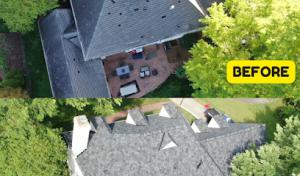
Sutherlands Exteriors
(704) 784-0043 www.sutherlandsexteriors.com
20484 Chartwell Center Dr Suite I, Cornelius, North Carolina
5.0 from 102 reviews
Phoenix Exterior Solutions
(704) 706-3270 www.phoenixexterior.com
20464 Chartwell Center Dr Suite G, Cornelius, North Carolina
5.0 from 116 reviews
Asphalt shingles are the dominant practical choice in Cornelius, and for good reason: they're familiar, cost-effective, and relatively quick to install after a storm. But the area's heat and frequent rain mean attic ventilation and moisture management are not afterthoughts. A properly vented attic helps keep shingles from softening in the heat and reduces the risk of mold and rot behind the visible roof. When you're evaluating a new roof, check that there's a solid ventilation plan-intakes near the eaves and exhausts up high-and consider an underlayment that provides better moisture control in humid summers. In practice, this means pairing standard asphalt shingles with a breathable underlayment and a ridge ventilation strategy that suits a roof slope typical around Lake Norman shoreline homes. Even with a straightforward shingle system, you should plan for a moisture-healthy assembly rather than a bare-bones setup. A local contractor who understands how humidity cycles interact with roof decking will advise on sealing details at penetrations and on ridge lines to prevent cold-weather condensation during brief, humid cold snaps.
Metal roofing has a meaningful local specialist presence and is often considered by homeowners looking for better performance against repeated storm exposure and intense summer sun. If wind-driven hail and fast surge storms are a concern, metal can offer durability and quicker debris shedding. In this market, you'll want to confirm a metal roof that's tested for impact resistance and that the fasteners are rated for high humidity environments. Pay attention to the color choice and the heat-reflective coatings, which can noticeably affect attic temperatures and, by extension, moisture behavior inside the attic. Be mindful of the interactions with existing eave details and flashing-transition points around chimneys, skylights, and vents need robust sealing to prevent leaks driven by summer downpours and wind-driven rain.
Higher-end homes around Cornelius may also use clay, concrete, wood, or synthetic products, but those systems need careful evaluation for weight, moisture behavior, and repair availability in the local labor market. Clay and concrete tiles bring long life and a distinct look, but they impose heavier loads on the structure and respond differently to humidity and substrate movement. Wood shingles and shakes offer aesthetic appeal but demand meticulous maintenance to prevent mold and wood rot when exposed to year-round moisture. Synthetic or composite shingles can balance weight and moisture resistance, yet require attention to the long-term performance of seals and joints in a humid climate. If considering these materials, you'll want an in-depth assessment of roof structure capacity, attic ventilation integration, and the local repair ecosystem so maintenance and future repairs won't become a logistical hurdle after a storm.
Across all materials, the practical reality is that Lake Norman exposure plus humid subtropical moisture shapes service life. After a storm, focus on rapid damage documentation and a trusted roofing contractor who can verify attic moisture levels, decking integrity, and the effectiveness of flashing. Regular inspections that target penetrations, vent seals, and eave moisture traps will help you choose a roof type that not only meets current aesthetics but also stands up to Cornelius's unique mix of heat, rain, and wind.
Pricing in this market reflects a mix of standard suburban homes and larger Lake Norman properties, where roof complexity, height, and access can materially change labor time. Cornelius pricing is affected by the area's mix of standard suburban homes and larger Lake Norman properties, where roof complexity, height, and access can materially change labor time. When estimating, expect crews to spend more time on steep pitches, long eaves, or multi-level access, which translates into higher per-square costs even if the material price stays the same.
Storm-driven demand spikes can tighten scheduling and push pricing pressure after hail or wind events, especially when many homeowners are trying to reroof at once. In moments like these, material delivery windows and crew availability tighten quickly, and premium crews may be booked weeks out. If a storm hits and a claim is filed, you may see a short-term price bump for expedited service or shorter lead times. Planning ahead for the typical late summer through early fall window can help stabilize both schedule and cash flow, even if negotiation room exists for non-urgent projects.
Material choice ranges locally from common asphalt shingles to metal, tile, wood, and synthetic systems, so cost swings are wider here than in markets dominated by a single roof type. Asphalt shingles sit around 350-600 USD per square, offering the most budgeting predictability for modest homes. Metal systems run roughly 700-1100 USD per square, with higher costs where roof height or complexity adds ladder work and crane needs. Tile and concrete systems span widely: clay tile about 900-1500 per square and concrete tile about 700-1300 per square, driven by weight considerations and structural prep. Wood shingles/shakes come in near 700-1100 per square, while synthetic or composite shingles typically fall between 500-900 per square. In Cornelius, the mix of roof styles means a single project can quickly move from the asphalt baseline to a substantial premium if larger or more decorative systems are chosen.
To avoid surprises, have an honest assessment of roof complexity before selecting a material. Higher, multi-slope roofs, large decks, or intricate ridge lines increase labor time and can shift the price by a significant margin. For storm-recovery scenarios, request clearly itemized bids that separate material costs, labor time, and specialty fees (like rapid tarp or debris containment). If choosing a premium system, verify whether the contractor can streamline installation around scheduling realities post-storm, and whether staging areas or temporary access routes are needed to maintain site safety and pace.
Don't let upfront costs delay a critical repair - these contractors offer payment plans to fit your budget.
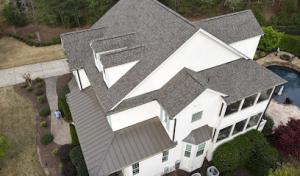
Goliath Roofing
(704) 997-6165 callgoliathroofing.com
20468 Chartwell Center Dr q, Cornelius, North Carolina
4.9 from 143 reviews
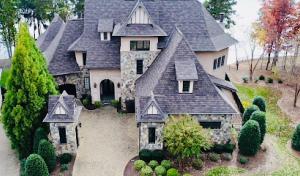
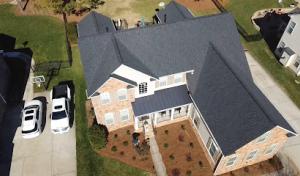
A full reroof in this area generally requires a building permit rather than being treated as a no-paperwork maintenance item. The process runs through the Town of Cornelius and Mecklenburg County. Before any shingle or tile comes off, your contractor should pull the permit and confirm what documents are needed for submission. Expect to provide a roof replacement plan that outlines the scope of work, the types of materials to be used, and the proposed installation details. Having a clear plan helps prevent delays when the paperwork lands at the counter or online portal.
A key part of the submission is verified contractor licensing. Ensure the roofers hold current state and local licenses appropriate for storm-related work in this jurisdiction. The plan should also include a site access plan, material storage details, and a basic sequence of work to show how the reroof will progress without leaving exposed decking or vulnerable areas unattended. In a climate like Lake Norman's, where high winds and sudden storms are common, the plan should address temporary wind barriers, securement of any insulation exposures, and a method for protecting interior spaces during rain events while the permit is pending.
Crews should expect both rough-in and final inspections before the reroof project is closed out. The rough-in inspection verifies that the roof deck, flashing, soffits, and underlayment are properly installed and secured, with attention to roof-to-wall connections in exposure-prone corners. The final inspection confirms that all components-drainage, attic ventilation, vent flashing, and rooftop penetrations-meet code requirements and the permit's approved plan. Scheduling these inspections in a timely manner helps avoid holding patterns that can stretch into the storm season. If the inspector raises any issues, address them promptly and document the corrections with updated photos or notes to keep the process moving.
Because Lake Norman weather can shift quickly, scheduling timing around forecasted dry spells is practical. Have your contractor coordinate inspection windows so that if a rain event threatens, the team can pause safely and resume without jeopardizing the permit or the installed membranes. Communication with neighboring properties is prudent in tight drainage or shared access areas where crews may need temporary staging zones or street closures for material deliveries. Having a clear roping-off plan and good neighbor notice can prevent hiccups when inspections are set.
Hot summer conditions affect shingle handling, crew pacing, and the practical hours available on exposed roof surfaces. In peak heat, material temperatures rise quickly, slowing fastening and increasing the risk of handling errors. Schedule the heaviest lifting tasks-stripping and removing old underlayment, and laying new shingles-to early morning or late afternoon when asphalt and synthetic shingles are least brittle and the crew can move steadily without overheating. Protect installed layers from direct sun by staggering work and using venting or shade where possible. Expect daily progress to hinge on shade pockets and short, productive shifts rather than full midday sessions. Hydration breaks and a clear on-roof safety plan help maintain steady pacing through the workday.
Spring storms can interrupt tear-off and installation windows with little notice, which matters in a market already heavy on emergency and insurance work. Build a reserve draft schedule with flexible start times and ready-to-rotate tasks for weather delays. When rain looms, secure loose materials, remove skylights from active work areas if feasible, and protect interior spaces with tarps. Communication with homeowners should reflect a tight, 24-hour readiness to pause, reassess, and resume once the roof is dry enough for safe work. Insurance coordination often accelerates during this season, so have documents organized and ready for quick submission.
Autumn rain and tropical-weather remnants can delay completion timelines even when a project is under contract. Plan for shortened daily shifts during wet spells and anticipate longer dry-out periods after storms pass. Prioritize roof sections less exposed to prevailing winds first, then cycle to more challenging areas as conditions permit. Keep a realistic finish window, and communicate any anticipated delays promptly to homeowners so expectations stay aligned with the forecast.
In this rain-heavy climate, the first places water shows up after a storm are the penetrations where the roof meets vents, pipes, and conduits, as well as the transitions between materials. You want to inspect around every boot, flange, and pipe stack for dried or loose sealants, cracking, and uplifted shingles. Pay special attention to ridge and valley intersections, where wind-driven rain can wedge under poorly seated tabs. A careful touch test and a flashlight inspection after a heavy shower reveal soft spots before they become drips.
Skylights become a recurring homeowner issue because enough contractors here advertise skylight repair experience to justify a regular check. Look for glazing failures, gasket wear, and flashing that's pulled away from the curb or curb-adjacent framing. If you notice condensation between panes or water streaking along the glass edge after a storm, address-not bury-the leak. Proper flashing around the skylight curb and a tight gasket system are essential deterrents to water intrusion during storms.
Chimney intersections are a notable local service category, so flashing and masonry-adjacent details are common inspection points. Check the chimney step flashing where it meets the roof deck, plus the counter-flashing along brick or stone. Crumbling mortar, cracked seals, or missing caulk can channel wind-driven rain down into the attic. Inspect the chase for movement or gaps, and verify that the flashing remains integrated with surrounding shingles rather than acting as a separate, exposed seam.
After a storm, run a steady hand along the roof edge to feel for lifted edges, and peek into attic soffits for damp rafters or musty odors. If any area shows persistent dampness or staining that grows after rain, treat it as a warning sign rather than a one-off blemish. Prompt attention to these leak points minimizes interior damage and protects the structure from longer-lasting moisture damage.
Find contractors experienced in skylight installation, flashing, and leak repairs to bring natural light into your home.
Goliath Roofing
(704) 997-6165 callgoliathroofing.com
20468 Chartwell Center Dr q, Cornelius, North Carolina
4.9 from 143 reviews
GHC Professional Roofing
(704) 765-9835 www.ghcroofing.com
19300 Statesville Rd # 100, Cornelius, North Carolina
4.7 from 64 reviews
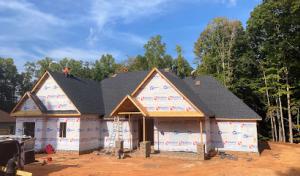
The Cornelius market leans toward reroofing rather than new construction, so when you choose a contractor, focus on replacement execution and post-job cleanup. Fast responses and free inspections are common signals locally, but speed should not preempt thorough assessment. Verify that the contractor handles follow-through on inspections and any necessary warranty-related checks after the job is done.
Look for firms with a long local track record and visible manufacturer certifications. In this market, those credentials translate into stronger warranty support after storm-season installations. A contractor who has weathered multiple Lake Norman storms will be more familiar with wind-driven roof damage patterns, hail impacts, and the nuances of your home style. Compare crews' organization, equipment, and the ability to coordinate rapid start dates with your schedule.
Ask for a detailed replacement plan that includes shingle or panel take-off, deck assessment, and a clear sequence for removing old material and installing the new roof. Confirm how debris will be controlled and how the property will be protected during the project. A reliable roofer should finish with a thorough cleanup, removing nails and scrap, and leaving the yard and landscaping in good order.
Prioritize manufacturers' certifications and a firm that maintains a strong local presence. This matters when you need warranty support after a storm. Request written terms for workmanship warranties and how service calls are prioritized during subsequent severe weather events. Ensure the contractor documents the job comprehensively for your records.