
Last updated: Apr 19, 2026
Kannapolis sits in the North Carolina Piedmont, where spring thunderstorms and hail are a more immediate roofing concern than coastal storm surge or salt exposure. That means the window from March through May is when hail dents and shingle lifting often first show up on everyday attic-side days. As a homeowner, you should plan for a quick, on-site assessment within 24 to 48 hours after a strong thunder event. Delays invite moisture intrusion that can creep into attic spaces and behind gutters, turning a simple cosmetic issue into hidden rot. Have a trusted local contractor ready to perform a rapid leak check, especially around chimneys, vent pipes, and the valley areas where storm energy concentrates.
The humid subtropical pattern in this region brings hot, moisture-heavy summers that can accelerate shingle aging. After back-to-back storms, leak tracing becomes more challenging because water can travel along roof sheathing and fascia before dripping inside. In Kannapolis, presence of mature neighborhoods with older roof lines means extra care is needed to identify the source of a leak rather than chasing damp spots that may originate from a different roof slope. If you notice damp ceilings or attic warmth after a storm, treat it as urgent rather than routine. Local roofs often reveal multiple minor issues at once-vented attic entries, improper flashing at skylights, or aging underlayment-that compound quickly when heat and humidity spike. Expect a higher probability of concealed damage in rooms that are far from the point of the initial leak, and address those areas in the same visit to prevent call-backs.
Local replacement demand often spikes after spring storm events and again during tropical-system rain periods in early fall, which can stretch scheduling for inspections and installs. This means you should not wait to call for a professional evaluation after a storm, even if your roof seems to be holding. The sooner a contractor can document damage, the better the odds of aligning a replacement or repair with the next light-free weather window. In practice, that means you may need to secure a priority slot or place a high-priority service note with your contractor and insurer early in the process. Don't assume a quick assessment is a polite courtesy-it's a strategic move to protect interior spaces and limit escalation of costs caused by prolonged moisture exposure.
After a storm, compile documentation while the memory is fresh. Take clear photos of shingles, flashing, the chimney cap, and any granule loss in gutters. Note wind direction and hail size if you can estimate it; this helps both the contractor and the insurer, should a claim be necessary. Create a simple map of affected zones inside the attic as well: any ceilings stained or warped, any attic insulation compressed or damp, and any mold smells. With Kannapolis's spring-to-fall weather swings, insurers often request timely reports, so having a dated log speeds the process. If a contractor offers a temporary tarp, arrange it promptly to limit rain infiltration while scheduling a full assessment and a long-term fix.
Hot, humid summers create longer drying times for roof sheathing and interior framing once moisture penetrates. When a storm hits, plan for a temporary fix that buys you weeks of weather protection, followed by a properly timed replacement window. The goal is to minimize exposed roof deck during peak humidity while maintaining daylight hours for safe, dry-weather work. Align the project with a weather forecast that promises several dry days in a row, rather than chasing sporadic sunny spells that thin out with incoming storms. In Kannapolis, that strategic timing not only protects your home but also keeps your stress level down during the busy spring and fall periods.
Dry Sky Roofing
(704) 412-3636 www.dry-sky.com
1502 S Cannon Blvd, Kannapolis, North Carolina
4.9 from 364 reviews
For the highest quality roofing services at the best price, reach out to Dry Sky Roofing, LLC, in Kannapolis, NC. We offer residential roofing services for homeowners in Cabarus and Rowan Counties and the surrounding areas, including Concord, NC, and Salisbury, NC. Our technicians are all fully licensed and insured to handle your roofing project. We are the expert roofing contractor to trust for roof repair, roof maintenance, roof inspections, and roof installation. Trust our locally owned and operated team for quality services and competitive prices. We get the job done right and on time.

McLains Perfect Touch (MPT Exterior Restoration Specialists)
2018 Osborne St, Kannapolis, North Carolina
5.0 from 63 reviews
MPT Exterior Restoration is a Family owned business serving the Kannapolis/Concord and surrounding area for 10+ years! We specialize in roof replacements/repairs, siding , windows , gutter installation/repairs. Also we offer ANY and all pressure washing and house soft washing
David's Roofing & Gutters
(704) 754-2796 www.davidsroofingandgutter.com
Kannapolis, NC
4.9 from 187 reviews
David's Roofing & Gutters provides roofing, storm damage insurance work, and gutters and leaf guard services in Salisbury, NC, and surrounding areas.
Fortress Exteriors
(704) 223-3838 trust-fortress.com
2001 Baltimore Ln, Kannapolis, North Carolina
5.0 from 22 reviews
Fortress Exteriors is a full service roofing contractor specializing in residential, commercial, and industrial roofing solutions in and around the Charlotte area.

Apeiron Roofing, LLC Commercial Roofing Systems
(704) 701-5631 www.apeironroofing.com
515 N Little Texas Rd, Kannapolis, North Carolina
5.0 from 7 reviews
Apeiron Roofing was founded on the belief that a roof doesn't have to be replaced completely if it can be repaired and revitalized. With over 20 years of experience offering commercial and industrial roofing services in and around North and South Carolina, our commercial and industrial roofing systems cannot be matched. We understand that the quality of our service is dependent on the materials we use, and are committed to providing top quality products from the day Apeiron Roofing was founded. Call today!
Ross Roofing
2200 Ln St, Kannapolis, North Carolina
3.7 from 15 reviews
Ross Roofing is a family owned and operated company. Based in Kannapolis NC. Started by Richard "Ed" Ross in 1985. Ross Roofing also does business as Ross Restorations. We are not a company that just contracts jobs, We perform our own services, "NO SUB CONTRACTORS" used. We offer a minimum Five Year Warranty on our work, compared to most companies One or Two Year Warranties. We also offer Lifetime Warranties on our Lifetime Roofing Systems. We offer free estimates and inspections. If you prefer we will handle insurance claims for you. We will also meet with your insurance adjusters during your Storm Damage claims to argue your case. We provide Roof Certifications to show Insurance, Realty, and Loan Companies that your is Warrantied if sold.
Seaford Roofing
(704) 938-4542 www.seafordroofinginc.com
490 Tree Limb Ln, Kannapolis, North Carolina
5.0 from 2 reviews
Building better roofs since they were founded in 1969, Seaford Roofing is the best roofing company in Kannapolis and Concord. Voted as the #1 roofer by The Independent Tribune. We are also available after hours at 704-305-7776.
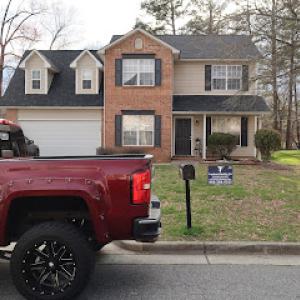
Trueguard Roofing Pro
(980) 369-8332 www.trueguardroofingpro.com
Serving
5.0 from 29 reviews
Discover excellence with TrueGuard Roofing Pro! With years of expertise, we bring top-tier solutions to residential and commercial roofing. Our commitment to quality, safety, and customer satisfaction is most crucial. Contact us for a free estimate and/or roof inspection! 🌟🏠 #TrueGuardRoofingPro #RoofingContractors #RoofReplacement #RoofRepairs #ClaimSpecialist #Gutters #GAF #Certainteed #OwensCorning
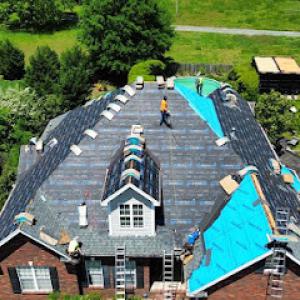
C&B Home Solutions
(704) 942-7202 www.cbhomesolutionsclt.com
Serving
5.0 from 46 reviews
General contractors specializing in roofing, gutters/downspouts installation, siding installation, drywall installation/repair, interior/exterior painting, and concrete. Our crews have 18+ years of experience to help guide you through any project you set your mind on.

All American Restoration & Roofing
(828) 638-5083 www.aaroofingandrestore.com
Serving
4.9 from 56 reviews
With All American Roofing & Restoration, you have a trusted restoration team on your side at all times! When disaster strikes, we know how hard it is to make a full recovery, especially if you can’t use your home or business following the event. With 24/7 emergency service available, help is always a phone call away, and we promise we’ll restore the safety and health of your property in no time.
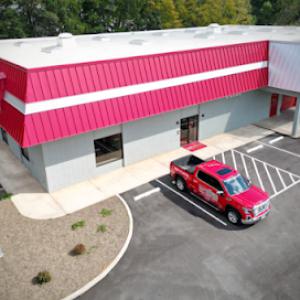
Guy Roofing
Serving
4.7 from 504 reviews
Guy Roofing is a residential and commercial roofing contractor serving Upstate South Carolina and Charlotte, NC for residential projects, with nationwide commercial roofing, repair, and maintenance services. The company specializes in roofing, siding, gutters, windows, and emergency roof repairs, with a focus on fast response, quality workmanship, and clear communication.

Tier One Roofing Solutions
(980) 409-4826 tier1roofingsolutions.com
Serving
5.0 from 68 reviews
Tier One Roofing Solutions in Concord, NC, provides expert roof replacement and repair services tailored to the needs of local homeowners. Concord’s hot summers and seasonal storms can lead to roof wear, leaks, and shingle damage, making timely replacement essential for protecting your home. Our team handles every project with precision and care, ensuring durable, weather-resistant results. From inspections to full roof installations, we deliver quality craftsmanship and lasting value. Choose Tier One Roofing Solutions, trusted roofing contractors in Concord known for professionalism, reliability, and commitment to customer satisfaction.
In this Piedmont city, the pattern of wind and hail isn't uniform from street to street. Neighborhood storm tracks can leave homes standing after a storm while nearby houses show visible impact. That variability makes Kannapolis a documentation-heavy claims market. When a hail line moves through, insurers aren't just looking at a single photo of a dented shingle. They're weighing a chain of evidence that starts with weather snapshots, includes elevation-by-elevation damage assessments, and ends with how quickly leaks were mitigated. If a roof's condition already showed wear, the same storm can trigger a different outcome for a neighboring home. That means your claim's fate hinges as much on what you can prove as on what happened during the storm.
Carriers in this region regularly request date-stamped photos that capture the roof at multiple angles and times, not just the worst mar to prove the damage existed. Elevation-by-elevation documentation helps adjusters see where water could have traveled and where any interior damage might lie. Evidence that leaks were addressed promptly is also critical; delays can become a point of contention, especially when secondary damage like mold or rot is involved. In short, the more precise and timely the documentation, the less room there is for disputes later on. For a typical Kannapolis home, that means organizing a clear trail of evidence before the next storm season, not scrambling afterward.
Older roofs often face closer scrutiny, and deductibles can feel stiffer when a claim is filed after years of weather exposure. The market tends to respond with heightened attention to pre-existing vulnerabilities-soft spots, granule loss, or warped decking-that could complicate a claim if a leak appears after a storm. Homeowners who can present a recent condition report, along with photos that show ongoing wear, position themselves to demonstrate that the decision to pursue a repair or replacement is well-supported rather than reactive. In this climate, proactive maintenance records are a practical defense against questionable coverage outcomes.
Spring and fall bring variable air masses that can create rapid shifts in roof stress. A seemingly minor wind event in late spring can expose weaknesses a homeowner didn't yet notice. If a storm comes through during a busy season, the time needed to document and process a claim can become a bottleneck. Planning ahead-having current condition records, a ready-to-share photo archive, and a clear log of any temporary fixes-helps ensure that your claim doesn't get delayed while the weather cycles through its swings.
Start a simple, repeatable routine: photograph the roof from ground level and from two or three elevated angles after each major storm, date the images, and note observed gaps or lifted edges. Maintain a running folder of interior reports if any spills occur, and keep a quick-turnaround record of mitigation steps you take (tarps, quick patches, or professional repairs). In a market where the claim's outcome can hinge on how well damage and responses are documented, that routine becomes your best defense and your fastest path to a fair resolution when the next storm hits.
Connect with contractors who help homeowners navigate the claims process from damage assessment to final approval.

McLains Perfect Touch (MPT Exterior Restoration Specialists)
2018 Osborne St, Kannapolis, North Carolina
5.0 from 63 reviews

David's Roofing & Gutters
(704) 754-2796 www.davidsroofingandgutter.com
Kannapolis, NC
4.9 from 187 reviews
Fortress Exteriors
(704) 223-3838 trust-fortress.com
2001 Baltimore Ln, Kannapolis, North Carolina
5.0 from 22 reviews
In Kannapolis neighborhoods, steep-slope homes dominate the street scene, and asphalt shingles fit that profile well. They're straightforward to replace after localized storm damage and work with the typical roof pitch you'll see across Cabarrus-Rowan's growing area. If a storm leaves a few individual shingles lifted or curled, a patch job often gets you back under cover quickly without major disruption. For many homeowners, this is the easiest balance between reliability and cost, especially when you're trying to time repairs between spring rains and fall temp swings. When choosing, look for a shingle line with strong wind resistance and good impact durability, as sudden summer downpours can expose weaker edges if installation wasn't thorough.
Metal roofing shines in heavy-rain environments, and Kannapolis experiences those quick, intense downpours that can overwhelm poorly sealed penetrations. If you're leaning toward metal, prioritize a system that emphasizes flashing around chimneys, vents, and skylights, and confirm that all seams are properly sealed with corrosion-resistant fasteners. The regional pattern of storms means you'll appreciate metal's shedding capability and longevity, but the difference between a solid installation and one that leaks under repeated downpours is often in the finish and sealant choices used at penetrations. A metal roof that's well detailed now is less likely to show signs of wear after a few spring storms and the ensuing humidity.
Clay tile and slate are available, but they are less typical for housing stock in this area. If a Kannapolis homeowner is considering either option, structural load must be verified because both materials are heavier than asphalt or metal. Availability of skilled labor for precise tile fitting and secure attachment is more limited, which can affect timelines during a storm response or a mid-season replacement. Expect longer lead times for choosing materials, and plan around the fact that these options demand specialized installation know-how to prevent issues in humid summers and during wet falls.
The region's spring-to-fall weather swings can complicate replacement timing. Quick, heavy storms in late spring or early summer may necessitate temporary protective measures, while late summer heat and humidity can affect sealants and underlayment choices. When scheduling, align a replacement window with drier stretches and avoid peak midsummer heat if possible to reduce heat-related wear on underlayment. Clear communication about storm-related documentation helps when insurance considerations come into play after a damaging event; having a plan for rapid tarp placement and inspection reduces exposure to rain while the project gets underway.
For most Kannapolis homes, starting with asphalt shingles offers a balance of installability, repair speed after storms, and compatibility with common house designs. If longevity and rain resilience are the top goals, metal is a strong choice provided penetrations are fully addressed during installation. Clay tile or slate should be pursued only after confirming structural capacity and access to specialized labor, with a clear understanding of how these materials will weather the region's seasonal humidity and storm cycles. In any scenario, insist on thorough initial flashing work and a solid, weather-conscious installation plan that keeps Kannapolis's spring storm pattern in mind.
In this market, you'll hear ranges that reflect the local material mix and weather realities. The provided local ranges run from about 350 to 800 USD per square for asphalt shingles, 700 to 1200 for metal, 900 to 1800 for clay tile, 500 to 900 for wood shingles or shakes, 450 to 900 for synthetic or composite, and 1500 to 2800 for slate. Those numbers add up quickly if your roof has steep pitches, tall eaves, or a lot of penetrating fixtures, so use them as a baseline when getting bids. For a typical suburban Kannapolis roof, the exact square-foot price will hinge on material choice and the complexity of the roofline you have.
Storms roll through the Piedmont with enough frequency to push pricing upward at peak times. When Cabarrus and nearby Rowan County homeowners are booking inspections and replacements in the same narrow window, contractors juggle schedules and materials, which can nudge costs higher than off-peak quotes. If a hail or heavy rain event hits, expect a surge in inspection requests that may compress your bidding timeline and narrow the gap between estimates and production start dates. Planning ahead during calmer months can save both time and a few dollars.
Costs can also move based on common local re-roof conditions. Wet decking discovered after humid-weather leaks is a frequent headache in this area, and it often requires extra decking work and moisture mitigation. Steep suburban rooflines, a common feature around many Kannapolis homes, raise labor time and risk, driving up the price per square. Flashing around chimneys and skylights adds another layer of detail and potential trouble spots, particularly if the flashing embeds into aging counterflashing or clay-adjacent substrates. On top of that, the broader scheduling reality of a busy season can mean longer access times for tarping, material staging, and waste removal, all of which factor into the overall cost picture.
Asphalt remains the most common choice for affordability, with a wide price band to reflect roof complexity. If you lean toward metal or tile, plan for higher upfront costs but potentially longer system life and distinct maintenance needs. Synthetic or composite shingles offer a middle ground, while slate brings the premium end of the spectrum with substantial weight and structural considerations. When talking with contractors, pair pricing with a clear scope: listing deck condition notes, flashing work, and any pre-existing penetrations helps avoid surprises as the project moves from inspection to installation.
Get a clear picture of your project costs upfront - no commitment required.

All American Restoration & Roofing
(828) 638-5083 www.aaroofingandrestore.com
Serving
4.9 from 56 reviews
A full roof replacement in Kannapolis typically requires a building permit rather than being treated as purely cosmetic maintenance. Understanding this early helps you avoid last-minute surprises when the project starts and during the homeowner's insurance documentation process. The building department expects that major roof work is planned, inspected, and documented in a way that reflects local weather patterns and code expectations for storm-prone periods. As the home's weather resilience is tested by spring through fall swings, having a permit in place signals that the work is aligned with local standards and will stand up to storm evidence and successor inspections.
The permit is generally pulled through the Kannapolis building department by the contractor, which makes contractor licensing and local compliance part of the homeowner's vetting process. When you interview bidders, ask to see current licensing, proof of insurance, and a clear statement about who is responsible for submitting the permit package and coordinating inspections. A contractor who handles the permit correctly helps ensure that underlayment, flashing details, and venting considerations meet Kannapolis codes, and that any storm-damaged or delayed documentation is properly filed to support insurance claims and future resale needs.
Inspections are staged, commonly including a pre-installation or underlayment review and a final inspection. The pre-installation check confirms roof deck integrity, underlayment choice, and fastener patterns, which is especially important after wet springs or heavy spring to fall wind events. The final inspection verifies completion, proper ventilation, flashing, and accessory installations. Scheduling these inspections promptly helps prevent weather-related hold-ups and keeps the project on track for the seasonal window you're targeting.
Unpermitted work can trigger penalties or delays when the home is sold or refinanced. If a permit application is missing or inspections are skipped, you may face lien risks or closing holdups that complicate insurance documentation and financing. Plan ahead so that each inspection is completed in a timely fashion and that any required repairs identified by inspectors are addressed before the next phase is signed off. Having everything in order minimizes the likelihood of last-minute setbacks during Kannapolis' permit review cycles.
Spring and fall are favored replacement windows for Kannapolis because they avoid the worst summer heat while still staying ahead of winter moisture and freeze-thaw stress. If leaks are active, a late-winter kickoff can be workable, but the shoulder seasons reduce heat buildup that slows ventilation and roof deck drying. Plan for a window where temperatures are steady, humidity isn't extreme, and crews can work without constant rain interruptions. Early spring can offer cooler conditions, but be mindful of lingering moisture in shaded areas and early-season storms.
Summer installation can be slowed by heat, humidity, and afternoon storm interruptions that affect crew productivity and material handling on exposed roofs. On hot days, crews pace the day to preserve shingles and underlayment, which may extend project timelines. Afternoon thunderstorms can halt progress to protect materials and avoid wind-driven debris. If a summer start is necessary, aim for morning-only work sessions, with clear expectations for potential weather-caused pauses and a plan to resume promptly once skies clear.
Autumn rain and tropical-system remnants can disrupt schedules even this far inland, so homeowners often benefit from booking before the late-season weather backlog begins. Cooler nights can improve shingle set and adhesive performance, but late-season moisture poses its own risks. Establish a contingency plan for back-to-back wet spells and consider prioritizing vulnerable sections first, such as areas with prior leaks or missed ventilation. Clear communication with the crew about storm windows and water management helps keep the project on track as fall transitions into winter.
In Kannapolis, fast storm response matters. Have a responsive point of contact for after-storm inspections and temporary mitigation, like tarping exposed areas, to protect interior spaces. Keep a dated, itemized record of any damage, including photos of framing, underlayment, and fastener conditions. This documentation helps streamline insurance conversations and supports a timely replacement when weather windows align.
In Kannapolis's storm-and-humidity pattern, flashing failures around chimneys, skylights, and roof penetrations are often exposed before the main field of the roof fully fails. After heavy rain or strong afternoon winds, look for sudden damp spots at valleys or along chimney bases. If you notice peeling sealant, loose metal, or bubbling around these areas, treat it as a red flag. A small drip near a flashing corner can widen quickly with another storm, rot underlying sheathing, and complicate a later replacement. Capture photos from multiple angles and note any seasonal timing-spring heat, sudden summer thunderstorms, or fall fronts can all stress these joints differently.
Wind-lifted shingles and hail bruising are common regional damage patterns that may not be obvious from the ground but can shorten remaining roof life significantly. Shingles may appear intact, yet the undersides can be compromised by uplift events, especially on slopes facing prevailing winds. Inspect for lifted tabs, granule loss along ridge lines, or dark, glossy hail-backed patches that indicate impact damage. For homeowners, this means routine inspection after storms, not just after obvious leaks begin. Small signs on the roof surface frequently precede larger leaks, so catching them early protects the interior from surprise bursts of water.
Repeated wetting and winter freeze-thaw cycles can turn minor leaks into decking deterioration over time, especially on older re-roofed homes. If attic condensation is persistent, or if there are staining and soft spots in the attic sheathing, treat these as urgent indicators. In Kannapolis's climate, winter conditions can turn a minor drip into structural weakness over seasons, compromising attic ventilation and insulation, which amplifies energy losses and potential mold risk. Keep an eye on interior ceilings during the wet season, and note any changes after cold snaps or heavy rain.
When leaks appear after a storm, prioritize prompt containment-place a bucket, tarps, or temporary flashing to limit interior damage while arranging a professional assessment. Insurance documentation becomes crucial when addressing storm-related damage, so photograph the affected areas promptly and preserve the timeline of events. If you notice any of the discussed patterns, treat it as a warning signal rather than a minor nuisance, and pursue a careful, staged inspection to prevent more extensive, long-term deterioration.
Find contractors experienced in skylight installation, flashing, and leak repairs to bring natural light into your home.


Guideline Roofing & Construction
(980) 866-4740 www.guidelineroofing.com
Serving
4.6 from 12 reviews
Despite Kannapolis being known for its steep residential roofs, a notable share of homes, additions, porches, and mixed-use properties have low-slope sections. These areas lean toward drainage detail and membrane strategies that differ from the city's common shingles. When a project involves low-slope components, plan for edge flashing, seam protection, and a continuous drainage plane that keeps water moving off the roof during storms.
Heavy rainfall in the Piedmont can cause ponding on low-slope areas, and seam integrity becomes a routine concern after every storm. In Kannapolis's spring-through-fall swings, a coating or membrane that wears through in high-heat afternoons can expose underlying decks or insulation. Choose a system with reliable seam tapes, edge termination, and UV-stable top coats. Consider flood testing or walk-on water tests after installation to confirm drainage paths.
Selecting a contractor who regularly handles low-slope assemblies is essential. While some roofers in town work mostly on steep-slope shingles, others specialize in coatings or membranes. Verify that the crew routinely inspects slopes, drains, and flashings with the specific products you are using. Ask for recent projects in comparable climates and request measurements from a manufacturer's installation guide for Kannapolis conditions.
During storms, document issues promptly and keep a log of any leaks or ponding. Photography that shows ponded water with a date helps when working with insurance adjusters and adjusting schedules around weather swings. If a roof section is actively leaking, temporary measures such as tarping can buy time, but plan a permanent resolution before the next rain event.
Routine maintenance should include twice-annual inspections of low-slope areas, especially around penetrations and transitions to steeper sections. Pay attention to flashing, seam tapes, and coatings that may need re-sealing after heavy rains. A proactive approach helps protect the interior and preserves warranty coverage on these specialized assemblies.
Find specialists in TPO, EPDM, and built-up flat roofing systems for residential and commercial properties.
All American Restoration & Roofing
(828) 638-5083 www.aaroofingandrestore.com
Serving
4.9 from 56 reviews
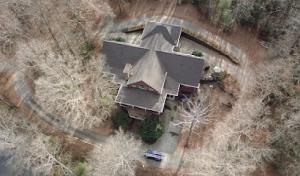
In this market, homeowners lean toward roofers who show strong storm-response fundamentals: quick leak containment, thorough cleanup after each visit, and a track record of handling active leaks without dragging the process out. The spring-to-fall weather swings in Cabarrus and Rowan counties can turn a minor drip into a bigger hit to your ceiling if not managed promptly, so response time often drives the decision.
Established, family- or locally owned companies are easy to spot in Kannapolis, with crews you can see around town and on community project boards. Post-job accountability matters as much as the initial price-look for a company that will stand by workmanship and return to address any lingering concerns. Your neighbors are likely to share recent experiences, so note which crews kept dumpsters on site and cleaned thoroughly before the truck pulled away.
Contractors who routinely work with Kannapolis property owners tend to have a sharper eye for the documentation insurance companies expect after a storm. Ask for a written assessment with clear photos of damage, dated notes, and a simple, itemized scope of work. A good roofer will supply a damage report that you can forward to your insurer and that aligns with the claims process used in town, improving your leverage for timely approval and staged project planning.
Begin by gathering a short list of nearby roofers with visible Kannapolis projects and solid local references. Call or visit to confirm they have recent storm-repair experience and can provide recent client referrals. Request a written proposal with a clear project timeline that factors the spring to fall weather window, and ensure they can document insurance-related damage and communicate with the Kannapolis building department as needed. Finally, choose the contractor who combines responsive communication, verifiable local experience, and a plan that prioritizes prompt leak control and thorough cleanup.