
Last updated: Apr 19, 2026
Pataskala sits in Licking County's open, suburban-rural landscape east of Columbus, where roofs on newer subdivisions and exposed lots can take direct wind and hail hits with less shielding than denser urban neighborhoods. Storms driven by hail and gusty winds repeatedly test these roofs, and the timing of replacements hinges on how quickly damage is identified, documented, and approved for insurance work. The risk in this market is real: a mid-season hail event can push a roof from acceptable to critical in days, especially under the pressure of open exposure and variable house orientation.
Ohio's regular hail and wind events make storm response a constant consideration in this area. Local contractor signals show that storm damage and insurance work are among the most prevalent specialties, with crews often filling vacancies created by sudden post-storm demand. Cold snowy winters slow access to rooftops, while wet springs and hot summer installations create narrow windows for safe, quality work. Autumn winds add last-minute urgency as leaves and debris complicate inspections. Most full replacements cluster from late spring through early fall, so planning ahead during calm periods is essential to avoid missed windows.
In Pataskala, wind-driven damage can lift shingles, create granule loss, or reveal underlayment in exposed sections. Hail can leave dents or divots on metal edges, ridge caps, and softer materials, while high winds can peel back edges or loosen vents. If you see curling, cracking, or missing shingles after a storm, or you notice a dimishing level of protection around the roofline, treat it as urgent. Loose flashing, damaged vent boots, and compromised skylights also signal that water intrusion risks rise quickly with shifting weather. When in doubt, photograph the affected areas from multiple angles and note the storm date and intensity.
Insurance timelines hinge on thorough documentation. Immediately after a storm, inventory affected sections, capture clear photos before temporary patches are made, and keep a dated log of any noticed changes. If interior signs of water intrusion appear, preserve dated receipts for temporary fixes and record the extent of visible damage to exterior materials. A detailed report that ties specific roof features to observed damage helps insurance adjusters assess replacement scope accurately. Local crews often advise keeping a separate file for each major storm event, especially in years with multiple hail episodes, to streamline claims when the weather finally cooperates for a full replacement.
When damage is confirmed and documented, coordinate with a contractor who understands Pataskala's exposure and seasonal constraints. Schedule flexibility matters: spring and early fall weather can swing quickly from favorable to hazardous, impacting safety and workmanship quality. If possible, secure temporary protection during rain or snow events to prevent further moisture intrusion while waiting for construction windows. In open lots and newer subdivisions, consider staging elements like material storage and debris containment to minimize disruption in busy neighborhoods where wind and debris move readily between lots.
Seek local experience with storm-driven replacements, timely communication, and clear inspection reports that align with insurance processes. A trusted contractor should walk you through what a storm-driven replacement entails, how the weather calendar may affect timelines, and how to protect your property during a rapid scheduling window. In this market, responsiveness and transparent documentation are as important as the roof itself.
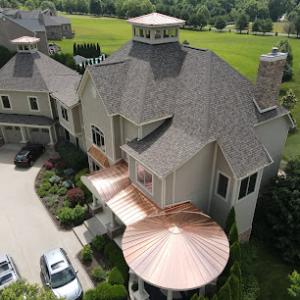
Bristlewood Roofing & Siding
(614) 307-5881 www.bristlewoodroofing.com
13001 Cable Rd SW, Pataskala, Ohio
5.0 from 212 reviews
Bristlewood Roofing & Siding has combined years of expertise in the construction industry to assist Central Ohio for all your roofing, painting, siding, and gutter needs, while keeping your budget in mind. Since opening our doors in 2017, Bristlewood has added windows, solar panels, and restoration services to our growing list of home improvement services. Bundling them together has great rewards, including huge savings.
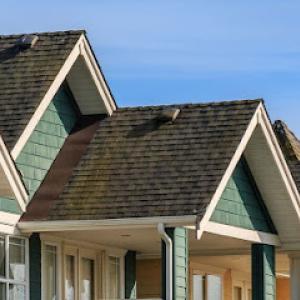
Buckeye Elite Roofing
(614) 301-5245 www.buckeyeeliteroofs.com
Pataskala, Ohio
5.0 from 18 reviews
Buckeye Elite Roofing, located in Pataskala, OH, is a trusted roofing contractor specializing in residential and commercial roofing services. With years of experience, our team delivers top-quality roof installations, repairs, and maintenance, ensuring durability and protection for your property. We pride ourselves on our attention to detail, exceptional customer service, and use of high-quality materials. Whether you need a new roof, repairs, or an inspection, Buckeye Elite Roofing is your go-to choice for reliable and efficient roofing solutions in Pataskala and surrounding areas.
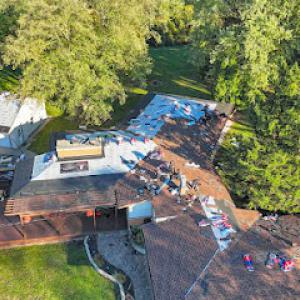
Tru Concepts Roofing & Renovations
(614) 270-7252 truconceptsroofing.com
572 E Broad St Suite 310, Pataskala, Ohio
5.0 from 13 reviews
Tru Concepts Roofing & Renovations is a licensed and insured roofing contractor providing residential and commercial roofing and exterior renovation services in Central Ohio. Established in Ohio and based in Pataskala, the company serves Franklin, Licking, Fairfield, Muskingum, Perry, and Knox counties. Services include roof inspections, roof repair, roof replacement, storm damage restoration, gutter installation, siding, and exterior renovations. Tru Concepts Roofing & Renovations is committed to professional service, quality workmanship, and clear communication with every client.
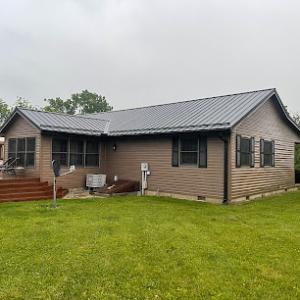
AK Exterior
1019 Putnam Rd SW, Pataskala, Ohio
5.0 from 10 reviews
We are a family owned exterior remodeling company that specializes in Roofing, Windows, Siding and Gutters. We are a trusted company that will go above and beyond to ensure our customers are satisfied and take the extra steps to ensure the job is done right the first time! I started this company when I heard how hard of a time people locally were having hiring a trustworthy, reliable contractor. Since I have been in the industry since I was 19 and have always put my customers first, I decided to give the locals around Central Ohio what they deserve, a reliable, trustworthy contractor who will show up on time, and not turn a job down because of size.

TRL Contracting
York Road and Broad Street, Broad St SW, Pataskala, OH
5.0 from 5 reviews
Storm damage evaluation, documentation & Restoration services for Ohio’s property owners.

Pataskala Roofing
(740) 963-3393 pataskalaroofing.com
45 Broadway St, Pataskala, Ohio
5.0 from 4 reviews
Pataskala Roofing is a local company designed to offer roofing services to local residents. A roof is a critical piece to protecting your investment and we are here for roofing repair and replacement.
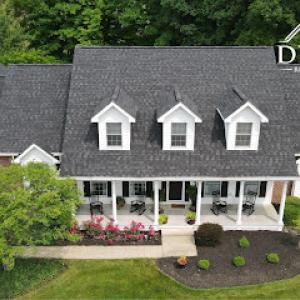
Dynasty Roofing & Restoration
(614) 567-3003 www.dynastyroofingohio.com
Serving
5.0 from 143 reviews
Dynasty Roofing & Restoration is a trusted provider of exceptional exterior solutions for residential & commercial properties. We transform roofs, siding & gutters to be functional & aesthetically pleasing.
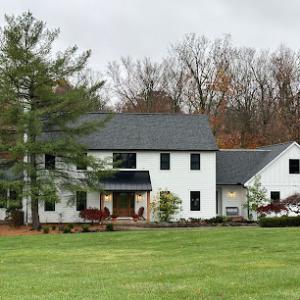
Woodring Gutters & Contracting
(614) 425-1005 woodringgcllc.com
Serving
5.0 from 102 reviews
Gutter maintenance can be difficult. Attempting to climb up to your roof to clean or fix them by yourself can be a dangerous and dirty task. Instead, you can relax by hiring Woodring Gutters and Contracting for professional gutter services. Our team has over 16 years of experience, so trust us when you need a gutter company. Call today!
HomeGuard Roofing & Exteriors
(740) 739-7526 nextlevelroofingohio.com
Serving
5.0 from 10 reviews
HomeGuard Roofing & Exteriors is dedicated to delivering exceptional roofing services with a focus on quality, reliability, and customer satisfaction. With a team of skilled professionals, they specialize in a range of services, including roof installation, repair, and maintenance for residential and commercial properties. Using premium materials and advanced techniques, they ensure durable and aesthetically pleasing results tailored to each client’s needs. Committed to transparency, they provide detailed estimates and timely project completion, making the process stress-free. Whether addressing storm damage or upgrading an existing roof, HomeGuard Roofing & Exteriors is a trusted partner for protecting and enhancing your property.
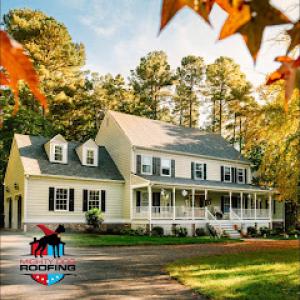
Mighty Dog Roofing of Columbus East
(614) 810-8863 mightydogroofingcolumbus.com
Serving
4.9 from 125 reviews
Mighty Dog Roofing specializes in Roofing, Storm Damage Repair, Gutters, Siding, Windows, Drywall and Plaster repairs, Light Framing, Carpentry and Painting. We can do most any exterior project and can do most interior ones, too. A local Veteran owned and operated company is your choice for serving Central Ohio. We offer state-of-the-art 25 point inspections supported by our Drone Superscan technology. This technology, matched with the highest quality products and superior workmanship, allows you to have peace of mind on the most important investment you have - your home. We'll store your project information for you and our Watchdog Maintenance program helps you avoid big repairs in the future.
Tomlinson's roofing & siding
Serving
5.0 from 12 reviews
We offer Roofing,Siding,Gutter,Exterior trim and trim painting services.
Roof Ohio
Serving
5.0 from 54 reviews
• At Roof Ohio, we take pride in being the premier choice for roofing and exterior services in our community. Our commitment to quality shines through in every project we undertake, as we pair top-notch products with unparalleled service. Trust Roof Ohio for all your roofing and exterior needs, and experience the difference of working with the best.
In this Ohio market, adjusters commonly want thorough photo documentation of the existing roof condition, storm-related damage, and prior claim history before approving major repairs or replacement. When a storm rolls through the east-side suburbs and rural lots, a quick snap won't cut it. Take wide shots of entire sections, close-ups of curled or missing shingles, granule loss in the gutters, and any hail impacts that resemble tiny dents or bruising. Photograph the roof from multiple angles, from the ground with a ladder stabilized, and from nearby second-story windows if safe to access. Keep a dated log of when each storm occurred and what you observed immediately afterward. This isn't about looking perfect on paper; it's about establishing a clear, verifiable record that you aren't chasing a fresh claim after aging wear.
Because hail and wind claims are common in the region, homeowners often have to distinguish fresh storm damage from older wear on aging asphalt roofs after repeated weather cycles. Pataskala's open subdivisions and rural lots expose roofs to repeated impacts and wind-driven debris, which can mask new damage under a weathered surface. Look for new impact marks that contrast with the patina of older shingles, lifted edges, or granule loss concentrated along valleys and hips after a recent event. Have a trusted pro or a second opinion verify whether observed issues are more consistent with a single storm or cumulative aging. If a repair would reveal a significantly compromised interior, document that sequence as clearly as possible so the adjuster understands the urgency and scope.
State-level insurance conditions in Ohio remain active enough that some carriers periodically tighten terms, making documentation and prompt inspection especially important after a storm event. Carriers may request additional information, such as prior claim history or proof of maintenance, before authorizing replacements. Expect follow-up contact, possibly from a desk adjuster who hasn't seen your roof in person yet. Having a concise, organized packet of photos, a storm date log, and notes from a roofing professional can shorten the back-and-forth and reduce delays. If a claim seems stalled, be prepared to request a re-inspection or provide supplemental photos showing the most vulnerable areas-valleys, ridge lines, and edges where wind-driven hail tends to cause the first noticeable damage.
Storm-driven replacements often hinge on timing, especially when big hail or high winds hit multiple properties in the same season. Insurers may triage claims, prioritizing obvious structural damage over cosmetic wear. Here in Pataskala, that means you should be ready to move quickly with documentation and an independent roofing assessment after a storm, so you aren't left waiting through a slow claim process. Coordinate a preferred inspection window with your adjuster, and, if possible, align your contractor's schedule to be there for the same day. Delays compound uncertainty, and missed windows can complicate the evaluation of pre-existing conditions versus new damage.
Connect with contractors who help homeowners navigate the claims process from damage assessment to final approval.
Bristlewood Roofing & Siding
(614) 307-5881 www.bristlewoodroofing.com
13001 Cable Rd SW, Pataskala, Ohio
5.0 from 212 reviews
Dynasty Roofing & Restoration
(614) 567-3003 www.dynastyroofingohio.com
Serving
5.0 from 143 reviews
Asphalt shingles remain the dominant residential choice in Pataskala, aligning with subdivisions where cost, speed of reroofing, and insurance-driven replacement matter. For most homes, a asphalt shingle roof is a straightforward, reliable option that crews can install quickly in typical seasonal windows. When hail and wind events test a roof, asphalt tends to be easier to inspect post-storm and quicker to repair, reducing downtime for families juggling schedules and school calendars. If your home has standard ranch, two-story, or mid-century styling, asphalt can blend with the neighborhood profile while delivering solid weather resistance when paired with a proper underlayment and sealed edge details.
Metal roofing has a meaningful local specialty presence and is especially relevant on more exposed rural and semi-rural properties where wind durability and snow shedding are practical concerns. In open lots or along fringe streets, metal panels can resist hail denting better than some shingle alternatives, and their fast shedding of snow reduces the risk of ice buildup at eaves. The trade-off is that installation requires precise tightening of fasteners and careful flashing around chimneys, vents, and skylights. If a property sits on a bluff, pasture edge, or long-grade driveway with persistent wind channels, metal may deliver long-term satisfaction, provided the fascia and soffit details are addressed to prevent wind-driven moisture intrusion.
Clay tile, concrete tile, and synthetic/composite shingles appear in the market but are far less common, making installer experience more variable than for standard asphalt reroofing. Clay and concrete bring standout curb appeal and durable performance in regions with strong sun exposure, yet they demand careful structural assessment. Homes in older framing or with limited attic ventilation may need reinforcement to support the heavier loads. If choosing tile, anticipate higher labor costs and potential weight-related considerations for gutters and overhangs. For synthetic or composite options, look for products with proven impact resistance and a compatible fastener pattern to minimize wind issues.
EPDM rubber roofing shows up primarily on outbuildings, flat sections, or detached structures rather than main residences. When included on a larger home, it is typically part of a low-slope extension or sunroom area. The key practical point is compatibility with existing drainage and flashing details to prevent leaks at transitions. For Pataskala properties with mixed roof lines or sunroom additions, ensure a thermostat-controlled ventilation approach and proper edge detailing to avoid ice dam risks during harsher winters.
In this area, a mix of newer suburban homes and larger-lot properties means roofs aren't always the simple ranch profile. Homes with bigger footprints, garage tie-ins, and multi-plane roof geometry tend to drive higher labor costs and more waste pickup compared to a straightforward single-slope design. When you're estimating, expect crews to spend extra time on handling higher wind loads, more edge work, and detailing around dormers or three- and four-angled sections. The result is a higher per-square price than a modest, flat ranch, even if the same shingles are used.
Pataskala faces seasonal swings in storm activity, and hail or wind events can cluster local inspections and replacements in a short window. When a regional hail event hits, roofing crews get booked up fast, and pricing can flare up due to urgent demand. If your timeline tightens because several homes in your subdivision need work at once, you may see premium pricing for expedited scheduling or after-hours coordination. Planning ahead for storm seasons can save you from last-minute premium charges and allow you to select preferred materials and color with less rush.
Material price is only part of the story. The overall job cost is shaped by the installation requirements that come with your chosen product. For example, larger or multi-plane roofs often require more waste disposal, extra flashing, and back-filling around ridges and valleys. Ventilation and underlayment decisions also influence total cost; higher ventilation outputs or upgraded underlayment can add to expenses but improve attic comfort and roof longevity. With Pataskala's exposure to wind and hail, a thoughtful combination of underlayment and ventilation is prudent, even if it means a modest increase in upfront cost.
Given the mix of properties, you'll frequently encounter variations in roof area and cut complexity from one home to the next. A larger roof naturally needs more materials and more time on the scaffold, while complex ridges generate extra waste and disposal considerations. If the home includes a detached garage or multiple roof planes tied into the main structure, anticipate a noticeable uptick in both material and labor line items, compared with simpler designs.
The choice between asphalt, metal, or synthetic options matters, especially when paired with a multi-plane layout. Higher-end products may offset some labor time with fewer seams or faster installation, but the initial material cost can be meaningfully higher. Weigh the long-term performance and wind resistance against the up-front price, and balance that against the roof's exposure and the likelihood of future storm-driven replacements.
Don't let upfront costs delay a critical repair - these contractors offer payment plans to fit your budget.

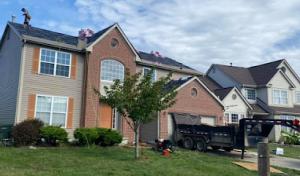
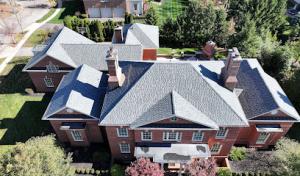
In this area, a full tear-off and replacement typically isn't treated as maintenance work; it usually triggers a roofing permit from the City Building Department. The City expects proper permitting because a complete roof replacement affects ventilation, underlayment, and overall roof assembly performance. The permit is usually pulled by the contractor on the homeowner's behalf, but you still need to stay informed about the plan that's being approved. If a contractor asks you to sign off on an estimated scope or plan, take a moment to confirm that the ventilation strategy, underlayment type, and shingle or panel installation method align with the inspector's expectations. Keeping the approved plan accessible will help when questions arise during inspection.
On inspection day, expect the city inspector to verify that the installed work matches the approved plan and that the roof system has proper ventilation and underlayment. In practice, that means confirming that ridge and soffit vents are adequate for attic airflow, that baffles are in place where needed, and that the underlayment is continuous and properly fastened around penetrations and roof edges. The inspector will also look at how penetrations-such as vent pipes, plumbing stacks, and flashing details-are integrated with the chosen roofing material. Because Pataskala's wind and hail exposure can stress fasteners and flashing, the final check often centers on ensuring the sealing and cladding meet the conditions described in the permit documents. If the plan called for an ice-and-water shield in vulnerable eave areas or valleys, the inspector may verify those sections closely during the final pass. Having photos or notes from the start of the project can help clarify any deviations between the original plan and the finished roof.
Some neighborhoods out here layer additional review on top of the city process. Homeowners should anticipate possible HOA approvals or material restrictions that could affect shingle color, surface texture, or flashing materials. If an HOA is part of the project, obtain any required architectural review forms or approval letters before permit submission so your final inspection isn't delayed. If the HOA has a documented reroofing guideline, compare it against the permit plan early-especially for metal, tile, or color-dependent requirements. A proactive approach helps prevent last-minute changes that could trigger rework or additional inspections. When scheduling the final inspection, confirm the timeframe with both the city and the HOA representative, so the project can close smoothly and the new roof can be fully secured under city code and neighborhood expectations.
Snow and ice in winter can slow tear-offs and limit roof access when crews have to navigate frozen slopes and slippery surfaces. If a storm window hits during the coldest stretches, emergency leak stabilization may be more realistic than a full replacement. Plan for portable heat and rapid tarp setups if a leak appears, since waiting for a warm day to finish a tear-off rarely happens in a heavy snowfall season. In this window, prioritizing temporary measures to keep interior damage to a minimum helps you avoid chasing water beneath shingles.
When spring rains arrive, moisture-management becomes the controlling factor on active projects. In this area, a roof enlargement or replacement often follows a hail or wind event, so the crew may juggle multiple jobs. Expect shorter days and more nights under tarps as crews manage ongoing water control, deck protection, and interior guarding. Proper plywood and underlayment handling matters more than ever, since wet conditions can affect fastener seating and shingle alignment. Clear communication with the contractor about rain days and temporary containment helps keep the project on track.
Summer heat changes the handling of asphalt shingles and increases material expansion risks. Heat can soften tabs and affect nail gun performance, so crews may pace work to avoid warping or product damage. Scheduling around peak heat and afternoon storms reduces material stress and worker fatigue. If a completion deadline lands during a heat spike, expect additional precautionary steps to safeguard granules and edging while maintaining edge sealing quality. Access and ladder stability also matter on exposed roofs as storms pass through with little warning.
Autumn winds can disrupt installation days as crews race to finish before winter conditions return. High gusts challenge securing underlayment, drip edges, and ridge caps. Scheduling flexibility helps you avoid weekend delays when weather suddenly worsens. Leaf debris and pre-winter cleanups require coordination so roof openings stay protected as colder air moves in. A steady, predictable pace through September and October reduces the risk of rework once the first frost arrives.
Local contractor signals point to a recurring demand around skylights and chimneys, indicating that homeowners frequently need flashing-focused repairs rather than only field-shingle replacement. In this area, wind-driven rain drives water toward roof penetrations, and aging seals often fail before you notice trouble on the main roof plane. The result is leaks that show up where the roof meets these openings, long after the surrounding shingles look sound from the ground. Treat skylight and chimney flashing as a persistent vulnerability in storms that push through open subdivisions and rural lots alike.
Freeze-thaw cycles and storm exposure in central Ohio make roof penetrations and transitions more vulnerable than simple open roof planes, especially on aging homes and additions. Metal step flashing, boot seals, and chimney counter-flashing can deteriorate or separate without obvious surface damage. When a wind-driven rain comes with hail, those weaknesses become the first lines of defense to fail. The consequence is moisture traveling along flashing planes and finding its way into attic spaces, wall cavities, or ceilings where you least expect it.
These details often become inspection focal points after wind-driven rain events because leaks may appear at interior openings even when the main roof covering looks intact from the ground. After a storm, inspect around skylights and chimneys first: look for damp spots in ceilings beneath these penetrations, peeling paint near interior trim, or discolored ceiling sheets. If you notice staining or a musty odor near these features, approach with caution and schedule a targeted flashing assessment rather than assuming the problem is only in the shingles. Small flashing fixes done early can prevent larger interior damage and more invasive repairs later.
Find contractors experienced in skylight installation, flashing, and leak repairs to bring natural light into your home.
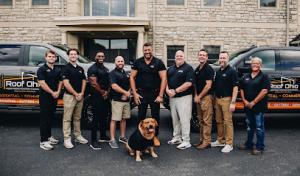
The fastest responders, crews that show up quickly after a storm, are the ones homeowners notice first. In these open subdivisions and rural-adjacent lots, hail and wind can come hard, so a contractor who can be at the door promptly and begin staging without leaving a mess earns trust fast. Look for a team that includes cleanup in the scope of work, not as a separate afterthought. A reroofing crew that leaves the yard broom-clean and the street clear is valued here, where driveways double as staging areas and weather can turn a job into days of debris exposure.
Affordability matters, yes, but many residents also favor firms that feel stable and credible over the long haul. A long-established, family-owned business with manufacturer-certified credentials signals durability and a willingness to stand behind work. Homeowners here tend to prioritize crews with multiple reroofing projects in the neighborhood, not just a single seasonal gig. A contractor who can reference a handful of nearby homes and provide product warranties that align with manufacturer programs tends to win the trust of neighbors looking to protect a significant investment.
Because permit pull-through, inspections, and insurance documentation are common in this market, the best crews routinely manage city paperwork and keep meticulous claim-related photo records. You benefit when a contractor can snap and file storm photos, track replacement timelines, and coordinate with the insurer so your claim moves smoothly. A practical team will offer a documented plan: interim protection, a clear replacement schedule, and a final walkthrough with photos showing the completed roof and any lingering repairs. In this market, that level of administrative reliability matters as much as the shingles themselves.