
Last updated: Apr 19, 2026
You've watched the melt come fast after stubborn winter snow, then a sudden swing to spring storms. In Union County, that quick transition stresses roofs in a way that can blur lines between age-related wear and new damage from a single event. When spring hail, heavy rain, or gusty wind hits, you need to be able to tell what happened and when. The risk is real: a claim can hinge on proving the damage happened with a recent storm rather than simply showing long-term deterioration. Time matters, because insurance adjusters scrutinize the chronology of events as tightly as they inspect the damage itself.
Documentation is your strongest ally. Start by photographing the roof from multiple angles after a storm, focusing on shingles that are curled, cracked, or missing granules, along with any interior signs like ceiling stains or attic condensation. Save weather reports and note the exact date and duration of the storm, plus wind speeds if available. If you have spotters or neighbors who observed the same event, collect brief statements or contact information. In areas with newer subdivisions alongside older homes, adjusters will look for whether the damage aligns with a recent event or appears to be ongoing wear. Your goal is to create a clear, date-stamped narrative that links the damage to a specific storm, not to general wear.
Local contractor signals point to unusually high demand for storm-damage and insurance-claims help, so start engagement early. Contact a contractor who understands the local climate swings and the typical notes insurance adjusters request. They should help you inventory damaged components (shingles, flashing, vents, fascia) and prepare a scope that matches what an adjuster will verify. If you're dealing with multiple layers of aging roofs or mixed housing stock in your neighborhood, insist on a professional assessment that distinguishes storm impact from existing deterioration. Ask for a written itemized estimate that aligns with your documentation, and ensure your contractor can provide photos and rig-to-date measurements to corroborate the claim.
After a major storm, timelines can tighten quickly due to backlogs and high demand. If your roof has sustained significant damage, prompt action is essential to prevent further water intrusion and interior damage during under-specified spring weather. Plan for the fastest practical replacement schedule once the claim is filed, but maintain your documentation trail. If the insurer approves a partial repair in the interim, coordinate with your contractor to seal vulnerable areas to avoid secondary damage while awaiting a full replacement. In neighborhoods with a mix of new and aging roofs, timing the retrofit to align with anticipated weather windows helps avoid repeated exposure to freeze-thaw cycles that can aggravate unaddressed damage. Keep open lines of communication with the insurer, your contractor, and any property managers if you live in a rental or shared community, and escalate promptly if the claim stalls. Acting decisively protects your home from the next round of swings.
Monarchs Roofing
(937) 738-2318 www.monarchsroofingco.com
115 E 5th St, Marysville, Ohio
5.0 from 533 reviews
Monarchs Roofing is locally-owned and operated as Marysville’s premiere roofing service provider. MRC specializes in many types of roofing repairs and replacements, along with providing siding, windows, gutters, and storm damage assessment/restoration services. At Monarchs Roofing we believe in “Serving with Heart & Crafting with Care”, with each and every team member is dedicated to serving one another, serving our customers, and serving our community. MRC is licensed, bonded, insured, and an accredited BBB business. As a local, small town business, we encourage and support our other local businesses. MRC also services Dublin, Plain City, and the surrounding area.
Nelson's Capital Roofing
(937) 243-2318 www.nelsonscapitalroofing.com
12310 US-36, Marysville, Ohio
5.0 from 29 reviews
Nelson's Capital Roofing is a local family owned business that specializes in insurance claims. We endeavor to provide the best quality products and service, with customer service being a priority. We are recognized as a preferred contractor by Owens Corning as a roof installer and contractor. Licensed, bonded and insured.
Hershberger Roofing
(614) 348-2977 www.hershbergerroofing.com
Marysville, Ohio
5.0 from 7 reviews
Hershberger Roofing is a third-generation, family‑owned roofing contractor based in Marysville. We have served Columbus, Springfield, Newark, and surrounding areas for over 80 years. Our professionally trained team specializes in commercial, industrial, and residential roofing services, including installation, repair, restoration, inspection, and coatings across metal, asphalt, PVC, built‑up, rubber, and more. At Hershberger Roofing, quality workmanship, personalized attention, proactive problem‑solving, and budget‑focused service aren’t just slogans - they’re guarantees. Contact us today to experience our legacy of durable, energy‑efficient roofing solutions.
Cornerstone Building Solutions
(614) 778-3495 cbsadvantage.com
9880 Watkins Rd, Marysville, Ohio
5.0 from 3 reviews
Cornerstone Building Solutions aims to be Ohio's premier choice for both commercial roofing and residential home remodeling solutions! With over 18 years of industry experience, you can trust us to deliver on our promises and you can breathe easy knowing you'll have a long lasting, quality, and professional solution in place when we're finished. Commercial Roofing Services - Flat or Low-pitch roof installation, repair, and maintenance - Metal roof repair and restoration Home Remodeling Services - Kitchen remodeling - Bathroom remodeling - Room additions - Deck addition or reconstruction - New custom built homes - And more! Contact us today to discover the CBS advantage!

Pioneer Roofing & Restoration
(614) 504-4600 pioneerroofingohio.com
Serving
4.9 from 267 reviews
Pioneer Roofing & Restoration is a leading roofing and siding contractor based in Plain City, OH. Our experienced team provides top-quality residential and commercial roof and home siding replacement services to customers throughout the area. With over 14 years of experience in the industry, we take pride in our workmanship and use only the best materials for every job. Our licensed and insured team is available 7 days a week, providing peace of mind when you need it most. Contact us today at (614) 504-4600 to schedule your roof or siding replacement services.
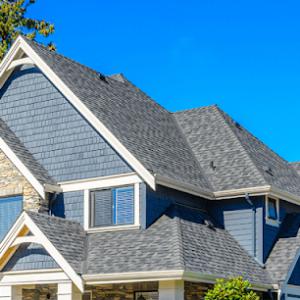
Peak Performance Roofing
(380) 268-3128 peakroofingoh.com
Serving
5.0 from 61 reviews
Peak Performance Roofing is your trusted roofing and siding contractor in Plain City, OH. With over 20 years of experience, we deliver exceptional roofing services backed by transparency, integrity, and quality. As Central Ohio's fastest-growing roofing company, we prioritize customer satisfaction and utilize innovative Arial Image Technology for precise solutions tailored to fit your budget. Choose us to give your home a brand-new look!
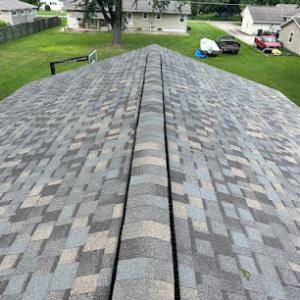
614 Contractors
Serving
5.0 from 30 reviews
Based in the Powell/Delaware area, 614 Contractors offers premium residential roofing solutions all over central Ohio. With decades in the industry, they excel in installing and repairing shingles, windows, siding, gutters, and entire roofing systems, all done with unparalleled communication and a commitment to involving their customers in every step. 614 Contractors is known for their free roof inspections and an exclusive referral program, offering a transparent and hassle-free roofing experience.
Bone Dry Roofing
(380) 205-0539 www.bonedry.com
Serving
4.9 from 280 reviews
For more than three decades, homeowners throughout the greater Columbus area have counted on Bone Dry Roofing for dependable roofing solutions. As a family-owned and locally operated company, we’re dedicated to providing expert roof repairs and replacements that last—each backed by our 25-Year Craftsmanship Warranty. But what truly defines us isn’t just the quality of our roofs; it’s the experience we deliver. From open communication to reliable follow-through, every project reflects our promise to provide The Bone Dry Roofing Experience. Trusted by thousands across Columbus, we take pride in protecting your home and your peace of mind. Contact us today to schedule your free estimate.
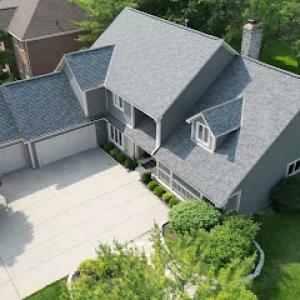
Exterior Alliance
(614) 362-8769 exterioralliance.com
Serving
4.9 from 196 reviews
Exterior Alliance is a locally-owned residential and commercial roofing company that has been a constant leader in the Dublin, Ohio area. Our team is experienced, trained, bonded, insured and a BBB-accredited business with an A+ rating. We are committed to quality, and nothing less than excellence is ever accepted!
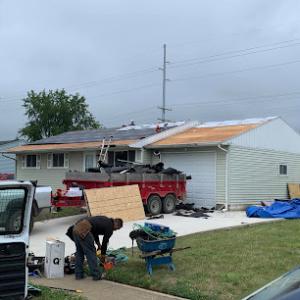
AM Roofing & Siding
(740) 974-8268 amroofingandsiding.com
Serving
5.0 from 16 reviews
At AM Roofing And Siding we provide the best roofing services for all types of residential and commercial roofing in Columbus, Ohio. The roofs of homes and offices are considered to be the most important feature that protects you, your family, and your valuable assets. It's never a good idea to gamble with the maintenance and repairs of your roofs. Correct investment at the correct time would help you save a lot of unnecessary expenses in the future. Our main objective is to provide the best services to our clients as they are our top priority.
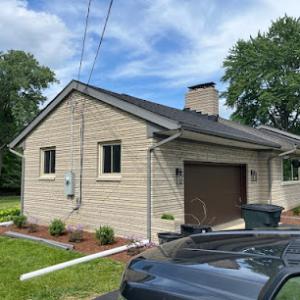
Atlas Roofing & Siding
(614) 766-8100 atlasroofingandsiding.com
Serving
4.4 from 21 reviews
Since 2000, Atlas Roofing and Siding has been protecting homes and families with expert roofing solutions. Located in Plain City, Ohio, we bring decades of experience to every project, ensuring quality craftsmanship and lasting results. Specializing as a roofing contractor, we're dedicated to providing peace of mind and enhancing the beauty and value of your home's exterior.
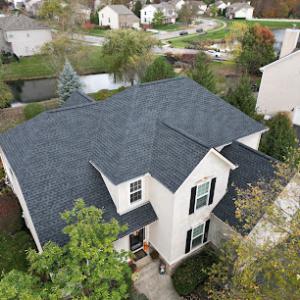
Columbus Roofing Company
(614) 756-2335 columbusroofingco.com
Serving
4.9 from 262 reviews
Columbus Roofing Company is a premier roofing contractor devoted to providing exceptional service and lasting solutions for our clients. Our crew of highly skilled and certified professionals utilizes their extensive expertise and thorough understanding of the latest roofing technologies to deliver exceptional service. We prioritize clear communication and collaborative partnerships throughout every project, ensuring a seamless and stress-free client experience. Our commitment goes beyond installation. We offer comprehensive maintenance plans meant to optimize the lifespan and performance of your roof, maximizing your return on investment. We take immense pride in building trust and delivering superior craftsmanship.
Marysville's cold winters and repeated freeze-thaw cycles make attic ventilation and flashing performance central to roof longevity, especially when daytime melting is followed by overnight refreezing. In homes here, snow that sits for days can intensify this cycle, driving moisture into spots that are already vulnerable. The practical goal is to keep the attic and roof deck as dry as possible during the transition from warm days to cold nights. Start by verifying that soffit vents breathe freely and that ridge or soffit-to-ridge ventilation pathways are clean of drywall dust, insulation fiber, or bird nests. A well-ventilated attic lowers the risk of condensation forming on plywood, which can lead to wood rot and hidden damage that shows up only after a thaw or rain.
Snow accumulation followed by thaw can expose weak points around eaves, valleys, and penetrations on Marysville homes, where water backs up or re-enters at flashing transitions. Pay attention to eaves where ice damming might begin. If you notice ice buildup along the edge, consider a temporary mitigation plan that does not rely on heat cables as a first resort, since those can create new stress points if installed improperly. Check the valley linings and the metal flashing along the rakes and eaves for any loose edges or corrosion. Water that backs up behind flashing transitions can creep into gaps, so look for staining on interior ceilings near exterior wall lines after a thaw. Inspect the flashing around chimneys, skylights, and vent pipes for any loose fasteners or sealant gaps; even a small crack can channel moisture into the roof assembly during a rapid freeze-thaw sequence.
Ventilation takes on added importance when fast snowmelt creates higher indoor moisture loads from cooking, laundry, and occupant activity. If you feel a persistent musty odor or see condensation on attic windows or ducts, reassess attic insulation and ventilation balance. The goal is to keep attic temperatures from swinging wildly with outdoor conditions; a cooler, drier attic reduces the chance of moisture migrating through sheathing and into the attic cavities. In practice, that means ensuring insulation is evenly distributed, not compacted in corners, and that intake vents remain unobstructed by insulation or storage boxes. Seasonal checks should be scheduled for late winter to early spring, right after the main melt-off period, when the system can respond to conditions that previous months couldn't fully reveal.
The final roof inspection specifically checks installation, flashing, and ventilation, which aligns with the most climate-sensitive failure points for roofs here. When preparing for that inspection, document any signs of prior ice damming, such as frost rings on sheathing near eaves or staining along interior ceiling corners. Make sure all flashing transitions-around chimneys, vent pipes, dormers, and valleys-are continuous and sealed with compatible sealant or flashing tape, with no gaps that could trap moisture. Ventilation components should be verified for intact seals and proper clearance from insulation. The inspector will look for a continuous vent path from soffits to ridge (or the alternative approved layout) and for any vent blockages caused by debris or insulation intrusion. If the roof has suffered storm damage earlier in the season, ensure temporary repairs have been reinforced and that the flashing is restored to a watertight condition before the inspection window closes. InMarysville, the combination of cold winter weather and spring thaw cycles makes these checks not just routine but essential for long-term roof performance.
In the typical Marysville neighborhood, asphalt shingles dominate the re-roofing scene because they align with common suburban budgets and suit standard pitched roof designs found on most homes. They handle the freeze-thaw cycles that define the region's winters without becoming overly heavy or demanding on supporting structures. After a spring storm or a heavy wind event, asphalt remains easy to inspect and repair, with readily available matching tabs if a patch is needed. When planning a replacement, consider shingles with good tear resistance and a strong warranty, paired with proper attic ventilation and a well-sealed ridge line to minimize ice dam risk during transitions from winter to spring. Shingle color and granule retention also matter: you want a finish that helps shed sun and reduce cooling costs during late spring heat, while still performing reliably in late-season snow.
Metal panels have a meaningful specialist presence in local contractor markets, reflecting interest in longer-life systems that handle snow shedding and summer UV exposure better than basic shingles. If you anticipate harsh winter winds, frequent freeze-thaw cycles, or a need for rapid snow shedding on a steep or exposed roof, metal can offer a durable, lighter-weight alternative. It also tends to resist impact from hail better than some asphalt products, an advantage after severe spring storms. The installation requires attention to flashing at transitions, penetrations, and along eaves to prevent moisture entry. For homes with existing roof geometry that tolerates metal, this option can be a smart long-term investment, especially if a quieter, more energy-efficient attic is a goal. Consider color choices that reflect heat in summer and still blend with the neighborhood aesthetic.
Higher-end materials appear in the local material mix, but they demand careful evaluation of structural load, flashing details, and replacement matching on less common homes. Slate and clay tile bring a distinct curb appeal and exceptional longevity, yet their weight requires a reinforced deck, possibly new trusses, and precise fastener planning. Clay tiles shed water slowly but can be brittle in cold snaps, so installation details matter to avoid cracking during freeze-thaw cycles. Wood shakes offer a warm, textured look and decent performance when properly installed and maintained; however, they require more maintenance to manage moisture, rot, and insect exposure in damp springs. Synthetic or composite shingles provide a compromise: they mimic the appearance of natural products while usually delivering lower weight and improved wind resistance, with easier maintenance. When considering these options, assess the home's structural capacity, ensure proper flashing around chimneys and skylights, and plan for color-matched replacement pieces to preserve the home's aesthetic continuity after repairs.
Regardless of material choice, a well-vented attic and an effective roof deck ventilation strategy are essential to manage moisture and temperature swings through winter-to-spring transitions. In Marysville's climate, insulation above the deck helps resist ice dam formation and reduces condensation during thaw periods. Matching roof color to the neighborhood palette can ease summer heat gain while maintaining a cohesive look across the street. For homes with unique shapes or historical features, ensure that the selected material respects the roof's character while meeting modern performance expectations. If storm activity is a frequent concern, prioritize systems with robust wind resistance ratings and consider additional sealant and flashing upgrades where skylights or vents penetrate the roof.
Typical pricing in this market runs about $350-$550 per square for asphalt shingles, $700-$1200 for metal, $1000-$1900 for clay tile, $600-$950 for wood shingles or shakes, $550-$900 for synthetic/composite shingles, and $1200-$2000 for slate. These ranges reflect local material choices and the current labor market. When budgeting, it helps to think in terms of a full replacement per square, not just material costs, since labor, disposal, and tear-out add up quickly in Union County homes.
Costs in Marysville can rise after winter damage and spring storm periods when demand spikes for re-roofing, emergency dry-in work, and insurance-related estimates across Union County. That spike isn't just about the weather; it's about the surge in contractors looking to service multiple homes in a short window, sometimes leading to higher lead times and higher prices for urgent work. If a claim is involved, expect some additional documentation steps and potential delays that can affect timing and cash flow. In practice, this means pricing may shift upward to account for faster mobilization, after-hours work, and temporary tarping or weatherproofing.
Project pricing is also affected by whether the job is a straightforward replacement that only needs permit issuance and final inspection or involves structural changes that trigger more review and added scope. A simple shingle swap over the existing roof deck typically stays toward the lower end of the ranges above, with minimal structural adjustments. If the job requires reinforcing rafters, adding underlayment upgrades, or changing roof lines to improve drainage, expect higher bids that push toward the upper ranges. In storm-damaged scenarios, some bidders may itemize wind or impact-resistant underlayment upgrades as separate line items, which can raise the total beyond a basic reroof estimate.
For a practical plan, compare bids on similar scope and material grades to avoid price creep. When possible, choose a mid-range material like synthetic/composite shingles or metal if longevity and hail resistance are priorities, as these options often balance upfront cost with longer-term durability. If winter-to-spring swings are imminent, build a contingency of 10-15 percent for potential expedited work, insurance coordination, and any additional repairs discovered during teardown. Keep in mind that the right timing can prevent a temporary fix from becoming a longer, more disruptive project later in the year.
Get a clear picture of your project costs upfront - no commitment required.
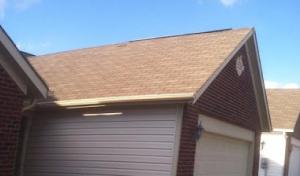
Roof replacements typically require a permit through the City of Marysville Building Department, even when the project is a standard re-roof rather than new construction. This isn't a box to check and forget; it's a formal step that ensures the work complies with local codes and wind uplift requirements that are particular to this climate and housing stock. If the permit is delayed or improperly filed, you can face surprises at the final inspection or during a storm season when the city reviews recent work to confirm it meets current standards. Plan ahead, keep copies of all permit-related documents, and coordinate with your contractor to align tear-off timelines with the permit process.
Most roof replacement projects do not need detailed plan review unless structural changes are part of the scope. That relative simplicity makes the administrative side more about documentation and verification than elaborate design. Still, a clear record of the work being done-materials, method, and attachment details-helps the inspector trace compliance back to the permit. In a region with freeze-thaw cycles, improper ventilation or flashing can drive up moisture-related issues, so expect the inspecting official to check that ventilation is adequate and that flashing around chimneys, vents, and skylights is properly integrated with the new underlayment.
A final inspection is required to verify proper installation, flashing, and ventilation. The closeout process matters just as much as the tear-off and install because inspectors look for weather-tight seams, correct underlayment overlaps, and proper venting in attics and revealed roof edges. Homeowners should prepare by reviewing the contractor's installation notes, confirming that attic ventilation remains unobstructed, and ensuring all flashing transitions are sealed to prevent water intrusion during spring storms. If anything is flagged, address it promptly to avoid delays or rework after the project has moved past the scaffolding and tarps.
In this market, claim activity tends to track weather severity-winter stress and spring storm events drive more submissions than a single catastrophe. When the melt-and-freeze cycles happen, shingles loosen, flashing seats creep, and granules wash into gutters. If a storm hits, adopt a timely but measured response: document conditions, avoid further damage, and prepare for the insurer's timing on a decision. Slower springs after harsh winters often mean longer claim processing, so plan around anticipated weather windows and permit windows if they apply in your area.
Ohio insurers commonly ask for photos, roof age, and contractor estimates. Photos should capture both wide views and close-ups of damaged areas, including any hail hits, lifted shingles, or flashing gaps. Note the approximate date of the event and any leaks visible inside the attic. Have a clear record of the roof's age and composition, since adjusters may scrutinize whether damage stems from a weather event or from freeze-thaw aging. Keep a running file with dates and names of anyone who inspected or repaired the roof.
Some carriers apply tighter terms to certain roofing materials based on performance history. When comparing replacement options, consider insurability alongside upfront cost. If a material has a track record of higher claim scrutiny, that could affect approval timelines or coverage clarity after a severe season. Work with a local contractor who can translate policy language into practical implications for the home's specific roof type.
After a significant weather event, secure any loose shingles and document temporary fixes. Notify the insurer promptly with photos and a basic damage summary, then arrange a professional assessment to support the claim. Maintain open lines of communication, and be prepared for back-and-forth questions about the event's timing and cause.
Marysville's mix of snow load, heavy spring rain, and summer thunderstorms means leak emergencies often begin with a small flashing failure that becomes visible only during the next weather swing. A loose or cracked flashing around a vent, chimney, or transition edge can hide under winter debris and then show up as a sudden ceiling stain or active drip when temps rise and storms roll in. If you see any damp spots after a sharp temperature swing, treat it as a red flag.
Local contractor signals show strong demand for quick-response and emergency repair work, suggesting homeowners often need temporary protection before full replacement scheduling opens up. In practice, that means acting fast: deploy a temporary tarp to seal the breach, then photograph the affected area from inside and outside. Document the date, time, and weather conditions. Store any interior signs of leakage-stains, warped drywall, or musty smells-as these details support both communication with your insurer and the eventual replacement plan.
Fast tarping is essential when storms hit during busy seasonal backlogs and replacement crews are booked out. Secure the tarp at high points to shed additional moisture and anchor edges with battens or heavy-duty nails, ensuring a snug seal over flashing seams and penetrations. Inside, keep a running log of leaks, take consecutive photos after each rain event, and note any changes in the roofline or attic insulation dampness. These records accelerate claims and minimize further interior damage.
Contact a local roofer with emergency response capabilities the moment you detect a leak. Ask for a same-day assessment, a temporary patch plan, and a clear timeline for permanent repair once schedules reopen. Maintain a simple, organized file: incident date, photos, weather reports, and the contractor's written interim protections. In the meantime, reduce interior water exposure by redirecting flow with clean, reachable containers and protecting valuables from moisture.
When you can't wait, these contractors offer fast response times to stop leaks and prevent further damage.
Residential & Commercial Roofing Company Across Ohio | Ultimates Roofing
(614) 357-7539 www.ultimatesroofing.com
Serving
5.0 from 77 reviews
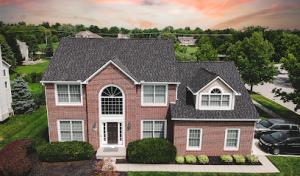
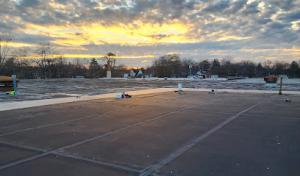
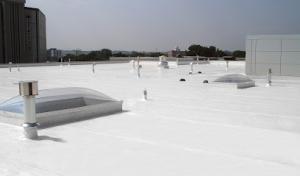
Although pitched residential roofs dominate, a smaller but real local specialty market exists for flat or low-slope sections, which often appear on additions, porches, garages, and some commercial-adjacent properties. Those areas behave differently in freezing springs and thawing rains: water can linger, membranes can slick over with algae or debris, and drainage channels may clog without you noticing until a rainstorm hits. Keep an eye on transitions where a flat section meets a steeper roof-these junctures are classic leak paths when grit and ice stall runoff. Regular, careful inspections after heavy rains or late-winter thaws can catch hairline failures before they widen.
Marysville's freeze-thaw pattern makes transitions between steep-slope roofing and low-slope membranes especially vulnerable where drainage slows or flashing details are inconsistent. Look for standing water on the flat patches after storms, and check the edge flashing where valley, ridge, or parapet meet the membrane. If you see pooling that lasts more than a day or two, or you notice ice dam buildup creeping up onto the low-slope area, address it promptly. Caulking on flashing should remain pliable, and any lifted edges or seam gaps warrant timely sealing or reseaming.
Skylights are not a dominant local specialty, but they matter enough in this market to warrant attention because curb flashing and surrounding shingle integration are common leak points during rain and snowmelt. Ensure curb flashing sits flat against the shingle line, with a clean transition from flange to membrane. Inspect skylight seals for cracking or drying, and watch for condensation that travels along the sill into the surrounding roof. If corrosion or mineral buildup shows up on flashing corners, plan for resealing or reseaming before the next thaw.
Find specialists in TPO, EPDM, and built-up flat roofing systems for residential and commercial properties.
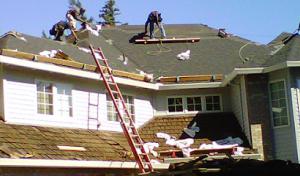
Cornerstone Building Solutions
(614) 778-3495 cbsadvantage.com
9880 Watkins Rd, Marysville, Ohio
5.0 from 3 reviews
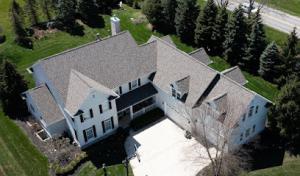
For residential re-roofing, replacement experience and the ability to document storm-related damage matter as much as the crew's skill. Look for contractors who can walk you through the damage signs typical after spring storms or winter thaws, and who can provide a clear record of work performed for insurance purposes. A dependable crew should finish with a thorough clean-up, including disposal of debris and protection of your landscaping and gutters. In practice, you're looking for a contractor who treats the project like a long-term building improvement, not a one-time job.
The local market includes many long-established and quick-response companies, which means homeowners in Marysville often compare responsiveness and neighborhood reputation as much as price. Ask for recent references from nearby streets with similar roof types and weather exposure. Contact a few references to learn how the contractor handles weather-related delays, how promptly they respond to questions, and whether they show up on schedule for both material delivery and crew arrival. A contractor's ability to coordinate with neighbors about shared driveways and street access is also a practical signal of reliability.
Because permit closeout and final inspection matter in this region, homeowners should favor contractors who routinely handle city paperwork, inspection coordination, and post-job cleanup. Confirm that the contractor will submit required documentation, arrange inspections if needed, and provide a detailed final walkthrough to verify there are no missed areas. Clear communication about what will be cleaned, how nails and shards are managed, and how you'll receive final project records helps prevent post-project surprises.