Last updated: Apr 19, 2026
Spring in this corner of the Tulsa area carries a higher-than-average threat of hail and thunderstorm winds. The severe weather corridor that high winds along with hail funnels through keeps roofs under repeated stress year after year. When a regional outbreak hits, most homeowners see a rapid spike in damage reports and insurance-driven roof replacements. That means a typical schedule can get compressed, with crews prioritizing the most compromised roofs and tighter windows for dry-in. If your shingles show bruising, curling edges, or granule loss after a hail event, treat it as a warning sign rather than cosmetic wear. A compromised surface stores future risk: wind-driven leaks, flashing displacement, and accelerated degradation around edges and vents. Acting quickly helps protect interior rooms and attic spaces from moisture infiltration that compounds over days or weeks.
When a storm hits, permanent replacement often trails a quick, temporary dry-in. The goal is to keep weather out while you line up a full roof replacement. In practice, that means tarping or fast-coverage over openings, securing loose flashing, and addressing any obvious penetrations to prevent rain from migrating into fascia, soffits, or attic spaces. Bypass the temptation to delay or patch with makeshift fixes that don't seal against wind-driven rain. Even small leaks can escalate after autumn winds and winter freeze-thaw cycles. If you notice any light shining through the attic at noon or hear wind noise around flashing seams during a lull in the weather, schedule an inspection promptly. Choose a contractor who can provide a clear dry-in plan with a realistic timeline, because the best results come from reducing exposure time between storm and complete replacement.
After spring storm damage has weakened the system, autumn wind events and winter freeze-thaw cycles add a second wave of stress. Exposed roof edges, damaged step or kick-out flashing, and compromised ridge lines become more vulnerable when temperatures swing and moisture cycles occur. That secondary wear can reveal itself as loose shingles, misaligned drip edges, or minor leaks that were previously inconspicuous. A roof that has endured hail or heavy winds benefits from a thorough post-storm assessment focused not only on visible damage but on underlying material fatigue. If flashing looks bent, granules have vanished in patches, or nails show signs of rust, treat these as red flags and address them before the next weather event arrives.
Start with a documented inspection after any hail or wind event, noting bruising, curling, or lifted shingles. Photograph problem areas from multiple angles for your records and for insurance discussions. Keep gutters clear, because backed-up water accelerates edge wear and eaves damage. Check protrusions like chimneys, vents, and skylights for gaps or staining, and ask a local pro to verify the integrity of the underlayment and flashing around those points. If a full replacement becomes necessary, insist on a detailed plan that covers roof deck conditioning, edge protection, and a reliable dry-in protocol, so the interior remains protected as crews move through the scheduling bottlenecks after a regional storm outbreak.

Family Tree Roofing-Tulsa & Bixby
(918) 897-3025 www.familytreecontracting.com
12808 S Memorial Dr Suite 120, Bixby, Oklahoma
5.0 from 331 reviews
Family Tree Roofing is a family-owned and operated roofing contractor in the Tulsa and Bixby, OK area. We take pride in the work we do and are dedicated to providing our clients with quality service. We specialize in roofing, siding, and gutters, so whether you need a new roof or just some repairs, we can help. We work with insurance carriers, realtors, property managers, and private homeowners to get the job done right. Family Tree Roofing-Tulsa is the go-to roofing, siding, and gutter company in Tulsa and Bixby OK and surrounding areas. We provide top-quality products and installation services at an affordable price. Our team is comprised of experienced professionals who are dedicated to satisfying our customers’ needs.
Mighty Dog Roofing of Tulsa
(918) 212-5646 www.mightydogroofing.com
8110 East 126th St S, Bixby, Oklahoma
5.0 from 252 reviews
When it comes to your home’s exterior, Mighty Dog Roofing delivers top-of-the-line services matched with the neighborly customer care our clients have come to love. Our team of skilled experts will conduct a free, detailed inspection of your home, treating it as our own. Whether your home needs a simple repair or a full roof replacement, expect to receive the transparent guidance you deserve. Whatever the case, our team will work to meet your safety and budget needs. We take pride in operating with quality materials, hiring skilled roofers, and providing our customers with a high-quality experience. See for yourself; our reviews say it all. Schedule your free, home inspection today!
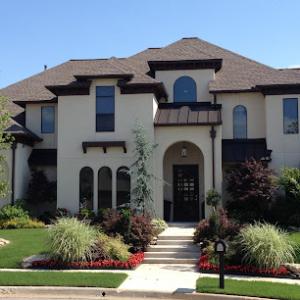
Restoration Builders Group
(918) 364-7663 restorbuilders.com
15010 S Grant St, Bixby, Oklahoma
4.9 from 95 reviews
Welcome To Restoration Builders of Oklahoma. Restoration Builders of Oklahoma is a residential & commercial contractor operating in the United States. Our mission is to protect, restore and build properties, strengthen families and support our communities. We are committed locally and ready to serve wide scale for disaster response. Our repair and restoration experts provide assistance with everything from roof inspections and minor repairs to comprehensive storm damage rebuilds and just about everything in between. Contact us for a free inspection: info@restorbuildersOK.com. Oklahoma CIB #80000039

918 OK Roofs
8303 East 111th St S Suite C, Bixby, Oklahoma
5.0 from 37 reviews
918 OK Roofs is Tulsa and Northeast Oklahoma’s choice for quality roofing services. As a locally owned business, we value and understand our community’s roofing needs. The constantly changing Oklahoma weather takes a toll on roofs, and we offer the best materials and installation techniques to keep your home or business protected. Whether you need a roof repair or replacement, gutters, or simply a roof inspection, we will help you with your roofing needs. At Ashley Roofing & Construction, we have a commitment to be personally involved in every roofing project that is undertaken, and we strive to always be available to the customer in a direct owner-to-customer relationship.
Roofing Life
(918) 270-2860 www.roofing.life
2507 E 161st St S, Bixby, Oklahoma
5.0 from 35 reviews
Roofing Life serves residential & commercial property owners by providing first-class roofing services & guidance through the insurance claims process. We offer free roof inspections for property owners who have had or are suspected of having any form of storm damage such as hail and wind. What most people don’t know, is that their insurance company will usually pay for their entire roof to be repaired or replaced with little to no money out of pocket to the property owner. Please contact us for a FREE ESTIMATE!!
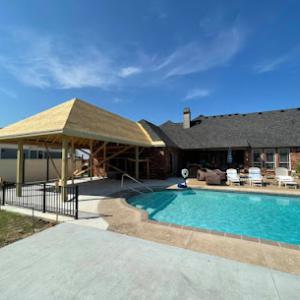
Precise Roofing & Contracting
(918) 366-7663 keepitprecise.com
101 E Needles Ave, Bixby, Oklahoma
4.8 from 110 reviews
Call, click, or come by our office today! 918-366-ROOF Headquarted in downtown Bixby, Precise Roofing & Contracting is a local, family-owned roofing company that's proud to give back to their local community, delivering customer satisfaction that can't be beat!

Decor Roofing & Restoration
(918) 382-7663 decorconstruction.com
3023 E 151st St S, Bixby, Oklahoma
4.9 from 71 reviews
Decor Roofing & Restoration is a trusted roofing and restoration company serving Oklahoma, Arkansas, and Texas. With 35+ years of experience, our family-owned business specializes in residential and commercial roofing, TPO systems, and emergency storm, water, and smoke damage repairs. Known for fast response times, accurate estimates, and unmatched customer care, we’re committed to quality craftsmanship and lasting solutions. Whether you need a roof replacement, repair, or full-service restoration, count on Decor to deliver with integrity. Contact us today for a free estimate!
Oklahoma Roofing Systems
(918) 282-9142 www.oklahomaroofingsystems.com
12806 S Memorial Dr #126, Bixby, Oklahoma
5.0 from 28 reviews
We provide roofing systems that are installed to a higher standard, our materials and roofing systems are guaranteed to last longer! We can show you the difference and why it’s clear to choose ORS for your next project!

Whirlwind Roofing & Construction
(918) 366-3341 whirlwindroofing.com
13402 S Memorial Dr, Bixby, Oklahoma
4.8 from 64 reviews
Whirlwind Roofing is a local, family-owned Tulsa roofing company with a personal touch. Let us exceed your expectations with friendly, high-quality roof repair, roof replacement, and storm damage restoration services. Whirlwind Roofing is owned by the Laizure family of Bixby, OK. Having a family roofing business allows us to provide a personal touch and keep our customers’ satisfaction sky high. Our professional, experienced crews will come in like a whirlwind and fix your roof as good as new. We’ll make sure your roof looks great and is built to withstand the elements for years to come. And we promise to take care of your home as if it were our own.

918 Construction
(918) 612-1178 918construction.com
15115 S 76th E Ave, Bixby, Oklahoma
4.6 from 87 reviews
918 Construction is Bixby and the Tulsa areas premier provider of Residential Roofing, Commercial Roofing & happy to help with any of your roof repair needs. Owned and operated by Jerod Hicks, a local and family owned business for over 20 years. Other services include Concrete, Fire Pits, Outdoor Living, Pergolas, Patios and Drainage! Check out our website for more information on 0% Financing and our gallery of our work. Call 918 Construction Today! Over 20+ years of experience.
Bird Construction
(918) 236-5586 www.birdconstructionok.com
12814 S Memorial Dr #120, Bixby, Oklahoma
5.0 from 15 reviews
Welcome to Bird Construction, your trusted partner for roofing, metal buildings, and remodels in Northeastern Oklahoma. With years of experience and a commitment to excellence, we specialize in providing turnkey solutions that exceed expectations. At Bird Construction, customer satisfaction is our top priority. You can count on us to provide exceptional service, attention to detail, and timely project completion, every step of the way. Experience the difference with Bird Construction – where quality, reliability, and professionalism come together to build success. Contact us today to discuss your project needs and discover how we can help bring your vision to reality.

HomeGuard Construction
Bixby, Oklahoma
4.7 from 38 reviews
HomeGuard Construction delivers quality roofing solutions and remodeling services that bring your vision to life. With a meticulous approach to every project and a commitment to delivering stunning results, we specialize in crafting breathtaking kitchens and reimagined bathrooms that transform your space into a true reflection of your lifestyle. Serving the Tulsa, Oklahoma area, HomeGuard Construction is dedicated to elevating your home's beauty and functionality.
Oklahoma's high hail-claim environment means adjusters in this area take a close look at every roof and expect to see more than bruised shingles. In Bixby, quick approvals based solely on visible shingle damage are rare; the insurer will want a thorough assessment that covers underlayment, flashing, and potential hidden issues. That reality shapes how homeowners approach a claim: prepare for a meticulous review rather than a fast stamp of approval.
Because claim activity is frequent in this region, you need a record-keeping routine that can stand up to a detailed adjuster review. Start with dated photos taken at multiple angles, ideally within days of the event. Capture entire roof exposure, attic spaces, and any interior water marks or staining quickly after a storm. Keep a written log of every interaction with the insurer, including dates, names, and the scope of what was discussed. Have contractor inspection notes ready that itemize observed conditions beyond what a casual glance reveals. The goal is to present a clear history that demonstrates the sequence of events from hail impact to any resulting damage, rather than a single momentary snapshot.
Photos are your first line of defense, but the story they tell improves with context. Interior leak evidence should be photographed in place, showing the path of water intrusion and any staining that correlates to roof lines or penetrations. If a contractor identifies weaknesses in underlayment, vent piping, or flashing, request a written summary that aligns with the photos. When possible, arrange a quick, on-site contractor inspection before or shortly after the insurer's initial evaluation, and have the contractor's notes reference the same dates as your photos. A consistent narrative across photos, interior evidence, and professional notes reduces back-and-forth and helps the claim move toward a complete and fair settlement.
Storm timing matters locally because claim backlogs can grow after major Tulsa-area weather events, making early inspection and organized records more important for faster settlement. If a significant storm hits in the spring, expect insurers to prioritize fresh claims while older ones accumulate, potentially delaying decisions. Acting promptly to document damage, secure temporary measures if needed, and communicate with the insurer can keep your file from slipping into backlog-induced delays. Establish a routine for regular follow-up on the claim status and request written updates, so there is a traceable timeline of progress. This is not about rushing a decision, but about keeping the process steady and predictable through busy weeks.
Connect with contractors who help homeowners navigate the claims process from damage assessment to final approval.
Family Tree Roofing-Tulsa & Bixby
(918) 897-3025 www.familytreecontracting.com
12808 S Memorial Dr Suite 120, Bixby, Oklahoma
5.0 from 331 reviews
Restoration Builders Group
(918) 364-7663 restorbuilders.com
15010 S Grant St, Bixby, Oklahoma
4.9 from 95 reviews

918 OK Roofs
8303 East 111th St S Suite C, Bixby, Oklahoma
5.0 from 37 reviews
In the Bixby market, asphalt shingles and metal roofing stand out as the most practical mainstream choices. They align with the area's storm-driven replacement cycle, where fast response and broad contractor availability matter as much as anything. When choosing between these two, consider the typical A-to-C season: asphalt is quick to install, widely available, and cost-effective for neighborhoods that see frequent hail and wind-driven damage. Metal roofing offers durability and a longer service life, which can be appealing after a severe storm season that compounds wear on older roofs. For many homeowners, a metal upgrade paired with proper underlayment and venting makes sense for the long view, especially when repeat hail events are part of the home's history.
Clay tile, concrete tile, synthetic/composite shingles, and slate are available in this market, but their weight, repair complexity, and replacement logistics matter more in a hail-prone Oklahoma setting than in milder regions. Clay and concrete tiles add undeniable curb appeal and energy advantages on hot days, yet they demand a stronger roof deck and more careful installation. In a hail event, individual tiles can crack or break, and repairs can become a juggling act of sourcing exact matches and coordinating fragile replacements. Synthetic or composite shingles aim to blend some resilience with easier handling, but they still ride on a deck prepared for heavy roofing loads and the realities of Oklahoma hail. Slate provides premium durability but is often costlier and requires specialized crews; in practice, the labor and compatibility questions can slow repairs after a storm.
Bixby's hot summer sun accelerates thermal expansion and drying, so material choice should account for both hail resilience and heat-related aging rather than focusing on appearance alone. Asphalt shingles can endure typical summer heat with proper venting and a solid underlayment, but softening edges or curling can occur if attic temperatures spike. Metal roofs tend to perform well under heat and hail, yet fasteners and coatings matter; choose a profile and coating designed for Oklahoma summers to minimize dent visibility and color fade. When evaluating options, think about how a roof will behave after multiple spring hail episodes and through Oklahoma's long, hot months, not just how it looks on the first sunny day.
In Bixby, spring hail and wind drive a tight re-roof cycle, and crews can get pulled into insurance-driven work quickly. That surge energy often pushes labor costs higher during peak post-storm periods, and scheduling delays or tighter timelines can add to overall project friction. If a claim is active, understand that timing-letting the adjuster complete a scope and then locking in a crew-can influence both price and job flow. Expect temporary price pressures during the height of the insurance re-roof wave, then a back-to-business rhythm when the weather calms.
The material choice set in this area is broad, with costs that reflect both performance needs and local weather realities. Asphalt shingles sit in a practical range of 350 to 700 USD per square, which remains a common starting point for suburban homes with moderate roof complexity. Metal roofing runs higher, typically 650 to 1400 USD per square, offering durability against hail and wind but at a premium upfront. If you're contemplating longer-term durability or a traditional look, clay or concrete tile can fall between 900 and 2100 USD per square. Synthetic or composite shingles provide a middle ground, around 450 to 900 USD per square, often balancing cost with improved impact resistance. Slate sits at the top end, roughly 1600 to 3200 USD per square, for homes seeking top-tier longevity and aesthetics.
Costs can move up or down based on several factors that often surface after a hail or wind event. First, tear-off scope matters: a full removal and disposal can add labor and debris handling costs beyond the new roof itself. Second, decking repairs uncovered after damage or during inspection can require additional materials and labor. Third, the roof's complexity-common in newer suburban layouts with multiple penetrations, vents, and transitions-affects installation time and waste management, nudging both labor rates and material waste. Finally, keep in mind that permit-related changes (even if not the focus of this section) can influence the project timeline and total cost through inspection and sequencing needs.
Start with a realistic assessment of your roof's current condition and a few material options to compare. If insurance is involved, align timelines with the claim process to minimize peak-rate pressure. For a typical suburban Bixby home, weigh asphalt for cost efficiency against metal for resilience, or consider tile or slate if you prioritize longevity and curb appeal and are prepared for higher upfront costs.
Don't let upfront costs delay a critical repair - these contractors offer payment plans to fit your budget.
918 Construction
(918) 612-1178 918construction.com
15115 S 76th E Ave, Bixby, Oklahoma
4.6 from 87 reviews


In this city, most residential full re-roofs require a building permit through the City of Bixby Building Department rather than being handled as permit-free maintenance. That means a homeowner or contractor should expect to file an official permit package before lifting the old roofing and installing new materials. The permit process is designed to ensure that the new roof meets local standards for wind resistance, water shedding, and safe installation onto the underlying deck and framing. Rely on the Building Department for guidance on whether a particular project qualifies as a full re-roof or a more limited repair scope, and to confirm the correct permit type.
The typical workflow begins with submitting a permit application and roofing plans. The plans should illustrate the roof's materials, fastener patterns, ice and water shield details where applicable, drip edge, and boot replacements around vent stacks. After submission, a permit fee is paid and a permit is issued, linking the project to a calendar-driven inspection schedule. Scheduling inspections at required milestones is a critical step-common milestones include a roof deck inspection before underlayment, a mid-stage inspection after shingles or metal are installed, and a final inspection once installation is complete. The most important practical tip is to align your contractor's timetable with the city's inspection windows and to avoid delaying inspections, which can stall the project and extend the permit's active period.
Bixby inspections focus on proper installation and wind uplift compliance. Expect the inspector to verify fastener patterns, underlayment coverage, nailing or locking methods for the chosen roofing material, and the integrity of flashing around chimneys, vents, and wall transitions. For wind-prone springs, the inspector will pay close attention to edge vents, ridge closures, and the stability of the roof sheathing-to-framing connections. The goal is to ensure the roof can withstand typical Oklahoma wind events and that there are no gaps that could lead to leaks or wind-driven uplift. A clean, well-cut job site, labeled penetrations, and proper ventilation details can help the process move smoothly.
Closeout typically hinges on passing the final inspection and on the department's current workload. If the inspector signs off, the permit is officially closed and the project is considered complete from the city's perspective. Delays can occur if a required milestone is missed, if weather has caused backlogs, or if any installation detail deviates from the approved plan. Coordinate closely with the roofer to ensure that the final inspection can be scheduled promptly after completion and that any outstanding items are addressed in a timely fashion.
In Bixby, planning often targets drier parts of the year to reduce weather delays, but many replacements are forced earlier by spring storm damage rather than ideal scheduling. The spring window is when hail and gusty winds can accelerate shingle failure, so expect a shorter calendar if insurers defer damage assessments. If a roof has already shown bending granules or lifted tabs after a storm, a provisional plan should be ready to move quickly.
Summer heat in eastern Oklahoma can speed material expansion and surface drying, which affects installation pacing and makes crew timing more important on exposed roofs. On hot days, cycles of expansion and contraction can stress seals around flashing and ridge caps. A contractor should stagger nailing patterns and check attic ventilation to avoid heat buildup that slows curing of underlayment or self-sealing shingles.
Winter freeze-thaw cycles in the region can worsen flashing and joint problems, so homeowners with minor storm damage often face a choice between temporary repair and full replacement before colder swings. If ice dam risk is present, adherence to shingle-to-flashing interfaces and careful clearance of debris from gutters becomes a priority. Scheduling around predicted cold snaps helps keep materials from becoming brittle and reduces the chance of call-backs for resealing.
For those facing recurring storm events, the insurance-driven cycle can compress timelines. A quick tarp or temporary patch can bridge a storm damage event, but longer sequences may demand a full replacement to restore curb appeal and wind resistance. Best practice is to align material orders and crew availability to a window with minimal anticipated weather interruptions, while keeping a clear line of communication with the insurer about scope and approvals.
In Bixby's fast-growing neighborhoods, the ridge and edge lines take the brunt when spring storms whip through and wind finds any weakness in an aging surface. Heat-age prior to the latest hail event can leave shingles and underlayment more brittle, so a high wind can lift edges and push through vulnerable joints along the exposed ridge and hip lines. The consequence is not only accelerated wear but a higher chance of sudden leaks once the storm passes. When you inspect after a storm, look especially at the ridge caps and along eaves for lifted tabs, loose fasteners, and any curling that hints at deeper adhesive loss. Proactive resealing and precise re-fastening in these zones can prevent small gaps from becoming big problems during the next wind event.
Flashing around vents, skylights, and chimney footprints becomes higher-risk areas locally once freeze-thaw movement follows summer expansion and earlier hail impacts. Metal flashings can crack or pull away where shingles have already strained, and sealants can degrade under repeated temperature swings. In Bixby's climate, a minor flashing failure often manifests as a tight-looking seam that refuses to stay sealed after a summer heat spike, followed by a quick winter leak when a storm arrives. When checking a roof, pay attention to the joints where step flashing meets sidewalls, around vent pipes, and at chimney bases. These spots benefit from careful resealing, re-flashing as needed, and ensuring there is solid, corrosion-free metal the length of the intersection.
Skylight and chimney transitions deserve extra scrutiny in this market because leak paths often show up there after severe weather even when field shingles look only moderately affected. The area where the curb or curb flashing meets the roof plane can hide hairline gaps that widen with spring wind and summer heat cycles. Inspect the surrounding shingles for edge lift, and verify that flashing sits flush with no debonded sealant. A small lapse here can translate into a stubborn leak that travels along the interior ceiling without obvious surface damage on the rest of the roof. Regularly resealing and replacing degraded flashing around these transitions is a prudent, lasting precaution.
Find contractors experienced in skylight installation, flashing, and leak repairs to bring natural light into your home.

Wounded Warrior Roofing
(918) 742-8482 wwroofingok.com
14040 S Peoria Ave Suite 110, Bixby, Oklahoma
4.7 from 18 reviews