
Last updated: Apr 19, 2026
Jenks homeowners face frequent spring hailstorms and severe thunderstorms that can create sudden roof damage rather than slow wear alone. The combination of hail impact, high heat, and gusty winds means a roof can go from intact to leaking in a single afternoon when a storm rolls through the Tulsa metro storm corridor. Active leak risk, missing shingles, and wind-lifted edges can worsen with the next thunderstorm, turning a manageable repair into a costly emergency if left unattended. The hot Oklahoma sun also accelerates sealant failure and can reveal hidden damage once a roof begins to dry out after a storm event. Recognize that waiting to inspect after a hail event increases the chance of interior damage, attic mold growth, and attic insulation degradation.
Damage often hides on the roof plane and along the edges where wind lifts shingles. Look for dented or bruised asphalt shingles, peeled granules in gutters, and lifted or curled shingles that do not lay flat. Exposed underlayment, torn flashing around chimneys, vents, and skylights, and compromised roof penetrations signal more than cosmetic issues. Inside the attic, check for new light streaming through decking, damp insulation, or staining on rafters-these are red flags for active leaks. In Jenks, storm damage can appear even when the roof looks largely intact from the ground; a careful inspection from a ladder or a trusted professional is often necessary to catch hidden vulnerabilities.
If a thunderstorm is imminent, secure loose objects on the roof and yard to reduce impact risk and debris intrusion. After a hail event, document everything with photos and notes while the evidence is fresh. Schedule a professional roof inspection as soon as you can-don't wait for a leak to appear to justify calling in help. When you do call, specify hail impact zones, edge damage, and any attic signs of moisture. If leaks are present, place temporary containment-buckets or towels-under active drips to limit interior damage until a crew can arrive.
Begin gathering documentation: the storm date, visible roof signs, and any interior water intrusion. A professional inspection will identify whether the roof is a candidate for immediate temporary repairs or a full replacement. In high-hail regions, the assessment should cover shingle integrity, flashing performance, and attic ventilation's role in moisture management. If you have insurance involvement, your record-keeping and timely reporting become crucial to the claim's trajectory. Local storms can accelerate replacement decisions, so you should align urgency with accuracy: prioritize areas showing active leakage, exposed decking, or wind-lifted edges to prevent minor issues from morphing into major system failures.
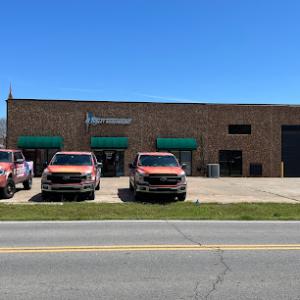
R Turley Roofing - Tulsa Roofing
(918) 813-1334 rturleyroofing.com
531 W H St suite e, Jenks, Oklahoma
4.9 from 417 reviews
R Turley Roofing - Tulsa Roofing is your premier choice for top-notch roofing needs at 531 West H St Suite E. Recognized among the best roofing contractors, we specialize in comprehensive residential roofing services and are leaders among commercial roofing companies. Our expert team offers reliable roof repair services, including emergency roof repair and detailed roof leak repair. Whether you need roof replacement services or precision roof installation services, we've got you covered. We ensure your roof’s longevity with our roof maintenance services and thorough roof inspection services. Trust R Turley Roofing for quality and reliability you can count on.
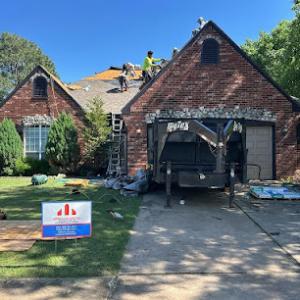
American Capital Roofing & Construction
(918) 902-2277 www.oklahomaroofpros.com
1100 W Main St, Jenks, Oklahoma
4.9 from 60 reviews
American Capital Roofing & Construction offers residential and commercial roofing services, including roof repairs, reroofing, roof inspections, and roofing for new custom homes, to the Oklahoma City and Tulsa Metro areas and beyond.
A+ Roofing Solutions
(918) 438-7663 aplusroofingok.com
415 E A St, Jenks, Oklahoma
4.7 from 98 reviews
A+ Roofing Solutions provides residential and commercial roofing services to the Jenks, OK area.
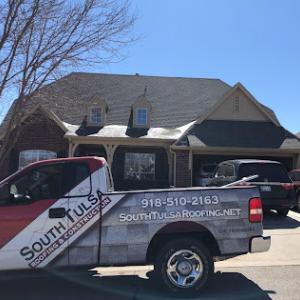
South Tulsa Roofing & Construction
(918) 510-2163 southtulsaroofing.net
9410 S Elwood Ave Suite 109, Jenks, Oklahoma
4.8 from 16 reviews
Roofing Contractor ,roof repair, Tulsa's best roofer, Tulsa roofer, Jenks roofer, Bixby roofer South Tulsa Roofing
Guaranteed Roofing
(918) 451-0119 www.guaranteedroofingjenks.com
12502 S Florence Ave, Jenks, Oklahoma
5.0 from 2 reviews
As a property owner, keeping a roof over your head is a top priority. If that roof happens to be in Jenks, Broken Arrow, or Tulsa, OK, Guaranteed Roofing is your answer to fast and affordable roofing service. They’re locally-owned and -operated with more than 20 years of experience in the re-roofing business. Guaranteed Roofing is made up of your friends and neighbors, and their commitment to the community and customer satisfaction has given them a reputation for being the best in the area. From roof leaks to gutter installation, they do it all. Call them today at (918) 451-0119 to schedule an estimate. You’ll also learn more about their residential and commercial roofing services by visiting them online.
Billings Roofing & Solar
(918) 600-9565 billings.construction
Serving
4.9 from 230 reviews
Billings Roofing & Solar is a General Contractor specializing in Roofing and Solar. We are your trusted roofing expert, delivering top-quality roof installations, roof repairs, and roof replacements in Tulsa and surrounding areas. We specialize in durable, energy-efficient roofing solutions, ensuring long-lasting protection for your home or business. Our team is committed to exceptional craftsmanship, using premium materials to guarantee reliability and performance. Whether you need storm damage repair or a full roof upgrade for your home or business, we provide expert service with integrity. Contact Billings Roofing & Solar today for a free roofing estimate and experience the best in roofing excellence!
Wounded Warrior Roofing
(918) 742-8482 wwroofingok.com
Serving
4.7 from 18 reviews
Veteran Owned and Operated! At Wounded Warrior Roofing, we offer a wide range of roof replacement services in Tulsa, including asphalt shingles, metal roofs, and flat roofs. We understand that each unique home requires its own unique roof, so our team takes the time to identify the right type and material for your home's architecture. We can also help you pick out the right style or color of your roofing materials that will best fit your preferences and the aesthetic of your home. Our experienced and knowledgeable professionals can help you with repairs, such as patching holes or fixing loose shingles. We'll also help you decide whether a complete replacement or repair is the best option for your home. Get a Free Estimate today!
Armour Metal Roofing
(918) 284-3806 www.armourroofok.com
Serving
5.0 from 8 reviews
Armour Metal Roofing, your premier destination for top-quality metal roofing solutions in Tulsa, OK, and surrounding areas. With a steadfast commitment to excellence, we specialize in metal roofing, metal siding, and gutter services, ensuring durability, reliability, and aesthetic appeal for your property. Our expert team combines superior craftsmanship with the latest industry innovations to deliver tailored solutions that exceed expectations. Whether it's residential or commercial projects, we provide reliable installations, repairs, and replacements to safeguard your investment. Trust Armour Metal Roofing for unparalleled expertise, unmatched customer service, and enduring protection against the elements.
Roof Leaks & More
(918) 202-8184 roofleaksandmore.com
Serving
5.0 from 137 reviews
Founded in 2018, Roof Leaks and More is a premier roofing and construction company serving Tulsa and surrounding areas. As a leading roofing contractor, we specialize in a wide range of services, from expert roof repairs and comprehensive waterproofing to new roof installations. We are committed to delivering top-quality residential and commercial roofing solutions, ensuring lasting durability and protection for your property. Our skilled team provides exceptional craftsmanship and reliable service on every project, giving you confidence in the integrity of your home or business.
Average Joes Roofing & Construction
(918) 900-5345 averagejoesconstruction.com
Serving
5.0 from 6 reviews
Tulsa’s Trusted Roofing & Construction Experts Average Joes Construction is a veteran owned company that specializes in hassle-free roofing, gutters, and general contracting for residential & commercial properties across Tulsa, Broken Arrow, Glenpool, and surrounding areas. We work directly with your insurance company to make storm damage repairs smooth and stress-free. From full roof replacements to small repairs, gutters, and siding, our team is committed to quality craftsmanship and honest service. Free inspections available. Call today — we’ve got you covered! Available 24/7 for emergency tarping, leak repair, and storm damage.
Action Exteriors Tulsa
(918) 221-0253 actionexteriors.com
Serving
5.0 from 105 reviews
If you’re in search of a trustworthy exterior services company, look no further than Action Exteriors. As a locally-owned and operated business, we promise to deliver the best in roofing installation and repair, gutters, siding, and windows. The secret to our success is simple: an unwavering commitment to customer satisfaction. When you partner with us, you’ll be treated like family. We’ve helped countless homeowners and businesses protect and enhance their properties, and we’re ready to do the same for you!

Decor Roofing & Restoration
(918) 382-7663 decorconstruction.com
Serving
4.9 from 71 reviews
Decor Roofing & Restoration is a trusted roofing and restoration company serving Oklahoma, Arkansas, and Texas. With 35+ years of experience, our family-owned business specializes in residential and commercial roofing, TPO systems, and emergency storm, water, and smoke damage repairs. Known for fast response times, accurate estimates, and unmatched customer care, we’re committed to quality craftsmanship and lasting solutions. Whether you need a roof replacement, repair, or full-service restoration, count on Decor to deliver with integrity. Contact us today for a free estimate!
Oklahoma's high hail and wind claim volume affects Jenks homeowners through closer insurer scrutiny, variable deductibles, and stronger documentation expectations after storms. The pattern here isn't random: hail tends to come in bursts that dimple shingles, dent flashing, and bruise metal. Thunderstorm lines can push rain under shingles and into soffits, sometimes long after the storm has passed. That combination means a claim that starts with a visually obvious dent may reveal hidden interior damage once the attic is opened. Remaining aware of that dynamic keeps expectations aligned with what insurance adjusters are trained to review after a heavy event.
In Jenks, claim success often depends on date-stamped photos, interior leak evidence, and records that separate storm damage from older heat-related aging. Start with exterior pictures taken the same day as the storm, focusing on granule loss, lift, edge curling, and cracked or gouged shingles. Inside, document any damp spots, staining, or musty odors near the ceiling or along the rafters, and note any seasonal movement that might mimic age-related wear. The more you can tie a problem to a specific hail event with a time frame, the sharper your documentation becomes. Retain contractors' inspection notes and repair quotes that reference storm impact, not general wear, and keep these files organized by date and location on the roof.
After major hail events in the Tulsa area, coverage terms and deductibles can shift, so a homeowner needs to review policy language before authorizing full replacement. Do not assume that yesterday's policy reads the same as today's after a storm swarm. Look for sections that define covered perils, hail-related exclusions, and the criteria insurers use to distinguish storm damage from preexisting aging. If a denial arrives, request a written explanation that cites the specific policy language used to justify it, and consider a second opinion from a roofing professional who understands how local wear patterns interact with hail damage. This isn't about fear; it's about making sure the claim aligns with the coverage purchased and the visible evidence collected from the scene.
Begin promptly with a qualified inspection to capture current conditions and to differentiate between hail-caused problems and wear from long summers. Communicate clearly with the insurer about what you have observed and attach the date-stamped photos and interior evidence. If the adjuster credits only partial damage, ask for a reinspection and prepare a concise summary that links each observed issue to the corresponding storm event. When multiple storms brush through the area in a season, expect reviewers to connect claims across events; keep a running file that shows when each storm occurred and what damage was documented at that time. The goal is a transparent, well-supported claim that reflects the storm's true impact without overreaching.
Connect with contractors who help homeowners navigate the claims process from damage assessment to final approval.
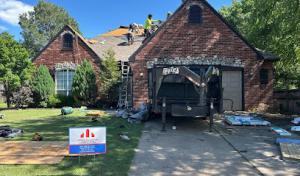
R Turley Roofing - Tulsa Roofing
(918) 813-1334 rturleyroofing.com
531 W H St suite e, Jenks, Oklahoma
4.9 from 417 reviews
American Capital Roofing & Construction
(918) 902-2277 www.oklahomaroofpros.com
1100 W Main St, Jenks, Oklahoma
4.9 from 60 reviews
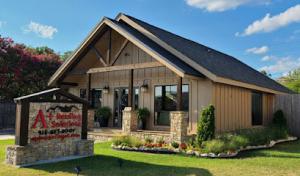
A+ Roofing Solutions
(918) 438-7663 aplusroofingok.com
415 E A St, Jenks, Oklahoma
4.7 from 98 reviews
Spring in this area offers a relatively forgiving window for big roof projects, especially after the winter freeze and before the heat really settles in. Plan replacement or major repairs for mid to late spring when daytime temperatures sit in a comfortable range and frequent thunderstorms haven't yet built into the daily routine. Don't book during the late spring crush if a storm is forecast; a single strong hail event can ripple into supply holds and scheduling adjustments, slowing the project. Early to mid-spring also helps crews test seal-downs on new materials before the next heat spike.
Hot summer conditions accelerate shingle aging and force crews to contend with heat and wind, particularly on dark asphalt roofs that absorb sun. If a summer replacement is unavoidable, choose early morning start times and ensure crews have shade and ample hydration. Schedule critical sealing tasks for cooler periods of the day, and anticipate occasional pauses as heat indices push unsafe working limits. Weather planning becomes part of the timeline: a tropical storm warning or a sudden hail threat can pause progress or require re-sealing work to meet quality standards.
Fall storms and late-season weather can disrupt a well-planned replacement. When planning in autumn, build in a buffer for weather-induced delays and for the reduced humidity that can affect seal-down performance on certain roofing systems. If the project runs into a cold snap, some materials may require special handling or temporary measures to prevent wind uplift and water intrusion. Fall is still a solid period for finishing, provided the schedule allows for potential slowdown after a heavy storm or when temperatures dip toward the lower end of the acceptable range for the chosen materials.
Winter in northeastern Oklahoma brings the risk of freezes and fluctuating temperatures that complicate installation quality. If a winter replacement is necessary, recognize that cold mornings can slow adhesive or sealant cures and urges careful sequencing of steps. Plan for shorter workdays and more protective tarping to shield newly installed components from freezing moisture. Scheduling flexibility becomes your ally, with the understanding that freeze-thaw cycles and wet conditions can extend timelines and require follow-up inspections or resealing in the early spring thaw. Keep communication steady with the roofing crew so adjustments stay in step with real-time weather patterns.
Asphalt shingles dominate the Jenks housing stock, fitting both the local aesthetics and typical budget expectations. They're familiar to local roofing crews, easy to replace panel by panel after a hail event, and generally responsive to quick storm damage assessments. However, hail bruising is a recurring issue-tiny indentations can compromise granule loss and accelerate aging once heat intensifies in July and August. When you're evaluating hail damage, pay attention to bruised shingles that still lie flat, as well as granule loss in gutters and downspouts. In heat, shingles can become more brittle and susceptible to lifting or cracking during strong winds, so an inspection after severe storms is prudent. If your roof uses an architectural or laminated profile, check for edge separation along the flashing and valley intersections, where heat and wind pressure tend to stress the sealant first.
Metal roofing is a common sight on newer or remodeled homes in this market due to its resilience against the kind of Oklahoma thunderstorms that bring fast winds and heavy rain. Metal sheds water superbly and resists hail better than many other materials, which can translate to fewer mid-season leaks after storms. Installation quality matters a lot here: improper fastener sealing or poor panel alignment can become weak points during high-wind events. If you're considering metal, ensure panels are properly spaced for expansion and that ridge and eave closures are sealing against driving rain. Color selection and coating longevity matter too-choosing a finish with good solar reflectivity can help manage attic temperatures, reducing heat transfer into living spaces and potentially extending the life of the underlayment.
Tile, wood, and synthetic roofs appear in Jenks, but each comes with its own planning challenges after a hail event. Clay or concrete tiles carry significant weight; after a storm, a professional assessment is crucial to identify cracked or displaced tiles that may not immediately fail but can permit leaks. Replacement matching becomes trickier when color and texture need to visibly align with surrounding shingles. Wood shingles and shakes bring a distinctive look but are more sensitive to hail impact and sun exposure, which can accelerate warping or cupping in heat. Synthetic or composite shingles offer some hail resistance advantages over traditional wood or asphalt, but color fading and wear patterns under Oklahoma sun require careful matching for repairs to blend seamlessly.
After a severe hail or thunderstorm, conduct a careful top-to-bottom inspection of the roof line, attic access points, and flashing around chimneys and vent stacks. Pay attention to feedback from the attic-any signs of moisture or attic heat buildup can indicate compromised underlayment. For all materials, establish a plan for staged repairs rather than full replacement when possible, prioritizing vulnerable areas such as valleys, penetrations, and edge seals. Regular maintenance-clearing debris, cleaning gutters, and resealing flashing-helps extend the roof's life in Jenks's climate, where heat and hail stress compound over time. Remember to document storm damage thoroughly for insurance discussions and to support any replacements or repairs that arise after a major event.
Storm-driven demand spikes are a real factor when hail events hit the Tulsa metro. In Jenks, that means labor can tighten up and scheduling can stretch out just when homeowners need work to begin or finish. When a hailstorm goes through, crews shift from routine maintenance to full replacement projects, which drives up crew availability and material lead times. That ripple effect often shows up as higher bids or longer wait times, even for projects that otherwise follow a straightforward replacement plan. Staying flexible on start dates and having a clear fallback window can help keep the project on track without sacrificing the needed coverage after a storm.
Material choice matters sharply in this market. The local ranges run from asphalt shingles at 350 to 700 USD per square up to clay tile at 900 to 1700 USD per square, while metal commonly falls between 700 and 1200 USD per square. Concrete tiles and wood shingles sit in between, with their own installation quirks and fit, but the big take-away is that the cost gap between a basic asphalt job and a premium tile setup is substantial. For many Jenks homes, asphalt provides solid value for typical roof life, while metal can offer longer service with improved impact resistance in hail-prone periods. If the roof line is complex or the attic gains high temperature exposure, a more reflective or durable option can help reduce cooling costs over time. When storms cluster, the availability of certain profiles may shift, so material choice can influence not just price, but delivery speed as well.
Expect to align your project with storm season peaks. After a hail event, expect scheduling to be tight and permitting windows to compress into a shorter timeframe, with crews juggling multiple storm-related jobs. A longer lead time for materials is common when demand spikes, so confirm not only the start date but also delivery windows for the selected product. If a laminate or concrete tile option is chosen, anticipate heavier roof loads and potential needs for deck or structural checks that can influence framing time. For a typical Jenks home, building in a buffer of a few weeks around peak storm months helps absorb weather-related delays and keeps the project on track without compromising the replacement quality.
In this market, reliability and communication matter as much as price. Look for a contractor with a track record of storm recovery work and clear documentation practices, including progress updates and change-order handling. Because material arrival and crew availability can swing quickly after a big hail event, request a detailed schedule with milestone dates and contingency plans. If the project must fit within insurance timelines, ensure the contract accommodates deductibles, scope changes, and inspection checkpoints so that scheduling doesn't slip due to administrative bottlenecks. A well-structured plan makes it easier to navigate the realities of Jenks weather and storm-driven demand while staying focused on long-term performance.
Don't let upfront costs delay a critical repair - these contractors offer payment plans to fit your budget.

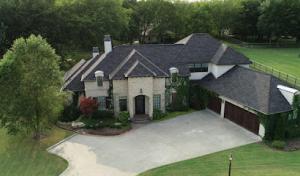
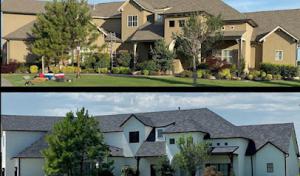
A full roof replacement in Jenks typically requires a permit issued by the City of Jenks Building Department. The formal process ensures that the work meets local code, especially after hail and thunderstorm events that commonly affect the area. Treat the permit as a step that governs the project from start to finish rather than a paperwork obstacle to rush through. Without the permit, a storm-recovery claim can stall at the city line and complicate insurance settlements later.
Jenks uses a formal permit-and-inspection system, so it is critical to confirm who is pulling the permit before any work begins. If the contractor plans to pull it, verify that they are licensed for Jenks roofing work and that the permit will be in the homeowner's name or clearly assigned to the project. If the contractor cannot or will not provide permit details, expect delays and potential disputes with inspectors. The homeowner should retain copies of all permit-related documents for the project file.
Inspections are not a one-and-done step; you should anticipate checks during framing (if applicable), underlayment, and final completion. In Jenks, inspections verify code compliance at each milestone, not merely to "cover the project." Timely scheduling is important, particularly after severe storms when neighborhoods flood the schedule with permit activity. A smooth process relies on staying ahead of inspectors' requests and having required documentation ready.
Prepare for inspections by keeping a clean, accessible work area and ensuring that all venting, flashing, and drainage components meet code expectations. If any adjustments are needed, address them promptly to avoid re-inspections. Communicate clearly with the contractor about inspection dates and who will supervise on-site duties during the process. Documentation such as permits, inspection approvals, and material certifications should travel with the project rather than getting lost in the shuffle.
Once the final inspection passes, obtain the occupancy-ready certificate or final approval from the Building Department and store it with the home records. The certificate confirms the replacement meets local standards and helps with future trades or insurance reviews. If any warranty or future repairs arise, you'll want quick access to the inspection history to support claims.
In Jenks, common failure patterns are tied to hail impact, wind-lifted shingles, and leaks that appear after repeated thunderstorm cycles. Hail can nick and crack shingles without always leaving obvious dimples on the surface, and wind can peel edges up, creating pathways for water intrusion. The result is a roof that looks intact from the ground but leaks after a hard rain or when a storm system lingers. Focus on snagging and lifting around edges, ridges, and valleys after severe weather events, and inspect the underlayment beneath any lifted shingles for moisture spots or soft spots. Delayed leaks often show up several hours into a storm or during the first heavy rain after a lull in activity.
Summer heat in northeastern Oklahoma can speed granule loss and brittleness on aging asphalt roofs, making storm damage harder to distinguish from wear. In practice, this means you may see faster curling, more brittle shingles, and early shingle granules in gutters after a heat spike followed by a storm. When inspecting, treat shingle edges with extra care; soft or crumbling corners indicate age and vulnerability. That brittleness can disguise hail hits, so pay attention to subtle dimples or cracking that align with storm patterns. A careful eye on the roof's condition after hot spells can help differentiate between ordinary aging and storm-related damage.
Debris accumulation after fall wind events can trap moisture and hide damage points until the next heavy rain in Jenks. Leaves, pine needles, and small branches can blanket valleys and gutters, creating moisture pockets that promote rot or mold growth and obscure recessed flashings. Clear debris from gutters and roof lines after windy periods, then re-inspect for soft spots, loose flashings, or stained areas along the eaves and around penetrations. If moisture shows up only after a rain, check for trapped debris under shingles and around fascia, as those concealment points often precede more serious leaks. Vigilance after storms minimizes the chance of creeping, undetected damage turning into a larger repair later.
Storm exposure in this area pushes wind-driven rain right at skylight perimeters and low-slope transitions, where flashing meets the field. In Jenks, those edges tend to be the first leakers after a hail event or a fast-moving thunderstorm. The local contractor market shows meaningful demand for both skylight work and flat-roof service, signaling these details are recurring problem areas in area projects. If a roof has a skylight, treat the edge of that pen, the curb, and the flashing as the first line of defense-and the first potential failure point when pressure from wind and hail hits.
After hail, inspect not only the field shingles but also the penetrations and low-slope sections that may fail before the main roof covering does. Look closely at skylight flashings for lifted metal, puncture gaps, or torn sealant. In the low-slope portions, check transitions where the roof meets parapets, vents, or valleys for any loss of adhesive, blistering, or seam separation. If you have a flat or low-slope roof, pay attention to unusual granule loss or delamination near seams and around roof penetrations, since these areas can deteriorate with repeated hail impacts even when the main deck looks intact.
When arranging a repair, prioritize flashing and sealant integrity around skylights first, then move to low-slope transition zones. In Jenks, a roofer will often reference the risk of wind-driven moisture finding its way under poorly seated flashings and circumventing the main roof surface. Expect a focused assessment of skylight curb integrity, flashing oxidation, and exposed fasteners. For low-slope areas, demand a careful reseal of field-to-flashing joints and, if needed, a replacement of compromised membrane or metal cladding. If a storm has stressed the perimeter, plan for a targeted, edge-focused fix rather than a full-spectrum roof replacement.
Find contractors experienced in skylight installation, flashing, and leak repairs to bring natural light into your home.
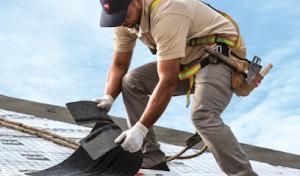
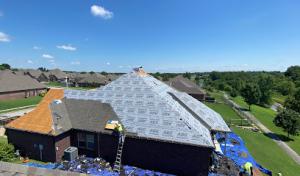
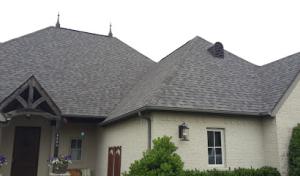
For Jenks homeowners, the storm repair market can look like a mix of quick-take cleanup crews and long-established trades taking a measured approach. After hail and high-wind events, response speed and visible cleanup become the loudest signals, even when a roof is hiding serious damage behind the gutters. The risk is hiring a crew that rushes the job, appears to "check the box" on a quick fix, and leaves questions about warranty follow-through or documentation. The best choice is a roofer who is comfortable explaining what was damaged, what the replacement entails, and how they will track the process from the initial assessment to the final shingle laydown.
Because re-roofing dominates the local contractor profile, homeowners should ask for recent replacement experience rather than assuming every roofer is equally storm-focused. Look for projects completed in the last year or two in similar housing stock with comparable exposure to hail and wind. Ask for photos of the exact roof type you have and a brief description of the mitigating steps taken on the most weathered sections. A reputable crew will provide a transparent timeline, a written scope, and a point of contact who can field questions long after the truck leaves.
The local market includes both affordable crews and long-established companies, so balance becomes essential. You want a team that can move quickly enough to limit further damage, but not so fast that critical details are skipped. Documentation quality matters: insist on a detailed write-up of damage, photos from multiple angles, and a clear post-job warranty or service plan. Finally, confirm how the crew handles debris cleanup, attic ventilation checks, and any necessary follow-up work. In practice, the best choice is a contractor who can deliver timely action, solid records, and reliable aftercare without sacrificing workmanship.