
Last updated: Apr 19, 2026
Spring severe weather and hail are a primary trigger for sudden roof replacement demand in this northeastern Oklahoma corridor. The mix of hail events, strong wind downbursts, and a humid river-air cycle means roofs can go from intact to compromised in a matter of hours, especially on homes with older shingles or shallow roof pitches. In this climate, storms often pack more than a quick dent; they stress underlayment, flashing, and vent boot integrity. The risk to you is not just the visible damage but the hidden moisture that can begin collecting under shingles or permeating attic spaces the moment a storm hits. Staying ahead of delayed repairs is crucial to prevent interior water intrusion that compounds repair costs and disrupts living spaces.
As the Cherokee County seat, many homeowners handle claim paperwork, inspections, and contractor coordination locally after regional storm events. That proximity matters: getting eyes on your roof quickly, by a reputable local roofer, helps ensure the claim is documented accurately and the repair scope reflects what actually failed in the storm. Insurance adjusting crews often cluster after a major event, which means you may face backlogs or conflicting opinions about what constitutes hail damage versus wind damage. The goal is to establish a clear sequence: timely photo documentation, a storm-damage assessment by a licensed roofer, and a written damage report that aligns with the insurer's perspective on weather-driven losses. If a contractor can be on site within 24 to 48 hours of a storm, you gain leverage in negotiations and reduce the risk of temporary fixes becoming permanent, inadequate repairs.
After a storm, walk the property with a flashlight at dusk to catch lifted shingles, granule loss, and exposed nail heads that can indicate impact damage. Look for dents on gutters, vents, and metal edging-these are often a telltale sign of hail impact that accompanies wind-driven limb damage. If you notice curling, cracking, or soft spots on any roof area, contact a reputable local roofer for an on-site inspection. In Tahlequah, where wooded edges increase the likelihood of wind-thrown limbs, inspect the eaves and overhangs for impact marks and check dormers or skylights for glazing damage. Gather before-and-after photos, note the storm date and the path of damage, and keep a running log of all communications with the insurer. When you receive an adjuster appointment, request a single, clearly defined scope that covers hail impact replacement and any wind-related damage to flashing, drip edge, and vent pipes. If a contractor finds issues the adjuster misses, insist on a supplemental assessment promptly to avoid gaps in coverage.
Choosing a local contractor with a solid reputation for storm work can shorten the replacement cycle and reduce the risk of shoddy workmanship that invites future leaks. Because storm-related demand spikes quickly, securing a preferred contractor early helps prevent price inflation and scheduling bottlenecks. Expect to sign off on a wrapped or tarped temporary protection plan if more than a day or two of exposure risk exists before permanent repairs can begin. The aim is to balance speed with quality, so a detailed written estimate, a transparent scope of work, and a clear timeline become your tools for timely, durable roof replacement. This approach minimizes frustration and keeps the focus on restoring a weather-tight roof before additional weather events strike.
Calvin & Son Roofing
(918) 458-1023 www.calvinandsonroofing.com
1014 W Delaware St, Tahlequah, Oklahoma
5.0 from 17 reviews
Calvin & Son Roofing provides new roofing, roof replacement, roof repair, and composite and wood roofs, to the Tahlequah, OK area.
Emerson Enterprises
(918) 931-1051 emersonenterprises.co
22251 S Park Hill Rd, Tahlequah, Oklahoma
5.0 from 1 review
Any roof, Anywhere. All roofing types installed and replaced. Commercial and residential.
Affordable Roofing Solutionz
(918) 360-9884 affordableroofingsolutionz.godaddysites.com
Serving
5.0 from 7 reviews
Welcome to Affordable Roofing Solutionz ! We are a locally owned company. We specialize in residential roofing services ranging from installations, roof maintenance and repair, and even reroofs. We take pride in our ability to go beyond for our clients with our excellent service, customer service and our 10 year warranty. Get in touch with us to request a free roof inspection and get a free quote for your next roofing project.
T & T Roofing
(918) 990-3829 tandtroofing.net
Serving
4.0 from 2 reviews
Free estimates, new construction, Roof repairs, shingles, metal, modified Experience, Skill and Quality all under one roof.
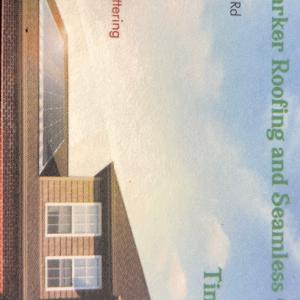
Parker Roofing & Seamless Guttering
13658 W 836 Rd, Tahlequah, Oklahoma
4.0 from 1 review
Parker Roofing & Seamless Guttering is the oldest roofing business in Tahlequah, OK offering roofing services for all your needs. Shingles, metal roofs, commercial roofs, and 5" and 6" seamless guttering for residents and commercial properties.
Tahlequah's location near the Illinois River and Baron Fork corridor creates more persistent humidity than drier parts of Oklahoma, which can slow drying after storms. That lingering moisture sits on shingles longer, especially on the north-facing eaves and shaded sections of the roof. When a storm passes, expect attic and roof surfaces to stay damp a bit longer, increasing the window for underlayment aging and potential granular loss. Plan inspections a day or two after a storm, not immediately, to accurately gauge moisture-related effects on the roof system.
Large mature trees are common around older Tahlequah homes, increasing debris accumulation, shade-related algae staining, and branch impact risk. Debris holds moisture against the roof and can trap pine needles or leaf litter in valleys, hips, and around penetrations. This not only drives mildew and staining but also accelerates shingle wear in those micro-areas. Regular, seasonally aligned cleanups matter: remove debris from valleys, gutters, and the drip edge, and keep roof surfaces clear to prevent moisture pockets that invite algae or moss. Watch for shaded spots where algae staining tends to appear, and address lingering moisture promptly to avoid underlayment saturation.
Homes in the valley and foothill setting can see uneven sun exposure and slower roof drying, which matters for underlayment aging and shingle granule wear. The patchwork of sun and shade from trees and terrain means some sections dry faster than others, while others stay damp longer. This uneven drying stresses asphalt and synthetic shingles differently, potentially speeding granule loss on cooler, shaded faces and increasing thermal cycling on exposed faces. When evaluating roof health after storms, pay attention to those varied sections rather than treating the roof as a uniform surface.
Persistent humidity in this area can elevate interior humidity if attic venting is insufficient. Ensure soffit and ridge vent balance supports continuous air exchange, particularly in designs with complex ridgelines or multiple dormers common to older Tahlequah homes. Improved ventilation reduces interior condensation that can migrate to the decking and underlayment, helping limit premature aging of the roof system. If attic temperatures spike on sunny days, verify that insulation underneath the decking is intact and not compromised by moisture intrusion.
Create a seasonal checklist that targets humidity and shade-driven issues. Schedule debris removal and gutter cleaning a few times a year, with an emphasis after leaf-fall and after storms. Trim branches that hang over the roof to reduce branch impact risk and limit shade that promotes algae growth. Inspect for algae staining and treat affected areas with a roof-safe cleaner that targets bio-growth without damaging shingles. Monitor for uneven drying signs after rains or hail events, and consider micro-ventilation upgrades if attic moisture readings stay consistently high. In the shade-heavy corners, evaluate whether additional shading management, like tree trimming or strategic pruning, might improve long-term roof longevity without compromising yard performance.
Asphalt shingles dominate because they fit the local housing stock and replacement budgets, but hail bruising and wind-lift are recurring concerns in this part of Oklahoma. If you are prioritizing a balance of protection, installability, and long-term service in a mixed tree canopy and river breeze environment, asphalt remains the most dependable everyday choice. Look for high-performance asphalt with sealed or rated impact resistance and an ample warranty. In Tahlequah's climate, a good underlayment and a robust drip edge are worth paying for, since humidity and storm-driven runoff patterns can stress the roof edge and attic ventilation. When replacing after hail events, focus on felt or synthetic underlayment integrity and shingle seam performance, not just the visible surface. Regular inspections after spring hail storms help catch bruising that isn't obvious from the ground, preserving the roof's useful life before more extensive damage sets in.
Metal roofing is especially relevant on the rural fringe and for outbuildings, where homeowners often value impact resistance and faster water shedding during severe weather. If your dwelling sits on a hill, near open fields, or across from a large yard with wind corridors, metal can reduce wind damage risk and shed water quickly after storms. Metal also offers longer service life and better resistance to hail impact in some profiles, which matters when storms come in strong gusts. In these settings, consider standing-seam or tile-profile metal tied into solid deck fasteners and a well-sealed flashing plan. Factor in roof weight and structural compatibility; some older homes in the region were not built for heavy roofing upgrades without a frame check. Inspections after severe weather should verify that fasteners remain secure and that exposed edges aren't vulnerable to corrosion or seam separation in the next season's damp air.
Clay tile, concrete tile, synthetic products, and slate appear more selectively and require attention to structural load, breakage from hail or foot traffic, and specialized installation that is less common locally. If you are rebuilding a stately home with a compatible structure or replacing in a higher-value neighborhood where aesthetics and long life are weighed against load, these options can deliver distinct curb appeal and weather resilience. However, they demand careful assessment: roof framing must handle the weight, fastener patterns must resist wind uplift, and the surface tolerances for hail impact can vary by material. Synthetic products often offer a compromise with lighter weight and varied textures, making them a more practical alternative where traditional tiles are not feasible. If choosing any of these, ensure a contractor with local experience handles hail loading considerations and provides a matching underlayment and flashing detail plan, since moisture and temperature swings in this valley can stress joints. In any scenario, routine inspections after hail and windy seasons help prevent accelerated failure from broken tiles or compromised fastenings.
When budgeting a re-roof, use these local planning ranges per square: asphalt shingles 350 to 650, metal 550 to 1100, clay tile 900 to 1600, concrete tile 800 to 1400, synthetic/composite shingles 350 to 650, and slate 1200 to 2600. These figures reflect Tahlequah's mix of residential stock, attic ventilation needs, and the valley climate. If your home sits on a steeper pitch or has multiple penetrations for vents, chimneys, or skylights, expect the higher end of the range. A simple two-story ranch with basic decking will sit toward the middle, while a steep, multi-story home with complex roof geometry can drift into the upper bandwidths.
Storms can push demand spikes into northeastern Oklahoma, especially after hail events when Cherokee County homeowners file claims in quick succession. When this happens, scheduling can stretch out and labor pricing tends to rise as specialty crews are pressed to handle a flurry of jobs. In practice, that means you should expect longer lead times for materials and contractors, plus tighter windows for when crews can start and finish. Expect conversations that include contingency planning for weather delays and potential substitution options if your original material choice becomes temporarily scarce.
Costs in Tahlequah move up with steep residential rooflines, tear-off of storm-damaged decking, and added ventilation corrections, especially after a hail event. Travel or mobilization fees for specialty crews serving a smaller market than Tulsa also contribute to higher quotes. If decking is compromised, or if attic ventilation requires upgrading to meet code-driven airflow needs, pricing moves into the upper portion of the material ranges. In practice, plan for a modest premium if your home has a challenging layout or if the project requires a prolonged mobilization to bring in the right crews.
A full re-roof in Tahlequah typically requires a permit through the city building department rather than being treated as minor maintenance. That process is not merely a page of forms; it signals the city's expectation that a project meets local safety and structural standards, especially given the region's wind-prone weather and the frequent demand for quick storm repairs after hail events. Before any shingles hit the roof, you should confirm the permit path with the building department and ensure the contractor pulls the right paperwork in a timely fashion. Delays often cascade into weather exposure, which can complicate repairs and lead to rework.
The city reviews scope and expects the roofing contractor to hold a valid Oklahoma roofing license before work proceeds. That license matters beyond a simple credential-it's a signal that the crew understands Oklahoma weather patterns, fastener requirements, and proper underlayment details. If a contractor brushes past this step, you are left with risk if an insurer or city inspector questions the installation method later. Ask for current license numbers and verify them with the state licensing database before any agreement is signed. This step protects both you and your property when spring storms tighten the timeline for replacements.
Homeowners should expect staged inspections during and after the job, with possible local attention to wind-related fastening details and attic ventilation corrections before final approval. Inspections typically track whether the roof decking, underlayment, and flashing were installed to code, and whether fasteners meet the wind uplift requirements common to this climate. The city may want to see how the ridge vent, soffits, and attic baffles interact with moisture control and ventilation. If the project includes tearing off the old roof, inspectors will check that the sheathing is sound and that any damaged boards are repaired or replaced before the new roof is laid. Anticipate at least one interim inspection, plus a final sign-off when the job is complete.
Communication with the building department and the contractor should be proactive and documented. Keep a clear file of permit numbers, inspection dates, and any corrective work that arises from inspections. If a stage is flagged for wind-fastening adjustments or ventilation corrections, address those items promptly and maintain a log of the fixes. A careful, transparent process reduces the chance of a delay that could leave you exposed to weather or insurance holdbacks, and helps ensure the job advances smoothly to a compliant, long-lasting finish.
Tahlequah homeowners operate in a high-claim Oklahoma market where hail and wind losses often lead carriers to request more photos, roof measurements, and detailed damage documentation. After a regional storm, adjusters tend to be more selective, and carriers may push for thorough, timestamped records to substantiate every claim step. This means your claim file can grow beyond the initial photos, and timelines can tighten if the documentation isn't complete.
Independent adjuster involvement and closer review are common after regional storm activity, so date-stamped photos of each slope, vents, gutters, and collateral damage matter more here than in lower-claim markets. Take clear, comprehensive shots from multiple angles, and include close-ups of hail impacts, shingle edges, and any cracking or granule loss. Keep a log of when and where each image was taken, and pair photos with a simple sketch showing the roof layout to reduce back-and-forth requests.
Because coverage terms can vary sharply by carrier and roof risk profile, Tahlequah homeowners need to confirm whether cosmetic metal damage, matching, depreciation, or actual cash value terms affect replacement decisions. Some carriers view certain cosmetic or surface-level issues as non-replaceable or devalued in the scope of a full roof replacement. Others may allow replacement under a broader interpretation of damage. Knowing which terms apply helps you avoid surprises when the claim reaches your desk or your contractor's proposal.
When storm activity spawns a humanitarian rush of claims, it is tempting to accept the first estimate that arrives. Resist the urge. Request a detailed, line-by-line scope that differentiates shingle replacement from flashing, underlayment, and vent work. If a promising offer seems short, insist on a comprehensive assessment that aligns with the actual on-roof condition, not just the visible surface. This cautious stance protects you from downstream gaps that can undermine a proper, long-term repair.
Dry springs and falls are usually the best fit for reroofing in Tahlequah, when winds settle and trees shed their last leaves. Scheduling a tear-off during these windows helps crews move plywood, underlayment, and shingles with fewer weather delays. The goal is to finish ahead of summer heat and before autumn storms that can interfere with delivery of bundles and fasteners. In shaded neighborhoods, late-season work may still proceed, but expect longer drying times and a tighter schedule around leaf-off periods.
Spring severe weather can interrupt tear-off and delivery schedules, so build in a few contingency days. If a storm line rolls through, a crew might pause to secure exposed decking and protect interior spaces, which means an extra day or two on the calendar. Keeping materials sheltered and stacked in a safe, accessible area helps minimize interruptions caused by pollen, dust, or sudden temperature swings.
Summer heat in eastern Oklahoma affects crew pace and material handling, especially on darker roofs and steeper slopes. Heat slows cutting and nailing, and shingles may curl or blister if left exposed too long. Plan for early start times, shade strategies, and staged teardown to minimize asphalt overheating and worker fatigue on high-sun days. Water access helps, but avoid heavy epoxy-based sealants when the surface is scorching.
Winter freeze-thaw conditions can expose hidden decking and sealant problems, which is important when older roofs in shaded neighborhoods are opened up. Cold mornings stiffen tapes and adhesives, but daylight can soften materials enough to install. Ensure tarps and temporary heat sources are arranged to prevent ice dams or rapid moisture movement, and be prepared for slower progress if temperatures hover near freezing. With careful planning around seasons, a roof replacement can fit a homeowner's timeline while reducing the risk of weather- or claim-related delays.
Repeated hail exposure in this region often shortens the useful life of asphalt roofs before they look fully worn from the ground. In practice, you'll notice granular loss on shingles and small cosmetic dents long before large holes appear. If morning dew sits longer on a discolored patch, or you see flat spots where shingles have curled, treat it as a possible hail signature rather than cosmetic wear.
Wind-driven failures commonly show up first at ridge caps, hip lines, exposed edges, and around penetrations after northeastern Oklahoma storm fronts. Inspect these zones after a storm for lifted shingles, flashing gaps, or torn sealant. A quick field check can reveal loose fasteners or raised edges that invite moisture intrusion under wind-driven debris.
In Tahlequah's tree-heavy areas, clogged valleys and debris-packed transitions can trap moisture and accelerate localized deck deterioration. Look for sags, moss growth, or damp dark staining along valley lines after heavy winds or ice events. Debris buildup can hide early deck rot; remove buildup promptly and inspect under the shingles where drainage concentrates.
Develop a routine that targets these patterns after each significant storm or heavy leaf fall. Pay special attention to areas around chimneys,Vent pipes, and old damage patches. When a pattern persists-soft spots near edges, persistent granule loss, or recurring leaks-prioritize a closer look or a professional assessment to prevent escalating damage.
If you notice curling edges, exposed fasteners, or damp decking, address these issues promptly. In practice, timely resealing, re-fastening loose components, and clearing clogged valleys can buy you a season or two before a full roof replacement becomes necessary.