
Last updated: Apr 19, 2026
Forest Grove's maritime climate brings frequent winter rainfall, making a dry late spring through early fall the preferred reroof window. This isn't about chasing a perfect sunlit week; it's about aligning a tear-off, deck lay-in, and shingles or metal fasteners with a period of reliably dry weather. The goal is to minimize rain exposure to the roof deck and battens, and to give the underlayment a proper dry-in before the first heavy autumn rains. In this town, the window is tight and the timing is driven less by calendar dates and more by the long, wet season's start and end.
Winter storms and heavy rainfall commonly delay tear-off and dry-in scheduling in Forest Grove. When forecasts show back-to-back wet days or a string of lingering showers, crews may pause to protect the exposed deck. Shingle and metal roof installations benefit from consecutive dry days, but in this area those blocks can be interrupted by a series of damp weeks. Plan with a conservative safety margin: have contingencies for a mid-season weather dip that stretches a planned dry-in into late fall or early winter. The practical effect is that scheduling should prioritize a solid stretch of dry days for tear-off and moisture-free nailing conditions, not simply the next available install slot.
Moss growth and persistent moisture are recurring roof-life issues in this part of western Oregon. Moss can trap moisture against the deck and underlayment, extending the softening period after a rain and delaying the dry-in. If your roof already shows moss, treat or remove it before the tear-off to reduce moisture retention and improve underlayment adhesion. Likewise, a dry window isn't just about sun; it's about letting the roof breathe between rain events. Short, sudden dry periods can still be productive if the roof is kept clear of moss and debris that hold dampness. Expect that even with a long dry spell, an afternoon wind and sun may not be enough to fully dry a saturated roof deck if the surrounding air remains humid.
Before you commit to a tear-off, do a rapid moisture check on the attic access and interior walls near the ceiling. If there's excessive condensation after a rain, push the schedule to a later dry period. Remove loose debris from the roof surface only in a window with modest sun and a drying breeze so you don't trap moisture under the underlayment. Moss remediation is best done in advance of the dry-in window, using a locally proven approach that won't damage the underlying sheathing. The goal is to arrive at the deck with the underlayment ready to accept fasteners without requiring a second dry-in.
Once the tear-off begins, a typical dry-in requires a stretch of dry, wind-friendly weather to seal the underlayment and set the first course of shingles or metal panels. In Forest Grove, the best predictability comes from monitoring a 3-7 day dry spell in late spring or early fall, and keeping a back-up plan for a short extension if a late-season rain arrives. If you must extend into early winter, confirm the underlayment's resistance to a light drizzle and ensure temporary roof protection is in place. The practical approach is to respect the local rhythm: accept a slightly longer window during shoulder seasons and avoid forcing a rushed dry-in that leaves the deck exposed to fall rains.
1) Target a dry window that aligns with a consecutive stretch of dry days. 2) Clear moss and debris before removal to reduce moisture retention. 3) Schedule tear-off and underlayment inspection to align with the forecasted dry-in period. 4) Confirm the crew can complete the tear-off, underlayment, and at least the first course in the dry window. 5) Have a contingency plan for mid-season rain delays that preserves the deck and underlayment integrity. By following this cadence, you align with Forest Grove's unique climate and maximize the reroof's lifespan despite the damp core of the year.
Forest Grove's wet months create prolonged surface dampness that accelerates moss growth and moisture-related wear. That moss isn't just a green patch you see on weekends; it acts like a sponge, drawing in moisture that can seep into shingle edges, underlayment, and fascia. When roofs stay damp, you'll notice more moss, more lichen, and quicker granule loss on asphalt shingles. The consequence isn't only cosmetic-persistent dampness can shorten the life of a roof, especially if drainage and ventilation aren't doing their part. This is the day-to-day reality that matters for long-term performance.
Moisture exposure in this region is a bigger day-to-day roof longevity issue than severe summer heat. Even in years with a milder winter, the damp air and frequent drizzle keep roofs in a near-constant state of micro-moisture. That condition feeds moss and algae, which then hold more moisture against the surface and can lift and abrade materials over time. In practical terms, this means regular roof inspections after wet seasons, not after the first sunny day, to catch trapped moisture before it causes rot or deck damage. Seams, flashings, and valleys are prime trouble spots because moisture concentrates there and can work under shingles or panels if left unchecked.
Extended summer dry spells can create temperature-related expansion after a long wet season, increasing the importance of balanced ventilation. When the roof and attic aren't properly vented, heat and humidity can build up, accelerating drying times in a less-than-ideal way and stressing fasteners, underlayment, and the edge details. A well-considered ventilation strategy helps keep the sheathing closer to a steady internal moisture level, reducing condensation risk and slowing moss resurgence. Think of attic vents, soffit intake, and ridge outlets as a coordinated system rather than isolated fixes.
If moss is already present, addressing it promptly matters. A low-pressure, non-damaging cleaning approach that removes the moss without gouging shingles is worth scheduling after the wet season peaks. Ensure gutters are clear and run-off is directed away from ridges and eaves, so standing moisture doesn't linger at critical joints. In addition, invest in a moisture-aware maintenance schedule: the goal is to keep surface dampness minimal and ventilation honest. Small, consistent checks-especially around valleys, penetrations, and flashing-can prevent a quiet moisture problem from becoming a noticeable roof failure later on.
Find contractors experienced in skylight installation, flashing, and leak repairs to bring natural light into your home.
Next Level Gutters & Roofs
(971) 533-1481 www.nextlevelguttersandroofs.com
Forest Grove, OR
4.9 from 34 reviews
Northwest Roofing Specialists
(503) 505-0094 northwestroofingspecialistsllc.com
Forest Grove, OR
5.0 from 12 reviews
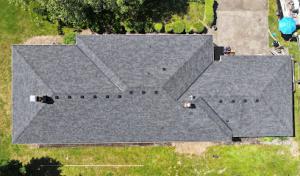
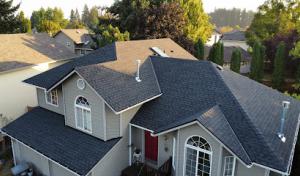
In this area, the dominant materials are asphalt shingles, metal roofing, clay tile, concrete tile, wood shingles or shakes, and synthetic or composite shingles. Each option sits in a different balance of durability, weight, and maintenance when faced with a wet maritime climate. The choice you make should align with the way this neighborhood experiences rain, moss, and seasonal moisture. Asphalt shingles are common for a straightforward reroof and blend well with many home styles. Metal roofing brings strong shedding performance and durability, particularly on steeper slopes or where long-term rain exposure is a factor. Clay and concrete tiles offer a durable, albeit heavier, option with distinctive aesthetics, while wood shingles or shakes bring a traditional look but demand careful moisture management. Synthetic or composite shingles try to combine ease of installation with moisture resistance. Understanding how these materials respond to the coastal-influenced climate helps set expectations for longevity and maintenance.
Forest Grove's rainfall pattern makes water-shedding performance, flashing quality, and underlayment choices especially important across all material types. The wet season tests the roof at every seam, edge, and joint. For asphalt shingles, look for high-quality edge detailing and robust underlayment that can handle persistent moisture at the eaves and around penetrations. Metal roofs excel at shedding water quickly, but require precise flashing where rooftops meet walls, chimneys, and vent stacks to prevent capillary action drawing moisture into the attic. Clay and concrete tiles shed water efficiently when installed with proper slopes and battens, yet their weight means the entire roof structure must be evaluated for support and the underlayment must accommodate tile movement in freeze-thaw-like cycles. Wood shingles or shakes, while weathered gracefully in drier areas, face amplified moss risk here; that means choosing treated, rot-resistant options and committing to annual cleaning, moss control, and timely replacement of any compromised pieces. Synthetic or composite shingles offer moisture resilience and lower maintenance for many homeowners, but still rely on good flashing and ventilation to keep attic conditions dry.
Wood products, in particular, bear added moisture and moss pressure compared with drier inland markets. That pressure translates into faster deterioration if moss becomes established or if moisture sits on the surface for extended periods. With wood, prioritize enhanced surface coatings, more frequent inspections after winter rains, and an aggressive moss-control plan that targets shaded, damp spots. For asphalt, metal, or synthetic options, moss struggles less to take hold on the surface itself, but surrounding conditions-trees overhang, gutters clogged with debris, or slow-draining eaves-will still influence performance. When selecting materials, consider color and texture that help shed water quickly and reduce moss retention, along with a thoughtful, year-round maintenance routine.
Timing matters in this climate. If a reroof is unavoidable during the fall and winter wet season, ensure the project includes comprehensive temporary protection, meticulous flashing with reinforced sealants, and a schedule that minimizes exposure of roof deck to prolonged moisture. For late-winter or early-spring projects, verify a thorough dry-down period before moss-prone seasons return. For any material type, the roof's ventilation and underlayment strategy are foundational-proper airflow under the deck and a robust, moisture-tolerant barrier under shingles or tiles will pay dividends in ongoing performance. In short, prioritize water-shedding efficiency, dependable flashing, and a moisture-aware maintenance plan to keep the roof guarding the home through the soggy seasons.
Pricing in this area tends to reflect a damp, moss-prone climate and a relatively narrow dry window for reroofing. When you plan ahead, you can avoid peak pressure from neighbors wanting work done during the short dry season, which can drive contractor scheduling and price slightly higher if you wait for the best weather. Typical Forest Grove pricing runs about $350 to $650 per square for asphalt shingles, $600 to $1000 for metal, $1200 to $2200 for clay tile, $1100 to $2000 for concrete tile, $600 to $1000 for wood shingles or shakes, and $550 to $900 for synthetic or composite shingles. In practical terms, that means the material choice can push a project from a baseline that fits a tight budget to a premium repair, especially if you're dealing with moss-heavy exposure and a roof with complex geometry.
Asphalt shingles remain a common, straightforward option when the roof isn't showing structural drama. Expect pricing in the lower end of the range, with faster installation and fewer specialized details to contend with, which helps keep labor costs predictable between wet seasons. If your roof has multiple penetrations or complicated valleys, the work can edge toward the higher end of the asphalt band, given extra flashing and moss management steps.
Metal roofing sits toward the upper-middle of the local cost spectrum but often pays back in longevity and moss resistance. In a climate with heavy moisture exposure, metal's quick shedding and reduced moss growth can reduce maintenance calls. Scheduling during the dry season matters here, because a tight window can minimize weather-related delays and potential rust-preventive prep in damp months.
Clay tile and concrete tile bring distinct textures and long lifespans but require careful handling in moss-prone environments. Clay tends to push toward the higher end of the price range, while concrete sits a touch lower but still premium. Both demand careful attention to underlayment and roof geometry; if the roof includes curved surfaces or multiple hipped sections, costs can climb quickly.
Wood shingles or shakes appeal for historic homes or distinctive style, but moisture sensitivity and moss pressure in this region can increase maintenance and replacement intervals, nudging total cost upward. Synthetic or composite shingles offer a lower maintenance profile with a price mid-range among options, balancing durability with upfront cost.
Timing matters. If a reroof is squeezed into a short dry spell, expect higher demand and potentially inflated per-square pricing due to rushed scheduling and limited contractor availability. On the flip side, a well-planned project that starts as the wet season winds down can help you lock in favorable material pricing and steady crews, especially for moss-prone roofs that need timely underlayment and proper drainage setup.
Signature Roof & Chimney
(971) 470-5656 www.signatureroofandchimney.com
1908 D St, Forest Grove, Oregon
5.0 from 62 reviews
Signature Roof & Chimney is a trusted roofing contractor serving Washington County homeowners with expert roof repair, roof replacement, chimney repair, chimney flashing, chimney sweeping, and siding repair and replacement. With over 40 years of combined experience, our team understands how to protect homes from Oregon’s heavy rain, moss growth, and seasonal weather. Homeowners choose Signature Roof & Chimney for honest recommendations, skilled craftsmanship, and dependable service. Whether you need roof leak repair, chimney maintenance, or siding replacement, our experienced team delivers durable exterior solutions designed to protect your home and restore long-term value.
Next Level Gutters & Roofs
(971) 533-1481 www.nextlevelguttersandroofs.com
Forest Grove, OR
4.9 from 34 reviews
With over 20 years of roofing/ gutter experience, we do it right & always make sure it looks good. We're local and family owned relying on our professionalism, friendliness & high quality performance to keep our business growing. We aim to keep our customers happy and satisfied with the best prices available. We specialize in adding filters to your gutters so you never have to clean inside your gutters again. We also do gutter cleaning, gutter repairs & installs, roof cleaning, moss treatments, soft washes, pressure washing, roof installs, repairs & more. We always give free roof inspections and take pictures of everything so you don’t need to second guess anything we tell you. Always friendly, trustworthy & ready to work, give us a call

Legacy Contracting Group
(503) 308-8148 www.legacyoregon.com
2406 Pacific Ave Suite A, Forest Grove, Oregon
4.6 from 91 reviews
Legacy Contracting Group, Inc provides commercial and residential roofing services, cedar roofing, gutters, siding, and roof cleaning services throughout Washington County, OR and surrounding areas.
Northwest Roofing Specialists
(503) 505-0094 northwestroofingspecialistsllc.com
Forest Grove, OR
5.0 from 12 reviews
Northwest Roofing Specialists bringing the best quality roofing to your home. We offer a wide range of services to fit your home's roofing needs. Whether you need a few shingles replaced or a new roof installed, we've got you covered. We offer Roof Replacements, Roof Repairs, Roof Maintenance and Gutter Replacements. We understand the value of a perfect home. Call or email us today for a free estimate.
Red Rhino
(971) 724-5312 www.redrhinollc.com
Forest Grove, OR
4.7 from 15 reviews
Red Rhino, LLC is a Family owned local Remodeling & Construction licensed, bonded & insured company that is a collaboration of bright, passionate, and creative individuals who firmly believe that well-designed and constructed spaces can lift your spirit. We accomplish this with a process that combines your vision with our construction knowledge. This enables us to create the best possible space both functionally and aesthetically. Through complete planning and attention to detail, we can help you perfect your recent purchase, create additional space for a growing family, or remodel an existing space to evolve with your needs. Request a free consultation today and allow us to begin lifting your spirit through our process.
Tony Bower Roofing
(503) 422-7193 www.tonybowerroofing.net
Serving
5.0 from 3 reviews
Welcome to Tony Bower Roofing, a cornerstone in the roofing services industry in Milwaukie, OR. With over 40 years of personal experience, we have specialized in providing a wide array of roofing solutions tailored to the needs of residential and light commercial clients. Our journey began with a commitment to excellence and a passion for delivering unparalleled roofing services. Over the years, we have honed our skills and expanded our expertise, making us the preferred choice in our community.
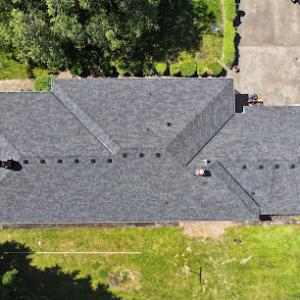
JLV Construction
(503) 615-0660 www.jlvconstructionllc.com
Serving
4.9 from 235 reviews
JLV Construction is a local, family owned and operated roofing business that serves Hillsboro, OR and the surrounding areas. Our owner, Jorge, established the business in 2016. He used to work with a roofing company before he started his business. He loves what he does and wanted to expand his own roofing business. Jorge takes pride in the quality of the work he provides for his customers and makes sure they are 100% satisfied.
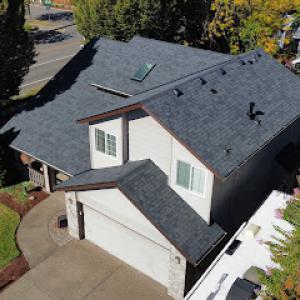
NCRoofing
Serving
5.0 from 71 reviews
Here at NC Roofing we are a family owned and operated roofing company dedicated to providing top-quality residential roofing services. Our team of experienced professionals tackles projects of all sizes, from minor repairs to complete roof replacements, ensuring customer satisfaction throughout the process. Our goal is to build long term relationships with all of our customers!
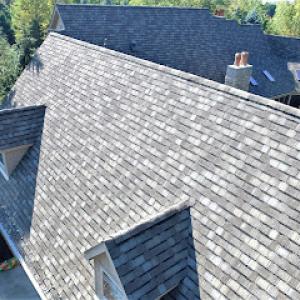
Hillsboro Roofing Company
(971) 297-3583 hillsbororoofingcompany.click
Serving
5.0 from 19 reviews
In search of a roofing contractor you can depend on in Hillsboro, OR? Look no further than Hillsboro Roofing Company. We specialize in residential and commercial roofing services. Backed by years of experience we offer complimentary roof inspections to identify any potential issues before they escalate. Whether it's a minor repair or a complete roof replacement, our skilled roofers are ready to handle it all with precision and expertise. In the unfortunate event of storm damage, we're your trusted partner for swift and reliable repairs. We understand such situations and strive to provide prompt assistance to restore your home, including insurance assistance. Trust Hillsboro Roofing Company over other roofing companies to protect your home.
SA Roofing
(503) 837-3556 keepitsimpleroofing.com
Serving
4.8 from 24 reviews
We are Simply Affordable Roofing. We are a local family owned residential and commercial roofing company. We have over 30+ years of experience and are on a mission to deliver affordable roofing with no gimmicks, only quality, to your home. We know roofs, it's that simple! We exist to provide security for the lives and families in our community. We are passionate about people, roofing, and demonstrating honesty and integrity in everything we do. Our goal is to be known as the go-to company for roofing needs in the Pacific Northwest. Contact us today for a free estimate on your next roofing or gutter project. Let our family help protect yours and keep things simple by bringing affordable roofing to your home or business.
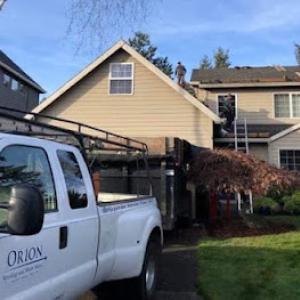
Orion Roofing
(503) 690-1807 www.orion-nw.com
Serving
4.9 from 137 reviews
We have been your local roofer for 30 years! We are a family business that takes care of people and their homes. We take pride in the work we do and the service we provide to our clients in our community. We offer our clients a roof consultation, from an industry expert, and stay away from high pressure sales. We are family operated and locally owned right here in Hillsboro, Oregon - serving the Portland Metro Area. J. Vaughan Roofing, doing business as Orion Roofing, is a roofing company and division of J. Vaughan, Inc. used to market roof replacements, roof recovers, roof tear-offs, and roof inspections provided by the company. Founded: January 1993 Parent Organization: J. Vaughan
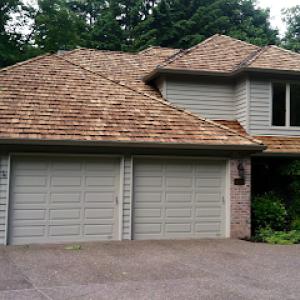
Cedarcare
Serving
5.0 from 6 reviews
Welcome to Cedarcare! Cedarcare was founded in 1997 and is family-owned and operated to this day. We have over 20 years of experience in cedar-only roof repair, roof cleaning, roof oiling and treatment, maintenance, and installation. Our highly-skilled technicians specialize in cedar roofing, so we are experienced and knowledgeable in all things cedar. Our team gets the job done right the first time! We are licensed (CCB # 121316), bonded, and insured. Our team is also A+ accredited with the Better Business Bureau. For the best cedar roof care and repair, contact Cedarcare today!
For a full re-roof, a building permit is typically required. In Forest Grove, permits are issued by the City of Forest Grove Building Division, and handling this step early can help prevent delays once materials arrive and crews are ready to work. Before you sign a contract, ask the roofer to confirm the permit path and whether your project will require any additional authorizations. Because Forest Grove has a wet maritime climate with moss pressure and potential changes to roof geometry, plan for a permit review that accounts for these realities, especially if the project involves adding or moving penetrations, skylights, or venting systems.
Inspections are conducted during and after installation to verify underlayment, flashing, and venting. In practice, this means a city inspector will check that the underlayment is properly installed to manage the prolonged wet season, that flashing around chimneys and vent stacks is continuous and sealed, and that roof vents and soffits are correctly placed to promote drainage and airflow. Timelines for inspections can vary, so coordinate with your contractor to ensure the work aligns with the City's inspection windows and that any required access is kept clear. If the roof geometry is unconventional or if structural elements are altered, expect a plan review step that may extend the process.
Some projects may require plan review when structural elements are altered or roof geometry is unusual. Forest Grove's Building Division will look for structural compliance with loads, proper tie-ins to existing framing, and adequate support for the chosen roofing system. As a homeowner, you can facilitate this by providing clear drawings or elevations from your contractor, including any changes to deck or truss connections, rafter spans, or ridge details. If a plan review is triggered, talk with your roofer about the anticipated timeline and any documentation you need to gather, such as structural calculations or venting layouts.
Start the permit process as soon as you have a defined scope and materials selected, especially in a year-round wet climate where scheduling around wet seasons matters. Maintain open lines with the Building Division: confirm permit numbers, inspection dates, and required access. Keep a copy of all permit-related documents on-site, and ensure contractors display the permit card and project address clearly. If moisture-related issues, such as moss exposure on decking or flashing corrosion, become evident during prep or removal, flag these early in the permit and inspection discussions so that corrective work can be incorporated into the plan without stalling the project.
In Oregon, homeowners insurance pricing and underwriting can shift based on roof age, material, and prior claim history. For a Forest Grove home, that means your policy may respond differently if the roof is nearing the end of its expected life, uses materials prone to moss or wear in our damp climate, or carries a history of weather-related claims. The pattern is patient but real: small changes can influence coverage terms, deductibles, or the timeline of an approved claim.
Forest Grove-area homeowners should expect possible insurer requests for roof photos and condition documentation before coverage changes or claim adjustments. Insurers increasingly rely on recent visuals and notes about moss, granular loss, flashing, and attic ventilation. Having a recent, clear set of photos taken from multiple angles, plus notes from a local roofer about moisture intrusion or shingle lifting, can smooth the process if a policy renewal, premium review, or claim occurs.
Wind and rain claim activity in Oregon can affect premiums and underwriting, so replacement timing should be coordinated with policy terms. Since the Coast Range climate exposes roofs to prolonged wet spells and rapid moss growth, insurers may scrutinize year-to-year claim signals. If a storm season coincides with your renewal window, expect closer review and possible demand for updated documentation before decisions are finalized.
Keep a dated photo record after major storms, and request a quick roof inspection after heavy rains. When planning a reroof, align the project timeline with your policy anniversary so updates can be captured in coverage notes. Communicate clearly with your agent about any moss remediation or ventilation upgrades, since these can influence future underwriting conversations and claim handling.
Connect with contractors who help homeowners navigate the claims process from damage assessment to final approval.
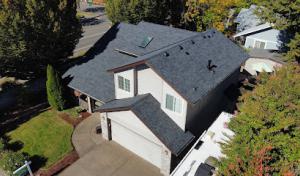
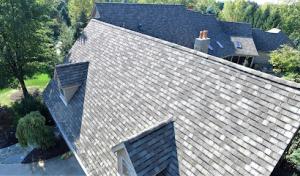
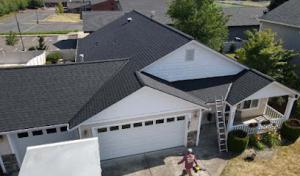
Forest Grove's contractor market shows a strong prevalence of cleanup-included service. That matters in neighborhoods where reroof debris management is a visible homeowner concern. When you call around, ask not only about the roof itself but about the truck beds, tarps, and on-site cleanup plan. Look for crews that leave a tidy job site each day, with visible drop cloths and moss-removal waste properly bagged and hauled away. If you see crews working with a large debris pile or bags left at the curb, that can signal a relief-oriented approach that helps maintain street cleanliness through the project.
Quick response and re-roofing are more common contractor signals in this market than highly specialized premium offerings. Timeliness matters after wet periods end, so prioritize companies that provide clear scheduling windows and consistent follow-up after initial contact. The right team will offer a feasible timeline that accounts for multiple rainy days and the typical spring moss cycle, not just a single dry stretch. Be wary of outfits that promise perfection with long delays or vague start dates; in this climate, practical scheduling beats flashy guarantees.
Family-owned and long-established companies are notably common, reflecting homeowner trust in local tenure and straightforward service. These businesses tend to communicate in plain terms, stand by their work, and maintain a predictable warranty posture. When evaluating options, ask about how crews are trained, how moss-prone surfaces are prepared, and what happens if a wet spell interrupts installation. Local familiarity with ash, alder, and fir overlayers matters because it shapes how products interact with moisture and lichen growth on the roof edge.
Begin with two or three referrals from nearby neighbors and compare cleanup specifics, crew size, and daily progress updates. Request a written, step-by-step plan that covers roof removal, deck protection, moss mitigation, and final cleanup. Confirm that the chosen crew has a reliable on-site supervisor during critical phases and a documented process for handling unexpected rain gaps without compromising material warranty or workmanship.