
Last updated: Apr 19, 2026
Heavy snowfall in this area stacks up quickly, and Chardon's reputation for substantial winter snows means roofs bear a unique stress. When a storm dumps powdery white and then melts, meltwater can back up behind ice dams at the eave. That trapped water then seeps under shingles, re-freezes, and creates stain and leakage along the edges. The result is not just a stain-it's potential rot and interior damage that compounds as temperatures swing above and below freezing. If your roof is undersized for the typical snowfall you see or if the attic isn't properly vented, the risk climbs even higher. A fast, decisive response to heavy snow accumulation and early ice dam formation can prevent minutes of cascading damage, but delay invites costly repairs.
Cold, snowy winters, combined with frequent freeze-thaw cycles, mean eave ice buildup and backed-up meltwater are not hypothetical concerns-they're routine maintenance realities for many homes here. When temperatures bounce, the snow on the upper roof becomes a moving target: it slides, refreezes at the edge, and pushes against the edge flashing and gutter lines. This dynamic makes leak staining around roof edges especially relevant for homes with typical northeast Ohio eave details. The window for repair work narrows once storms stack and melt again, so recognizing early warning signs-granule loss at the gutters, damp spots along ceilings near exterior walls, or icicles that hang abnormally long-needs urgent attention.
Winter can delay tear-offs and replacements, so many homeowners plan major roofing work for spring through early fall instead of peak snow season. If a late-wall leak shows up during thaw weeks or after a heavy melt, the priority shifts to temporary containment: tarping the worst spot, keeping interior spaces dry, and coordinating with a trusted contractor for a spring-summer schedule. In practice, that means scheduling pre-winter inspections, preemptive insulation checks, and ensuring attic ventilation is sufficient to reduce heat build-up that drives ice dam formation. A well-vented attic acts as a critical line of defense, diminishing the conditions that produce stubborn dams at the eave.
First, clear exterior gutters and downspouts of pine needles, debris, and lightweight ice. Clogged lines trap meltwater and exacerbate dam formation. Second, inspect the roof edge for signs of uneven ice buildup after a storm: thick, discolored streaks can indicate active damming and hidden water intrusion behind the gutters. Third, if ice dams begin to form, avoid chiseling at the ice with metal tools; use a plastic roof rake from ground level to carefully remove loose snow along the eaves to reduce pressure. Fourth, verify attic insulation is robust and that baffles or soffit vents are unobstructed, allowing cold roof surfaces and warm ceiling air to separate-this reduces the melt rate at the edge. Finally, if a leak is detected, don't wait for a dry spell to call for a professional assessment. Early triage and timely repairs protect interior spaces and extend the life of the roof structure.
After a stretch of sustained cold, with thaw cycles following, it is prudent to schedule an inspection to confirm that ice dams did not cause hidden damage. Detecting and addressing small issues before they become systemic is essential, especially when the season's storms are still likely to return. A proactive approach-documented inspections, targeted edge repairs, and reinforcement where needed-lays a solid foundation for enduring performance through the next Northeast Ohio winter.
Storm season in this part of Northeast Ohio can turn on a dime. Spring thunderstorms and heavy seasonal rain drive sudden leaks, buried under heavy hail events and gusty winds. When a cluster of storms rolls through, claim handling in the Chardon area pivots on how well you document what happened, the condition of the roof before the storm, and the timing of the damage. If wind and hail hits are frequent enough to become a recurring pattern, insurers scrutinize every detail more closely. Your roof is your first line of defense, and a collapse of timely action can translate into longer repair timelines and more back-and-forth with the adjuster.
In this community, roof documentation and post-storm photo records materially affect claim handling. Start with a dated, comprehensive photo sequence: upstream features like shingles, flashing, vents, and any pre-existing wear captured before a storm fronts in. After a major event, photograph both the hail impact areas and the edges and gutters where damage often hides. Keep a running log of repair notes and service calls, including who inspected the roof and when. If an older roof or a less common material is involved, the insurer will look more closely at the installation history and condition. Organized invoices, installation dates, and a precise roof description make a real difference when a loss is filed. Make digital copies and store them in a cloud-safe location so you can access them even if the house is temporarily unavailable.
Spring thunderstorms and heavy rain can saturate the schedule, creating backlogs after storm clusters. Do not wait to start the claims process if you notice recurring leaks or moisture intrusion. Prompt action helps protect interior finishes and reduces the risk of secondary damage. If multiple storms hit in a short window, coordinate with your insurer and your chosen roofer to stage assessments and emergency temporary measures quickly. Delays in reporting can be used against you in the claim, so file promptly and document every step of the response.
Keep a three-tier file: pre-storm roof condition, post-storm observations, and repair history. Photograph and timestamp everything, even if the damage seems minor. Have a trusted local roofer perform a no-pressure, visor-level inspection after a major event and before a claim is filed, so you can describe the damage accurately to the adjuster. If your roof uses a less common material, gather all product literature, installation manuals, and warranty details. Finally, store these records securely and review them annually, so you're ready to respond swiftly when the next storm cycle arrives.
Find local contractors experienced in assessing and restoring roofs after hail, wind, and severe weather events.

All Heights Roofing & Construction
(440) 343-7301 www.allheightsroofing.com
Serving
4.9 from 52 reviews
4 Seasons Construction & Roofing
(440) 286-1618 4seasonsroofing.net
554 Water St B, Chardon, Ohio
4.9 from 219 reviews
At 4 Seasons Construction & Roofing, we’re dedicated to delivering reliable, high-quality roofing and construction services to the Chardon community and beyond. As a top-rated roofing contractor serving the area since 1986, we are proud to be a 2nd generation, family owned business. We specialize in residential & commercial roofing, roof repairs, windows, siding, gutters, doors, heat panel systems, roof maintenance programs & more! Our team is committed to ensuring every customer has an exceptional experience through quality workmanship and attentive customer service. We understand that roofing systems can be complex, so we take the time to help you select the right materials and warranties to meet your needs!
Swirsky Roofing & Home Improvements
14620 Chardon-Windsor Road, Chardon, Ohio
5.0 from 7 reviews
Swirsky Roofing and Home Improvements, Inc. takes personal pride in ensuring the highest quality workmanship and customer service. Whether big or small, each job gets the same attention that has kept the business going since 1940. Swirsky has always strived to give outstanding service and quality workmanship. That is why second and third generations of families continue to count on the company. We know our customers and they can rely on us to meet all their roofing needs.
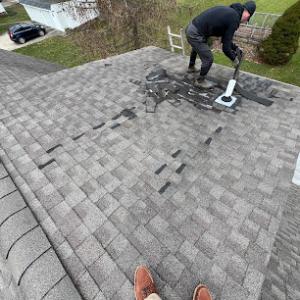
S-T Construction
(440) 313-0014 www.s-tconstructionteam.com
11555 Kile Rd, Chardon, Ohio
4.3 from 7 reviews
S-T Construction is a reputable company that specializes in both residential and commercial roofing, as well as a wide range of general construction services. With a strong focus on quality workmanship and customer satisfaction, S-T Construction has established itself as a trusted name in the construction industry.
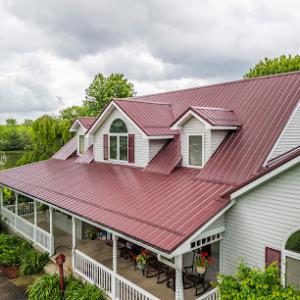
Superior Metal Roofing
(440) 426-9525 superiormetalroofing.us
Serving
4.9 from 17 reviews
Superior Metal Roofing is proud to offer a five-year labor warranty for both installations and repairs. If our work directly contributes to a problem with your metal roof, it will be on us to make the necessary corrections at no expense to you. However, we are confident that you’ll love your metal roof and that our Amish craftsmanship will hold true. Contact us today to get started.
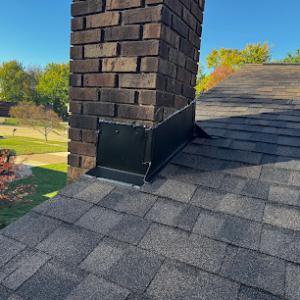
Wade Roofing
(216) 375-7942 waderoofingandlights.com
Serving
5.0 from 59 reviews
Wade Roofing is a roofing contractor in the Cleveland, Ohio area serving Lake County, Cuyahoga County, Geauga County, and Ashtabula County.
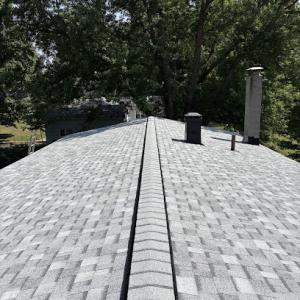
Horizon Roofing & Exteriors
(440) 813-9714 horizonroofingpros.square.site
Serving
5.0 from 35 reviews
Horizon Roofing and Exteriors, Northeast Ohio's trusted provider for top-quality roofing and exterior solutions. We specialize in residential roofing, offering expert installation, repair, and maintenance services designed to protect your property and enhance curb appeal. Our skilled team is committed to using premium materials and delivering exceptional craftsmanship with every project. Beyond roofing, we provide comprehensive exterior services, including siding, gutters, and more, ensuring your home or business stands strong against the elements. Choose Horizon Roofing and Exterior Services for reliability, professionalism, and superior results you can count on.

3 Daughters Construction
(440) 588-2716 3daughtersconstructionllc.com
Serving
4.8 from 37 reviews
3 Daughters Construction is a family owned and operated residential and commercial roofing company servicing Ohio. We are factory trained in most roofing applications and repairs. Please contact us to see how we can service your roofing needs.
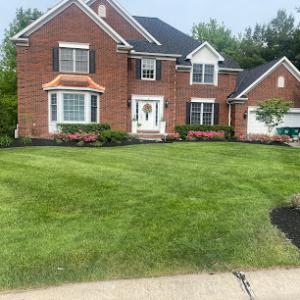
All Heights Roofing & Construction
(440) 343-7301 www.allheightsroofing.com
Serving
4.9 from 52 reviews
All Heights Roofing provides roofing and siding services to Lake Cuyahoga and Geauga Counties.
MK Roofing & Construction
Serving
4.9 from 440 reviews
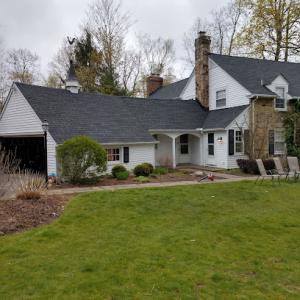
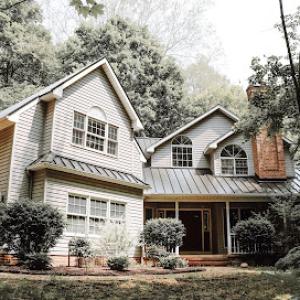
MK Roofing & Construction is your trusted roofing contractor, proudly serving Middlefield, Ohio, and nearby areas such as Burton, Chardon, and Newbury. Our mission is to deliver top-notch roofing solutions focusing on quality and customer satisfaction. We specialize in roof installations, repairs, and replacements for residential and commercial properties. Using high-quality materials, we ensure your roof is durable, weather-resistant, and built to last. Whether you want a roof repair or replacement, our skilled team delivers reliable, long-lasting results. Contact us today for a free estimate and experience the difference that comes with quality roofing services in Middlefield and the surrounding communities!
CRS Roofing
(440) 290-7020 www.crsroofingllc.com
Serving
5.0 from 51 reviews
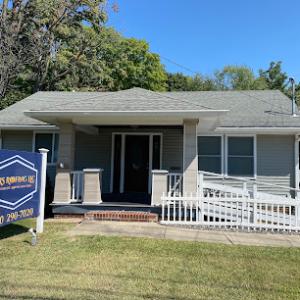
CRS Roofing is a trusted, local roofing contractor proudly serving Mentor, OH and surrounding areas. We specialize in residential roof replacement, repairs, and storm damage restoration. Our team provides fast, free estimates and quality craftsmanship backed by full insurance, licensing, and Google Guarantee protection. Whether it’s a small repair or full roof replacement, we’re committed to honest service and lasting results.
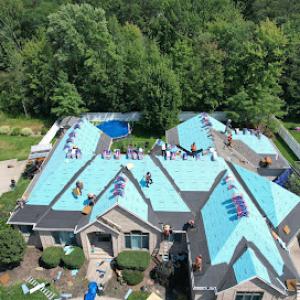
Raw Roofing Solutions
Serving
5.0 from 170 reviews
Raw Roofing Solutions is your trusted roofing contractor in Chagrin Falls, Concord, Mayfield, and nearby areas. We provide expert residential roofing, commercial roofing, roof repair, and more — including specialized solar roofing services. Homeowners and businesses choose us for our comprehensive roof warranties and affordable roof financing options. Looking for dependable Mentor, OH roofers? Contact us today for a free estimate! “We do this every ‘shingle’ day!”
Asphalt shingles are a practical fit for many homes in this market, but winter ice and summer humidity make correct ventilation and underlayment choices especially important for lifespan. When selecting asphalt, prioritize a deck and attic that stay reasonably dry year-round, with ample ventilation to minimize condensation under the roof. An ice/water shield installed along eaves and at any valleys helps prevent damming where snow sits longest. In the cold months, a well-sealed perimeter, plus proper attic baffles to maintain airflow above the insulation, keeps the felt and asphalt from becoming成 brittle after repeated freeze-thaw cycles. Choose a familiar, local installer who understands how our snowfall patterns interact with your roof line and overhangs, since small details-like a slightly taller boot on vent pipes or a staggered shingle pattern at valleys-really matter when snow sits on the roof for weeks. In practice, plan for a system that balances a sturdy underlayment with a vented attic and a color or granule finish that resists UV and ice buildup.
Metal roofing has strong local relevance because it sheds snow efficiently, but snow movement and edge detailing matter in a community with frequent winter accumulation. Metal panels with a standing-seam profile reduce the risk of ice bridging along the fasteners, and a robust edge trim helps prevent wind-driven snow from lifting panels near eaves. Consider adding snow guards or ice stops at critical points-especially above entrances or garage openings-so a heavy cord of snow breaks away in a controlled fashion rather than sliding down to walkways below. Ensure your chosen profile accommodates drainage away from walls and does not trap snow on shallow overhangs. A roof with a factory-applied coating that resists chalking and corrosion performs better through multiple seasons of freeze-thaw cycles. Work with installers who understand local snowfall paths on your roof slope and can tailor edge detailing to the house shape and roof-to-wump connections.
Clay tile, concrete tile, wood shakes, and synthetic products are available in this market, but heavier or specialty systems can be more sensitive to structural load, installer availability, and insurer questions in a snowy Ohio climate. Heavier tiles demand a professional structural assessment to confirm the existing framing can carry the load through peak snow events. Wood shakes require good ventilation and humidity control to avoid warping after winter moisture, while synthetics can offer weight and installation advantages but still need proper underlayment and secure fasteners to manage wind-driven ice and snow. If considering these options, a local roofer should review the home's attic layout, chimney connections, and potential moisture ingress points to ensure the system performs through our long, icy winters.
When planning a replacement, you can anchor budgeting with the typical ranges for common residential materials. In this area, asphalt shingles run about $320 to $520 per square. Metal roofing is typically $500 to $900 per square. Clay tile projects commonly land between $900 and $1,700 per square, while concrete tile sits roughly at $800 to $1,500 per square. Wood shingles or shakes fall in the $600 to $1,100 per square range, and synthetic or composite shingles run about $450 to $850 per square. These figures reflect the realities of a snowbelt climate where material choice encounters freeze-thaw cycles and heavy insulation demands.
Winter damage creates surge demand for fast repairs and re-roofing after storms, especially when many homeowners are filing claims at once. In practice, that means costs can rise beyond the base ranges if crews are stretched thin or if expedited material delivery is required. When a storm hits and a neighborhood needs quick mobilization, look for project quotes that include weather-contingency lines and clear timelines to avoid price creep from contingency packing.
Steeper residential rooflines common in Northeast Ohio snow country can complicate tear-offs and installations, particularly after ice-dam damage. Ice dams often necessitate more thorough water intrusion checks, extra underlayment, and sometimes additional insulation work. Those factors push labor hours up and can shift material selections toward more durable or heavier systems. Expect installations to be priced with these realities in mind, and be prepared for possible incremental increases if a full tear-off is required rather than a simple overlay.
Permit-driven inspection scheduling, even when permit processes aren't the main focus here, can influence the timing and pricing of a project. In wet months or after major storms, crews may queue behind storm-related repairs, which can extend project timelines and impact daily rates. When evaluating bids, compare not only the per-square price but also what's included in the scope: debris removal, attic ventilation checks, ice-damming prevention measures, and a staged approach if weather windows are tight.
Get a clear picture of your project costs upfront - no commitment required.
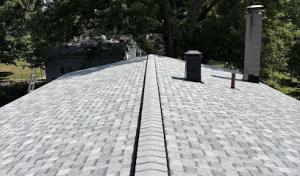
Horizon Roofing & Exteriors
(440) 813-9714 horizonroofingpros.square.site
Serving
5.0 from 35 reviews
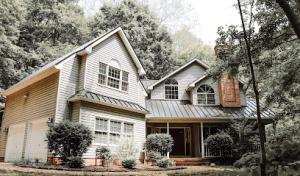
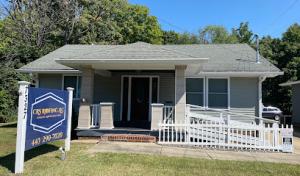
A full re-roof in Chardon typically requires a building permit submitted through the local building department before work begins. The permit ensures that the project design and materials meet municipal and state safety standards, which is particularly important after heavy snows, freeze-thaw cycles, and the ice dam risks that define local roofing practice. You should plan to gather the property deed, a description of the scope, and any contractor information so the department can review quickly.
The local process generally involves providing project details, then scheduling inspections during the job and a final inspection after completion. Expect to submit sketches or product specifications for the chosen roof system, along with a timeline and contractor credentials. If your home has historic characteristics or unique roof features, include notes on ventilation strategy and attic insulation to streamline approval.
Inspections are typically staged at key milestones: after the deck and underlayment are installed, during shingle installation progress, and again at project completion. These checks verify flashing around penetrations, proper ice and water shield placement in areas prone to ice damming, and adherence to wind uplift requirements. In areas with heavy snowfall, inspectors pay close attention to how the roof vents pair with ridge and soffit ventilation to mitigate moisture buildup.
The final inspection confirms that the re-roof installation matches the permit plans and complies with applicable codes. It also serves as the official closure for permit records, which matters for future property transactions or insurance considerations. Keep a folder with permit numbers, inspection stickers, and any change orders from the contractor in case questions arise later.
Because Chardon roofing work is often compressed into spring through early fall, permit timing and inspection availability can affect start dates during busy replacement season. If a winter project is contemplated, check with the building department about any expedited service options or temporary occupancy considerations for safety. Planning ahead helps avoid delays when storms or cold snaps drive urgent replacements.
In this market, wind and hail claims are common, and insurers often expect clear proof of roof age, condition, and storm-related damage. That means your paperwork should tell a concise, consistent story from before the event to after. Gather installation receipts, maintenance notes, and any prior repair invoices so the adjuster can see a continuous history. A clear chronology helps prevent disputes that stall or complicate payment, especially after a heavy snow year when damage blends with wear.
Adjusters in this region may request photos, invoices, and a roof description, making pre-loss documentation unusually valuable when a claim is filed. Photos should cover multiple elevations, attic conditions, and any visible water stains or ice dam remnants. Snap close-ups of flashing, drip edges, and any existing repairs. Keep a simple roof description handy: material type, age, typical snow load performance, and any known issues like prior leaks or wind damage. If a claim involves damage from a winter storm, provide timestamps or dated photos that align with the storm event.
Claims involving older roofs or non-standard materials can face more scrutiny, which affects whether homeowners choose mainstream shingles, metal, or specialty systems. Document the exact material and its suspected age, plus any upgrades or changes since initial installation. If the roof combines elements (for example, metal sections with shingles) note how the system behaved during past freeze-thaw cycles. Insurers may weigh the durability of the chosen system against the documented history, so accuracy here matters.
Create a centralized folder-digital or physical-with the roof description, all invoices, and storm-related photos. Label files by date and event, and keep copies off-site or in the cloud. When meeting an adjuster, present a cohesive packet that aligns with the storm timeline, the roof's age, and the observed condition. In this market, meticulous record-keeping is not optional; it can steer the claim toward a fair resolution and minimize delays during the winter season.
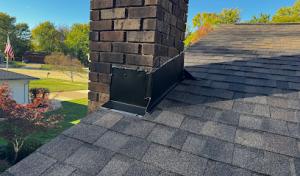
Local contractor signals show meaningful demand for chimney-related roofing work in Chardon, where flashing around brick and metal chimney collars commonly takes a beating from freeze-thaw cycles. If new flashing sounds like overkill, remember that a single compromised seam can channel meltwater into attic spaces during a heavy snow thaw. Inspect the transition from chimney crown to flashing during a clear winter day when the sun has dried any residual ice. Look for loose or lifted metal, flashing that's corroded, and mortar gaps that have widened enough to trap ice.
Snow load and lead-back ice make leak points around penetrations more vulnerable than in milder Ohio markets. Skylights and chimneys sit at the intersection of critical seal trends: the roof deck, underlayment, flashing, and venting. In practice, this means insulating properly around the perimeter during the off-season, and keeping snow from piling up directly against the chimney or skylight curb. When a storm deposits a thick layer, consider a cautious, methodical removal approach to avoid dislodging surrounding shingles or aggravating the roof edge.
When winter water backs up at eaves or around penetrations, interior staining may appear far from the actual entry point. In Chardon homes, ice dams along the eave line can push moisture laterally and reveal leaks beneath skylight frames or chimney stops only after a thaw. Trace a stain back to the highest visible intrusion, then work downward along vertical penetrations to confirm whether the source is skylight flashing, chimney flashing, or a compromised roof vent seal.
Schedule a fall and early spring check focused on skylight sealant integrity and chimney counter-flashing. In the cold months, remove debris from the skylight curb and ensure the surrounding shingles sit flat against the flashing. If winter storms have left ice dams adjacent to a chimney, address the dam area promptly to prevent continued water infiltration and additional roof edge damage. Keep attic spaces ventilated to reduce condensation that can mimic slow leaks around these penetrations.
Find contractors experienced in skylight installation, flashing, and leak repairs to bring natural light into your home.
Swirsky Roofing & Home Improvements
14620 Chardon-Windsor Road, Chardon, Ohio
5.0 from 7 reviews
Horizon Roofing & Exteriors
(440) 813-9714 horizonroofingpros.square.site
Serving
5.0 from 35 reviews
All Heights Roofing & Construction
(440) 343-7301 www.allheightsroofing.com
Serving
4.9 from 52 reviews