
Last updated: Apr 19, 2026
In Beachwood, roof replacement decisions are commonly triggered by wind and hail events plus winter freeze-thaw cycling rather than hurricane exposure. That means a single severe storm can push a roof from "okay" to urgent replacement candidate in the span of days. Look for shingles peeled back, granule loss visible in eaves and gutters, and loose flashing around chimneys, skylights, and vent pipes. A quick attic inspection after a storm can reveal hidden leaks: damp insulation, blackened joists, or new stains on the ceiling. If you notice spokes of daylight through attic outlets or curling underlayment along the roof edge, treat it as a red flag. In these neighborhoods, a delayed response compounds damage, accelerating rot and inviting mold. Action steps are clear: document the damage with photos, call a local roofing pro for a rapid inspection, and flag any signs of moisture intrusion right away. Time matters when wind-driven tablets of granules and lifted shingles reach the underlayment.
Ohio winter conditions around Beachwood promote ice dam formation at eaves and leak development after repeated thaw-refreeze cycles. When warm days melt surface snow and nights refreeze, ice builds up along the roof edge, pushing under shingles and into gutters. The result is a slow drip that travels until it finds a weak seam, typically at the eaves or near chimney and vent flashing. If this pattern repeats across multiple storms, there is a high likelihood of hidden roof rot and interior staining. Ice dams are not merely cosmetic concerns; they can force water intrusion behind walls, into ceilings, and around attic access points. Proactive measures-adequate attic ventilation, proper insulation, and maintaining an intact underlayment-reduce the risk, but when damage is detected, prompt action is essential. If you observe icicles forming at the eaves coupled with interior dampness after a thaw, prioritize a professional assessment to determine whether a complete replacement is advisable or if targeted repairs will suffice.
Spring storm activity in Northeast Ohio can interrupt repair schedules and create a surge in demand for inspections, tarping, and replacement quotes. After a rough winter, a stretch of unsettled spring weather means crews juggle weather windows, access issues, and supply delays. In Beachwood, this translates to longer timelines between inspection, approval, and installation. If a damaged roof is left exposed through late winter into early spring, further precipitation can worsen interior damage and complicate mitigation efforts. Expect a tighter schedule if storms roll through and you've already filed an insurance claim or contractor quote. Plan for a potential backlog but prioritize essential protection: tarping or temporary containment to stop ongoing leaks, especially during rain-heavy weeks. The objective is to prevent water intrusion from escalating while the right crew fits into the window between lingering winter conditions and summer heat.
Key indicators of urgent need include active leaks in living spaces, staining that appears after rainfall or thaw events, and persistent moisture in the attic that remains after vents are opened. Exterior signs include missing or lifting shingles, blown-off granules in gutters, and damaged flashing around chimneys or vents. If a storm has just passed, conduct a careful exterior and attic check with a flashlight for daylight or insulation staining. Do not delay calls to a trusted local roofer who understands Beachwood's roof profiles, steep slopes, and shingle choices. Ask about edge detailing, proper underlayment, and the compatibility of any proposed replacement with your home's existing ventilation and insulation. In this market, urgency is your ally: timely inspections can narrow whether a full replacement is necessary or if a well-executed repair will extend the roof's life and protect the interior from further damage.
Once damage is confirmed, coordinate promptly with a roof specialist who can differentiate between necessary replacements and temporary repairs. Prepare to discuss the roof's age, the local climate history, and any prior repairs that may affect the current condition. Given Beachwood's style of housing stock with steep slopes and older construction details, a professional can recommend roofing materials that balance durability, performance in freeze-thaw conditions, and compatibility with the curb appeal of upscale neighborhoods. Immediate containment, documented assessments, and a clear plan for the sequence of repairs will minimize disruption and exposure to weather while the project proceeds.
Beachwood's residential roofs reflect a diverse mix: asphalt shingles, metal, clay tile, concrete tile, wood shakes, and synthetic/composite products. That variety matters because each material handles Northeast Ohio winters, summer heat, and storm-driven landings differently. The dominant local stock means home improvements should respect not only personal taste but the practical realities of steep slopes, overhangs, and the way snow and ice behave on different surfaces. When evaluating options, consider how the roof fits with neighboring homes, existing drainage, and the likelihood of long-term performance in the face of freeze-thaw cycles.
Winter in this area is hard on roofs, especially for tile and heavier systems. Water can seep into small cracks, then expand with freezing, stressing underlayment and fasteners. Clay and concrete tiles, learned over decades, resist impact well but are brittle if there is existing microcracking or poor attic ventilation. That combination of water intrusion and winter expansion can widen cracks and uncover underlayment weaknesses. If a roof already shows cracking, missing granules, or signs of edge lifting, the risk of ice damming and moisture intrusion increases. In homes with steep pitches, those risks multiply because water can flow quickly to flashing and valley transitions, where failures are most likely to appear.
Ohio summers bring heat and humidity that can influence how shingles seal and age on steep roofs. Asphalt shingles, when installed in high heat, require careful handling to prevent long-term warp or adhesive failures. On steeper sections, soft underlayment and attic airflow play a bigger role in how well the roof blocks heat transfer and resists wind-driven uplift. Proper nailing patterns and shingle alignment matter more in this climate, where rapid temperature swings occur between a sunny afternoon and a cooler evening. This is especially true for synthetic/composite options, which can be installed to maximize sealing and durability when temperatures are favorable for full bonding.
When steering toward asphalt shingles, look for products with good granule retention and strong wind resistance to address seasonal storms. For metal roofs, consider coatings and panel profiles that shed snow effectively and resist denting from hail and ice. Clay and concrete tiles deliver excellent longevity and curb appeal, but require solid slope compatibility and precise flashing to handle freeze-thaw movement. Wood shakes provide a distinctive look but demand careful maintenance to prevent moisture absorption and rot; consult installers about treated or sealed options that can better withstand Ohio weather. Synthetic or composite shingles offer versatility and often a good balance of weight and durability, with options that mimic natural materials without some of their vulnerabilities. Each choice should be paired with an underlayment strategy designed for seasonal shifts and a ventilation plan that mitigates heat buildup in the attic.
Storm damage frequently triggers rapid replacement decisions in this area, with insurance timing often dictating pace. When a claim arises, the chosen roof type should deliver a manageable replacement window, keeping weight and debris management in mind for yards and driveways typical to Beachwood homes. Heavier roof systems like concrete or clay require precise structural checks to ensure the framing can support the load, especially if previous winters have left subtle indications of stress. In contrast, a well-installed asphalt or composite system can offer a quicker, lower-profile option if the goal is to restore envelope integrity efficiently while addressing heat sealing and wind uplift concerns. Regardless of material, ensure flashing at valleys, chimneys, and skylights is compatible with the roof type and that attic ventilation is sufficient to temper moisture and heat, reducing long-term risk from freeze-thaw cycles.
When you price a roof here, think in per-square terms and compare the full range of options, not just the sticker price. Asphalt shingles sit at the lower end, usually around the mid- to upper-300s per square, climbing toward the mid-600s as you add better granules or upgraded underlayments. Metal roofs run higher, typically from the low to mid-600s up to about 1,100 per square, depending on profile and color. If you're weighing tile systems, expect the long view: clay from roughly 900 to 1,800 per square, concrete from about 800 to 1,400, and wood shingles or shakes from the mid-400s to the upper 900s. Synthetic or composite shingles sit between asphalt and metal on many Beachwood streets, roughly 550 to 900 per square. In practice, asphalt is commonly the lowest-cost entry, while tile systems push the cost ceiling higher than most other options.
During and after major storms that sweep across the Cleveland eastern suburbs, you'll see a sharp uptick in both demand and available crews. That spike tightens labor, squeezes lead times, and can push pricing modestly higher just when you want to move fast. If a late-wallstorm or a regional claim surge hits around spring or fall, expect some delay in calendar slots and possible short-term price adjustments due to crew availability and material lead times. Planning ahead for these windows helps keep your project on track without paying a premium for expedited service.
On this street, it's common to see asphalt, metal, and at least one tile option side by side during a replacement discussion. The decision often hinges on expected lifespan, curb appeal, and the local climate's freeze-thaw cycles, which stress roofing joints and fasteners in different ways. If you're weighing tile against asphalt, for example, you'll balance upfront cost against durability, weight load, and roofing structure. A metal option might appeal for its longevity and lighter weight, while synthetic shingles can offer a middle ground in aesthetics and cost. Given the variety you'll find locally, material choice matters more here than in markets with uniform installations, because your neighbor's roof can influence both resale value and maintenance expectations for years to come.
Start with a target price range based on the per-square figures above, then add a contingency for storm-related scheduling shifts if your project lands in a busy season. Consider a staged approach if you're replacing only portions affected by wind or hail, while ensuring the rest of the roof remains protected. Finally, align your material choice with the expected climate stressors and the street's adjacent homes to maintain cohesive curb appeal and long-term value.
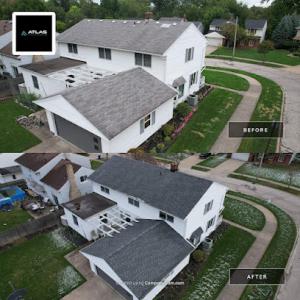
Atlas Roofing & Restoration
(216) 888-3208 www.atlasroofingrestoration.com
23945 Mercantile Rd, Beachwood, Ohio
5.0 from 55 reviews
Welcome to Atlas Roofing & Restoration, your trusted partner for storm restoration and roofing services in Northeast Ohio, including Cleveland, Beachwood, University Heights and More! We specialize in residential and commercial roofing, gutters, and siding, providing tailored solutions to meet your needs. Our experienced team ensures top-quality workmanship and coordinates directly with your insurance for efficient storm damage claims. As a licensed, bonded, and insured company, we prioritize your peace of mind and the integrity of your home. With over 15 years of experience, we deliver reliable service. Claim your FREE inspection today!
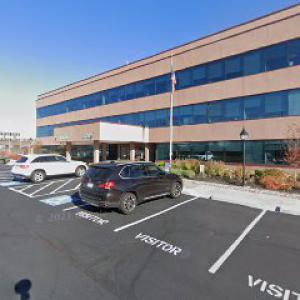
Tremco Roofing & Building Maintenance
(800) 852-6013 www.tremcoroofing.com
3735 Green Rd, Beachwood, Ohio
3.9 from 16 reviews
Roofing & Weatherproofing Peace of Mind! We deliver peace of mind to building owners and facility managers by managing roofing and building life cycles for customers in all industries, including education, healthcare, government, manufacturing and more. Tremco Roofing offers the industry's most comprehensive roofing and weatherproofing solutions for restoration, repair, maintenance, replacement and new construction. WTI (Weatherproofing Technologies, Inc., a subsidiary of Tremco), provides roofing services, construction management and general contracting. Our Canam Building Envelope Specialists affiliate provides building envelope solutions to eliminate air leaks, improve energy efficiency and reduce costs.

NextGen Restoration
(877) 796-2367 nextgenrestoration.net
Serving
4.5 from 201 reviews
Since 2015, NextGen Restoration has been a trusted general contractor and construction company, proudly serving Ohio and Kansas City. Specializing in expert roofing and comprehensive storm restoration services, we bring unparalleled dedication to every project. From revitalizing your basement with a stunning remodel to enhancing your home's exterior with new siding or efficient gutter solutions, NextGen Restoration delivers exceptional craftsmanship and reliable results.

Cleveland Roofing Contractors
(216) 859-1999 clevelandroofing.net
Serving
5.0 from 16 reviews
For over 20 years Cleveland Roofing Contractors has been your #1 provider for new roof installations, repairs, or anything roof related. We're the experts you can trusts and offer free estimates and the best warranties in the state.
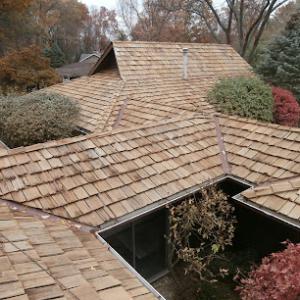
Shake PRO Solutions
(844) 226-7663 shakeprosolutions.com
3695 Green Rd, Beachwood, Ohio
5.0 from 1 review
With nearly 40 years of experience, we have worked on, but also kept track of exteriors. With the intent of long lasting solutions, we have found ways to do just that! Wood shake and wood shingle roofs, Gutters, Siding should outlast the manufacturer's recommended lifespan. We are committed to helping you with your project!
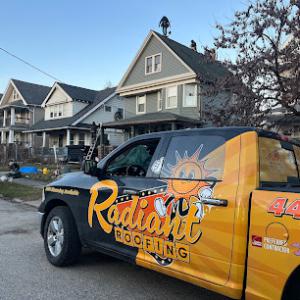
Radiant Roofing
(440) 840-4382 www.1radroof.com
Serving
5.0 from 53 reviews
Radiant Roofing is a family-owned roofing business in Northeast Ohio. We are your destination for help with insurance claims, and any residential or commercial roofing solution. Our experienced team specializes in crafting stylish and durable roofing structures, ensuring your property's protection from the elements year round. We are an Owens Corning certified contractor, and offer the best warranties in roofing. We can install traditional asphalt shingles, or metal roofing. We also install siding, windows, gutters and rooftop solar systems. We deliver unmatched quality and customer service for all your exterior needs!
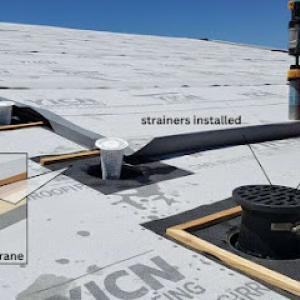
YICN Roofing (aka Your Insurance Claims Network)
(216) 999-4342 yicnroofing.com
Serving
5.0 from 118 reviews
YICN Roofing is a trusted, locally owned roofing company based in Cleveland, OH, proudly serving homeowners and businesses throughout Northeast Ohio. We specialise in roof repair, roof replacement, storm damage restoration, siding, gutters, emergency tarping, and skylight upgrades. Backed by years of experience and a 5-star reputation, our team delivers high-quality craftsmanship, honest inspections, and full insurance claim support. Whether you need emergency roof repairs or a complete exterior renovation, YICN is committed to protecting what matters most - your home and your peace of mind. Our licensed and professional team is committed to quality, reliability, and customer satisfaction. Call us today for a free estimate or storm damage
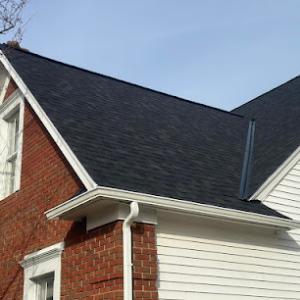
Link Exteriors
(330) 302-2069 linkexteriors.com
Serving
4.9 from 154 reviews
At Link Exteriors we are roofing, siding, gutter, and window specialists! When it comes to roofing contractors in Northeast, OH, we know you have a lot of choices. So why should you choose Link Exteriors for your residential or commercial roofing needs? Quality Materials + Superior Workmanship = Outstanding Value. We’ve worked hard since our founding to build a reputation for excellence that has allowed us to continue to grow over the years. We are committed to customer satisfaction, and sincerely hope that every customer finds our team to be a great partner in turning their house into a home. We provide free storm damage inspections.
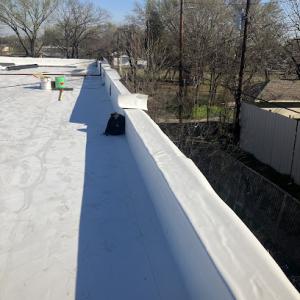
AA Metal & Dimensional Roofing
(216) 412-1347 aamdroofing.com
Serving
5.0 from 24 reviews
Our mission is to meet the needs of our communities by helping educate homeowners on the best choice for their largest asset. We do roofs (RESIDENTIAL & COMMERCIAL)! We do gutters! We do siding! We do window!! If its quality you seek then speak to your AAMD representative and ask them about our preferred products list. They will help you proceed to get your project what it needs. FINANCING AVAILABLE.
Nasti's Roofing & Restoration
(216) 650-4334 nastisroofing.com
Serving
5.0 from 79 reviews
Nasti’s Roofing & Restoration is a top-rated roofing contractor serving Cuyahoga, Geauga, Lorain, Medina, and Summit County. We specialize in asphalt and metal roofs, roof installations, replacements, gutter installation, siding, window installations, and all exterior restorations. As storm damage experts and insurance specialists, we help guide you through the claims process. We offer free emergency roof repairs and free roof inspections, available 24/7. As a CertainTeed Shingle Master, licensed, and insured, we provide fast, reliable service. Contact us today for a free estimate!
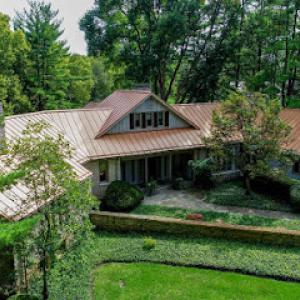
Lake Erie Metal For Shingles
(216) 777-4000 lakeeriemetalforshingles.com
Serving
4.9 from 77 reviews
Lake Erie Metal for Shingles is proud to service Cleveland, Solon, Boston Heights, Chagrin Falls, Aurora, Westlake, Hunting Valley, Macedonia, Cuyahoga Falls, Moreland Hills, Gates Mills, Strongsville, Akron, and greater Northern Ohio with Metal Roofing Services, offering Rib Metal, Standing Seam Metal, and Metal Shingles for both Residential and Commercial Properties, Family Owned, Amish Installed. Our Metal is Class 4 Rated for Fire, Wind, and Hail. With a 40+ Year Guarantee and 24 Colors to Choose From.
The Captain
(216) 816-2000 www.callthecaptain.com
Serving
5.0 from 83 reviews
Local business. Family owned. We offer windows, roofing, siding, gutters, fencing, and decks. Superb quality. Impeccable service. If you're looking for a home exteriors contractor near you, look no further! Call the Captain!!
When a roof replacement becomes the plan after storm damage or seasonal wear, you begin with the Beachwood Building Department. The local process is set up to ensure steep-slope roofs, attic ventilation, and underlayment details meet the city's safety and energy standards. Before any shingle, tile, or metal panels move, you must secure a building permit. That permit confirms the project scope, materials, and workmanship align with Beachwood's code expectations and the neighborhood's higher-end roof profiles. Expect inspectors to pay attention to flashing around tall roof edges, intersections with chimneys, and proper drainage where the roof meets existing gutters.
Filing is done through the Beachwood Building Department, where you'll submit project plans, material selections, and the proposed timeline. The process typically involves a clear description of the replacement, photographs of the current roof, and any storm-damage assessments if applicable. After submission, you pay the permit fee and receive permit numbers and inspection windows. It helps to coordinate communication with your contractor so the documents reflect the actual on-site work plan, including phased replacements if weather or equipment constraints arise. Keep a copy of the permit on site as work progresses; inspectors will reference it during each visit.
Inspections are not a one-and-done checkbox in Beachwood-they're staged to match the build progress. Expect a rough-in inspection early in the project to verify deck integrity, underlayment installation, and proper nailing patterns for steep slopes. Mid-project inspections check flashing details around skylights, vents, and chimneys, plus the alignment of hip and ridge elements with the roof's slope and symmetry that's common in the area's upscale homes. A final inspection is scheduled once the visible roofing components are in place and all punctures through the decks, walls, and eaves have been properly sealed. If your project includes storm-restoration work that overlaps with insurance timelines, coordinate documentation with the inspector so any deficiencies identified during the storm claim are addressed promptly.
The final inspection in Beachwood confirms completion and code compliance before the job is fully closed out. During this visit, the inspector verifies all work matches the approved plans, flashing and perimeter details are properly finished, and the whole assembly aligns with County and city safety standards for weather exposure. If any item doesn't pass, a specified re-inspection date is set, and corrective work is logged against the permit. Once the inspector signs off, you receive formal closure, and the project moves into post-work maintenance expectations-like warranty retention and any city-recorded confirmations that the roof upgrade met Beachwood's standards.
In this neighborhood and the broader Ohio market, wind and hail claims are common enough to shape replacement timing but are generally less catastrophic than in hurricane-prone states. The pattern here often hinges on after-storm assessments and the age of the roof rather than drastic weather events. Homeowners should expect a cautious, methodical process where decisions about repair versus replacement are influenced by what an adjuster sees after a storm and how the roof has held up over time.
Insurers handling Beachwood-area claims may closely review roof age, prior repairs, and photo documentation when deciding whether damage supports repair or full replacement. That scrutiny isn't about tricks or delays; it reflects a practical check on whether worn materials or previous patchwork would compromise long-term performance. Knowing that documentation matters, a solid set of dated storm photos, along with interior leak indicators linked to roof activity, strengthens a homeowner's position.
Because claim outcomes can influence whether homeowners patch or replace, owners benefit from documenting storm dates, elevations, interior leaks, and prior maintenance history. Keep a weather diary noting wind speeds, hail size, and dates of any leaks or attic condensation after storms. Collect repair receipts, shingle samples if available, and notes from any prior contractors. This information helps establish a credible timeline and supports decisions that align with actual roof condition rather than a single storm snapshot.
In Beachwood, replacement timing often follows a combination of storm impact signals and observed wear from freeze-thaw cycles. A roof that survived several winters without significant flashing failures or shingle curling may still be considered for repair after a mid-size hail event, while a roof with repeated leaks and degraded underlayment could push toward replacement. The key is aligning the claim narrative with the roof's real history, not just the most recent rainfall.
Connect with contractors who help homeowners navigate the claims process from damage assessment to final approval.
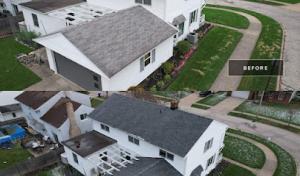
Atlas Roofing & Restoration
(216) 888-3208 www.atlasroofingrestoration.com
23945 Mercantile Rd, Beachwood, Ohio
5.0 from 55 reviews
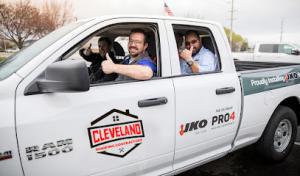
Although the town leans toward steep-slope residential roofs, local contractor activity shows meaningful demand for flat and low-slope work on additions, attached garages, and some commercial properties. In this climate, a low-slope section can silently become a problem area if drainage isn't handled well. Snow holdover and slow drainage in Northeast Ohio elevate the importance of proper pitch transitions and a drainage plan that considers freezing and thaw cycles.
Mixed rooflines are a hallmark of many Beachwood homes, and that setup often creates leak points where low-slope sections meet steeper main roofs. After a hard winter, ice dams can form at these junctions, pushing water laterally under flashing and along ridges. Pay particular attention to transitions around additions, garage drywall lines, and any overhangs that create a shallow plane. Gutters and downspouts in these zones tend to clog first when drifting snow or pine needles accumulate along the edge, delaying drainage and increasing edge wear.
When inspecting a low-slope area, start with the perimeter where the flat roof meets the main roof. Check for lifted or missing flashing, deteriorated caulk, and any obvious fastener corrosion. Look for areas where ice dams could back up water against the underside of the low-slope deck. Inspect drainage outlets for obstruction and ensure scuppers, if present, are clear and guiding water away from the wall assemblies. In colder months, observe for water sheen or damp spots after a melt, as these signals often point to slow drainage rather than a surface-only issue.
Keep gravel or surface debris off the low-slope area to prevent clogged drains. Align any added drainage devices with the natural flow path of the main roof to minimize water stagnation. Schedule periodic resealing or flashing checks as seasons shift, especially near joints where the low-slope meets steeper sections. In Northeast Ohio, a proactive approach in late fall can reduce winter-time backflow and edge damage.
Find specialists in TPO, EPDM, and built-up flat roofing systems for residential and commercial properties.
Ohio Roofing Siding & Slate
(216) 862-4553 www.ohioroofingsidingandslatellc.com
Serving
4.9 from 419 reviews