Last updated: Apr 19, 2026
Red Lion storm and freeze-thaw damage demands urgent attention after the first big wind, hail, or thaw-and-refreeze cycle. Winter in this area is characterised by cold spells that push moisture into exposed roof areas. Freeze-thaw cycles widen tiny defects, especially around flashing, vents, and the valleys where water can pool. That means a small nail pop or a loose shingle today can become a serious leak next thaw. The borough's typical housing stock - with aging underlayment, vented roofs, and mixed material transitions - is particularly vulnerable to these dynamics. When spring storms arrive, moisture moves faster across the roof surface, and even minor irregularities can accelerate deterioration. In Red Lion, PA, this combination creates a real risk to the roof's integrity and the interior below if not addressed promptly.
Spring brings frequent storms and wind that can strip granules, lift edges, and push moisture under shingles where it should not be. Hail, even when not dramatic, can dent metal details and dent or crack asphalt or composite shingles, weakening their protective role. After a hail event, the first priority is a focused roof check before the next rain. Look for lifted tabs, missing granules, and any new granule deposits in gutters. If moisture has penetrated into eaves or overhangs, water can track along rafter tails or fascia, accelerating rot in older boards. In practice, you should plan for more rapid scheduling needs in the weeks after a storm, since repairs and replacements tend to bottleneck as weather windows close.
Begin with a careful, up-close exterior walk around your house. Check for exposed underlayment, lifted flashing around chimneys and vent pipes, and any signs of moisture staining on ceilings inside the attic or top floor. If you see daylight through attic vents, suspicious dampness, or active leaks, treat it as an urgent warning. Use a flashlight to trace water trails to their source, especially where two roof planes meet or where a dormer or bay window creates extra seams. Keep a log: date-stamped photos, observed conditions, and any corrective action you take, even if it's a temporary tarping or resealing. After a severe storm, your goal is to protect interior spaces while arranging a professional assessment to verify whether structural components, decking, or insulation have sustained damage.
Older homes with mixed roof materials often show failure around flashing boots, roof-to-wall intersections, and valley linings. Freeze-thaw cycles preferentially affect edges and penetrations, where moisture can linger and refreeze. In homes with vented soffits or inadequate attic insulation, warm interior air can condense on cold roof surfaces, promoting rot and mold in the attic. Metal detailing, such as chimney caps and skylight surrounds, can be a magnet for fast corrosion after storms. Red Lion properties frequently encounter these patterns, so targeted checks around the chimney, boot-flashings, and valley intersections should be part of every seasonal roof review.
If a storm has just passed, start by clearing loose debris from gutters and ensuring downspouts drain away from the foundation. Internationally, a temporary water barrier or tarp over the most vulnerable sections can buy time, but do not rely on it as a permanent fix. Schedule a professional inspection as soon as possible, and bring the storm history into the conversation with the contractor. Document all damages with clear photos and date stamps, and maintain a detailed record for insurance discussions. In a market where scheduling can be tight after winter and spring events, acting quickly protects your home and reduces the risk of larger, more costly failures down the line. Red Lion, PA homeowners should prioritize a rapid damage assessment after each significant wind or hail event to safeguard the roof's long-term performance.
In Red Lion, the roof replacement season typically runs from late spring through early fall. Winter freezing and snow make access treacherous and tear-offs risky, while summer downpours can interrupt work and delay progress. Planning around this window helps ensure the roof replacement finishes in a single, contiguous effort rather than dragging through gaps created by weather. If a storm interrupts, crews will often halt on the exposed roof and wait for safer conditions, which means coordinating a stretch of consecutive dry days becomes essential.
Summer heat and humidity in this area can push temperatures high enough to stress materials and slow crews as they work in full sun. Asphalt shingles and some composites tolerate heat well, but adhesive and underlayment installations benefit from cooler conditions. If a project is scheduled during peak heat, expect longer days or additional crew shifts to maintain a steady pace without compromising quality. Windy days, common in late summer, can complicate sheet handling and safety checks, so timely planning for material deliveries and site access matters.
Autumn brings a predictable drop in daylight and more leaf debris, which can complicate cleanup and obscure inspection points. Windy days in the early fall can loosen lingering debris and shift attention from installation to post-job tidying. Final roof inspections gather importance then, since leaves can hide flashing seams or ventilation details that need close scrutiny. Scheduling the completion to wrap up before leaf drop peaks helps ensure a clean, easy-to-inspect finish and reduces the chance of leaves snagging along the eaves after installation.
A practical approach starts with securing a solid stretch of dry days-ideally a block of 5 to 7 days of favorable weather-so tear-off, substrate prep, and installation proceed without pause. When possible, align the first week with mild temperatures and lower humidity to set the pace for the crew and verify ventilation and flashing details early in the process. If a heat spike or a late-season shower threatens progress, building a contingency, such as reserving a backup window in early fall, helps maintain momentum without sacrificing workmanship.
Before work begins, clear the yard of temporary obstacles and fallen leaves along the eaves to reduce cleanup time. Ensure ladders and debris nets are positioned to minimize wind-driven debris that can complicate autumn cleanups. After installation, schedule a brief post-work walkthrough in a dry window of late fall before leaf drop accelerates, focusing on flashing joints, ridge vent coverage, and any rooftop penetrations. This timing makes it easier to spot minor issues before storms or heavy leaf fall obscure them and reduces the chance of a call-back for resealing or re-flashing later in the season.
Get a clear picture of your project costs upfront - no commitment required.
Bob Handy Builders
(717) 870-7041 bobhandybuilders.com
6 Chapel Way, Red Lion, Pennsylvania
4.1 from 9 reviews

Bob Handy Builders
(717) 870-7041 bobhandybuilders.com
6 Chapel Way, Red Lion, Pennsylvania
4.1 from 9 reviews
Bob Handy Builders is a trusted home improvement contractor serving South Central Pennsylvania. With over 20 years of experience, we specialize in roofing, siding, and remodeling services. Known for quality craftsmanship and a client-focused approach, Bob Handy Builders takes pride in treating each project as if it were their own. Whether you're looking to repair your roof, install new siding, or transform your home with a remodel, we offer affordable solutions tailored to your needs. Contact us today for a free estimate and start building a better home!

Ream Roofing Associates
(717) 244-8592 www.reamroofing.net
Serving
5.0 from 3 reviews
Ream Roofing is a 4th generation family owned commercial & industrial roofing company, serving the Mid-Atlantic Region for over 100 years! The Ream Difference: Quality craftsmanship & materials for all your roofing repair and installation projects. Our tenured staff with more than 20 years of field experience brings a wealth of knowledge, ensuring you get only the services you want and need. Your satisfaction with the completed project is our number one priority. One key to our continued success is diversity of project size and scope. We pride ourselves in the flexibility to complete any size or complexity of roofing project by keeping a balance of our four pillars: New Construction - Replacements - Service - Sheet Metal
Southern National Roofing
(717) 833-6746 southernnationalroofing.com
Serving
4.7 from 201 reviews
Looking for a reliable roofing contractor? We’ve got you covered. Taking on a major home improvement project can be daunting—especially one as critical as your roof. At Southern National, we’re committed to making the process as seamless, transparent, and stress-free as possible.
Seely Construction
(717) 873-8021 www.seelyconstructionllc.com
Serving
5.0 from 65 reviews
Seely Construction is a owner/operated small business that specializes in exterior construction. Our services include roofing, siding, gutters, windows and doors. The entire crew is comprised of career firefighters. We never use any subcontractors and complete all the work ourselves. The one and only priority is to provide the best service possible and to give each customer the best experience they have ever had working with a contractor.
Hickory Roofing & Construction
Serving
4.9 from 75 reviews
We are a quality-driven roofing contractor, with a focus on metal roof systems. We pride ourselves on quick turnaround and reliable service.
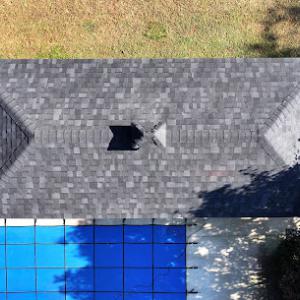
Priddy Roofing & Exteriors
(717) 527-6574 priddyroofingexteriors.com
Serving
5.0 from 24 reviews
As a trusted roofing contractor serving Maryland, Pennsylvania, West Virginia, and Virginia, we specialize in storm damage restoration with top-quality materials, expert craftsmanship, and industry-leading warranties. With only 2% of roofing contractors nationwide achieving Master Elite® certification, we’re equipped to handle all your storm-related roofing needs, starting with a free inspection. Serving local communities across Maryland, Pennsylvania, West Virginia, and Virginia, we ensure your home is fully protected and restored after severe weather, giving you peace of mind for years to come.
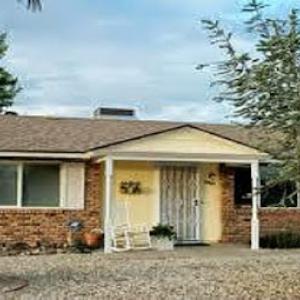
Leak No More
(717) 812-1167 www.leaknomore.com
Serving
4.1 from 66 reviews
Are you looking to give a new look to your roof? If yes, then here we have the best solution for you. Whether you are facing the problem of leakage or you are seeking regular maintenance, we are the perfect option for you. Along with us, you can give a long-lasting and leak-proof look to your roof. Depending upon the quality of work, we design the best packages for you. We have experience in working along with our customers for many years and we have made them satisfied with our services. We are professional, talented, and offer all the timely-services so, that our customers will always love to have our services. Along with us, you can get free from the leaking roofs so, contact us today or drop your query to us right now.
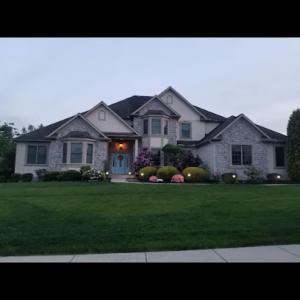
William Braun General Contracting
Serving
4.9 from 70 reviews
We have Been in Business for 21 years and We are A Small Family Owned and Operated Business . Following in My GrandFather and Fathers Foot Steps. Im a 3rd Generation Contractor and Contracting is In My Blood. We take Pride in our Work and Stand behind it as We Strive for Perfection. Our Number 1# Goal is Our Customers and there Happiness . We are honest and Upfront about Everything We Can and Can not do. So there is No Guess Work When you Make a decision
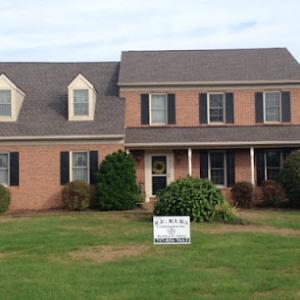
R E Kuba Construction
(717) 854-7663 rekubaconstructionincpa.hibuwebsites.com
Serving
4.4 from 49 reviews
R E Kuba Construction provides roofing, siding, windows, storm damage repair, and gutter services to York and Adams County, PA.
American Remodeling Enterprises
(717) 268-9020 americanremodeling.net
Serving
4.9 from 83 reviews
Top local roofing company in York, PA. We offer high-quality roofing services throughout York County, Lancaster County, Adams County, Carlisle, Harrisburg, and nearby areas. As a top-rated roofer in York, PA, we specialize in residential roof replacements and installations, utilizing materials such as premium metal, asphalt shingles, rubber, and stone-coated steel, all backed by lifetime warranties. Our commitment to “Quality Roofing and Home Improvement, Done Right!” extends beyond roofs. We offer additional services like window replacement, siding, tub-to-shower conversion, cabinet refacing, and epoxy flooring. Contact us today to schedule your free estimate!
TC Backer Construction
(717) 837-5456 321gutterdone.com
Serving
4.9 from 49 reviews
Discover unparalleled roofing solutions with TC Backer Construction, your premier Roofing Contractor in York, PA. Located at 2300 Carlisle Rd, we specialize in Roof Repair, Roof Replacement, and Roof Installation, with a focus on Shingle Roofing and seamless Gutter Installation. Our commitment to excellence is evident with our instant online Roofing Quotes and prestigious GAF Master Elite® status, placing us among the top roofing professionals. Whether you're seeking expert Roofers Near Me or comprehensive storm damage repairs, we ensure customer satisfaction with every project. Call us today at (717) 837-5456 to begin your next home improvement journey.
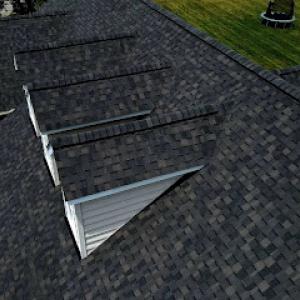
Peak Exteriors
Serving
5.0 from 64 reviews
Peak Exteriors, LLC, established in 2023, proudly serves homeowners in Adams and York Counties and their surrounding areas. We are a fully licensed and insured roofing company, Peak Exteriors stands for individualized attention, fostering transparent communication and exceptional craftsmanship in roofing, siding, and gutter installation and services. Their mission is to ensure each homeowner receives a superior, custom-tailored experience in every aspect of their work.
Asphalt shingles in this market usually run about $350 to $700 per square, a practical range for homeowners weighing quick repairs or full replacements after storm hits. When you look at metal, plan for $600 to $1,200 per square, reflecting the durability and longer life that many Red Lion homeowners seek after harsh winters. Clay tile sits higher, typically $900 to $1,800 per square, with concrete tile at $700 to $1,500 per square offering a sturdy alternative in areas that see freeze-thaw cycles. Wood shingles or shakes fall around $550 to $1,100 per square, delivering a traditional look with added maintenance potential. Synthetic or composite shingles come in at about $450 to $900 per square, providing a balanced option for cost-conscious updates or replacements. These ranges align with what you'll see in typical Red Lion projects and give you a framework for comparing bids from local roofers.
Storm-driven demand spikes in this market can push pricing and wait times higher after spring and summer weather events. When a hailstorm or high-wind event passes through, it's common to see more customers seeking quotes in a short window, and local crews may schedule faster but costlier rush jobs. If a storm leaves debris or dented decking behind, some crews may need extra days to address insulation and ventilation concerns, which can influence project timing and the overall price tag. In Red Lion, that pattern shows up most clearly in late spring and early summer, so budgeting a contingency for a flood of bids after a big event is practical.
Winter damage that exposes decking and worsens through freeze-thaw cycling is a common cost driver here. When moisture penetrates the roof plane and then freezes, the resulting micro-cracking and wood damage can demand more extensive repairs beyond the visible surface. If decking shows significant deterioration, repairs or replacement of the underlying structure can be required, pushing the total beyond a straightforward shingle swap. In addition, Red Lion homes come in a mix of styles-from traditional, steep-pitched roofs to flatter, modern silhouettes. The more complex the roof geometry, the more labor and materials a project will typically require, which can push the per-square cost higher, particularly for asphalt into the upper end of its range or for specialty options like clay tile or concrete tile.
Start with a precise inspection during mild weather to avoid surprises. Document any hail marks, wind-damaged shingles, or visible decking issues to guide bids. When comparing quotes, ask for itemized line items: materials, underlayment, ventilation, flashing, removal, disposal, and any additional repairs or decking work. For climate-resilient choices, consider metal or synthetic shingles if longevity and wind resistance matter most, but weigh the upfront cost against the expected lifespan. For aesthetics and performance, clay or concrete tile can be appealing, especially on homes with a built-in weight tolerance, yet require careful structural assessment. In this market, a well-documented inspection, clear bids, and a plan for potential decking repairs after winter cycles will help keep Red Lion projects on track and predictable.
Asphalt shingles remain the backbone of many homes in this market, delivering familiar installation timelines and a broad selection that fits reroof projects you're likely facing after winter storms. In this climate, where wind-driven hail and freeze-thaw cycles test the edge of each panel, asphalt shingles require meticulous attention to flashing and edge protection. After a hail event, inspect for page-edge lifting, bruising, or granule loss, and schedule a close follow-up check to catch thin-walled or compromised areas before the next freeze. When you choose this option, insist on corrosion-resistant fasteners and a well-seated starter row to reduce wind uplift risk, especially on exposed ridges and vent penetrations common on columns of older houses around town.
Metal roofing is a visible specialty in this area, and it speaks to homeowners who want robust performance through heavy snows and prolonged exposure to wind and rain. A metal system can shed accumulating snow more readily, which can reduce ice dam risk and curb weight compared to tile or shake in some configurations. However, the panel layout, seam detail, and attic ventilation must be coordinated to prevent condensation and flashing gaps that freezing temperatures can exploit. Consider color-influenced heat retention and the potential for louder impacts during hail, balanced against long-term maintenance and the ease of replacement if a panel is damaged. Local crews often advise seamless integration with existing soffit vents and ridge vents to sustain airflow during the winter.
Tile, wood shake, and synthetic options exist in this market, but unusual system combinations may add permit-review complexity in Borough projects compared with standard reroofs. If you're exploring these materials after hail or severe winter weather, plan for careful assessment of substrate and underlayment compatibility, roof pitch suitability, and flashing details around chimneys and skylights. Wood shakes offer dramatic curb appeal but can be prone to decay in freeze-thaw cycles without proper treatment and ventilation. Synthetic shingles provide resilience and a varied aesthetic, yet check for compatibility with existing ventilation strategies and flashing transitions to avoid cold-weather leaks. In all cases, prioritize a design that preserves proper attic ventilation to manage moisture during the deep-freeze months.
Explore specialists in steel, aluminum, and standing seam metal roofs built to last 50 years or more.
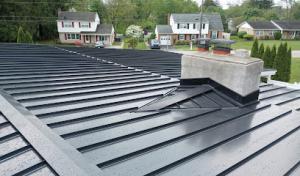
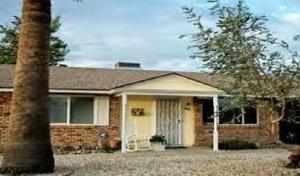
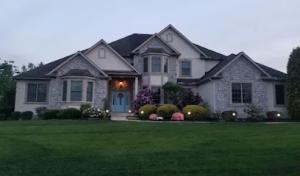
In this borough, a permit is usually required for a full reroof rather than being treated as a no-paperwork job. That means skipping the permit is not a risk-free shortcut; if the borough discovers an unpermitted reroof, that oversight can trigger rework, delays, and potential fines. The permit process is less about red tape and more about ensuring the roof and its flashing, ventilation, and overall integration with the house meet current standards after a storm season and through freeze-thaw cycles.
The card you hold in your hand or the paperwork the contractor brings should show the permit path clearly. The contractor or homeowner typically files with the borough building department for reroof work. Start by confirming who is responsible for submitting the application and all required drawings, notices, and inspections. Keep a copy of every submission and confirmation receipt, because those records often align with insurance documentation after a wind or hail event and can speed up post-storm claims.
Inspections generally occur after installation and focus on flashing, ventilation, and overall code compliance. The inspector will check that the roof's flashing details around chimneys, vents, and walls are properly integrated and that ventilation meets code requirements for attic and roof deck moisture control. In Red Lion, added complexity can appear with unusual roof systems or nonstandard decking, so be prepared for potential extra scrutiny or additional walkthroughs with the inspector to verify unusual configurations. If something isn't up to code, expect resubmission or corrective work before the permit is closed.
Coordinate timing so installation aligns with the inspection window; otherwise, you risk double visits or rework. Have readily accessible project drawings, flashing detail notes, and vent locations. If the contractor is reputable, they'll guide you through the borough's specific requirements and help you avoid common delays. Remember, proper permitting is a safeguard for your home's integrity and for smoother insurance documentation after a storm.
Find contractors experienced in skylight installation, flashing, and leak repairs to bring natural light into your home.
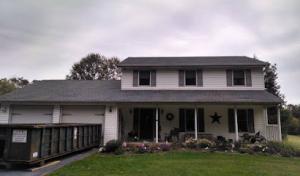
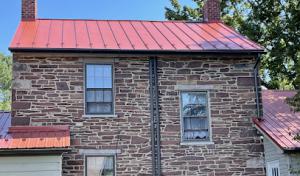
In the Red Lion region, insurers generally rely on post-storm assessments and documentation rather than broad automatic assumptions about damage. That means a quick inspection at the moment of weather events isn't enough to hold up a claim. Instead, expect a careful review of what happened, what was damaged, and how the roof and attic components were affected by wind, hail, and freeze-thaw cycles over time.
Claims are common here after severe storms, so homeowners should expect adjusters to ask for photos, roof age records, and details about wind mitigation or prior repairs. It helps to have organized files: dated photos of the roof from multiple angles, any hail impact marks found on shingles or flashing, and notes on any attic condensation or ventilation changes noticed after the storm. If a prior repair exists, provide receipts or inspection reports to show how that work might influence current damage or remediation options.
Document weather events promptly and thoroughly. Keep a dated log of when the storm hit, what you observed on the roof and inside the attic, and any temporary protections you applied to prevent further damage. After the claim is filed, revisit the roof with the adjuster or a trusted contractor to address gaps between what was visible from the ground and what might be found during a closer inspection. Clear, legible photographs and a concise summary of each issue can streamline the process and reduce back-and-forth.
There has not been a broad statewide insurer pullback affecting this market, but settlement support still depends heavily on documentation quality after local storm events. A well-documented claim that ties specific wind or hail events to observed damage typically moves through the process more smoothly.
Connect with contractors who help homeowners navigate the claims process from damage assessment to final approval.